
The Circus, Bath Travel Guide
Discover The Circus, Bath’s breathtaking Georgian circle of elegant townhouses rich in history, symbolism, and architectural grandeur.
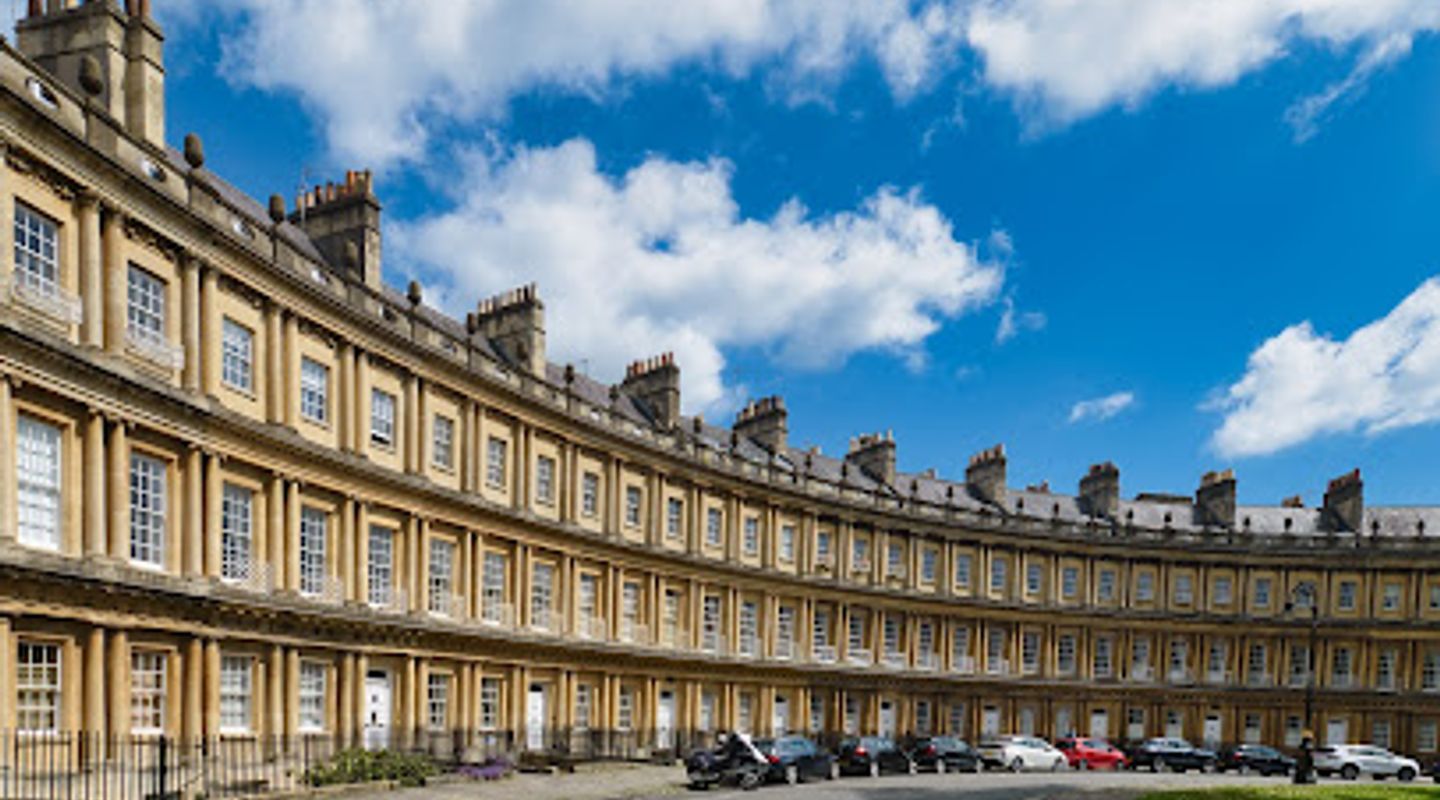
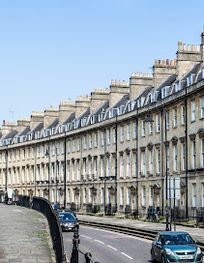
The Circus in Bath is a stunning circular ensemble of Grade I listed Georgian townhouses designed by John Wood the Elder and completed by his son in 1768. Comprising three curved segments forming a perfect circle with three entrances, it is famed for its classical columns, intricate stone carvings, and symbolic motifs inspired by Roman and Druidic influences. The Circus has housed notable figures like artist Thomas Gainsborough and actor Nicholas Cage, standing today as a central historic landmark in Bath’s elegant cityscape.
A brief summary to The Circus
- Bath, BA1 2ET, GB
- Click to display
- Click to display
- Duration: 0.5 to 1.5 hours
- Free
-
 Outdoor
- Mobile reception: 4 out of 5

Know before you go
Hi, I'm Eve. Here are a few practical things to know before exploring The Circus.
- Stand in the exact center of The Circus to experience its unique acoustic echo effect.
- Look closely at the stone carvings to spot Masonic symbols, serpents, and nautical motifs.
- Visit nearby Royal Crescent and Queen Square for a fuller appreciation of Bath’s Georgian architecture.
- Enjoy a meal at The Circus Restaurant on Brock Street, offering seasonal, locally sourced dishes in a Georgian setting.
Do you manage this location?
Take control to get all the benefits, like improved information, better appearance, and stronger visibility across AI-powered discovery. Learn more about listing your business on Evendo
Activate your presenceOther nearby places you may find interesting
The closest places of the same kind, if this one is not quite what you had in mind.
Explore The Circus on the Map
A handpicked selection of must-see spots near The Circus, mapped for you.
Unlock the Best of The Circus
Buy tickets
-
No tickets available
Book tours with entry


Getting There
-
Bus
Take local bus services from Bath Bus Station to stops near Queen Square or Gay Street, approximately a 10-15 minute ride. Buses run frequently throughout the day with tickets costing around £2-£4. From the stop, it is a 5-10 minute walk to The Circus. Note that buses may be less frequent on Sundays.
-
Train
Arrive at Bath Spa railway station, which is about 1.5 km from The Circus. From the station, a 20-25 minute walk through Bath city center leads you to The Circus. Alternatively, take a local taxi or bus from the station for a 5-10 minute journey costing approximately £5-£10.
-
Car
Driving to The Circus is possible but parking is limited in central Bath. Use city center car parks such as Charlotte Street or Avon Street, located 10-15 minutes’ walk away. Parking fees range from £1.50 to £3.00 per hour. Walking from the car park is recommended due to narrow streets and pedestrian zones.
For the on-the-go comforts that matter to you
-
 Seating Areas
-
 Information Boards
Discover more about The Circus
Architectural Vision Rooted in History and Symbolism
The Circus was conceived by the visionary architect John Wood the Elder in 1754, who drew inspiration from the Roman Colosseum and prehistoric stone circles such as Stonehenge. Although Wood died shortly after construction began, his son, John Wood the Younger, completed the project in 1768. The design features three equal curved terraces of 33 grand townhouses arranged in a perfect circle with three entrances, creating a harmonious and balanced urban form. The diameter of the circle matches that of Stonehenge, reflecting Wood’s fascination with Druidic symbolism and ancient geometry.Distinctive Details and Masonic Influences
The Circus is renowned for its elaborate stonework, which includes classical columns of the Doric, Ionic, and Corinthian orders stacked vertically on each terrace. Closer inspection reveals intricate carvings of serpents, acorns, nautical motifs, and other emblems that hint at Masonic and Druidic symbolism, a hallmark of Wood’s architectural style. From above, The Circus, together with Queen Square and Gay Street, forms a key shape, another Masonic symbol, reinforcing the mystical aura surrounding the site.A Residence for Notables and a Cultural Icon
Over the centuries, The Circus has been home to many prominent figures. The celebrated 18th-century portrait artist Thomas Gainsborough lived at number 17, using it as his studio. More recently, Hollywood actor Nicholas Cage also resided here, adding a touch of contemporary celebrity to its storied past. The Circus remains a symbol of Bath’s Georgian elegance and cultural heritage, attracting visitors who admire its architectural grandeur and historical significance.The Visitor Experience and Urban Setting
Located in the heart of Bath, The Circus is an open public space accessible at all times, allowing visitors to walk around and stand in its center to experience the unique acoustics where sounds echo dramatically. The surrounding area is peaceful yet central, making it an ideal spot to appreciate Georgian architecture alongside nearby landmarks such as the Royal Crescent. The grassy central disc, dotted with mature plane trees, offers a tranquil green space framed by the striking facades of the townhouses.Preservation and Enduring Legacy
The Circus is a Grade I listed site, reflecting its exceptional architectural and historic importance. Conservation efforts ensure that the craftsmanship of the original 18th-century stonemasons and builders remains visible and intact. The site survived World War II bombings largely unscathed, preserving Bath’s neo-classical heritage. Today, it stands as a testament to the city’s Georgian golden age and continues to inspire architects, historians, and visitors alike.Complementary Attractions and Local Life
Nearby, visitors can explore other Georgian gems such as Queen Square and the Royal Crescent, as well as cultural institutions like the Fashion Museum and Assembly Rooms. The Circus is also close to a variety of dining options, including The Circus Restaurant on Brock Street, known for its seasonal, locally sourced cuisine served in a stylish Georgian house. This blend of history, architecture, and vibrant local culture makes The Circus a must-see landmark in Bath.












Your all‑in‑one travel companion app
Explore expert travel guides, compare and book tours, experiences, hotels, and more—all from the palm of your hand. Download now for seamless trip planning wherever your wanderlust takes you.


Explore More of Bath
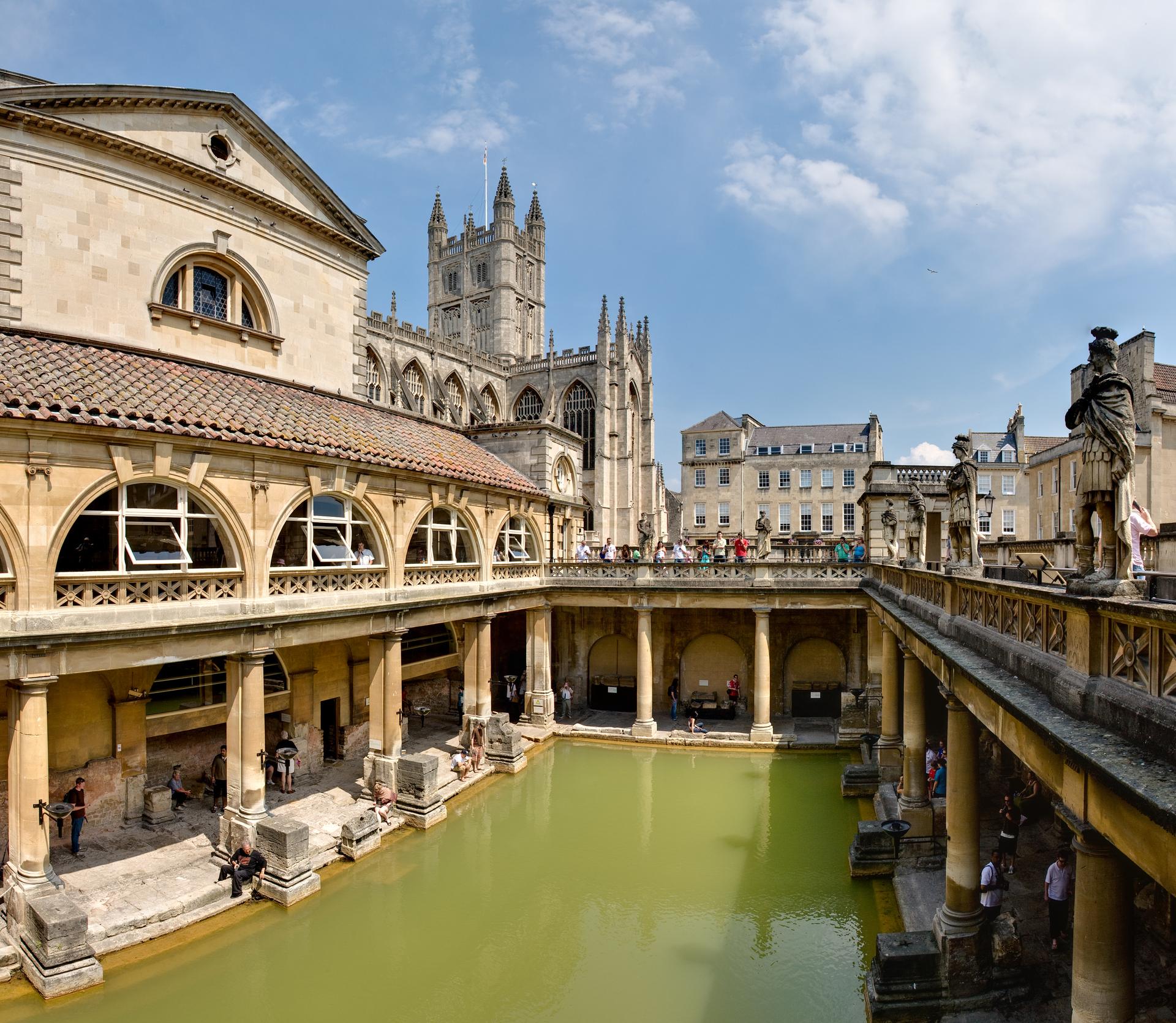
Looking beyond The Circus? Discover Bath for broader travel guides, local hot-spots, and regional highlights.
Explore Bath
Explore the haunting ruins of St Peter’s Church in Castle Park, a solemn World War II memorial and historic gem in the heart of Bristol.
Explore Bath’s architectural evolution from medieval roots to Georgian grandeur in a compact, richly detailed museum setting.
