Mapledurham House, Berkshire Travel Guide
An exquisite Elizabethan manor by the Thames, rich in history, poetry, and timeless English charm.
Mapledurham House is a magnificent Elizabethan manor located beside the River Thames near Reading, England. Built between the late 1580s and early 1600s by Sir Michael Blount, it is renowned for its rich red brickwork, historic Catholic refuge features, and association with the poet Alexander Pope. The estate includes the only working watermill on the Thames, a 13th-century church, and landscaped grounds shaped by 18th-century garden design innovations.
A brief summary to Mapledurham House
- Reading, Mapledurham, GB
- Click to display
- Click to display
- Duration: 1.5 to 3 hours
- Mid ranged
-
 Outdoor
- Mobile reception: 4 out of 5
- Monday 9 am-9:30 pm
- Tuesday 9 am-9:30 pm
- Wednesday 9 am-9:30 pm
- Thursday 9 am-9:30 pm
- Friday 9 am-9:30 pm

Know before you go
Hi, I'm Eve. Here are a few practical things to know before exploring Mapledurham House.
- Visit the working watermill to see traditional stone-ground flour production in action.
- Explore the landscaped gardens and enjoy views opened up by the historic ha-ha feature.
- Learn about Alexander Pope’s fascinating connection to the Blount family during your tour.
- Check opening hours before visiting; the house is closed on Sundays and Saturdays.
Do you manage this location?
Take control to get all the benefits, like improved information, better appearance, and stronger visibility across AI-powered discovery. Learn more about listing your business on Evendo
Activate your presenceOther nearby places you may find interesting
The closest places of the same kind, if this one is not quite what you had in mind.

Explore Mapledurham House on the Map
A handpicked selection of must-see spots near Mapledurham House, mapped for you.
Getting There
-
By Car
Driving from Reading town center takes approximately 20 to 30 minutes via the A4074 road. Parking is available on-site but can be limited during events. Expect some narrow country lanes en route.
-
By Train and Taxi
Take a train to Reading Station, then a taxi ride of about 20 minutes to Mapledurham House. Taxi fares typically range from £15 to £25. Public transport options directly to Mapledurham are limited.
-
By Bus and Walk
From Reading, take bus route 143 towards Goring, alighting at a stop near Mapledurham village. From there, it is a 15 to 20-minute walk over gentle terrain to the house. Service frequency is moderate, so check schedules in advance.
For the on-the-go comforts that matter to you
-
 Restrooms
-
 Drink Options
-
 Food Options
-
 Seating Areas
-
 Information Boards
Discover more about Mapledurham House
Origins and Architectural Grandeur of Mapledurham House
Mapledurham House was constructed beginning in the late 1580s by Sir Michael Blount, a high-ranking official under Queen Elizabeth I, who sought a grand residence befitting his status. The manor replaced an older 12th-century house, showcasing the distinctive red brickwork and intricate patterns typical of Elizabethan architecture. A unique feature is the oyster shell-adorned gable at the rear, symbolizing the house’s role as a secret Catholic refuge during periods of religious persecution. The house was completed by Sir Richard Blount in 1612, who also expanded the estate by uniting two manors.Historic Legacy and the Blount Family Lineage
The estate has remained in the hands of the Blount family descendants since the late 15th century, with a lineage marked by royalist allegiance and resilience through turbulent times, including the English Civil War when the house was besieged and sacked. Notable family members include Sir Charles Blount, who suffered financial difficulties during the 17th century, and Lyster Blount, whose daughters were courted by the famed poet Alexander Pope. The family’s history is deeply intertwined with English aristocracy and local heritage.Alexander Pope’s Connection and Cultural Influence
Alexander Pope, one of England’s greatest 18th-century poets, frequented Mapledurham House between 1707 and 1715, courting the Blount sisters Martha and Theresa. His relationship with the family significantly influenced the estate’s cultural history. Pope’s involvement extended to the landscape design of the grounds, collaborating with the celebrated architect William Kent to introduce 18th-century garden innovations such as the ha-ha, which opened scenic views toward Reading.The Working Watermill and St Margaret’s Church
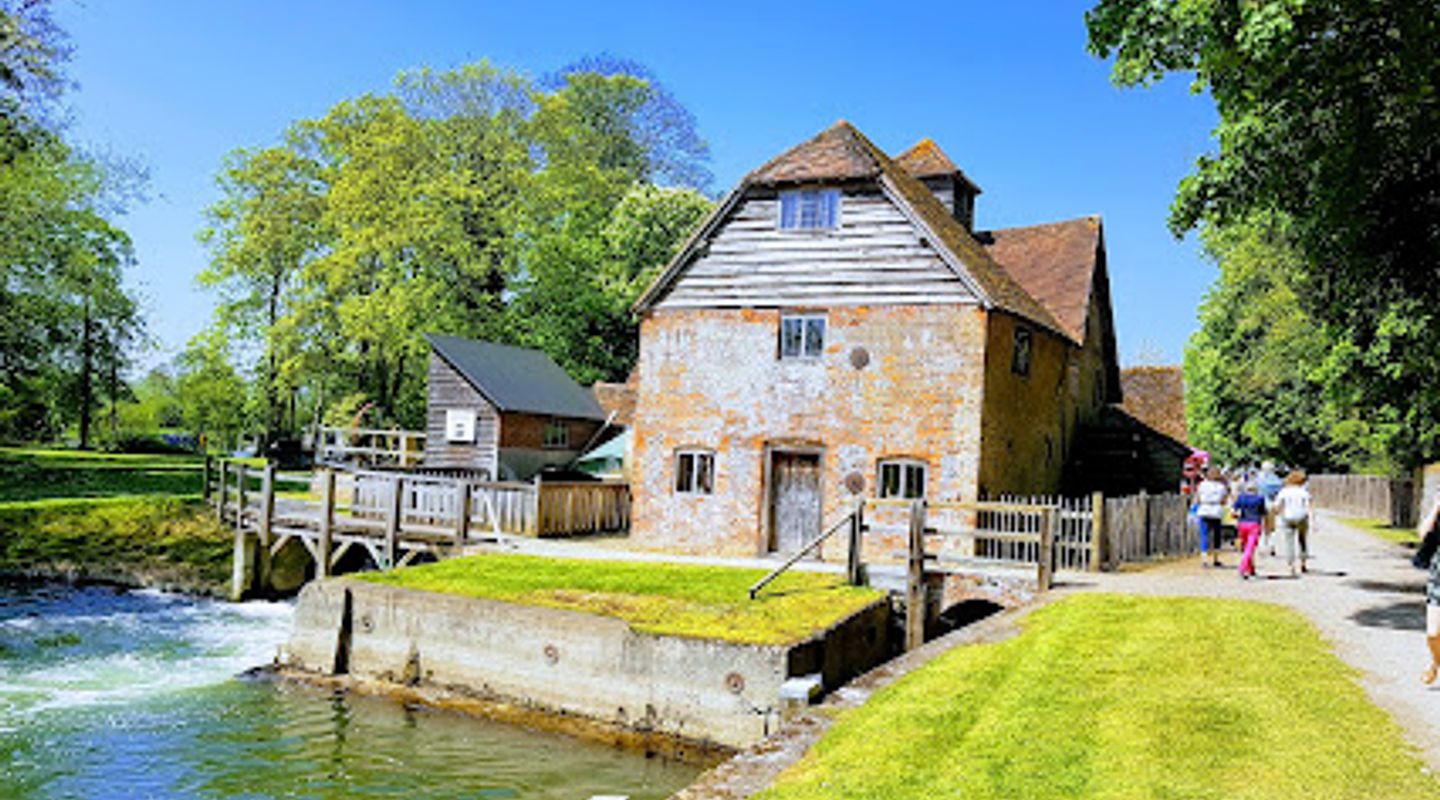
The estate includes the only working watermill on the River Thames, with origins dating back to the 15th century. Restored in 1980, the mill continues to produce stone-ground flour using traditional methods. Nearby, St Margaret’s Church, built in the 13th century by the Bardolph family, stands as a testament to the estate’s long spiritual heritage. The church retains a Norman font, the sole remnant of the original medieval structure.Landscaped Grounds and Natural Beauty
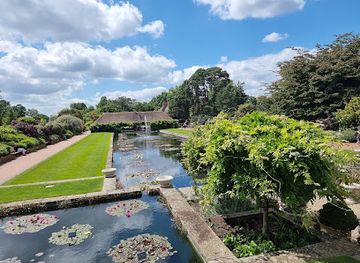
The Mapledurham grounds blend formal Elizabethan elements with later 18th-century landscaping, creating a serene environment rich with mature trees including grand evergreen magnolias framing the entrance. The estate’s gardens and riverbank setting offer tranquil vistas and a peaceful retreat from urban life, embodying centuries of evolving English garden design.Preservation and Contemporary Use
Today, Mapledurham House remains a privately owned family estate dedicated to preserving its historical and architectural heritage. It also functions as an event venue, hosting cultural and private gatherings while maintaining sustainable practices to ensure its longevity. Visitors can experience the unique blend of history, architecture, and natural beauty that defines this remarkable English manor.












Your all‑in‑one travel companion app
Explore expert travel guides, compare and book tours, experiences, hotels, and more—all from the palm of your hand. Download now for seamless trip planning wherever your wanderlust takes you.


Explore More of Berkshire
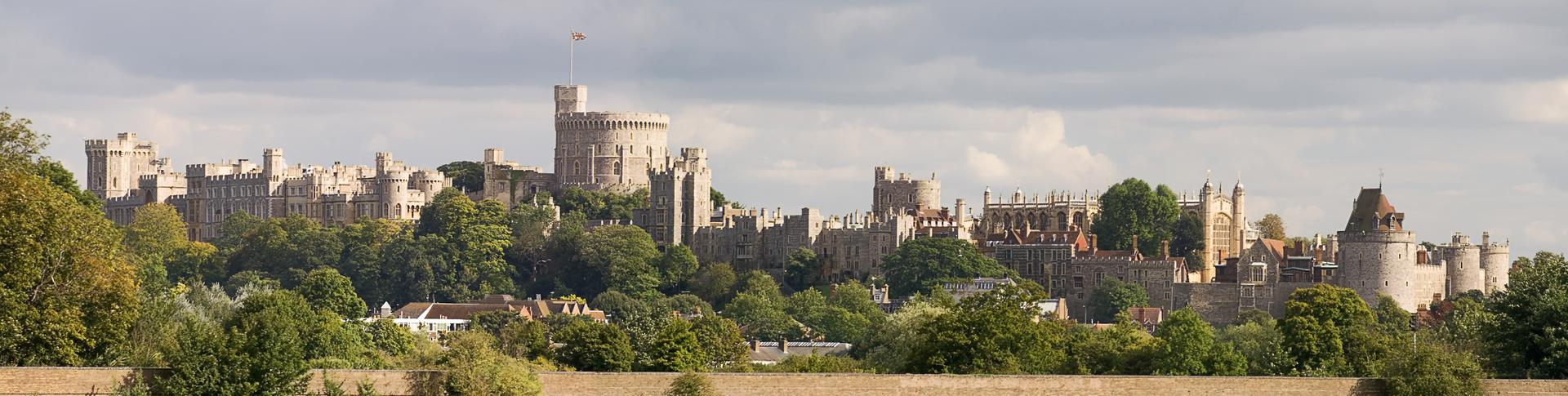
Looking beyond Mapledurham House? Discover Berkshire for broader travel guides, local hot-spots, and regional highlights.
Explore Berkshire