

Edward VII Statue Travel Guide
Free Guide: A distinguished Edwardian bronze statue near Reading station, embodying regal history and artistic heritage from the early 20th century.


A brief summary of Edward VII Statue
A distinguished Edwardian bronze statue near Reading station, embodying regal history and artistic heritage from the early 20th century.
Situated on Station Road in Reading, the Edward VII Statue is a distinguished bronze monument erected in 1902 to commemorate the coronation of King Edward VII. Crafted by sculptor George Edward White, this historical landmark captures the grandeur of Edwardian Britain and serves as a focal point near Reading railway station. Its intricate design and prominent location make it a significant cultural and artistic symbol in the town.
On-site amenities
 Seating areas
 Information boards
 Restrooms
 Drink options
 Food options
Opening hours
- Every dayOpen 24 hours
Opening hours as listed on the venue’s Google Business Profile. Hours can change for services and special events, so check with the venue before you go.
- Address
- Station Rd, Reading RG1 1LX
- Website
Getting there
Train
Car
Bus
Discover more about Edward VII Statue
A Monument Honoring a King of Transition
The Edward VII Statue in Reading stands as a testament to a pivotal period in British history. Erected in 1902 to mark the coronation of King Edward VII, who reigned from 1901 to 1910, the statue reflects the elegance and optimism of the Edwardian era. This period bridged the Victorian age and the modern 20th century, symbolizing a time of change in British society and empire. The statue was sculpted by George Edward White, a notable artist of the time, whose work captures the king’s dignified presence with remarkable detail.
Artistic Craftsmanship and Symbolism
Crafted from bronze and mounted on a granite pedestal, the statue exhibits fine artistry characteristic of early 20th-century public monuments. The king is portrayed in regal attire, embodying both authority and approachability. This statue is a double of another created by White for Chennai, India, highlighting the global reach of British imperial art. Its presence in Reading not only commemorates Edward VII but also connects the town to wider imperial narratives and artistic traditions.
Setting and Urban Context
Located on Station Road, just outside Reading railway station, the statue occupies a prominent urban position. It stands on a roundabout at the junction with Blagrave Street, making it a visible landmark for both residents and visitors. The surrounding area combines the bustle of a transport hub with nearby parks and cafes, offering a blend of urban activity and leisure. This setting enhances the statue’s role as a cultural touchstone within the town’s historical landscape.
Historical and Cultural Significance
Beyond its artistic merits, the Edward VII Statue serves as a cultural symbol reflecting Reading’s historical identity. It commemorates a monarch whose reign was marked by modernization and imperial consolidation. The statue also embodies Edwardian architectural and sculptural styles, providing insight into public memory and commemoration practices of the early 1900s. Its endurance through more than a century underscores its importance as a heritage asset in Reading.
Visitor Experience and Engagement
Visitors to the statue can appreciate its intricate details and the craftsmanship up close, making it a rewarding stop for history enthusiasts and art lovers. The location’s accessibility encourages leisurely exploration of the surrounding town centre, where one can experience local culture and amenities. Photography enthusiasts find the statue an excellent subject due to its commanding presence and historical aura.
Connections to Broader Imperial Histories
The statue’s origins link Reading to the broader British Empire, as its twin in Chennai reflects colonial artistic exchanges. Such statues were part of imperial iconography, commemorating monarchs who held titles across the empire. This connection invites reflection on the complex legacies of empire and the ways public monuments mediate historical memory today.
Evendo Review Centre
 Google
Guest reviews
Best time to go
Quietest: Jan, Feb & Dec · before 6am or at 10pm
Busy times are Evendo estimates for a typical year, to help you plan. Actual crowds vary with events, school holidays and the weather.
Explore Edward VII Statue on the map
A handpicked selection of must-see spots near Edward VII Statue, mapped for you.
Get your free copy of our complete guide to Edward VII Statue, delivered straight to you.
Everything on this page, from opening hours and how to get there to Eve’s tips and the best time to go, in one PDF you can read offline, print or share.
Already have an account? Sign in
Your Edward VII Statue guide is ready.
We'll send it to · Not you? Sign out

Getting your guide ready…
We are putting together a fresh copy of the Edward VII Statue guide. This can take up to a minute.
This can take a few moments. If your browser asks, choose Allow so the download can start. You'll find the guide in your Downloads folder.
Nothing happened? Download it again
Sorry, the guide is taking longer than usual. Please try again in a minute, or get it by email instead.
Unlock the best of Edward VII Statue
Skip-the-line tickets, guided tours with entry, and walking tours of the area, booked in a few clicks.

Other nearby places you may find interesting
The closest places of the same kind, if this one is not quite what you had in mind.
-
Reading Abbey Ruins Explore the majestic ruins of Reading Abbey, a 900-year-old royal monastery steeped in history and cultural heritage in the heart of Reading.
-
The Long Walk A majestic 2.65-mile tree-lined avenue through royal parkland, connecting Windsor town to Windsor Castle.
-
Holy Well of St Anne A tranquil medieval pilgrimage site in Reading, dedicated to St Anne, echoing centuries of healing waters and local legend.
-
Maidenhead Railway Bridge A masterpiece of Victorian engineering, Maidenhead Railway Bridge showcases Brunel’s groundbreaking design with its iconic flat brick arches spanning the Thames.
-
Lord Wantage Monument Historic Victorian monument atop an ancient Bronze Age barrow offering scenic views and a tribute to Lord Wantage near Wantage, Oxfordshire.
Swipe for more places
More to explore near Edward VII Statue

 Best experiences near Edward VII Statue
 Best hotels near Edward VII Statue
 Best landmarks near Edward VII Statue
 Best attractions near Edward VII Statue
 Best shops near Edward VII Statue
 Best restaurants near Edward VII Statue
 Best bars near Edward VII Statue
Do you manage this location?
Take control to get all the benefits, like improved information, better appearance, and stronger visibility across AI-powered discovery.
Explore more
Explore more of Berkshire
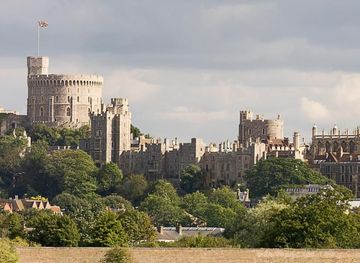
Discover Berkshire: From Royal Castles to Rolling Countryside, Experience England's Historic and Natural Wonders.
Explore Berkshire
Explore more of United Kingdom
Discover the United Kingdom: A blend of rich history, stunning landscapes, and vibrant cities, offering a unique travel experience for every visitor.
Explore United Kingdom
