
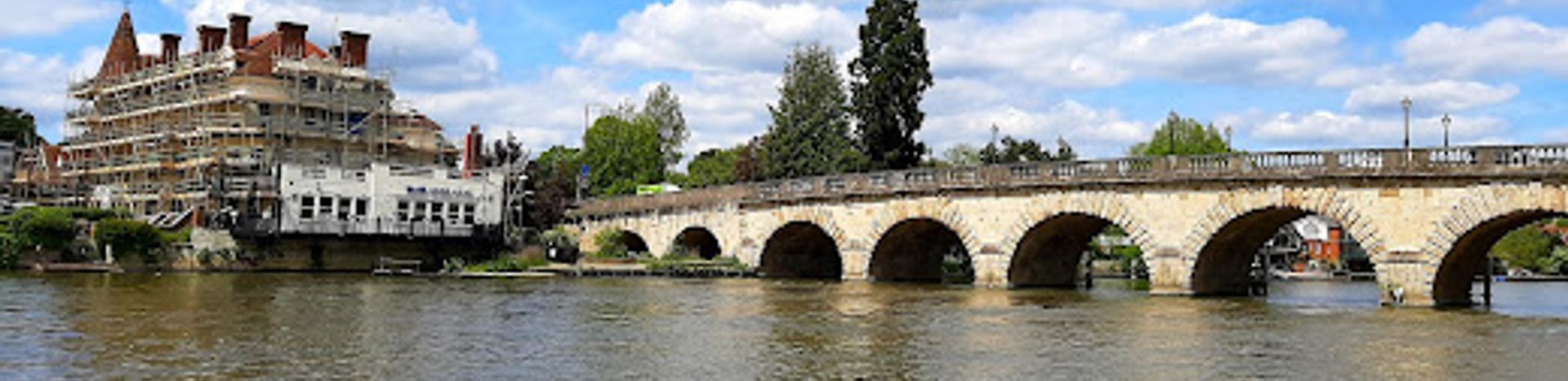
Maidenhead Railway Bridge: Brunel’s Engineering Marvel over the Thames
A masterpiece of Victorian engineering, Maidenhead Railway Bridge showcases Brunel’s groundbreaking design with its iconic flat brick arches spanning the Thames.
The Maidenhead Railway Bridge, designed by Isambard Kingdom Brunel and completed in 1838, is a historic railway viaduct spanning the River Thames near Maidenhead. Renowned for its two wide, flat brick arches—the flattest and widest of their kind—it carries the Great Western Main Line and stands as a testament to Victorian engineering innovation. This Grade I listed landmark combines elegant classical design with groundbreaking structural techniques, remaining in active use and admired for its architectural and historical significance.
A brief summary to Maidenhead Railway Bridge
- River Rd, Maidenhead, SL6 0BB, GB
- Visit website
- Duration: 0.5 to 1.5 hours
- Free
-
 Outdoor
- Mobile reception: 4 out of 5
Local tips
- Visit during daylight hours for the best views of the bridge’s architectural details and the surrounding Thames scenery.
- Bring a camera to capture the elegant symmetry and unique flat arches, especially appealing to photography enthusiasts.
- Learn about Brunel’s engineering innovations beforehand to fully appreciate the bridge’s historical and technical significance.
- Combine your visit with a riverside walk along the Thames to enjoy the natural environment framing the bridge.

For the on-the-go comforts that matter to you
- Seating Areas
- Information Boards
Getting There
-
Train
Take a train to Maidenhead station on the Great Western Main Line from London Paddington, with journey times ranging from 20 to 40 minutes. From the station, the bridge is visible nearby, accessible via a short walk along the River Thames path. Trains run frequently with standard ticket prices between £10-£20.
-
Bus
Local bus services connect Maidenhead town center with stops near the River Road area close to the bridge. Bus travel times vary from 10 to 25 minutes depending on the starting location. Tickets typically cost £2-£5. Note that bus frequency may reduce on weekends.
-
Car
Driving to Maidenhead Railway Bridge is possible via River Road, with parking available in nearby public car parks in Maidenhead town center. Travel times from central Maidenhead range from 10 to 20 minutes. Parking fees vary but generally cost around £5-£10 for a few hours.
Maidenhead Railway Bridge location weather suitability
-
 Any Weather
-
 Clear Skies
-
 Mild Temperatures
-
 Rain / Wet Weather
Discover more about Maidenhead Railway Bridge
Visionary Engineering by Isambard Kingdom Brunel
The Maidenhead Railway Bridge was conceived and designed by the legendary engineer Isambard Kingdom Brunel as part of the Great Western Railway project, which aimed to link London and Bristol with a level and fast route. Completed in 1838 and opened in 1839, the bridge features two semi-elliptical brick arches that were revolutionary for their unprecedented width of 128 feet (39 meters) and exceptionally low rise of only 24 feet (7.3 meters). Brunel’s daring design pushed the limits of brick arch construction, inspired by earlier experiments by his father, Marc Brunel, and challenged contemporary engineering norms.Architectural Elegance and Structural Innovation
Constructed primarily of fine red brick, gritstone, and thick York stone dressings, the bridge’s symmetrical viaduct composition includes two wide arches spanning the Thames and four smaller flood arches on each bank. Its classical detailing complements the structural daring of the shallow arches, which were initially met with skepticism and required the centring to remain in place longer than usual for stability assurance. Despite these concerns, the arches have endured without failure, validating Brunel’s pioneering calculations and design philosophy.Historical Significance and Artistic Legacy
Since its opening, the Maidenhead Railway Bridge has played a vital role in Britain’s railway history, carrying Brunel’s broad gauge tracks and later accommodating mixed and standard gauge lines after modifications in the 1860s and expansions in the late 1890s. Its importance is further immortalized in J.M.W. Turner’s iconic 1844 painting “Rain, Steam and Speed,” which captures a steam locomotive crossing the bridge, symbolizing the transformative power of the Industrial Revolution and the railway age.Preservation and Continued Use
Upgraded to Grade I listed status in 2012, the bridge remains a working piece of infrastructure, supporting modern trains traveling at high speeds while retaining its original form. The late 19th-century widening works were carefully executed to preserve Brunel’s architectural vision, ensuring the bridge’s historical integrity alongside its functional demands. Today, it stands not only as a critical transport link but also as a celebrated monument of Victorian engineering excellence.Setting and Visitor Experience
Situated over the River Thames between Berkshire and Buckinghamshire, the bridge offers scenic views of the river and surrounding countryside. Its elegant arches and classical stonework create a striking contrast with the natural landscape, making it a favored subject for photographers and railway enthusiasts. While primarily a railway structure, the bridge’s historical and aesthetic qualities invite appreciation from visitors exploring the Maidenhead area.Enduring Symbol of Innovation
The Maidenhead Railway Bridge embodies the spirit of innovation that defined the early railway era. Brunel’s willingness to challenge engineering conventions resulted in a structure that combined beauty, functionality, and durability. Its survival and continued operation more than 180 years later highlight the lasting impact of visionary design and meticulous craftsmanship in shaping Britain’s transport heritage.Iconic landmarks you can’t miss

Maidenhead Railway Bridge
0.0 km
A masterpiece of Victorian engineering, Maidenhead Railway Bridge showcases Brunel’s groundbreaking design with its iconic flat brick arches spanning the Thames.
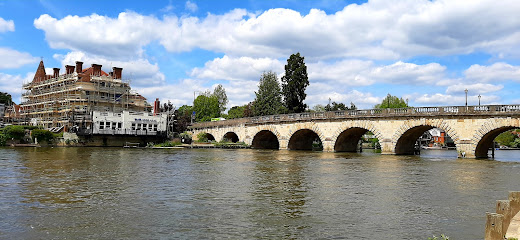
Virgin Experience Days
6.3 km
Uncover unique gifts and memorable experiences at Virgin Experience Days in Bourne End, a must-visit for every tourist seeking adventure.
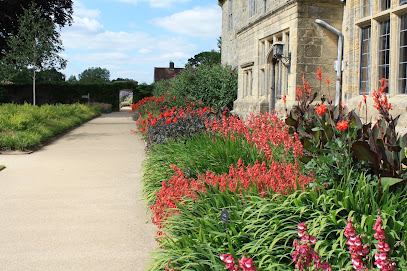
Sydney Camm Memorial
7.1 km
A full-size Hawker Hurricane replica honouring the Windsor-born designer who shaped aviation history.
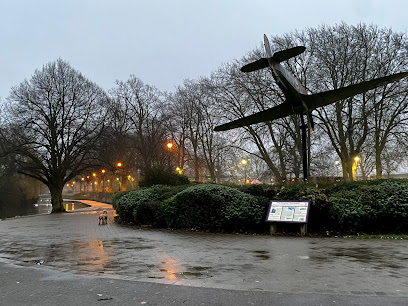
Burning Bush
7.2 km
A striking Gothic iron lamp embodying Eton College’s royal heritage and scholastic tradition on the historic High Street.
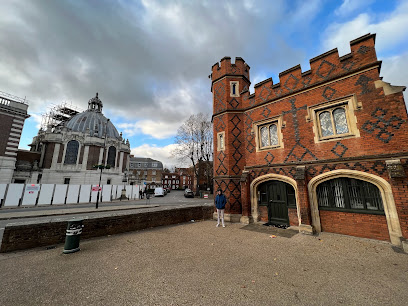
Bronze Plaque № 10828
7.7 km
A subtle yet significant bronze plaque marking Windsor’s rich historical heritage on Thames Street.
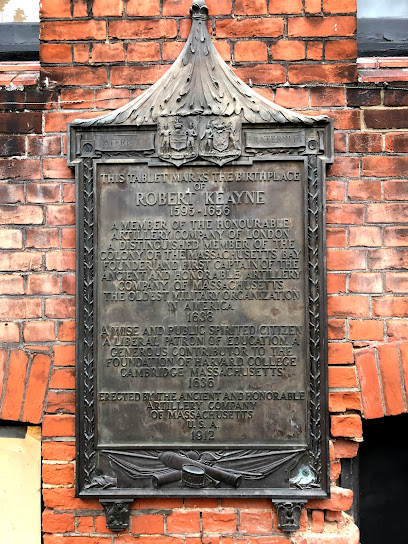
Windsor Martyrs' Memorial
7.7 km
A solemn tribute in Windsor honoring Protestant martyrs who bravely faced persecution during England's Reformation.
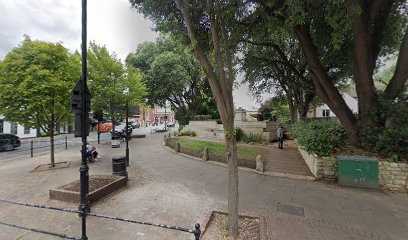
The Curfew Tower
7.7 km
Explore the medieval Curfew Tower, a historic bell tower and fortress sentinel within Windsor Castle’s ancient walls.
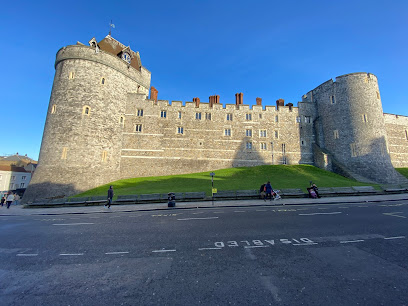
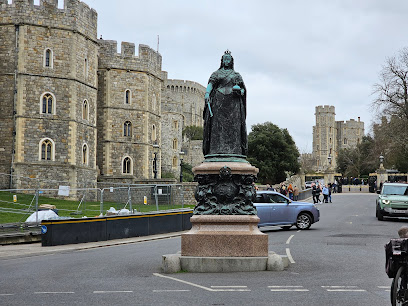
Queen Victoria Statue
7.8 km
A majestic bronze tribute to Queen Victoria’s Golden Jubilee, standing proudly at Windsor Castle’s entrance, celebrating Victorian royal heritage.
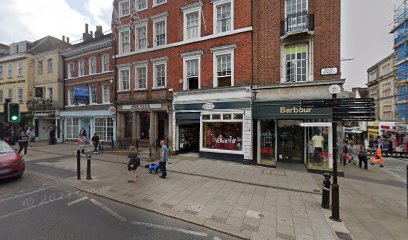
H. G. Wells White Plaque
7.8 km
Discover the H. G. Wells White Plaque on Windsor’s High Street, marking the early footsteps of a legendary science fiction pioneer.
Mary Delany and Fanny Burney blue plaque
7.9 km
A commemorative plaque honoring Mary Delany’s botanical artistry and Frances Burney’s literary legacy at Windsor Castle’s historic wall.
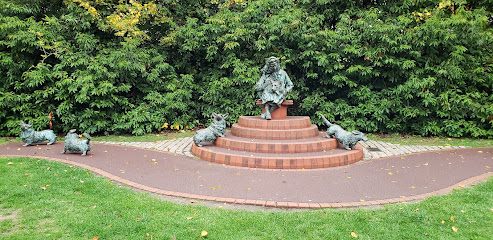
The Windsor Lady (The Queen and her Corgis)
8.0 km
Celebrate Queen Elizabeth II’s enduring love for her iconic corgis at Windsor’s charming historical landmark, The Windsor Lady.
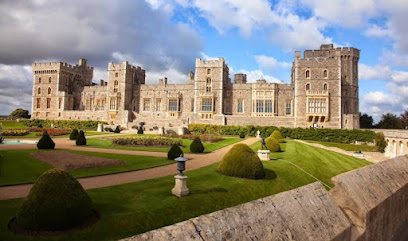
King Edward III Tower
8.0 km
Explore the majestic King Edward III Tower, a stunning medieval landmark within Windsor Castle offering rich history and scenic Thames views.
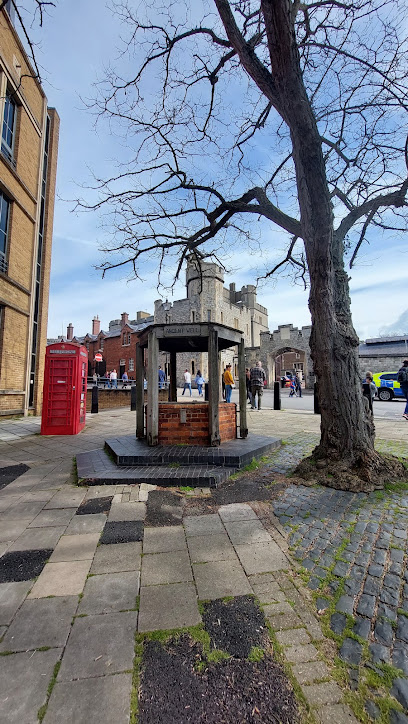
Ancient well
8.0 km
A humble medieval water source steeped in Windsor's royal heritage and local legend.
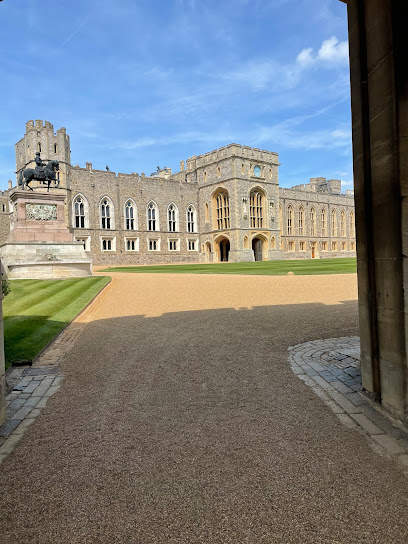
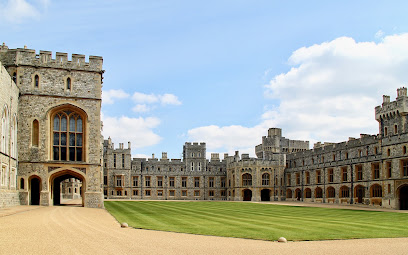
Windsor Castle Quadrangle
8.0 km
The ceremonial heart of Windsor Castle where royal pageantry, Gothic architecture, and 700 years of monarchy converge.
Soldier's Statue
8.0 km
A solemn tribute to Irish Guardsmen, this statue in Windsor honors military service amidst a rich historic townscape.

Unmissable attractions to see

Boulters Lock
1.4 km
Historic Thames lock and serene riverside gardens offering scenic boat watching, wildlife, and a vibrant pub atmosphere in Maidenhead.
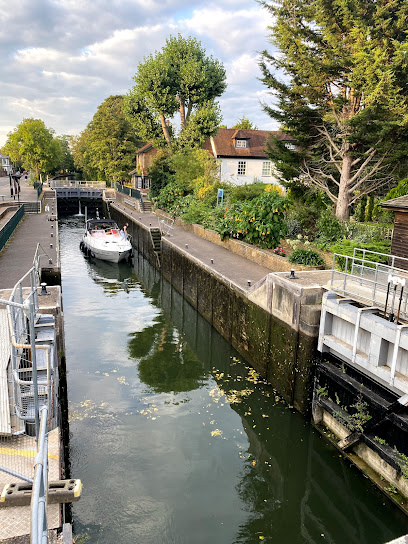
Ray Mill Island
1.5 km
Discover peaceful riverside walks, wildlife, and family-friendly charm at Ray Mill Island in Maidenhead’s scenic Thames corridor.
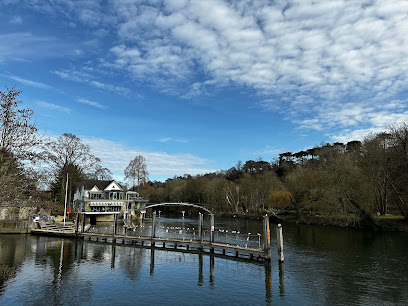
Grenfell Park
1.6 km
A historic community park in Maidenhead with playgrounds, sports courts, outdoor gym, café, and scenic green spaces for all ages.
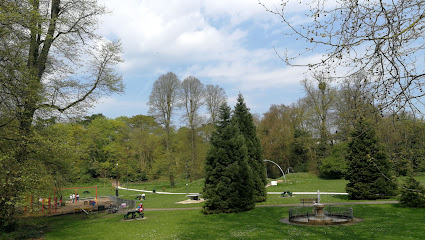
Braywick Nature Centre
1.7 km
Discover Braywick Nature Centre, a peaceful haven blending heritage, wildlife, and immersive environmental learning in the heart of Maidenhead.
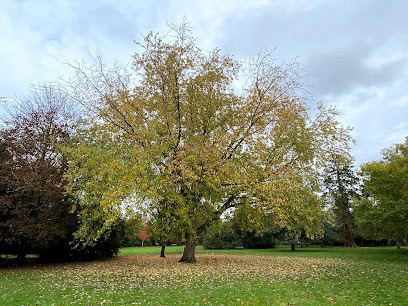
Dorney Court
3.1 km
Discover Dorney Court’s enchanting Tudor manor, stunning gardens, and elegant event spaces—an idyllic estate blending historic charm with modern luxury.
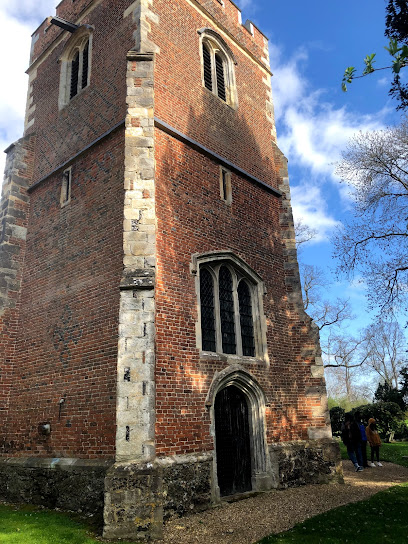
Dorney Wetlands
3.1 km
Discover the tranquil beauty and rich wildlife of Dorney Wetlands, a serene nature reserve near Windsor perfect for peaceful walks and birdwatching.
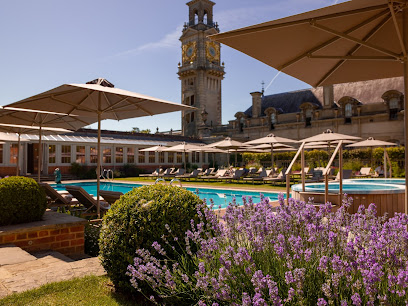
Cliveden House
4.2 km
A storied Italianate mansion overlooking the Thames, where centuries of glamour and intrigue unfold across 376 acres of magnificent gardens.
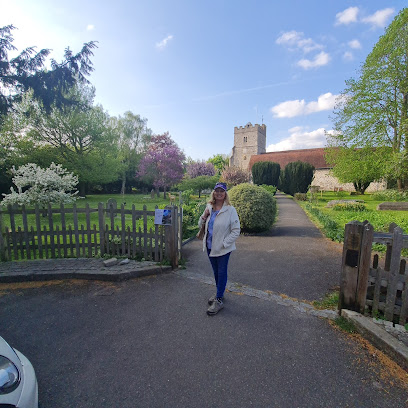
The Stanley Spencer Gallery
4.3 km
Discover the world’s largest collection of Stanley Spencer’s art in the charming village that inspired his visionary works.
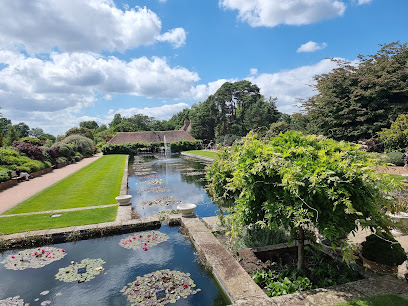
National Trust - Cliveden
4.7 km
Explore Cliveden’s majestic gardens, historic house, and woodlands on a grand Thames Valley estate rich in heritage and natural beauty.
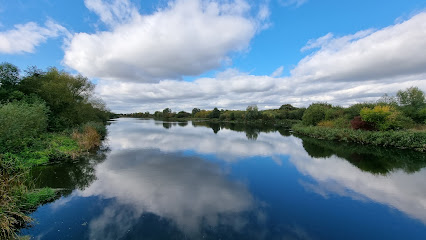
River Thames
4.7 km
Discover the River Thames, London’s historic and scenic river weaving through iconic landmarks and vibrant cultural life.
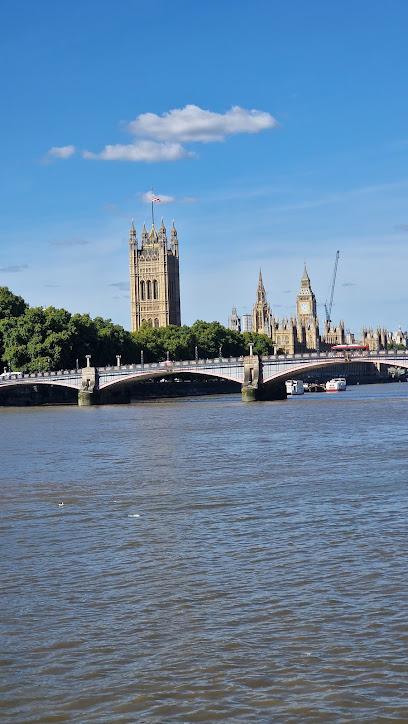
Sutherland Grange
5.5 km
A serene and well-kept park in Windsor, perfect for picnics, dog walks, and peaceful strolls amid vibrant greenery.
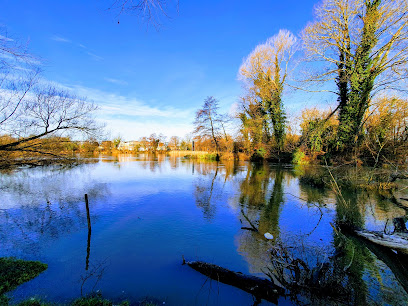
History on Wheels Motor Museum
5.7 km
Explore a unique collection of vintage military and civilian vehicles with rich wartime stories near Windsor Castle.
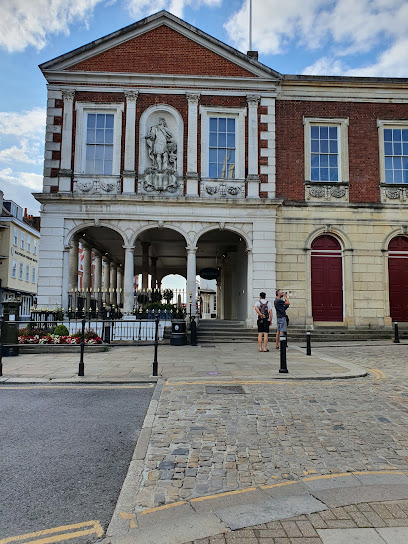
Cock Marsh
6.1 km
Discover Cock Marsh, a tranquil riverside nature reserve blending rare wildlife habitats with ancient Bronze Age burial mounds in scenic Berkshire.
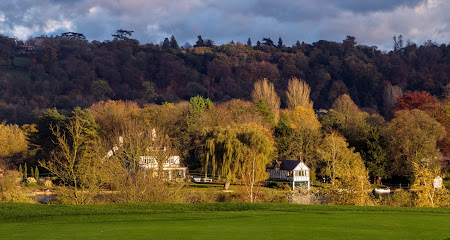
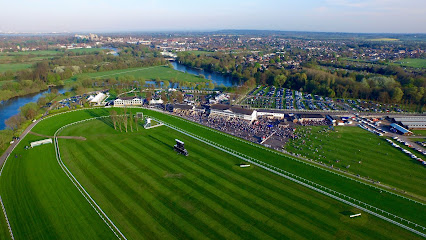
Royal Windsor Racecourse
6.2 km
Experience thrilling flat racing beside the Thames with historic charm and modern comforts at Royal Windsor Racecourse.
The White House
6.9 km
Discover the enchanting gardens of The White House in Windsor, a perfect haven for nature lovers and a serene escape from the bustling city life.

Essential places to dine

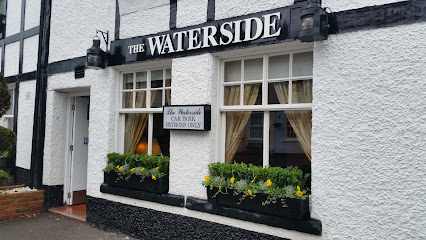
The Waterside Inn
1.3 km
Experience timeless French haute cuisine and riverside elegance at The Waterside Inn, Bray’s iconic three-Michelin-starred restaurant and hotel.
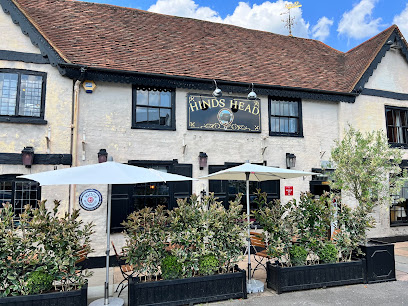
The Hinds Head
1.4 km
A Michelin-starred British pub in Bray blending traditional charm with Heston Blumenthal’s innovative culinary artistry.
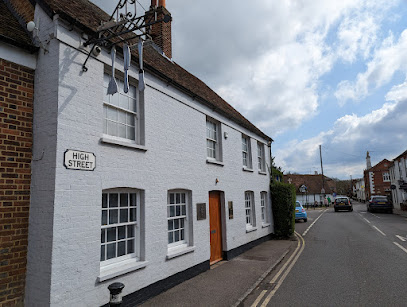
The Fat Duck
1.5 km
Experience a groundbreaking, theatrical tasting journey at The Fat Duck, where culinary science meets nostalgic storytelling in a historic Bray inn.
The Cliveden Dining Room
4.2 km
Experience refined British fine dining in the historic grandeur of Cliveden House, set amidst breathtaking gardens near London.
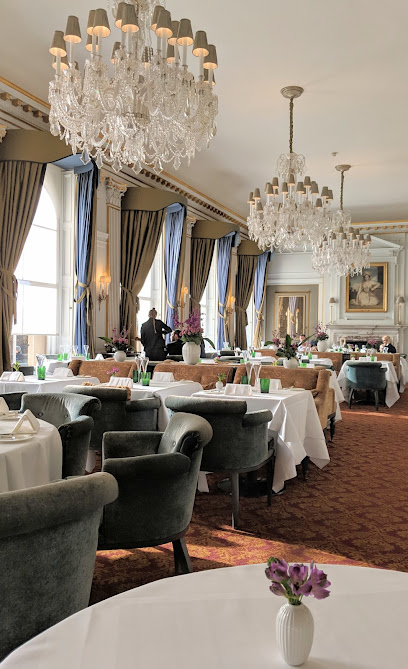
The Greene Oak
5.3 km
A charming Windsor gastropub blending traditional British pub warmth with seasonal, market-fresh cuisine and stylish dining.
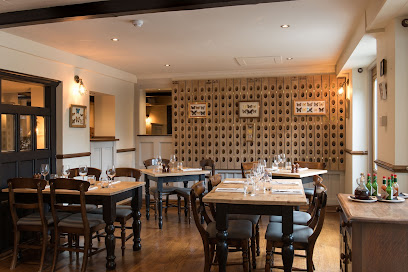
GOGOS Waterfront Restaurant
5.8 km
South African-inspired dining with stunning marina views at Windsor Racecourse Marina, perfect for memorable meals and special occasions.
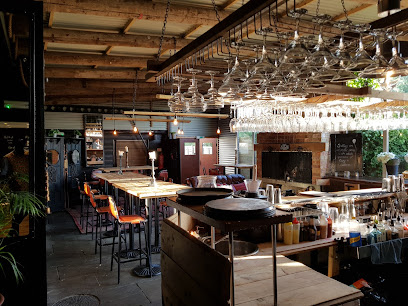
The Castle Restaurant at Royal Windsor Racecourse
6.1 km
Experience luxury dining with panoramic racecourse views at The Castle Restaurant, where thrilling horse racing meets elegant cuisine in Windsor.
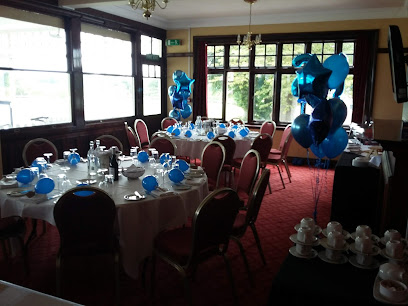
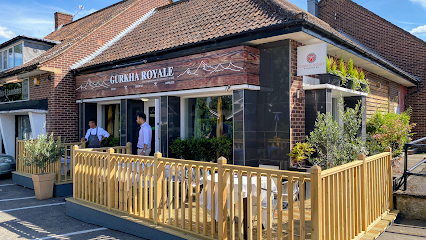
Gurkha Royale Restaurant & Bar
6.9 km
Authentic Himalayan, Indian, and Oriental flavors served in a vibrant, welcoming Windsor venue with exceptional service and a lively atmosphere.
Test Kitchen Food
7.2 km
Innovative, fresh, and vibrant dining at Windsor’s Test Kitchen Food in a unique brewery tap setting.
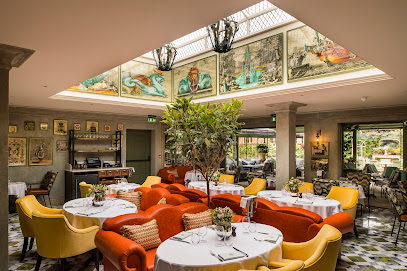
The Ivy Marlow Garden
7.5 km
Elegant British dining with Art Deco charm and a diverse menu on Marlow's historic High Street, perfect for special occasions and leisurely meals.
Gilbey's Bar, Restaurant & Townhouse
7.5 km
Elegant modern British dining and boutique lodging in the heart of historic Eton, just steps from Windsor Castle.
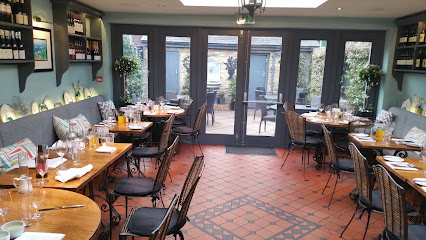
Côte Windsor
7.6 km
Classic French brasserie dining with stunning riverside views of Windsor Castle in a lively, modern setting.
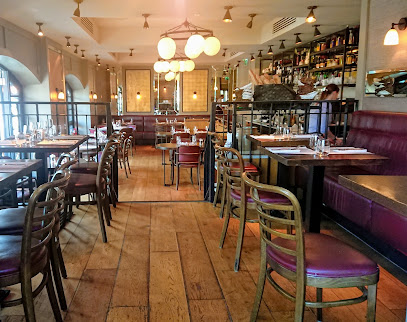
Browns Windsor
7.6 km
Classic British brasserie charm with contemporary dining on Windsor’s scenic Promenade.
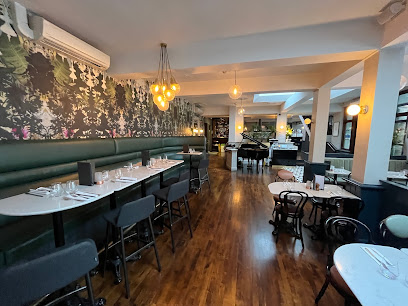
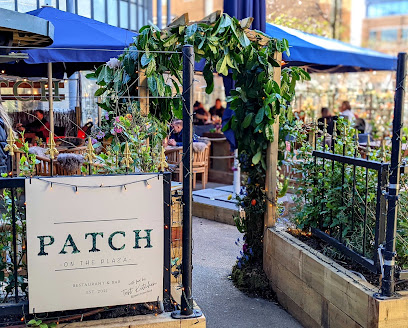
Patch On The Plaza
7.6 km
A lively alfresco restaurant in Windsor famed for seasonal small plates, warm service, and a memorable outdoor dining atmosphere.
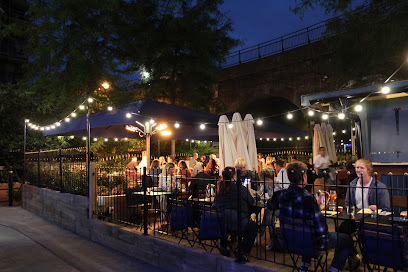
The Brasserie at Sir Christopher Wren
7.6 km
Modern European dining with riverside views and friendly service in the heart of historic Windsor.
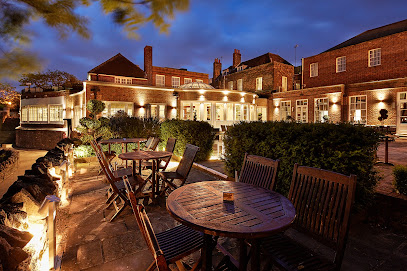
Markets, malls and hidden boutiques

Nicholsons Shopping Centre
1.4 km
A vibrant shopping hub in Maidenhead blending big-name brands with charming boutiques for a diverse retail experience.
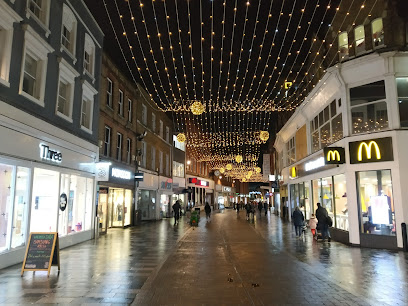
Gifts Box
7.5 km
Discover unique souvenirs and local crafts at Gifts Box, the charming gift shop in Windsor, perfect for your memorable keepsakes.
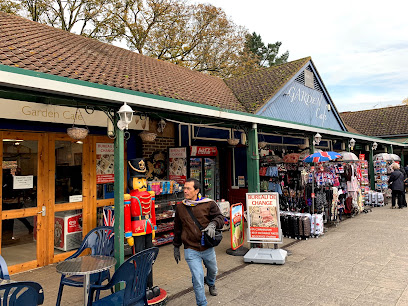
Oliver Bonas
7.6 km
Discover unique gifts and stylish homewares at Oliver Bonas, nestled in the heart of Windsor Yards Shopping Centre.
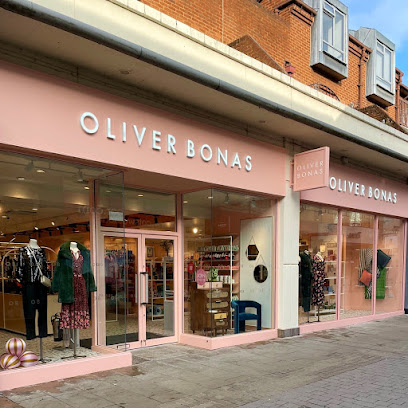
Jigsaw
7.6 km
Discover timeless style and quality craftsmanship at Jigsaw, Windsor's boutique for elegant ladies' fashion and unique statement pieces.
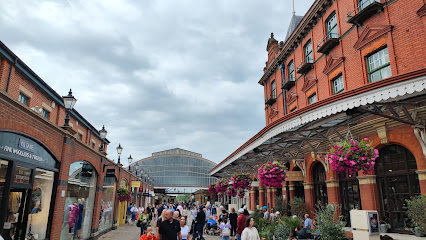
Windsor Yards
7.6 km
A vibrant shopping destination blending modern retail with Windsor’s historic charm and community spirit.
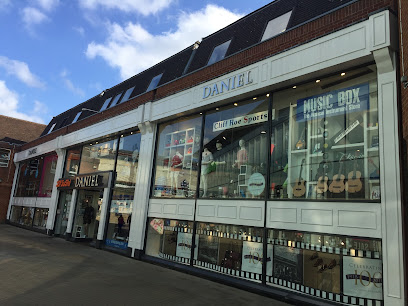
H&M
7.7 km
Affordable, stylish fashion for men, women, and children in the heart of historic Windsor’s King Edward Court.
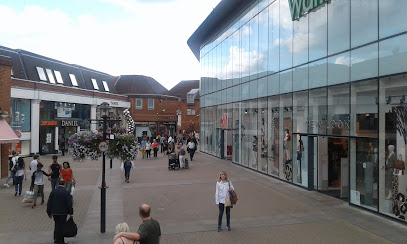
Piara
7.7 km
Explore Windsor's charm at Piara Gift Shop, where unique gifts and local treasures await every visitor.
Craft Coop Windsor
7.7 km
Discover unique handcrafted gifts and vibrant local artistry at Craft Coop Windsor, a welcoming hub for community creativity and bespoke treasures.
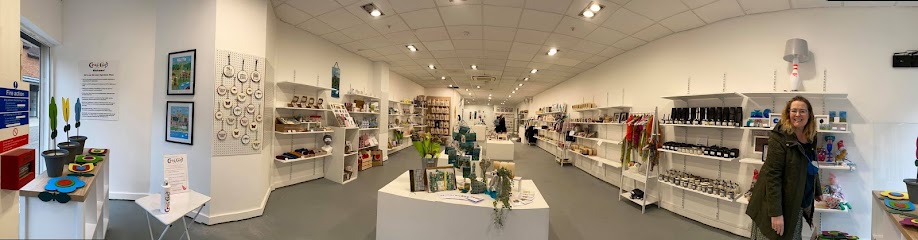
Purple Gifts
7.7 km
Discover unique souvenirs and handcrafted treasures that capture the charm and creativity of Windsor at Purple Gifts.
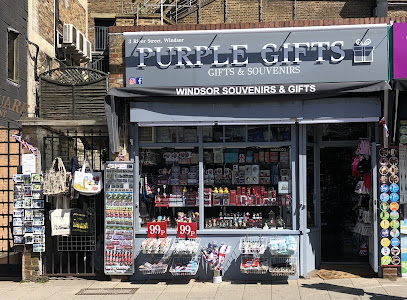
Whistles
7.7 km
Upscale ladies’ fashion boutique set within the historic charm of Windsor Royal Station, blending contemporary style with Victorian elegance.
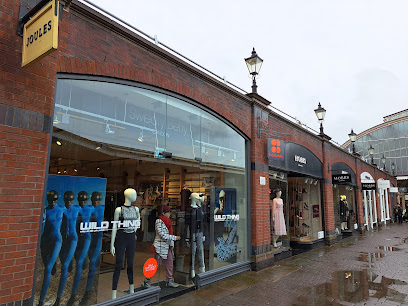
Next
7.7 km
Next Windsor offers stylish, quality fashion and accessories for all ages in a convenient and welcoming shopping environment.
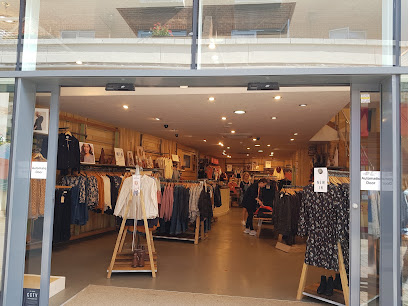
Oxfam
7.7 km
Discover unique second-hand treasures and support global causes in Windsor’s historic Oxfam charity shop near Windsor Castle.
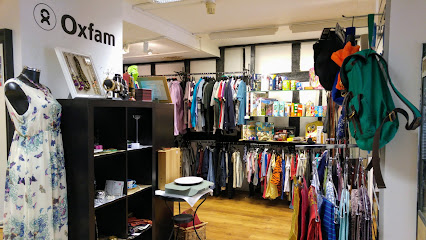
Warwicks
7.7 km
A premier men's clothing store nestled in Windsor’s historic Peascod Street, blending classic style with modern shopping charm.
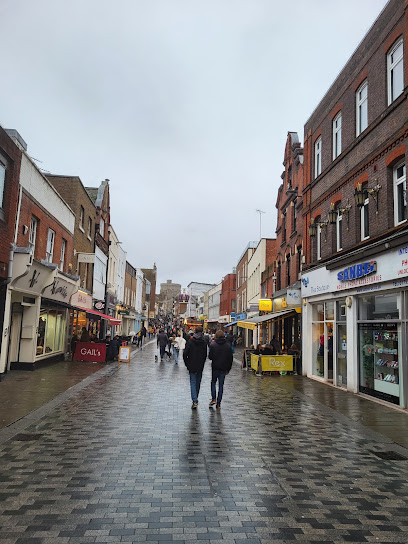
Cancer Research UK
7.7 km
Secondhand treasures with purpose—sustainable shopping that funds life-saving cancer research.
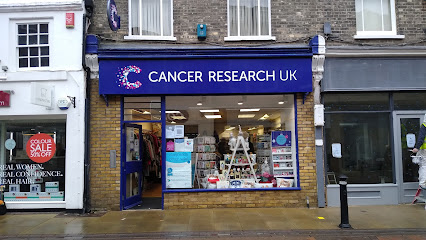
Wellington 1895 Antiques Windsor
7.7 km
Centuries of curated treasures in Windsor's most distinguished antique shop.
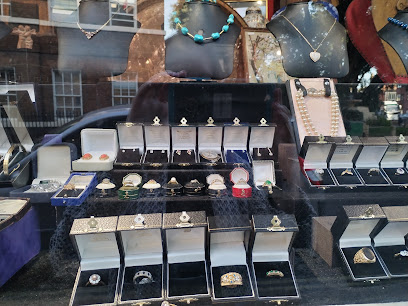
Essential bars & hidden hideouts

The Boathouse at Boulters Lock
1.4 km
Riverside gastropub on Boulters Lock Island offering seasonal British cuisine, stunning river views, and a warm, stylish atmosphere.
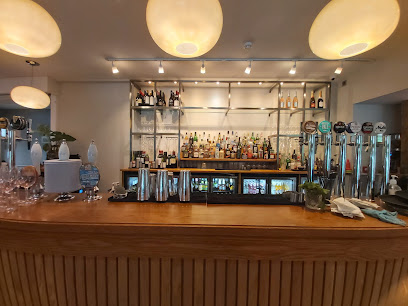
Off The Tap
1.5 km
Lively Maidenhead pub offering craft beers, tasty pub fare, and vibrant events in a welcoming, fun atmosphere.
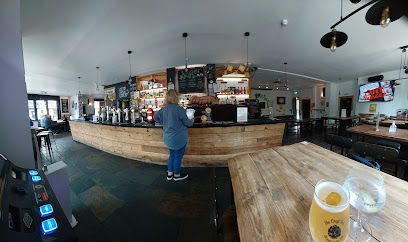
Milaanj at The Beehive Pub & Restaurant
6.5 km
Discover Milaanj at The Beehive: a rustic village pub in White Waltham serving exquisite British-Indian fusion cuisine in a charming countryside setting.
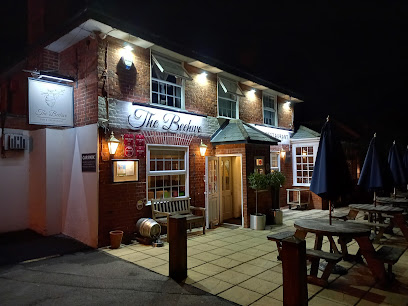
The Old Brewery
7.4 km
A vibrant Marlow pub with great beers, lively sports screens, and welcoming service for all occasions.
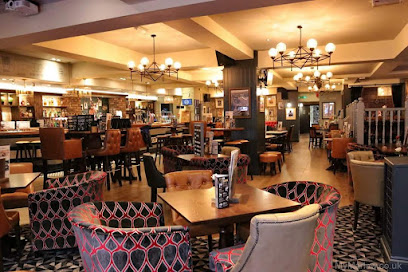
Upstairs Windsor
7.6 km
A refined cocktail bar in Windsor offering expertly crafted drinks and a grown-up atmosphere for stylish weekend nights.

All Bar One Windsor
7.6 km
A stylish wine bar near Windsor Castle offering vibrant vibes, crafted cocktails, and shared plates in a historic yet modern setting.
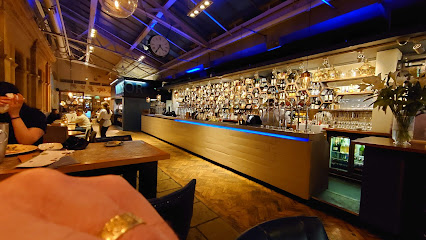
The Botanist Marlow
7.7 km
A lush, botanical-themed bar and restaurant in Marlow, alive with seasonal menus, inventive cocktails, and vibrant live music every weekend.
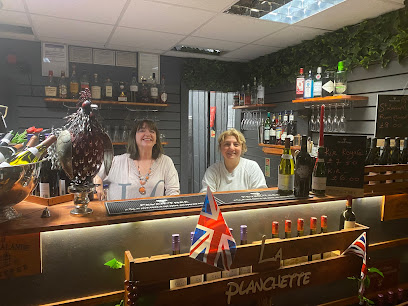
La planchette
7.7 km
Discover Windsor’s charming French wine bar with exquisite wines, artisanal pairings, and riverside ambiance on Thames Avenue.
The King & Castle - JD Wetherspoon
7.7 km
A spacious, friendly JD Wetherspoon pub in Windsor offering affordable drinks and classic British fare near the historic Windsor Castle.
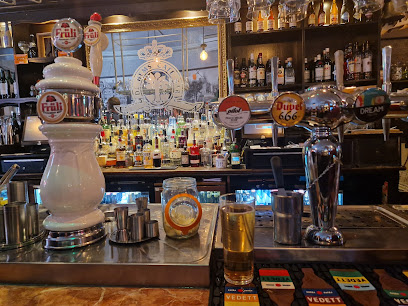
The Oarsman, Marlow
7.7 km
Sophisticated gastropub in Marlow blending seasonal British cuisine, curated wines, and warm hospitality in a stylish setting.
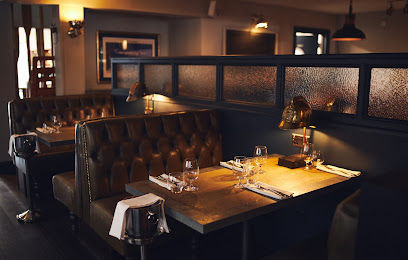
The Piper Art Bar
7.7 km
Discover a vibrant Scottish-themed bar and contemporary art space in the heart of Windsor, offering an extensive whisky selection and eclectic ambiance.
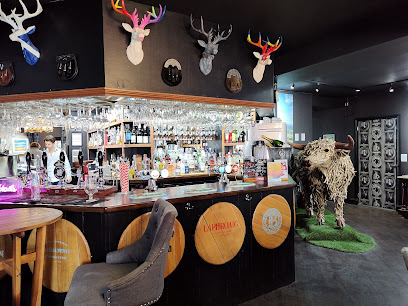
The Royal Windsor
7.7 km
Lively pub with stunning Windsor Castle views, artisan drinks, traditional British dishes, and a large beer garden for all occasions.
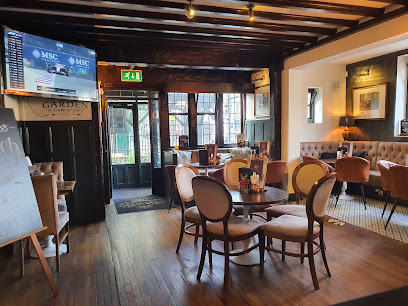
The Queen Victoria
7.7 km
Step into The Queen Victoria for an authentic 18th-century English pub experience with hearty food, real ales, and a welcoming, dog-friendly atmosphere in Windsor.
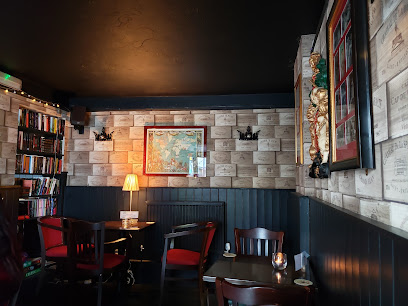
No5 St Leonards Road
7.7 km
Elegant cocktails, sparkling chandeliers, and a welcoming atmosphere combine at No5 St Leonards Road, Windsor’s premier cocktail bar.
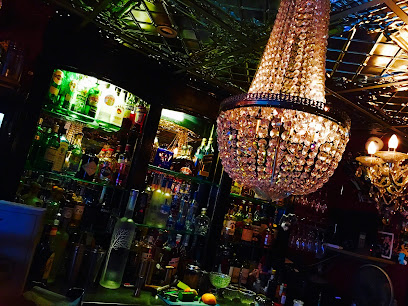
The Sinner Bar
7.8 km
A stylish cocktail bar in Windsor offering vibrant nightlife, expertly crafted drinks, and an intimate, seductive atmosphere.
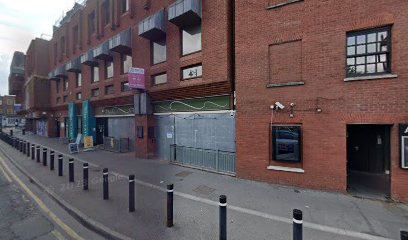
Nightclubs & after hour spots

Pink Gentleman's Club.
7.7 km
Sophisticated adult entertainment with exclusive VIP rooms and topless pole shows in the heart of Windsor’s nightlife scene.
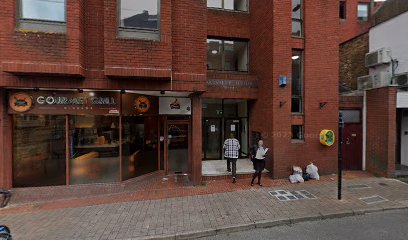
The Boom
7.7 km
Historic arches meet vibrant beats at The Boom, Windsor’s energetic nightclub and bar for unforgettable nights.
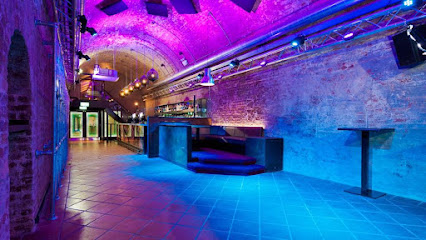
The Scotch
7.7 km
Windsor’s iconic Victorian arch nightclub blending historic charm with eclectic music and circus-themed nightlife.
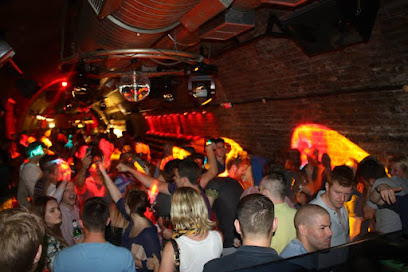
Labyrinth Nightclub Windsor
7.7 km
Experience Windsor’s vibrant nightlife with live DJs, multiple bars, and an electrifying atmosphere at Labyrinth Nightclub.
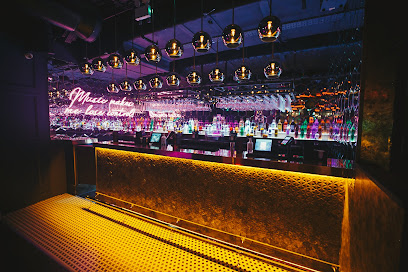
Diligence
10.8 km
Experience the vibrant nightlife and dynamic music scene at Diligence, High Wycombe’s energetic nightclub on London Road.

The Binfield Club
11.7 km
Historic social club in Binfield offering vibrant nightlife, live music, sports, and community events in a welcoming atmosphere.
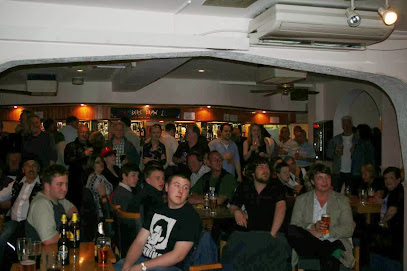
The Venue, Bucks
12.4 km
Experience High Wycombe’s vibrant nightlife at The Venue, Bucks – a lively nightclub with great music, friendly staff, and a welcoming atmosphere.
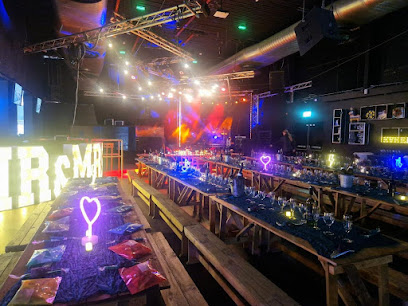
Trilogy Nightclub High Wycombe
12.5 km
A lively multi-room nightclub in High Wycombe offering dynamic music, vibrant crowds, and late-night fun on Paul’s Row.
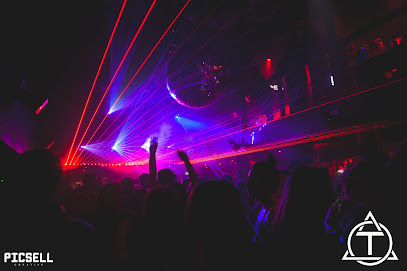
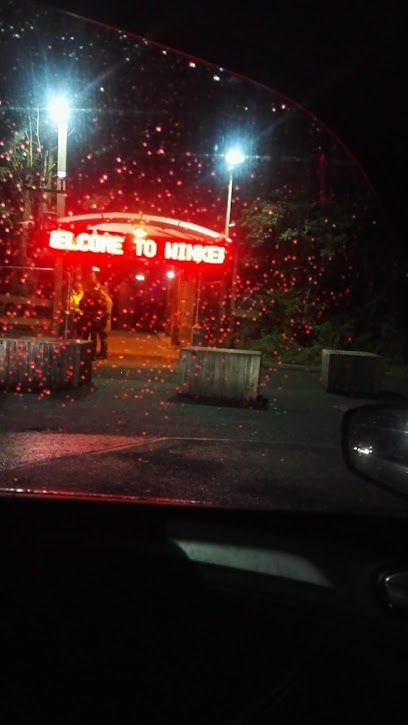
Winkers Nightclub
14.7 km
A lively, budget-friendly nightclub in Gerrards Cross offering energetic music and a casual local vibe for weekend partygoers.
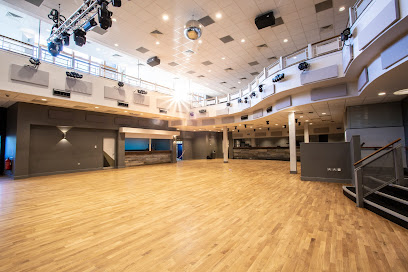
3sixty
18.9 km
Experience vibrant student nightlife and live events at 3sixty, the University of Reading’s premier nightclub and entertainment venue.
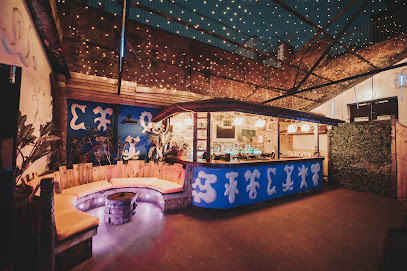
Q Club
20.0 km
Experience Reading’s energetic nightlife at Q Club, a lively nightclub and bar offering music, drinks, and late-night fun on Friar Street.

Reading Lola Lo
20.1 km
Experience Reading’s premier tiki-themed nightclub with vibrant cocktails, lively music, and a unique Polynesian atmosphere on Friar Street.
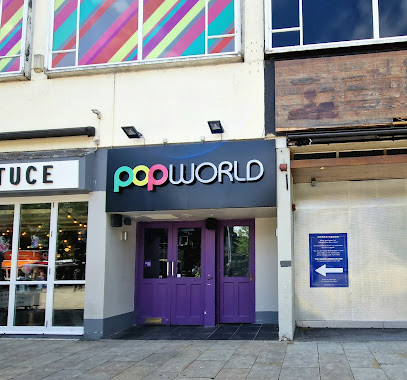
Popworld - Reading
20.2 km
A vibrant pop-themed nightclub in Reading’s city centre, where retro beats meet neon-lit fun for unforgettable nights.

Gun Street Garden
20.2 km
Experience Reading’s vibrant nightlife in an urban jungle-themed club with diverse music, rooftop bar, and VIP lounges.

Popworld Watford
25.8 km
A vibrant late-night hotspot in Watford playing all your favorite 90s and 2000s pop classics with fun cocktails and a lively dancefloor.
For the vibe & atmosphere seeker
- Scenic
- Tranquil
- Historic
- Unique
For the design and aesthetic lover
- Vintage Styles
For the architecture buff
- Historic
- Landmarks
For the view chaser and sunset hunter
- Iconic Views
- Panoramas
- Waterfront
For the social media creator & influencer
- Instagrammable
- Photo Spots
- Architectural Shots
For the eco-conscious traveler
- Public-Transport Accessible
- Low Impact
For the kind of experience you’re after
- Cultural Heritage
- Photowalk
- Nature Escape
- Day Trip
For how adventurous you want the journey to be
- Easy Access
Location Audience
- Family Friendly
- Senior Friendly
- Child Friendly
- Teen Friendly
- Solo Friendly
- Couple Friendly
- Vegetarian Friendly
- Vegan Friendly


