Hirendean Castle, Berwickshire Travel Guide
A windswept 16th-century peel tower ruin in the Moorfoot Hills, steeped in Border history and dark local legend.
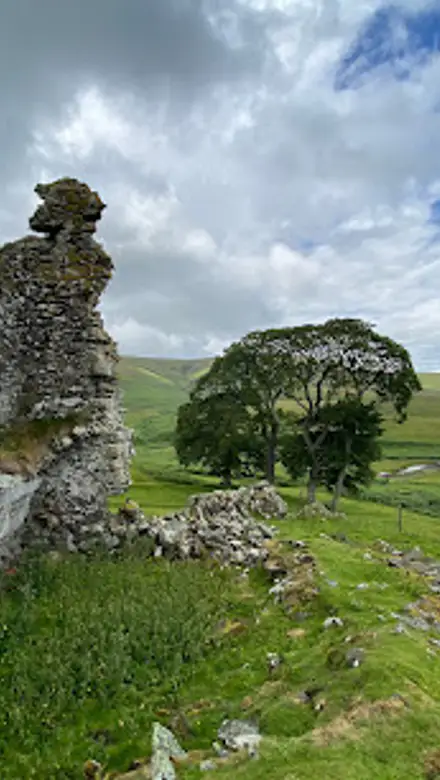
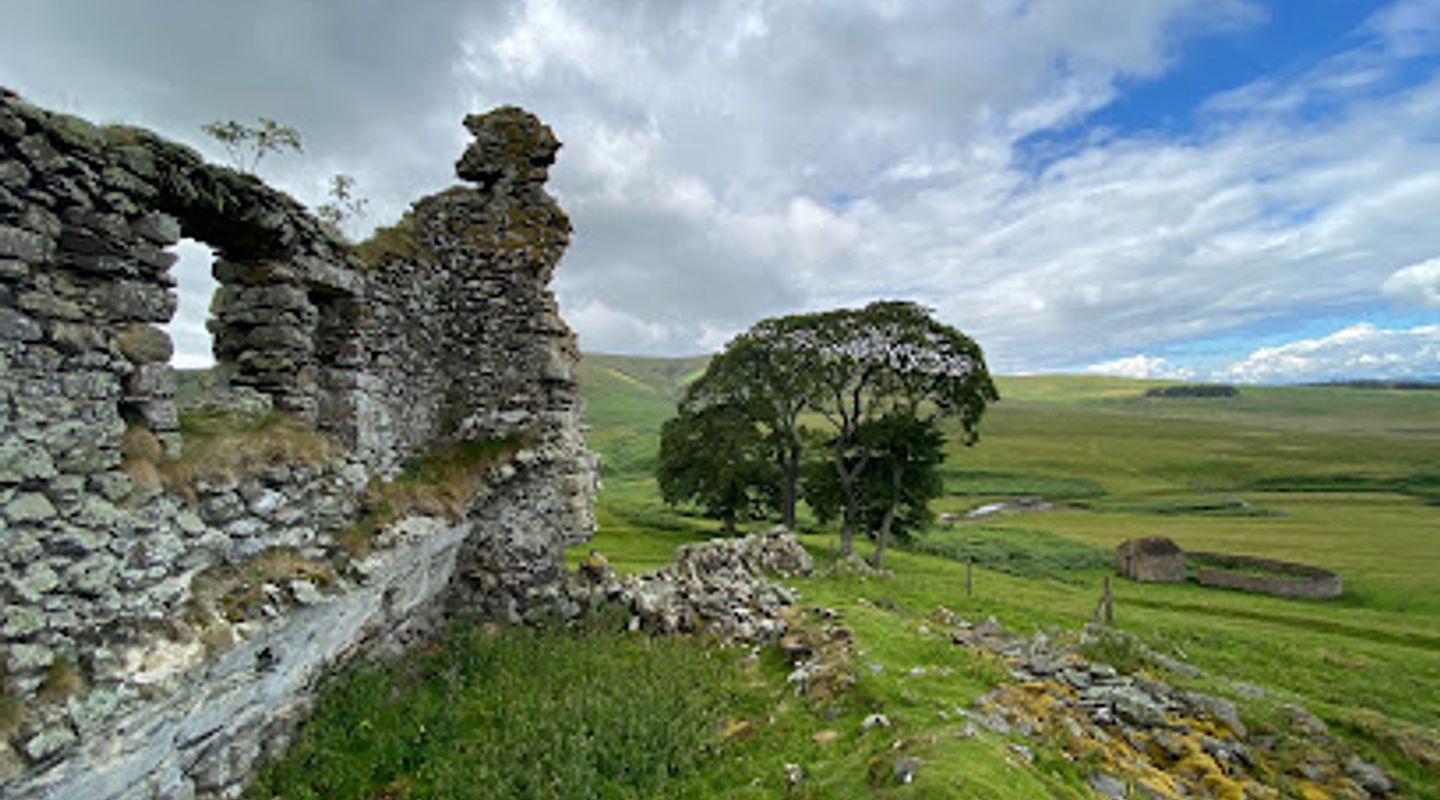
Perched high on a ridge in the Moorfoot Hills near Heriot, Hirendean Castle is a haunting 16th-century peel tower ruin with a dark and mysterious past. Once a stronghold of the Kerr family, the site now stands as a windswept tangle of ancient stone, offering dramatic views over the River South Esk valley and a powerful sense of Scotland’s turbulent history. Exploring the remains, visitors walk among crumbling walls and overgrown mounds, where local legend speaks of a noble suicide and a witchcraft trial that still echoes through the hills.
A brief summary to Hirendean Castle
- Heriot, GB
- Duration: 0.5 to 2 hours
- Free
-
 Outdoor
- Mobile reception: 3 out of 5

Know before you go
Hi, I'm Eve. Here are a few practical things to know before exploring Hirendean Castle.
- Visit in the early morning or late afternoon for the best light and fewer people; the long shadows highlight the texture of the old stonework.
- Wear sturdy walking shoes and waterproof clothing; the approach is often muddy and exposed to wind and rain, especially in winter.
- Bring a map or GPS; the site is remote and not signposted from every direction, so navigation tools are essential for a safe visit.
- Respect the ruins and the surrounding land; this is a fragile historical site in a working countryside, so leave no trace and avoid climbing on unstable walls.
Do you manage this location?
Take control to get all the benefits, like improved information, better appearance, and stronger visibility across AI-powered discovery. Learn more about listing your business on Evendo
Activate your presenceOther nearby places you may find interesting
The closest places of the same kind, if this one is not quite what you had in mind.

Explore Hirendean Castle on the Map
A handpicked selection of must-see spots near Hirendean Castle, mapped for you.
Getting There
-
Car
From Edinburgh, take the A7 southbound towards Galashiels for about 22 miles, then follow signs to the village of Heriot. From Heriot, drive a short distance to the edge of the village and park in a safe, legal spot; the castle ruins are a 20–30 minute walk uphill across open moorland and fields, following footpaths and tracks.
-
Public Transport
Take a train from Edinburgh Waverley to Galashiels (around 50 minutes), then a local bus to Heriot (about 30 minutes). From Heriot, the ruins are a 20–30 minute walk along country lanes and footpaths; check bus and train timetables in advance as services are infrequent, especially on weekends.
-
Walking
From Heriot village centre, follow footpaths southeast towards the Moorfoot Hills; the route involves a steady climb over rough, often muddy ground and can take 20–30 minutes, so good footwear and navigation tools are essential.
For the on-the-go comforts that matter to you
-
 Seating Areas
-
 Trash Bins
Discover more about Hirendean Castle
A Ruin on the Moorfoot Ridge
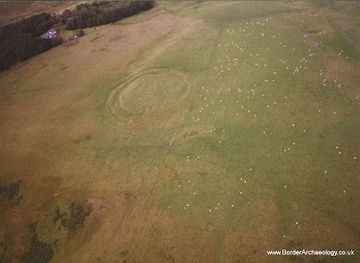
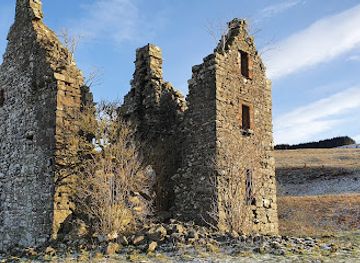
Hirendean Castle clings to the end of a narrow ridge high in the Moorfoot Hills, overlooking the valley of the River South Esk in Midlothian. What remains today is a modest but evocative ruin: a low, grass-covered mound crowned with the collapsed walls of a 16th-century peel tower, likely built by the powerful Kerr family. The structure sits on a flattened knoll beside the old track of Hirenden, its position chosen for both defence and surveillance of the surrounding countryside. Though little more than a tumble of stone now, the site’s elevated location rewards visitors with sweeping views across the South Esk valley and the distant Pentland Hills, making it a quiet, atmospheric stop for those drawn to Scotland’s lesser-known strongholds.History of a Border Stronghold
Hirendean was probably constructed as a defensive peel tower during the turbulent 16th century, when the Scottish Borders were a contested frontier. These small, fortified towers served as refuges for local lairds and their families during raids, and Hirendean fits this pattern as a Kerr family stronghold. By the late 17th century, the castle appears on John Adair’s map of the area, recorded as Haring Dean, a name thought to derive from the herons that once fished in the nearby streams. Over time, the tower was abandoned and gradually fell into ruin, its stone reused or left to crumble under centuries of wind and rain. The site’s documented history is sparse, but its very presence speaks to the region’s long history of conflict, loyalty, and shifting power.Dark Tales from the Castle
Local tradition and historical fragments attach a particularly grim episode to Hirendean. In 1624, Robert Kerr, the Earl of Lothian, is said to have resided at the castle when he returned home one evening and took his own life in a violent and shocking manner, stabbing himself repeatedly before cutting his own throat. The reasons for this act remain unknown, but the event left a lasting mark on the site’s memory. A few years later, in 1628, a local woman named Margaret (Meg) Unes, a shepherdess from Blackhope Scar near the castle, was accused of witchcraft and murder, her case tied in local lore to the same dark episode. These stories, blending documented events with folklore, give Hirendean a haunting quality that lingers long after the visit.Visiting the Site Today
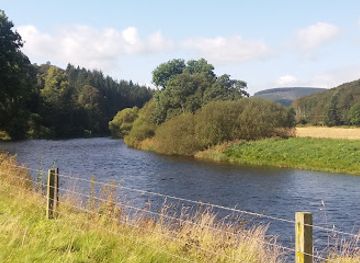
Today, Hirendean Castle is a quiet, off-the-beaten-path destination best reached on foot from the village of Heriot or via nearby walking trails. The ruins are not a formal tourist attraction with facilities, but rather a historical site to be approached with care and respect. Visitors can trace the outline of the tower and the surrounding mound, imagining its former strength and the lives once lived there. The surrounding landscape is open and often windswept, with the source of the River South Esk nearby and Gladhouse Reservoir visible in the distance. It is a place for reflection, photography, and a sense of connection to Scotland’s layered past, where history and myth intertwine among the stones.












Your all‑in‑one travel companion app
Explore expert travel guides, compare and book tours, experiences, hotels, and more—all from the palm of your hand. Download now for seamless trip planning wherever your wanderlust takes you.


Explore More of Berwickshire
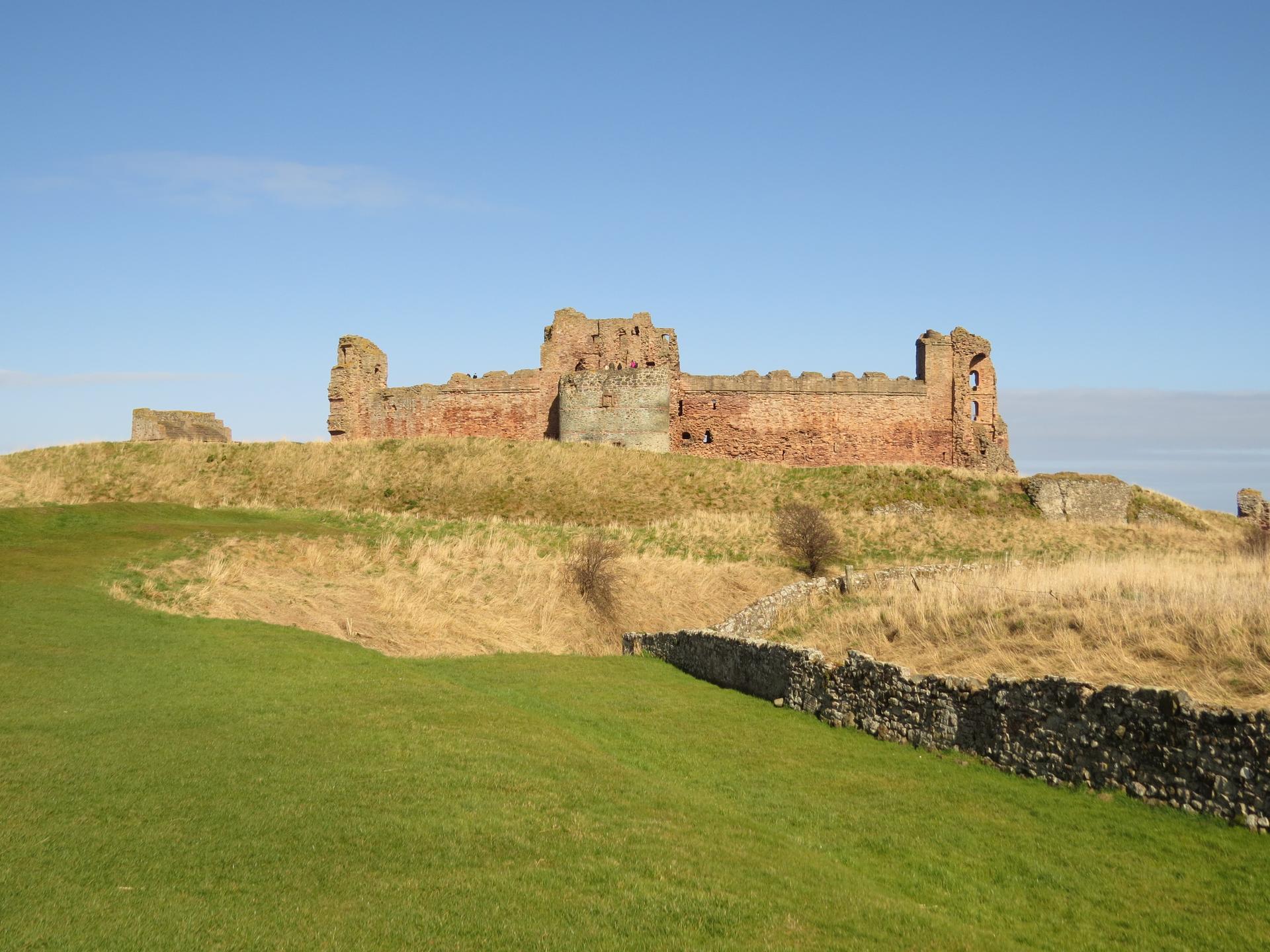
Looking beyond Hirendean Castle? Discover Berwickshire for broader travel guides, local hot-spots, and regional highlights.
Explore Berwickshire
Explore centuries of history and stunning ruins at Rosslyn Castle, ancestral home of the St Clair family nestled in scenic Roslin Glen.
Historic 16th-century castle hotel near Peebles with luxury spa, acclaimed dining, and scenic grounds featuring the Great Polish Map of Scotland.