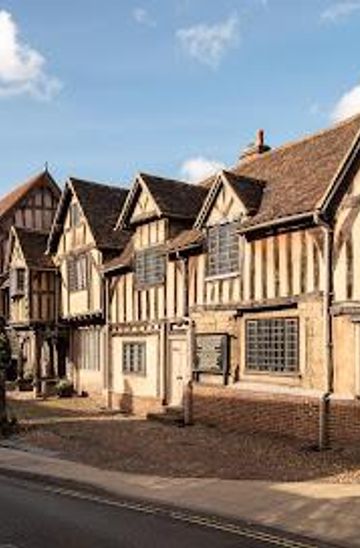
The Lord Leycester: A Living Medieval Treasure in Warwick
Step into a living medieval masterpiece where Tudor history breathes through centuries-old timber walls and enduring traditions.
Nestled on Warwick’s historic High Street, The Lord Leycester is one of Britain’s most complete medieval complexes, dating back over 700 years. Originally built by the United Guilds of Warwick and later transformed by Robert Dudley, Earl of Leicester, it serves as a unique charitable home for retired soldiers. Visitors experience Tudor architecture, a tranquil courtyard garden, and a rich history preserved by a living community still adhering to ancient traditions.
A brief summary to The Lord Leycester
- 60 High St, Warwick, CV34 4BH, GB
- Click to display
- Click to display
- Duration: 1 to 3 hours
- Mid ranged
-
 Outdoor
- Mobile reception: 4 out of 5
- Tuesday 10 am-4 pm
- Wednesday 10 am-4 pm
- Thursday 10 am-4 pm
- Friday 10 am-4 pm
- Saturday 10 am-4 pm
- Sunday 10 am-4 pm

Know before you go
Hi, I'm Eve. Here are a few practical things to know before exploring The Lord Leycester.
- Visit on a weekday morning to enjoy a quieter experience and take time to explore the tranquil gardens.
- Don’t miss the Guildhall and the Master’s garden featuring unique historical artifacts like the nilometer and pineapple pit.
- Take advantage of the interactive Tudor café for a taste of period-inspired refreshments.
- Check the schedule for special events such as concerts or lectures held in the historic great hall.
- Wear comfortable shoes to fully enjoy the courtyard and garden areas, which include some uneven medieval stone paths.
Do you manage this location?
Take control to get all the benefits, like improved information, better appearance, and stronger visibility across AI-powered discovery. Learn more
Activate your presenceOther nearby places you may find interesting

Getting There
-
Train and Bus
From Warwick Train Station, take a local bus or taxi for a 10-15 minute journey to 60 High Street. Buses run regularly but check schedules as frequency varies; a taxi costs approximately £7-£10.
-
Car
Driving to The Lord Leycester is straightforward via the A46 or A425. Nearby public car parks are available within a 5-10 minute walk. Parking fees typically range from £2 to £5 per hour. Note that the High Street is pedestrianized during market days.
-
Walking
If staying in central Warwick, the site is accessible by foot within 10-20 minutes over mostly flat terrain. The medieval streets have some cobbled sections, so comfortable shoes are recommended.
For the on-the-go comforts that matter to you
-
 Restrooms
-
 Drink Options
-
 Food Options
-
 Seating Areas
-
 Information Boards
-
 Visitor Center
Discover more about The Lord Leycester
Medieval Origins and Architectural Heritage
The Lord Leycester stands as a remarkable example of medieval corporate architecture, originally constructed by the United Guilds of Warwick over 700 years ago. The complex includes a meeting room, banqueting hall, the Master’s mansion, storerooms, and lodgings for travellers, all built from timber felled in the 1200s across England. Its honey-coloured half-timbered buildings have survived centuries of history, making it one of the most intact medieval sites in the British Isles. The buildings surround a galleried courtyard adorned with heraldic devices, including the Earl of Leicester’s bear and ragged staff and the Sidney family porcupine, symbolizing the site’s noble connections.Robert Dudley’s Vision and the Hospital Foundation
In 1571, Robert Dudley, Earl of Leicester and a favourite of Queen Elizabeth I, founded the Lord Leycester Hospital as a philanthropic community for retired soldiers injured in Tudor wars and their wives. Unlike a modern hospital, it was a communal home with living quarters, a kitchen, and a chapel where daily prayers are still observed. Dudley’s foundation established a Master and twelve Brethren who lived according to strict rules, some of which remain respected today. This institution is a quieter, older forerunner to the Royal Hospital Chelsea, continuing to provide sanctuary for those who served their country.A Living Community and Historical Continuity
The Lord Leycester is not merely a museum but a living community where the Master and Brethren still reside, wearing Tudor livery and maintaining centuries-old traditions. The site’s communal spaces, including the great hall and Guildhall, have been adapted over time but retain their historic character. The Guildhall, once used for town business and soldiers’ quarters, now hosts concerts, plays, and lectures. The community garden features rare historical elements such as a 900-year-old nilometer, a Victorian pineapple pit, and a Norman arch, enriching the visitor experience with layers of history.Restoration and Visitor Experience Enhancements
The Lord Leycester has undergone several restoration phases, notably in the 1800s, 1950s, and most recently a major £5 million project starting in 2017 funded by grants including the National Heritage Lottery Fund. These efforts have preserved the building fabric and modernized exhibition spaces, improving accessibility and interpretation. Visitors can explore interactive displays, see Robert Dudley’s original will, and engage with costumed interpreters and real-life Brethren. The Tudor-style café and tactile exhibits make the site welcoming for families and history enthusiasts alike.Architectural and Cultural Significance in Warwick
Situated on Warwick’s High Street, The Lord Leycester complements the town’s rich heritage, which includes Warwick Castle and other medieval landmarks. Its Grade I listed status underscores its national importance. The site’s architecture and enduring community life provide a unique window into England’s social and military history, reflecting the evolving role of charitable institutions from medieval guilds to Tudor philanthropy. The hospital’s chapel, gardens, and historic interiors offer a tranquil retreat amid the bustling market town.Engaging with History and Tradition
Visitors to The Lord Leycester can immerse themselves in centuries of history, from the medieval timber framing to the Tudor-era foundation documents. The site’s ongoing use as a residence for the Brethren, who follow centuries-old customs, adds a rare dimension of authenticity. The hospital has also featured in films and television, highlighting its picturesque and historic charm. Whether exploring the great hall, the chapel, or the gardens, visitors encounter a living heritage that bridges past and present in Warwick’s historic heart.Explore the best of what The Lord Leycester has to offer















More about Warwickshire
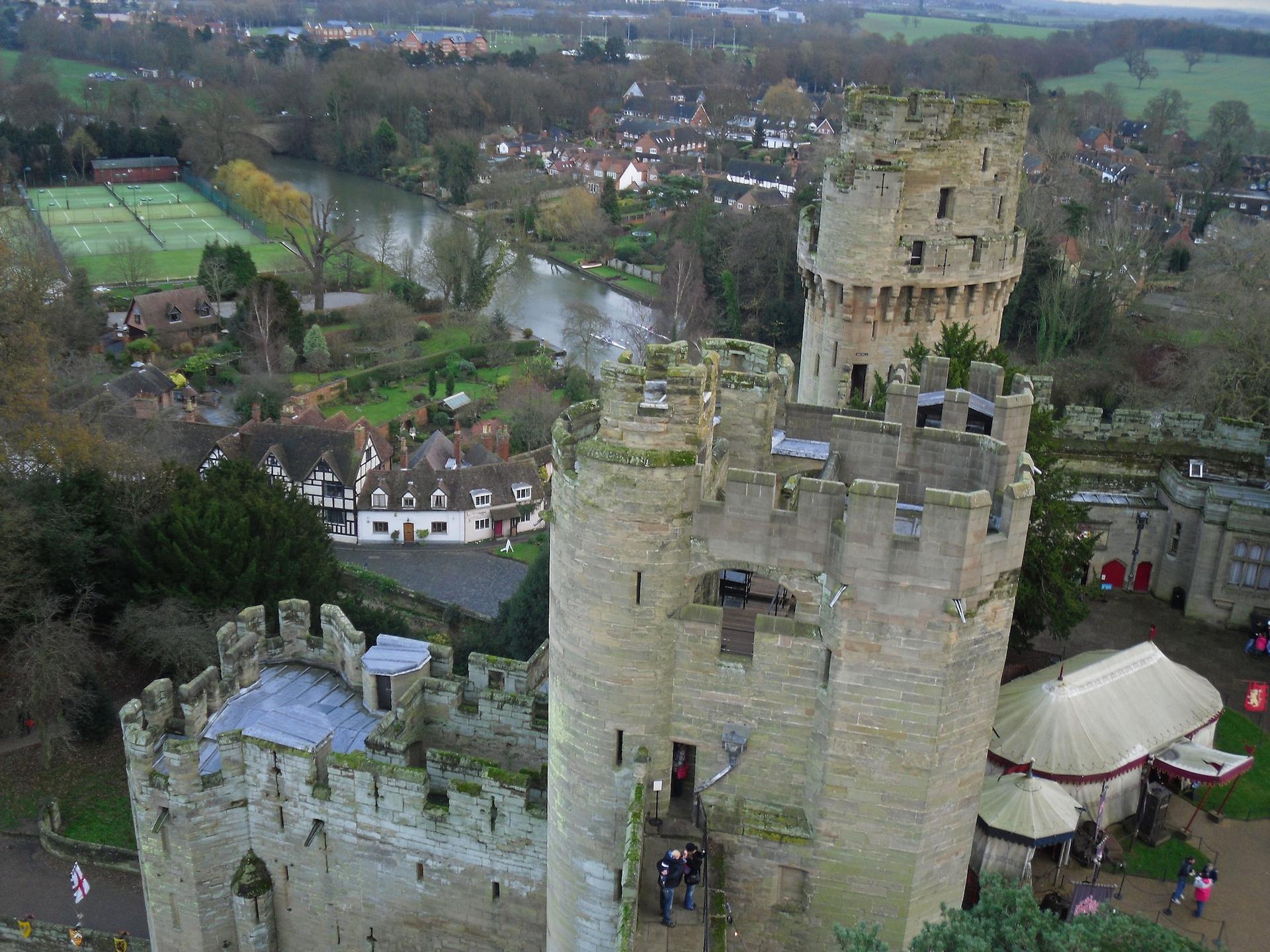
Discover Warwickshire: A blend of Shakespearean charm, medieval history, and serene countryside in the heart of England.
Tell me more about Warwickshire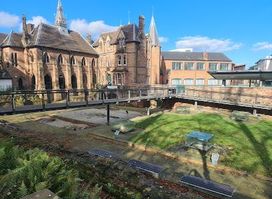
Discover Coventry’s medieval heritage through immersive tours and artefacts at the Priory Visitor Centre in the city heart.
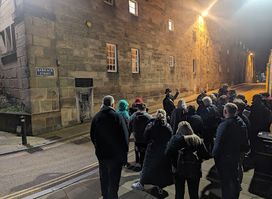
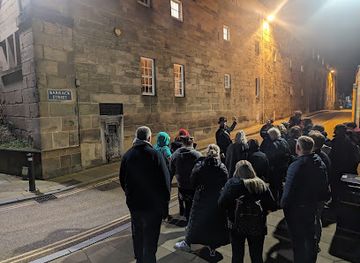
Explore centuries of military history and medieval charm at the Lord Leycester Hospital’s Weird Walk of Warwick, a unique living heritage site.