
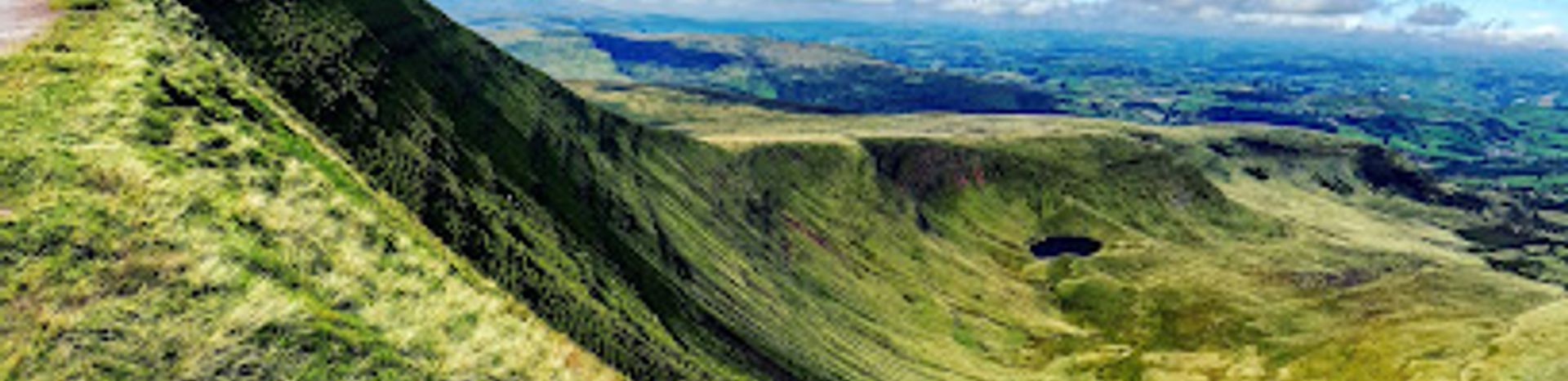
Pen y Fan: The Majestic Summit of South Wales
Pen y Fan, South Wales’ highest peak, offers breathtaking panoramic views and a rewarding climb through ancient geological landscapes.
Pen y Fan, standing at 886 meters, is the highest peak in South Wales and the Brecon Beacons National Park. Renowned for its dramatic flat-topped summit and stunning panoramic views, it offers a rewarding climb through diverse geological landscapes shaped over millions of years. Popular among hikers, it features well-marked trails, rich natural heritage, and sweeping vistas stretching across Wales and into England.
A brief summary to Pen y Fan
- Brecon, GB
- Duration: 2 to 8 hours
- Mid ranged
-
 Outdoor
- Mobile reception: 4 out of 5
Local tips
- Start your hike early to avoid peak crowds and enjoy cooler temperatures on the ascent.
- Wear layered clothing and waterproof gear due to rapidly changing weather conditions on the mountain.
- Consider parking at Pont ar Daf car park; non-members pay a £7.50 fee, but National Trust members park free.
- Explore the Horseshoe Ridge circuit for a challenging full-day hike covering multiple peaks including Corn Du and Cribyn.
- Bring water and snacks, as facilities on the trail are limited; enjoy refreshments at the base after your hike.

For the on-the-go comforts that matter to you
- Restrooms
- Food Options
- Drink Options
- Seating Areas
- Trash Bins
- Information Boards
Getting There
-
By Car
Drive approximately 13 km from Brecon via the A470 to reach the National Trust Pont ar Daf car park, the main access point. Parking costs £7.50 for non-members. Limited spaces require early arrival, especially on weekends and holidays.
-
By Bus
Take the Traws Cymru bus route from Cardiff to Newtown, alighting at Storey Arms. From there, it is a moderate 30-45 minute walk to the base of Pen y Fan. Bus services run several times daily but check schedules seasonally.
-
By Train and Bus
Travel by train to Merthyr Tydfil station, about 19 km from Pen y Fan, then connect with local bus services (such as the T4) to Storey Arms. The combined journey takes approximately 1.5 to 2 hours.
-
Walking
For those nearby, walking routes from Brecon or surrounding villages offer scenic approaches. Trails vary from easy to challenging terrain, with durations from 2 to 8 hours depending on chosen paths.
Pen y Fan location weather suitability
-
 Any Weather
-
 Rain / Wet Weather
-
 Clear Skies
-
 Windy Conditions
-
 Mild Temperatures
Discover more about Pen y Fan
Geological Majesty and Formation
Pen y Fan is the highest mountain in South Wales, rising to 886 meters (2,907 feet) within the Brecon Beacons National Park. It is formed predominantly from Old Red Sandstone deposited during the Devonian period, around 370 million years ago. The mountain’s distinctive flat summit plateau is composed of hard-wearing sandstones of the Pen y Fan Formation, formerly known as the Plateau Beds, which sit unconformably atop the Brownstones Formation. These geological layers create the characteristic stepped landscape visible on its northeastern scarp face, where alternating bands of sandstone and mudstone are exposed. The mountain's shape and surrounding valleys have been sculpted by glacial activity during the last ice age, with features such as the glacially excavated rock hollow housing Llyn Cwm Llwch lake beneath its northern slopes.Panoramic Vistas and Natural Setting
From Pen y Fan’s summit, on a clear day, visitors can enjoy sweeping views across the Bristol Channel, Carmarthen Bay, Swansea Bay, the Gower Peninsula, and the Black Mountains. The Cambrian Mountains, Exmoor, and even parts of South-West England such as Herefordshire and Gloucestershire are visible in the distance. The mountain’s northern face is steep and glaciated, contrasting with the gentler southern slopes that descend toward the South Wales valleys. This dramatic terrain offers a wild and remote atmosphere, making Pen y Fan a striking natural landmark and a centerpiece of the Brecon Beacons landscape.Walking Routes and Visitor Experience
Pen y Fan is a popular hiking destination with several well-established routes. The most frequented paths start from the National Trust’s Pont ar Daf car park or the Storey Arms Education Centre, both offering circular routes of approximately four miles. More challenging circuits, such as the Horseshoe Ridge route, cover multiple peaks including Corn Du and Cribyn, providing a full day of hiking with rewarding scenic diversity. Trails are well-marked but can be steep and exposed, especially near the summit, requiring appropriate preparation for changing weather conditions. The mountain is accessible to a wide range of walkers, though some routes are more demanding. Facilities near the main access points include parking (with charges for non-members), restrooms, and occasional refreshment stalls.Historical and Cultural Significance
The twin summits of Pen y Fan and Corn Du were once collectively known as 'Cadair Arthur' or 'Arthur’s Seat,' reflecting local folklore and ancient associations. Archaeological evidence suggests Bronze Age burial sites on the summits, adding a layer of historical mystique to the natural grandeur. The mountain also holds significance within the Fforest Fawr Geopark, established to promote sustainable tourism and conservation of the region’s geological heritage. Pen y Fan’s iconic silhouette has become emblematic of Welsh natural beauty and outdoor adventure.Flora, Fauna, and Conservation
Situated within a protected national park, Pen y Fan supports diverse upland flora and fauna adapted to its rugged environment. The area is managed to balance visitor access with conservation, encouraging responsible outdoor practices. Bird species such as red kites are commonly seen soaring above, and the surrounding moorlands provide habitat for various wildlife. The mountain’s geology and ecology are integral to ongoing scientific study and environmental stewardship efforts.Seasonal Considerations and Visitor Tips
Weather on Pen y Fan can change rapidly, with conditions ranging from bright sunshine to sudden rain and high winds. Visitors should dress in layers and carry waterproof gear. Peak visiting times are generally during warmer months, but the mountain offers year-round appeal for those prepared for its challenges. Early starts and midweek visits can help avoid crowds. The National Trust car park at Pont ar Daf charges a fee for non-members, and public transport options connect to nearby points, supporting sustainable access.Iconic landmarks you can’t miss

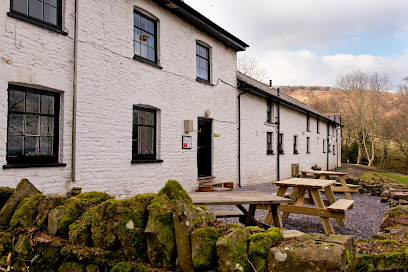
YHA Brecon Beacons
4.0 km
Rustic farmhouse hostel offering clean, cozy accommodation and a warm communal atmosphere in the heart of Brecon Beacons National Park.
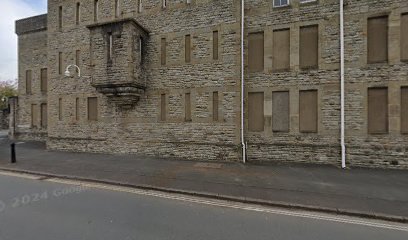
Brecon Barracks
7.6 km
Historic military hub in Brecon, home to the Royal Welsh Regiment and its museum, set within the stunning Brecon Beacons National Park.
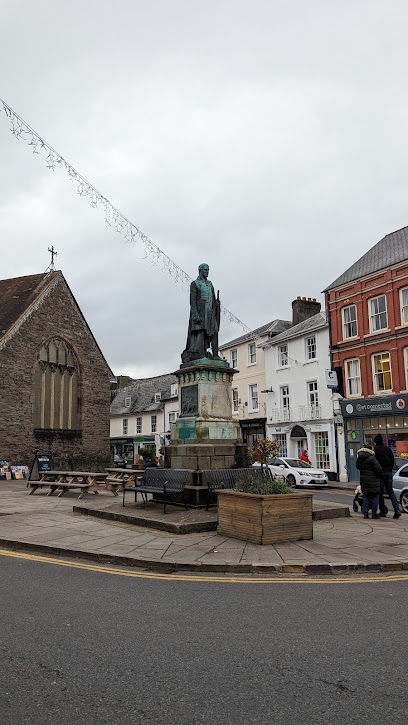
Duke of Wellington Monument
7.7 km
Historic bronze statue honoring the Duke of Wellington, a commanding presence in Brecon’s town centre and a testament to local artistry and British heritage.
The Brecon Castle Hotel
7.8 km
Historic Wales’ oldest hotel blending timeless charm with modern comforts near Brecon Beacons National Park.
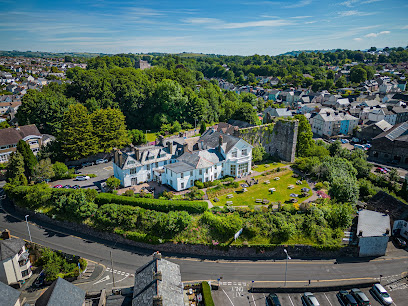
Ogof Ffynnon Du National Nature Reserve
15.6 km
Explore Ogof Ffynnon Du National Nature Reserve, a scenic escape in Swansea, where breathtaking landscapes and rich wildlife await every nature lover.
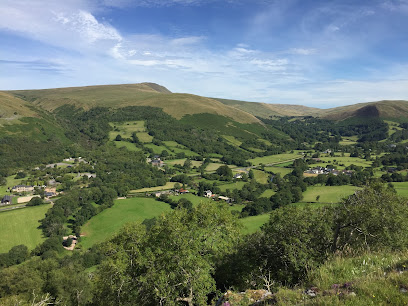
Parc Bryn Bach
16.0 km
Experience the natural beauty and recreational fun of Parc Bryn Bach in Tredegar, a perfect destination for outdoor enthusiasts and families.
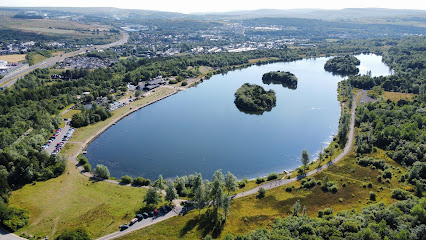
Dinas Rock
16.9 km
Discover Dinas Rock, a breathtaking hiking area in South Wales, perfect for nature lovers and outdoor adventurers seeking unforgettable views.
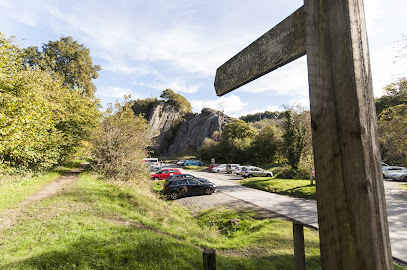
Tretower Castle
17.2 km
Discover Tretower Castle, a medieval gem in Wales offering breathtaking views, rich history, and a serene escape into the past.
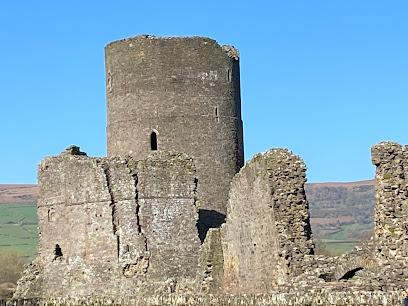
Llys a Chastell Tre-tŵr / Tretower Court and Castle
17.3 km
Discover the medieval charm and historical significance of Tretower Court and Castle, a top tourist attraction in the heart of Powys, Wales.
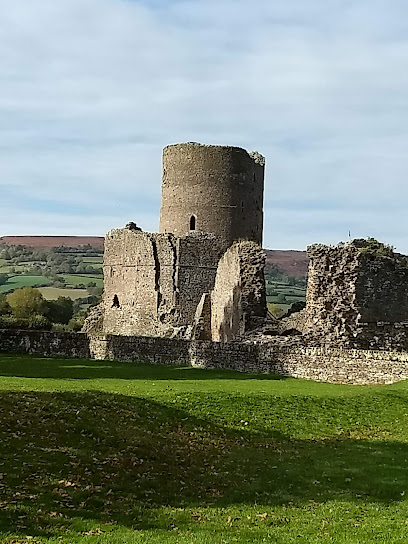
Sleeping Giant Bunkhouse
17.7 km
Experience nature's serenity at Sleeping Giant Bunkhouse, your perfect lodge retreat in Upper Swansea, ideal for adventurers and nature lovers.
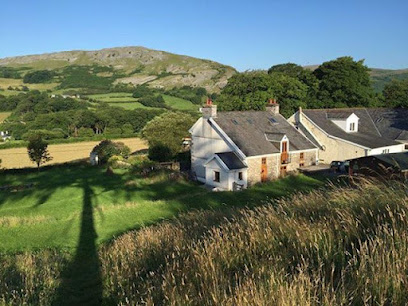
Waterfall Country
17.8 km
Explore the breathtaking waterfalls and lush landscapes of Waterfall Country, a nature lover's paradise in Wales.
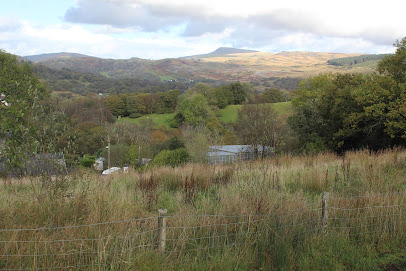
National Showcaves Centre for Wales
18.2 km
Unveil the hidden beauty of the underground world at the National Showcaves Centre for Wales, where nature's wonders await your exploration.
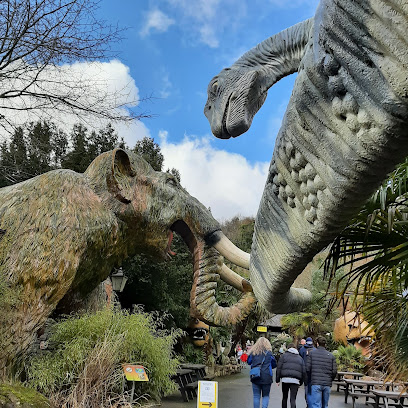
Craig-y-Nos Country Park
18.2 km
Explore the enchanting landscapes and rich history of Craig-y-Nos Country Park, a perfect retreat in the Brecon Beacons for nature lovers and adventure seekers.
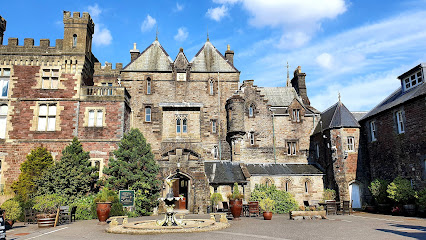
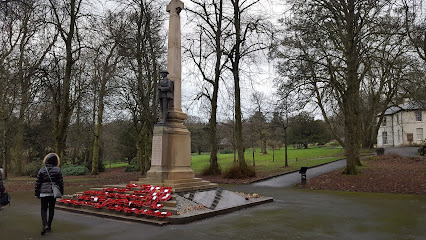
Bedwellty House and Park
18.5 km
Experience the tranquility and charm of Bedwellty House and Park, a historic gem in Tredegar offering beautiful gardens and serene landscapes.
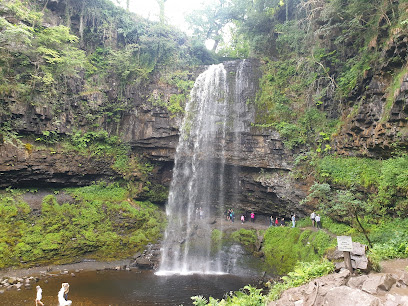
Henrhyd Falls
18.6 km
Experience the breathtaking beauty of Henrhyd Falls, the tallest waterfall in South Wales, surrounded by stunning hiking trails in the Brecon Beacons.
Unmissable attractions to see

Corn Du
0.1 km
Second highest peak in South Wales with ancient cairn, panoramic views, and wild Brecon Beacons landscapes.
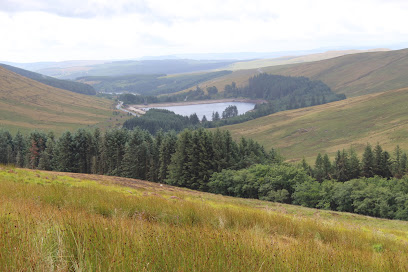
Brecon Beacons
0.6 km
Explore the breathtaking peaks, rich heritage, and star-studded skies of Wales’ iconic Brecon Beacons National Park.
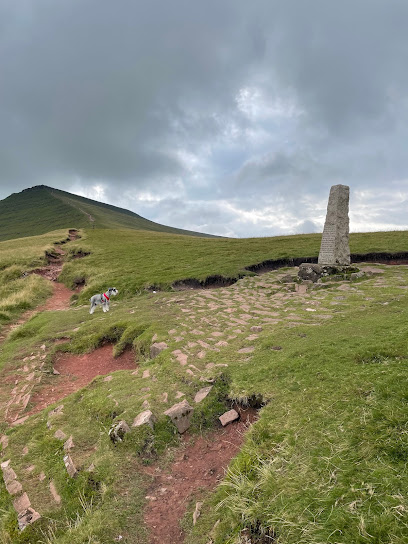
Bannau Brycheiniog National Park (Brecon Beacons)
2.4 km
Explore Wales’ breathtaking Bannau Brycheiniog National Park, where majestic peaks, cascading waterfalls, and rich heritage await every adventurer.
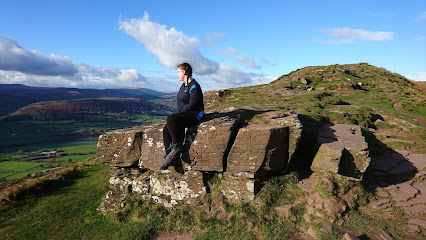
Fan y Bîg
2.6 km
Discover Fan y Big’s pointed summit, iconic 'Diving Board,' and panoramic Brecon Beacons views on this scenic mountain hike.
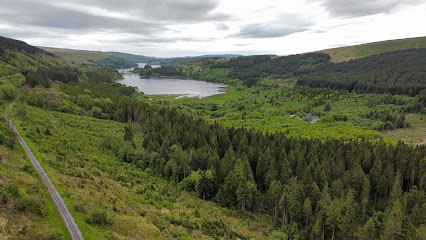
Pen-y-Fan walk carpark
3.0 km
Primary access point for hiking Pen y Fan, South Wales’ highest peak, nestled in the scenic Brecon Beacons National Park.
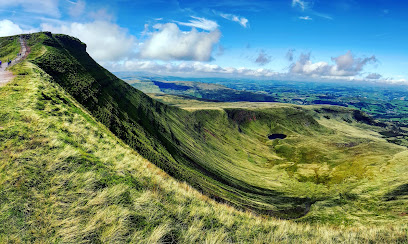
National Trust - Brecon Beacons
3.0 km
Explore Pen y Fan and the Brecon Beacons from Pont ar Daf, where nature, adventure, and modern facilities meet in Wales’ iconic mountain park.
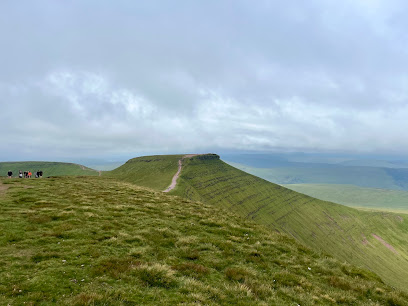
National Trust - Pont ar Daf
3.6 km
South Wales's premier mountain gateway—where 200,000 annual walkers begin their ascent to Pen y Fan's windswept summit.

Twyn Mwyalchod
4.1 km
A steep yet rewarding trig point summit offering panoramic ridge views and poignant memorials in the heart of the Brecon Beacons.
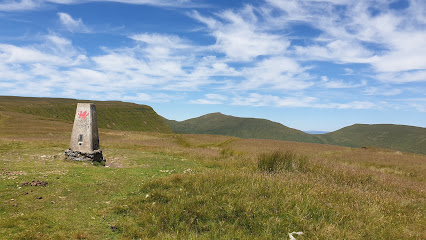
Gwaun Cerrig Llwydion
4.2 km
Explore the rugged sandstone plateau of Gwaun Cerrig Llwydion, a scenic hiking gem with panoramic views in Wales’ Brecon Beacons.
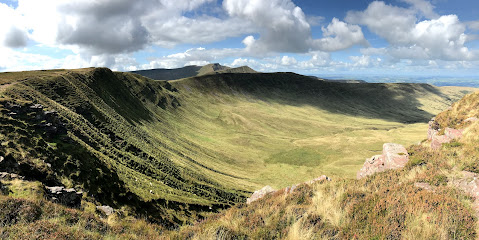
Fan Fawr
4.8 km
Fan Fawr: A majestic peak in Wales’ Brecon Beacons, blending stunning glacial landscapes with rich geology and timeless Welsh legends.
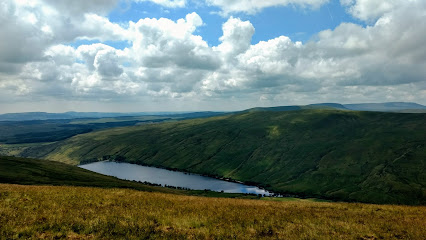
Fan Frynych
5.6 km
Explore Fan Frynych’s rugged summit and the dramatic cliffs of Craig Cerrig Gleisiad in this rich, glacially-carved nature reserve within the Brecon Beacons.
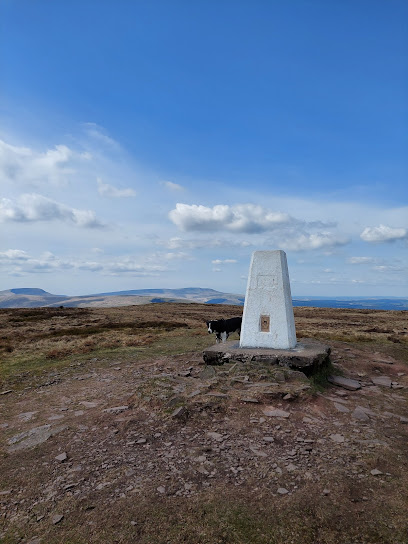
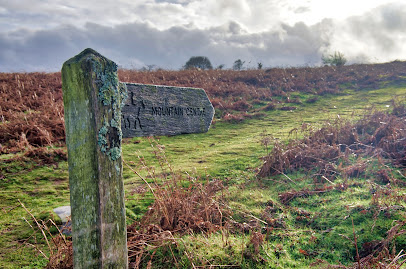
Mountain Centre
5.8 km
Your gateway to the Brecon Beacons with stunning views, local crafts, family fun, and expert visitor support.
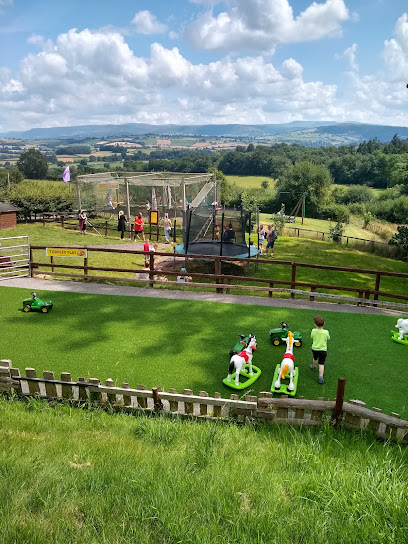
Cantref - Adventure Farm in South Wales
6.1 km
Experience hands-on farm life, pony rides, and all-weather family fun in the stunning Brecon Beacons National Park.
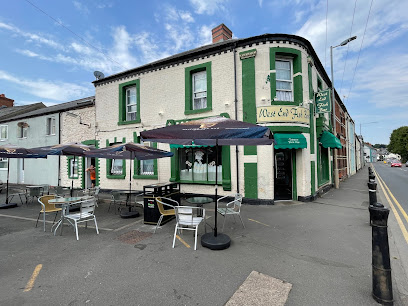
Westend Fishbar
7.4 km
Classic British fish and chips with a 5-star hygiene rating, serving Llanfaes locals and visitors exploring the Brecon Beacons.
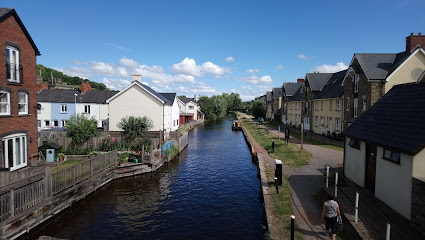
Theatr Brycheiniog
7.4 km
A vibrant, accessible performing arts theatre nestled by Brecon’s scenic canal, offering diverse shows and community spirit.
Essential places to dine

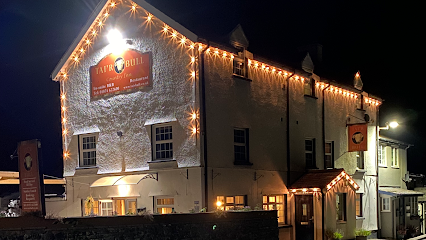
The Tai’r Bull Inn
4.8 km
A cosy Welsh country pub and B&B offering hearty fare, real ales, and warm hospitality in the heart of Brecon Beacons National Park.
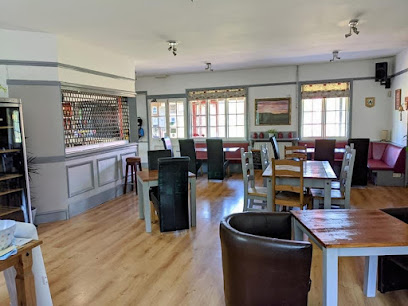
Gorkha & Khukuri
7.2 km
Savor authentic Nepalese cuisine in a serene Brecon setting, where tradition and flavor unite at Gorkha & Khukuri.
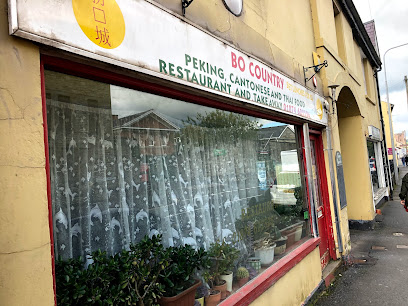
Bo Country
7.6 km
Authentic Chinese takeaway in the heart of Brecon, offering quick, flavorful meals for locals and visitors alike.
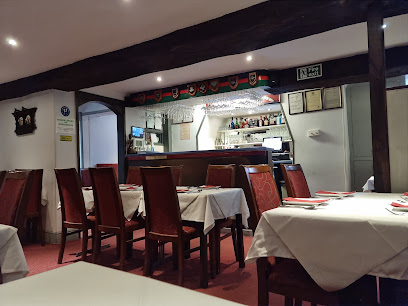
The Gurkha Corner
7.6 km
Experience authentic Nepalese and Himalayan cuisine with warm hospitality in the heart of Brecon at The Gurkha Corner.
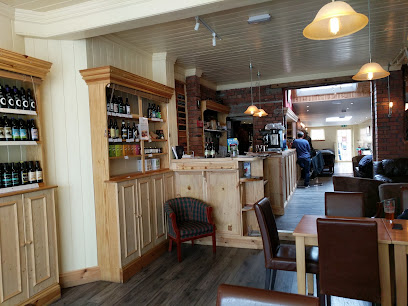
Brecon Tap
7.7 km
Experience authentic Welsh hospitality at Brecon Tap – a charming pub offering delicious food and drinks in the heart of Brecon.
The Proper Pizza Co Ltd
7.8 km
Authentic artisan pizzas with gluten-free options in the heart of Brecon’s Lion Yard, perfect for takeaway or small group dining.

The George Hotel - JD Wetherspoon
7.8 km
A welcoming traditional pub and hotel in Brecon, offering hearty British fare and comfortable rooms near the Brecon Beacons.
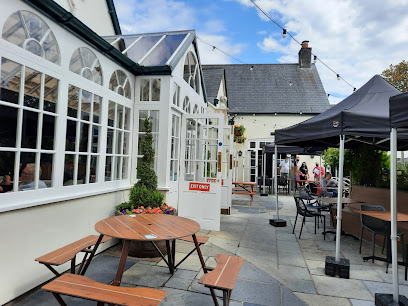
Three Horseshoes Inn
9.0 km
Award-winning gastropub in the Brecon Beacons serving refined seasonal British cuisine in a historic, welcoming setting.
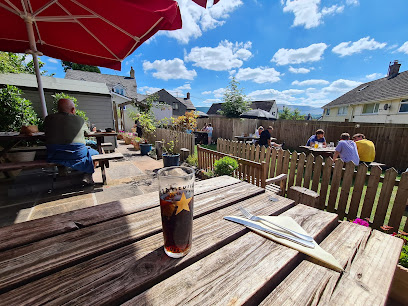
Hills
9.5 km
Contemporary burger dining with scenic Brecon Beacons views, blending creative flavors and a welcoming atmosphere in the heart of Brecon.
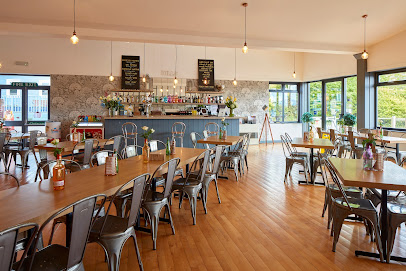
The White Hart
10.3 km
Traditional Welsh inn in Talybont-on-Usk offering hearty British fare, local ales, and warm hospitality near the Brecon Beacons.
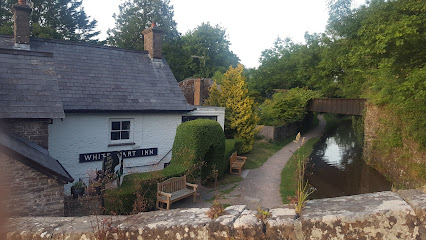
The Tanners Arms
10.6 km
Rustic Welsh pub and cozy B&B nestled in scenic Defynnog, offering hearty food, local ales, and warm hospitality near the Brecon Beacons.
Travellers Rest Inn
10.6 km
Cozy countryside inn with hearty meals and warm hospitality near the scenic Brecon Beacons.
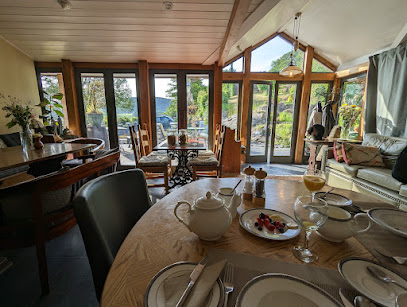
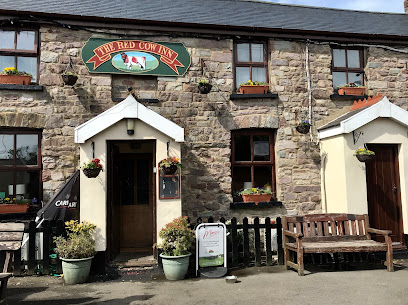
Red Cow Inn
11.1 km
A charming traditional Welsh pub in Pontsticill offering hearty home-cooked meals, award-winning ales, and a warm, welcoming atmosphere.
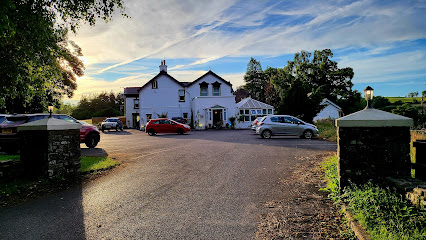
The White House
11.3 km
A charming country inn near Brecon Beacons offering warm hospitality, fresh local cuisine, and cozy rooms for a relaxing Welsh getaway.
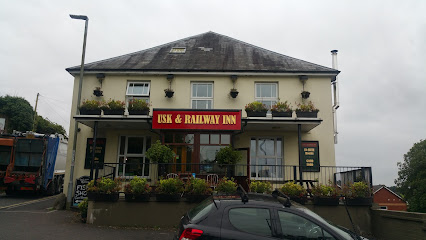
Usk & Railway Inn
11.5 km
Cozy country inn with hearty local cuisine and premium comfort near Brecon Beacons National Park.
Markets, malls and hidden boutiques

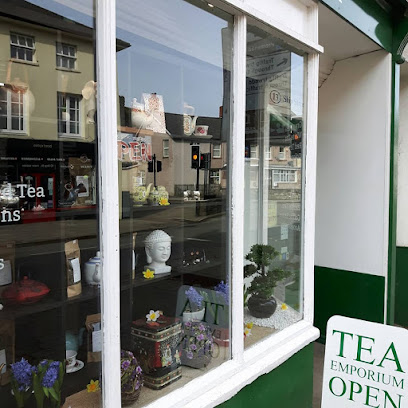
The UK Loose Leaf Tea Company Ltd
6.5 km
Discover ethically sourced, premium loose leaf teas and sustainable brewing essentials at The UK Loose Leaf Tea Company Ltd in Brecon.
Hay & Brecon Farmers Brecon
6.7 km
Experience the best of local Welsh produce at Hay & Brecon Farmers Brecon, where freshness and quality meet a warm community spirit.

B&M Home Store with Garden Centre
6.9 km
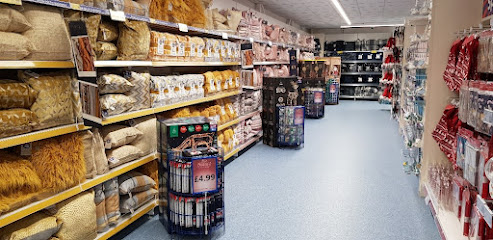
Affordable shopping meets gardening passion at Brecon’s versatile B&M Home Store with Garden Centre.
Mind
7.0 km
Explore unique finds and support mental health initiatives at Mind Charity Shop in Brecon, where every purchase makes a difference.
CERTAS - BRECON
7.3 km
Discover convenience in Brecon with CERTAS, your one-stop shop for essentials, local treats, and friendly service.

DIXIES CORNER
7.6 km
Brecon's trusted specialist in authentic military surplus and outdoor gear since establishment.
Kitty Keane's Vintage
7.7 km
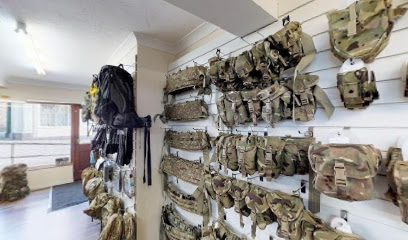
Discover authentic Welsh vintage and handcrafted treasures at Kitty Keane's Vintage, a charming craft shop in the heart of Brecon.
Beacons Antiques
7.7 km
Discover timeless vintage treasures and unique collectibles at Beacons Antiques, a charming hub of history in the heart of Brecon.
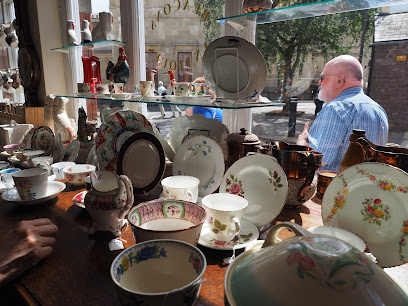
Bentley & Co Home Interiors & Coffee Shop
7.7 km
Discover stylish home interiors and savor homemade coffee and light lunches in the heart of Brecon’s charming Ship Street.
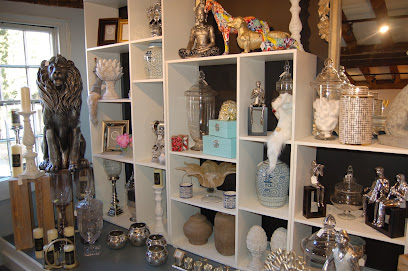
Tŷ Cariad
7.7 km
Discover authentic Welsh crafts and unique gifts at Tŷ Cariad, Brecon’s cozy hub for local artistry and culture.
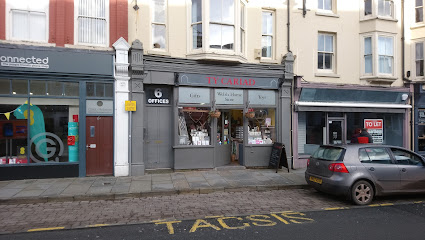
Dressed To Impress!
7.7 km
Family-run bridal and occasion wear boutique in Brecon offering elegant dresses and personalized service for all body types.
Get Connected
7.7 km
Explore Brecon with confidence, staying connected at Get Connected—the mobile shop for all your tech needs in the heart of the town.
Premier
7.7 km
Your friendly, convenient stop for groceries and essentials in the heart of Brecon, open early to late every day.

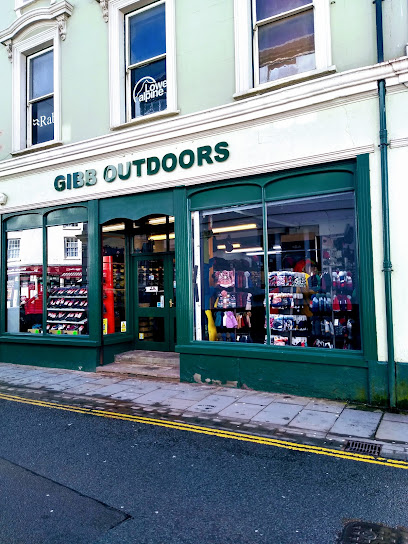
Gibb Outdoors
7.7 km
Trusted outdoor gear and expert advice in the heart of Brecon for all your Welsh adventures.
Bi Ped Cycles
7.7 km
Biped Cycles: Your expert cycling partner in Brecon, offering quality bikes, certified e-bike servicing, and personalized care near the Brecon Beacons.
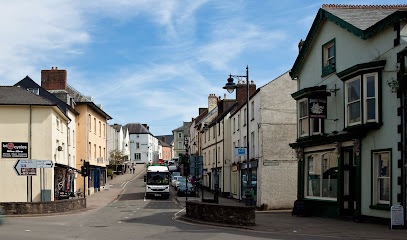
Essential bars & hidden hideouts

Drovers Arms
7.1 km
A welcoming Welsh village pub blending historic charm with hearty fare and friendly hospitality in the heart of Llanfaes, Brecon.
The Three Horseshoes Inn
7.4 km
A cosy Welsh village pub blending traditional charm with refined British cuisine and a warm, welcoming atmosphere.
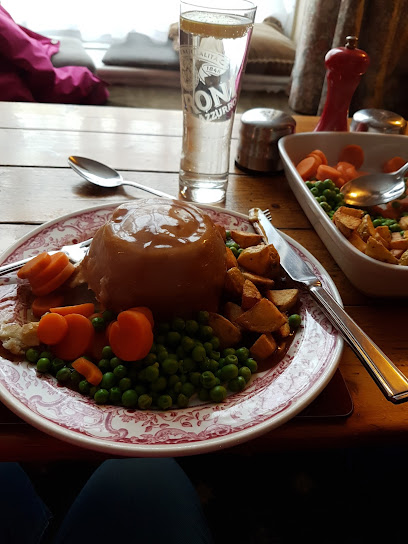
hop in beer and gin
7.6 km
Discover Brecon’s quirky bar with top-quality craft beers, artisanal gins, and delicious tapas in a cozy, historic setting.
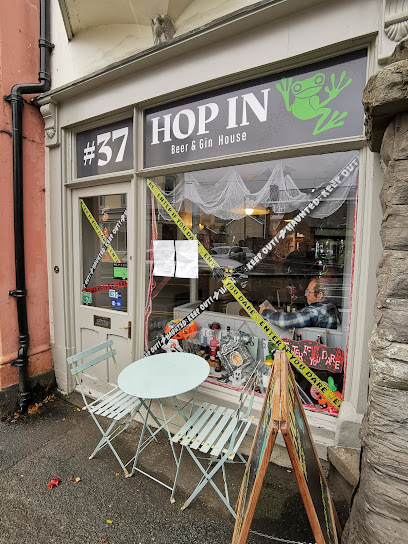
The Rorkes Drift
7.7 km
Historic Welsh pub in Brecon offering local ales, lively music, and a warm atmosphere inspired by the legendary Rorke’s Drift battle.
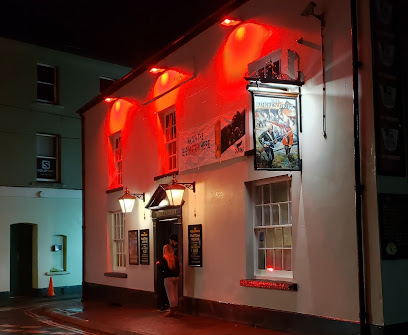
The Sarah Siddons
7.7 km
Experience authentic Welsh hospitality with local ales and lively atmosphere at The Sarah Siddons, Brecon’s beloved town centre pub.
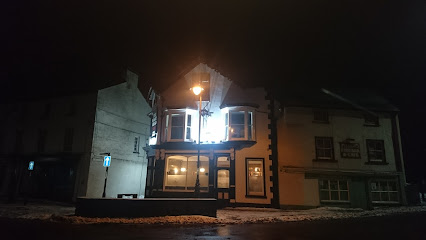
Markets Tavern
7.8 km
Traditional Welsh pub and welcoming hotel in Brecon offering hearty food, cozy rooms, and authentic local charm on Free Street.
The Lounge Bar & Cafe
7.8 km
Brecon’s pioneering bar with a modern twist, offering signature cocktails, live music, and a welcoming atmosphere in the town centre.

Royal Oak
8.8 km
Cozy Welsh pub in Pencelli offering traditional hospitality and local ales amidst the scenic Brecon Beacons.
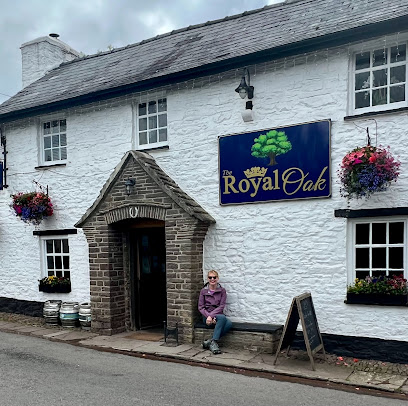
The Star Inn
10.2 km
A cozy and characterful pub with quality food and a sunny beer garden in the heart of Talybont-on-Usk, perfect for walkers and families alike.
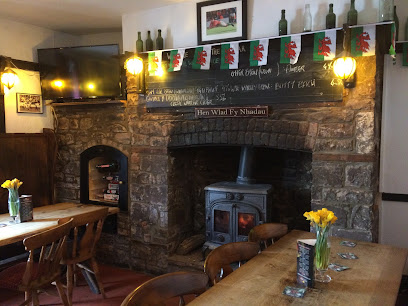
The Pwllgloyw Arms
12.2 km
A cozy mountain pub in Powys offering hearty Welsh fare, local ales, and a warm, welcoming atmosphere year-round.
Lakeside Bar
13.0 km
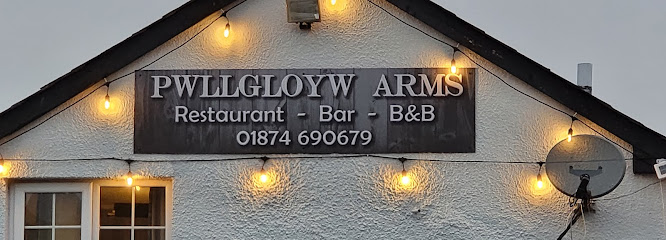
Relax lakeside at this friendly pub within Brecon’s scenic caravan park, perfect for unwinding after exploring the Brecon Beacons.
Coach & Horses
13.4 km
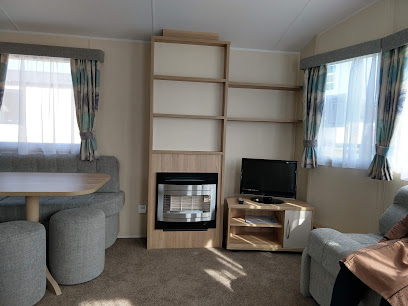
Historic canal-side pub and inn in Llangynidr offering hearty Welsh fare, cozy rooms, and a warm, welcoming atmosphere.
The Red Lion Llangorse
13.6 km
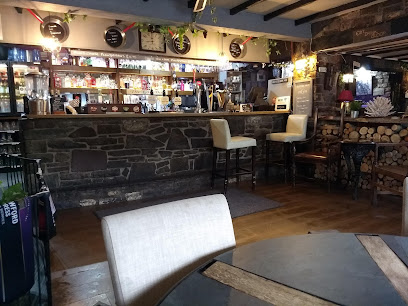
A welcoming Welsh gastropub in Llangorse offering seasonal local dishes, real fires, and a cozy atmosphere near the Brecon Beacons.
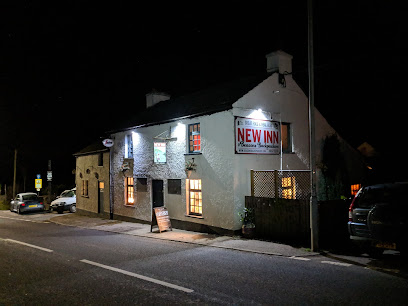
The New Inn
13.6 km
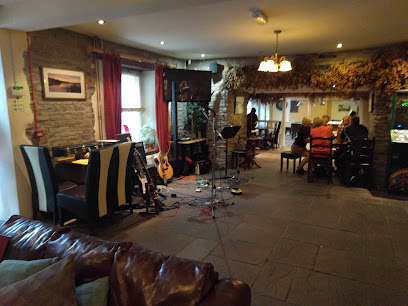
A cozy, affordable pub and backpackers’ haven in Bwlch, offering hearty food, friendly service, and a welcoming base for exploring the Brecon Beacons.
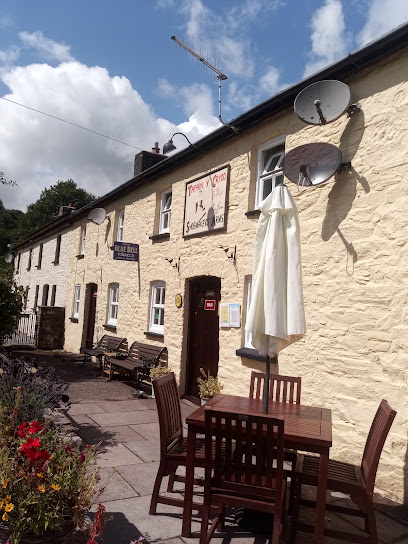
Shoemakers Arms
15.4 km
Charming community-run pub in the heart of Brecon Beacons, offering warm hospitality and authentic Welsh cuisine in a rustic setting.
Nightclubs & after hour spots

Northcote Conservative Club
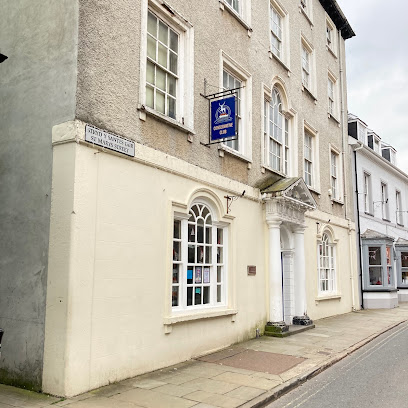
7.7 km
Discover the lively ambiance of Northcote Conservative Club, Brecon's premier destination for nightlife, music, and local culture.
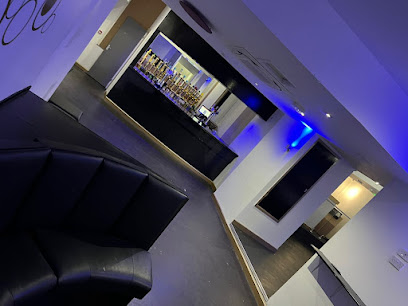
The Kirkhouse Nightclub (Koolers)
15.6 km
Experience the vibrant and friendly nightlife of Merthyr Tydfil at The Kirkhouse Nightclub, known locally as Koolers.

Pure Bar & Nightclub Ltd
15.7 km
A lively nightclub and cocktail bar in Merthyr Tydfil offering vibrant music, crafted drinks, and late-night entertainment in South Wales.
Jac’s Mansion
29.7 km
Experience welcoming, vibrant LGBTQ+ nightlife at Jac’s Mansion, Builth Wells’ iconic gay nightclub with a lively, inclusive atmosphere.
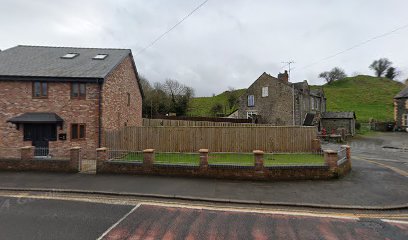
Squares Night club
30.3 km
Experience Porth’s vibrant nightlife at Squares Nightclub, where music, dance, and unforgettable evenings come alive every weekend.
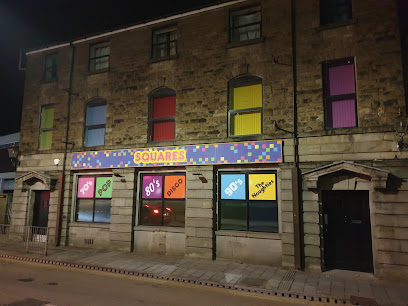
The Top Club
30.5 km
Experience Blaengarw’s vibrant nightlife at The Top Club, where electrifying entertainment meets community spirit in the heart of South Wales.
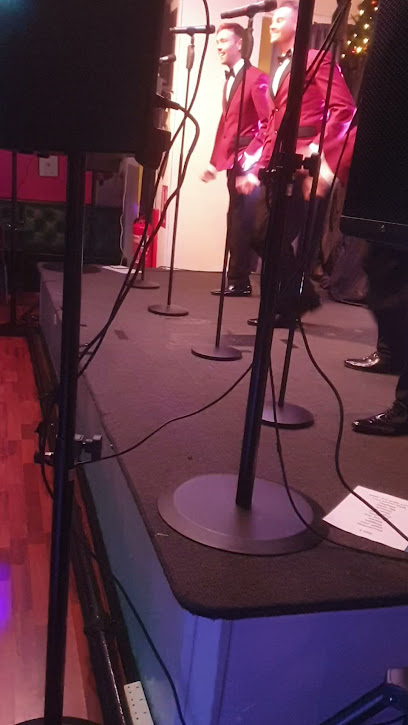
Eclipse Nightclub
33.8 km
Experience Pontypridd’s vibrant midweek nightlife at Eclipse Nightclub, where music, dancing, and community come alive every Wednesday night.
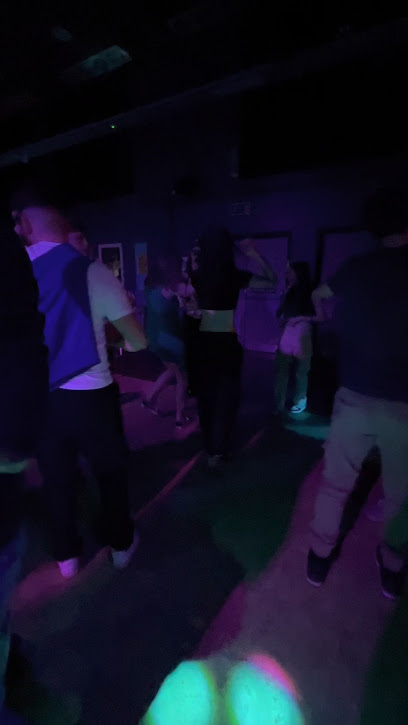
The Arch Bar & Nightclub
35.5 km
A lively Neath hotspot blending nightclub energy, live music, pub charm, and Thai cuisine in one vibrant venue.
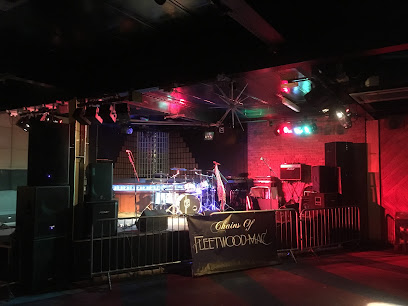
Jimmy's Bar
40.1 km
Experience the vibrant nightlife and live music scene at Jimmy's Bar, Port Talbot’s lively local hotspot with a welcoming atmosphere.
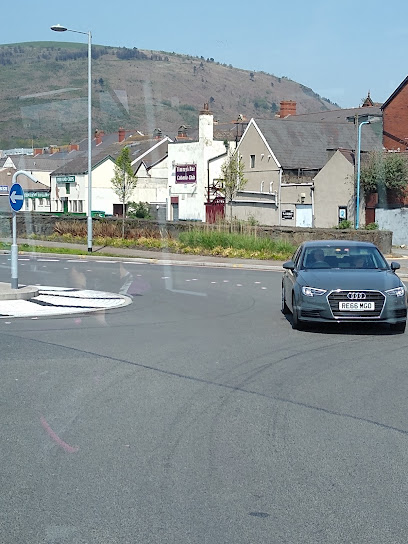
Mojos
44.6 km
Discover the vibrant nightlife of Newport at Mojos, the go-to cocktail bar for creative drinks and nightly karaoke excitement.
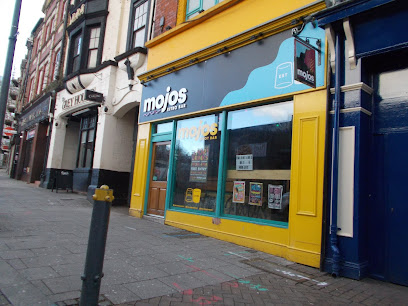
Vibez
44.6 km
Experience Newport’s vibrant nightlife at Vibez Superclub, where pounding bass and late-night energy create unforgettable weekend parties.

Hush Newport
44.7 km
Experience the vibrant Saturday nightlife at Hush Newport, Baneswell’s hotspot for music, dancing, and late-night fun in the heart of Newport.
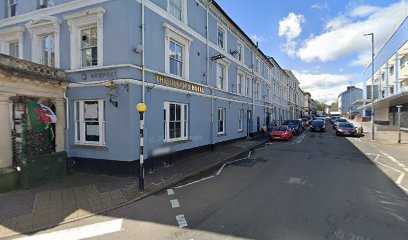
Stow Hill Rooms
44.8 km
A stylish Art Deco nightclub and function venue in the heart of Newport, blending vibrant nightlife with versatile event spaces.
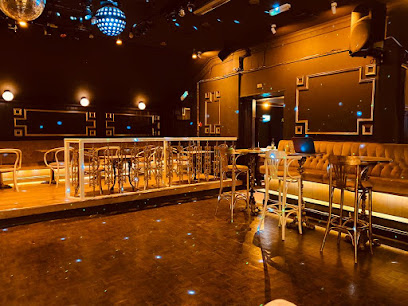
Popworld - Swansea
45.5 km
Experience Swansea’s energetic retro nightclub with affordable cocktails, themed events, and a lively dance floor in the heart of the city.

PlanB
45.8 km
Swansea’s energetic two-floor nightclub with a focus on dance music, lively DJs, and great drink deals for a night to remember.

For the vibe & atmosphere seeker
- Adventurous
- Relaxing
- Scenic
- Tranquil
- Unique
For the design and aesthetic lover
- Rustic Designs
For the architecture buff
- Landmarks
- Viewpoints
- Parks & Gardens
For the view chaser and sunset hunter
- Iconic Views
- Panoramas
- Sunrise Spots
- Sunset Spots
For the social media creator & influencer
- Instagrammable
- Photo Spots
- Selfie Spots
- Aesthetic Corners
For the eco-conscious traveler
- Sustainable
- Eco-Friendly
- Low Impact
- Protected Area
- Public-Transport Accessible
- Leave-No-Trace Critical
- Locally Managed
- Wildlife Habitat
For the kind of experience you’re after
- Cultural Heritage
- Nature Escape
- Day Trip
- Weekend Getaway
- Photowalk
- Adventure Photo Shoot
- Myth & Legends
For how adventurous you want the journey to be
- Easy Access
- Requires Hike
Location Audience
- Family Friendly
- Senior Friendly
- Child Friendly
- Teen Friendly
- Wheelchair Access
- Pet Friendly
- Solo Friendly
- Couple Friendly
- Solo Female Friendly
- Vegetarian Friendly
- Vegan Friendly


