
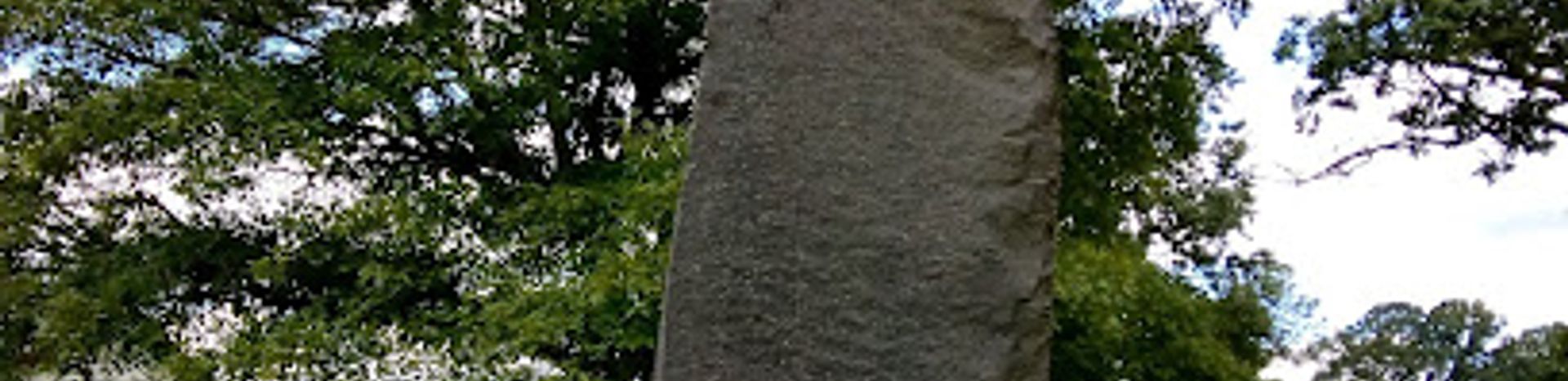
Llywelyn Monument: Tribute to Wales’ Last Native Prince
A solemn granite tribute near Builth Wells honoring Llywelyn ap Gruffudd, the last native Prince of Wales and symbol of Welsh independence.
The Llywelyn Monument near Cilmery, Builth Wells, marks the site where Llywelyn ap Gruffudd, the last native Prince of Wales, fell in battle in 1282. This granite memorial honors his legacy as a symbol of Welsh independence and resistance against English conquest. Surrounded by the tranquil Welsh countryside, the monument offers a poignant glimpse into a pivotal moment in medieval Welsh history.
A brief summary to Llywelyn Monument
- Builth Wells, Cilmery, GB
- +447464873802
- Duration: 0.5 to 1.5 hours
- Free
-
 Outdoor
- Mobile reception: 3 out of 5
Local tips
- Visit the monument during daylight hours to fully appreciate the surrounding Welsh countryside and the monument’s details.
- Take time to explore the nearby well accessed by stairs, adding historical context and a moment of reflection.
- Combine your visit with a trip to nearby Builth Wells for additional historical sites and local amenities.
- Wear sturdy footwear suitable for uneven rural terrain and variable weather conditions.

For the on-the-go comforts that matter to you
- Information Boards
Getting There
-
Car
Driving from Builth Wells town center to the Llywelyn Monument takes approximately 15-20 minutes via local rural roads. Parking is limited near the site, so plan accordingly. No parking fees apply.
-
Bus
Local bus services run from Builth Wells to nearby villages; walking or taxi from the closest stop to the monument will take around 30 minutes on rural paths. Bus frequency is limited, so check schedules in advance. Tickets typically cost £3-£5.
-
Walking
For active travelers, a 3 km walk from Builth Wells to the monument is possible along country lanes and footpaths, taking about 45-60 minutes. Terrain is uneven and may be muddy after rain, so suitable footwear is recommended.
Llywelyn Monument location weather suitability
-
 Any Weather
-
 Rain / Wet Weather
-
 Clear Skies
-
 Mild Temperatures
-
 Windy Conditions
Discover more about Llywelyn Monument
Commemorating the Last Prince of Wales
The Llywelyn Monument stands near Cilmery, close to Builth Wells, in Powys, Wales, marking the approximate location where Llywelyn ap Gruffudd, also known as Llywelyn the Last, died in December 1282. Llywelyn was the final native Prince of Wales who fought to maintain Welsh independence during the English conquest under King Edward I. His death at the Battle of Irfon Bridge was a decisive moment that led to the end of Welsh sovereignty for centuries.Design and Historical Significance
Originally marked by a stone obelisk in 1902, the current monument was erected in 1956. It is a substantial block of granite quarried from Trefor Quarry in Llywelyn’s native Caernarfonshire, embedded in a plinth and set on a low mound. The monument’s austere design reflects the solemnity of Llywelyn’s sacrifice and the enduring importance of his legacy in Welsh history and identity.The Battle and Its Legacy
The Battle of Irfon Bridge, fought near Builth Wells, was a critical engagement between Llywelyn’s forces and those of Edward I. Llywelyn’s death marked the collapse of organized Welsh resistance and the subsequent annexation of Wales into the English crown. Contemporary chronicles and royal correspondence highlight the battle’s significance, though details vary. The event remains a symbol of Welsh nationalism and the struggle for self-determination.Visiting the Monument and Surroundings
Set in peaceful rural surroundings, the monument offers a reflective space for visitors to connect with Welsh history. Nearby, a well accessed by stairs adds to the site’s contemplative atmosphere. The site is accessible year-round, though it is outdoors and subject to weather conditions. The quiet countryside setting enhances the visitor experience, allowing for moments of mindfulness and cultural reflection.Connecting with Welsh Heritage
The Llywelyn Monument is part of a broader network of Welsh historical sites commemorating native princes and medieval Welsh culture. It resonates with other memorials and castles associated with Llywelyn and his family across Wales. The monument stands as a testament to Welsh resilience and pride, inviting visitors to explore the rich tapestry of Wales’ past and its enduring spirit.Preservation and Cultural Importance
Managed as a historical landmark, the monument is protected as part of Wales’ cultural heritage. It serves educational and commemorative purposes, fostering awareness of the complex history of Welsh-English relations. The site encourages respectful engagement with history and supports efforts to preserve Welsh identity for future generations.Iconic landmarks you can’t miss

Llywelyn Monument
0.0 km
A solemn granite monument at Cilmeri honors Llywelyn the Last, marking the site where Wales’ final native prince fell in battle, symbolizing a pivotal moment in Welsh history.
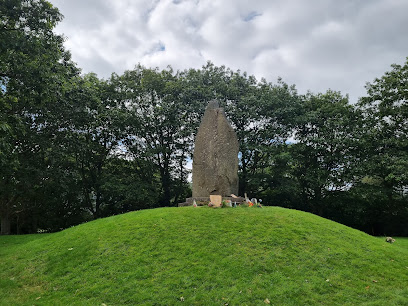
Radnorshire Wildlife Trust
11.2 km
Experience the breathtaking beauty of Wales at Radnorshire Wildlife Trust, a paradise for nature enthusiasts and wildlife lovers.
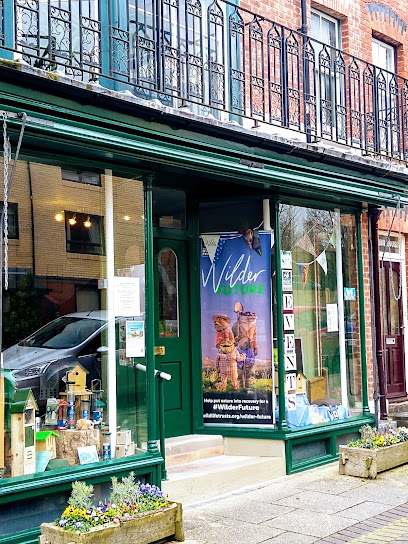
The Brecon Castle Hotel
23.0 km
Historic Wales’ oldest hotel blending timeless charm with modern comforts near Brecon Beacons National Park.
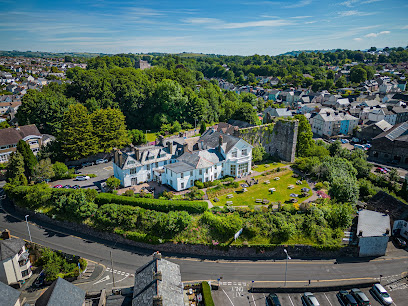
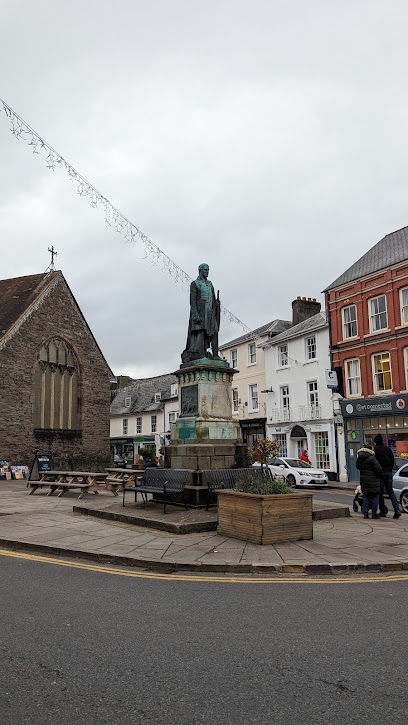
Duke of Wellington Monument
23.3 km
Historic bronze statue honoring the Duke of Wellington, a commanding presence in Brecon’s town centre and a testament to local artistry and British heritage.
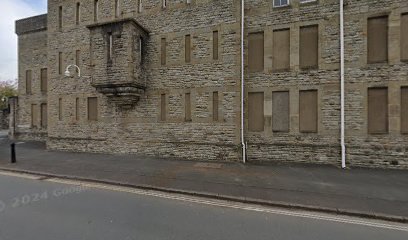
Brecon Barracks
23.7 km
Historic military hub in Brecon, home to the Royal Welsh Regiment and its museum, set within the stunning Brecon Beacons National Park.
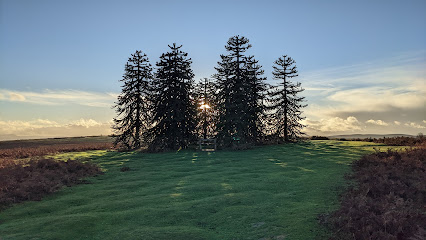
Monkey Puzzle Trees
26.4 km
Striking evergreen Monkey Puzzle Trees on historic Hergest Ridge, a peaceful highlight along Offa’s Dyke Path near Kington.
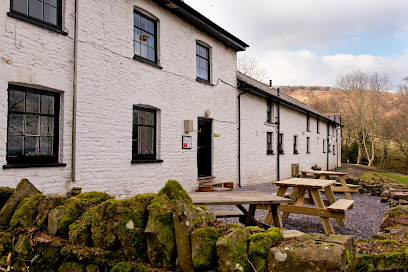
YHA Brecon Beacons
29.0 km
Rustic farmhouse hostel offering clean, cozy accommodation and a warm communal atmosphere in the heart of Brecon Beacons National Park.
National Trust - Brecon Beacons
31.5 km
Explore breathtaking landscapes and rich history at the National Trust - Brecon Beacons, a must-visit destination for nature lovers and adventurers.
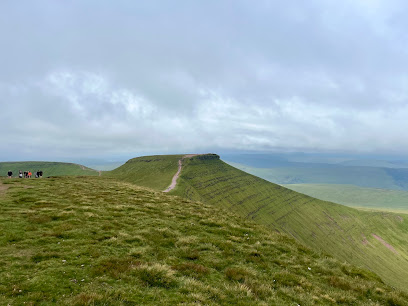
Blaenllynfi Castle
31.9 km
Explore Blaenllynfi Castle, a captivating historical landmark in Brecon, offering stunning views and rich Welsh heritage in a serene countryside setting.
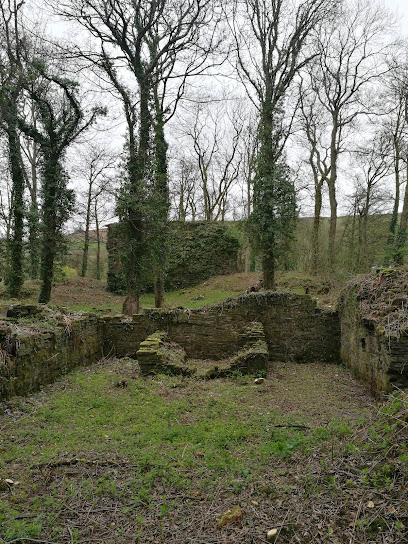
Offa's Dyke Path National Trail
32.1 km
Explore the breathtaking landscapes and rich history of Offa's Dyke Path National Trail, a must-visit for outdoor enthusiasts and history buffs alike.
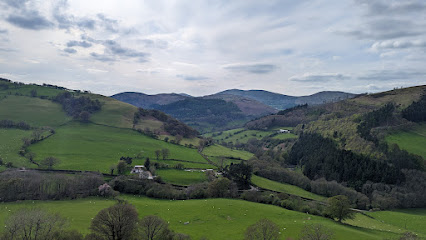
Hafod Estate
32.1 km
Explore Hafod Estate: A hiking paradise in Wales with stunning landscapes, rich history, and diverse wildlife waiting to be discovered.
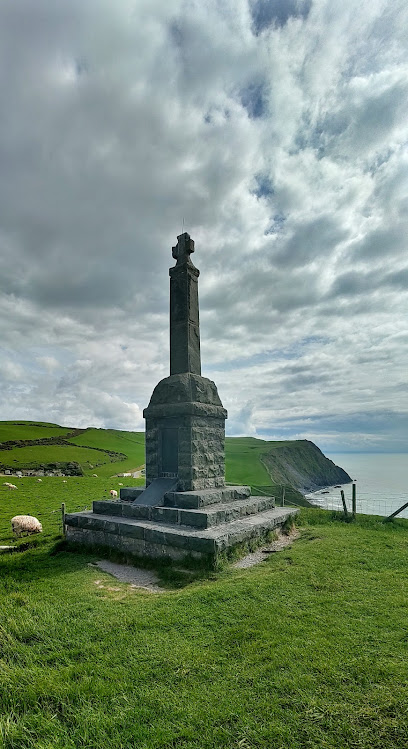
Fan Fawr
32.2 km
Explore the breathtaking beauty of Fan Fawr, a stunning mountain peak in the Brecon Beacons offering unforgettable hiking and panoramic views.
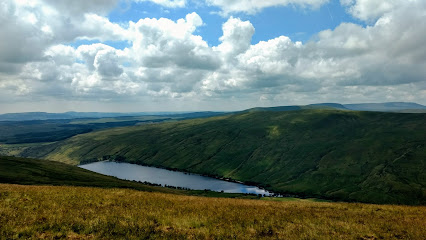
Bannau Brycheiniog National Park (Brecon Beacons)
32.2 km
Discover the breathtaking beauty of Bannau Brycheiniog National Park, where stunning landscapes and rich wildlife await every adventurer.
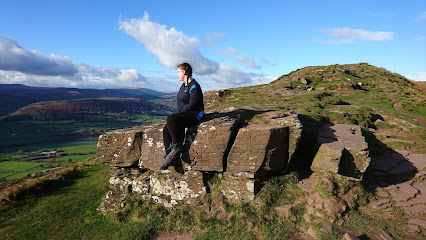
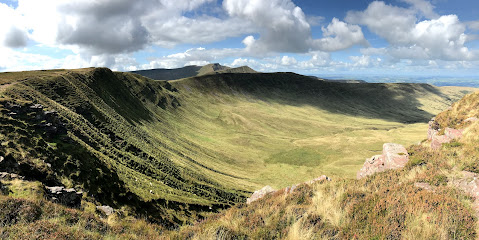
Gwaun Cerrig Llwydion
32.2 km
Discover the breathtaking beauty of Gwaun Cerrig Llwydion, a hiker's paradise in Merthyr Tydfil, where nature and tranquility converge.
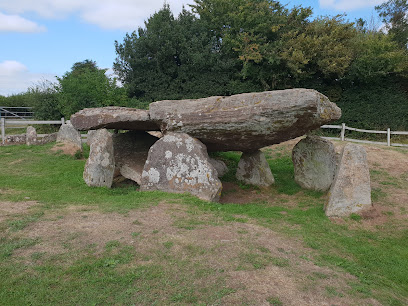
Arthur's Stone
32.8 km
Explore the ancient allure of Arthur's Stone, a historic burial site in Herefordshire, offering breathtaking views and a journey through time.
Unmissable attractions to see

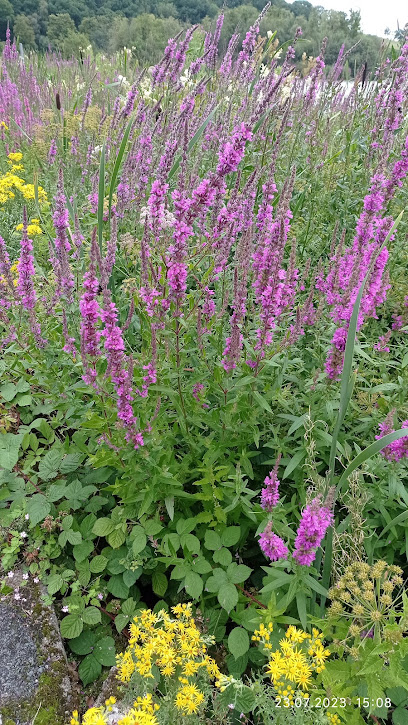
FARMERS' Welsh Lavender Ltd
5.5 km
Discover the fragrant lavender fields, artisanal gifts, and serene rural charm of FARMERS' Welsh Lavender Ltd near Builth Wells.
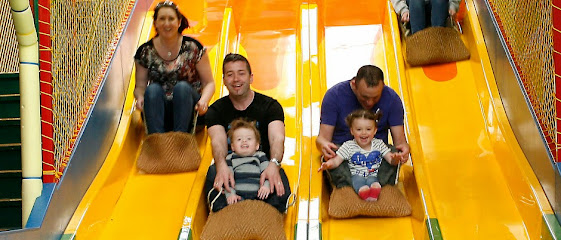
Quackers
7.8 km
A lively indoor and outdoor play centre in Mid Wales offering fun slides, mazes, go-karts, and party facilities for children and families.
Colwyn Castle
11.0 km
Explore the evocative ruins of Colwyn Castle, a medieval motte and bailey fortress nestled in the serene Welsh countryside near Hundred House.

Play Radnor
11.0 km
A welcoming children’s hub in Llandrindod Wells fostering play, creativity, and community spirit for young people across Powys.
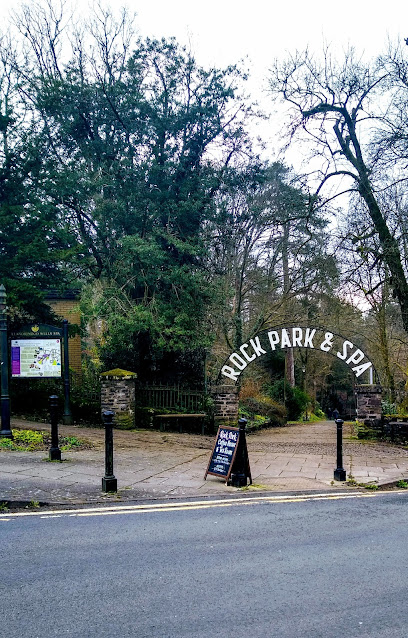
Rock Park
11.1 km
Discover Rock Park’s tranquil woodland trails, Victorian spa heritage, and scenic beauty in the heart of Llandrindod Wells.
National Cycle Museum
11.2 km
Explore 200 years of cycling history with rare bikes and memorabilia at the National Cycle Museum in Llandrindod Wells.
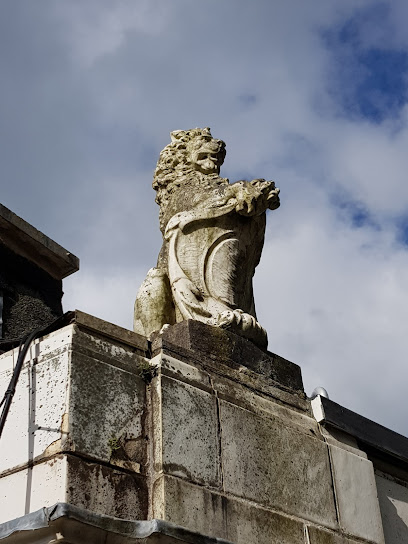
Radnorshire Museum
11.4 km
Discover the hidden history of mid-Wales in a compact, free-entry museum in the heart of Llandrindod Wells.
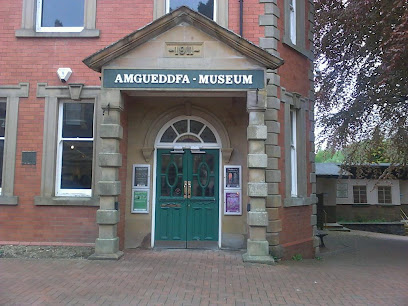
Radnorshire Fine Arts Ltd
12.3 km
A quiet country gallery in Mid Wales, specialising in historic British oil paintings, watercolours, drawings and prints from the 17th to the 20th century.
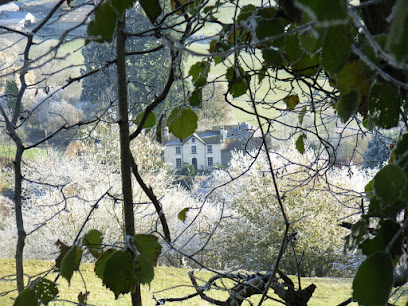
National Trust - Abergwesyn Common
14.9 km
Explore the wild Cambrian uplands at Abergwesyn Common, where ancient cairns, dramatic valleys, and sweeping views await in a tranquil Welsh wilderness.
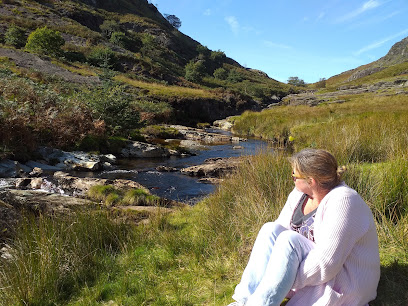
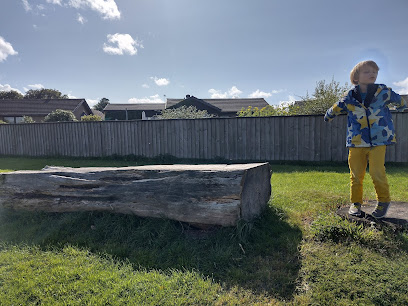
Log Circle
16.2 km
Discover Log Circle, a charming family-friendly outdoor attraction blending nature and fun in the scenic heart of Llandrindod Wells.
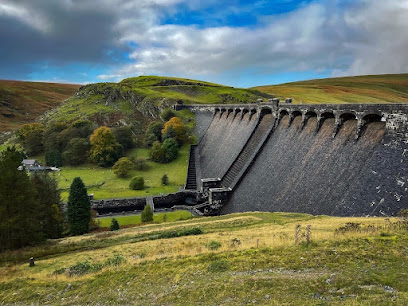
The Elan Valley
17.0 km
A remote Welsh wilderness of reservoirs, moorlands, and ancient forests where nature reigns supreme.
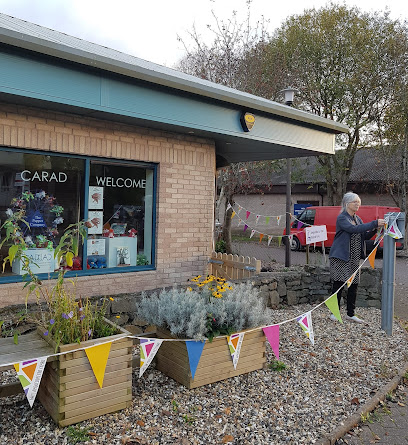
TimeScape Rhayader
17.0 km
Explore Rhayader’s rich heritage and vibrant local creativity at TimeScape Rhayader, a welcoming cultural hub in the heart of town.
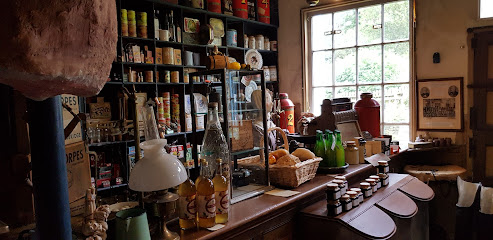
The Thomas Shop
17.0 km
Step into The Thomas Shop, where Radnorshire’s history, crafts, and community blend into a charming museum, café, and B&B experience.
Roast Ox Inn
17.3 km
A cozy Welsh country inn in Painscastle offering hearty homemade meals, warm hospitality, and charming rural ambiance.
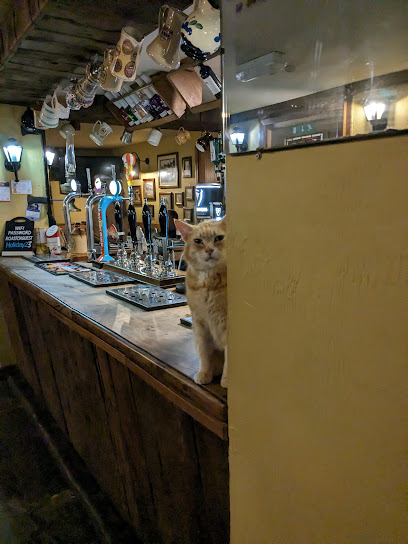
Water Break-Its-Neck
20.1 km
Discover the serene woodland trails and dramatic waterfall of Water Break-Its-Neck nestled in the lush Warren Wood near New Radnor, Wales.
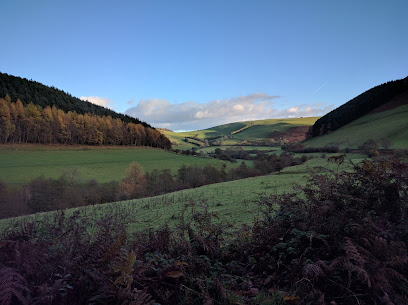
Essential places to dine

Cosy Corner Bistro
4.0 km
Local ingredients, imaginative cooking, and genuine Welsh hospitality in an intimate High Street bistro.
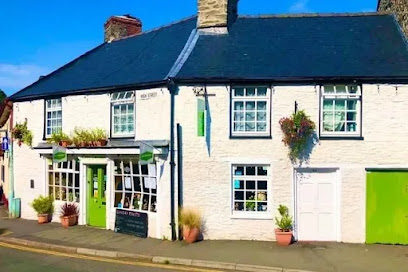
The Drovers Cafe & Restaurant
4.1 km
Cozy and affordable cafe in Builth Wells serving hearty homemade breakfasts and traditional Welsh fare in a welcoming atmosphere.
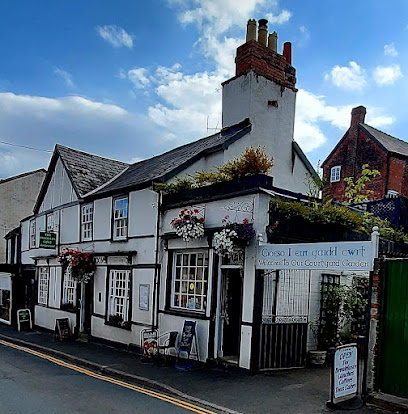
The Cwtch Cafe
4.2 km
Cozy family-run cafe in Builth Wells serving Welsh specialties, homemade cakes, and Black Mountain Roast coffee in a friendly atmosphere.
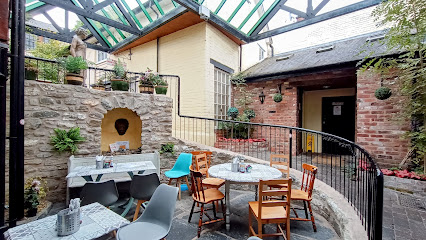
Drovers
8.9 km
Experience authentic Thai flavors in a cozy village setting at Drovers, Howey’s beloved evening dining spot near Llandrindod Wells.
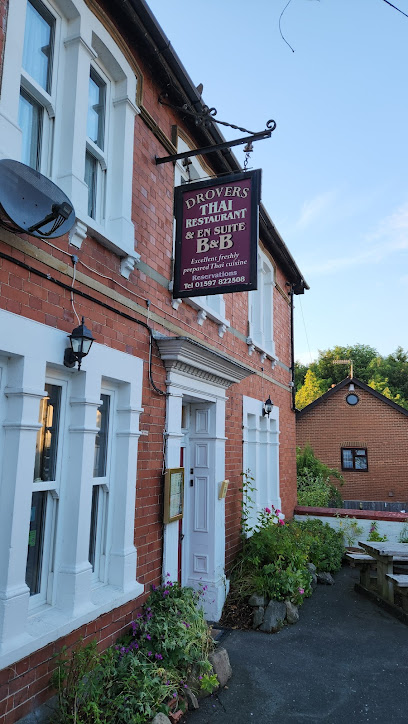
Lakeside Cafe and Catering
11.0 km
Charming lakeside cafe in Llandrindod Wells serving homemade British and Welsh dishes with scenic views and welcoming atmosphere.
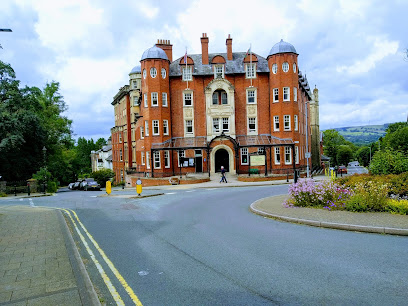
Fabian's Kitchen
11.3 km
Family-run Fabian's Kitchen serves up fresh, flavorful Indian curries, pizzas, and burgers with warm hospitality in Llandrindod Wells.
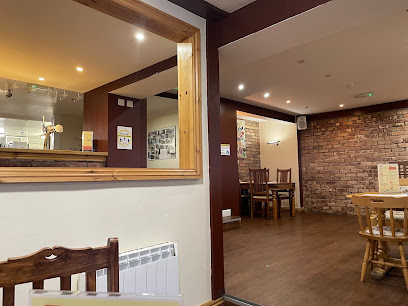
Metropole Hotel and Spa
11.4 km
Historic Victorian charm meets modern spa luxury in the heart of Llandrindod Wells with welcoming service and versatile amenities.
Zeera Indian & Bangladeshi Restaurant
11.4 km
Authentic Indian and Bangladeshi flavors served with friendly hospitality in the heart of Llandrindod Wells.
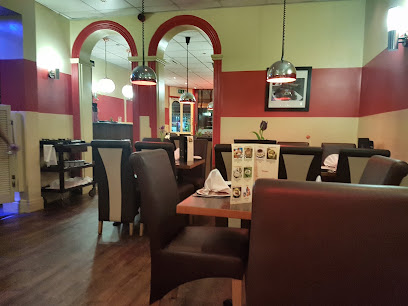
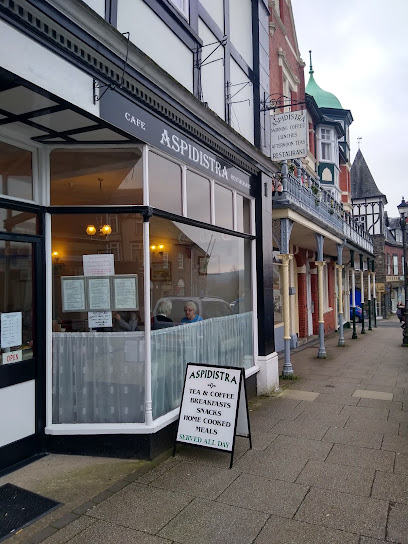
Aspidistra Restaurant
11.4 km
Cozy cafe in Llandrindod Wells serving hearty homemade meals with warm, friendly service and local charm.
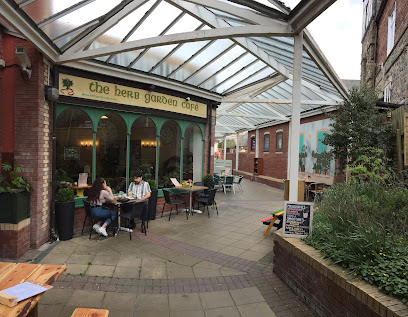
Herb Garden Café
11.5 km
Fresh, friendly, and inclusive café in Llandrindod Wells offering tasty local dishes and a cozy, bohemian atmosphere.
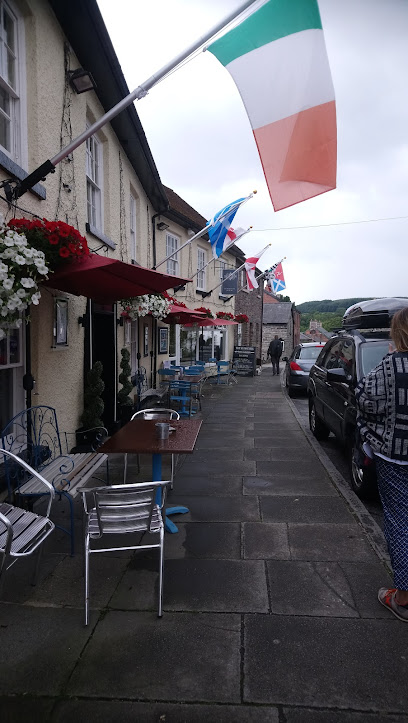
Brasserie at the Elan
16.8 km
Cozy brasserie serving home-cooked, locally sourced Welsh dishes in the heart of Rhayader’s historic Elan Hotel.
The Lost ARC
16.9 km
A warm, creative café in Rhayader’s old Drill Hall, serving excellent coffee, generous homemade food and a strong line in vegan and gluten-free treats.
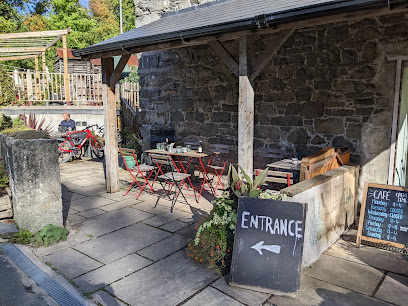
Ty Morgans
16.9 km
A warm and inviting guesthouse and restaurant in Rhayader, offering fresh local fare, excellent coffee, and cozy accommodations in the heart of Wales.
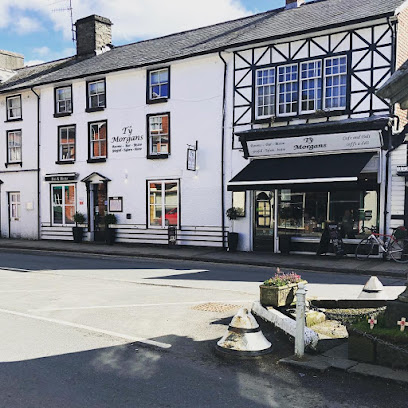
The Crown Inn
16.9 km
Traditional Welsh pub and inn in Rhayader offering cozy rooms, hearty local food, and a friendly atmosphere near the scenic Elan Valley.
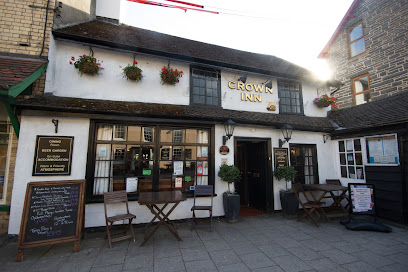
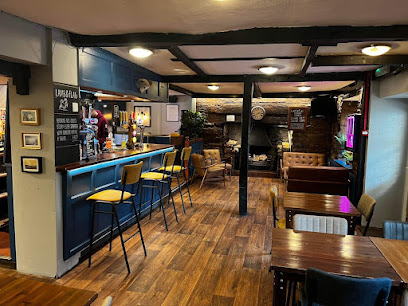
Lamb & Flag Inn
16.9 km
Experience authentic British cuisine at Lamb & Flag Inn in Rhayader – a perfect blend of tradition and hospitality awaits you.
Markets, malls and hidden boutiques

I Am Curious Yellow
3.9 km
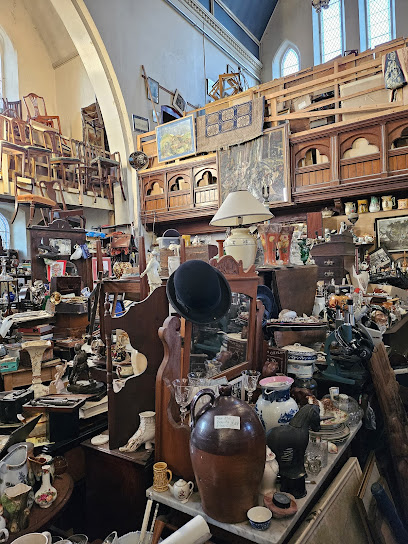
Discover vintage treasures and timeless charm at I Am Curious Yellow, Builth Wells’ eclectic antique shop on Smithfield Road.
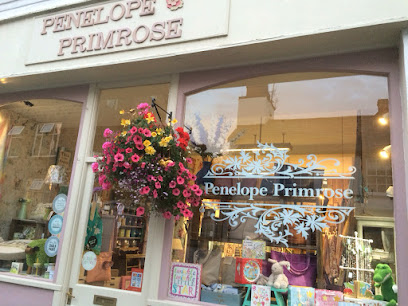
Penelope Primrose
4.0 km
Discover unique gifts and charming homewares with a personal touch at Penelope Primrose, Builth Wells’ beloved family-run gift shop.
Dolls and Dragons
4.1 km
Discover high-quality toys and baby clothing at Dolls and Dragons, a family-run gem in the heart of Builth Wells’ historic High Street.
Nice Find uk
4.1 km
Discover unique homewares and charming finds in the heart of Builth Wells at Nice Find UK, your local destination for style and quality.

Cribs Clothing
4.2 km
Discover curated ladies' and men's fashion in the heart of historic Builth Wells at Cribs Clothing, your boutique style destination.
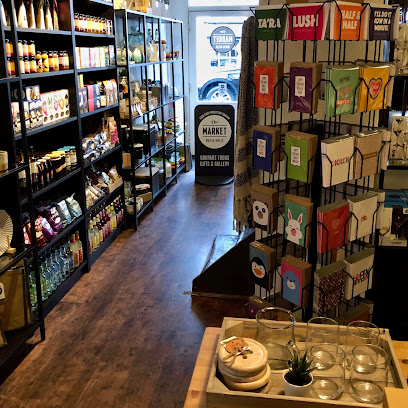
The Cwtch Market
4.2 km
Discover authentic Welsh gifts and gourmet treats at The Cwtch Market, a cozy boutique in the heart of Builth Wells.
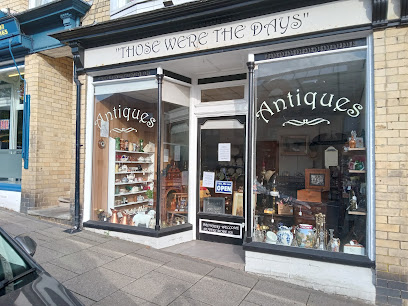
THOSE WERE THE DAYS
11.2 km
Discover timeless Victorian to 1930s antiques in a charming Llandrindod Wells shop filled with history and unique treasures.
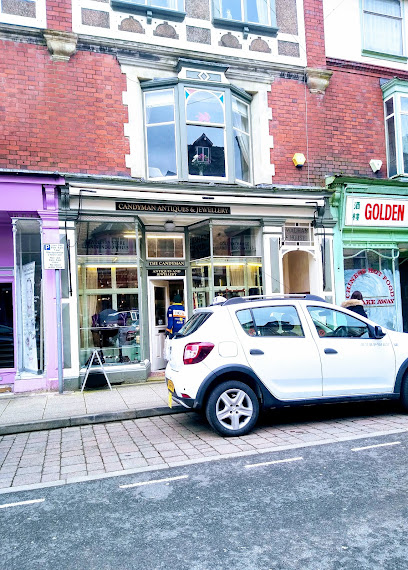
Candyman Antiques
11.3 km
Discover timeless antiques and trusted expertise at Candyman Antiques, Llandrindod Wells’ premier vintage jewellery and gold specialist.
Bargain Buys
11.4 km
Affordable homewares and pet care essentials meet unbeatable prices in the heart of Llandrindod Wells.

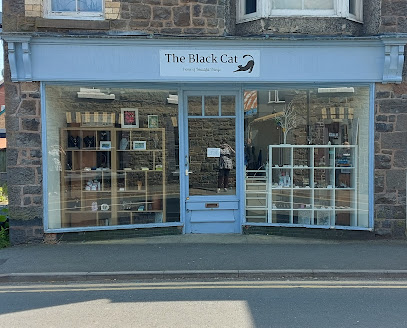
Black Cat Shop Llandrindod Wells
11.5 km
Discover unique handmade gifts, elegant fashion accessories, and artisan crafts at Black Cat Shop, a charming boutique in Llandrindod Wells.
Hill Walking Outdoor Wear Ltd
16.8 km
Expert outdoor outfitter near Elan Valley, stocking premium hiking brands with personalized Welsh weather guidance.
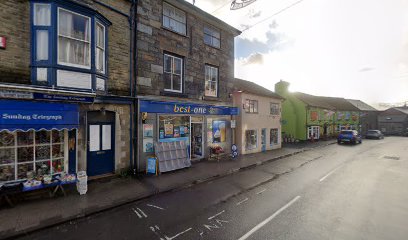
Quillies
16.9 km
Discover authentic Welsh crafts and unique local artistry at Quillies, Rhayader’s beloved gift shop and cultural hub.
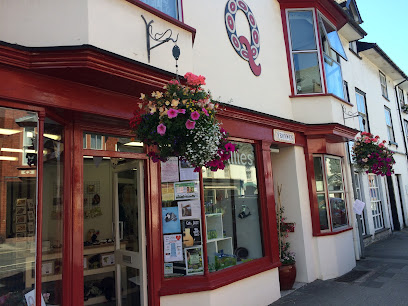
The Little Pink Tree
16.9 km
Discover unique treasures and handcrafted gifts at The Little Pink Tree, a charming gift shop in Rhayader, Wales.
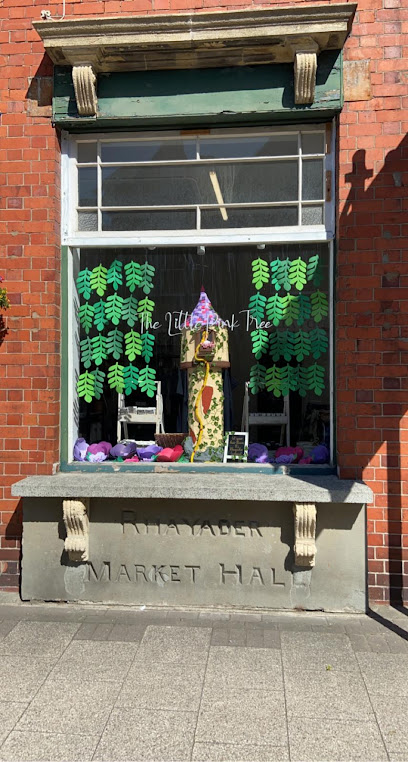
Cotswold Outdoor Brecon
23.0 km
Essential outdoor gear and expert advice in Brecon for hiking, camping, and running enthusiasts exploring the Brecon Beacons.
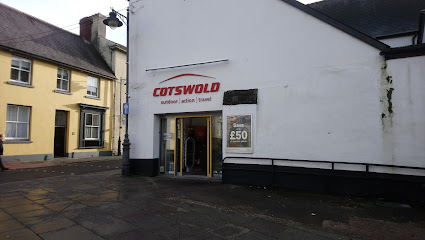
Escos
23.1 km
Your friendly village convenience store in New Radnor, offering local produce and essentials in a welcoming Welsh countryside setting.
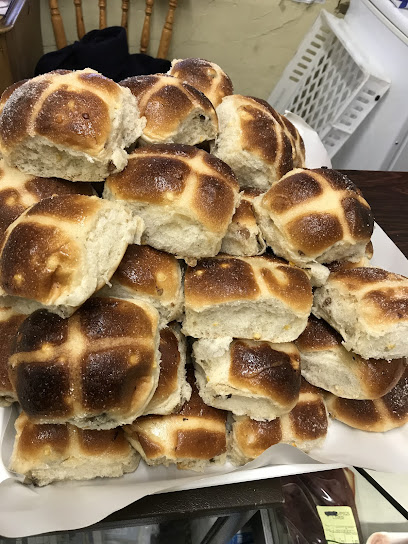
Essential bars & hidden hideouts

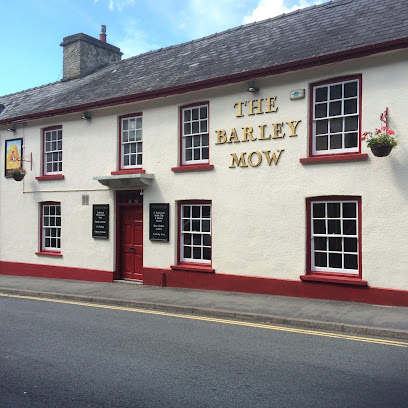
The Barley Mow Public House
4.0 km
Experience authentic Welsh pub culture with hearty food, local ales, and lively atmosphere at The Barley Mow in Builth Wells.
The White Horse
4.1 km
A charming pub in Builth Wells blending Welsh tradition with modern comfort, known for hearty fare and a friendly atmosphere.
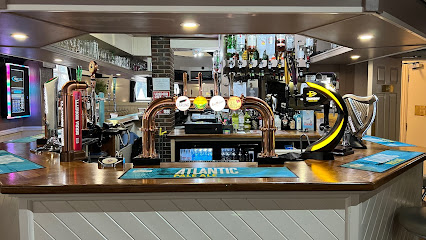
The Fountain Inn
4.2 km
A cozy and friendly pub in Builth Wells serving hearty meals and welcoming guests daily from morning to midnight.
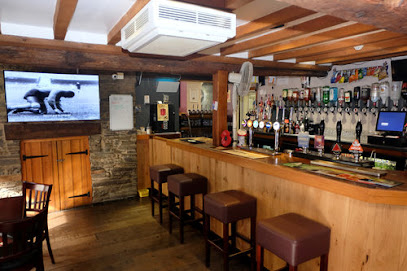
Golden Lion Inn
7.2 km
A welcoming traditional pub in Newbridge on Wye serving hearty classic meals and fostering genuine village charm.
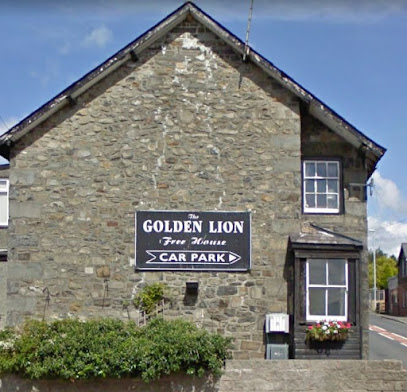
The Temple Bar Llandrindod Wells
11.2 km
A vibrant Welsh pub in Llandrindod Wells offering local ales, hearty menus, and a warm community atmosphere all week long.
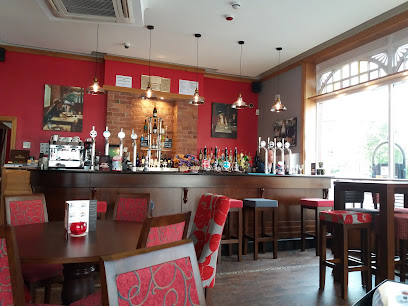
Log Cabin
11.2 km
Discover the warmth and charm of Log Cabin Pub in Llandrindod Wells, where local ales and delicious dishes create a cozy escape.
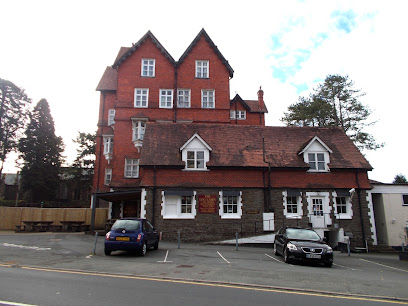
Arvon Ale House
11.3 km
Cozy micropub in Llandrindod Wells offering award-winning real ales, ciders, and a warm, intimate atmosphere for craft beer enthusiasts.
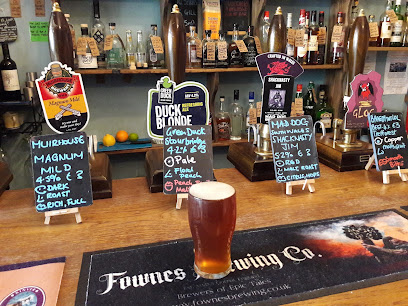
Wheelwright Arms
12.6 km
Cozy village pub in Erwood serving hearty homemade food, local beers, and vegan options in a friendly Welsh countryside setting.
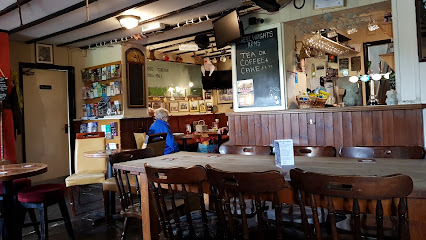
The Castle
16.9 km
A friendly, historic pub in Rhayader offering hearty meals, live sports, and a pioneering vegetarian menu in a lively, welcoming setting.
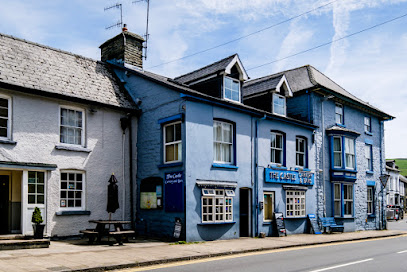
The Eagles Inn
17.0 km
A historic Welsh pub and inn in Rhayader offering hearty food, friendly service, and a scenic beer garden with mountain views.
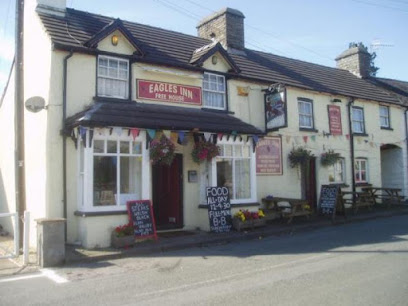
The Pwllgloyw Arms
18.1 km
A cozy mountain pub in Powys offering hearty Welsh fare, local ales, and a warm, welcoming atmosphere year-round.
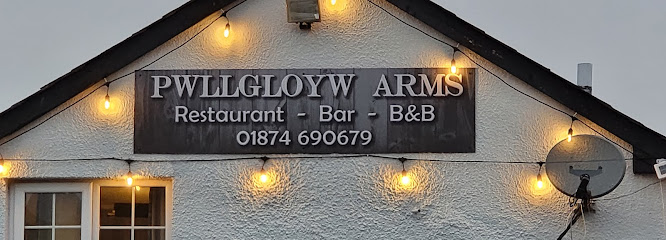
Shoemakers Arms
20.5 km
Charming community-run pub in the heart of Brecon Beacons, offering warm hospitality and authentic Welsh cuisine in a rustic setting.
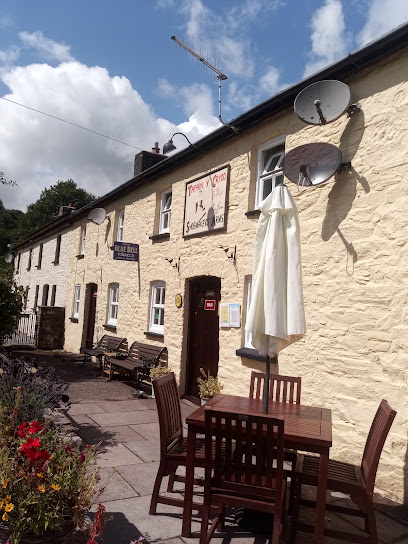
The Lounge Bar & Cafe
23.1 km
Brecon’s pioneering bar with a modern twist, offering signature cocktails, live music, and a welcoming atmosphere in the town centre.

The Sarah Siddons
23.2 km
Experience authentic Welsh hospitality with local ales and lively atmosphere at The Sarah Siddons, Brecon’s beloved town centre pub.
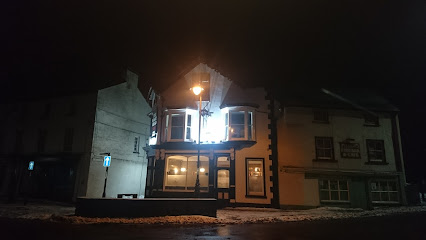
The Rorkes Drift
23.2 km
Historic Welsh pub in Brecon offering local ales, lively music, and a warm atmosphere inspired by the legendary Rorke’s Drift battle.
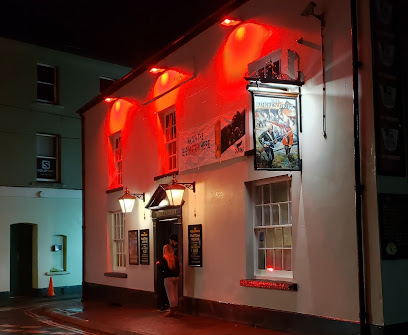
Nightclubs & after hour spots

Jac’s Mansion
4.4 km
Experience welcoming, vibrant LGBTQ+ nightlife at Jac’s Mansion, Builth Wells’ iconic gay nightclub with a lively, inclusive atmosphere.
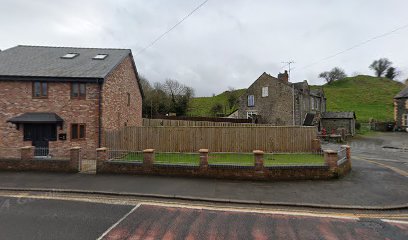
Northcote Conservative Club
23.3 km
Discover the lively ambiance of Northcote Conservative Club, Brecon's premier destination for nightlife, music, and local culture.
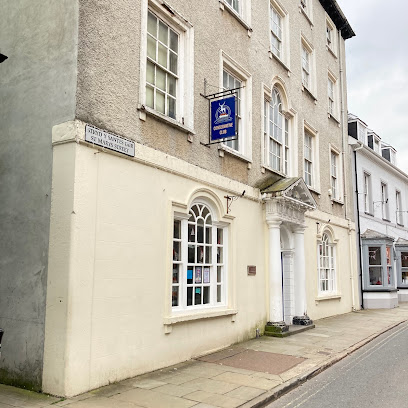
Basement Sessions
33.5 km
Dive into the lively nightlife of Llanidloes at Basement Sessions, where eclectic music and vibrant energy create memorable experiences.
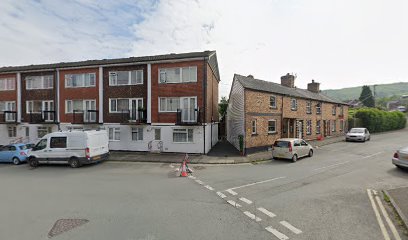
Caersws Village Club
40.7 km
A vibrant village club in Caersws offering lively events, warm community spirit, and a welcoming atmosphere in the heart of rural Wales.
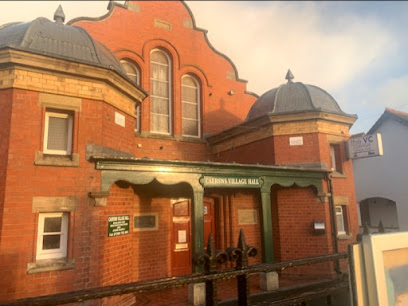
The Monty Club
41.7 km
A welcoming social and sports club in Newtown with ample space for pool, snooker, darts, and vibrant community events.
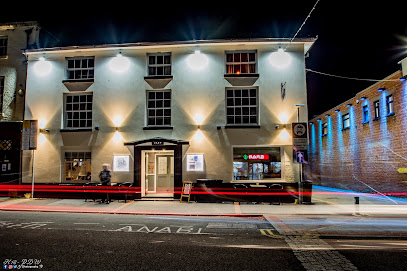
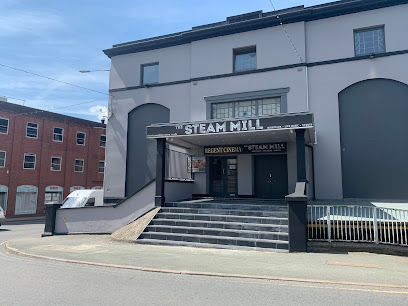
The Steam Mill
41.7 km
Discover The Steam Mill, Newtown's premier events venue, blending modern amenities with local culture for unforgettable experiences.
The Kirkhouse Nightclub (Koolers)
45.3 km
Experience the vibrant and friendly nightlife of Merthyr Tydfil at The Kirkhouse Nightclub, known locally as Koolers.

Pure Bar & Nightclub Ltd
45.4 km
A lively nightclub and cocktail bar in Merthyr Tydfil offering vibrant music, crafted drinks, and late-night entertainment in South Wales.
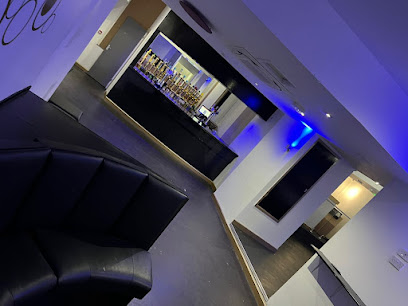
The Crown
50.1 km
Discover Montgomery's beloved pub, The Crown, where local brews and hearty meals create unforgettable moments in a cozy atmosphere.
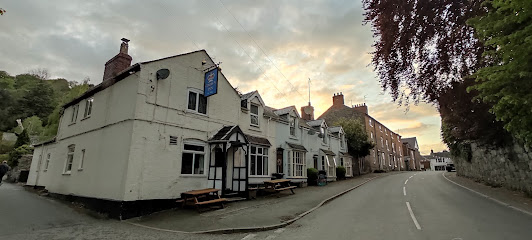
The Nags Head Inn
51.3 km
Discover the culinary delights at The Nags Head Inn, a charming gastropub in Garthmyl, offering British cuisine and local ales in a cozy atmosphere.
Yokoswnb
51.5 km
A vibrant, budget-friendly nightclub and bar in Aberystwyth, popular with students for its lively atmosphere and central location.
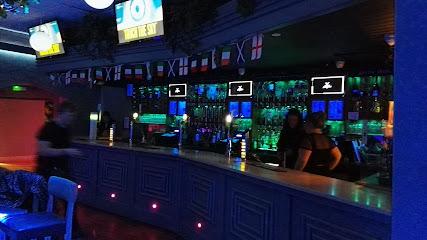
Pier Pressure
51.7 km
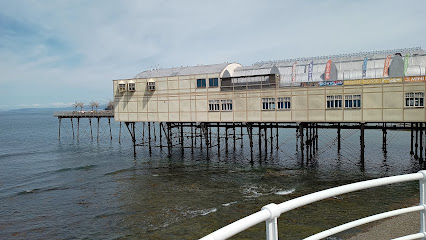
Experience Aberystwyth’s vibrant nightlife at Pier Pressure, a lively nightclub set on the historic Royal Pier by scenic Cardigan Bay.
Trilogy Hereford
52.2 km
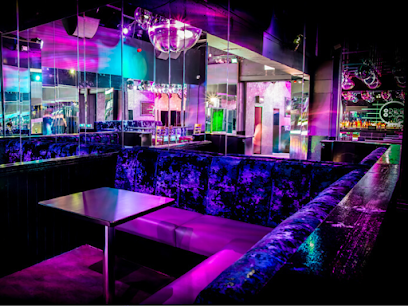
Experience Hereford’s vibrant nightlife at Trilogy, a dynamic nightclub pulsing with music and energy until the early morning hours.
The Top Club
59.1 km
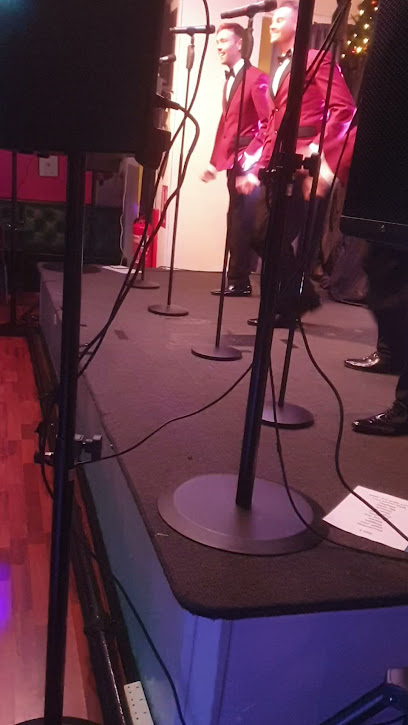
Experience Blaengarw’s vibrant nightlife at The Top Club, where electrifying entertainment meets community spirit in the heart of South Wales.
The Arch Bar & Nightclub
59.4 km
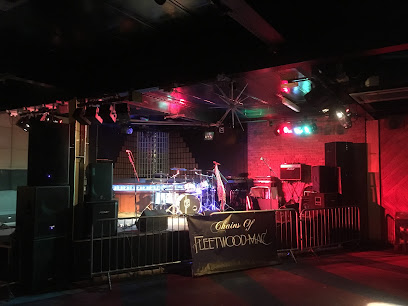
A lively Neath hotspot blending nightclub energy, live music, pub charm, and Thai cuisine in one vibrant venue.
For the vibe & atmosphere seeker
- Tranquil
- Scenic
- Cultural Heritage
- Relaxing
For the architecture buff
- Historic
- Landmarks
For the view chaser and sunset hunter
- Iconic Views
- Panoramas
For the social media creator & influencer
- Photo Spots
- Selfie Spots
For the eco-conscious traveler
- Eco-Friendly
- Public-Transport Accessible
- Leave-No-Trace Critical
- Locally Managed
For the kind of experience you’re after
- Cultural Heritage
- Mindfulness
- Nature Escape
- Day Trip
For how adventurous you want the journey to be
- Easy Access
Location Audience
- Family Friendly
- Senior Friendly
- Child Friendly
- Solo Friendly
- Couple Friendly


