
Clwydian Range & Dee Valley National Landscape
Rolling hills, ancient hillforts and the winding River Dee in northeast Wales’ protected landscape of wild beauty and quiet charm.
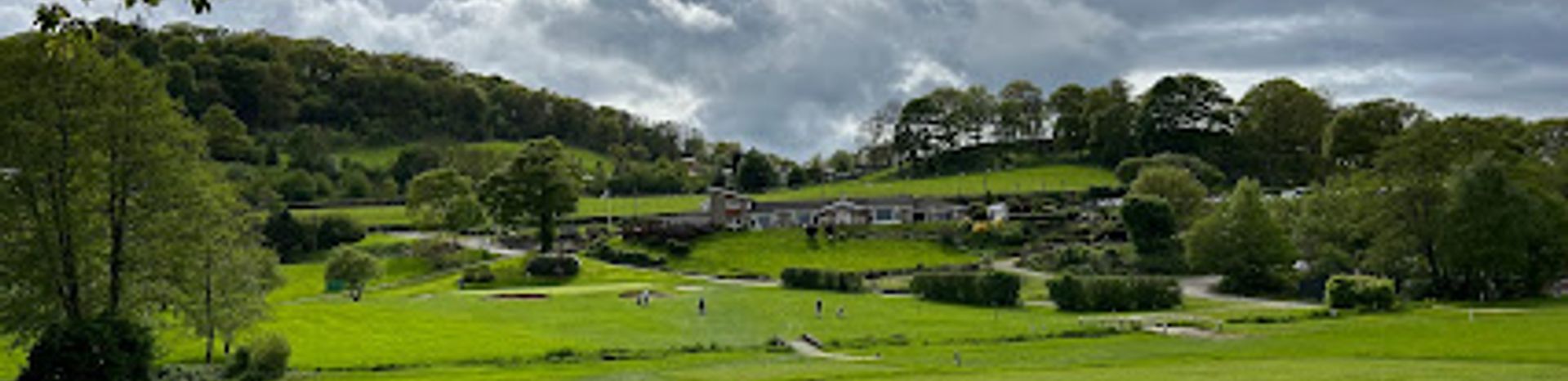
Stretching across northeast Wales, the Clwydian Range & Dee Valley National Landscape is a protected area of rolling hills, heather-clad summits, ancient hillforts, and the winding River Dee. This Area of Outstanding Natural Beauty offers sweeping views, rich wildlife, and a deep sense of history. Hikers, cyclists, and nature lovers explore its ridgelines and valleys, while the nearby towns of Llangollen and Corwen provide cultural charm and heritage sites. It’s a peaceful, scenic escape into the wild heart of the Welsh countryside.
A brief summary to Clwydian Range & Dee Valley National Landscape
- Wrexham, GB
- Visit website
- Duration: 2 to 8 hours
- Free
-
 Outdoor
- Mobile reception: 3 out of 5
Local tips
- Wear sturdy footwear and bring waterproof layers; the hills can be wet and boggy even in summer, and weather changes quickly.
- Start early to avoid crowds on popular ridge paths, especially on weekends and in summer when the heather is in bloom.
- Pick up a local map or trail guide from a visitor centre; some paths are not well signed, and mobile signal can be patchy in the hills.
- Combine a walk with a visit to Llangollen to see the Pontcysyllte Aqueduct and enjoy a meal or drink in a traditional Welsh pub.
- Respect the countryside: stick to paths, close gates, take litter home, and keep dogs under close control, especially near livestock.

For the on-the-go comforts that matter to you
- Restrooms
- Drink Options
- Drinking Water
- Food Options
- Seating Areas
- Sheltered Areas
- Picnic Areas
- Trash Bins
- Information Boards
- Visitor Center
Getting There
-
Car
From Chester, take the A55 east towards North Wales, then exit onto the A494 towards Corwen or Llangollen. From the south, use the A5 and A483 to reach the Dee Valley towns. Parking is available at trailheads, country parks, and villages around the range; larger car parks are found at Loggerheads Country Park and near Llangollen.
-
Public Transport
Trains run to Llangollen and Wrexham General from major UK cities; from Wrexham, local buses serve villages around the Clwydian Range. From Llangollen, local buses and taxis can reach trailheads, but walking from the town is often the most practical way to access the hills and river paths.
-
Cycling
The National Cycle Network Route 5 and local lanes provide access from towns like Llangollen and Wrexham. Mountain bikes are best for the ridge paths, while hybrid or touring bikes suit the valley roads and canal towpaths.
-
Walking
From Llangollen or nearby villages, well-marked footpaths lead directly into the hills and along the River Dee. The Offa’s Dyke Path and local trails offer routes of varying length and difficulty, suitable for both short strolls and full-day hikes.
Clwydian Range & Dee Valley National Landscape location weather suitability
-
 Any Weather
-
 Rain / Wet Weather
-
 Clear Skies
-
 Windy Conditions
-
 Mild Temperatures
Discover more about Clwydian Range & Dee Valley National Landscape
Wales’ Wild Northern Ridge
Dominating the skyline of northeast Wales, the Clwydian Range & Dee Valley National Landscape is a dramatic sweep of heather-covered hills and deep, wooded valleys. The range rises from the Vale of Clwyd in the west, its purple summits forming a distinctive ridge that runs south toward the Berwyn Mountains. Along this spine stand several striking Iron Age hillforts, including Moel Famau and Moel Arthur, perched on high points with commanding views across the borderlands of England and Wales. The River Dee carves a graceful path through the eastern part of the landscape, flowing past historic market towns and pastures, creating a contrast of open moorland and sheltered river valleys.Walking Among Ancient Peaks
The Clwydian Range is a walker’s paradise, with a network of footpaths that follow the ridge and descend into the Dee Valley. The Offa’s Dyke Path, one of Britain’s great long-distance trails, runs along the western edge of the area, linking ancient earthworks with panoramic viewpoints. Shorter trails lead to the hillforts, where visitors can stand on ramparts built over two thousand years ago and imagine the lives of the people who once defended these heights. In summer, the hills glow with purple heather; in autumn, the bracken turns golden, and in winter, the higher ground can be dusted with snow, offering a stark, beautiful landscape.Valley Life and River Charm
The Dee Valley adds a gentler, more intimate character to the landscape. The River Dee meanders through farmland and woodland, supporting otters, kingfishers, and a variety of fish. Along its banks, quiet lanes and riverside paths invite gentle strolls, cycling, and canoeing. The valley is dotted with traditional stone farmhouses, small villages, and historic estates, many of which have been carefully preserved. Towns like Llangollen sit at the edge of the National Landscape, offering access to the area while providing their own attractions, including the Pontcysyllte Aqueduct, a UNESCO World Heritage Site, and the Llangollen International Musical Eisteddfod.Wildlife and Quiet Beauty
This protected landscape is a haven for wildlife and a place of quiet contemplation. Upland areas support birds such as skylarks, meadow pipits, and raptors like buzzards and peregrine falcons. The river and its tributaries are home to otters, dippers, and salmon, while the woodlands and hedgerows shelter mammals like badgers and foxes. The relative lack of major roads and development means that even on busy days, it is easy to find a secluded spot to sit, listen to the wind, and watch the light change over the hills. The area’s designation as an Area of Outstanding Natural Beauty ensures that its character is preserved for future generations.Exploring the Landscape
Visitors can experience the Clwydian Range & Dee Valley in many ways. Hiking is the most popular activity, with routes ranging from short, family-friendly walks to challenging ridge traverses. Mountain biking is also popular on designated trails and quiet country lanes, while the River Dee offers opportunities for canoeing, kayaking, and fishing. In the surrounding villages and towns, local cafes, pubs, and farm shops serve regional produce, and heritage sites such as castles, churches, and old mills add cultural depth to the visit. The landscape is equally rewarding in all seasons, whether under bright summer skies, autumn mists, or crisp winter light.Iconic landmarks you can’t miss

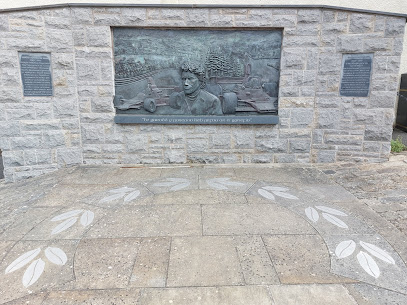
Tom Pryce Memorial
7.0 km
A poignant tribute in Ruthin to Tom Pryce, Wales’ only Formula 1 Grand Prix winner and a motorsport legend remembered for his talent and tragic fate.
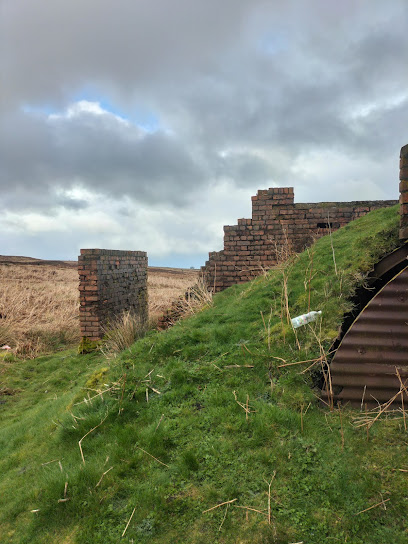
Cae-Llywd Bunker
10.0 km
Explore the Cold War era at Cae-Llywd Bunker, a hidden historical landmark nestled in the scenic landscapes of Llangollen, Wales.
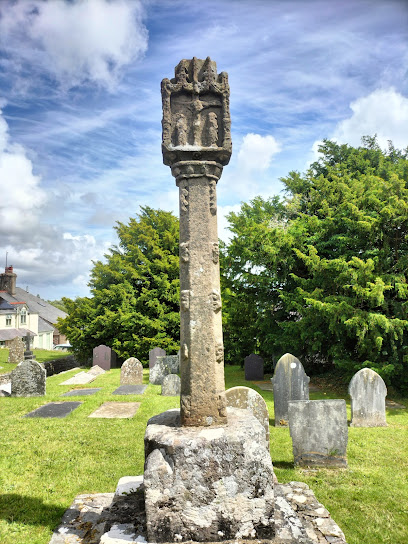
Derwen Churchyard Cross
10.6 km
Explore the intricately carved 15th-century Derwen Churchyard Cross, a rare medieval Welsh monument set in a serene circular churchyard near Corwen.
Llangollen Bridge
12.0 km
A medieval stone bridge spanning the River Dee, blending centuries of history with stunning river valley views in the heart of Llangollen.
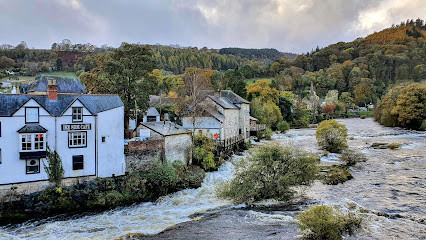
The Dinorben Arms
18.4 km
Experience authentic Welsh hospitality at The Dinorben Arms, a charming pub in Bodfari, offering delicious local cuisine and a warm atmosphere.
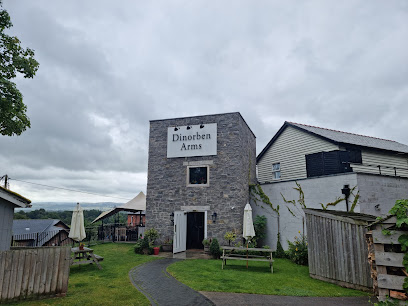
Chirk Aqueduct
19.7 km
Experience the breathtaking beauty and engineering marvel of Chirk Aqueduct, a historical landmark bridging England and Wales amidst stunning landscapes.
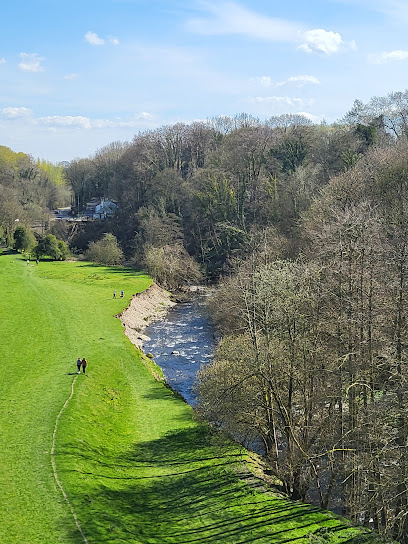
Dyfed Drive
20.2 km
Discover Deeside with ease from Dyfed Drive, your essential bus stop connecting you to local attractions and scenic landscapes.
Flint Castle - Castell y Fflint
21.2 km
Explore the medieval marvel of Flint Castle, a stunning historical landmark in Wales with breathtaking views and rich heritage.
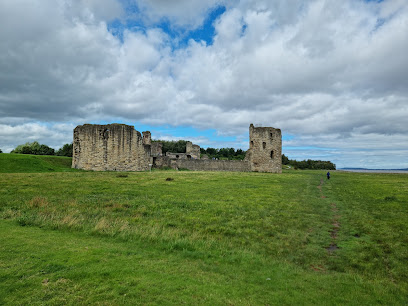
Flintshire Guardian
21.6 km
Explore Flintshire Guardian, a stunning sculpture that embodies the rich cultural heritage of Flint, offering a unique perspective on local artistry.
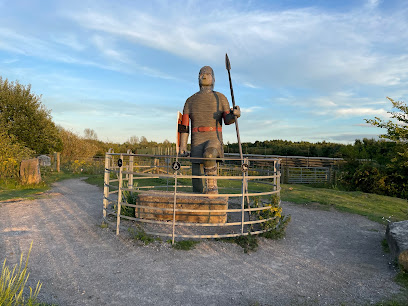
Naid Y March
21.8 km
Discover the ancient mystery of Naid Y March, the Bronze Age standing stones steeped in legend and Welsh heritage near Holywell.
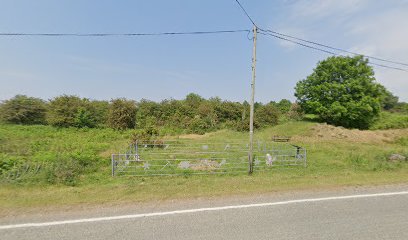
The National Catholic Shrine of St Winefride.
22.9 km
Experience serenity and spirituality at The National Catholic Shrine of St Winefride in Holywell, a remarkable destination for tourists and pilgrims alike.
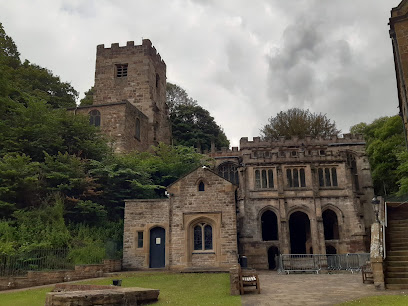
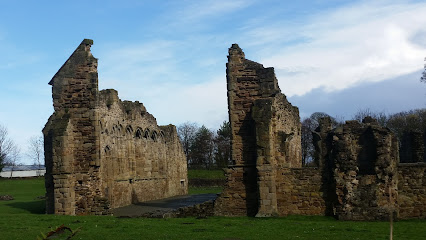
Basingwerk Abbey
24.1 km
Explore Basingwerk Abbey, a stunning historical landmark in Greenfield, revealing the rich tapestry of Wales' medieval heritage amid breathtaking scenery.
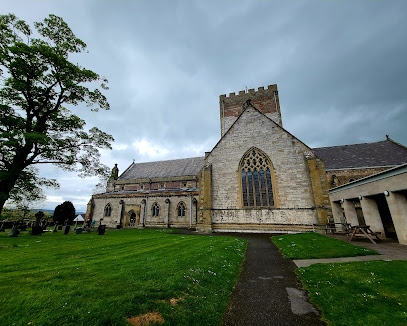
St Asaph Cathedral
24.8 km
Explore St Asaph Cathedral, the smallest cathedral in the UK, where history, architecture, and tranquility come together in a serene setting.
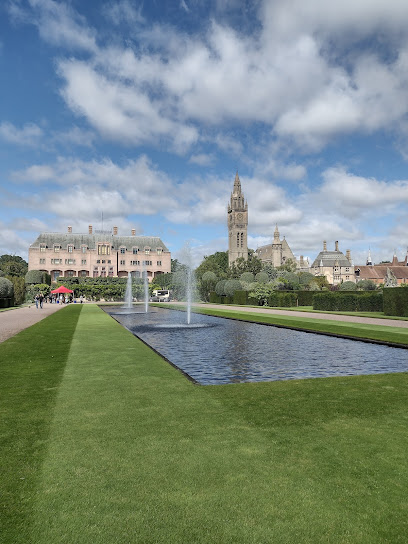
Eaton Hall
25.1 km
Explore the historical elegance of Eaton Hall, a stunning museum in Chester, surrounded by enchanting gardens and rich heritage.
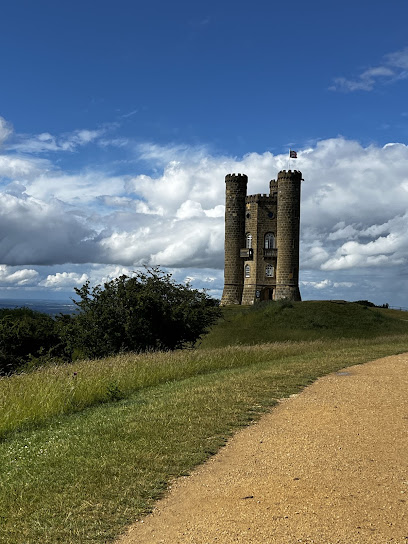
Y Berwyn National Nature Reserve
25.9 km
Experience the stunning landscapes and rich biodiversity of Y Berwyn National Nature Reserve, a must-visit destination for nature lovers in Oswestry.
Unmissable attractions to see

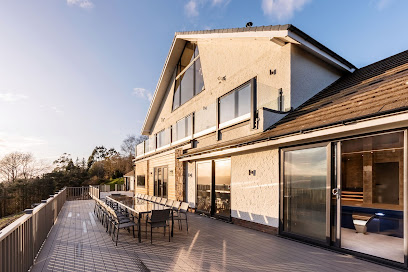
Clwyd Gate Manor
4.9 km
A stunning 11-bedroom manor with pool, sauna, and panoramic countryside views, perfect for large groups and luxury escapes in North Wales.
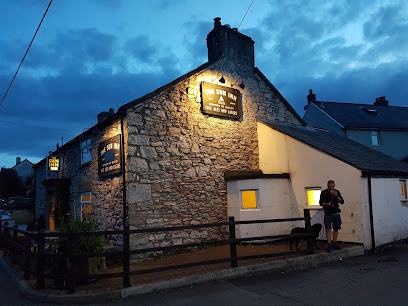
The Sun Inn
5.4 km
Traditional Welsh village pub in Eryrys offering award-winning ales, hearty home-cooked food, and a warm community atmosphere.
Ruthin Castle Hotel and Spa
6.8 km
Historic Welsh castle hotel with a unique woodland spa nestled in the original moat, blending medieval charm and modern wellness.

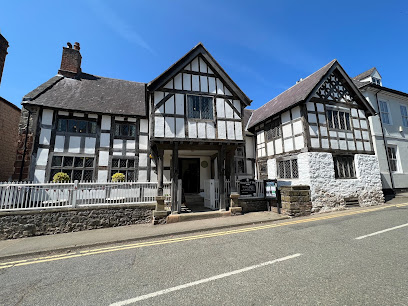
Nantclwyd y Dre Historic House and Gardens
6.8 km
Explore over 500 years of Welsh history in Wales’ oldest timbered townhouse, set amidst tranquil gardens with stunning castle views.
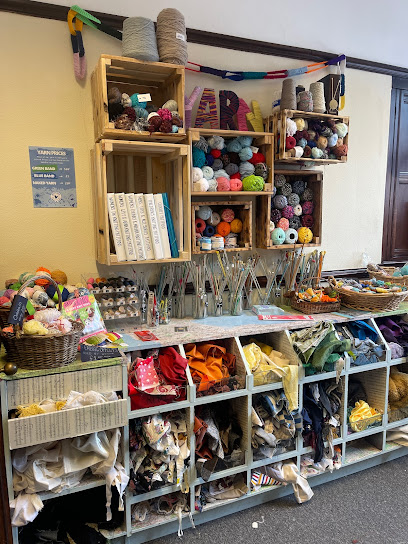
Resource scrapstore
6.9 km
A vibrant community craft shop in Ruthin promoting sustainability, creativity, and local artisan support through affordable materials and unique handmade goods.
Nercwys Forest
6.9 km
Discover peaceful woodland trails, abundant wildlife, and stunning views in the scenic Nercwys Forest near Mold, North East Wales.
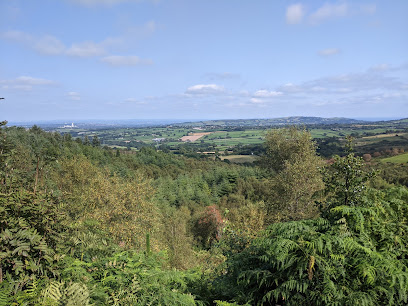
Ruthin Craft Centre
7.0 km
Explore the vibrant heart of contemporary applied arts and craft in North Wales at Ruthin Craft Centre, featuring dynamic exhibitions and creative workshops.
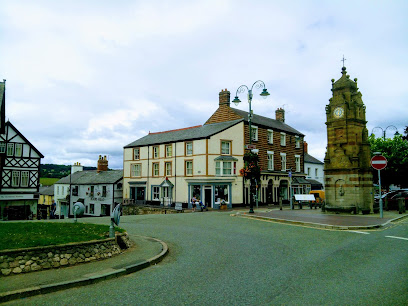
Ruthin Gaol Museum - Amgueddfa Carchar Rhuthun
7.0 km
Step inside Ruthin Gaol to uncover the gripping stories and harsh realities of Victorian prison life in Wales’ only purpose-built Pentonville-style gaol open to the public.
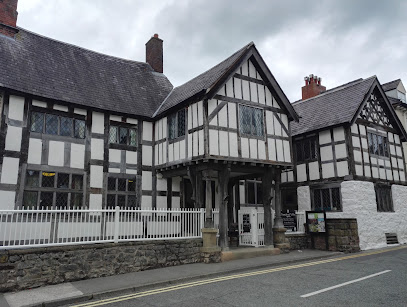
Lavinia Stamps
7.3 km
Discover a magical world of hand-drawn polymer stamps and creative inspiration in the heart of Ruthin’s craft community.
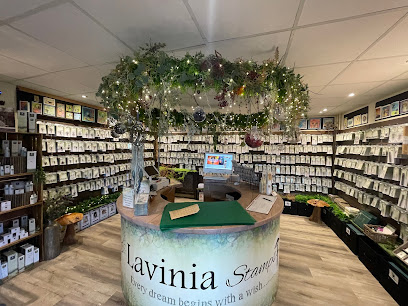
Moel Morfydd
7.8 km
Discover Moel Morfydd, a tranquil hill near Bryneglwys offering scenic hikes and breathtaking Welsh countryside views.
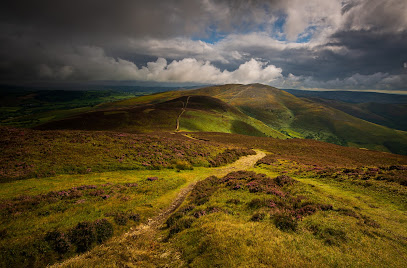
World's End
8.2 km
Discover the dramatic cliffs, historic limekilns, and tranquil valley of World's End, a nature reserve rich in heritage and natural beauty near Wrexham.
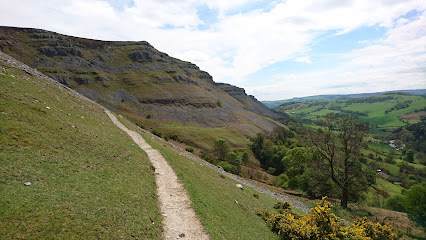
Antur Cae Cymro Village Shop
9.0 km
Discover authentic Welsh village life and local crafts at Antur Cae Cymro Village Shop, a cherished community hub in Ruthin.
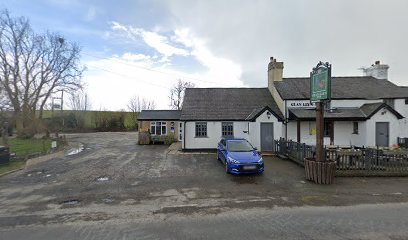
Jubilee Tower
9.3 km
Historic Egyptian-style Jubilee Tower ruins atop Moel Famau offer breathtaking views and a deep connection to Welsh heritage.
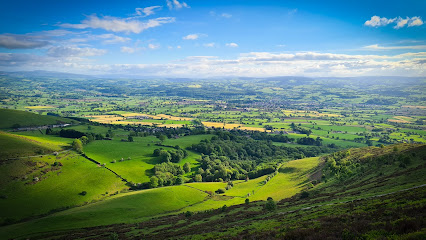
Eliseg's Pillar
9.4 km
A 9th-century memorial cross atop a Bronze Age cairn, celebrating Welsh royal heritage and historic victories in tranquil North Wales farmland.
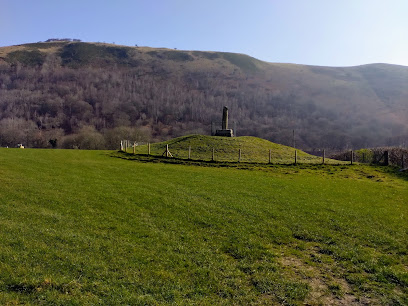
Clwydian Range and Dee Valley AONB
9.4 km
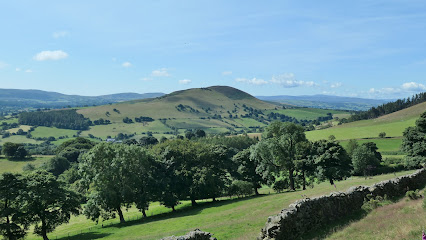
Explore the historic and scenic Clwydian Range and Dee Valley AONB, where ancient borders and natural beauty meet along the iconic Offa's Dyke Path.
Essential places to dine

Three Pigeons Inn
2.8 km
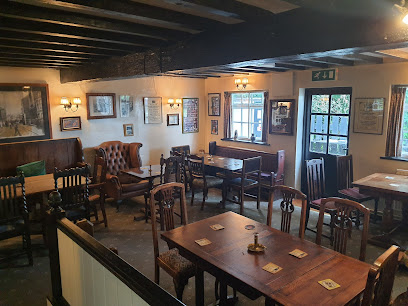
Historic Welsh inn offering hearty meals, warm hospitality, and scenic views in the charming village of Graig-fechan.
Ponderosa Cafe
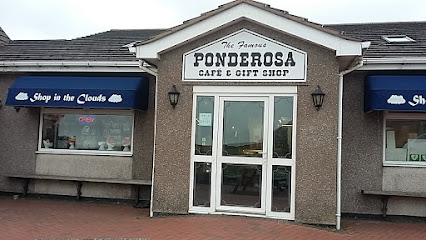
5.7 km
Classic British cafe with hearty fare and breathtaking views at the Horseshoe Pass, a beloved stop for travelers and bikers alike.
Small Plates Ruthin
6.9 km
Discover Small Plates Ruthin, where intimate sharing plates meet warm ambiance in the heart of historic North Wales.
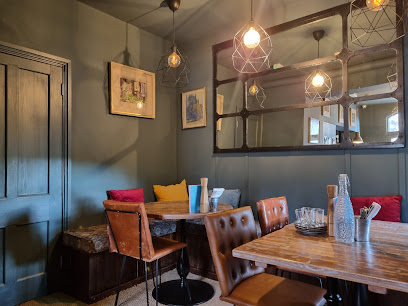
The Leyland Arms
7.0 km
Historic stone-built pub in Llanelidan offering traditional Welsh hospitality, local cuisine, and cozy self-catering accommodation.
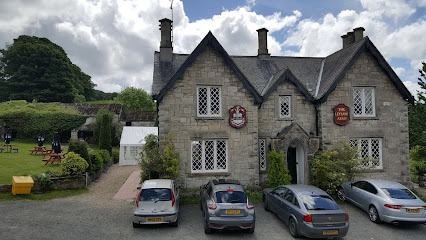
The Farmers Arms
7.1 km
A charming Welsh pub and restaurant in Ruthin offering traditional cuisine, local ales, and a warm, lively atmosphere.
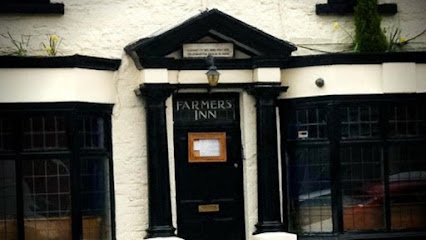
Druid Inn
7.2 km
A cozy country pub and guesthouse in Llanferres offering hearty Welsh fare, local ales, and warm hospitality amid stunning rural landscapes.
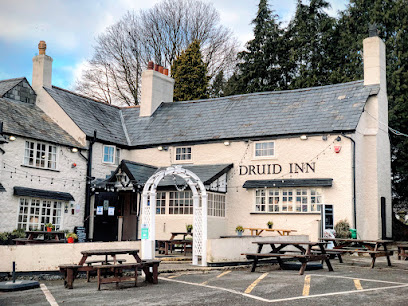
The Drovers Rhewl
9.4 km
A warm and welcoming country pub near Ruthin serving delicious traditional fare and real ales in a cozy village setting.
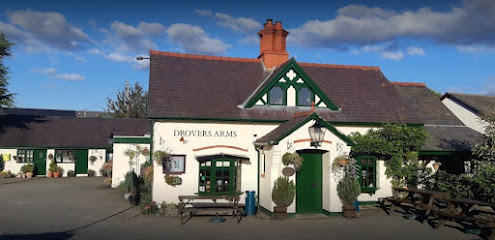
Tollgate Cafe
11.2 km
Charming countryside café near Glyndyfrdwy offering fresh home-cooked meals, scenic views, and warm Welsh hospitality.
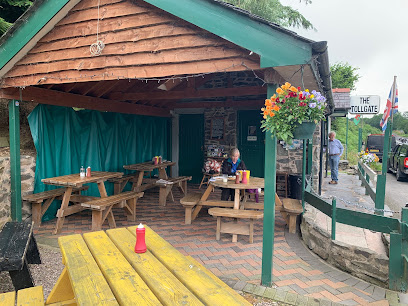
The White Horse Restaurant
11.3 km
Cozy countryside dining in Hendrerwydd offering hearty British classics and renowned Sunday lunches in a warm, welcoming setting.
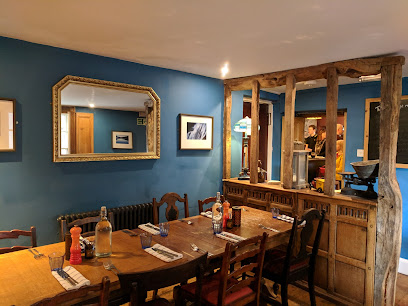
Dee Side Cafe Bistro
12.0 km
Riverside bistro in Llangollen serving hearty home-cooked meals with generous portions and a welcoming, casual atmosphere.
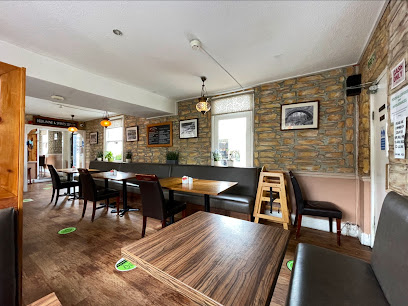
Belvedere
12.1 km
Authentic Italian flavors and warm ambiance await you at Belvedere, Mold’s cherished Italian restaurant on Wrexham Street.
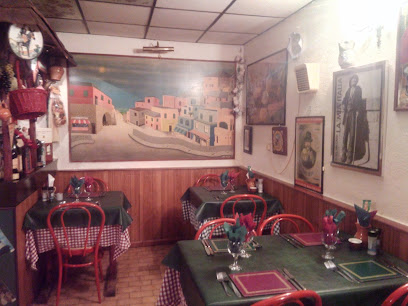
Primo Amore Italian Restaurant Mold
12.1 km
Authentic Southern Italian flavors and lively ambiance await at Primo Amore, Mold’s beloved Italian dining destination.
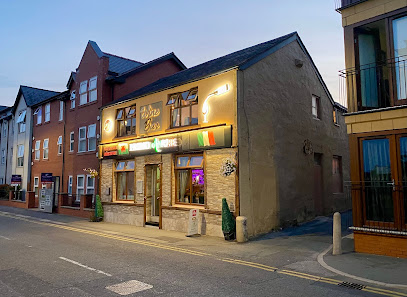
Y Delyn
12.4 km
Experience the charm of Y Delyn, Mold's premier wine bar offering an exquisite selection of wines and delightful small plates in a cozy atmosphere.
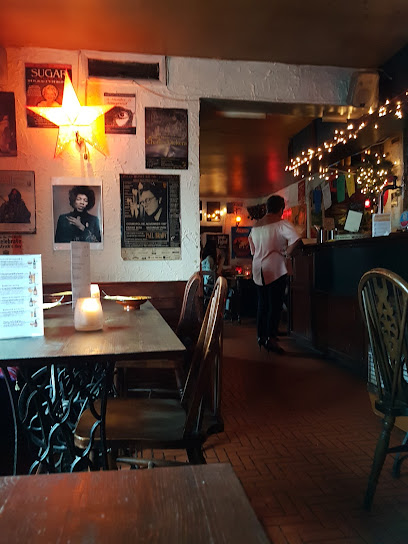
The Fat Boar Mold
12.4 km
A stylish gastro pub in Mold blending hearty British fare with a lively atmosphere and friendly service in a cozy, contemporary setting.
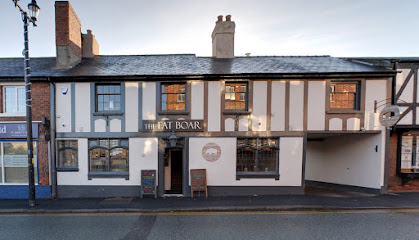
Just Steak
12.4 km
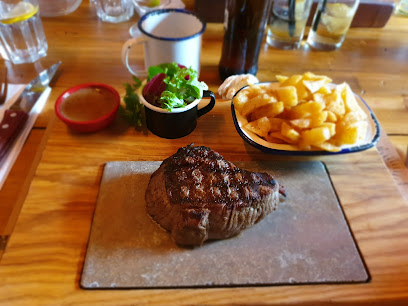
Savor expertly grilled steaks and vibrant flavors in the heart of Mold’s bustling High Street at Just Steak.
Markets, malls and hidden boutiques

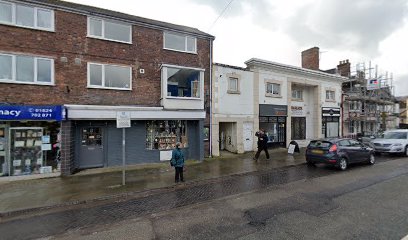
CeFfi
6.7 km
Discover unique gifts, vibrant balloons, and heartfelt cards at CeFfi, Ruthin’s charming boutique for celebrations and special moments.
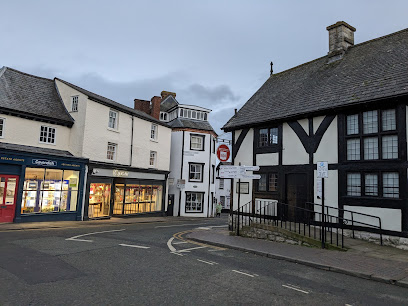
Siop Nain
6.8 km
Historic Welsh gift shop and café in Ruthin offering local crafts, warm hospitality, and a cozy atmosphere in a 15th-century listed building.
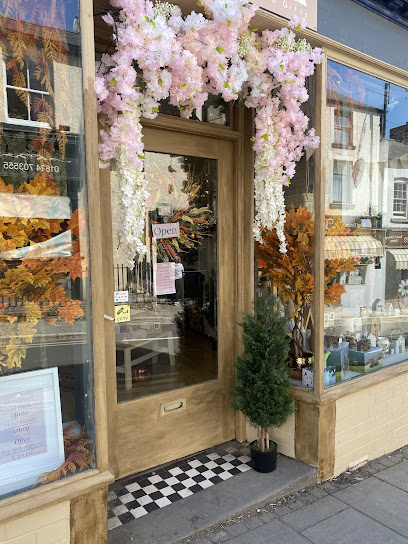
Cottagecore
6.9 km
Explore the enchanting Cottagecore gift shop in Ruthin, offering unique decor and delightful gifts inspired by cozy aesthetics.
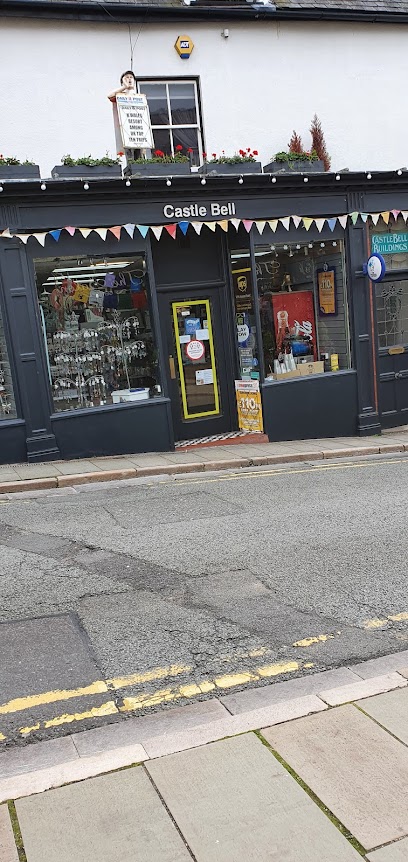
Castle Bell
6.9 km
Explore the charm of Castle Bell Gift Shop in Ruthin for unique souvenirs and local crafts that capture the essence of Welsh culture.
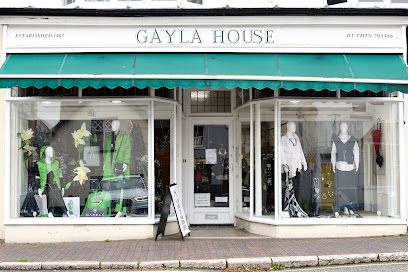
Gayla House
6.9 km
Stylish ladies' boutique in Ruthin's historic centre, specializing in contemporary fashion and personalized styling.
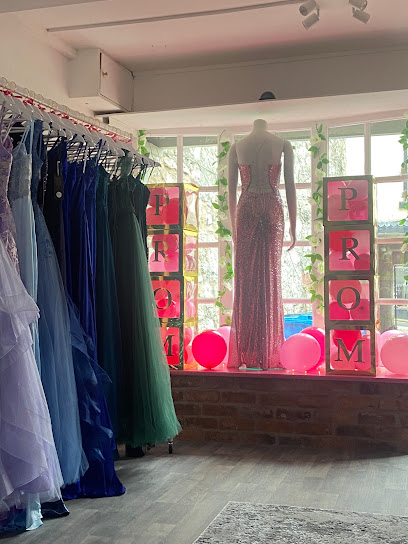
Ffansi Ffrogs
7.0 km
Discover a personalized prom dress boutique in Ruthin blending Welsh creativity with exclusive gowns and a warm, family-friendly atmosphere.
Hideaway
7.0 km
Discover exquisite handcrafted leather goods at Hideaway in Ruthin, where quality meets artistry in every unique piece.
Doors Of Hope
7.3 km
A small, warm-hearted gift shop in Ruthin offering thoughtful presents and local crafts in a quiet, community-focused setting.
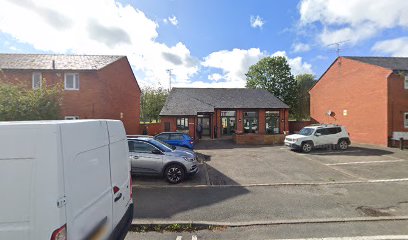
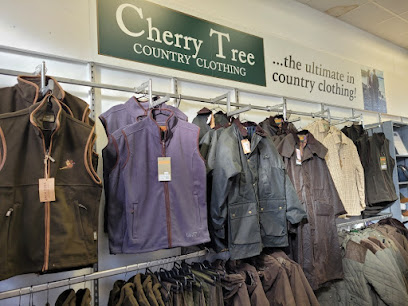
Cherry Tree Country Clothing
7.3 km
Your go-to outdoor and country clothing shop in Ruthin, stocking quality walking, shooting, farming, and dog walking gear for men, women, and children.
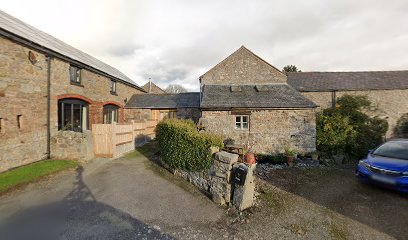
Create Nostalgia Home of Mary Jane Collection
11.5 km
Discover timeless needlecraft treasures and the exclusive Mary Jane Collection in the heart of Mold, North Wales’ oldest craft shop.
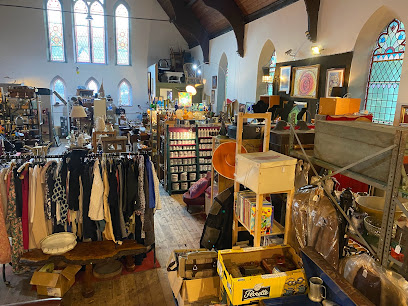
Chapel Emporium
11.9 km
Discover timeless treasures and vintage charm in a historic chapel turned antique emporium in the heart of Llangollen.
Retro Styler Ltd
12.0 km
Discover unique gifts, collectibles, and nostalgic fashion at Retro Styler Ltd in Mold’s Bromfield Industrial Estate.

Jennings Antiques
12.0 km
British antique and vintage furniture specialists with export expertise and period pieces from Victorian to retro eras.

The De-Part-Mental Store
12.0 km
Treasure hunting meets sustainability in Mold's premier secondhand and upcycled goods destination.

Gifts From Wales Ltd
12.1 km
Discover authentic Welsh crafts and heritage gifts at Gifts From Wales Ltd, a charming family-run shop in historic Llangollen.
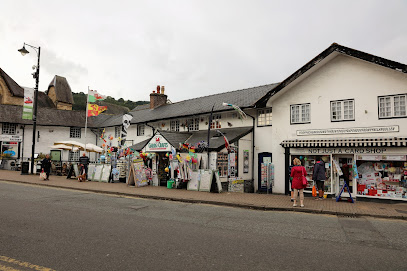
Essential bars & hidden hideouts

Raven Inn
3.3 km
A welcoming village pub and cozy inn in Llanarmon-yn-Ial offering hearty food, local ales, and comfortable rooms amid scenic Welsh countryside.
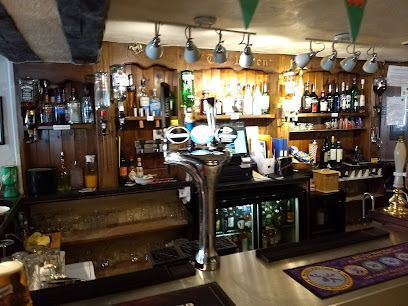
The White Horse
4.4 km
A friendly, quirky village pub in Llanfair Dyffryn Clwyd serving hearty food and great pints in a cozy Welsh countryside setting.
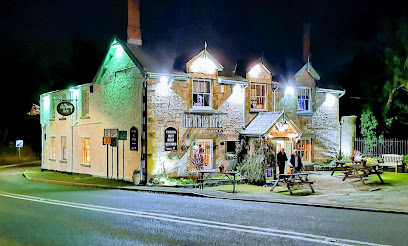
The Fox & Hounds
5.9 km
Cozy, traditional village pub in Pwll-glas offering evening drinks, local ales, and a warm community atmosphere near Ruthin.
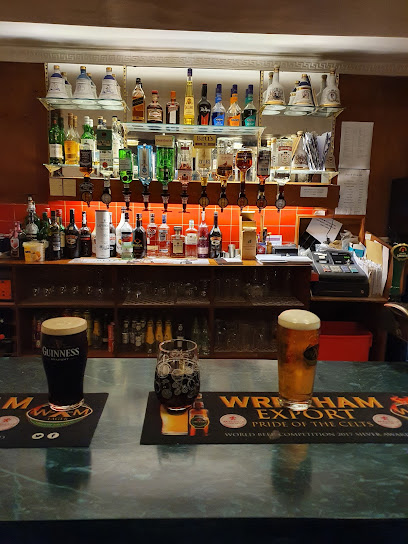
The Wine Vaults
6.9 km
A welcoming free house in Ruthin offering quality ales, cozy rooms, games, and outdoor seating in a historic market town setting.
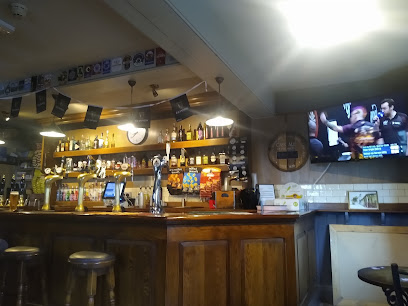
Boars Head
6.9 km
A historic and friendly pub in Ruthin offering quality ales, local ghost stories, and a warm, welcoming atmosphere year-round.
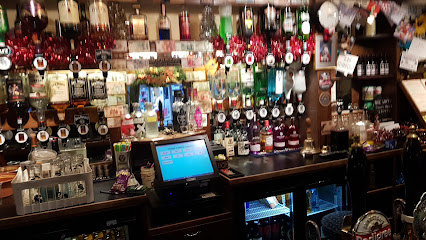
The Ruthin Castle
12.0 km
A welcoming pub in Mold’s vibrant center, blending local history with lively community spirit and traditional charm.
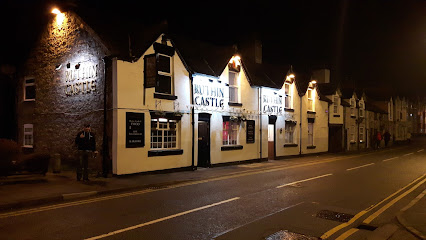
The Corn Mill
12.0 km
A welcoming pub and restaurant in Llangollen offering diverse menu options, scenic riverside views, and a lively, friendly atmosphere.
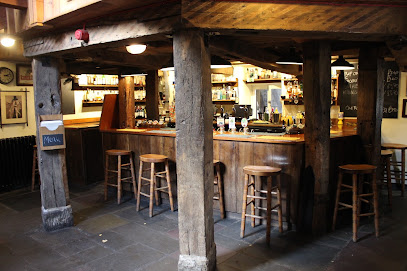
Liberty Tavern & Wine Bar
12.1 km
A cosy and sophisticated tavern offering fine wines, local ales, and tapas in the heart of Llangollen’s Market Street.
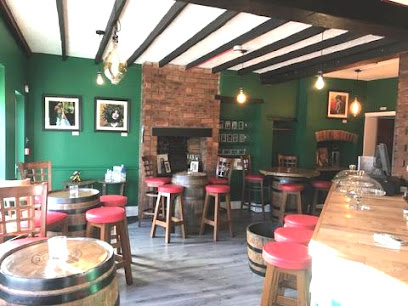
Y Pentan
12.2 km
Experience the heart of Mold’s social life at Y Pentan, a traditional pub known for friendly vibes and classic British fare.
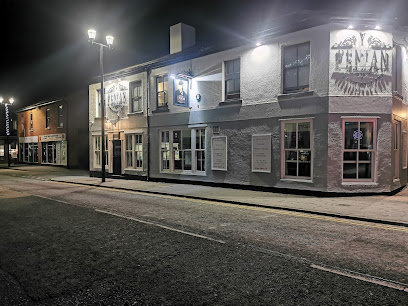
Mold Alehouse
12.3 km
Discover Mold Alehouse, a cozy micropub in Mold offering ever-changing cask ales and craft beers in a welcoming, conversation-friendly space.
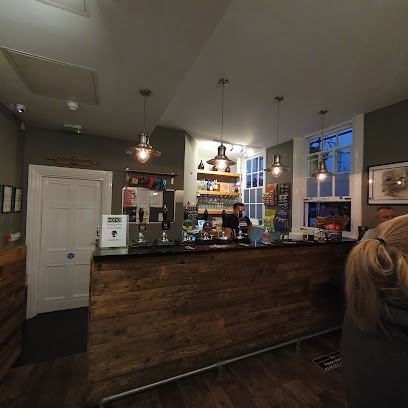
The Griffin, High Street, Mold
12.4 km
A welcoming traditional pub on Mold’s High Street, offering classic fare, lively events, and a true community spirit.
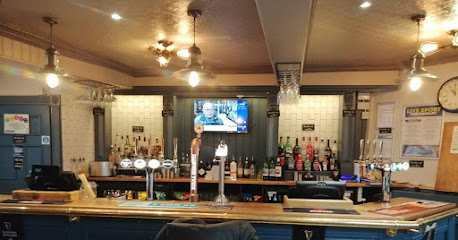
The Bridge Inn
12.5 km
A welcoming traditional Welsh country pub in Pontblyddyn serving hearty meals and local ales in a cozy, family-friendly setting.

Pen Y Bont Farm
12.6 km
Historic riverside pub in Mold blending 17th-century charm with modern comfort, family-friendly dining, and scenic outdoor spaces.
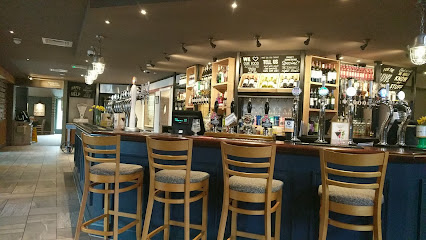
Queens Head Inn
12.7 km
Classic Welsh pub charm with hearty food, diverse drinks, and lively entertainment in the heart of Mold.
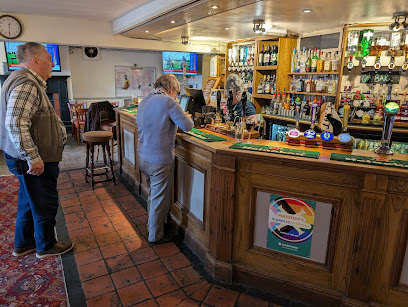
The Drovers Arms - Mold - Als Smokehouse
12.7 km
A lively smokehouse pub in Mold offering hearty barbecue dishes, live entertainment, and a warm, family-friendly atmosphere.
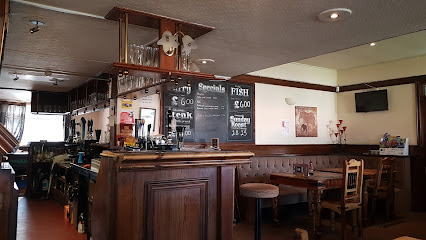
Nightclubs & after hour spots

Dj Tony B Disco Karaoke & video Roadshow
4.4 km
Dive into a night of music and fun at Dj Tony B Disco Karaoke & Video Roadshow, where every guest gets to shine on stage!
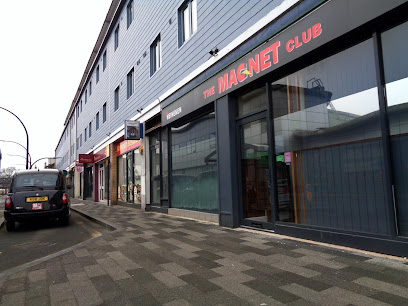
The Magnet Club
16.2 km
Wrexham’s independent venue since 1984, The Magnet Club blends live music, sports, and social games in a welcoming, refurbished space on King Street.
North Wales Celebrations Wedding & Party Disco DJ
20.2 km
Elevate your celebrations with North Wales Celebrations - the premier mobile disco DJ service for unforgettable weddings and parties.
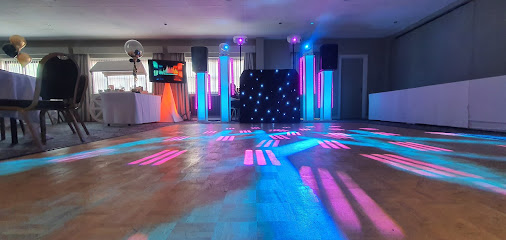
Flint Royal British Legion Social Club
20.5 km
A welcoming social hub in Flint supporting veterans and community through camaraderie, remembrance, and local events.
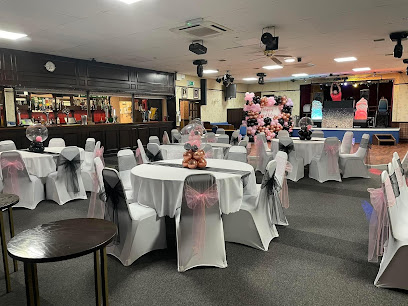
Chester City Club
26.3 km
Experience Chester’s vibrant nightlife at City Club, where modern beats meet historic charm in the heart of St Peters Churchyard.
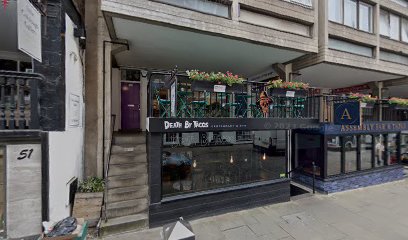
Rosies - Chester
26.5 km
Experience Chester’s vibrant nightlife at Rosies, a multiroom club with rooftop terrace, VIP lounges, and cutting-edge sound over three lively floors.
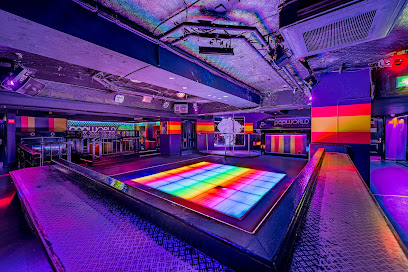
BONOBO Bar & Canteen
26.6 km
A vibrant two-floor bar and canteen in Chester blending American eats, cocktails, video games, and lively music for a unique nightlife experience.
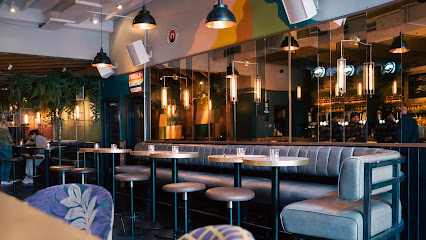
Cruise
26.6 km
A multi-floor nightclub in Chester offering vibrant music, premium drinks, and lively nightlife across seven bars.
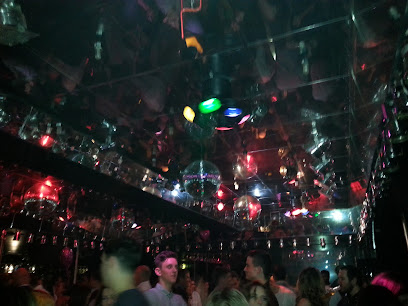
The Live Rooms
27.3 km
Discover Chester's vibrant nightlife at The Live Rooms, where live music, comedy, and unforgettable experiences await.
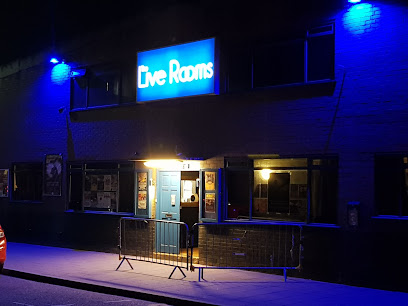
Mandy & Graham’s
28.7 km
Experience Chester’s vibrant nightlife at Mandy & Graham’s, where pulsating beats and lively crowds create unforgettable party nights.
Pendyffryn Club
31.7 km
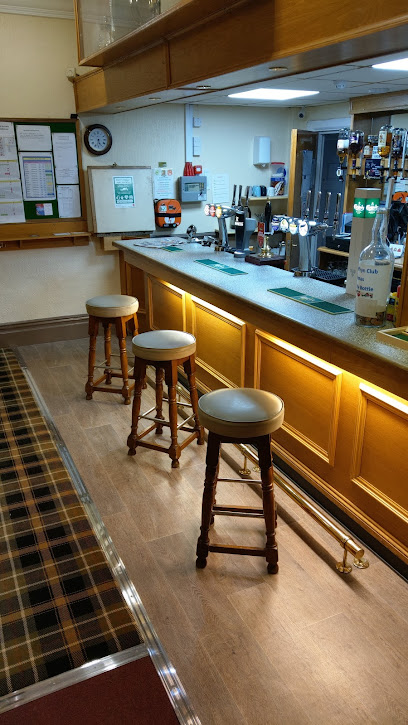
A cosy and tranquil social club in Prestatyn offering a friendly atmosphere to enjoy a pint and good company without distractions.
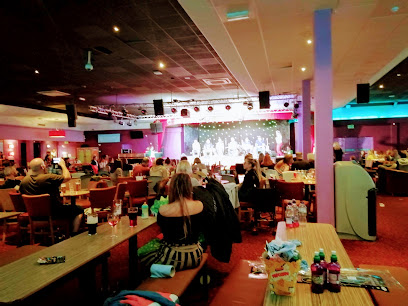
Live Lounge
31.8 km
Experience lively evenings with live music and entertainment at Presthaven’s vibrant Live Lounge, set within a family-friendly coastal resort.
Central Beach Club
32.0 km
Discover Central Beach Club in Prestatyn, where local charm meets coastal views, offering delicious food, refreshing drinks, and a vibrant atmosphere.
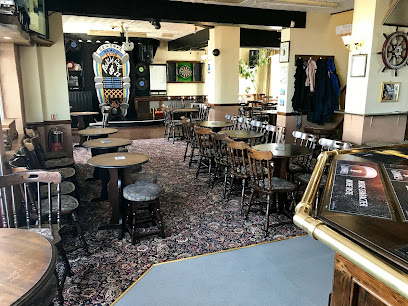
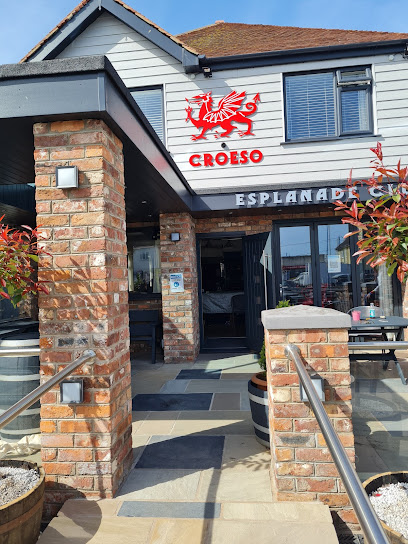
Esplanade Social Club
32.4 km
A lively coastal social club in Rhyl offering themed nights, local ales, and a welcoming community atmosphere near the beach.
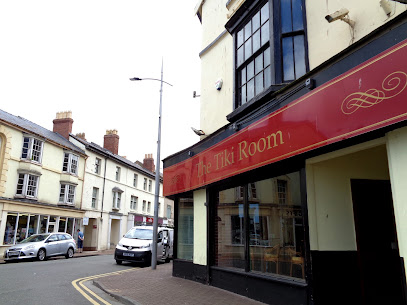
The Tiki Room
32.5 km
Rhyl’s vibrant tropical-themed nightclub with dual music floors offering modern beats and 80s classics for lively weekend nights.
For the vibe & atmosphere seeker
- Relaxing
- Tranquil
- Scenic
- Nature Escape
For the design and aesthetic lover
- Rustic Designs
- Vintage Styles
For the architecture buff
- Historic
- Parks & Gardens
- Heritage Neighborhoods
For the view chaser and sunset hunter
- Panoramas
- Waterfront
- Sunrise Spots
- Sunset Spots
For the social media creator & influencer
- Instagrammable
- Photo Spots
- Aesthetic Corners
For the eco-conscious traveler
- Protected Area
- Nature Reserve
- Public-Transport Accessible
- Leave-No-Trace Critical
- Locally Managed
- Wildlife Habitat
For the kind of experience you’re after
- Cultural Heritage
- Photowalk
- Nature Escape
- Day Trip
- Weekend Getaway
For how adventurous you want the journey to be
- Easy Access
- Requires Hike
Location Audience
- Family Friendly
- Child Friendly
- Teen Friendly
- Senior Friendly
- Wheelchair Access
- Pet Friendly
- Solo Friendly
- Couple Friendly
- Solo Female Friendly
- Vegetarian Friendly
- Vegan Friendly


