
Broch Dun Dornaigil, Caithness Travel Guide
Explore Dun Dornaigil Broch, a towering Iron Age drystone roundhouse nestled in remote Strathmore valley with stunning Highland views.
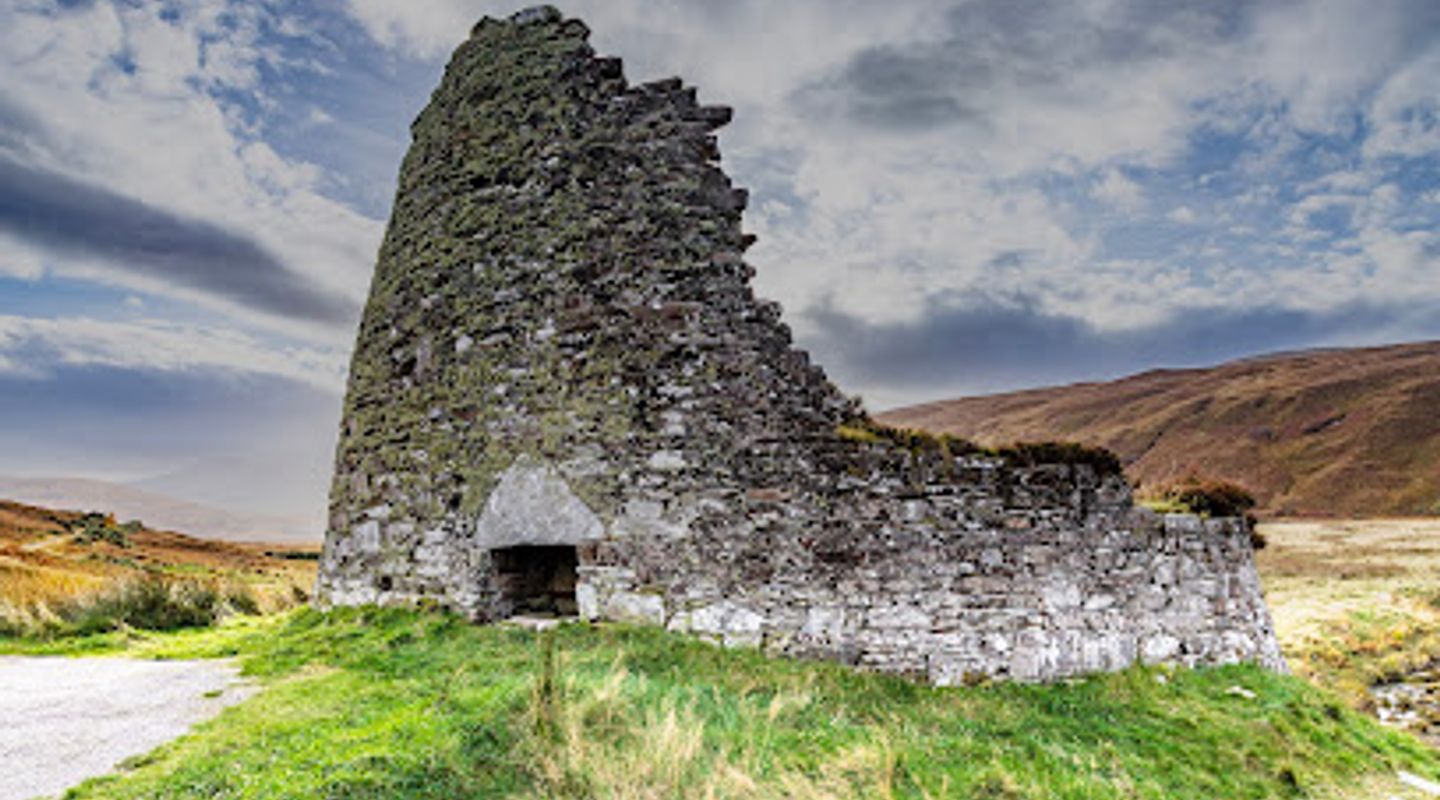
Dun Dornaigil Broch is a striking Iron Age drystone roundhouse located in the remote Strathmore valley of Sutherland, Scotland. Dating back over 2,000 years, this broch features walls rising up to 7 metres with a distinctive triangular lintel above its blocked entrance. Set beside the Strathmore River and backed by Ben Hope’s dramatic slopes, it offers a glimpse into ancient Scottish engineering and social prestige amid wild Highland landscapes.
A brief summary to Broch Dun Dornaigil
- Lairg, GB
- Click to display
- Click to display
- Duration: 0.5 to 2 hours
- Free
-
 Outdoor
- Mobile reception: 3 out of 5

Know before you go
Hi, I'm Eve. Here are a few practical things to know before exploring Broch Dun Dornaigil.
- Visit during early morning or late afternoon for the best natural light to photograph the broch and its dramatic lintel.
- Wear sturdy footwear as the terrain around the broch is uneven and can be slippery, especially after rain.
- Bring supplies and plan ahead; there are no facilities at the site, with nearest amenities in Altnaharra or Tongue.
- Respect the fragile structure by not attempting to enter the broch, as the interior is rubble-filled and unstable.
- Combine your visit with nearby outdoor activities such as hiking Ben Hope, the northernmost Munro.
Do you manage this location?
Take control to get all the benefits, like improved information, better appearance, and stronger visibility across AI-powered discovery. Learn more about listing your business on Evendo
Activate your presenceOther nearby places you may find interesting
The closest places of the same kind, if this one is not quite what you had in mind.
Explore Broch Dun Dornaigil on the Map
A handpicked selection of must-see spots near Broch Dun Dornaigil, mapped for you.
Getting There
-
Car
Drive via the A838 to Hope, then take the single-track road south towards Strathmore valley. The journey takes approximately 30 to 45 minutes from Altnaharra. Parking is available beside the broch, but the road is narrow with limited passing places and not suitable for large vehicles.
-
Public Transport
Public transport options are limited; travelers can use bus services to Hope on the North Coast 500 route (A838) and then arrange a taxi for the 10-mile journey south to Dun Dornaigil. Service frequency is low, so plan accordingly.
-
Cycling
Cyclists can access Dun Dornaigil via the A838 and the single-track road. The terrain is challenging with long distances and limited facilities, suitable for experienced cyclists. Use Sustrans for route planning.
-
Walking
A short walk from the roadside parking leads to the broch over uneven terrain. Visitors should be prepared for rough ground and wear appropriate footwear. The walk offers scenic views of the surrounding valley.
For the on-the-go comforts that matter to you
-
 Parking
-
 Information Boards
Discover more about Broch Dun Dornaigil
A Unique Testament to Scotland’s Iron Age Heritage
Dun Dornaigil Broch, also known as Dun Dornadilla, stands as one of the best-preserved examples of the enigmatic brochs unique to Scotland. These drystone roundhouses date from approximately 2,000 to 2,500 years ago and are found primarily in northern and western Scotland. Dun Dornaigil’s walls still reach an impressive height of about 7 metres on the northeast side, although originally it may have been twice as tall. The broch’s distinctive entrance is crowned by a massive triangular lintel stone, measuring roughly 1.4 metres wide and 0.9 metres high, considered one of the finest surviving examples in Scotland.Architectural Features and Construction Mystery
Brochs are characterized by their double-walled construction with an inner and outer drystone wall forming a hollow cavity. This design often includes narrow entrance passages and small chambers or cells on the ground floor. A spiral stone staircase typically winds between the walls to upper levels, though Dun Dornaigil’s interior is filled with rubble from collapsed upper sections and remains inaccessible. Unlike many other brochs, Dun Dornaigil has never been archaeologically excavated, preserving its mystery and leaving its original purpose open to interpretation—whether as a defensive stronghold, a status symbol, or a multifunctional residence.Setting and Strategic Location in Strathmore Valley
The broch is perched on a bank above the Strathmore River in a remote valley south of the small settlement of Hope. Its location likely held strategic importance during the Iron Age, controlling a key route from the coast into northern Sutherland’s interior. The surrounding landscape remains wild and evocative, with views of low-lying hills and the imposing Ben Hope to the north. The narrow single-track road leading to the broch enhances the sense of isolation and connection to the ancient past.Visiting Experience and Atmosphere
Visitors approaching Dun Dornaigil will notice the towering stone walls rising starkly against the Highland backdrop. The entrance passage is blocked, and the interior rubble-filled, so the experience is one of external admiration rather than exploration inside. The site’s remote setting offers tranquility and a strong sense of place, with the sound of the nearby Strathmore River and the expansive sky overhead. Photographers find the best light in early morning or late afternoon, capturing the dramatic lintel and the natural scenery.Conservation and Accessibility
Managed by Historic Environment Scotland, Dun Dornaigil is open year-round and free to visit. Parking is limited but available beside the broch. The terrain around the site is uneven and requires care when walking. There are no visitor facilities on site, with the nearest amenities located in Altnaharra or Tongue. Due to the fragile state of the stonework, visitors are advised not to enter the broch. The site’s preservation as a scheduled monument ensures its protection for future generations.Brochs in Scottish Cultural Context
Brochs like Dun Dornaigil are a defining feature of Scotland’s Iron Age archaeological landscape, with over 500 known examples. Their exact function remains debated, blending defensive, residential, and symbolic roles. Dun Dornaigil’s intact entrance lintel and substantial walls make it a particularly evocative example, reflecting the craftsmanship and social organization of its builders. The broch continues to inspire curiosity and admiration, connecting modern visitors to Scotland’s distant past in a striking natural setting.












Your all‑in‑one travel companion app
Explore expert travel guides, compare and book tours, experiences, hotels, and more—all from the palm of your hand. Download now for seamless trip planning wherever your wanderlust takes you.


Explore More of Caithness
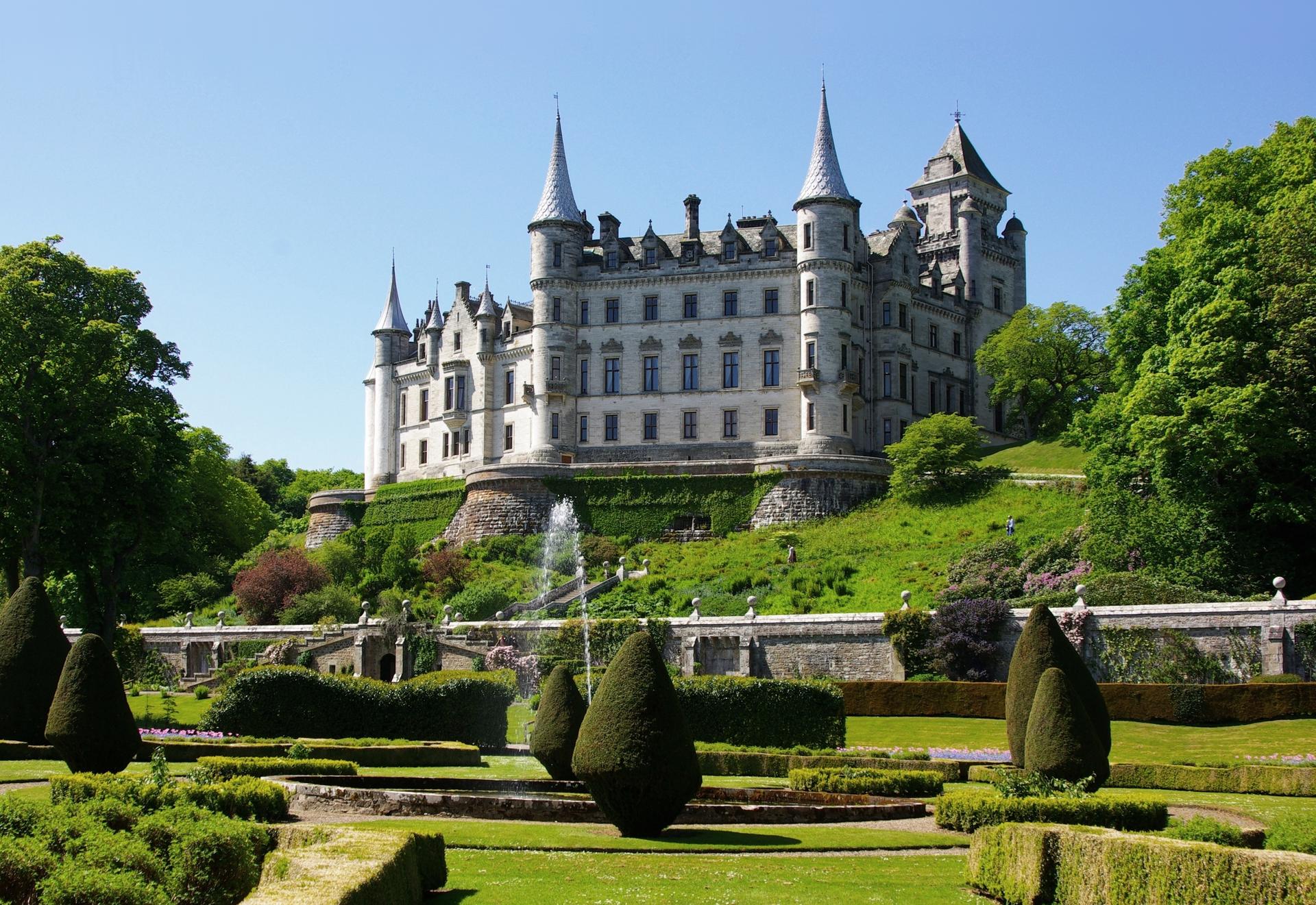
Looking beyond Broch Dun Dornaigil? Discover Caithness for broader travel guides, local hot-spots, and regional highlights.
Explore Caithness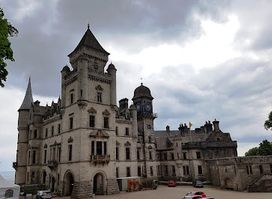
Explore Scotland’s northernmost grand chateau with majestic gardens, historic interiors, and captivating falconry displays.
Explore ancient landscapes, rich wildlife, and rugged beauty in Scotland’s North West Sutherland National Scenic Area.
