

Cairn of Get Travel Guide
Free Guide: Explore the ancient Neolithic chambered cairn of Cairn o'Get, a 5,000-year-old burial site set in a stunning prehistoric Caithness landscape.


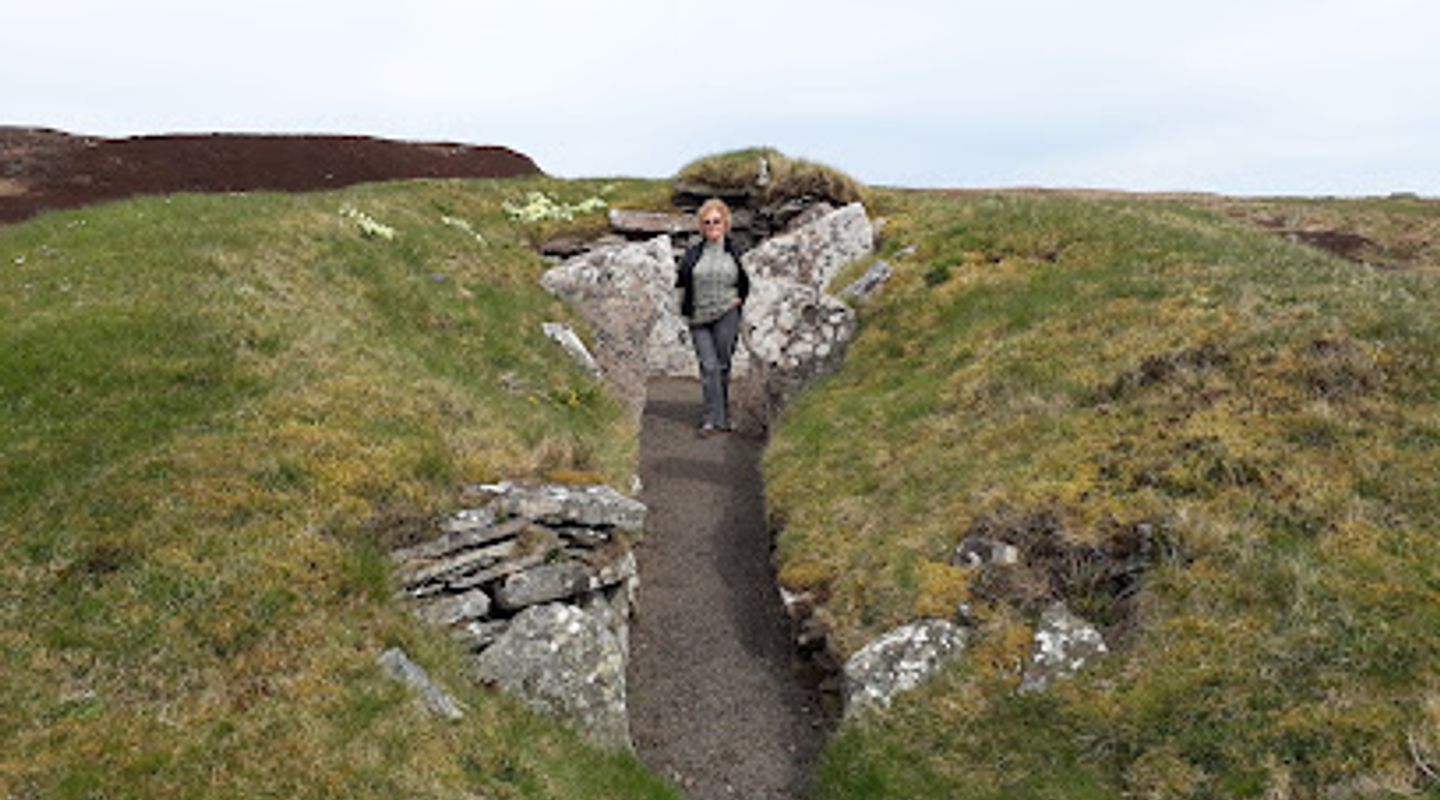
A brief summary of Cairn of Get
Explore the ancient Neolithic chambered cairn of Cairn o'Get, a 5,000-year-old burial site set in a stunning prehistoric Caithness landscape.
Cairn o'Get is a remarkable 5,000-year-old Neolithic chambered burial cairn near Lybster, Scotland. This roofless round cairn features a central burial chamber and distinctive stone 'horns' forming forecourts. Set in a rich prehistoric landscape, it offers visitors a glimpse into ancient ritual practices and the lives of early farming communities in northern Scotland.
On-site amenities
 Restrooms
 Seating areas
 Information boards
Opening hours
- Every dayOpen 24 hours
Opening hours as listed on the venue’s Google Business Profile. Hours can change for services and special events, so check with the venue before you go.
- Address
- Lybster KW2 6AA
- Website
Getting there
Car
Bus and Walking
Walking
Discover more about Cairn of Get
Ancient Origins and Archaeological Significance
Cairn o'Get is a Neolithic chambered cairn dating back approximately 5,000 years, located near the village of Lybster in Caithness. Originally constructed as a round cairn with walls rising over 3 meters high and sealed by massive lintel stones, it served as a burial site for cremations and inhumations. Excavated first in 1866 by Joseph Anderson, the tomb revealed human and animal bones, Neolithic pottery, and flint arrowheads, offering valuable insight into prehistoric burial rites and ritual beliefs in northern Scotland. The cairn’s central chamber was accessed through a low passage and an antechamber defined by large upright stones, although the roof has long since collapsed, leaving the interior open to daylight.
Architectural Features and Landscape Context
The cairn is notable for its 'horned' design, with stone projections creating forecourts at the north and south ends. These architectural elements are characteristic of the Orkney-Cromarty type cairns and highlight the monument’s ceremonial function. The site is part of an extensive prehistoric landscape that includes other burial monuments, hut circles, brochs, and hill forts, such as the nearby Garrywhin hill fort and Loch Watenan. This landscape reflects a long history of human activity and settlement patterns, with the cairn acting as a fixed ritual focal point amid a transitioning society moving towards permanent settlements and intensified farming.
Historical Use and Cultural Insights
Cairn o'Get was used over multiple periods, initially as a burial site and later reused for additional interments. Archaeological evidence suggests the cairn was a sacred place where select individuals were cremated or buried, with some remains found in the antechamber and others in the main chamber. The presence of quartz on the cairn’s exterior may have symbolized the glowing of cremated bodies under sunlight, indicating complex ritual symbolism. The cairn’s construction and use reveal connections with broader Neolithic cultural practices across Scotland, including the movement of materials like flint over long distances.
Visitor Experience and Setting
Today, Cairn o'Get stands roofless but remarkably intact, allowing visitors to enter the burial chamber and appreciate the scale and craftsmanship of this ancient monument. The site is situated in open moorland near a small loch, offering picturesque views of surrounding hills and the sea. The walk to the cairn crosses rough terrain and includes boggy patches, but duckboards ease access. The atmosphere is tranquil and evocative, providing a direct sensory link to Scotland’s deep prehistoric past.
Conservation and Archaeological Research
The cairn has undergone several excavations and conservation efforts, notably coming under guardianship in 1961. Although earlier excavations removed much of the original deposits, limiting some scientific knowledge, later mapping and studies have enhanced understanding of its significance within the wider archaeological landscape. Cairn o'Get remains a protected monument, valued for its contribution to understanding Neolithic life and ritual in northern Scotland.
Connections to Broader Neolithic Traditions
Cairn o'Get exemplifies the architectural and spiritual traditions of Neolithic Scotland, sharing features with other chambered cairns and standing stones that symbolize life cycles, death, and rebirth. The structure’s layout, with its winding passage and forecourts, may represent a symbolic journey through life stages. This site, alongside others in the region, helps illuminate the cultural heritage and mythologies of ancient communities, enriching Scotland’s prehistoric narrative.
Evendo Review Centre
 Google
Guest reviews
Best time to go
Quietest: Jan, Feb & Dec · before 6am or at 8pm
Busy times are Evendo estimates for a typical year, to help you plan. Actual crowds vary with events, school holidays and the weather.
Explore Cairn of Get on the map
A handpicked selection of must-see spots near Cairn of Get, mapped for you.
Get your free copy of our complete guide to Cairn of Get, delivered straight to you.
Everything on this page, from opening hours and how to get there to Eve’s tips and the best time to go, in one PDF you can read offline, print or share.
Already have an account? Sign in
Your Cairn of Get guide is ready.
We'll send it to · Not you? Sign out

Getting your guide ready…
We are putting together a fresh copy of the Cairn of Get guide. This can take up to a minute.
This can take a few moments. If your browser asks, choose Allow so the download can start. You'll find the guide in your Downloads folder.
Nothing happened? Download it again
Sorry, the guide is taking longer than usual. Please try again in a minute, or get it by email instead.
Other nearby places you may find interesting
The closest places of the same kind, if this one is not quite what you had in mind.
-
-
-
-
-


Swipe for more places
More to explore near Cairn of Get

 Best experiences near Cairn of Get
 Best hotels near Cairn of Get
 Best landmarks near Cairn of Get
 Best attractions near Cairn of Get
 Best shops near Cairn of Get
 Best restaurants near Cairn of Get
 Best bars near Cairn of Get
Do you manage this location?
Take control to get all the benefits, like improved information, better appearance, and stronger visibility across AI-powered discovery.
Explore more
Explore more of Caithness
Discover Caithness, Scotland's northern gem, where rugged coastlines, ancient history, and vibrant wildlife come together in a breathtakingly beautiful landscape.
Explore Caithness
Explore more of United Kingdom
Discover the United Kingdom: A blend of rich history, stunning landscapes, and vibrant cities, offering a unique travel experience for every visitor.
Explore United Kingdom
