

Dunnet Head Lighthouse Travel Guide
Free Guide: Scotland’s northernmost lighthouse atop dramatic cliffs, offering wild coastal views, rich wildlife, and historic maritime heritage.


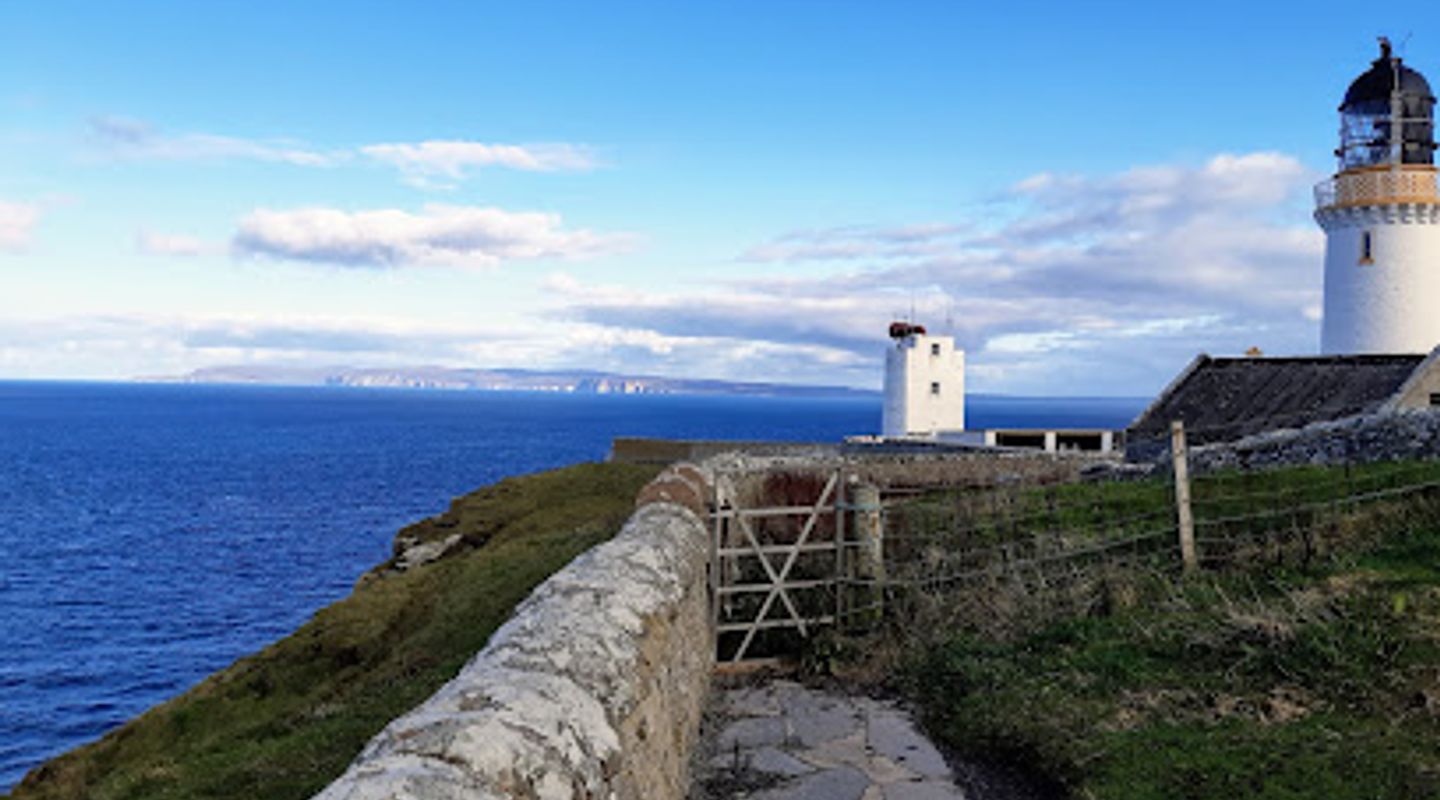
A brief summary of Dunnet Head Lighthouse
Scotland’s northernmost lighthouse atop dramatic cliffs, offering wild coastal views, rich wildlife, and historic maritime heritage.
Dunnet Head Lighthouse, perched atop 300-foot cliffs on Scotland’s northernmost mainland point, offers breathtaking views over the Pentland Firth to the Orkney Islands. Built in 1831 by Robert Stevenson, this historic lighthouse remains operational and is surrounded by a nature reserve rich in seabirds and marine wildlife. Visitors can explore dramatic coastal paths, wartime ruins, and enjoy solitude amid spectacular natural beauty.
On-site amenities
 Parking
 Information boards
 Seating areas
Opening hours
- Every dayOpen 24 hours
Opening hours as listed on the venue’s Google Business Profile. Hours can change for services and special events, so check with the venue before you go.
- Address
- Observation Road, Dunnet, Thurso KW14 8XS
- Phone
- Website
Getting there
Car
Bus and Taxi
Walking
Discover more about Dunnet Head Lighthouse
A Beacon at Britain's Northern Edge
Dunnet Head Lighthouse stands proudly on Easter Head, marking the most northerly point of mainland Scotland and Britain. Constructed in 1831 by the famed engineer Robert Stevenson, it has guided ships navigating the treacherous waters of the Pentland Firth for nearly two centuries. The lighthouse sits atop towering cliffs approximately 300 feet (91 meters) above sea level, providing commanding views across the Atlantic Ocean and the North Sea. On clear days, the Orkney Islands, including the Old Man of Hoy, are visible, along with distant mainland landmarks such as Duncansby Head and Cape Wrath.
Wildlife Sanctuary and Natural Splendor
The lighthouse is enveloped by the Dunnet Head RSPB nature reserve, a haven for seabirds and coastal flora. Cliffs here are nesting grounds for puffins, razorbills, guillemots, fulmars, kittiwakes, shags, and cormorants. The surrounding waters teem with seals, dolphins, and occasionally orcas, making it a prime spot for wildlife watching. Coastal heathlands and grasslands host special plants like thrift and roseroot, adding botanical interest to the rugged landscape. The reserve features an all-abilities access path leading to a gravelled cliff-top viewpoint, perfect for panoramic photography and tranquil contemplation.
Echoes of Maritime and Military History
Beyond its maritime role, Dunnet Head played a strategic part during World War II. Remnants of wartime bunkers and radar observation posts remain near the parking area, offering a glimpse into Scotland’s coastal defense history. The lighthouse’s fog signals evolved over time to adapt to coastal erosion and technological advances, with the last fog signal discontinued in 1987. The lighthouse was automated in 1989 and is now remotely monitored from Edinburgh, preserving its legacy while embracing modernity.
Visitor Experience and Accommodation
While the lighthouse itself is not open for public tours, visitors can explore the surrounding headland and enjoy the dramatic coastal scenery. Two original lightkeepers’ cottages adjacent to the lighthouse have been converted into holiday rentals, maintaining their historic character and offering stunning sea views. Nearby Brough Bay, once vital for lighthouse supplies, now serves as a launching point for kayaks and canoeing. The site features a car park with no fees, information boards, and seating areas, but no onsite restrooms; facilities are available several miles away.
Capturing the Spirit of the North
Dunnet Head Lighthouse is a magnet for photographers, birdwatchers, and nature lovers seeking solitude and spectacular vistas. The interplay of light on the sea, the dramatic cliffs, and the rich wildlife create an ever-changing tableau. The cool ocean winds and the sound of seals and seabirds enhance the sensory experience. The site’s remote and rugged character embodies the wild beauty of Scotland’s far north, making it a memorable highlight on any northern Scotland itinerary.
Conservation and Responsible Access
Managed by RSPB Scotland, the nature reserve emphasizes wildlife protection and responsible visitor behavior. During the seabird breeding season, visitors are encouraged to keep dogs on short leads and adhere to the Scottish Outdoor Access Code. Barbecues and fires are prohibited to protect the fragile habitats. The reserve welcomes assistance dogs and provides accessible paths to ensure enjoyment for all visitors. These conservation efforts help maintain Dunnet Head’s unique environment for future generations to experience.
Evendo Review Centre
 Google
Guest reviews
Best time to go
Quietest: Jan, Feb & Dec · before 3am
Busy times are Evendo estimates for a typical year, to help you plan. Actual crowds vary with events, school holidays and the weather.
Explore Dunnet Head Lighthouse on the map
A handpicked selection of must-see spots near Dunnet Head Lighthouse, mapped for you.
Get your free copy of our complete guide to Dunnet Head Lighthouse, delivered straight to you.
Everything on this page, from opening hours and how to get there to Eve’s tips and the best time to go, in one PDF you can read offline, print or share.
Already have an account? Sign in
Your Dunnet Head Lighthouse guide is ready.
We'll send it to · Not you? Sign out

Getting your guide ready…
We are putting together a fresh copy of the Dunnet Head Lighthouse guide. This can take up to a minute.
This can take a few moments. If your browser asks, choose Allow so the download can start. You'll find the guide in your Downloads folder.
Nothing happened? Download it again
Sorry, the guide is taking longer than usual. Please try again in a minute, or get it by email instead.
Other nearby places you may find interesting
The closest places of the same kind, if this one is not quite what you had in mind.
-
-
-
-
-


Swipe for more places
More to explore near Dunnet Head Lighthouse

 Best experiences near Dunnet Head Lighthouse
 Best hotels near Dunnet Head Lighthouse
 Best landmarks near Dunnet Head Lighthouse
 Best attractions near Dunnet Head Lighthouse
 Best shops near Dunnet Head Lighthouse
 Best restaurants near Dunnet Head Lighthouse
 Best bars near Dunnet Head Lighthouse
Do you manage this location?
Take control to get all the benefits, like improved information, better appearance, and stronger visibility across AI-powered discovery.
Explore more

Explore more of Caithness
Discover Caithness, Scotland's northern gem, where rugged coastlines, ancient history, and vibrant wildlife come together in a breathtakingly beautiful landscape.
Explore Caithness
Explore more of United Kingdom
Discover the United Kingdom: A blend of rich history, stunning landscapes, and vibrant cities, offering a unique travel experience for every visitor.
Explore United Kingdom
