

Clachtoll Broch Travel Guide
Free Guide: Explore Clachtoll Broch, a captivating Iron Age tower perched on Scotland’s rugged coast, preserving 2,000 years of history and stunning sea views.


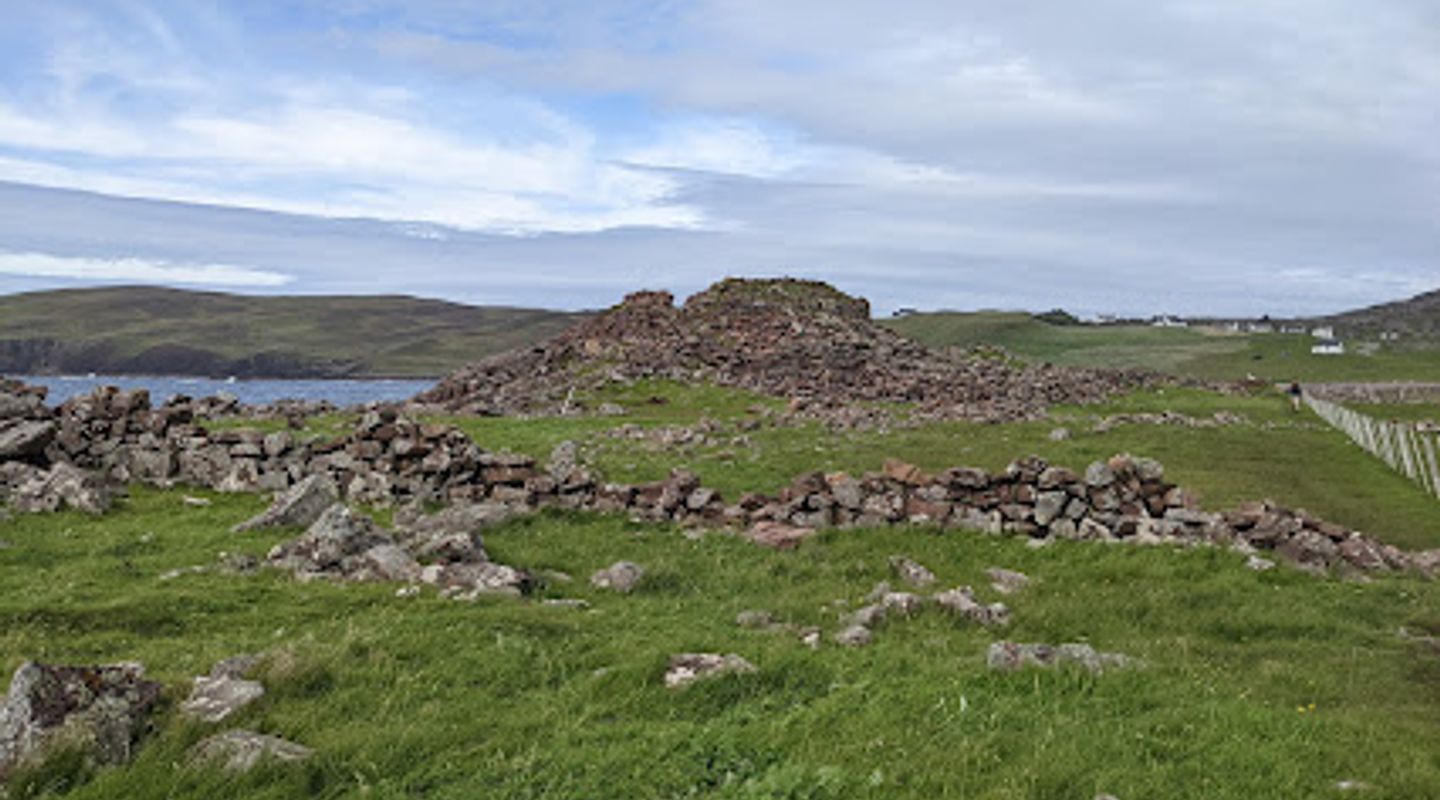
A brief summary of Clachtoll Broch
Explore Clachtoll Broch, a captivating Iron Age tower perched on Scotland’s rugged coast, preserving 2,000 years of history and stunning sea views.
Clachtoll Broch is a remarkable Iron Age drystone tower located on a rocky promontory overlooking the Bay of Stoer in the Scottish Highlands. Built around 2,000 years ago, this broch was a multi-storey domestic structure with thick double walls and a central hearth, providing insights into ancient community life. Its dramatic collapse by fire around AD 50 preserved a unique archaeological time capsule, revealing rare artefacts including iron tools and organic remains. Today, it stands as a captivating ruin offering scenic coastal views and a glimpse into prehistoric Scotland.
On-site amenities
 Restrooms
 Seating areas
 Information boards
Opening hours
- Every dayOpen 24 hours
Opening hours as listed on the venue’s Google Business Profile. Hours can change for services and special events, so check with the venue before you go.
- Address
- Clachtoll, Lairg IV27 4JD
Getting there
Car
Bus and Walking
Walking
Discover more about Clachtoll Broch
An Iron Age Marvel Frozen in Time
Clachtoll Broch is an extraordinary example of a broch, a distinctive type of drystone tower unique to Scotland, constructed approximately 2,000 years ago during the Iron Age. Situated on a rocky knoll overlooking the Bay of Stoer, the broch was strategically positioned with commanding views of the surrounding coastline. Its imposing circular walls, originally rising up to 14 meters, were built with remarkable engineering skill on a steep slope, demonstrating the ingenuity of its builders.
Life and Community Within the Broch
The broch was primarily a domestic residence rather than a defensive fortress, housing a family group that played a significant role in the local community. At its heart was a large central hearth used for cooking, warmth, and social gatherings. The interior floor was uneven but softened by layers of vegetation such as rushes and grasses, which were regularly replaced, akin to a form of spring cleaning. Excavations uncovered areas designated for grain storage, cereal processing, and craft activities, illustrating a self-sustaining lifestyle centered on agriculture and textile production.
Archaeological Treasure Trove Preserved by Catastrophe
Around AD 50, the broch was destroyed by a massive fire, causing the walls to collapse inward and sealing the interior beneath rubble. This catastrophic event preserved a rare and pristine archaeological record, untouched for two millennia. Excavations have revealed an abundance of artefacts including iron tools like axeheads, scythes, and reaping hooks, as well as domestic items such as spindle whorls, combs, and steatite vessels. Organic remains like charcoal, cereal grains, and animal bones have provided valuable radiocarbon dating and environmental insights.
Architectural Features and Construction Details
Clachtoll Broch’s architecture features a double-walled circular design with an entrance passage flanked by small chambers once thought to be guard cells but now understood as domestic spaces. A narrow staircase within the thick walls ascends clockwise, likely leading to upper floors, indicating a multi-storey structure. The roof, though not preserved, is believed to have been conical and constructed from thatch or turf, varying regionally. The broch’s construction on a sloping rocky outcrop posed significant challenges, yet the builders achieved an almost perfect circular form.
Modern Conservation and Visitor Experience
Due to ongoing coastal erosion and the broch’s fragile state, conservation efforts by local groups have been crucial in stabilizing the monument. Visitors today can explore the evocative ruins and appreciate the breathtaking views of the surrounding rugged coastline and white sandy beaches. Interpretive signage and community-led projects enrich the experience, offering a window into Iron Age life and the broch’s significance in Scotland’s prehistoric heritage.
Clachtoll Broch’s Place in Scotland’s Cultural Landscape
As one of the best-preserved and most thoroughly studied brochs, Clachtoll offers unique insights into Iron Age society, economy, and architecture. Its artefacts reveal connections to wider maritime networks across the Northern Isles and Hebrides, reflecting a sophisticated and interconnected culture. The broch’s dramatic end and exceptional preservation make it a beacon of ancient history, inviting reflection on the lives of its inhabitants and the enduring legacy of Scotland’s prehistoric past.
Evendo Review Centre
 Google
Guest reviews
Best time to go
Quietest: Jan, Feb & Dec · before 6am or at 9pm
Busy times are Evendo estimates for a typical year, to help you plan. Actual crowds vary with events, school holidays and the weather.
Explore Clachtoll Broch on the map
A handpicked selection of must-see spots near Clachtoll Broch, mapped for you.
Get your free copy of our complete guide to Clachtoll Broch, delivered straight to you.
Everything on this page, from opening hours and how to get there to Eve’s tips and the best time to go, in one PDF you can read offline, print or share.
Already have an account? Sign in
Your Clachtoll Broch guide is ready.
We'll send it to · Not you? Sign out

Getting your guide ready…
We are putting together a fresh copy of the Clachtoll Broch guide. This can take up to a minute.
This can take a few moments. If your browser asks, choose Allow so the download can start. You'll find the guide in your Downloads folder.
Nothing happened? Download it again
Sorry, the guide is taking longer than usual. Please try again in a minute, or get it by email instead.
Other nearby places you may find interesting
The closest places of the same kind, if this one is not quite what you had in mind.
-
Dunnet Head Lighthouse Scotland’s northernmost lighthouse atop dramatic cliffs, offering wild coastal views, rich wildlife, and historic maritime heritage.
-
The Wick Heritage Museum Explore Wick’s rich maritime heritage through immersive exhibits and engaging stories at this charming seasonal museum.
-
Caithness Broch Centre Discover Scotland’s Iron Age brochs and coastal heritage at the Caithness Broch Centre, a vibrant museum nestled in Auckengill’s historic old school.
-
Cairn of Get Explore the ancient Neolithic chambered cairn of Cairn o'Get, a 5,000-year-old burial site set in a stunning prehistoric Caithness landscape.
-
Castlehill Heritage Centre A community-run museum in Castletown, Caithness, preserving the maritime and industrial heritage of Scotland’s far north with engaging exhibits and local stories.
Swipe for more places
More to explore near Clachtoll Broch

 Best experiences near Clachtoll Broch
 Best hotels near Clachtoll Broch
 Best landmarks near Clachtoll Broch
 Best attractions near Clachtoll Broch
 Best shops near Clachtoll Broch
 Best restaurants near Clachtoll Broch
 Best bars near Clachtoll Broch
Do you manage this location?
Take control to get all the benefits, like improved information, better appearance, and stronger visibility across AI-powered discovery.
Explore more
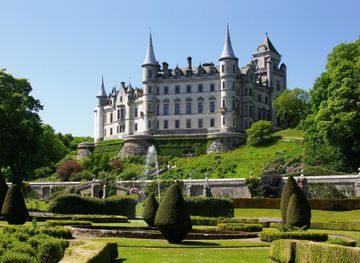
Explore more of Caithness
Discover Caithness, Scotland's northern gem, where rugged coastlines, ancient history, and vibrant wildlife come together in a breathtakingly beautiful landscape.
Explore Caithness
Explore more of United Kingdom
Discover the United Kingdom: A blend of rich history, stunning landscapes, and vibrant cities, offering a unique travel experience for every visitor.
Explore United Kingdom
