
St. Coomb Chapel at Dunnet Links: A 6th-Century Ecclesiastical Heritage Site
Discover the ancient ruins of St. Coomb Chapel, a 6th-century site near Castletown that reveals Scotland’s early Christian heritage.
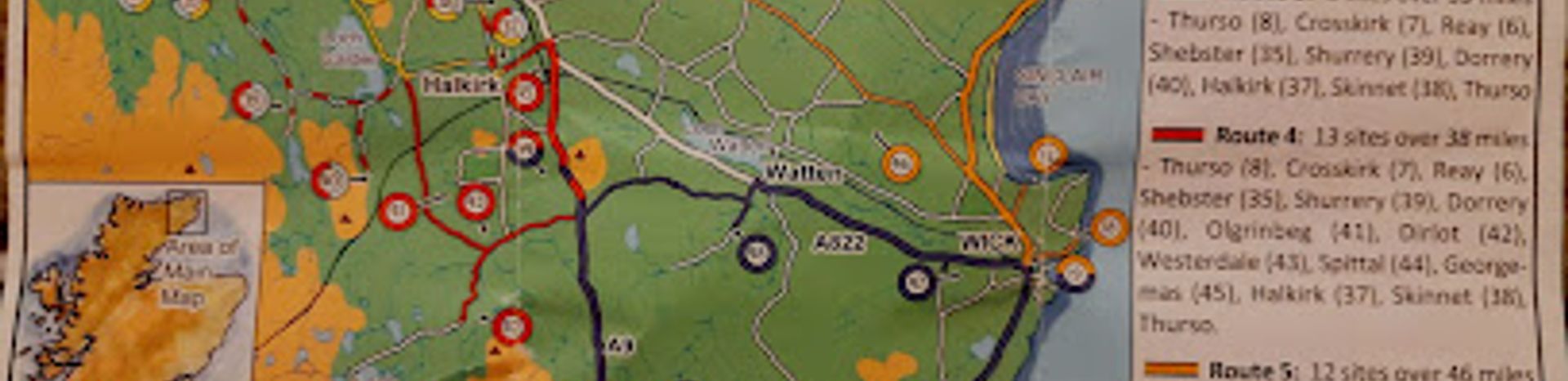
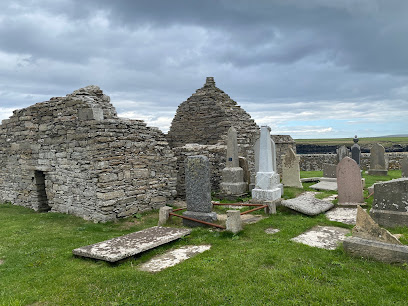
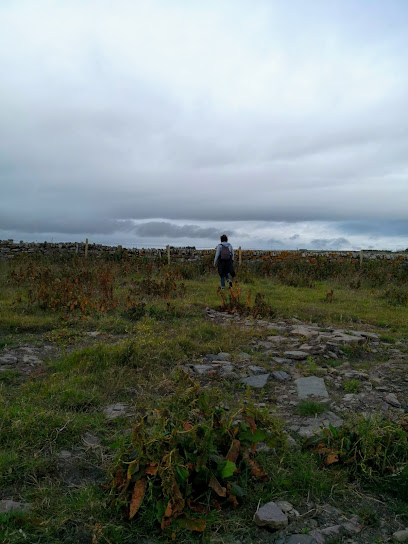
St. Coomb Chapel, located near Castletown in Thurso, is a historic site dating back to the 6th century. Though only ruins remain, it marks an early Christian presence in northern Scotland and is linked to St Coomb (or Colum), reflecting the region's rich ecclesiastical history and early medieval Christian heritage.
A brief summary to Dunnet Links: St. Coomb Chapel (6th century, former site))
- Thurso, Castletown, GB
- Visit website
- Duration: 0.5 to 1.5 hours
- Free
-
 Outdoor
- Mobile reception: 3 out of 5
Local tips
- Visit during daylight hours to fully appreciate the coastal views and the chapel ruins.
- Wear sturdy footwear as the terrain around the chapel can be uneven and grassy.
- Combine your visit with a walk along the Northern Pilgrims' Way to explore other historic religious sites nearby.

For the on-the-go comforts that matter to you
- Information Boards
Getting There
-
Bus
Take the Stagecoach bus service from Thurso to Castletown, which runs approximately every 1-2 hours. The journey takes around 30-40 minutes. From Castletown, the chapel is accessible by a short walk. Tickets cost about £5-£7 one way.
-
Car
Drive from Thurso to Castletown via the A9 and A836 roads, a journey of about 30 minutes covering approximately 25 miles. Parking near Dunnet Links is limited and informal, so plan accordingly. No parking fees apply.
-
Walking
For the adventurous, a scenic 2-3 hour walk from Castletown to the chapel follows coastal and rural paths. Terrain is uneven and grassy, so suitable footwear and good weather are recommended.
Dunnet Links: St. Coomb Chapel (6th century, former site)) location weather suitability
-
 Any Weather
-
 Rain / Wet Weather
-
 Clear Skies
-
 Windy Conditions
-
 Mild Temperatures
Discover more about Dunnet Links: St. Coomb Chapel (6th century, former site))
Origins of St. Coomb Chapel and Early Christian Roots
St. Coomb Chapel at Dunnet Links is a significant archaeological and spiritual site believed to date from the 6th century. This ancient chapel is associated with St Coomb (also known as Colum or Colm), an early Christian figure whose influence extended across northern Scotland. The chapel's location near the shore at Dunnet Links situates it within a landscape that was pivotal for early Christian missionary activity in the region, marking one of the earliest known Christian worship sites in Caithness.Historical Context and Ecclesiastical Importance
The chapel predates later ecclesiastical structures built in the area, such as the 1663 replacement chapel constructed inland. This earlier site embodies the transition from pagan to Christian traditions in northern Scotland during the early medieval period. Its dedication to St Coomb links it to a network of early Christian foundations, possibly connected with other regional saints like St Fergus, who also played a vital role in spreading Christianity in Caithness and surrounding areas.Architectural Remains and Site Features
Though now in ruins, the chapel's remains offer insight into early medieval ecclesiastical architecture. The modest scale and simple construction reflect the austere style typical of early Christian chapels, designed to serve small, local communities. The site’s coastal setting enhances its historic ambiance, providing visitors with a tangible connection to the spiritual practices of early Scottish Christianity.Spiritual and Cultural Legacy
St. Coomb Chapel is more than a historic ruin; it represents the enduring spiritual heritage of Caithness. The chapel’s dedication to St Coomb evokes the missionary zeal and religious transformation of the 6th century, a time when Christianity was taking root in Scotland’s northern reaches. The site remains a symbol of cultural identity and religious continuity for the local community and visitors interested in Scotland’s early Christian history.Modern-Day Significance and Conservation
Today, St. Coomb Chapel is recognized as a protected historical landmark near Castletown, Thurso. While there are no formal visitor facilities on site, its preservation is crucial for understanding Scotland’s ecclesiastical past. The chapel is a point of interest for historians, archaeologists, and pilgrims tracing the Northern Pilgrims' Way, highlighting the region’s rich tapestry of religious sites.Exploring the Surrounding Landscape
The chapel’s location on the Dunnet Links offers visitors a serene coastal environment rich in natural beauty and historical resonance. Nearby landmarks and paths connect St. Coomb Chapel to a wider network of early Christian sites, making it an essential stop for those exploring Caithness’s spiritual heritage and rugged landscapes.Iconic landmarks you can’t miss

Dunnet Links: St. Coomb Chapel (6th century, former site))
0.0 km
Discover the ancient ruins of St. Coomb Chapel, a 6th-century site near Castletown that reveals Scotland’s early Christian heritage.
Above and Beyond Tours
3.4 km
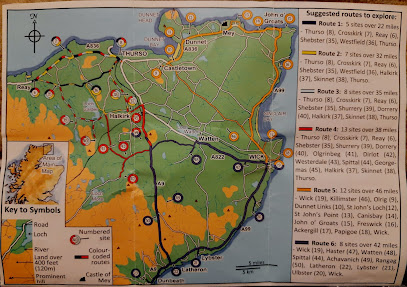
Discover the breathtaking landscapes of Caithness with Above and Beyond Tours, where adventure meets local expertise in Scotland's stunning north.
Caithness.Org
9.7 km
Explore the breathtaking landscapes, rich history, and vibrant culture of Caithness, Scotland's northern gem, where adventure awaits at every turn.

Braal Castle
10.5 km
A 14th-century Highland fortress overlooking the River Thurso, once seat of the Earls of Caithness.
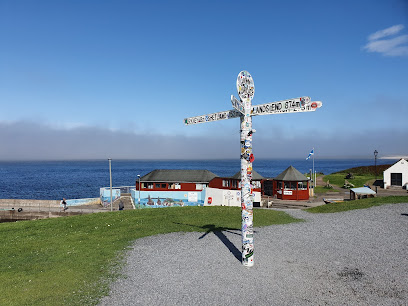
John O'Groats Signpost
18.3 km
Britain's most iconic signpost marks the legendary endpoint of the 874-mile Land's End to John o' Groats journey.
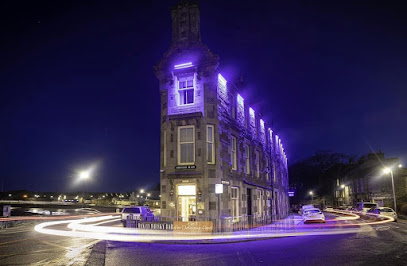
Mackays Hotel
23.4 km
Experience warm Scottish hospitality and locally inspired cuisine in the heart of historic Wick at the family-run Mackays Hotel.
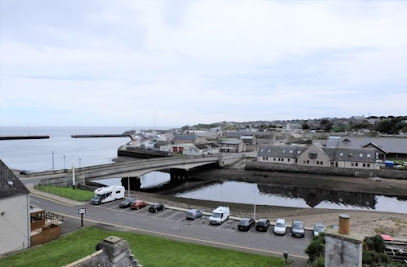
Caithness Inn
23.5 km
A welcoming 4-star inn in Wick offering clean rooms, attentive service, and a perfect base for exploring the rugged Scottish Highlands.
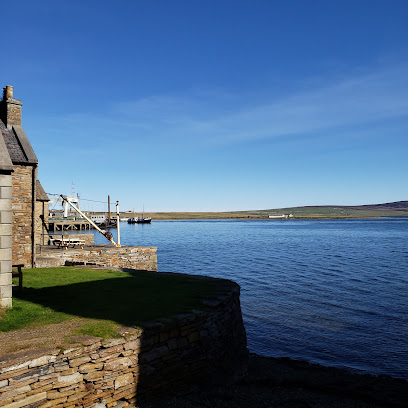
The Cannon
40.4 km
Historic cannon from an American privateer, set against the stunning backdrop of Stromness harbour’s maritime heritage.
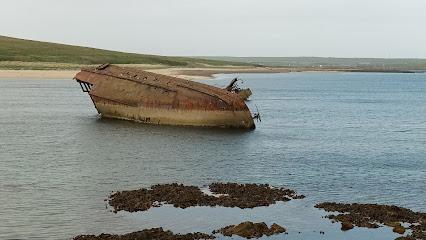
Churchill Barriers
43.0 km
Historic WWII causeways in Orkney that safeguarded Scapa Flow and now link islands with a rich legacy of resilience and culture.
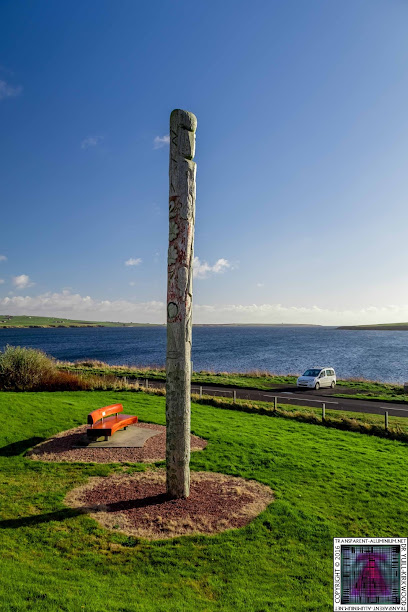
First Nations And Orcadian Totem Pole
43.2 km
A striking wooden monument in Orkney symbolizing friendship and shared heritage between First Nations and Orcadian cultures.
Orkney Attractions
48.1 km
Explore the rich history and breathtaking landscapes of Orkney Islands at the Orkney Attractions Visitor Center in Stromness.
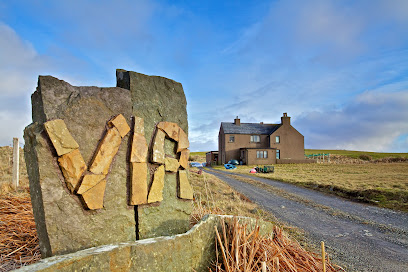
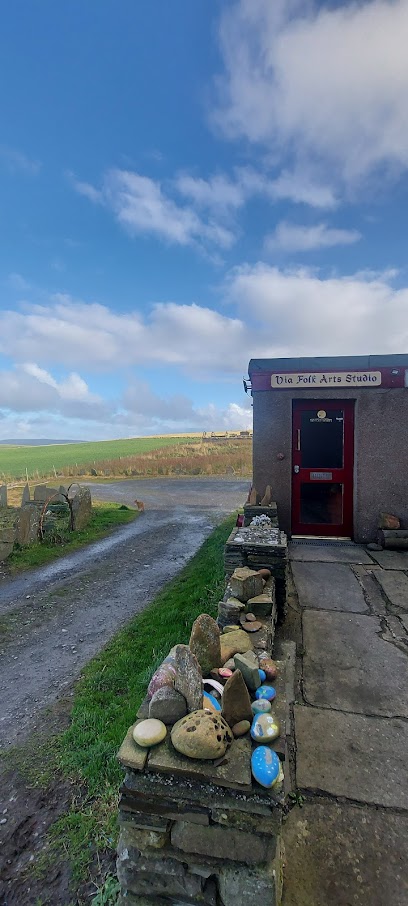
Orkney FolkLore and Storytelling Centre (Via House)
48.1 km
Experience the magic of Orkney's folklore at the FolkLore and Storytelling Centre, where tales come alive in a charming cultural haven.
Rennibister Earth House
48.3 km
Explore Rennibister Earth House, a mysterious Iron Age underground passage in Orkney, where ancient human remains reveal a haunting prehistoric story.
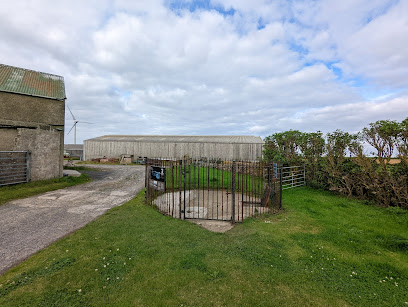
Wideford Hill Cairn
48.4 km
Discover the ancient wonders of Wideford Hill Cairn in Orkney, a remarkable Neolithic site offering breathtaking views and a deep dive into history.
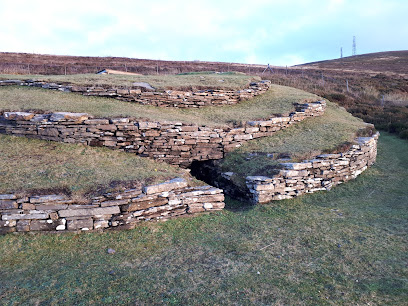
Borwick Castle Sea Stack
48.4 km
Explore the majestic Borwick Castle Sea Stack, a stunning natural formation rich in history and breathtaking coastal views in Mainland, Scotland.
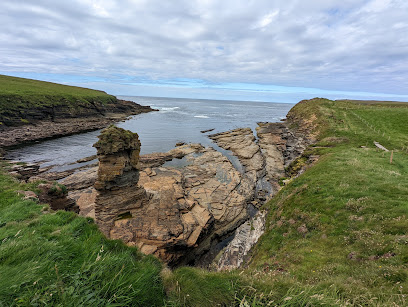
Unmissable attractions to see

Mary Ann's Cottage
3.4 km
Step back in time at Mary Ann's Cottage, a perfectly preserved 19th-century Highland croft offering authentic cultural heritage and coastal charm.
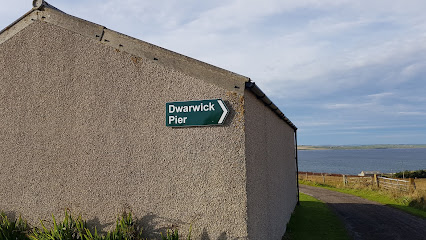
Peedie Sands
3.7 km
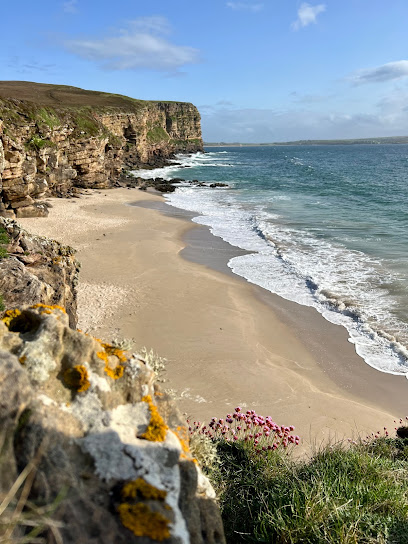
Discover Peedie Sands, a tranquil hidden beach on Scotland’s northern coast, perfect for solitude, wildlife watching, and pristine coastal beauty.
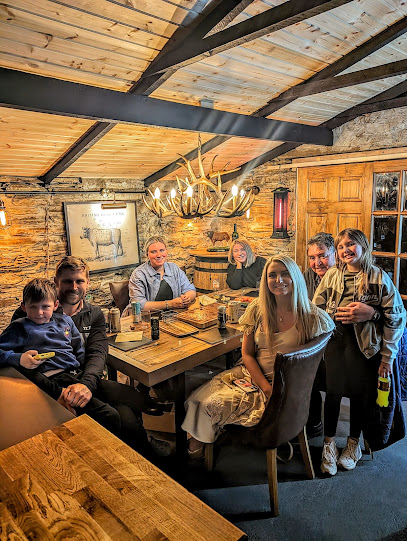
Sinky's Beer Garden & Grill
6.7 km
Savor authentic Scottish beef in a unique farm-to-table beer garden and grill nestled in the scenic Caithness countryside near Thurso.
Harold’s Tower
6.9 km
A unique hexagonal mausoleum near Thurso commemorating Viking Earl Harold and the Sinclair family legacy in northern Scotland.
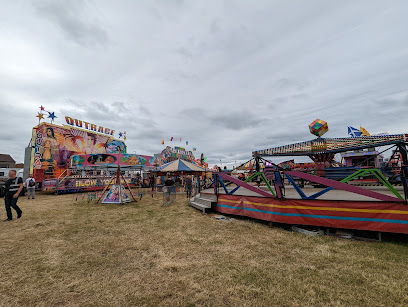
Caithness Agricultural Society
8.0 km
Celebrating nearly two centuries of Caithness farming heritage through vibrant shows and community spirit.
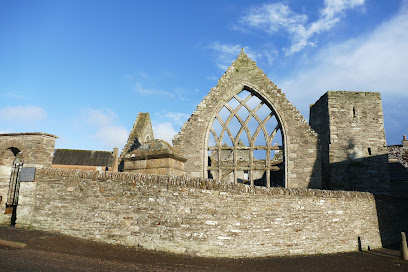
Old St Peter’s Church, Thurso
8.4 km
Explore the evocative medieval ruins of Old St Peter’s Church, a historic landmark steeped in Norse heritage and Caithness history in the heart of Thurso.
North Coast Visitor Centre
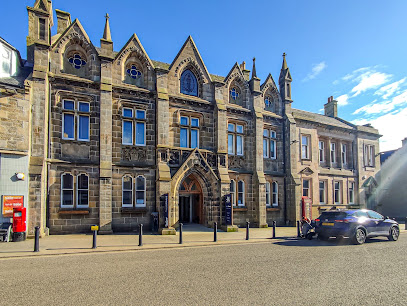
8.5 km
Discover Caithness history, art, and culture in a beautifully restored historic building with museum, gallery, theatre, café, and accessible facilities.
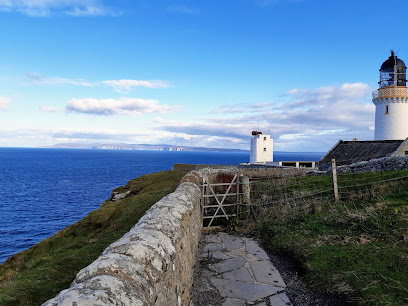
Dunnet Head Lighthouse
8.5 km
Scotland’s northernmost lighthouse atop dramatic cliffs, offering wild coastal views, rich wildlife, and historic maritime heritage.
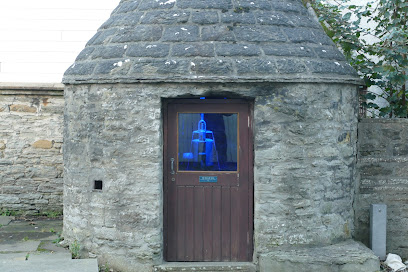
The Meadow Well
8.7 km
A quiet 19th-century wellhouse in central Thurso, once the town’s main water supply and a hub of everyday life.
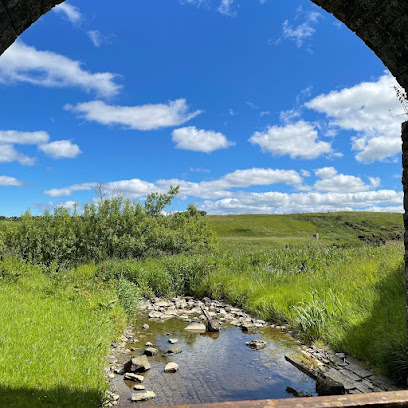
Geise Farm
10.0 km
Experience the peaceful charm of Geise Farm—Thurso’s riverside farm and nature reserve perfect for walks, picnics, and rural relaxation.
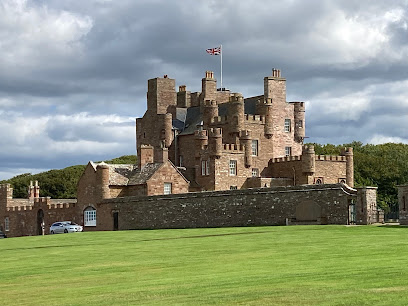
The Castle & Gardens of Mey
10.3 km
Explore the northernmost Scottish castle restored by the Queen Mother, with stunning gardens and panoramic coastal views.
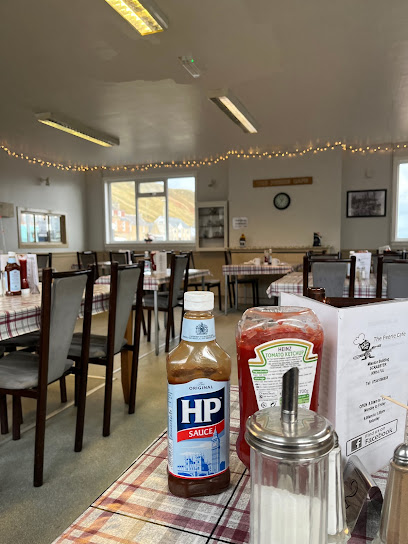
Peerie Cafe
10.6 km
A cozy harbourfront café in Scrabster offering fresh fare, friendly service, and a warm community atmosphere by the northern Scottish coast.
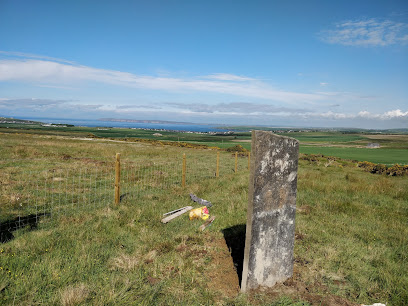
Things Va
12.3 km
Discover the ancient Iron Age broch near Thurso, a stone tower steeped in Viking heritage and coastal Scottish history.
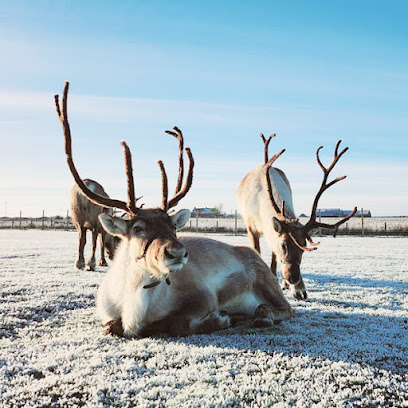
Lichen Caithness Reindeer Centre
14.9 km
Experience the magic of the UK’s most northerly reindeer in the serene Highlands at Lichen Caithness Reindeer Centre.
Whitegate broch
16.5 km
Explore Whitegate Broch, a well-preserved Iron Age fortress perched above the Caithness coast, revealing ancient Scottish history and stunning sea views.
Essential places to dine

Y Not Bar & Grill
8.6 km
A lively Scottish pub and grill in Thurso serving local favourites, crafted drinks, and cosy stays for Highland explorers.
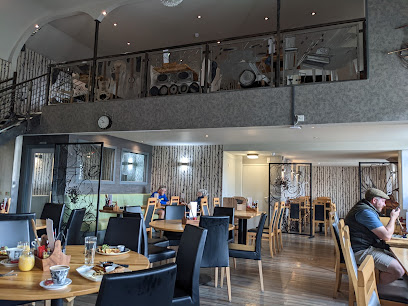
Bydand
8.6 km
Experience modern British dining with Highland charm at Bydand, Thurso’s boutique restaurant blending tradition and contemporary flair.
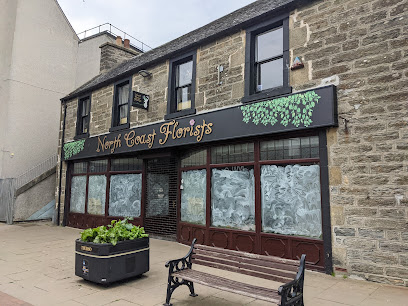
T's Café Restaurant
8.7 km
Discover authentic Sri Lankan flavors in a cozy, hidden gem above a newsagent in Thurso’s heart.
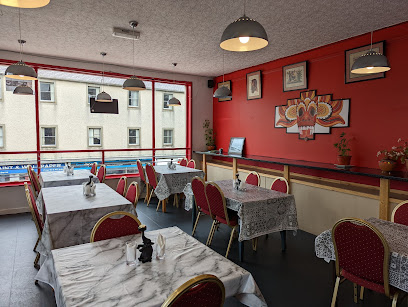
Olive
8.7 km
A cozy café and restaurant in Thurso offering delicious food, vegan options, and specialty coffee in a charming, detail-rich setting.
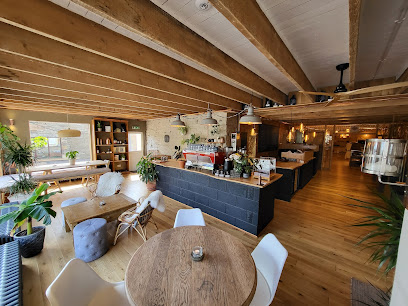
Red Pepper
8.7 km
Cozy Scottish dining with fresh seafood and hearty steakhouse classics in the heart of Thurso’s Holborn Hotel.
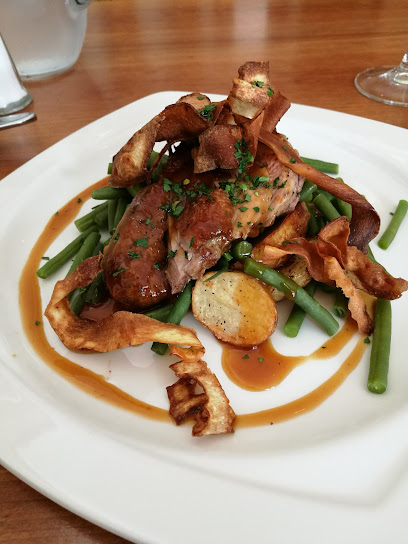
Spice Tandoori
8.7 km
Authentic Indian and Bangladeshi flavors served with friendly hospitality in the heart of Thurso.

Pride of Bengal Indian Restaurant and Takeaway
8.9 km
Authentic Indian and Bangladeshi flavors in Thurso, offering fresh, robust dishes and a welcoming casual dining and takeaway experience.
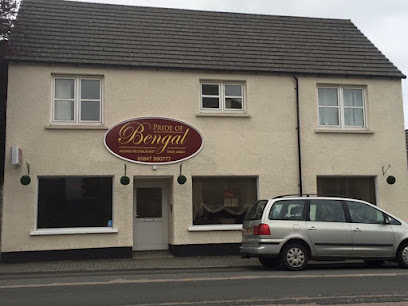
The Blue Door Coffee Shop & Diner
9.1 km
Classic American diner charm meets hearty comfort food in the heart of Thurso’s welcoming community.
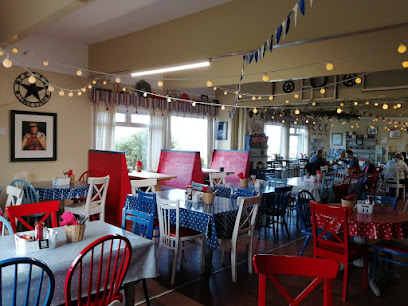
Captain's Galley Restaurant
10.4 km
Fresh, locally sourced seafood served in a charming harbour-side setting in Scotland’s northernmost reaches.
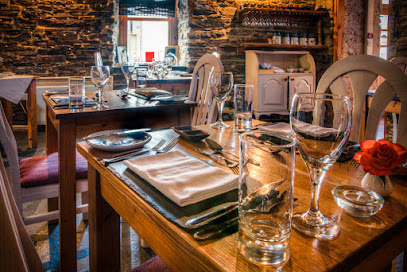
Capilla Tapas Restaurant
10.5 km
Authentic Spanish tapas and warm hospitality in the heart of Scrabster, offering a cozy taste of Spain in northern Scotland.
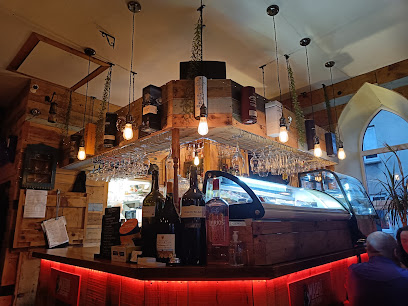
The Ferry Inn Scrabster
10.6 km
A welcoming harbourside inn in Scrabster offering hearty Scottish fare, cozy rooms, and stunning views of the bustling northern port.
No.1 Bistro
23.4 km
Discover fresh Highland fare and warm hospitality at No.1 Bistro, nestled on the world’s shortest street in Wick.
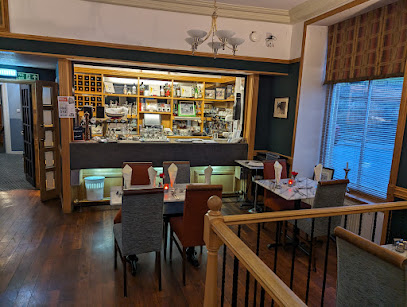
Morags Café and Sweet Shop
23.4 km
Cozy café on Wick High Street serving fresh pastries, hearty all-day breakfast, and quality coffee in a friendly, welcoming atmosphere.
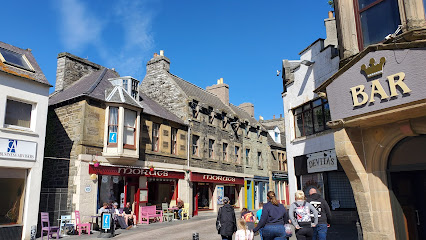
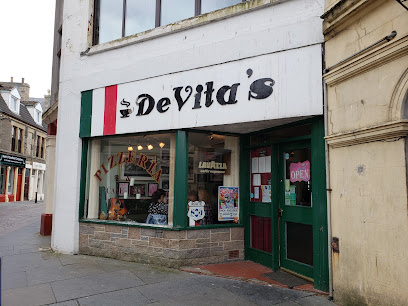
DeVitas Pizzeria & Cafe Bar
23.5 km
Savor authentic Italian pizzas and cozy cafe vibes in the heart of Wick, Scotland’s northern gem.
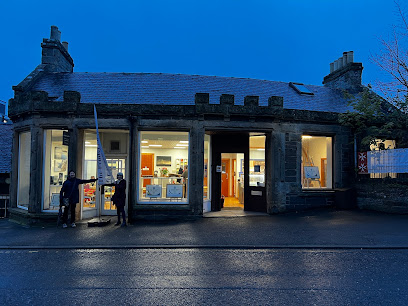
The Printers Rest
23.5 km
Cozy Maltese-inspired restaurant in Wick offering fresh, shareable Mediterranean dishes with a welcoming BYO atmosphere.
Markets, malls and hidden boutiques

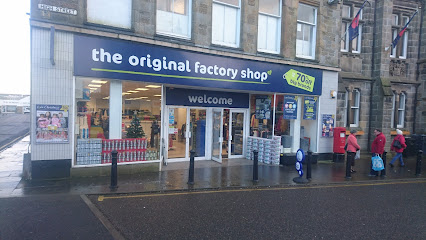
The Original Factory Shop (Thurso)
8.5 km
Discover unbeatable deals on branded fashion, beauty, and footwear at The Original Factory Shop in Thurso’s bustling High Street.
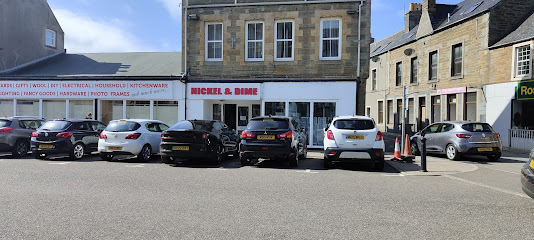
Nickel & Dime
8.6 km
Discover Nickel & Dime in Thurso: Your essential convenience store for snacks, drinks, and local flavors in the heart of the Scottish Highlands.
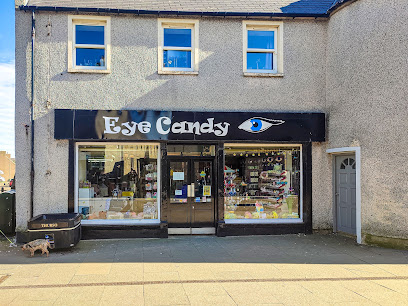
Eye Candy
8.6 km
Discover unique gifts and local treasures in the heart of Thurso’s historic High Street at Eye Candy.
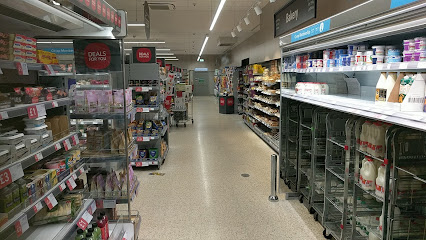
Co-op Food - Thurso - Meadow Lane
8.6 km
Discover the convenience of Co-op Food in Thurso for all your shopping needs, offering local products and friendly service.
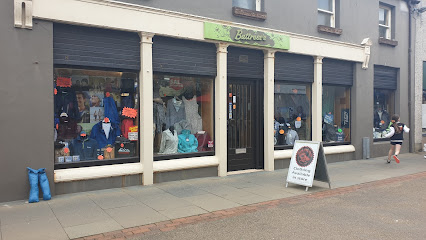
Buttress's
8.6 km
Discover unique fashion at Buttress's in Thurso, where style meets exceptional service in a cozy boutique setting.
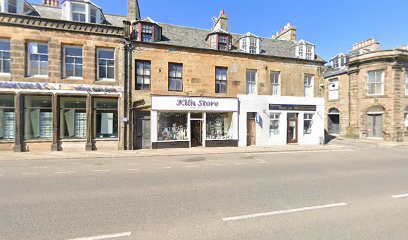
The Kiln Store
8.7 km
Discover unique local crafts and thoughtful gifts in the heart of Thurso at The Kiln Store, a family-run treasure trove of northern Scottish heritage.
Hallmark
8.8 km
Charming Hallmark gift shop in Thurso offering quality cards and thoughtful gifts in a historic setting at Sir John's Square.
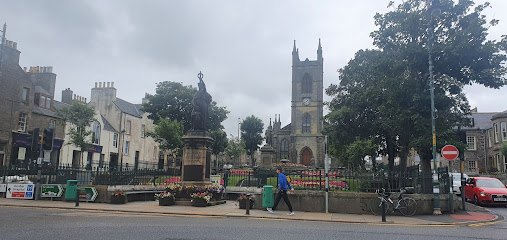
The Cave
8.8 km
Discover The Cave in Thurso, a vibrant comic book shop offering graphic novels, collectibles, and a welcoming atmosphere for fans and newcomers alike.
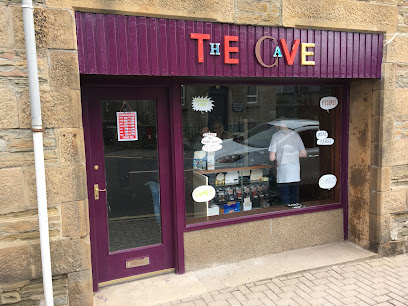
Spellbound Caithness
9.5 km
Discover Spellbound Caithness, Thurso’s magical gift shop blending Highland enchantment, artisan crafts, and spiritual community in a unique creative haven.
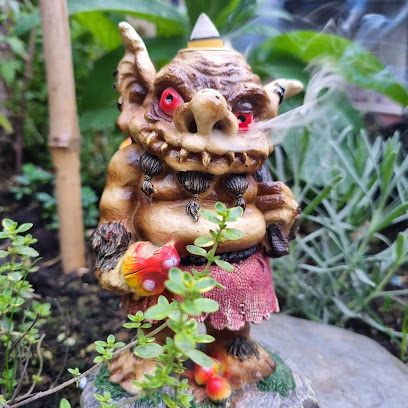
Caithness Gifts & Crafts
14.2 km
Discover authentic Highland artistry and unique handcrafted gifts at Caithness Gifts & Crafts in Thurso, celebrating the spirit of northern Scotland.
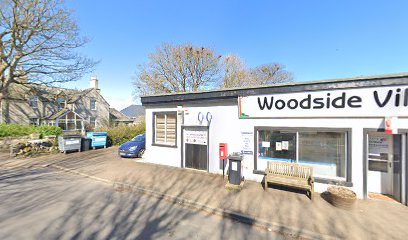
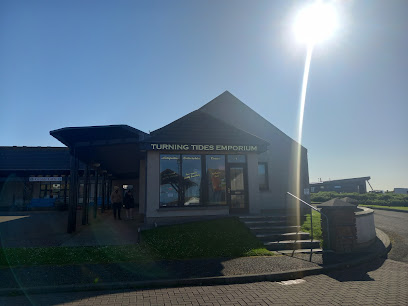
North Coast Emporium
18.2 km
Discover authentic Scottish crafts and rare collectibles in the heart of John o' Groats at North Coast Emporium.
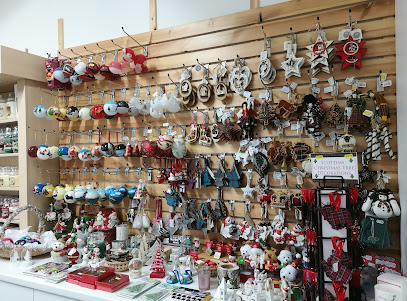
Groatie Buckie Gift Shop
18.2 km
Discover authentic Scottish coastal treasures and local crafts inspired by the legendary Groatie Buckie shell at John o' Groats’ charming gift shop.
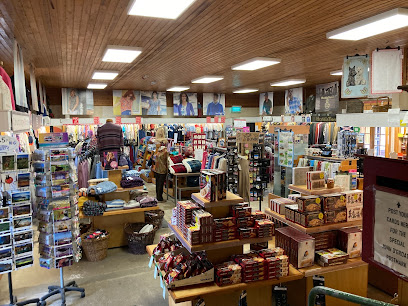
John O'Groats Knitwear Co
18.3 km
Discover authentic Scottish knitwear and warm Highland hospitality at John O'Groats Knitwear Co, a charming coastal shop steeped in tradition.
Far North Gifts and Gallery
18.6 km
Discover authentic Scottish crafts and local art treasures in the charming Far North Gifts and Gallery at Freswick, Caithness.
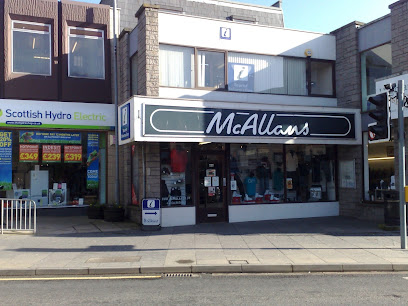
McAllans
23.4 km
Explore McAllans in Wick for stylish men's clothing that combines quality and modern fashion, perfect for every occasion.
Essential bars & hidden hideouts

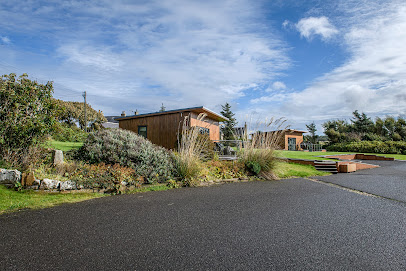
Dunnet Bay Escapes
3.2 km
Luxurious coastal retreat with stunning Dunnet Bay views, gourmet breakfasts, and serene hot tub relaxation in the heart of the Scottish Highlands.
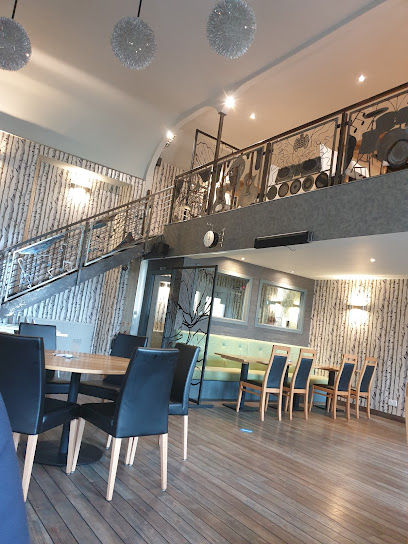
The Grove Lounge
8.6 km
A cozy and lively bar in Thurso offering hearty food, friendly service, and a welcoming atmosphere for locals and visitors alike.
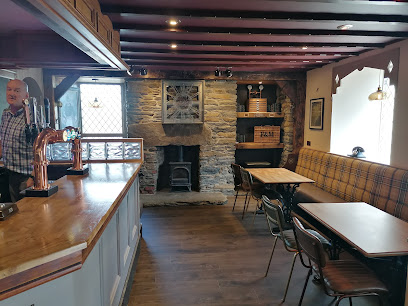
Top Joe's
8.7 km
A welcoming and lively pub in Thurso serving great Guinness, live sports, and a friendly Highland atmosphere.
Mr C's Bar
8.7 km
Lively cocktail bar in Thurso crafting fresh drinks with hand-selected spirits in a fun, welcoming atmosphere.
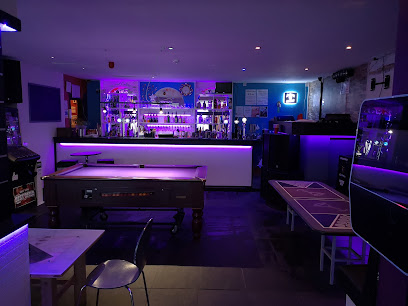
The Mey Hotel
9.4 km
Experience warm Highland hospitality, hearty Scottish fare, and cozy comfort at The Mey Hotel in scenic Thurso.
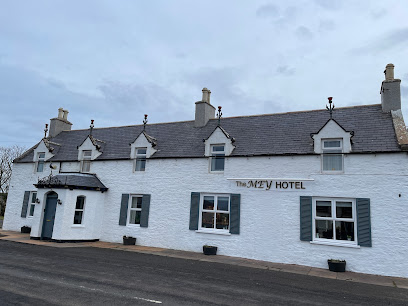
The Village Inn
15.8 km
A cozy Highland village pub offering hearty meals, real ales, and warm hospitality in the scenic community of Keiss.
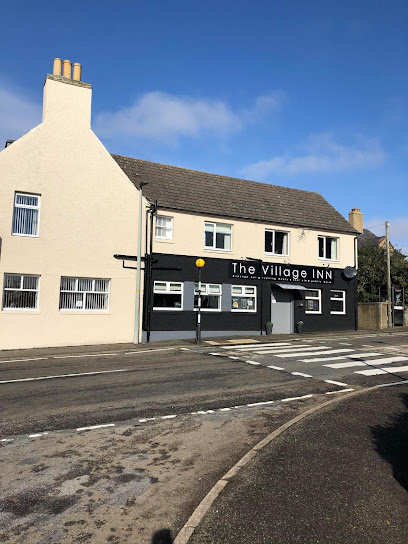
Harpers Bar
23.4 km
A lively and welcoming bar in Wick offering classic pub vibes, vibrant social scenes, and versatile event spaces.
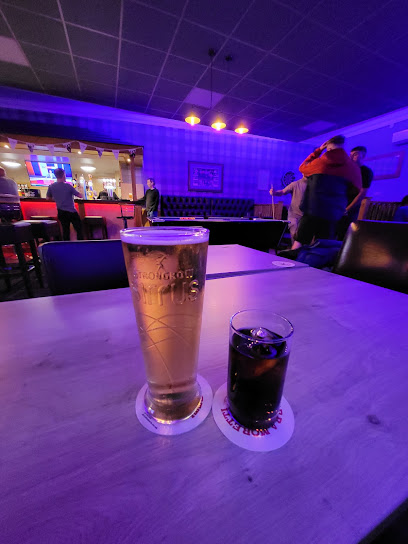
Camps Bar
23.5 km
Wick’s oldest pub where historic charm meets lively local spirit and affordable drinks in a welcoming Highland setting.
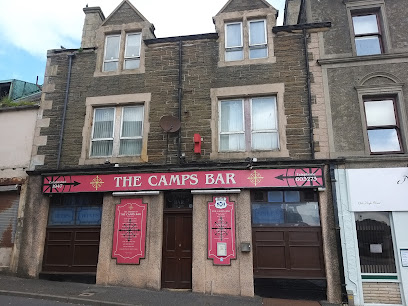
Blackstairs Lounge
23.9 km
A cozy and lively bar in Wick offering flavorful curries, warm hospitality, and a vibrant social atmosphere.
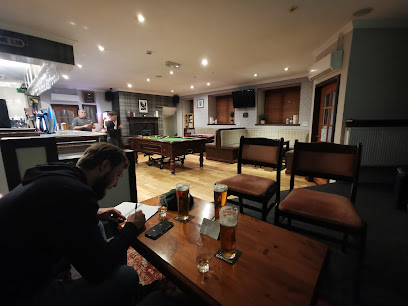
Mountain Dew Bar
24.1 km
A friendly, affordable local pub in Wick offering authentic Highland hospitality and a perfect pint in a cozy setting.
Robertsons Coffeehoose & Bar
35.1 km
A warm, family-run coffeehouse and bar in historic St Margaret's Hope, serving traditional fare, local drinks, and inclusive menus in a charming setting.
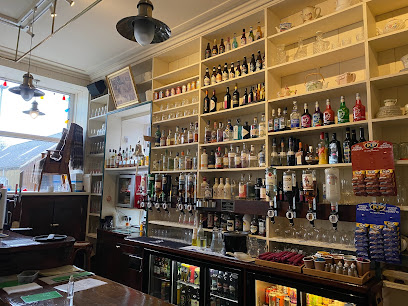
The West End Guest House
48.7 km
A peaceful, centrally located guest house in Kirkwall offering simple comforts and easy access to Orkney’s historic heart.
Royal Cask Whisky Gin Bar
49.0 km
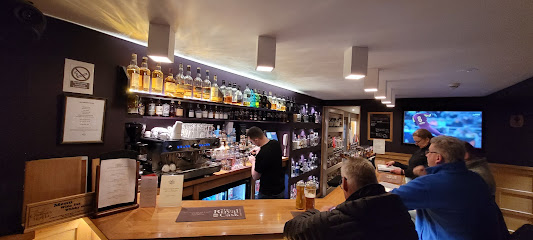
Discover Kirkwall’s historic Royal Cask Whisky Gin Bar, home to over 1,000 whiskies, 160 gins, and authentic Orcadian hospitality in a 350-year-old setting.
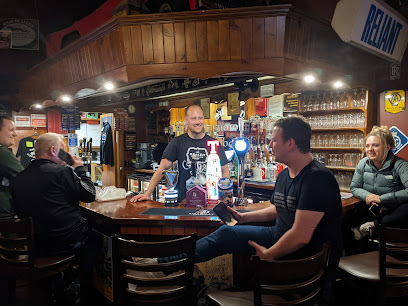
Auld Motor Hoose
49.2 km
A cozy Kirkwall pub blending automotive nostalgia with friendly service and local ales in a lively, welcoming atmosphere.
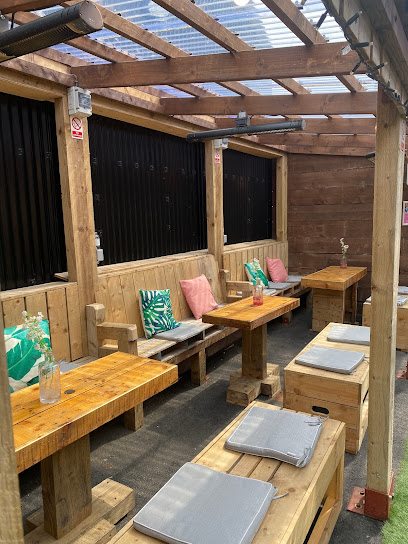
Oot The Back
49.3 km
Discover Kirkwall’s cozy outdoor garden bar with heated booths, local gins, and a relaxed atmosphere behind Orkney Distilling.
Nightclubs & after hour spots

Skinandi's Nightclub
8.7 km
Experience the vibrant nightlife at Skinandi's, the northernmost nightclub on Scotland’s mainland with two bars and two dance floors.
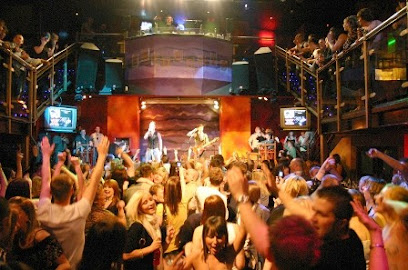
The Waterfront
23.6 km
Wick's vibrant nightlife heart with a lively dance floor, diverse music, and a welcoming atmosphere on the scenic Shore.
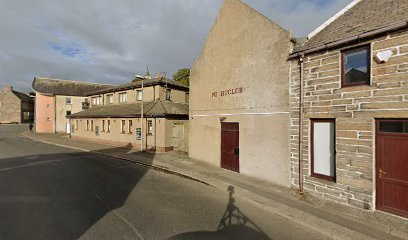
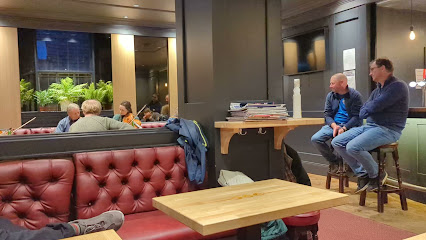
The Orkney Club
49.4 km
A welcoming social hub in Kirkwall offering lively evening entertainment and a friendly community atmosphere in the heart of Orkney.
For the vibe & atmosphere seeker
- Tranquil
- Scenic
- Unique
- Relaxing
For the design and aesthetic lover
- Rustic Designs
For the architecture buff
- Historic
- Sacred Sites
For the view chaser and sunset hunter
- Iconic Views
- Waterfront
For the social media creator & influencer
- Photo Spots
- Instagrammable
For the eco-conscious traveler
- Protected Area
- Low Impact
- Public-Transport Accessible
- Leave-No-Trace Critical
For the kind of experience you’re after
- Cultural Heritage
- Myth & Legends
- Nature Escape
- Day Trip
For how adventurous you want the journey to be
- Easy Access
Location Audience
- Family Friendly
- Senior Friendly
- Child Friendly
- Solo Friendly
- Couple Friendly


