Nine Wells, Cambridge Travel Guide
Compact chalk-spring woodland on Cambridge’s southern edge, source of the 17th-century Hobson’s Conduit.
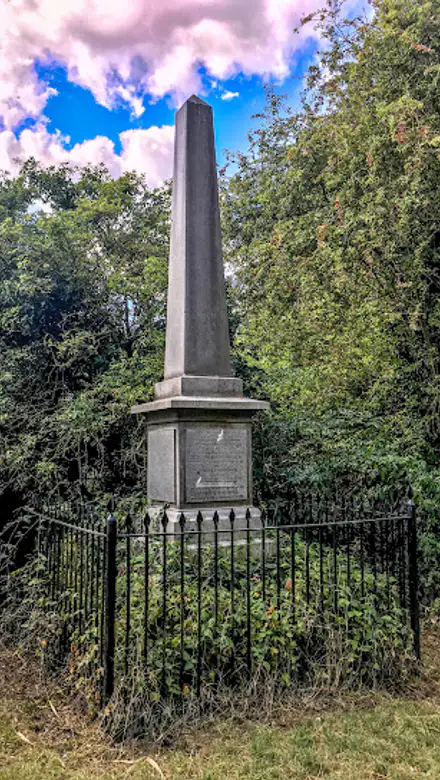
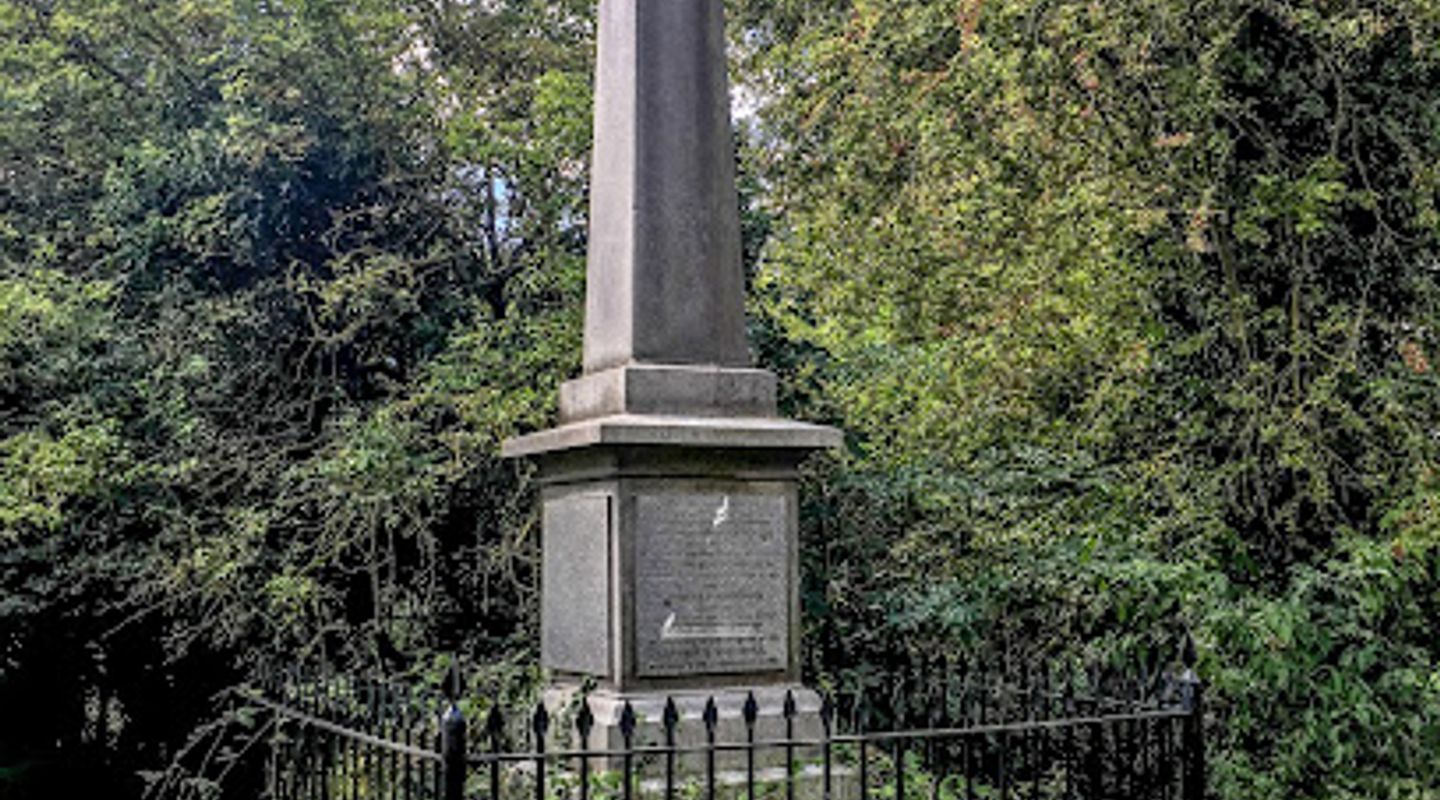
Nine Wells is a compact 1.2-hectare Local Nature Reserve on the southern edge of Cambridge. Chalk springs feed the historic Hobson’s Conduit, with short paths leading through woodland and grassland to the springheads and a Grade II listed obelisk. The site offers a quiet setting for short walks, wildlife observation and a direct link to Cambridge’s 17th-century water supply.
A brief summary to Nine Wells
- Cambridge, Great Shelford, GB
- Duration: 0.5 to 2 hours
- Free
-
 Outdoor
- Mobile reception: 3 out of 5

Know before you go
Hi, I'm Eve. Here are a few practical things to know before exploring Nine Wells.
- Allow 45 to 60 minutes to walk the short paths, view the springs and read the information boards.
- Wear sturdy footwear; paths can become muddy after rain.
- Combine the visit with a longer walk or cycle along the connecting paths toward Great Shelford.
Do you manage this location?
Take control to get all the benefits, like improved information, better appearance, and stronger visibility across AI-powered discovery. Learn more about listing your business on Evendo
Activate your presenceOther nearby places you may find interesting
The closest places of the same kind, if this one is not quite what you had in mind.



Explore Nine Wells on the Map
A handpicked selection of must-see spots near Nine Wells, mapped for you.
Getting There
-
Bus
Take frequent buses including Citi 7 or 13 to Addenbrooke’s Hospital, then follow signed foot and cycle paths for 10 to 15 minutes.
-
Train
Trains from Cambridge to Great Shelford station take 6 to 8 minutes; allow an additional 15 to 25 minutes to walk to the reserve.
-
Cycle
Use the genome campus and Addenbrooke’s cycle paths; the journey from central Cambridge takes 20 to 30 minutes.
For the on-the-go comforts that matter to you
-
 Information Boards
Discover more about Nine Wells
History and water supply
The springs at Nine Wells have supplied water since at least the Domesday period. In the early 17th century they were channelled into Hobson’s Conduit, constructed between 1610 and 1614, to deliver clean water to Cambridge and flush the King’s Ditch. The conduit remained the city’s principal supply for more than 250 years and still feeds the Botanic Garden lake. An 1861 obelisk commemorates the conduit’s benefactors, including Thomas Hobson. The site later formed part of a biological SSSI until 1976, when drought and abstraction caused the loss of rare glacial-relic invertebrates.Physical setting and features
The reserve occupies a small plot of woodland, scrub and grassland at the base of the Gog Magog Hills where the land drops from chalk slope to flatter fields. Four main springheads release water at a constant 10 °C, linked by channels that form Hobson’s Brook. Mature beech, ash, hawthorn, spindle and field maple stand beside areas of grassland. Seasonal flowers include violets, bluebells and cowslips. The enclosing hedgerow dates from the 1834 Great Shelford Inclosure. The reserve was designated a Local Nature Reserve in 2005 and a Local Geological Site in 2017.Visitor experience
Most visitors follow the short, self-guided paths to view the springheads, streams and monument, then watch birds, insects and plants. The compact layout allows a thorough circuit in under an hour, with the option to continue along connecting foot and cycle paths. The atmosphere is quiet and secluded, set between farmland and the expanding Biomedical Campus. Information boards provide context on the geology, hydrology and history. The site suits walkers, nature observers and those interested in Cambridge’s water heritage.Access and transport
There is no road access or on-site parking. The nearest practical approach is by bus to Addenbrooke’s Hospital, followed by a 10- to 15-minute signed walk along foot and cycle paths. Trains from Cambridge to Great Shelford station take six to eight minutes, after which the walk is 15 to 25 minutes. Cycling via the genome campus and Addenbrooke’s paths takes 20 to 30 minutes from the city centre. Taxi journeys from central Cambridge last 10 to 15 minutes. Paths are for pedestrians and cyclists only; some sections can be uneven.Facilities and practical notes
Facilities are limited to information boards and the listed monument. No restrooms, drinking water, food outlets or visitor centre are present. Visitors should be self-sufficient. Fires and barbecues are prohibited. The reserve remains open at all times with no seasonal closures, though wet weather makes paths muddy and reduces comfort. Nearest amenities lie at Addenbrooke’s Hospital or in Great Shelford village.Seasonality and wildlife
Spring brings migrating birds and early flowers; summer highlights nesting birds, dragonflies and butterflies. Autumn and winter visits are quieter, with shorter days and occasional sightings of redwings. The site is managed for habitat restoration, including channel clearance and glade creation, supporting species such as reed warblers, yellowhammers, kingfishers and bullhead fish.












Your all‑in‑one travel companion app
Explore expert travel guides, compare and book tours, experiences, hotels, and more—all from the palm of your hand. Download now for seamless trip planning wherever your wanderlust takes you.


Explore More of Cambridge
Looking beyond Nine Wells? Discover Cambridge for broader travel guides, local hot-spots, and regional highlights.
Explore Cambridge
Discover 40 acres of botanical wonders and heritage in the heart of Cambridge, home to 8,000+ plant species and inspiring gardens year-round.
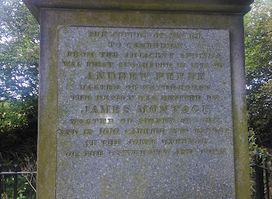
Discover Nine Wells, a historic chalk spring nature reserve near Cambridge, blending tranquil woodland, wildlife, and centuries-old water heritage.