

Animal Wall, Cardiff Travel Guide
Free Guide: Discover Cardiff’s whimsical Animal Wall, a Victorian masterpiece of 15 stone creatures blending art, history, and nature near Cardiff Castle.


A brief summary of Animal Wall
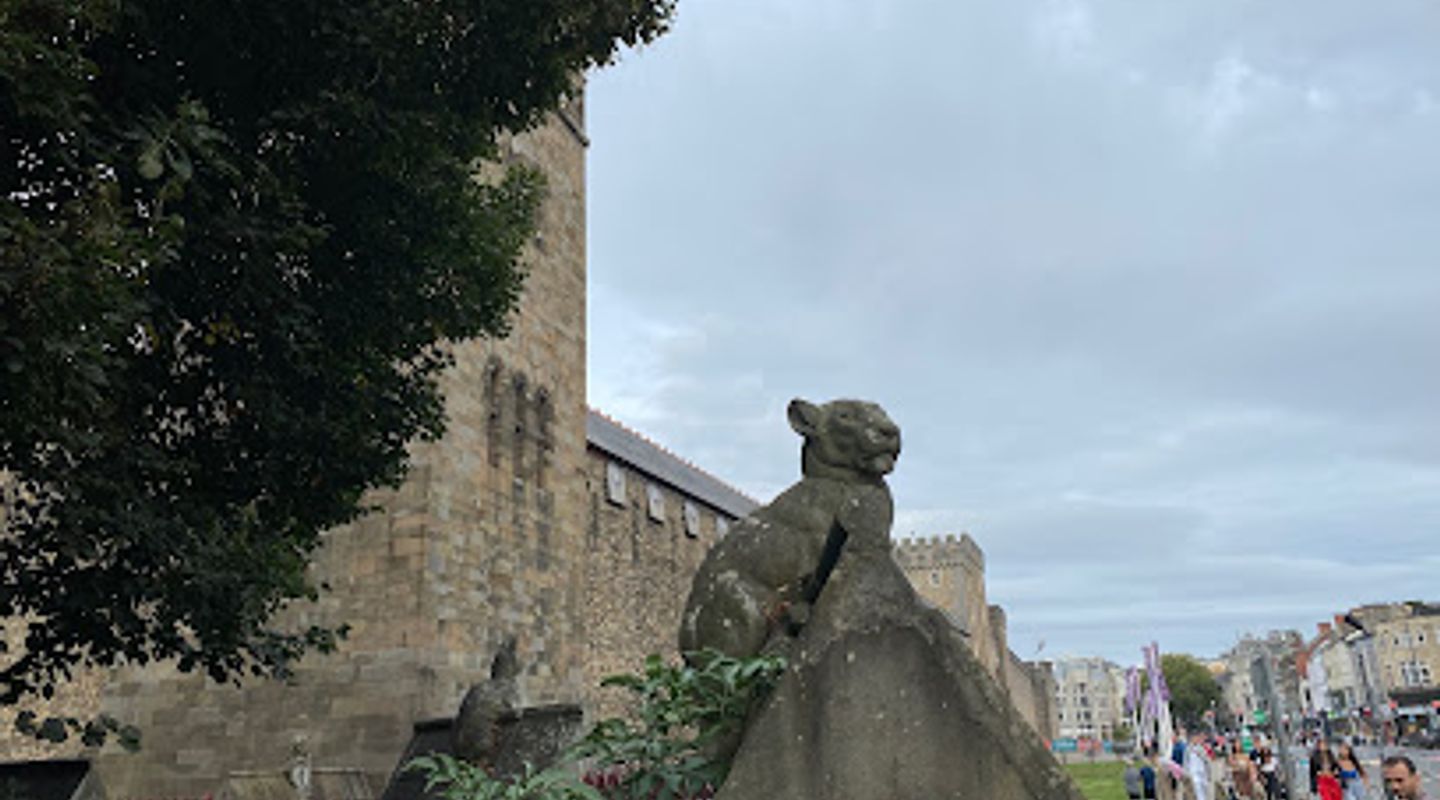
Discover Cardiff’s whimsical Animal Wall, a Victorian masterpiece of 15 stone creatures blending art, history, and nature near Cardiff Castle.
The Animal Wall is a Grade I listed sculptural wall in Cardiff, Wales, featuring 15 intricately carved stone animals. Originally designed by architect William Burges in 1866, the wall was built in the late 1880s and relocated in the 1920s to its current site near Bute Park. The original nine animals were carved by Thomas Nicholls, with six more added by Alexander Carrick after the move. This whimsical and historic landmark blends Victorian craftsmanship with natural symbolism, captivating visitors with its lifelike creatures and rich heritage.
On-site amenities
 Information boards
 Seating areas
 Trash bins
Opening hours
- Every dayOpen 24 hours
Opening hours as listed on the venue’s Google Business Profile. Hours can change for services and special events, so check with the venue before you go.
- Address
- 11 Castle St, Cardiff CF10 1BJ
- Website
Getting there
Bus
Train
Taxi
Walking
Discover more about Animal Wall
Origins of a Victorian Masterpiece
The Animal Wall was conceived in 1866 by the renowned architect William Burges, who was commissioned by the third Marquess of Bute to transform Cardiff Castle and its surroundings into a place of artistic grandeur. Burges envisioned a Pre-Raphaelite garden with decorative elements, including this unique wall featuring animal sculptures. Although Burges died in 1881, his assistant William Frame oversaw the wall’s completion in the late 1880s. The original nine animals were carved by Thomas Nicholls, Burges’s favored sculptor, and included lions, a lioness, a lynx, a bear, a sea lion, a wolf, two baboons, and a hyena. Each figure was originally painted and fitted with glass eyes to enhance their lifelike appearance.
Relocation and Expansion in the 20th Century
In the early 1920s, the wall was moved approximately 50 meters west from its original position outside the castle’s clock tower to accommodate road widening. This relocation placed the wall along the southern boundary of Bute Park, where it remains today. During this process, the wall was extended, and six additional animal sculptures were added by Scottish sculptor Alexander Carrick. These new figures—a pelican, an anteater, two raccoons, a leopard, a beaver, and a vulture—were carved in a style distinct from the originals, notably lacking the glass eyes but maintaining the whimsical spirit. The expanded wall now features a total of 15 animals, delighting visitors with its blend of Victorian artistry and natural themes.
Artistic and Cultural Significance
The Animal Wall is not only a charming public artwork but also a Grade I listed structure, reflecting its exceptional historic and architectural importance. It embodies the Victorian era’s fascination with nature and storytelling, with the animals often imagined to have playful personalities. In the 1930s, the wall inspired a popular cartoon strip in local newspapers, further embedding it in Cardiff’s cultural fabric. Despite proposals in the 1970s to demolish the wall for further road expansion, public opposition ensured its preservation. A major restoration in 2010, funded by the Heritage Lottery, carefully repaired and cleaned the sculptures, returning lost details such as the anteater’s nose and using traditional lime mortar to maintain authenticity.
Experiencing the Wall Today
Located along Castle Street at the edge of Bute Park, the Animal Wall is freely accessible and offers an engaging experience for visitors of all ages. The wall’s playful and expressive animals invite close observation and photography, making it a popular spot for selfies and artistic inspiration. Its proximity to Cardiff Castle and Bute Park enhances its appeal as part of a broader exploration of Cardiff’s rich history and green spaces. The wall’s craftsmanship, historical layers, and lively presence continue to captivate locals and tourists alike.
Architectural Details and Conservation
The wall is constructed of stone with detailed carvings that showcase the skill of Victorian sculptors. Thomas Nicholls’s original animals are distinguished by their expressive faces and glass eyes, while Carrick’s later additions carry a slightly different style but complement the ensemble. Conservation efforts have focused on preserving these details, including replacing damaged stonework and cleaning accumulated grime. The wall’s status as a protected historic monument ensures ongoing care and respect for its artistic legacy.
Symbolism and Legacy
The Animal Wall stands as a symbol of Cardiff’s Victorian heritage and the creative vision of William Burges. It reflects a time when architecture and art were intertwined with storytelling and nature appreciation. Today, it remains a beloved landmark that connects the city’s past to its present, inviting reflection on craftsmanship, history, and the whimsical charm of stone animals watching over the city.
Evendo Review Centre
 Google
Guest reviews
Best time to go
Quietest: Jan, Feb & Dec · before 6am or from 11pm
Busy times are Evendo estimates for a typical year, to help you plan. Actual crowds vary with events, school holidays and the weather.
Explore Animal Wall on the map
A handpicked selection of must-see spots near Animal Wall, mapped for you.
Get your free copy of our complete guide to Animal Wall, delivered straight to you.
Everything on this page, from opening hours and how to get there to Eve’s tips and the best time to go, in one PDF you can read offline, print or share.
Already have an account? Sign in
Your Animal Wall guide is ready.
We'll send it to · Not you? Sign out

Getting your guide ready…
We are putting together a fresh copy of the Animal Wall guide. This can take up to a minute.
This can take a few moments. If your browser asks, choose Allow so the download can start. You'll find the guide in your Downloads folder.
Nothing happened? Download it again
Sorry, the guide is taking longer than usual. Please try again in a minute, or get it by email instead.
Unlock the best of Animal Wall
Skip-the-line tickets, guided tours with entry, and walking tours of the area, booked in a few clicks.


Other nearby places you may find interesting
The closest places of the same kind, if this one is not quite what you had in mind.
-
-


Swipe for more places
More to explore near Animal Wall

 Best experiences near Animal Wall
 Best hotels near Animal Wall
 Best landmarks near Animal Wall
 Best attractions near Animal Wall
 Best shops near Animal Wall
 Best restaurants near Animal Wall
 Best bars near Animal Wall
Do you manage this location?
Take control to get all the benefits, like improved information, better appearance, and stronger visibility across AI-powered discovery.
Explore more

Explore more of Cathays
Experience the vibrant energy of Cathays in Cardiff, a lively neighbourhood filled with culture, history, and diverse culinary delights, ideal for every traveller.
Explore Cathays
Explore more of Cardiff
Discover Cardiff, the vibrant capital of Wales, where history, culture, and modernity merge to create unforgettable experiences for every traveler.
Explore Cardiff
