

Cathays (Cardiff) Travel Guide - Free
Explore Cathays in Cardiff with Evendo's free guide. Find the best shops, historic streets, restaurants, and gems on web or mobile.


Cathays, Cardiff blends student energy, leafy streets, Victorian architecture, global food, live theatre and easy access to Bute Park and the city centre.
Street Life and Setting
Cathays occupies the area immediately north of Cardiff city centre, where Victorian terraces, university buildings, busy bus corridors and leafy residential streets create one of the capital’s most recognisable inner-city neighbourhoods. Its character changes noticeably from street to street: the avenues around Cardiff University and Cathays railway station have a youthful, international atmosphere, while quieter terraces lead towards Cathays Cemetery and the open land around the River Taff. The area is closely associated with Cardiff’s student population, although long-established residents, families and local businesses are equally important to its everyday identity.Read more about Cathays
Architecture, Culture and Green Space
Food and Everyday Cardiff
Best attractions in Cathays
Cathays offers a mixture of cultural venues, historic landscapes and everyday streets rather than a single concentrated monument district. The Sherman Theatre is the neighbourhood’s principal performing-arts venue, presenting theatre and related cultural work in a university setting. Cardiff University’s buildings and landscaped grounds give the area an architectural interest, while nearby Cathays Park adds grand civic architecture just beyond the neighbourhood’s southern edge. Cathays Cemetery provides a peaceful route through nineteenth-century Cardiff, with historic chapels, memorials and mature trees spread across a sizeable site. To the west, Bute Park and the River Taff offer open space, riverside walking and a change of pace from the traffic and terraces. City Road is also an attraction in its own right for visitors interested in Cardiff’s multicultural food businesses, independent shops and ordinary urban street life.
-
Castle
Cardiff Castle
Discover Cardiff Castle, a historic fortress blending 2,000 years of Welsh history with Victorian grandeur in the heart of Cardiff city.
18 min walk · 1.4 km from neighbourhood centre
-
 National museum
National Museum Cardiff
Explore five centuries of art and Wales’s natural history in Cardiff’s grand National Museum with free admission and engaging exhibits.
12 min walk · 1.0 km from neighbourhood centre
-
City park
Roath Park
A vibrant 1.8-mile urban park in Cardiff featuring boating, tropical gardens, playgrounds, and diverse recreational spaces for all ages.
15 min walk · 1.2 km from neighbourhood centre
-
City park
Gorsedd Gardens
A peaceful city park in Cardiff’s Civic Centre, famed for exotic blooms, historic stone circle, and tranquil urban charm.
13 min walk · 1.1 km from neighbourhood centre


Best landmarks in Cathays
Cathays Cemetery is the neighbourhood’s most distinctive historic landmark, its chapels, memorials, boundary walls and mature avenues preserving a substantial nineteenth-century burial landscape. The district also contains and borders important university architecture associated with Cardiff University, whose origins date to 1883 and whose buildings help explain Cathays’ long-standing educational identity. The Sherman Theatre is a significant contemporary cultural landmark, occupying a prominent place in Cardiff’s performing-arts life. Immediately south, the grand civic buildings and formal planning of Cathays Park form an important architectural backdrop, although Cathays Park is generally treated as a neighbouring area rather than simply another name for Cathays. North Road and the terraces branching from it are less monumental but equally revealing landmarks of Cardiff’s late Victorian and early twentieth-century suburban growth.
-
Historical landmark
Animal Wall
Discover Cardiff’s whimsical Animal Wall, a Victorian masterpiece of 15 stone creatures blending art, history, and nature near Cardiff Castle.
5 min drive · 1.6 km from neighbourhood centre
-
Memorial
Wales National War Memorial
A solemn Gothic Revival monument in Cardiff honoring Welsh soldiers who sacrificed their lives in both World Wars.
12 min walk · 1.0 km from neighbourhood centre
-
Memorial
South African War Memorial
A poignant bronze and stone tribute in Cardiff honoring Welsh soldiers who served in the Second Boer War, embodying peace, war, and grief.
14 min walk · 1.1 km from neighbourhood centre


Explore Cathays on the map
A handpicked selection of must-see spots in Cathays, mapped for you.
Best hotels in Cathays
Best restaurants in Cathays
Cathays has one of Cardiff’s most varied casual dining scenes, shaped by its student population, university community and long-established local businesses. City Road is the main food corridor, with restaurants and takeaways representing a broad range of cuisines, alongside cafés, bakeries and shops selling ingredients from different parts of the world. The surrounding streets offer practical, informal eating rather than a concentrated fine-dining quarter, and menus can change as independent businesses open and close. Near the university, visitors will find coffee, quick meals and social spaces suited to a busy daytime rhythm, while City Road becomes particularly useful for affordable evening choices. The area’s food culture reflects Cardiff’s international character without being reducible to one specific tradition, and exploring on foot is the best way to understand the contrast between neighbourhood staples and newer casual dining businesses.
-
Brazilian
Viva Brazil Cardiff
Experience authentic Brazilian rodizio and vibrant flavors in the heart of Cardiff’s city centre, perfect for groups and special occasions.
6 min drive · 2.0 km from neighbourhood centre
-
British
Cosy Club
Eclectic British dining and stylish glamour in the heart of Cardiff’s St David’s Dewi Sant shopping centre.
5 min drive · 1.7 km from neighbourhood centre
-
Syrian
Shaam nights restaurant
Experience authentic Syrian and Middle Eastern cuisine in a beautifully decorated, family-friendly setting on Cardiff’s vibrant City Road.
10 min walk · 0.8 km from neighbourhood centre
-
Restaurant
The Botanist Cardiff
A vibrant botanical bar and restaurant in Cardiff city centre, blending lush greenery, creative cocktails, and live music for unforgettable social experiences.
5 min drive · 1.6 km from neighbourhood centre


Best bars in Cathays
Cathays’ evening life is closely linked to Cardiff University and the large number of students living in and around the neighbourhood. Pubs, casual bars and late-night food businesses are concentrated along major roads and around the university side of the district, creating a sociable atmosphere without turning every residential street into a nightlife zone. The Sherman Theatre provides a more cultural form of evening entertainment, with performances and events that broaden the area’s after-dark identity beyond drinking venues. Some nightlife associated with Cathays lies close to the city centre or in adjoining areas, so the boundaries can feel fluid after dark. Visitors should expect a youthful, informal scene rather than a dedicated club district, and should remember that many surrounding terraces remain home to residents throughout the night.
-
Pub
Pen & Wig
Traditional Cardiff pub haven: award-winning pies, real ales, and a heated beer garden moments from Queen Street's energy.
12 min walk · 0.9 km from neighbourhood centre
-
Pub
The Woodville
Cathays' go-to pub for burgers, brews, sports screens, and unbeatable student specials in a lively, welcoming spot.
7 min walk · 0.6 km from neighbourhood centre
-
Pub
Crwys Hotel
Cathays' cozy corner for pub grub, pints, sports screens, sunny garden escapes, and quiz nights in Cardiff's student heartland.
2 min walk · 0.2 km from neighbourhood centre
-
Pub
Gassy's
Cathays' buzzing sports pub with vegan feasts, bottomless brunches, pool tables, and balcony vibes—perfect for students and sports fans seeking affordable fun.
8 min walk · 0.6 km from neighbourhood centre


Best nightclubs in Cathays
Cathays’ evening life is closely linked to Cardiff University and the large number of students living in and around the neighbourhood. Pubs, casual bars and late-night food businesses are concentrated along major roads and around the university side of the district, creating a sociable atmosphere without turning every residential street into a nightlife zone. The Sherman Theatre provides a more cultural form of evening entertainment, with performances and events that broaden the area’s after-dark identity beyond drinking venues. Some nightlife associated with Cathays lies close to the city centre or in adjoining areas, so the boundaries can feel fluid after dark. Visitors should expect a youthful, informal scene rather than a dedicated club district, and should remember that many surrounding terraces remain home to residents throughout the night.
-
Nightclub
The Live Lounge Cardiff
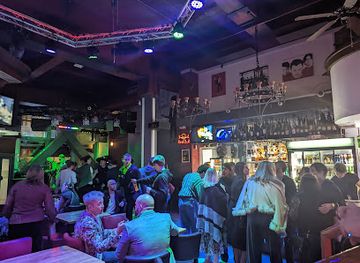
Cardiff's ultimate live music hub: daytime bands, nighttime DJs, cheap drinks, and hearty eats until 4am daily—vibes for every hour.
17 min walk · 1.4 km from neighbourhood centre
-
Live music bar
Fuel Rock Club
Cardiff's unyielding rock fortress on Womanby Street: live metal mayhem, cheap drinks, and a beer garden for the faithful.
5 min drive · 1.6 km from neighbourhood centre
-
Nightclub
Retro
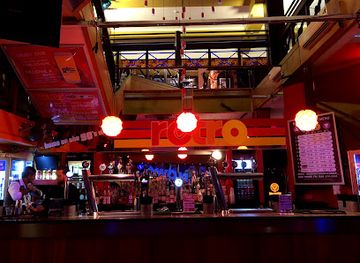
Dance to 80s & 90s anthems across three floors of nostalgic chaos at Cardiff's ultimate retro party den—karaoke, cocktails, and crowd-pleasing vibes await.
6 min drive · 1.9 km from neighbourhood centre
-
Nightclub
Popworld - Cardiff
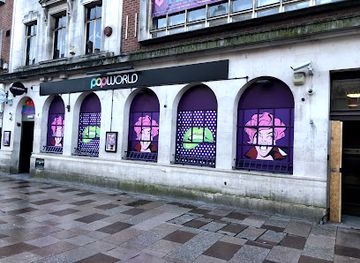
A neon-soaked, pop-music nightclub on St Mary Street — loud, playful and designed for groups who want to sing, dance and stay out late.
5 min drive · 1.8 km from neighbourhood centre

Best shops in Cathays
Shopping in Cathays is practical, independent and strongly influenced by its diverse local population. City Road is the principal retail and food-shopping spine, lined with convenience stores, specialist grocers, cafés, takeaways and small businesses serving university residents as well as longer-established households. The streets around Cathays Terrace and North Road provide further everyday services, including shops for essentials rather than a conventional visitor-focused retail experience. The neighbourhood is not known for a single craft market or luxury shopping avenue, but its appeal lies in the variety of products and languages encountered within a short walk. Visitors interested in Cardiff’s broader retail offer can continue south into the city centre, while those seeking a more local experience should browse City Road and notice how independent businesses occupy converted ground-floor spaces in the Victorian terraces.
-
Gift shop
Historical Wales
Discover Celtic charms and UK souvenirs in a Victorian arcade gem opposite Cardiff Castle—perfect for authentic Welsh keepsakes.
5 min drive · 1.5 km from neighbourhood centre
-
Gift shop
Cardiff Creative Shop
Discover handmade Welsh wonders from 45+ local artisans in Cardiff's iconic Queens Arcade—a treasure trove of authentic crafts and creative gifts.
18 min walk · 1.4 km from neighbourhood centre
-
Vintage Clothing Shop
Penny Lane Vintage
Unearth Britain's retro gems in Cardiff's cozy arcade boutique, from 1940s frocks to antique furnishings hand-picked for nostalgic allure.
9 min walk · 0.7 km from neighbourhood centre
-
Charity shop
Ethical Boutique Charity Shop
Vintage vibes meet ethical impact: shop sustainably, swap smartly, and support global good at Cardiff's coolest charity boutique.
17 min walk · 1.3 km from neighbourhood centre


Cathays essentials
Getting There
Getting Around
Safety
Emergency Situations
Do's and Don'ts
Local Tips

From Eve
Local phrases worth knowing
You don't need to get them perfect. A few words go a long way, and locals appreciate the effort.
Basics
| English | Local | Say it |
|---|---|---|
| Hello | Alright | [al-rite] |
| Goodbye | Cheers | [cheers] |
| Yes | Aye | [ai] |
| No | Nah | [na] |
| Please/You're welcome | Ta | [ta] |
| Thank you | Cheers | [cheers] |
| Excuse me/Sorry | Sorry | [sor-ee] |
| How are you? | Alright? | [al-rite] |
| Fine. And you? | Not bad. You? | [not bad. you?] |
| Do you speak English? | Can you speak English? | [can you speak ing-glish] |
| I don't understand | I don't get it | [i don't get it] |
Eating & Drinking
| English | Local | Say it |
|---|---|---|
| I'd like to see the menu, please | Can I have a look at the menu, please | [can i hav a luk at the menu, please] |
| I don't eat meat | I don't eat meat | [i don't eat meat] |
| Cheers! | Cheers! | [cheers] |
| I would like to pay, please | Can I pay, please | [can i pay, please] |
Emergencies
| English | Local | Say it |
|---|---|---|
| Help! | Help! | [help] |
| Go away! | Clear off! | [clear off] |
| Call the Police! | Ring the Old Bill! | [ring the old bill] |
| Call a doctor! | Get a quack! | [get a quack] |
| I'm lost | I'm lost | [i'm lost] |
| I'm ill | I'm poorly | [i'm poorly] |
Shopping
| English | Local | Say it |
|---|---|---|
| I'd like to buy... | I wanna buy... | [i wanna buy] |
| I'm just looking | Just browsing | [just browsing] |
| How much is it? | How much does it cost? | [how much dus it cost] |
| That's too expensive | That's a bit dear | [that's a bit dear] |
| Can you lower the price? | Can you do it cheaper? | [can you do it cheaper] |
Time & Numbers
| English | Local | Say it |
|---|---|---|
| What time is it? | What's the time? | [what's the time] |
| It's one o'clock | It's one o'clock | [it's one o'clock] |
| Half past (10) | Half ten | [half ten] |
| Morning | Morning | [morning] |
| Afternoon | Afternoon | [afternoon] |
| Evening | Evening | [evening] |
| Yesterday | Yesterday | [yesterday] |
| Today | Today | [today] |
| Tomorrow | Tomorrow | [tomorrow] |
| 1 | One | [one] |
| 2 | Two | [two] |
| 3 | Three | [three] |
| 4 | Four | [four] |
| 5 | Five | [five] |
| 6 | Six | [six] |
| 7 | Seven | [seven] |
| 8 | Eight | [eight] |
| 9 | Nine | [nine] |
| 10 | Ten | [ten] |
Transport & Directions
| English | Local | Say it |
|---|---|---|
| Where's a/the...? | Where's the...? | [where's the] |
| What's the address? | What's the address? | [what's the address] |
| Can you show me (on the map)? | Can you show me (on the map)? | [can you show me (on the map)] |
| When's the next (bus)? | When's the next (bus)? | [when's the next (bus)] |
| A ticket (to ....) | A ticket (to ....) | [a ticket (to)] |
History of Cathays
From Estate Land to Suburb
Cathays developed from land north of Cardiff that was historically associated with the Cathays estate. The area remained comparatively open while Cardiff expanded rapidly during the nineteenth century, driven by coal exports, industry and population growth. Suburban streets gradually spread north from the older town, replacing fields with terraces, villas and institutional buildings. The name Cathays is much older than the modern neighbourhood, although its precise early linguistic history is less certain than the broader pattern of estate and suburban development that shaped the district.
Cathays Cemetery Opens
Cathays Cemetery opened in 1859 as Cardiff’s population and burial needs grew during the industrial expansion of the town. Its chapels, memorials, avenues and mature planting created a substantial civic landscape north of the built-up centre. The cemetery records the social breadth of Cardiff’s development, from industrial and commercial families to ordinary workers and migrants who helped form the expanding city. It remains one of Cathays’ most tangible links with the nineteenth century and an important open space within the modern neighbourhood.
The Rise of Cathays Park
The development of Cathays Park at the end of the nineteenth century transformed the area immediately south of Cathays into Cardiff’s civic and educational quarter. Land associated with the Marquess of Bute was developed after the Cathays Park scheme, with grand public buildings, formal avenues and institutions appearing around what became the city’s Civic Centre. Although Cathays and Cathays Park are commonly distinguished as separate areas, their proximity shaped the neighbourhood’s architectural character and connected its terraces with Cardiff’s museums, university buildings and government institutions.
University and Inner-City Change
Cardiff University, founded in 1883 as the University College of South Wales and Monmouthshire, became a defining presence in the wider Cathays and Cathays Park area. University expansion, improved public transport and the growth of Cardiff’s service economy brought successive waves of students and young professionals into the surrounding terraces. In the late twentieth and early twenty-first centuries, shared housing, purpose-built student accommodation, international food businesses and changing property pressures altered parts of Cathays while leaving its Victorian street plan and long-established cemetery largely intact.
Cathays in Photos
Browse through our photo collection highlighting the charm and character of the destination.
Neighbourhoods near Cathays
The closest neighbourhoods to Cathays, if you have time for more than one stop.
-

-

-


Swipe for more neighbourhoods
Explore more

Explore more of Cardiff
Cardiff combines a medieval castle, waterfront culture, grand civic architecture and Welsh traditions with lively museums, markets and green spaces to explore.
Explore Cardiff