

Aneurin Bevan Statue by Robert Thomas
A bronze tribute to the architect of the NHS, captured in passionate oratory on Cardiff's Queen Street.
This striking bronze statue on Queen Street commemorates Aneurin 'Nye' Bevan, the visionary founder of the National Health Service. Created by renowned Welsh sculptor Robert Thomas and unveiled in 1987, the figure is captured mid-oration with his right arm extended—a powerful representation of the passionate orator who transformed British healthcare. Located in the heart of Cardiff's shopping district, the statue stands as a tribute to Bevan's legacy of social justice and his unwavering commitment to free medical care for all.
A brief summary to Aneurin Bevan Statue by Robert Thomas (1987)
- Cardiff, Cardiff, GB
- Duration: 0.25 to 1 hours
- Free
-
 Outdoor
- Mobile reception: 5 out of 5
Local tips
- Visit early morning or late afternoon for the best natural lighting and fewer crowds, ideal for photography and quiet reflection.
- Read the inscription on the pedestal carefully to understand Bevan's dates and his role as founder of the NHS.
- Explore the nearby Robert Thomas sculptures on Queen Street—Mother and Son, The Family, and The Miner—to appreciate the sculptor's full vision.
- Combine your visit with a walk through nearby Bute Park or a visit to St David's Hall, which houses a bust of Princess Diana also sculpted by Robert Thomas.
- Learn more about Bevan's life by visiting the Houses of Parliament, where another bust of him by Thomas is displayed.

For the on-the-go comforts that matter to you
- Seating Areas
- Information Boards
- Nearby Food Options
- Nearby Restrooms
Getting There
-
Bus from Cardiff Central Station
From Cardiff Central Station, proceed to the adjacent bus station. Take bus number 24 or 25 heading towards Cardiff Bay. Alight at the City Hall stop. From there, walk down King Edward VII Avenue towards Bute Park; the statue is located on Queen Street before the park entrance. Journey time approximately 10–15 minutes depending on traffic and walking pace.
-
Walking from Cardiff Central Station
Exit Cardiff Central Station and head north towards the city centre. Follow signs for Queen Street, which is the main shopping thoroughfare. The statue is positioned at the west end of Queen Street opposite Cardiff Castle. The walk takes approximately 10–12 minutes on level, well-maintained pavements with clear signage throughout.
-
Walking from Bute Park
If approaching from Bute Park, exit the park and cross King Edward VII Avenue. The statue is immediately visible on Queen Street at the park's boundary. Walking time from the park's main entrance is approximately 5–7 minutes.
-
Taxi or ride-share from Cardiff Central Station
Taxis and ride-share services are available outside Cardiff Central Station. Journey to Queen Street, Cardiff CF10 2BU takes approximately 5–8 minutes depending on traffic. Estimated fare range £6–12 GBP. The location is easily accessible by vehicle, though parking on Queen Street itself is limited; nearby car parks include the Queen Street Car Park and Castle Arcade Car Park within 2–3 minutes' walk.
Aneurin Bevan Statue by Robert Thomas (1987) location weather suitability
-
 Any Weather
Discover more about Aneurin Bevan Statue by Robert Thomas (1987)
A Monument to Healthcare's Champion
The Aneurin Bevan Statue stands at the west end of Queen Street, one of Cardiff's most prominent public spaces. Unveiled in 1987, this bronze sculpture commemorates one of Wales' most influential political figures and the architect of the modern welfare state. The statue captures Bevan in a moment of passionate oratory, his right arm extended as if emphasising a crucial point to his audience. This dynamic pose reflects the character of the man himself—a formidable speaker whose words shaped the course of British social policy.The Visionary Behind the NHS
Aneurin Bevan was born in Tredegar in 1897, the son of a coal miner. He left school at age thirteen and followed his father into the mines, but his hunger for knowledge led him to educate himself at Tredegar Workmen's Hall. A scholarship to London's Central Labour College in 1919 opened new horizons. Elected as Labour MP for Ebbw Vale in 1929, Bevan rose to prominence as a powerful voice for working people and social reform. Following Labour's victory in the 1945 general election, he was appointed Minister of Health and embarked on his most transformative work: replacing Britain's fragmented private healthcare system with the National Health Service, launched in July 1948. This achievement, realised despite fierce opposition from the medical establishment, remains his enduring legacy. Bevan's conviction that healthcare should be free and available to all citizens regardless of their means became the founding principle of the NHS.Robert Thomas: The Sculptor's Vision
The statue was created by Robert Thomas, one of Wales' most celebrated twentieth-century sculptors. Born in Cwmparc in the Rhondda Valley in 1926, Thomas studied at Cardiff School of Art and the Royal College of Art in London, becoming the first sculpture student to make that transition. His work is distinguished by its humanistic approach and emotional depth, capturing not merely the physical likeness of his subjects but their spiritual essence. Thomas served as a 'Bevin Boy' during the Second World War, working in the coal mines, which gave him an intimate understanding of the communities and struggles that shaped figures like Bevan. His sculptures across Wales and beyond are celebrated for conveying human warmth and dignity in contrast to the formal Victorian monuments that dominated public spaces. The Bevan statue exemplifies his mature style—heroic yet accessible, classical in form yet deeply humanistic in spirit.A Landmark in Cardiff's Cultural Landscape
Located in the heart of Cardiff's shopping district on Queen Street, the statue forms part of a remarkable collection of Robert Thomas sculptures in the city centre. Four of his major works occupy this prestigious location: the Nye Bevan statue, Mother and Son, The Family, and The Miner. These sculptures were commissioned by Cardiff Council as part of celebrations marking the city's centenary and its role as capital of Wales. The Bevan statue's prominent placement opposite Cardiff Castle underscores its significance as a symbol of Welsh identity and values. The inscription on the pedestal reads: 'Aneurin Bevan 1897–1960 Founder of the National Health Service,' a simple statement of profound historical importance.Legacy and Reflection
Bevan's influence extended beyond healthcare. He championed improved standards for post-war council housing and was deeply committed to social justice. In 1951, he resigned from the cabinet in protest at plans to introduce charges in the NHS, demonstrating the uncompromising principle that defined his career. He became Labour's deputy leader in 1959 but died of cancer in 1960 at the age of sixty-three. His funeral service was held at Westminster Abbey, and four large memorial stones were later erected near Tredegar on a hillside where he once delivered speeches. The statue in Cardiff stands as a permanent reminder of his vision and the transformative power of political conviction dedicated to the common good.Iconic landmarks you can’t miss

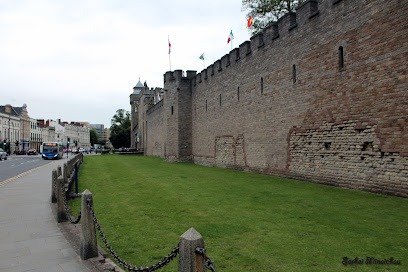
Cardiff Town Wall
0.1 km
Step back into medieval Cardiff with the ancient Town Wall, a striking relic offering history, architecture, and panoramic city views.
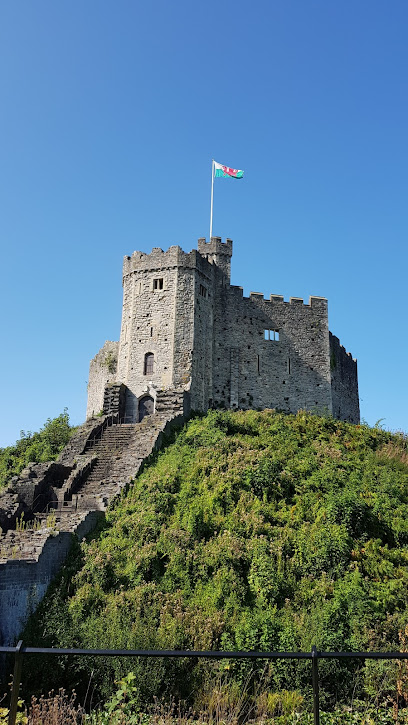
Historical Wales
0.1 km
Explore Historical Wales, a charming gift shop in Cardiff, offering unique souvenirs that embody the rich culture and heritage of Wales.
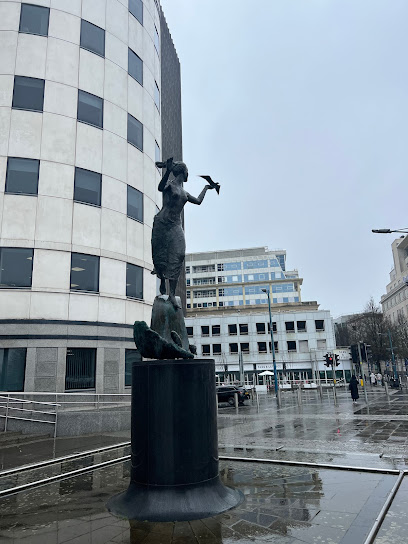
Nereid Statue
0.2 km
A bronze sea nymph offering mythological protection to Cardiff's maritime legacy
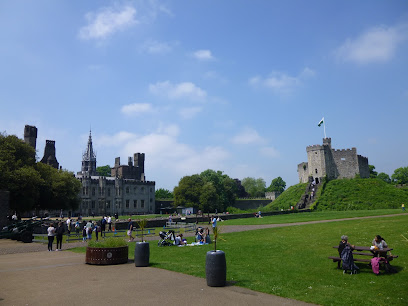
Fogo's Free Tours
0.3 km
Explore the vibrant history and culture of Cardiff with Fogo's Free Tours – an engaging experience for every traveler.
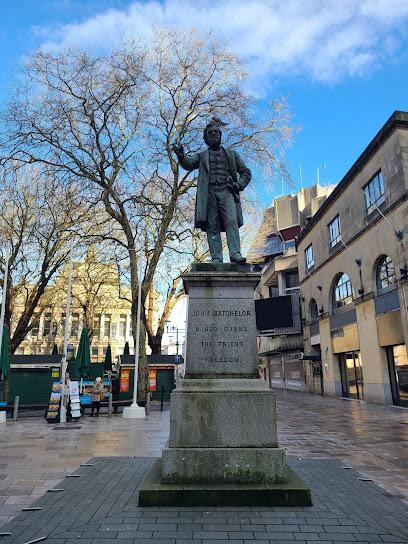
John Batchelor Statue
0.3 km
A Victorian radical immortalised in bronze, standing where Cardiff’s political battles once raged.
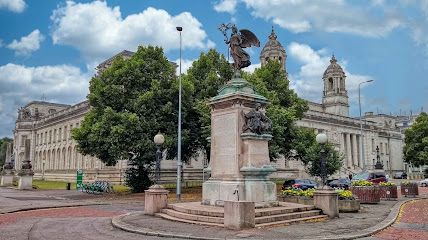
South African War Memorial
0.3 km
A poignant bronze and stone tribute in Cardiff honoring Welsh soldiers who served in the Second Boer War, embodying peace, war, and grief.
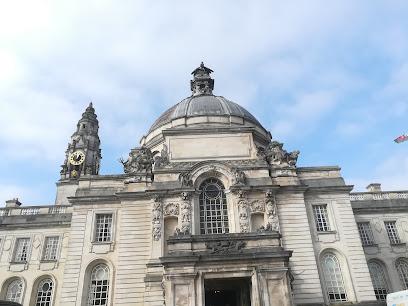
City Hall
0.4 km
Majestic Edwardian Baroque landmark and civic heart of Cardiff, crowned by a striking clock tower with a Welsh dragon.
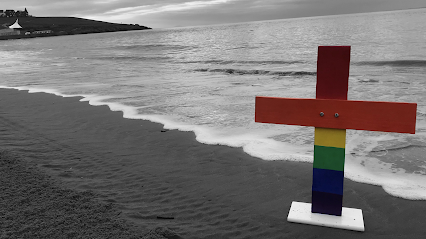
The Gathering - Cardiff
0.5 km
Victorian Neogothic landmark and active faith community in the heart of Cardiff
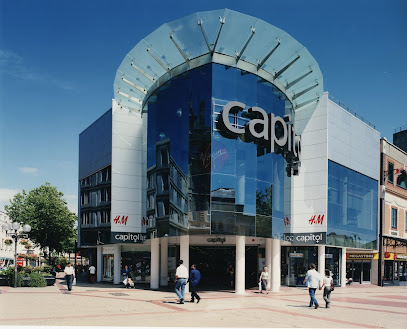
Capitol Cardiff
0.5 km
Discover the heart of Cardiff at Capitol Cardiff, a shopping center offering diverse retail options, dining experiences, and a taste of local culture.
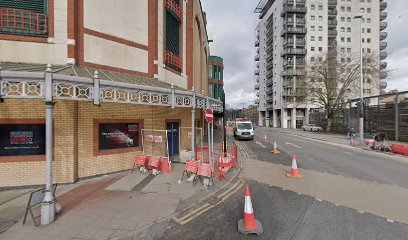
Mountain of Fire & Miracles Ministries Cardiff.
0.5 km
A dynamic Christian church in the Capitol Shopping Centre, offering daily worship, prayer, and community in the heart of Cardiff.
Alexandra Gardens
0.6 km
Discover the beauty and history of Alexandra Gardens in Cardiff, a peaceful retreat filled with stunning landscapes and rich cultural significance.
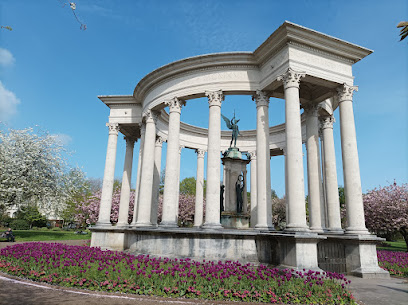
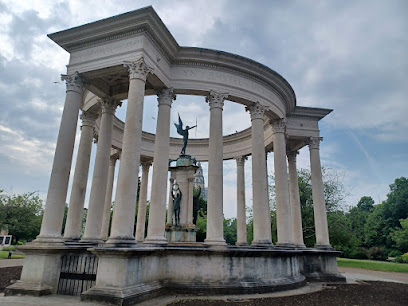
Wales National War Memorial
0.6 km
A solemn Gothic Revival monument in Cardiff honoring Welsh soldiers who sacrificed their lives in both World Wars.
Cardiff International Film Festival
0.6 km
Discover the Cardiff International Film Festival, where cinema comes alive through captivating screenings and inspiring workshops in the heart of Wales.
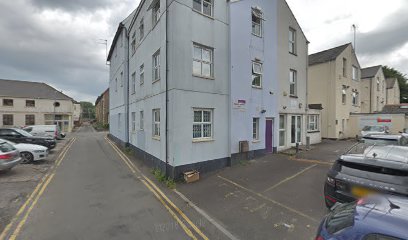
Parc Mackenzie
0.6 km
Discover the tranquil beauty of Parc Mackenzie, a lush park in Cardiff perfect for relaxation, strolls, and enjoying nature's charm.
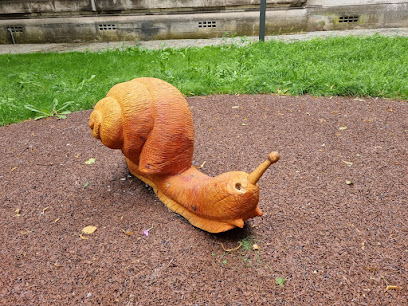
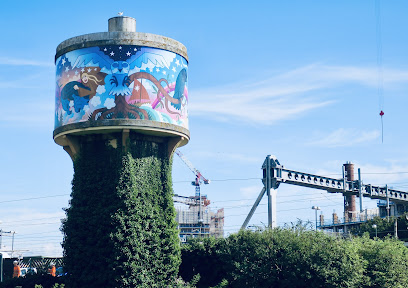
Cardiff Central Train Station Water Tower
0.7 km
A historic Grade II listed water tower overlooking Cardiff Central Station and the River Taff, symbolizing the city’s rich railway heritage.
Unmissable attractions to see

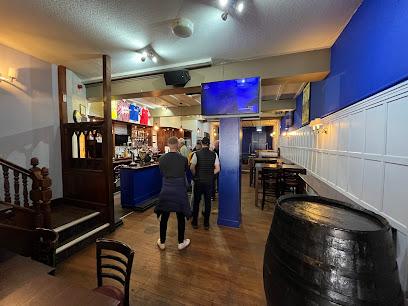
Rummer Tavern
0.0 km
Experience the vibrant atmosphere and rich local culture at Rummer Tavern, a must-visit pub in the heart of Cardiff.
High Street Arcade
0.1 km
A beautifully preserved Victorian shopping arcade in Cardiff’s Castle Quarter, filled with independent boutiques, vintage shops, cafés, and historic charm.
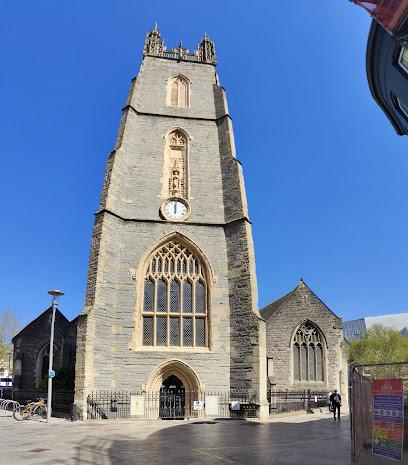
St John The Baptist City Parish Church
0.1 km
Cardiff’s oldest medieval church, blending historic grandeur with vibrant community spirit in the city centre.
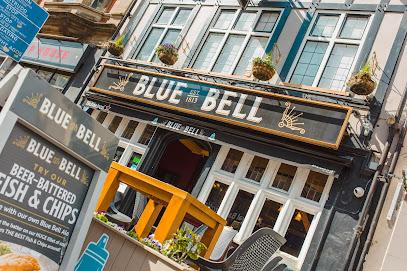
Blue Bell
0.1 km
Discover the charm of The Blue Bell, Cardiff's premier pub for traditional food, local ales, and a warm atmosphere in the heart of the city.
Firing Line Cardiff Castle Museum of the Welsh Soldier
0.2 km
Discover the rich military heritage of Wales beneath Cardiff Castle in this immersive museum dedicated to the Welsh soldier.
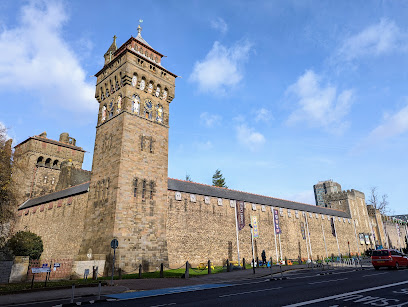
Cardiff Castle, Cardiff Castle
0.2 km
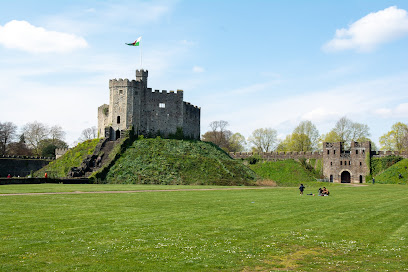
Discover Cardiff Castle, a majestic blend of Roman roots, Norman strength, and Victorian splendor in the heart of Wales’ vibrant capital.
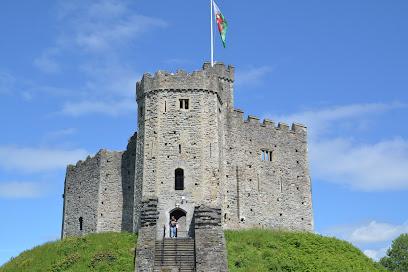
The Cardiff Market
0.2 km
Discover Cardiff Market’s vibrant Victorian charm, where fresh local produce and unique stalls create a lively city-centre shopping experience.
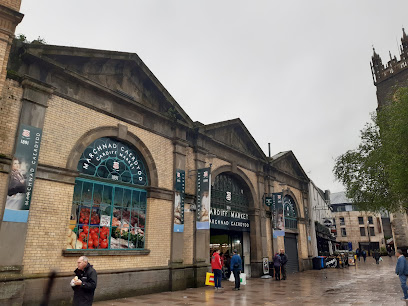
Cardiff Market
0.2 km
A bustling Victorian indoor market in Cardiff city centre, alive with fresh produce, street food, vintage finds and local character under a grand glass roof.
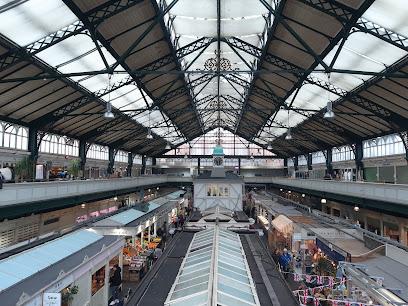
Museum of Cardiff
0.2 km
Explore Welsh art, natural history, and archaeology in Cardiff’s grand historic museum with free admission and rich cultural treasures.
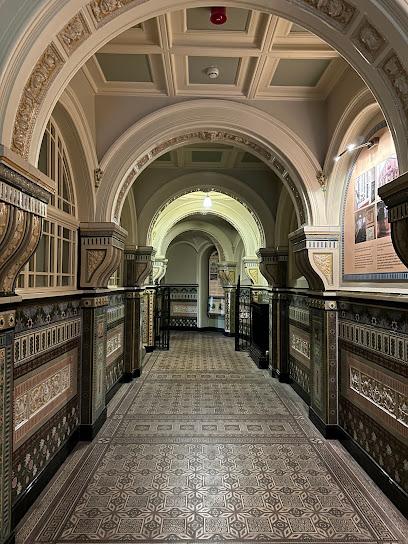
Castle Quarter Arcades
0.2 km
Explore Cardiff’s historic Castle Quarter Arcades—Victorian charm, independent shops, and vibrant dining in the city’s heart.
Cardiff Castle
0.2 km
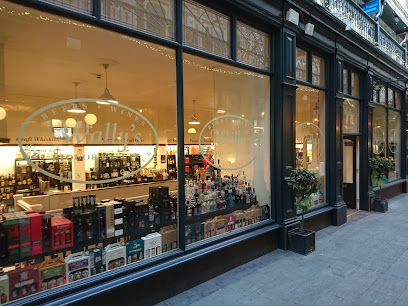
Discover nearly 2,000 years of history and stunning architecture at Cardiff Castle, the heart of Wales’ vibrant capital city.

8 St Mary St
0.2 km
Historic Victorian commercial site in Cardiff’s Castle Quarter, blending rich heritage with vibrant city life.
St David's Hall
0.2 km
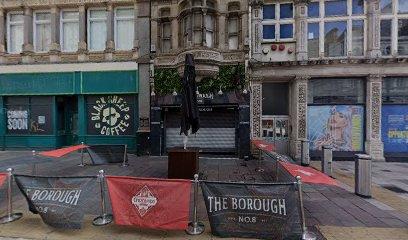
Experience world-class acoustics and bold brutalist design at Cardiff’s iconic St David’s Hall, a vibrant cultural landmark in the city centre.
Queen St
0.3 km
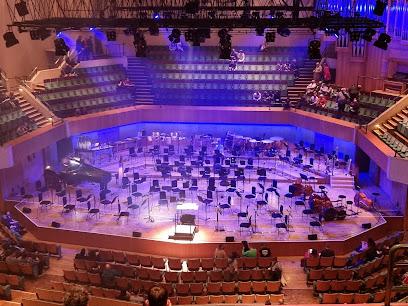
Cardiff’s bustling Queen Street blends historic arcades with modern shopping and vibrant cafés in a lively pedestrian-friendly city centre hub.
Cardiff Castle Museum
0.3 km
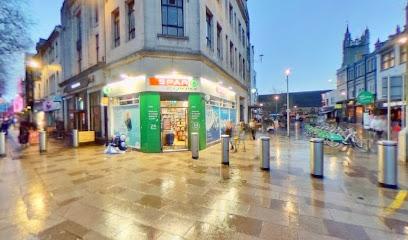
Wales' capital castle where 2,000 years of Roman, Norman, and Victorian history converge in the heart of Cardiff.
Essential places to dine

The Botanist Cardiff
0.1 km
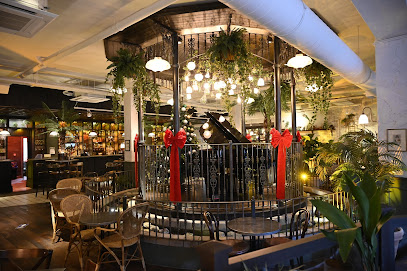
A vibrant gastropub in Cardiff city centre where botanical décor, creative cocktails, and live music bloom together.
Pasture Restaurant Cardiff
0.1 km
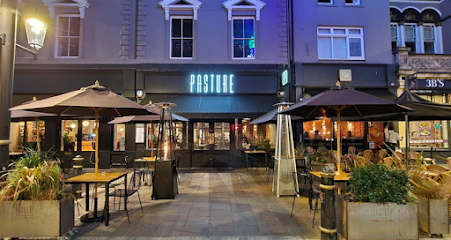
Savor expertly crafted steaks and vibrant atmosphere at Pasture, Cardiff’s celebrated destination for premium meat dining.
The Welsh House Cardiff
0.1 km
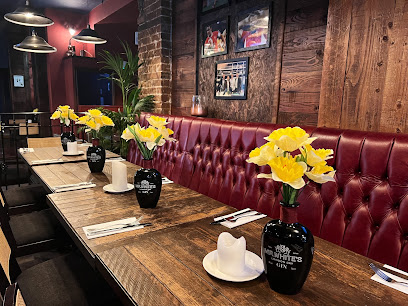
Experience authentic Welsh flavors and warm hospitality in the heart of Cardiff’s vibrant city centre.
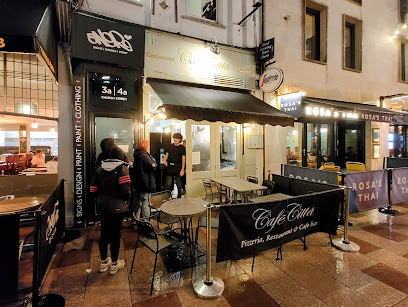
Cafe Citta
0.1 km
Cozy Italian eatery in Cardiff city center serving authentic wood-fired pizzas and pasta in an intimate, stylish setting.
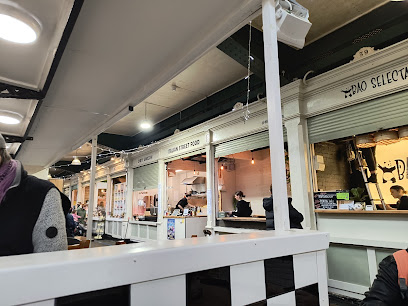
Dirty gnocchi (Cardiff Market)
0.1 km
Savor authentic Italian gnocchi and pasta delights in the vibrant heart of Cardiff Market, where tradition meets street food charm.
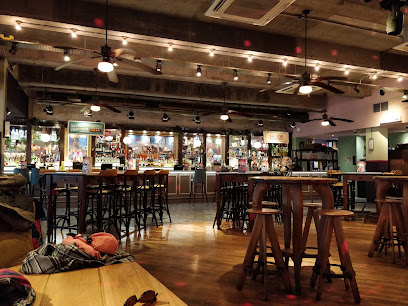
Revolución de Cuba Cardiff
0.1 km
Experience authentic Cuban cuisine and vibrant culture at Revolución de Cuba Cardiff - your gateway to Havana's flavors in the heart of Wales.
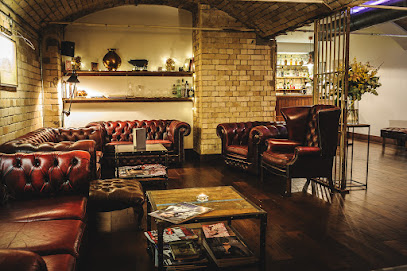
The Potted Pig
0.2 km
A stylish underground eatery in Cardiff serving seasonal Welsh-inspired modern British cuisine in a unique former bank vault setting.
Maison de Bœuf
0.2 km
An intimate French steakhouse in Cardiff’s Castle Arcade, blending Parisian charm with live jazz and signature cuisine.
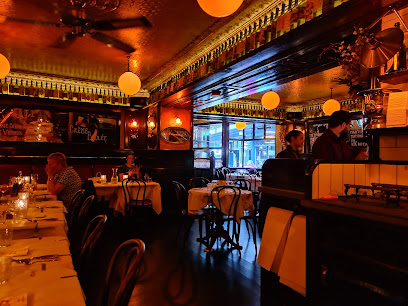
The Alchemist Cardiff
0.2 km
Experience the magic of mixology at The Alchemist Cardiff, where innovative cocktails meet exquisite dining in a vibrant atmosphere.
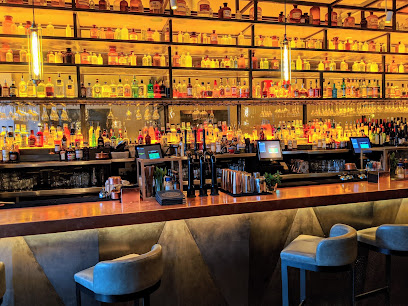
Turtle Bay Cardiff
0.2 km
Caribbean soul meets Welsh hospitality—bold jerk, tropical cocktails, and island warmth in Cardiff city centre.
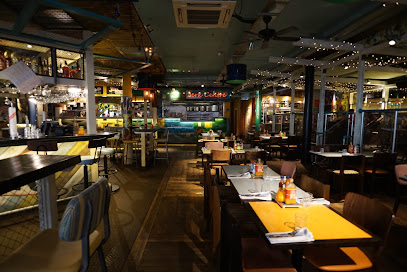
Asador 44 Spanish Grill & Wine House
0.2 km
Authentic Spanish charcoal grilling and fine wines in the heart of Cardiff’s vibrant city centre.
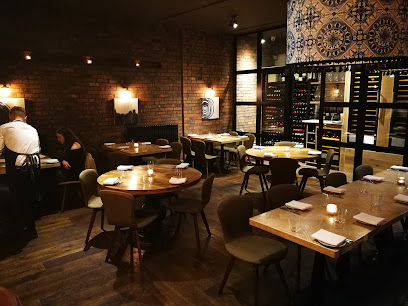
Casanova
0.2 km
A long-standing Cardiff trattoria serving authentic regional Italian food with warm service and an excellent all-Italian wine list.
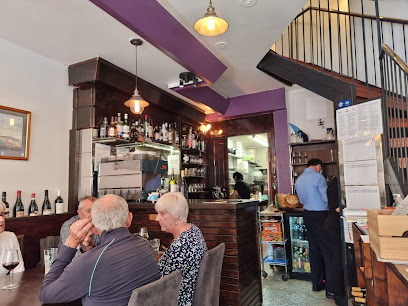
Bar 44 Cardiff
0.3 km
Authentic Spanish tapas and award-winning wines in Cardiff's vibrant Castle Quarter.
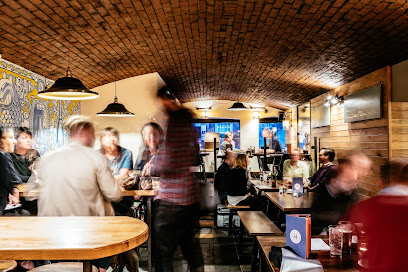
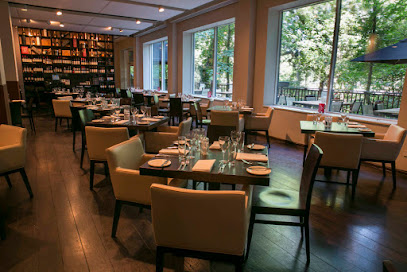
Laguna Kitchen & Bar Cardiff
0.3 km
Elegant modern dining with Welsh flair in the heart of Cardiff’s Park Plaza Hotel, featuring seasonal menus and a stylish cocktail bar.
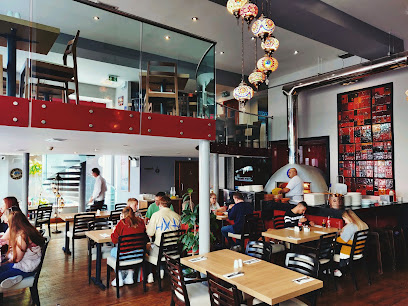
Lezzet Turkish Kitchen
0.3 km
Experience authentic Turkish cuisine with vibrant flavours and warm hospitality in the heart of Cardiff city centre.
Markets, malls and hidden boutiques

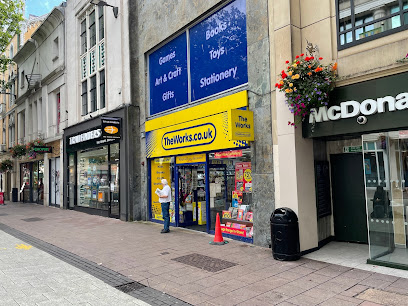
The Works
0.0 km
Affordable books, crafts, toys, and stationery in the heart of Cardiff’s vibrant Queen Street shopping district.
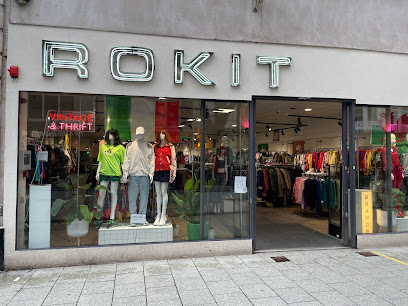
Rokit Cardiff
0.1 km
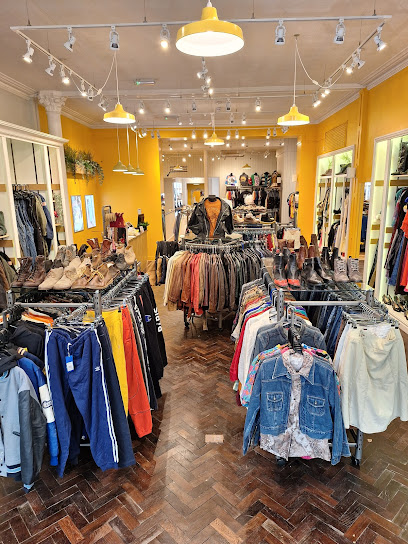
Discover unique vintage fashion and sustainable style at Rokit Cardiff, where retro charm meets eco-conscious shopping in the heart of the city.
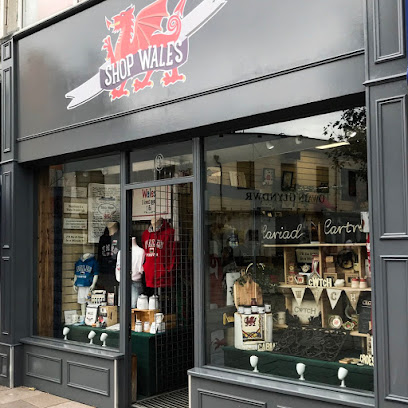
Little Welsh Company
0.1 km
Discover Cardiff's premier independent shop for authentic Welsh gifts, blending tradition with modern charm since 2003 on lively St John Street.
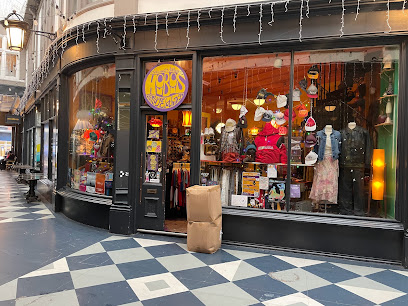
Hobos Vintage
0.1 km
A vibrant Cardiff vintage shop packed with retro fashion, trainers, and accessories from the 1950s to today – perfect for throwback style and bargain finds.
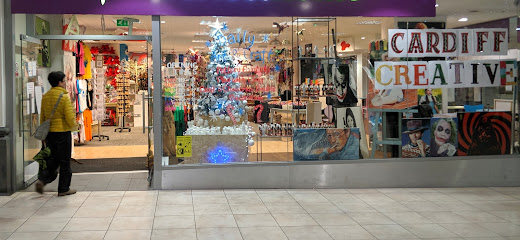
Cardiff Creative Shop
0.1 km
Handcrafted Welsh wonders from 45+ local artisans await in Queens Arcade's creative gem—unique gifts that sparkle with personality and heritage.
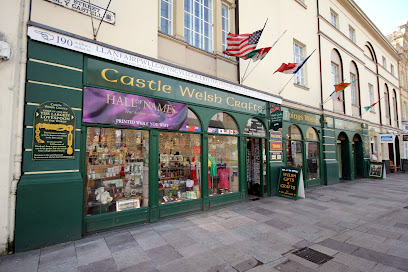
Castle Welsh Crafts Ltd
0.2 km
Discover authentic Welsh craftsmanship and personalized lovespoons opposite Cardiff Castle at Castle Welsh Crafts.
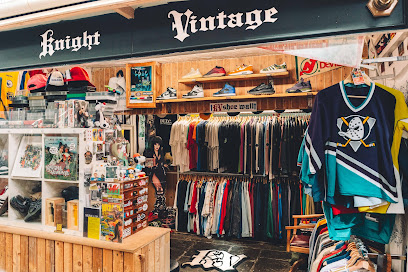
Knight Vintage
0.2 km
Discover unique vintage fashion treasures and exclusive KV collections in the heart of Cardiff Market’s vibrant historic setting.
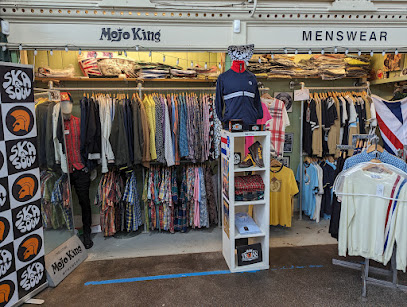
Mojo King
0.2 km
Discover smart, affordable Mod and Northern Soul-inspired men's fashion at Mojo King, a unique gem in Cardiff Indoor Market.
Great Welsh Gifts
0.2 km
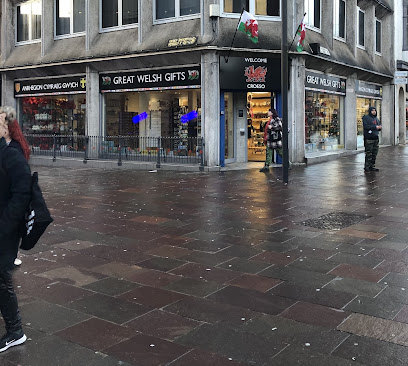
Unearth authentic Welsh crafts, treats, and treasures on Cardiff's High Street—a delightful dive into Cymru's cultural heart at Great Welsh Gifts.
Flying Tiger
0.2 km
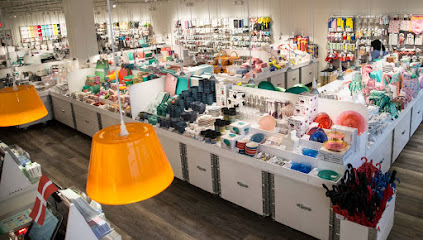
Discover quirky Scandinavian gifts and creative everyday essentials at Flying Tiger in Cardiff’s St David's Centre.
Urban Outfitters
0.3 km
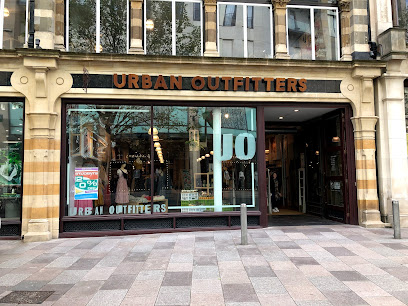
Curated lifestyle retail celebrating creativity, fashion, and cultural expression in Cardiff's city centre.
Morgan Quarter
0.3 km
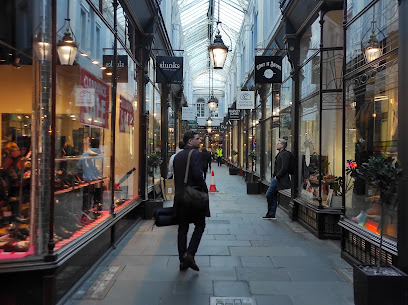
Discover Cardiff’s charming Morgan Quarter, a historic Victorian arcade blending unique shops, cozy cafes, and timeless architecture in the city centre.
Beyond Retro Cardiff
0.3 km
Discover unique vintage fashion and sustainable style at Beyond Retro Cardiff, nestled in the vibrant St David's Centre.
Menkind
0.3 km
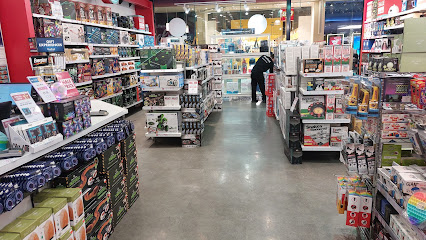
Discover quirky gadgets and unique gifts for men at Menkind Cardiff, nestled in the vibrant St David's Shopping Centre.
Sobeys Vintage Clothing
0.4 km
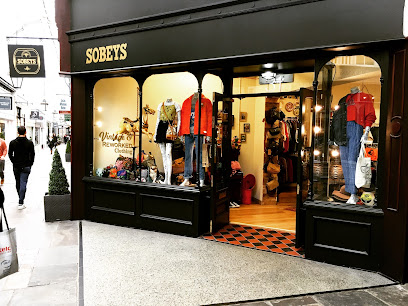
Discover unique reworked vintage fashion in Cardiff’s historic Royal Arcade at Sobeys Vintage Clothing, where creativity meets sustainability.
Essential bars & hidden hideouts

The Live Lounge Cardiff
0.1 km
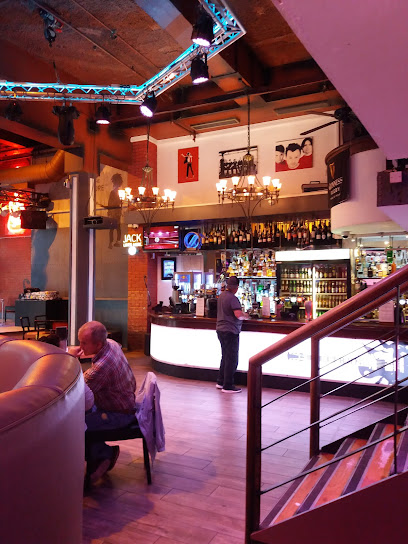
Cardiff’s lively hotspot for live music, affordable eats, and vibrant nightlife until 4am every day.
The Libertine Cocktail Bar
0.1 km
A stylish Cardiff cocktail bar blending gothic charm with expertly crafted drinks and a lively city center vibe.
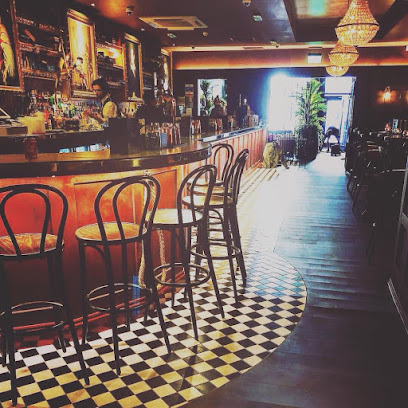
Slug & Lettuce - The Friary Cardiff
0.2 km
A lively, multi-level cocktail bar and casual-restaurant on The Friary — made for groups, brunch and evening drinks in central Cardiff.
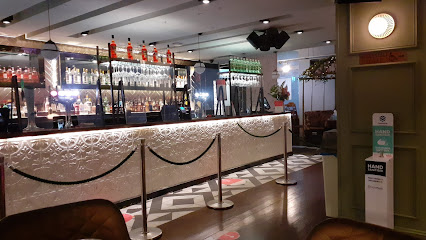
Rum & Fizz
0.2 km
Discover Cardiff’s rum haven with over 200 rums, crafted cocktails, cozy elegance, and live jazz every Friday in Castle Arcade.
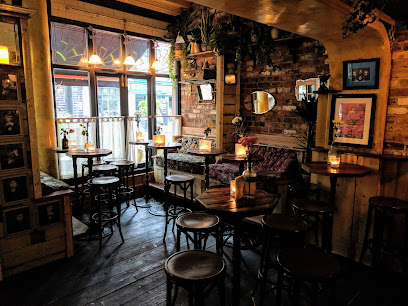
Penny
0.2 km
Discover Cardiff’s intimate cocktail haven with innovative drinks, expert bartenders, and a stylish, welcoming atmosphere at Penny.
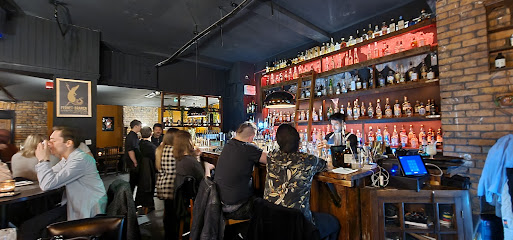
Flight Club Cardiff
0.2 km
Experience the thrill of Social Darts® and vibrant city nightlife at Flight Club Cardiff’s unique multi-level bar and rooftop terrace.
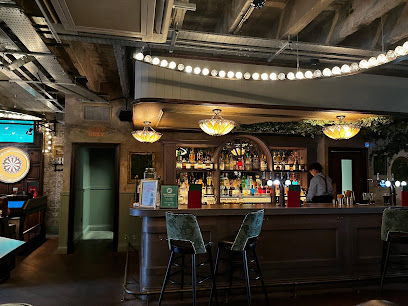
Revolution Cardiff
0.2 km
A multi‑level cocktail bar and late‑night club opposite Cardiff Castle, built for groups, events and colourful cocktail theatre.
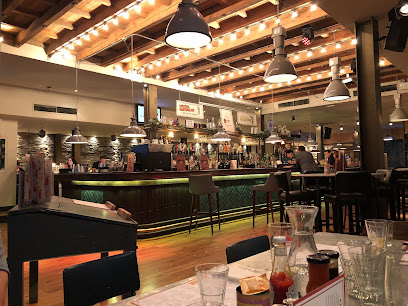
The Bootlegger
0.2 km
A vintage-flavoured Cardiff speakeasy serving expertly crafted cocktails and late-night live music on cobbled Womanby Street.
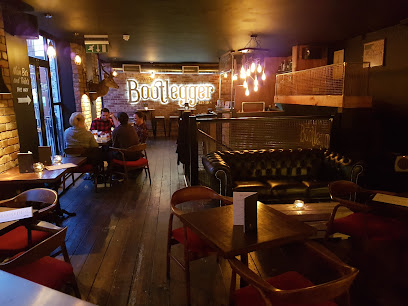
Glassworks
0.3 km
Lively Cardiff pub pouring Greene King ales, serving pub classics, and screening sports in the heart of the city center—perfect for meals, pints, and pre-event vibes.
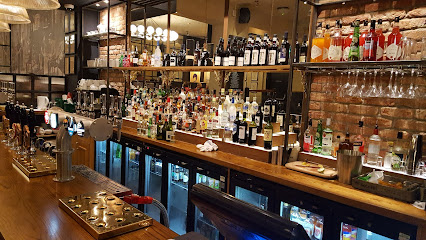
Tiny Rebel Cardiff
0.3 km
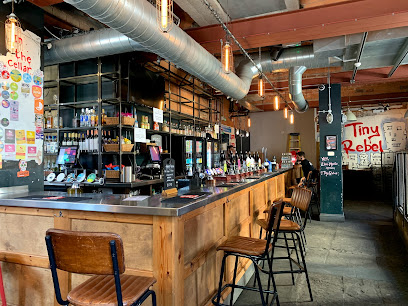
Discover Cardiff’s vibrant craft beer scene and lively pub culture at Tiny Rebel, a hub for award-winning brews and eclectic events.
Yates - Cardiff
0.3 km
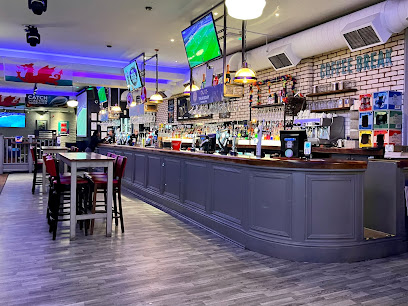
Lively sports bar and nightclub in Cardiff city centre with unbeatable sports coverage, great drinks, and a unique dancing doorman.
Main Stage
0.3 km
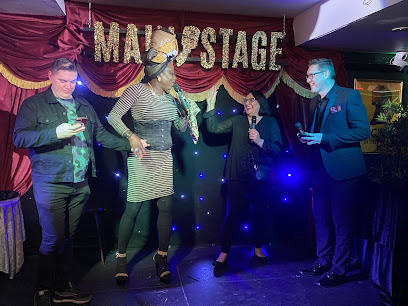
Cardiff's vibrant gay bar and cabaret club with lively drag shows, DJs, and a welcoming atmosphere in the heart of the city centre.
Henry's Cafe Bar Cardiff
0.3 km
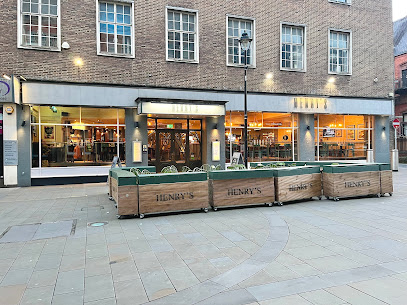
A relaxed, long-standing Park Place bar offering cocktails, local beers and approachable British food from brunch through late-night.
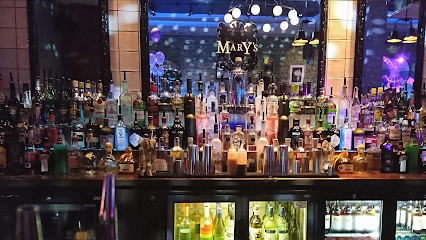
Mary's Cardiff
0.4 km
Experience Cardiff’s vibrant nightlife at Mary’s, a lively bar and nightclub blending modern lounge vibes with energetic party spirit.
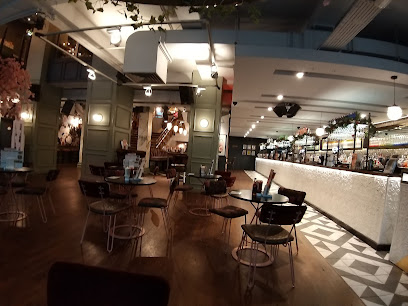
Slug & Lettuce - St Mary St Cardiff
0.4 km
Vibrant Cardiff cocktail bar on St Mary Street, famed for bottomless brunches, creative mixes, and lively nights in the city heart.
Nightclubs & after hour spots

For Your Eyes Only
0.1 km
Elegant and vibrant dance club in Cardiff’s city centre offering stylish interiors, live entertainment, and a lively nightlife atmosphere.
The CUBE
0.2 km
Cardiff’s vibrant nightclub hotspot offering dynamic music, dancing, and an electric atmosphere in the heart of the city.
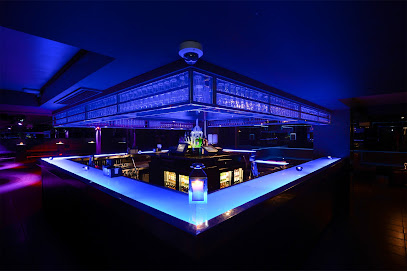
Tiger Tiger Cardiff
0.2 km
A dynamic nightclub with themed rooms and diverse bars offering a vibrant nightlife experience in the heart of Cardiff.
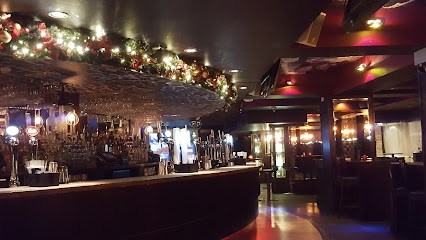
Clwb Ifor Bach
0.2 km
Cardiff's gritty Welsh club heart: live music legends, late-night dances, and cultural rebellion on historic Womanby Street since 1983.
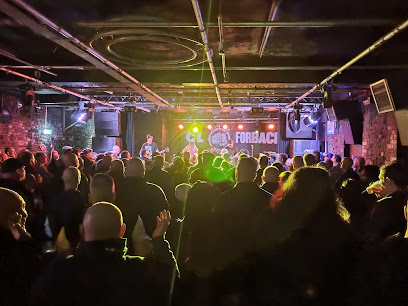
Fuel Rock Club
0.2 km
Cardiff's unyielding rock fortress on Womanby Street: live metal mayhem, cheap drinks, and a beer garden for the faithful.
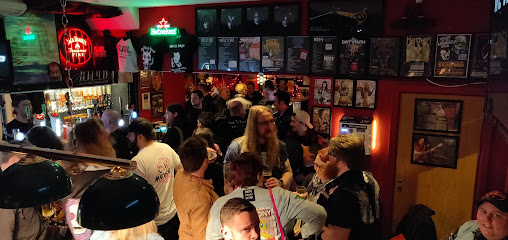
CIRCUIT Cardiff
0.3 km
Cardiff's largest nightclub ignites Greyfriars Road with 1,500-capacity energy, state-of-the-art production across themed rooms, and epic nights from club beats to private spectacles.
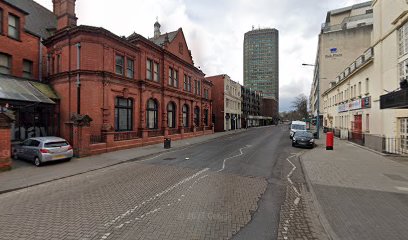
Metros
0.3 km
Cardiff's alternative nightclub haven: cheap drinks, eclectic DJs, and non-stop rock, ska, and indie beats fueling wild weekends till 4am.

Popworld - Cardiff
0.3 km
Dive into cheesy pop heaven at Popworld Cardiff—karaoke, half-price drinks, and dance floor anthems until 3am on vibrant St Mary Street.
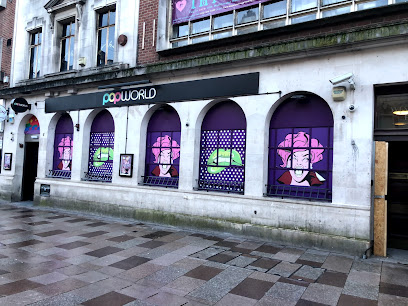
Pulse
0.4 km
A city-centre LGBTQ+-friendly bar that becomes a neon-lit nightclub after dark, blending casual daytime dining with late-night DJs and themed club nights.
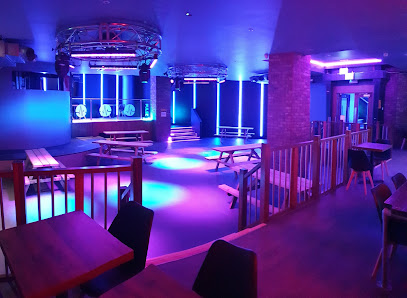
The Globe
1.7 km
A compact Grade II-listed former cinema turned lively live-music venue and nightclub, famed for intimate gigs and energetic club nights on Albany Road.
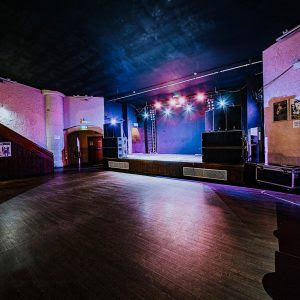
The Vaults
2.0 km
Dive into Cardiff’s iconic underground club housed in a historic former bank, where techno beats and vibrant nightlife come alive beneath the city streets.
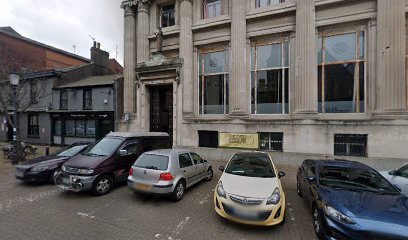
Cabaret at Wales Millennium Centre
2.2 km
Dive into Cardiff Bay's sizzling hub of drag, burlesque, comedy, and live music at Cabaret – where inclusive performances sparkle with pop culture magic and high-energy fun.
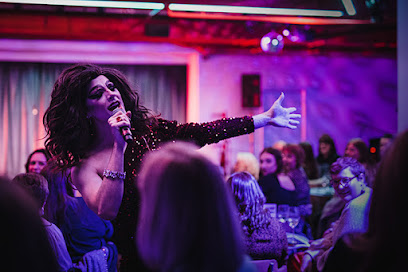
Coco Cubanas
11.6 km
Experience the vibrant weekend nightlife and energetic dance scene at Coco Cubanas, Barry’s premier late-night club on Broad Street.
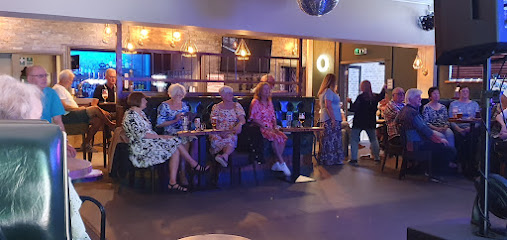
Bar Cocoa
11.6 km
Experience Barry’s vibrant weekend nightlife at Bar Cocoa, a lively nightclub where music and dancing keep the party going until the early morning.
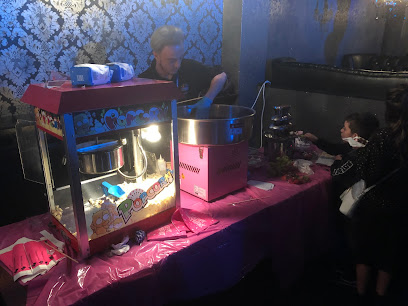
Eclipse Nightclub
15.7 km
Experience Pontypridd’s vibrant midweek nightlife at Eclipse Nightclub, where music, dancing, and community come alive every Wednesday night.
For the vibe & atmosphere seeker
- Scenic
- Unique
- Lively
- Cultural Heritage
For the design and aesthetic lover
- Modern Designs
- Minimalist Designs
For the architecture buff
- Landmarks
- Art & Design
- Historic
For the view chaser and sunset hunter
- Iconic Views
- Architectural Shots
For the social media creator & influencer
- Instagrammable
- Photo Spots
- Architectural Shots
- Aesthetic Corners
For the eco-conscious traveler
- Public-Transport Accessible
- Car-Free Access
For the kind of experience you’re after
- Cultural Heritage
- Photowalk
- Myth & Legends
- Day Trip
For how adventurous you want the journey to be
- Easy Access
Location Audience
- Family Friendly
- Solo Friendly
- Couple Friendly
- Senior Friendly
- Wheelchair Access


