

Castell Coch, Cardiff Travel Guide
Free Guide: A fairytale fortress of Victorian imagination rising from medieval foundations in ancient Welsh woodland.


A brief summary of Castell Coch
A fairytale fortress of Victorian imagination rising from medieval foundations in ancient Welsh woodland.
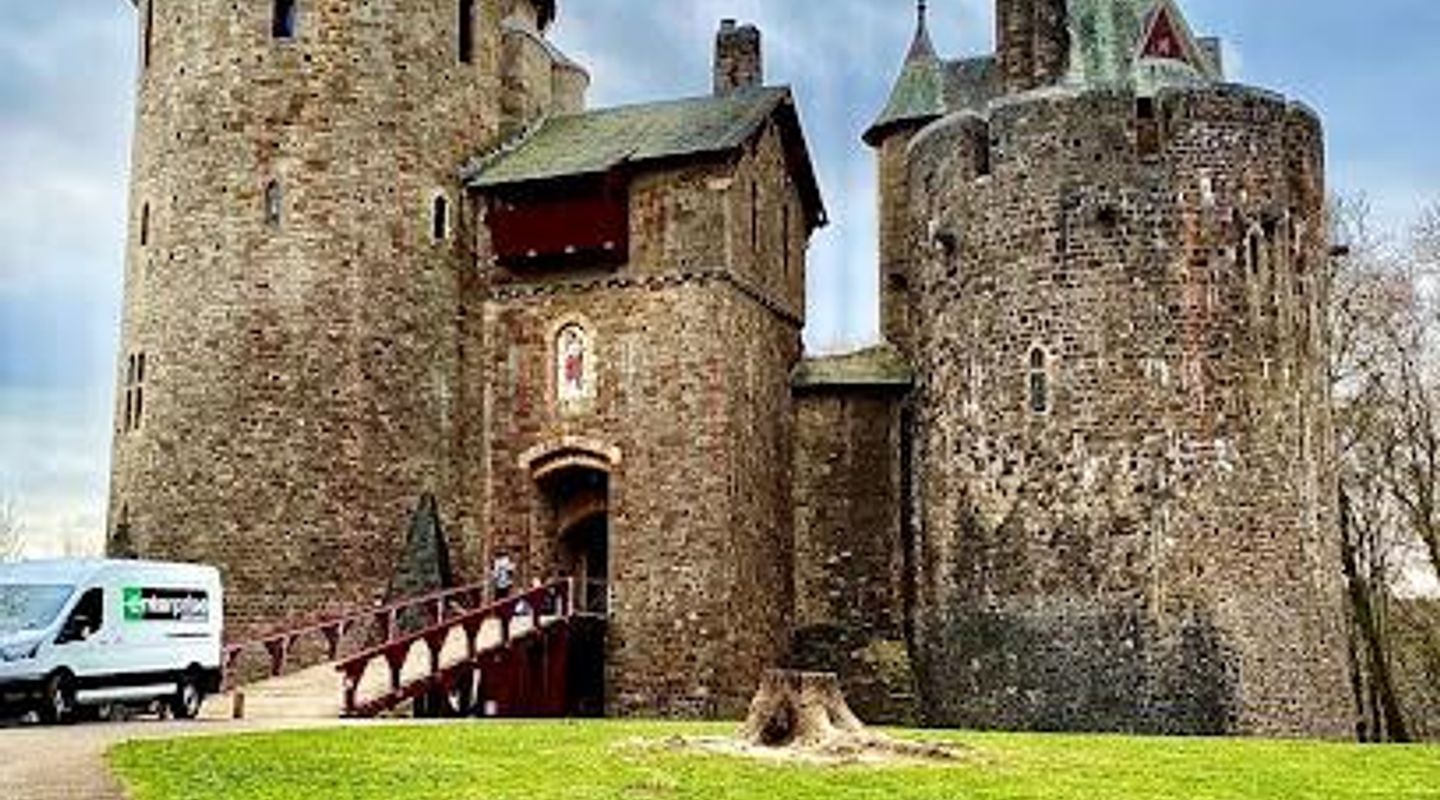
Perched dramatically on a wooded hillside north of Cardiff, Castell Coch (Red Castle) is a 19th-century Gothic Revival masterpiece that rises like a fairytale fortress from ancient medieval foundations. Built between 1875 and 1891 by architect William Burges for the third Marquess of Bute, this enchanting castle showcases Victorian romanticism at its most extravagant, with conical turrets, richly decorated interiors featuring murals and ornate ceilings, and lavish furnishings that transport visitors to another era. Easily accessible from Cardiff city centre, it offers an immersive journey through High Victorian imagination blended with historical significance.
On-site amenities
 Restrooms
 Drink options
 Food options
 Seating areas
 Information boards
 Visitor centre
Opening hours
- Every day10 am–4 pm
Opening hours as listed on the venue’s Google Business Profile. Hours can change for services and special events, so check with the venue before you go.
- Address
- Cardiff CF15 7JS
- Phone
- Website
Getting there
Train from Cardiff City Centre
Car from Cardiff City Centre
Bus from Cardiff City Centre
Guided Tour from Cardiff
Discover more about Castell Coch
A Victorian Fantasy Built on Medieval Ground
Castell Coch stands as one of Wales' most captivating architectural achievements, a castle that exists at the intersection of history and imagination. The site itself carries centuries of significance, with the original Norman fortress constructed after 1081 to defend Cardiff and control the strategic Taff Gorge route. However, the castle visitors encounter today is a triumphant reinvention—a Victorian fantasy brought to life by the visionary architect William Burges and the wealthy third Marquess of Bute, John Crichton-Stuart. Constructed between 1875 and 1891, this remarkable structure was never intended as a military stronghold but rather as an opulent summer retreat, a romanticised vision of medieval grandeur filtered through the sensibilities and resources of the High Victorian era.
Architectural Splendour and Design Innovation
The castle's exterior immediately captivates with its storybook appearance—conical towers, crenellated walls, and dramatic stonework rising majestically from the wooded landscape create an almost fantastical silhouette. This theatrical presentation masks meticulous architectural craftsmanship. William Burges, known for his unconventional approach to design, created a structure that blends historical references with Victorian creativity, resulting in a building that feels both authentically medieval and unmistakably of its era. The Grade I listed building demonstrates exceptional attention to detail in every element, from the carefully proportioned towers to the decorative stonework that adorns its facades.
Interiors of Extraordinary Opulence
Stepping inside reveals the true magnificence of Burges's vision. The Banqueting Hall commands attention with its soaring proportions and breathtaking ceiling fresco depicting scenes from Aesop's Fables, while intricate carvings and vibrant decorative schemes showcase the wealth and imagination invested in every surface. The octagonal Drawing Room presents another hallucinogenic tour de force, its domed ceiling a flurry of birds and stars painted against celestial backdrops, with walls adorned with mythological scenes and the fireplace topped with sculptural figures representing the three ages of humanity. Lord Bute's bedroom, by contrast, maintains a more restrained elegance. Every room demonstrates Burges's distinctive philosophy of total design—furniture, stained glass, murals, and architectural elements unite to create cohesive, immersive spaces that transport visitors into a world of Victorian romanticism and medieval fantasy.
Setting Within the Ancient Forest
The castle's location enhances its enchantment considerably. Nestled within the ancient beech woods of Fforest Fawr, the structure emerges from the landscape as if conjured by magic. The wooded hillside setting, with its earthy forest scents and rustling leaves, creates a natural frame for the castle's fairy-tale appearance. This woodland environment has proven so evocative that the site has attracted filmmakers, including the production of Wolf Hall, drawn to its atmospheric qualities and photogenic setting. The elevation and isolation within the forest contribute significantly to the castle's romantic appeal and sense of stepping outside ordinary time.
A Living Monument to Victorian Imagination
Today, Castell Coch operates as a heritage attraction managed by Cadw, Wales' historic monuments service. The castle has been licensed for civil ceremonies, adding another dimension to its contemporary use. An excellent audio guide, included with admission, enriches the visitor experience by providing historical context and architectural insights. The on-site tearoom offers refreshment, while a gift shop provides mementos of the visit. The castle's enduring appeal lies in its successful fusion of historical authenticity with creative reimagining—it honours medieval traditions while celebrating Victorian ambition, creating a unique destination that appeals to architecture enthusiasts, history buffs, photographers, and anyone drawn to romantic, imaginative spaces.
Accessibility and Practical Considerations
The castle's woodland setting and historic nature mean that some areas present accessibility challenges for visitors with mobility limitations. Free parking is available with a moderate incline leading to the entrance. The site's limited capacity necessitates advance online booking during peak periods, ensuring a more controlled and enjoyable visitor experience. The combination of natural woodland setting and carefully preserved Victorian interiors creates an environment where historical significance and aesthetic beauty converge, making Castell Coch an essential destination for anyone exploring Wales' rich cultural heritage.
Evendo Review Centre
 Google
Guest reviews
Best time to go
Quietest: Jan, Feb & Nov · before 9am or from 6pm
Busy times are Evendo estimates for a typical year, to help you plan. Actual crowds vary with events, school holidays and the weather.
Explore Castell Coch on the map
A handpicked selection of must-see spots near Castell Coch, mapped for you.
Get your free copy of our complete guide to Castell Coch, delivered straight to you.
Everything on this page, from opening hours and how to get there to Eve’s tips and the best time to go, in one PDF you can read offline, print or share.
Already have an account? Sign in
Your Castell Coch guide is ready.
We'll send it to · Not you? Sign out

Getting your guide ready…
We are putting together a fresh copy of the Castell Coch guide. This can take up to a minute.
This can take a few moments. If your browser asks, choose Allow so the download can start. You'll find the guide in your Downloads folder.
Nothing happened? Download it again
Sorry, the guide is taking longer than usual. Please try again in a minute, or get it by email instead.
Unlock the best of Castell Coch
Skip-the-line tickets, guided tours with entry, and walking tours of the area, booked in a few clicks.
 Tour with entry
From Cardiff: 3 Amazing Castles, Tintern Abbey & Roman Caerleon
from $335.55 Tour with entry
Cardiff Private Day Tour of South Wales Castles
from $1,019.31 Tour with entry
Cardiff Private Doctor Who Day Tour of South Wales
from $1,019.31 Tour with entry
Private Tour: Three Castles, Tintern Abbey and Roman Caerleon
from $1,709.40


Other nearby places you may find interesting
The closest places of the same kind, if this one is not quite what you had in mind.
-
-
-
-
-


Swipe for more places
More to explore near Castell Coch

 Best experiences near Castell Coch
 Best hotels near Castell Coch
 Best landmarks near Castell Coch
 Best attractions near Castell Coch
 Best shops near Castell Coch
 Best restaurants near Castell Coch
 Best bars near Castell Coch
Do you manage this location?
Take control to get all the benefits, like improved information, better appearance, and stronger visibility across AI-powered discovery.
Explore more

Explore more of Cardiff
Discover Cardiff, the vibrant capital of Wales, where history, culture, and modernity merge to create unforgettable experiences for every traveler.
Explore Cardiff
Explore more of United Kingdom
Discover the United Kingdom: A blend of rich history, stunning landscapes, and vibrant cities, offering a unique travel experience for every visitor.
Explore United Kingdom
