Newcastle Emlyn Castle Travel Guide
Free Guide: Medieval Welsh stronghold steeped in dragon legend, overlooking the scenic River Teifi.


A brief summary of Newcastle Emlyn Castle
Medieval Welsh stronghold steeped in dragon legend, overlooking the scenic River Teifi.
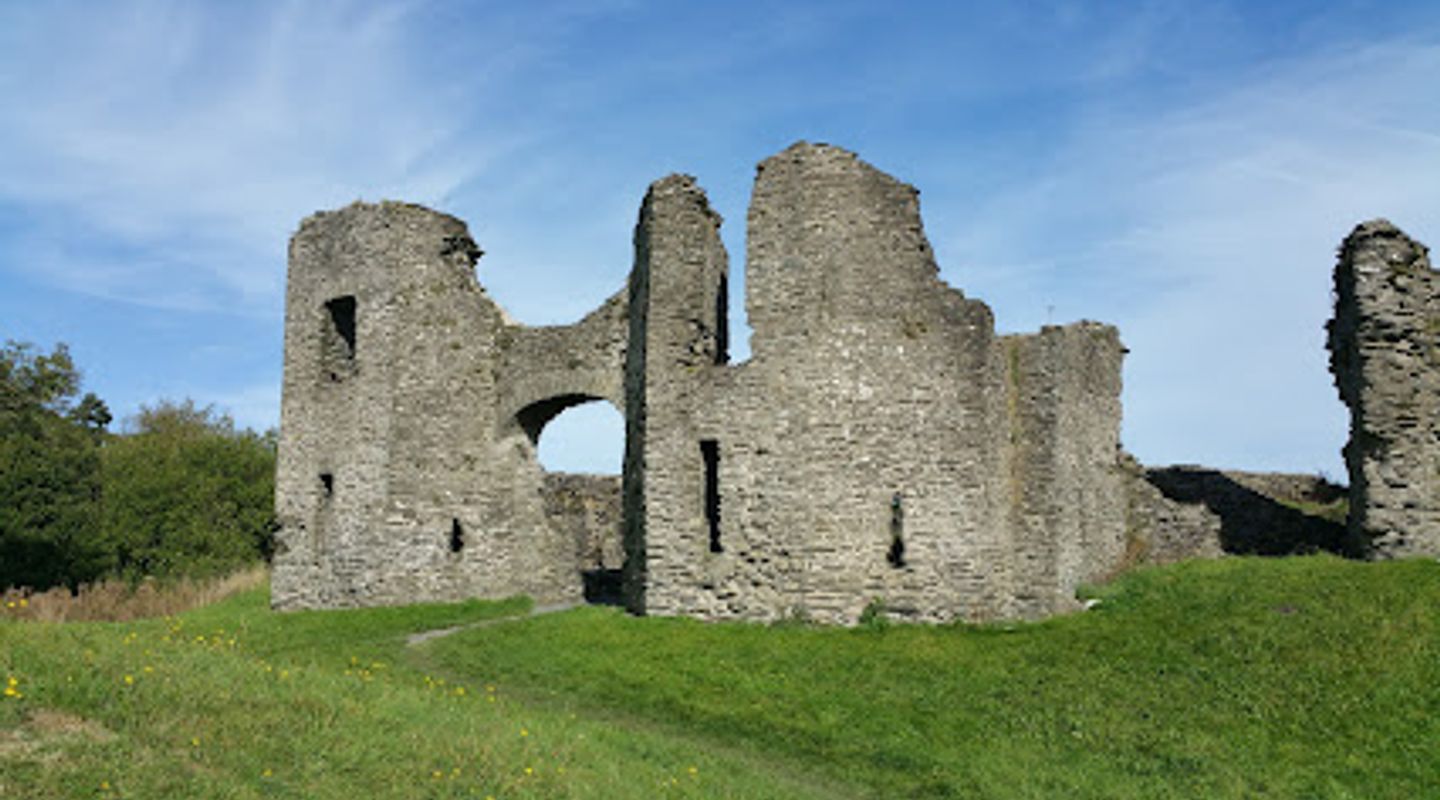
Explore the haunting ruins of Newcastle Emlyn Castle, a 13th-century Welsh stone stronghold perched dramatically above the River Teifi. This rare example of a castle built by native Welsh lords stands as a testament to medieval Welsh power, steeped in legend and surrounded by scenic riverside walks. Free admission and atmospheric grounds make it an essential stop for history enthusiasts and nature lovers alike.
On-site amenities
 Seating areas
 Picnic areas
 Trash bins
 Information boards
 Parking
Opening hours
- Every day10 am–5 pm
Opening hours as listed on the venue’s Google Business Profile. Hours can change for services and special events, so check with the venue before you go.
- Address
- Castle St, Newcastle Emlyn SA38 9AF
Getting there
Car
Bus
Walking from Town Center
Cycling
Discover more about Newcastle Emlyn Castle
A Welsh Prince's Vision in Stone
Newcastle Emlyn Castle represents a remarkable chapter in Welsh medieval history. Founded around 1240 by Maredudd ap Rhys, a prince of Deheubarth, this fortress was one of the few stone castles built by native Welsh lords in this region of Wales. Unlike many castles constructed as military strongholds, Newcastle Emlyn was originally conceived as a county seat—a residence befitting a Welsh prince rather than purely a defensive bastion. The castle's strategic location on a steep-sided promontory overlooking a dramatic loop in the River Teifi provided natural defenses enhanced by deep ditches and formidable stone walls.The distinctive twin-towered gatehouse, which dominates the site today, was constructed between 1307 and 1349 during the reign of Edward II. The semi-octagonal towers feature latrine shafts and housed vaulted cellars accessed through a slanting passage. In the early 16th century, Sir Rhys ap Thomas, a magnate of Welsh origin, acquired the castle and transformed it into a comfortable residence, piercing large rectangular windows into the walls to prioritize domestic comfort over military defense.
Turbulent Centuries of Conflict and Change
The castle's history reflects the turbulent relationship between Welsh and English powers. In 1287, Rhys ap Maredudd, son of the castle's founder, rebelled against English rule and sought refuge at Newcastle Emlyn. The English response was formidable—siege engines hauled by sixty oxen were deployed to breach the castle's defenses, eventually forcing its surrender and bringing the rebellion to an end. The castle then passed into English hands and remained crown property for generations.During the reign of Edward, the Black Prince, who became owner as part of his estates when made Prince of Wales in 1343, the castle enjoyed a period of relative stability. However, the Welsh uprising of Owain Glyndŵr in 1403 saw the castle captured and the English-populated town plundered. By 1428, reports described the castle as ruined, though it was later repaired and maintained through the Tudor period.The English Civil War delivered the final blow. Originally held as a Royalist stronghold for King Charles I, the castle changed hands multiple times between Royalist and Parliamentary forces. After Parliament gained control of Wales, the castle was deliberately destroyed with gunpowder in the mid-17th century to prevent its further military use, leaving the fragmentary ruins visible today.
Legend of the Last Dragon
Newcastle Emlyn is inseparable from Welsh dragon mythology. Local legend speaks of Gwiber Emlyn, the last dragon in Wales, which terrorized the townspeople until a brave soldier defeated it. According to the tale, during a town fair, the dragon descended upon the castle walls and fell asleep. The soldier placed a red cloak on the river surface to lure the beast, and as the dragon attacked the cloak, it was speared to death. Since 1995, a striking metal dragon sculpture has guarded the castle's entrance gate, commemorating this legendary encounter and adding a mystical dimension to the site.
The Riverside Setting and Walking Trails
The castle's most enchanting feature is its setting within a picturesque loop of the River Teifi. The grassy grounds offer serene views across the water and surrounding countryside, making it an ideal spot for picnicking and contemplation. A scenic walking trail follows the river's meanders, passing a weir and allowing visitors to experience the landscape that once provided the castle's natural defenses. The path includes benches and park areas, making it accessible for families and those seeking a leisurely riverside stroll.
Historical Significance and Architectural Legacy
Newcastle Emlyn Castle holds particular importance as a rare example of native Welsh stone architecture in medieval Wales. The surviving gatehouse and fragmentary walls reveal sophisticated medieval construction techniques, while information boards throughout the site detail the castle's complex history and architectural evolution. The castle witnessed some of the most significant conflicts between Welsh and English powers, from Rhys ap Maredudd's rebellion to Owain Glyndŵr's uprising, making it a crucial landmark in understanding Welsh medieval resistance and eventual integration into the English realm.
Evendo Review Centre
 Google
Guest reviews
Best time to go
Quietest: Jan, Feb & Dec · before 7am or from 6pm
Busy times are Evendo estimates for a typical year, to help you plan. Actual crowds vary with events, school holidays and the weather.
Explore Newcastle Emlyn Castle on the map
A handpicked selection of must-see spots near Newcastle Emlyn Castle, mapped for you.
Get your free copy of our complete guide to Newcastle Emlyn Castle, delivered straight to you.
Everything on this page, from opening hours and how to get there to Eve’s tips and the best time to go, in one PDF you can read offline, print or share.
Already have an account? Sign in
Your Newcastle Emlyn Castle guide is ready.
We'll send it to · Not you? Sign out

Getting your guide ready…
We are putting together a fresh copy of the Newcastle Emlyn Castle guide. This can take up to a minute.
This can take a few moments. If your browser asks, choose Allow so the download can start. You'll find the guide in your Downloads folder.
Nothing happened? Download it again
Sorry, the guide is taking longer than usual. Please try again in a minute, or get it by email instead.
Other nearby places you may find interesting
The closest places of the same kind, if this one is not quite what you had in mind.
-
-
-
-


Swipe for more places
More to explore near Newcastle Emlyn Castle

 Best experiences near Newcastle Emlyn Castle
 Best hotels near Newcastle Emlyn Castle
 Best landmarks near Newcastle Emlyn Castle
 Best attractions near Newcastle Emlyn Castle
 Best shops near Newcastle Emlyn Castle
 Best restaurants near Newcastle Emlyn Castle
 Best bars near Newcastle Emlyn Castle
Do you manage this location?
Take control to get all the benefits, like improved information, better appearance, and stronger visibility across AI-powered discovery.
Explore more

Explore more of Cardiganshire
Discover Cardiganshire, a hidden gem in Wales offering stunning coastlines, historic towns, and rich cultural heritage for an unforgettable travel experience.
Explore Cardiganshire
Explore more of United Kingdom
Discover the United Kingdom: A blend of rich history, stunning landscapes, and vibrant cities, offering a unique travel experience for every visitor.
Explore United Kingdom