
Gwal y Filiast: Ancient Neolithic Burial Chamber and Mythic Landmark in Whitland
Explore Gwal y Filiast, a mysterious Neolithic burial chamber steeped in Welsh legend and ancient history near Whitland.
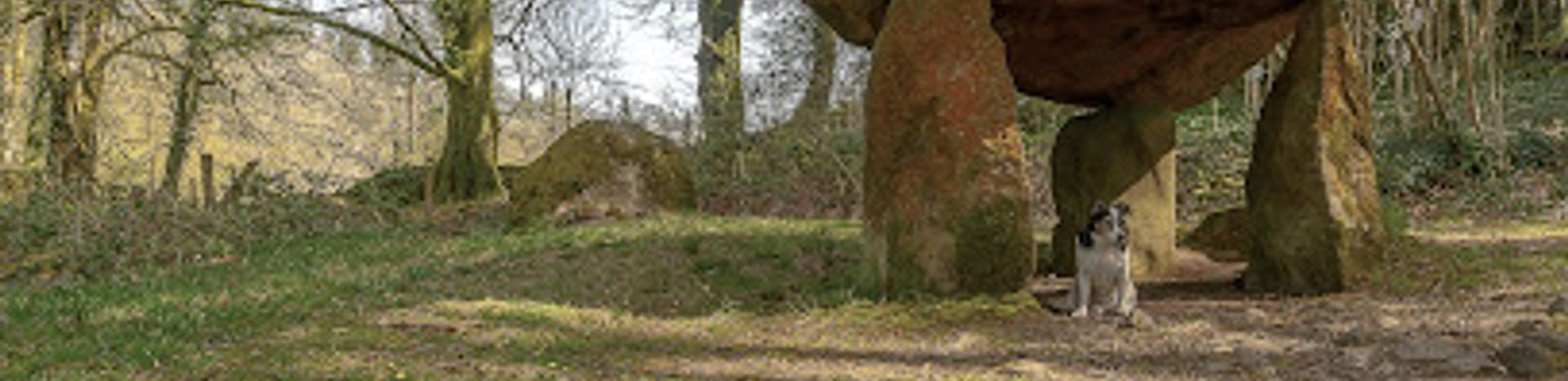
Gwal y Filiast is a remarkable Neolithic chambered tomb near Whitland, Wales, notable for its large capstone supported by four pillars. Rich in myth and history, it is linked to Welsh legends involving the transformation of Ceridwen into a greyhound. This prehistoric site offers visitors a glimpse into ancient burial practices and Celtic folklore, set in a tranquil wooded valley that enhances its mysterious atmosphere.
A brief summary to Gwal y Filiast
- Whitland, GB
- Duration: 0.5 to 2 hours
- Free
-
 Outdoor
- Mobile reception: 3 out of 5
Local tips
- Visit during daylight hours to fully appreciate the monument’s details and the surrounding woodland atmosphere.
- Wear sturdy walking shoes as the site is accessed via public footpaths through natural terrain.
- Bring a camera to capture the impressive capstone and the tranquil valley setting.
- Read up on Welsh mythology beforehand to enrich your understanding of the site’s legendary associations.

For the on-the-go comforts that matter to you
- Information Boards
Getting There
-
Bus
Take a regional bus service from Carmarthen to Whitland, which typically takes 25 to 35 minutes. From Whitland town center, the site is accessible via a 20-minute walk along marked public footpaths. Bus services run several times daily but check schedules in advance as frequency may vary on weekends and holidays. A single bus fare costs approximately £3 to £5.
-
Car
Driving from Carmarthen to Gwal y Filiast takes about 20 minutes via the A40 and local roads. Parking is limited near the site, so plan to park in designated areas in Whitland and walk approximately 1.5 km on footpaths through natural terrain. Note that the access path is uneven and may not be suitable for all vehicles or mobility levels.
-
Walking
For experienced walkers, a scenic 1.5 to 2-hour hike from Whitland town center to Gwal y Filiast follows rural footpaths and woodland trails. The terrain is moderately uneven with some inclines. Suitable footwear and weather-appropriate clothing are recommended. This option offers a rewarding nature escape combined with cultural discovery.
Gwal y Filiast location weather suitability
-
 Any Weather
-
 Clear Skies
-
 Mild Temperatures
-
 Rain / Wet Weather
Discover more about Gwal y Filiast
Architectural Marvel of the Neolithic Era
Gwal y Filiast stands as a striking example of prehistoric burial architecture in Carmarthenshire, Wales. This chambered tomb features a massive capstone, approximately 11 feet 6 inches long by 8 feet 10 inches wide and 2 feet 5 inches thick, resting on four upright stones. These pillars form a chamber roughly 4 feet 6 inches wide, open to the southwest. The monument’s size and construction reflect the significance of the individual or community it commemorated, serving as a solemn marker of ancient funerary customs.Enigmatic Origins and Historical Records
The earliest known mention of Gwal y Filiast dates back to 1695 by Edward Lluyd, who described it as a large rude stone supported by pillars. Later 19th-century antiquarians like Gardner Wilkinson and Rev T Rees documented the site, noting its impressive form and speculating on its cultural context. The site has also been referred to as Bwrdd Arthur and Lech-y-Filiast in historical texts, highlighting its longstanding presence in Welsh heritage.Mythology and Folklore Surrounding the Site
Gwal y Filiast is steeped in Celtic mythology, particularly linked to the figure of Ceridwen, a powerful enchantress. Folklore suggests that the name translates to "The Lair of the Female Greyhound," possibly referencing Ceridwen’s transformation into a greyhound in pursuit of Gwion Bach, a tale symbolizing wisdom and rebirth. Other legends propose that early Christians may have repurposed the site, turning it into kennels for dogs as a symbolic rejection of pagan practices.Natural Setting and Visitor Experience
Nestled in a wooded valley near Whitland, the site offers a peaceful and contemplative environment. The surrounding forested landscape enhances the monument’s mystical aura, inviting visitors to reflect on the ancient past amid nature’s tranquility. The site is accessible via public footpaths, making it a rewarding destination for walkers and history enthusiasts alike.Preservation and Cultural Significance
As a protected historical landmark, Gwal y Filiast represents an important link to Wales’s prehistoric and mythological past. Its preservation allows ongoing study and appreciation of Neolithic burial practices and Celtic cultural narratives. The site is a testament to the enduring human fascination with death, memory, and myth, bridging millennia through stone and story.Engagement with Welsh Heritage
Visiting Gwal y Filiast offers a unique opportunity to connect with Welsh cultural heritage beyond urban centers. The site embodies the intersection of archaeology, legend, and landscape, enriching understanding of local identity and ancient traditions. It stands as a symbol of continuity, inviting visitors to explore the depths of Wales’s historical and mythical imagination.Iconic landmarks you can’t miss

Gwal y Filiast
0.0 km
Explore Gwal y Filiast, a mysterious Neolithic burial chamber steeped in Welsh legend and ancient history near Whitland.
Dyfed Chimneys
12.2 km
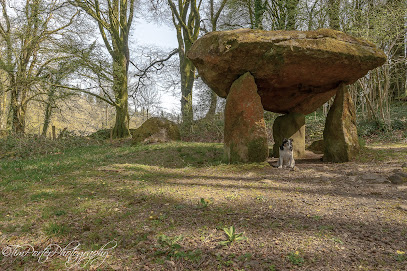
Discover expert chimney sweeping and stove building at Dyfed Chimneys in Carmarthen, where safety meets craftsmanship in the heart of Wales.
St Clears Castle
15.0 km
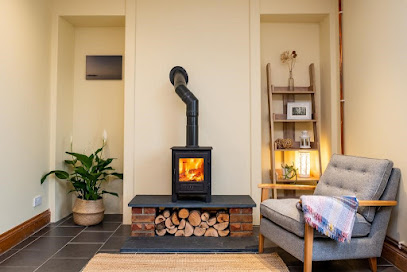
Explore the earthwork remains of St Clears Castle, a Norman motte-and-bailey fortress steeped in medieval Welsh history at the rivers’ confluence.
Cardigan Walks
20.3 km
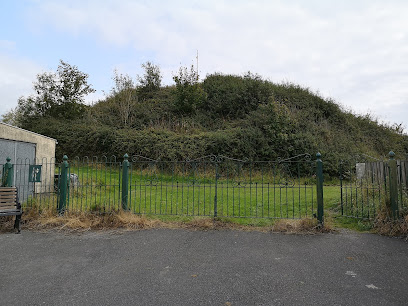
Explore the breathtaking landscapes and rich heritage of Cardigan with Cardigan Walks, your ultimate tour guide to nature and history.

Cardigan Guildhall Market
20.5 km
Discover Cardigan Guildhall Market, a historic indoor market blending heritage charm with vibrant local trade in the heart of Cardigan.

Dyfed Powys Police Federation
23.0 km
Discover the Dyfed Powys Police Federation in Carmarthen for a unique perspective on local law enforcement and community safety initiatives.
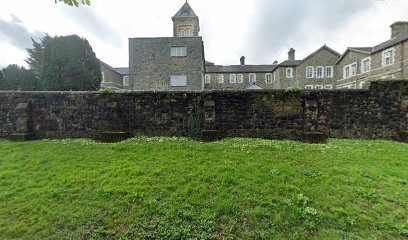
Sloeberry Farm
23.5 km
Eco-friendly lodges and canvas tents near Aberporth beach offering peaceful countryside escapes with private hot tubs and stunning starry skies.

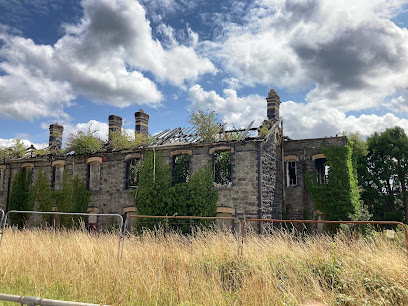
Carmarthen Work House
24.5 km
Explore the historic Carmarthen Work House, a powerful testament to Wales’ social welfare past and resilience through times of hardship.
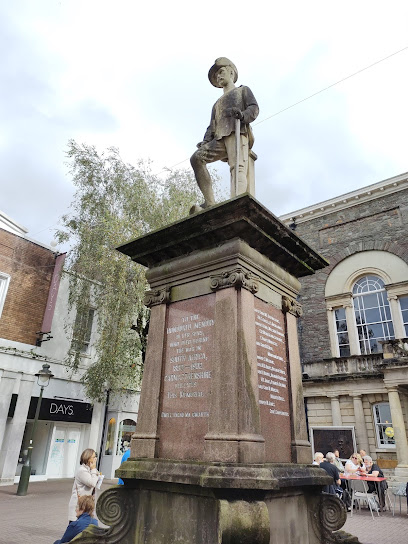
South African War Memorial
24.7 km
A dignified tribute in Carmarthen’s Guildhall Square commemorating local heroes of the Anglo-Boer War with a striking marble soldier statue.
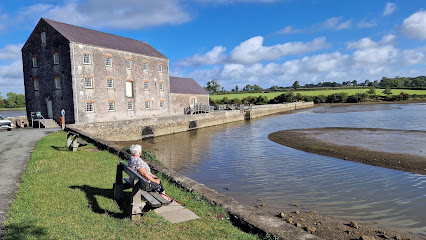
Carew Tidal Mill
25.3 km
Experience the rich history and stunning scenery of Carew Tidal Mill, a historic treasure in Pembrokeshire's beautiful landscape.
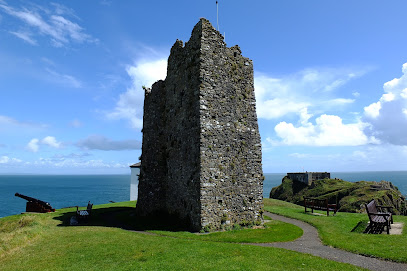
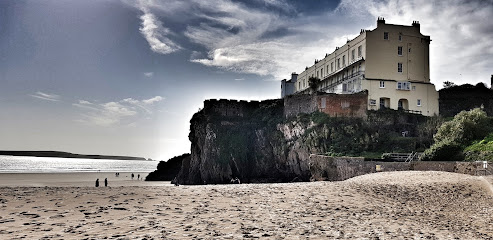
Tenby Castle
25.3 km
Discover Tenby Castle, a historical gem on the Pembrokeshire coast, where stunning views and rich history await every visitor.
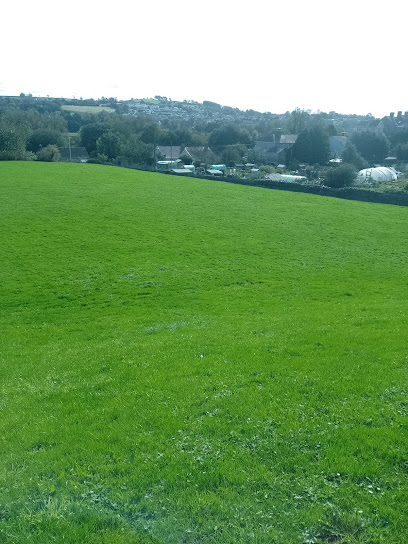
Parc Hinds
25.3 km
Explore the serene beauty of Parc Hinds in Carmarthen, a perfect escape for nature lovers and history enthusiasts alike.
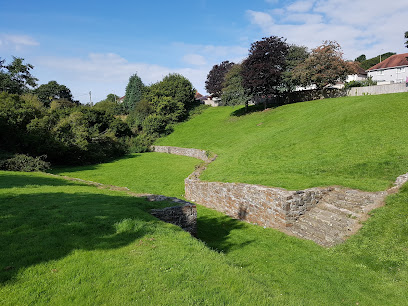
Moridunum Roman Amphitheatre
25.3 km
Explore the ancient Moridunum Roman Amphitheatre in Carmarthen, a historical landmark offering a glimpse into the grandeur of Roman entertainment and architecture.
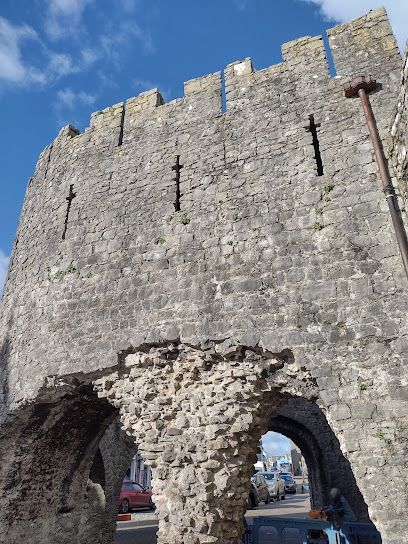
Tenby Town walls
25.4 km
Explore Tenby’s medieval town walls, a stunning coastal fortress that tells the story of centuries-old Welsh defense and heritage.
National Trust - Tudor Merchant's House
25.4 km
Discover the rich history of Tenby at the Tudor Merchant's House, a beautifully preserved 16th-century merchant's home reflecting Wales' cultural heritage.
Unmissable attractions to see

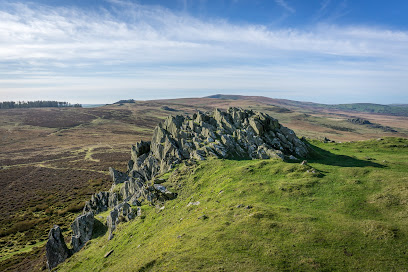
Foel Drygarn Hill Fort
8.0 km
Explore Foel Drygarn, a majestic Iron Age hillfort with ancient Bronze Age cairns, nestled atop the scenic Preseli Hills in Pembrokeshire.
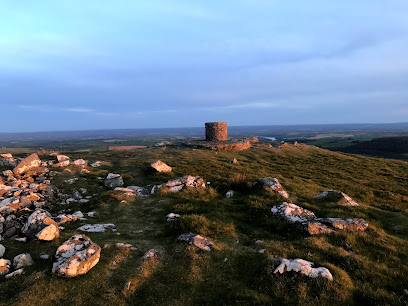
Preseli Hills
10.7 km
Explore the mystical Preseli Hills, ancient uplands of Wales with breathtaking views, prehistoric mysteries, and rich cultural legends.
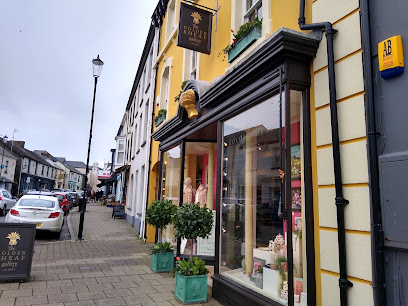
The Golden Sheaf Gallery
12.6 km
Discover unique art and quality gifts celebrating heritage and contemporary creativity in the heart of Narberth.
Llawhaden Castle
12.7 km
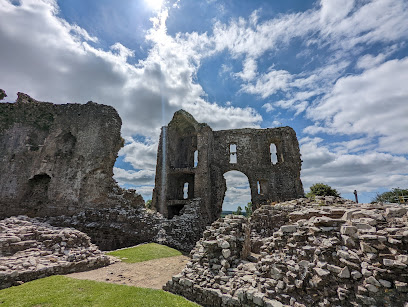
Discover the rich history of Llawhaden Castle, a captivating medieval ruin nestled in the stunning landscapes of Pembrokeshire, Wales.
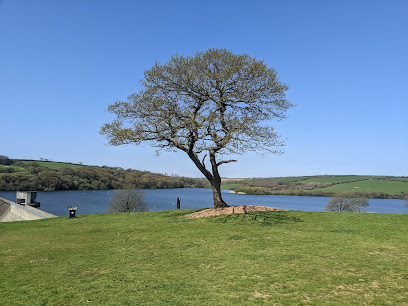
Llys-y-fran Reservoir
13.4 km
Explore Pembrokeshire’s scenic Llys-y-frân Reservoir with watersports, mountain biking, fishing, and a vibrant visitor centre.
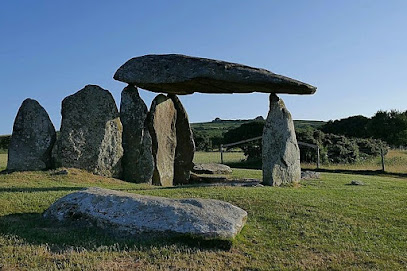
Pentre Ifan Burial Chamber
13.4 km
Explore Pentre Ifan, Wales’ towering 5,000-year-old Neolithic burial chamber with its iconic floating capstone and panoramic Pembrokeshire views.
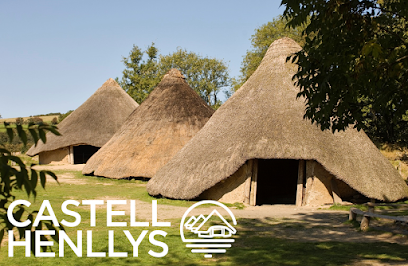
Castell Henllys Iron Age Village
14.3 km
Step back 2,000 years into a living Iron Age village nestled in Pembrokeshire’s stunning natural landscape.
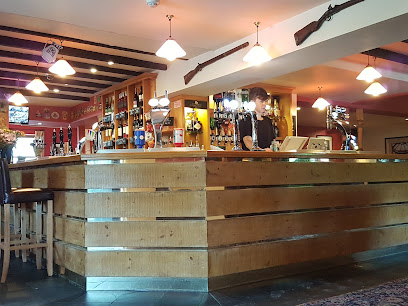
The Boars Head
15.4 km
A welcoming gastropub in Templeton serving fresh, locally sourced meals with hearty portions and a cozy, family-friendly atmosphere.
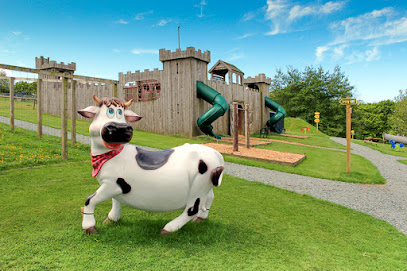
Bluestone Resort
16.1 km
Luxury lodges and family adventures await in Pembrokeshire’s scenic Bluestone National Park Resort, a vibrant village retreat set in 500 acres of countryside.

Clerkenhill Adventure Farm & Frizbee Golf Course
16.3 km
A vibrant family farm adventure with frisbee golf, crazy golf, and playful animal encounters in picturesque Pembrokeshire countryside.
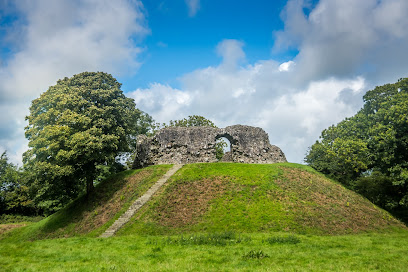
Wiston Castle
16.5 km
Explore Wiston Castle, a remarkable 12th-century motte-and-bailey fortress founded by Flemish settlers on Wales’ historic Norman-Welsh frontier.
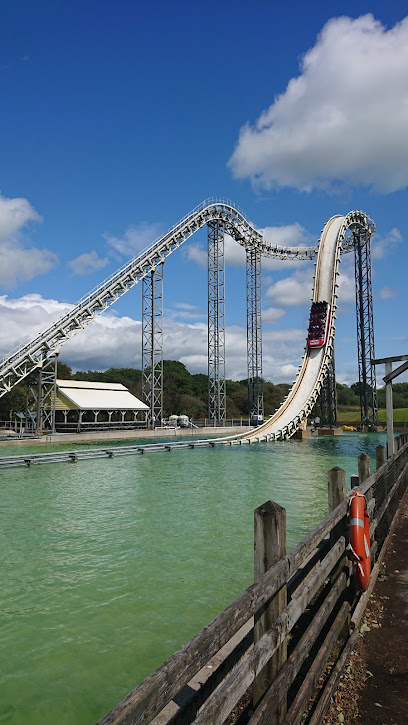
Oakwood Theme Park
16.6 km
Thrilling rides and family fun in scenic Pembrokeshire — Oakwood Theme Park, a cherished Welsh adventure destination.
National Trust - Colby Woodland Garden
17.6 km
Explore Colby Woodland Garden’s tranquil woodlands, vibrant meadows, and charming walled garden near Narberth in Pembrokeshire.
National Trust - Cilgerran Castle
17.6 km
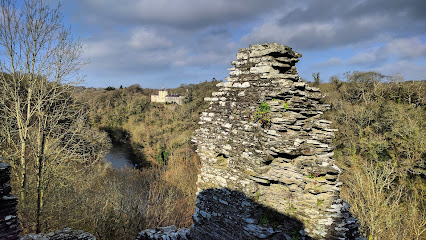
Explore the dramatic ruins of Cilgerran Castle, a 13th-century Norman fortress perched above the breathtaking Teifi Gorge in scenic West Wales.
Folly Farm Adventure Park and Zoo
18.0 km
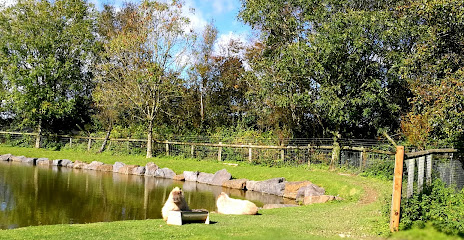
Explore 120 acres of award-winning family fun with exotic animals, vintage rides, and adventure playgrounds in the heart of Pembrokeshire.
Essential places to dine

The Penny Bar & Restaurant
12.4 km
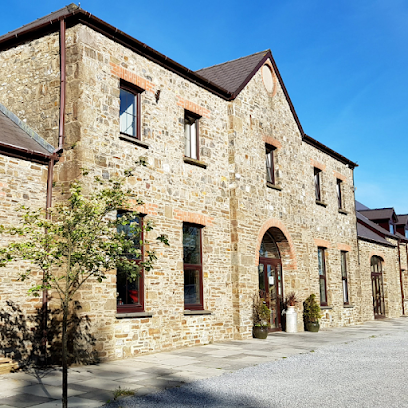
A modern British dining gem in Carmarthen’s countryside, offering all-day meals with local flavors and a welcoming atmosphere.
The Angel Narberth
12.5 km
Experience warm Welsh hospitality and fresh local flavors in the heart of Narberth at The Angel, a beloved restaurant and bar with historic charm.
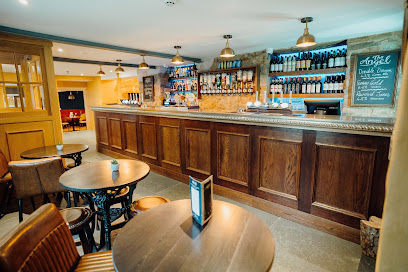
Annwn
12.6 km
Discover Annwn, a Michelin Guide restaurant in Narberth offering an intimate, sustainable dining experience with locally foraged Welsh flavors.
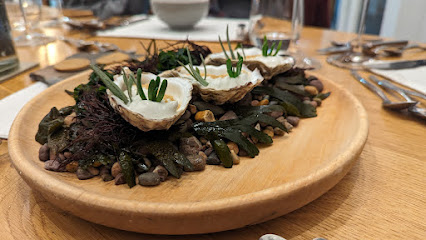
Madtom Land & Sea
12.6 km
Savor fresh seafood and local flavors in a cozy, rustic setting at Madtom Land & Sea, Narberth’s beloved coastal dining spot.
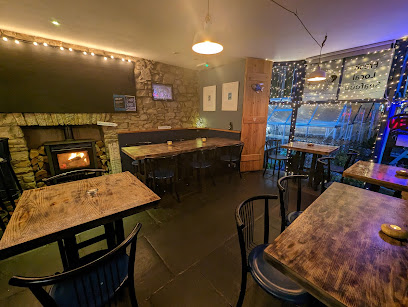
Fernery Restaurant
14.8 km
Intimate Welsh fine dining where seasonal produce and bold creativity converge in a 34-seat sanctuary.
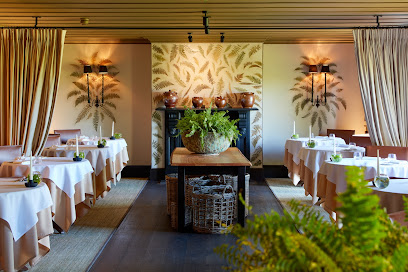
Firehouse Restaurant & Forge Motel
15.4 km
Rustic motel and restaurant in St Clears offering friendly service, hearty meals, and relaxing amenities including sauna and pool.
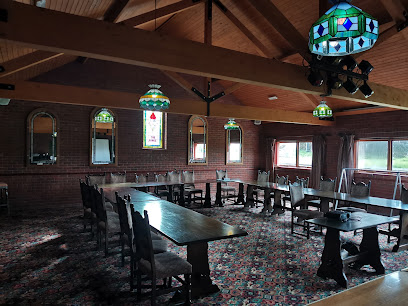
Black Pool Mill Restaurant
15.7 km
Historic mill turned charming restaurant offering fresh local fare and serene Pembrokeshire views in Narberth’s countryside.
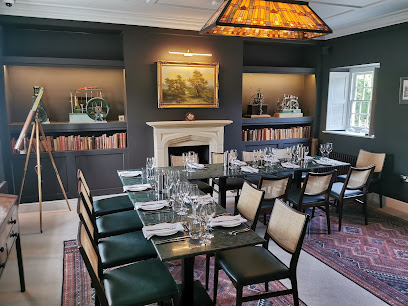
The Nags Head
16.4 km
A cozy Welsh gastropub in Abercych blending traditional charm with inclusive, locally inspired cuisine and warm hospitality.
Trewern Arms
16.6 km
Historic Welsh inn offering cozy rooms, excellent local cuisine, and riverside charm in the heart of Pembrokeshire Coast National Park.
The Fox & Hounds
17.1 km
Welcoming Welsh pub and restaurant in Bancyfelin offering hearty traditional fare, cozy rooms, and friendly local charm.
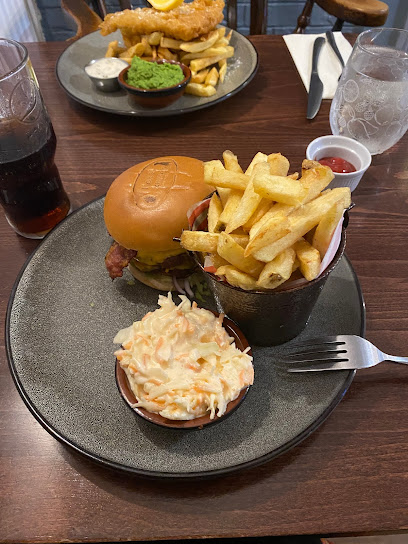
Llys Meddyg Hotel & Restaurant
17.5 km
Elegant 4-star hotel and fine dining restaurant in Newport, blending local charm with modern comfort near Pembrokeshire’s stunning coast.
The Golden Lion Hotel
17.5 km
Historic Welsh inn offering cozy rooms, hearty fare, and a classic pub atmosphere near Newport Sands beach and Pembrokeshire’s heritage sites.
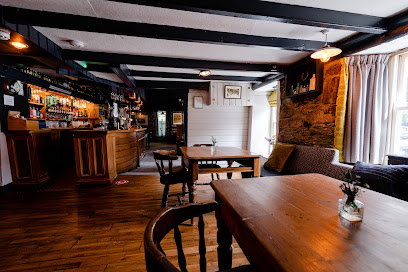
Tides Kitchen & Wine Bar
17.5 km
Fresh seafood, artisan bakery delights, and curated wines combine at Newport’s beloved Tides Kitchen & Wine Bar.

Castle Inn
17.6 km
Historic inn and lively pub in Newport offering cozy rooms, excellent British cuisine, and easy access to Pembrokeshire’s stunning coast.
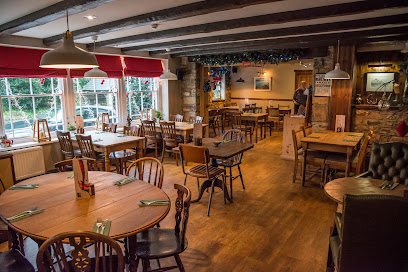
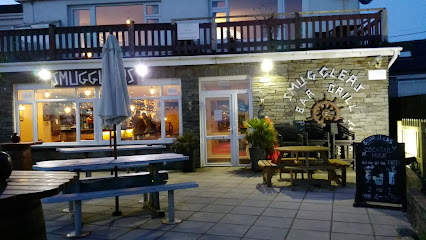
The Smugglers
18.6 km
Seaside dining with fresh grilled flavors, family fun, and stunning views on Amroth’s scenic sea front.
Markets, malls and hidden boutiques

Bazaar
12.3 km
Discover vintage charm and rustic elegance at Bazaar Home & Garden, Narberth’s premier destination for unique, sustainable furnishings and décor.
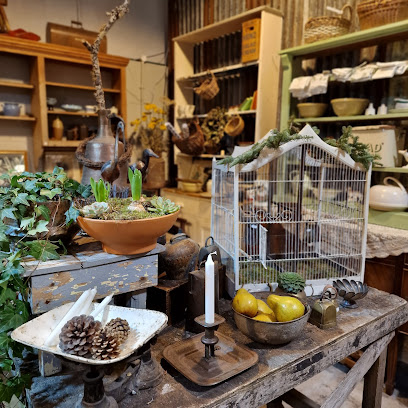
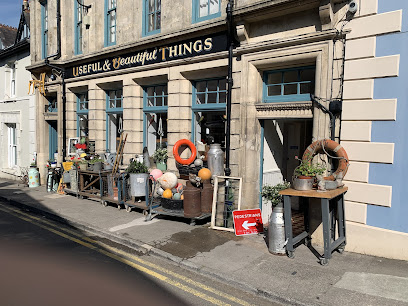
Useful & Beautiful Things
12.5 km
Explore the charming antique shop, Useful & Beautiful Things, in Narberth for unique vintage treasures and rich history.
The Welsh Farmhouse Company
12.6 km
Authentic Welsh outerwear and timeless farmhouse-inspired fashion in the heart of Narberth’s historic High Street.
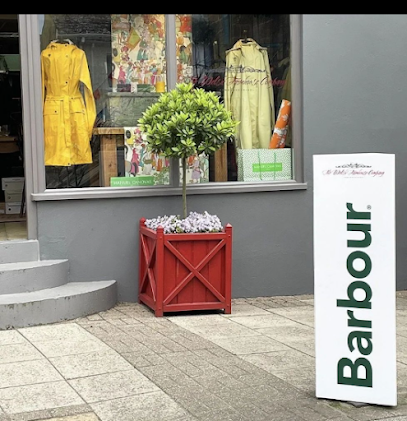
The Original Factory Shop (St Clears)
14.3 km
Discover unbeatable discounts on beauty, fashion, and footwear at The Original Factory Shop in St Clears, your local bargain destination.

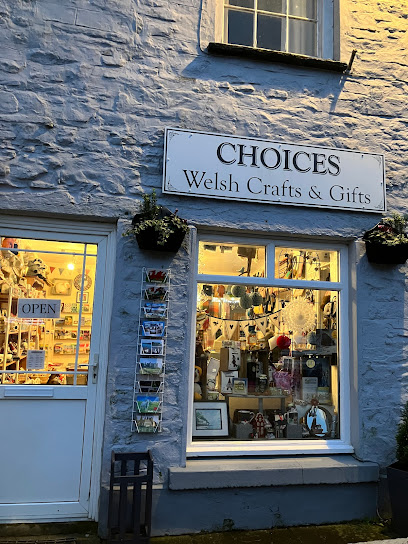
Choices
19.8 km
Choices is a charming gift shop in Laugharne offering unique local crafts and souvenirs in a welcoming atmosphere, open daily from 9am to 5pm.
Labels For Less
20.3 km
Discover unique and affordable homewares with a personal touch in the heart of Cardigan’s historic High Street.

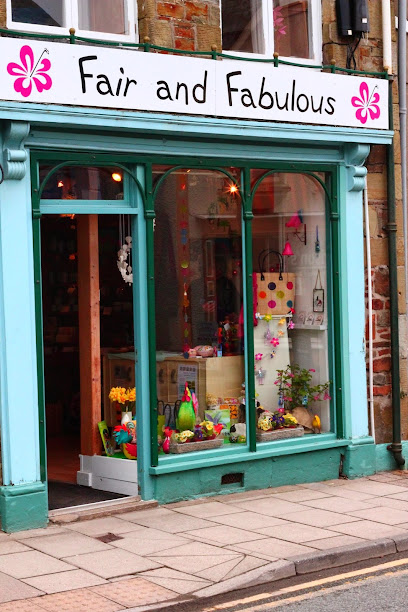
Fair & Fabulous
20.4 km
Discover ethically crafted gifts and sustainable treasures at Fair & Fabulous, Newcastle Emlyn’s premier Fair Trade boutique.
MIKE’S SHOP
20.4 km
Discover Mike’s Shop, Cardigan’s beloved variety store known for its quirky, practical goods and decades of local charm.

The Works
20.4 km
Affordable creativity and screen-free fun await at The Works Cardigan, your local hub for books, crafts, toys, and more.

Solo Clothing, Cardigan
20.4 km
Discover stylish, cozy knitwear and unique women's fashion in the heart of Cardigan’s historic High Street.

The Eco Shop
20.4 km
Discover sustainable treasures and community spirit at The Eco Shop, Cardigan’s beloved secondhand store.
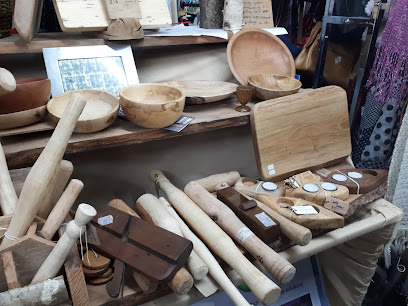
Awen Teifi
20.5 km
Discover Welsh culture and literature at Awen Teifi, Cardigan’s beloved bookshop and gift store brimming with local charm and creativity.

The Original Factory Shop (Cardigan)
20.5 km
Discover unbeatable discounts on clothing, beauty, and homeware at Cardigan’s friendly and budget-conscious Original Factory Shop.
The prep shop uk
20.5 km
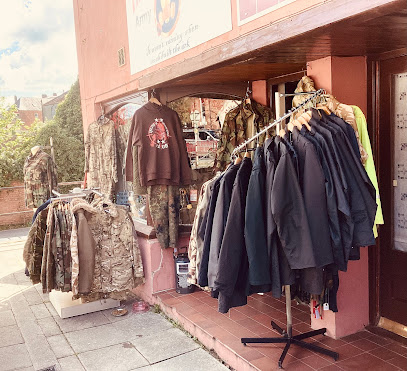
Cardigan’s trusted army and navy surplus shop offering authentic military gear, prepping supplies, and outdoor equipment for enthusiasts and adventurers.
U Melt Me and Gifts
20.5 km
Discover handcrafted luxury home fragrances and unique gifts crafted with Welsh charm in the heart of Cardigan.

Essential bars & hidden hideouts

Tafarn Sinc.
10.2 km
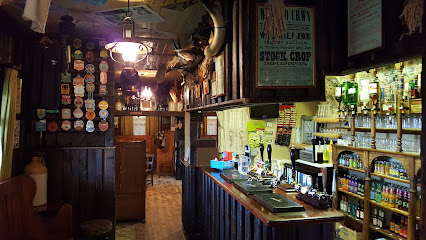
Historic community-owned pub in Rosebush offering a quirky atmosphere, diverse drinks, and vegan-friendly dining in scenic Pembrokeshire.
Hwb
12.5 km
Lively bar in Narberth with vibrant art, quality drinks, and a warm, casual atmosphere reflecting Pembrokeshire’s community spirit.
Dyffryn Arms
16.6 km
Step back in time at Dyffryn Arms, a traditional Welsh pub nestled in the tranquil Gwaun Valley, where history, hearty ales, and local warmth await.
Penybryn Arms
17.2 km
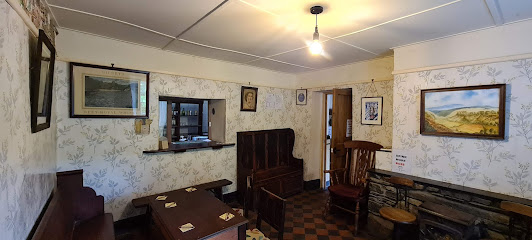
Cozy Welsh pub in Cardigan offering traditional dishes, local brews, and warm hospitality by a welcoming open fire.

Cardiff Arms
17.5 km
A family-run pub in Cilgerran offering hearty food, friendly service, and a cozy atmosphere in the heart of Welsh countryside.

Llwyngwair Arms
17.6 km
Experience authentic Welsh hospitality and traditional ales in the historic, cozy Llwyngwair Arms nestled in Newport’s charming village heart.

Amroth Arms
18.6 km
Charming seaside pub in Amroth with stunning coastal views, hearty local fare, and warm Welsh hospitality.
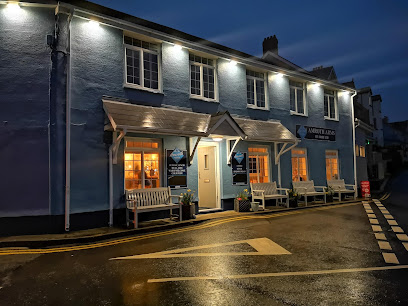
Templebar Inn
18.6 km
Charming seaside gastropub in Amroth offering hearty meals, stunning sea views, and a warm, dog-friendly atmosphere.
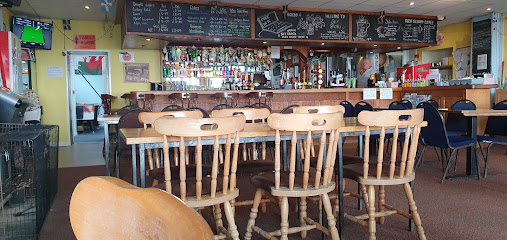
Wisemans Bridge Inn
19.6 km
Traditional Welsh coastal inn with a unique sitting room bar, beachside charm, and warm hospitality in the heart of Wisemans Bridge.
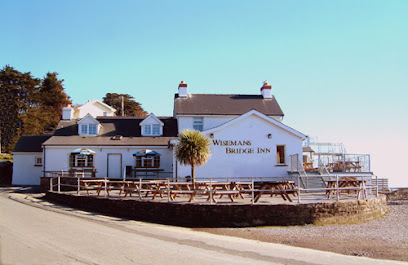
Albion Aberteifi
20.1 km
An adults-only maritime hotel in Cardigan blending historic charm with riverside views and crafted cocktails.
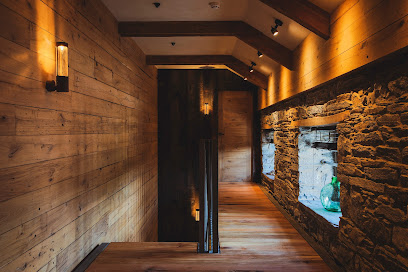
The Castle Inn
20.1 km
Historic and welcoming pub in Cardigan offering quality ales, cozy atmosphere, and a true taste of Welsh hospitality.

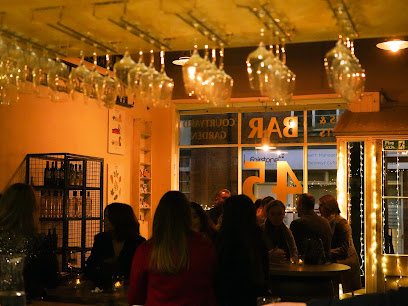
Bar 45
20.4 km
Discover Bar 45, Cardigan’s intimate bar serving authentic Welsh whisky, cocktails, and local brews in a cozy setting with a secret garden.
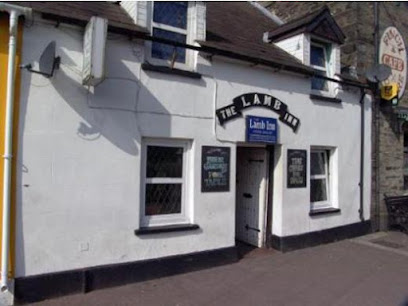
The Lamb Inn
20.4 km
A cozy and affordable traditional pub in Cardigan offering hearty British fare, friendly service, and a lively local atmosphere.
Saddlers Arms
20.5 km
Cozy traditional Welsh pub on Cardigan’s High Street, known for cask ales, friendly locals, and lively nights with karaoke and jukebox tunes.

The Old Chemist Inn
21.0 km
Seaside charm meets hearty pub fare at The Old Chemist Inn, a friendly Saundersfoot spot with beach views and a welcoming atmosphere.
Nightclubs & after hour spots

Sands Nightclub
21.1 km
Saundersfoot’s lively nightclub with dance, drinks, and a vibrant atmosphere near the beach.

Eddie Rocks
23.8 km
A vibrant multi-floor nightclub in Haverfordwest offering energetic nights, diverse music, and a welcoming atmosphere by the waterfront.

Savannah's Night Club
24.4 km
Experience Carmarthen’s vibrant nightlife at Savannah's Night Club—where music, dance, and stylish vibes create unforgettable Saturday nights.
Lucifer's Nightlife
24.8 km
Experience Carmarthen's vibrant nightlife and fast food fusion at Lucifer's Nightlife, where music, dancing, and late-night bites come alive on Queen Street.
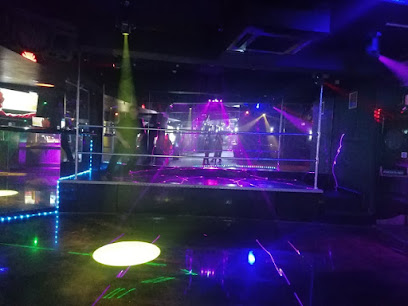
Prince Of Wales
25.4 km
Tenby’s iconic late-night nightclub blending lively music, classic charm, and a spirited atmosphere in the heart of Town Wall Arcade.
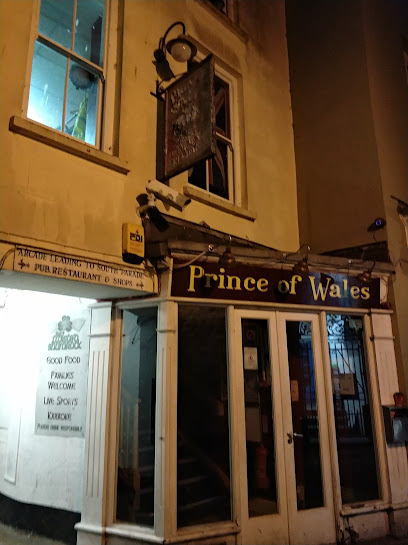
Hazewell Club
25.6 km
Discover the Hazewell Club in Tenby: a cozy sports club offering a warm atmosphere and local drinks amidst stunning coastal views.
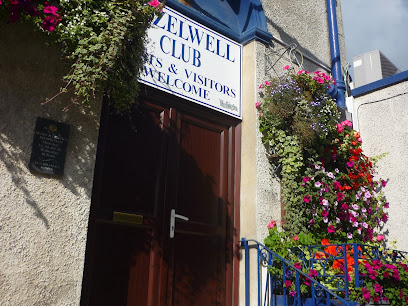
Comlongon
26.4 km
Experience vibrant nightlife in the charming village of St Florence with Comlongon, Tenby’s energetic nightclub gem.
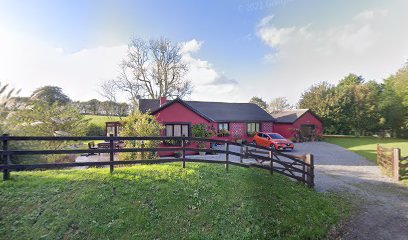
Paddles
30.5 km
Experience Pembroke’s vibrant nightlife at Paddles, the go-to nightclub for late-night music, drinks, and social energy in the town center.
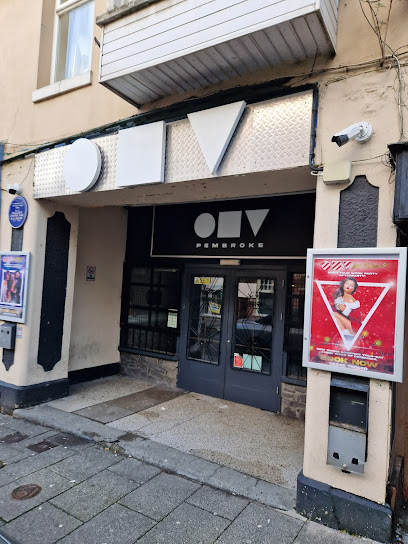
OUT VIP Cocktail Lounge and Night Venue
30.5 km
OUT VIP Cocktail Lounge: Pembroke's ultimate destination for exquisite cocktails and vibrant nightlife, blending elegance with fun in a stylish setting.

Boulevard Show Bar
33.2 km
Experience vibrant cabaret, live shows, and lively nightlife at Boulevard Show Bar, Milford Haven’s premier entertainment venue.
The Basement
33.3 km
Discover the energetic nightlife of Milford Haven at The Basement, where music, dancing, and vibrant gatherings create unforgettable experiences.
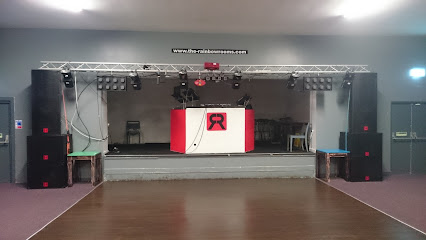
The Rainbow Rooms Bar & Club
50.1 km
Experience lively nights and vibrant music at The Rainbow Rooms Bar & Club, Gorseinon’s premier destination for unforgettable nightlife.
Sin City
58.0 km
Energetic Swansea nightclub with live music, affordable drinks, and a lively atmosphere on Dillwyn Street.
Cuba Escape
58.0 km
Experience Swansea’s vibrant nightlife at Cuba Escape, where live music, energetic crowds, and a colorful atmosphere come together for unforgettable nights.

PlanB
58.0 km
Swansea’s energetic two-floor nightclub with a focus on dance music, lively DJs, and great drink deals for a night to remember.

For the vibe & atmosphere seeker
- Tranquil
- Scenic
- Unique
- Relaxing
For the design and aesthetic lover
- Rustic Designs
For the architecture buff
- Historic
- Landmarks
For the view chaser and sunset hunter
- Iconic Views
- Panoramas
For the social media creator & influencer
- Instagrammable
- Photo Spots
For the eco-conscious traveler
- Protected Area
- Public-Transport Accessible
- Leave-No-Trace Critical
For the kind of experience you’re after
- Cultural Heritage
- Nature Escape
- Day Trip
- Photowalk
- Myth & Legends
For how adventurous you want the journey to be
- Easy Access
Location Audience
- Family Friendly
- Senior Friendly
- Child Friendly
- Teen Friendly
- Solo Friendly
- Couple Friendly
- Vegetarian Friendly
- Vegan Friendly


