St Clears Castle Travel Guide
Free Guide: Explore the earthwork remains of St Clears Castle, a Norman motte-and-bailey fortress steeped in medieval Welsh history at the rivers’ confluence.


A brief summary of St Clears Castle
Explore the earthwork remains of St Clears Castle, a Norman motte-and-bailey fortress steeped in medieval Welsh history at the rivers’ confluence.
St Clears Castle is a historic Norman motte-and-bailey fortress established in the early 12th century at the confluence of the Taf and Cynin rivers in Carmarthenshire, Wales. Though now reduced to earthwork remains, the site played a notable role in medieval Welsh-English conflicts, including captures by Welsh princes and the Glyndŵr uprising. The castle's substantial motte remains well preserved, marking the site where the town of St Clears later developed.
On-site amenities
 Information boards
- Address
- Garage, St Clears, Carmarthen SA33
Getting there
Bus
Car
Train and Taxi
Discover more about St Clears Castle
Origins and Strategic Location
St Clears Castle was founded in the late 11th or early 12th century by Norman invaders during their conquest of southwest Wales. Positioned at the junction of the Taf and Cynin rivers, the castle occupied a strategic site likely chosen for its access to navigable waters suitable for shallow-draught Norman boats. The castle's design was a classic motte-and-bailey, featuring a large artificial mound (motte) topped by a timber tower and an enclosed courtyard (bailey) protected by a palisade. This earthwork fortress served as both a military stronghold and a focal point for the emerging settlement that became the town of St Clears.
Medieval Conflicts and Ownership
Throughout the 12th and early 13th centuries, St Clears Castle was a contested site in the turbulent Anglo-Welsh borderlands. It was captured multiple times, notably by the Welsh prince Rhys ap Gruffydd in 1153 and later by Llywelyn the Great in 1215 during his campaigns in south Wales. The castle was also held by prominent Norman lords including William de Braose II and William Marshal the younger, Earl of Pembroke. Its military importance declined after the 14th century, with the castle falling into decay following destruction by Llywelyn the Great and involvement in the Glyndŵr uprising in 1405, when it was besieged and taken by the Welsh rebel leader Owain Glyndŵr.
Architectural Features and Remains
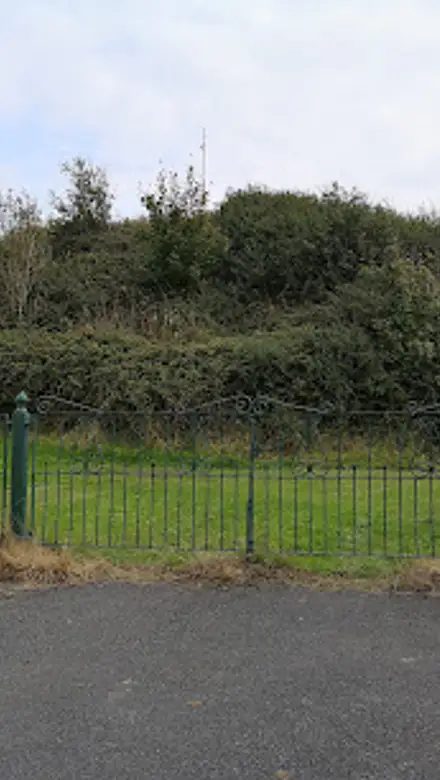
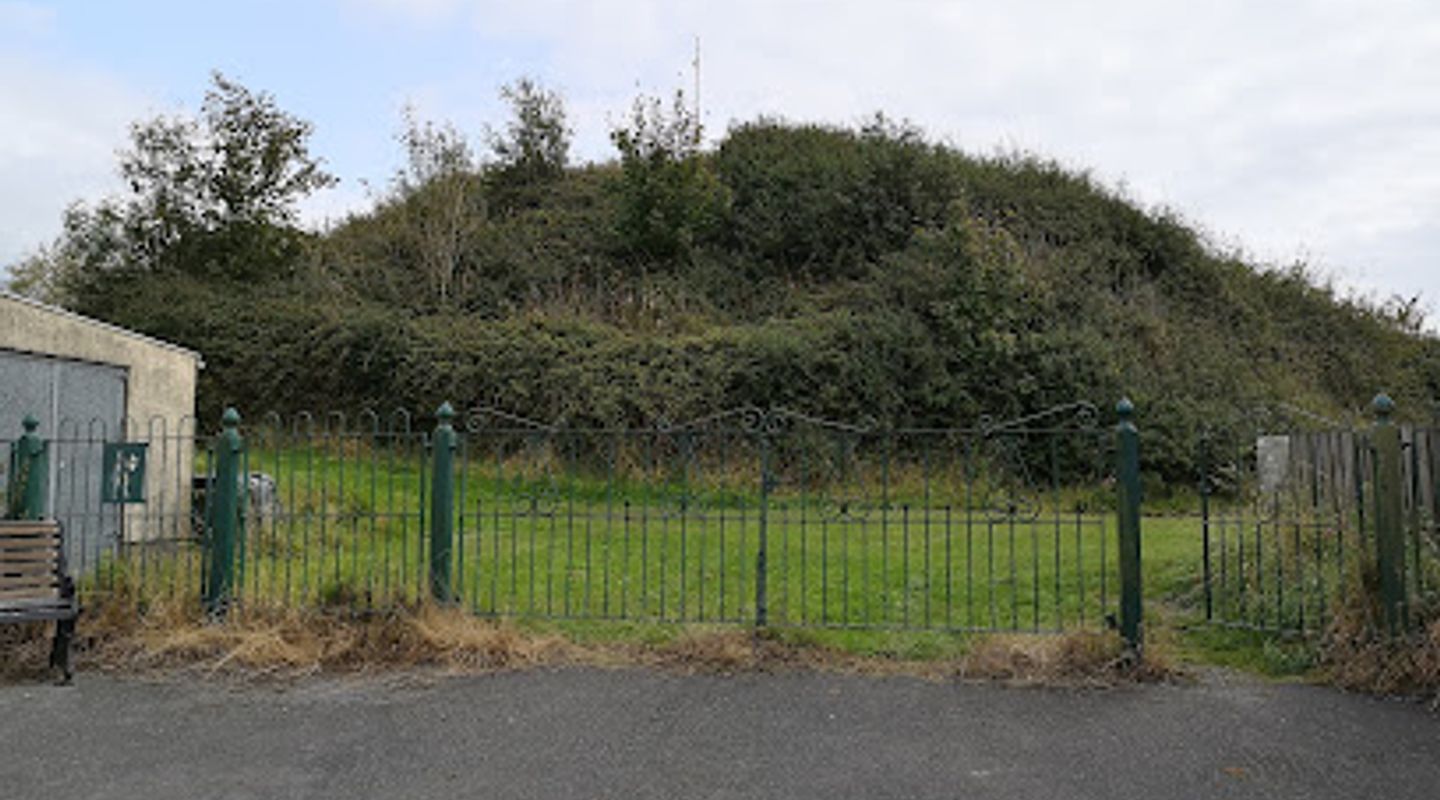
Today, only the earthwork remains of St Clears Castle survive, primarily the large motte which stands approximately 8 meters high with an oval summit measuring about 20 by 10 meters. Archaeological finds such as stone lime, mortar, and ashes atop the motte suggest the presence of stone or timber structures once stood there. The bailey area, once enclosed by a wooden palisade, is no longer visible above ground. Despite the lack of standing buildings, the site offers a tangible connection to Norman military architecture and medieval frontier life in Wales.
Historical Significance and Local Legacy
Though never a major fortress, St Clears Castle played a role in the shifting control of south Wales during the Middle Ages. It is mentioned in medieval chronicles and by writers such as Giraldus Cambrensis, who recounted events involving the castle’s garrison. The castle’s presence fostered the growth of St Clears as a Marcher borough, a Norman frontier town. Nearby historical landmarks include the Priory Church of St Mary Magdalene, founded around 1100, which complements the castle’s medieval heritage. The castle’s story intertwines with Welsh resistance, Norman lordship, and the broader narrative of medieval Wales.
Visitor Experience and Setting
Visitors to St Clears Castle can explore the well-preserved motte and enjoy views over the surrounding Carmarthenshire countryside and river junction. The site’s rural setting offers a peaceful atmosphere, inviting reflection on the layered history beneath the earthworks. Informational plaques provide context for the castle’s past, enhancing the experience for history enthusiasts and casual visitors alike. While no facilities exist on-site, the nearby town of St Clears offers amenities and further insights into the region’s heritage.
Continuing Heritage and Conservation
As an important archaeological and historical site, St Clears Castle is protected as a scheduled monument, ensuring its preservation for future generations. Efforts to maintain the earthworks and educate visitors contribute to sustaining the cultural landscape of Carmarthenshire. The castle remains a symbol of Norman influence and Welsh resilience, anchoring the identity of St Clears within the rich tapestry of Welsh history.
Evendo Review Centre
 Google
Guest reviews
Best time to go
Quietest: Jan, Feb & Dec · before 6am or at 9pm
Busy times are Evendo estimates for a typical year, to help you plan. Actual crowds vary with events, school holidays and the weather.
Explore St Clears Castle on the map
A handpicked selection of must-see spots near St Clears Castle, mapped for you.
Get your free copy of our complete guide to St Clears Castle, delivered straight to you.
Everything on this page, from opening hours and how to get there to Eve’s tips and the best time to go, in one PDF you can read offline, print or share.
Already have an account? Sign in
Your St Clears Castle guide is ready.
We'll send it to · Not you? Sign out

Getting your guide ready…
We are putting together a fresh copy of the St Clears Castle guide. This can take up to a minute.
This can take a few moments. If your browser asks, choose Allow so the download can start. You'll find the guide in your Downloads folder.
Nothing happened? Download it again
Sorry, the guide is taking longer than usual. Please try again in a minute, or get it by email instead.
Other nearby places you may find interesting
The closest places of the same kind, if this one is not quite what you had in mind.
-
-
-
-
-


Swipe for more places
More to explore near St Clears Castle

 Best experiences near St Clears Castle
 Best hotels near St Clears Castle
 Best landmarks near St Clears Castle
 Best attractions near St Clears Castle
 Best shops near St Clears Castle
 Best restaurants near St Clears Castle
 Best bars near St Clears Castle
Do you manage this location?
Take control to get all the benefits, like improved information, better appearance, and stronger visibility across AI-powered discovery.
Explore more

Explore more of Carmarthenshire
Discover Carmarthenshire: A blend of history, nature, and culture in the heart of South-West Wales. Experience castles, coastlines, and culinary delights in this enchanting Welsh county.
Explore Carmarthenshire
Explore more of United Kingdom
Discover the United Kingdom: A blend of rich history, stunning landscapes, and vibrant cities, offering a unique travel experience for every visitor.
Explore United Kingdom