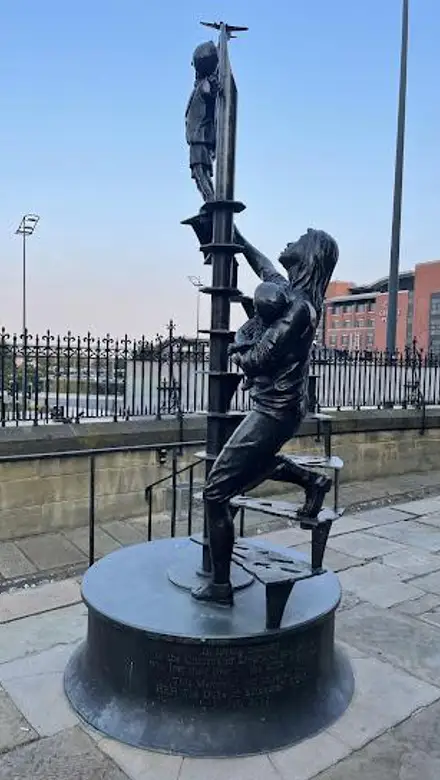
Blitz Memorial Travel Guide
Free Guide: A solemn tribute in Liverpool honoring the civilian lives lost during World War II’s devastating air raids.


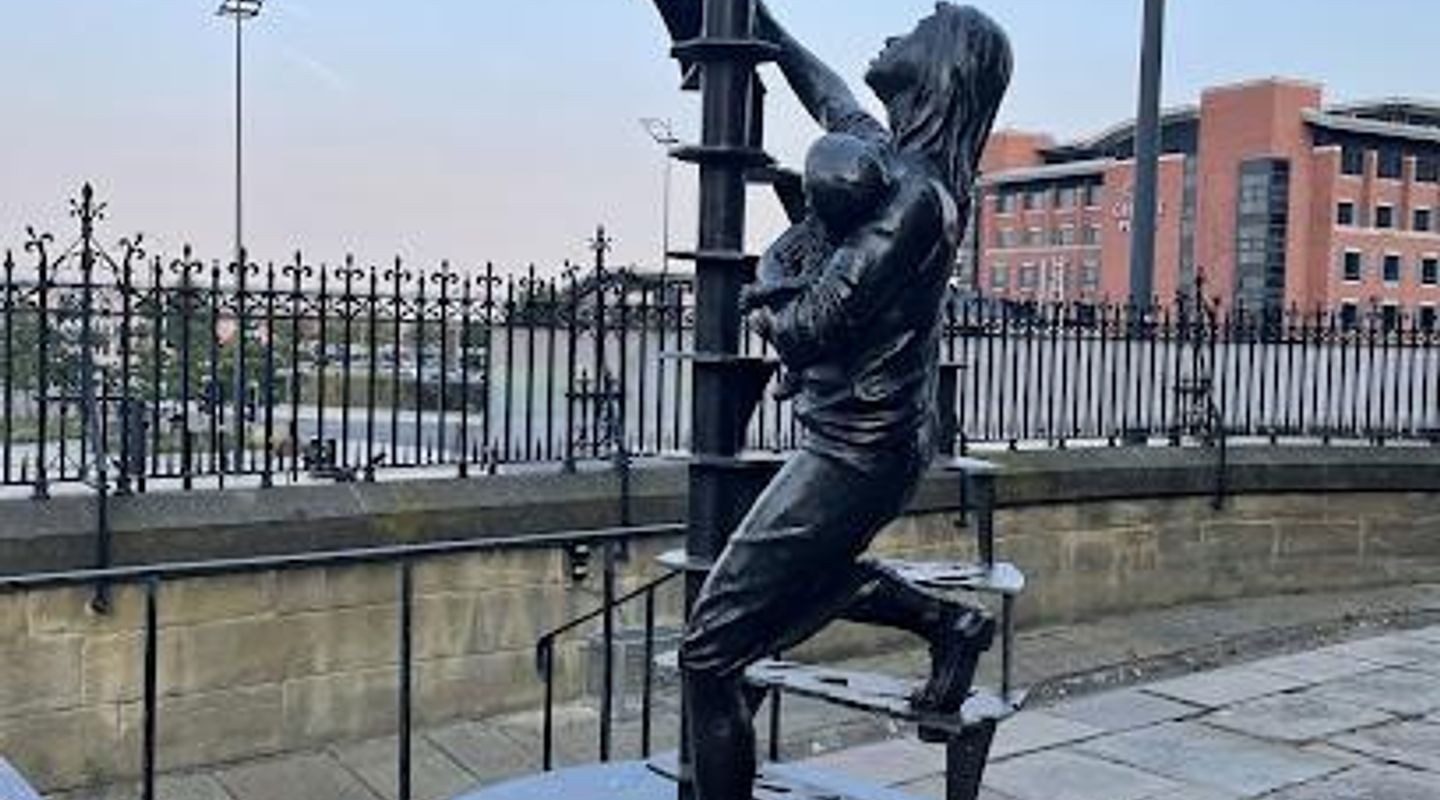
A brief summary of Blitz Memorial
A solemn tribute in Liverpool honoring the civilian lives lost during World War II’s devastating air raids.
The Blitz Memorial in Liverpool is a solemn historical landmark dedicated to honoring the civilian victims of the devastating World War II air raids. Located on the A5036 near Liverpool's waterfront, it commemorates the resilience and sacrifice of the city’s people during the Blitz, particularly those buried in a communal grave at Anfield Cemetery. The memorial stands as a poignant reminder of Liverpool’s wartime endurance and community spirit.
On-site amenities
 Information boards
 Seating areas
 Trash bins
- Address
- A5036, Liverpool L2 8TZ
Getting there
Bus
Walking
Taxi
Discover more about Blitz Memorial
Commemorating Liverpool’s Wartime Sacrifice
The Blitz Memorial in Liverpool is a powerful tribute to the thousands of civilians who lost their lives during the German air raids of World War II. The city endured repeated bombings, notably the May Blitz of 1941, which devastated large parts of Liverpool and caused immense loss of life and destruction. The memorial specifically honors those who perished in these attacks, with a communal grave at Anfield Cemetery holding over 550 victims. Erected in 1951, the monument was funded by the citizens of Liverpool and stands as a testament to their collective memory and respect for those who sacrificed everything.
Design and Historical Context
The memorial was designed and built shortly after the war, reflecting post-war sentiments of remembrance and resilience. It was originally commissioned by Liverpool’s city council and features inscriptions that commemorate the victims buried in the communal grave. Over time, the memorial has suffered deterioration, leading to restoration efforts aimed at preserving its legacy. The site is planned to be enhanced with wheelchair access and symbolic poppy linings to deepen its commemorative impact.
Location and Surroundings
Situated on the A5036 road near Liverpool’s waterfront and close to St. Nicholas Place, the Blitz Memorial occupies a significant urban space that connects it visually and historically to the city’s maritime heritage. The area around the memorial offers views of the River Mersey and is close to other notable landmarks such as the Royal Liver Building and the Liverpool Empire Theatre, situating it within a rich cultural and historical landscape.
Community and Cultural Significance
The memorial holds deep importance for the local community, serving as a focal point for remembrance ceremonies such as Armistice Day. It reflects the spirit of a city that endured hardship with courage and unity. Local figures, including broadcasters and council officials, have championed the preservation and restoration of the site, emphasizing its role in educating future generations about Liverpool’s wartime history.
Visitor Experience and Atmosphere
Visitors to the Blitz Memorial encounter a place of quiet reflection and solemnity. The memorial’s design and inscriptions evoke the gravity of the wartime experience while offering a space to honor those lost. The surrounding urban environment, with its mix of historic architecture and waterfront views, enhances the contemplative atmosphere. The site is accessible and planned to be made fully inclusive, inviting all visitors to engage with Liverpool’s past.
Ongoing Preservation and Legacy
Due to weathering and damage, the memorial has required ongoing maintenance and restoration efforts. Recent initiatives aim to restore the monument’s structural integrity and aesthetic presence while making it more accessible. These efforts ensure that the Blitz Memorial continues to stand as a lasting symbol of Liverpool’s resilience and a poignant reminder of the human cost of war.
Evendo Review Centre
 Google
Guest reviews
Best time to go
Quietest: Jan, Feb & Dec · before 6am or at 9pm
Busy times are Evendo estimates for a typical year, to help you plan. Actual crowds vary with events, school holidays and the weather.
Explore Blitz Memorial on the map
A handpicked selection of must-see spots near Blitz Memorial, mapped for you.
Get your free copy of our complete guide to Blitz Memorial, delivered straight to you.
Everything on this page, from opening hours and how to get there to Eve’s tips and the best time to go, in one PDF you can read offline, print or share.
Already have an account? Sign in
Your Blitz Memorial guide is ready.
We'll send it to · Not you? Sign out

Getting your guide ready…
We are putting together a fresh copy of the Blitz Memorial guide. This can take up to a minute.
This can take a few moments. If your browser asks, choose Allow so the download can start. You'll find the guide in your Downloads folder.
Nothing happened? Download it again
Sorry, the guide is taking longer than usual. Please try again in a minute, or get it by email instead.
Unlock the best of Blitz Memorial
Skip-the-line tickets, guided tours with entry, and walking tours of the area, booked in a few clicks.

Other nearby places you may find interesting
The closest places of the same kind, if this one is not quite what you had in mind.
-
-
-
-
-


Swipe for more places
More to explore near Blitz Memorial

 Best experiences near Blitz Memorial
 Best hotels near Blitz Memorial
 Best landmarks near Blitz Memorial
 Best attractions near Blitz Memorial
 Best shops near Blitz Memorial
 Best restaurants near Blitz Memorial
 Best bars near Blitz Memorial
Do you manage this location?
Take control to get all the benefits, like improved information, better appearance, and stronger visibility across AI-powered discovery.
Explore more

Explore more of Cheshire
Discover Cheshire, where history meets natural beauty. Explore charming villages, historic Chester, and scenic countryside for a quintessential English experience.
Explore Cheshire
Explore more of United Kingdom
Discover the United Kingdom: A blend of rich history, stunning landscapes, and vibrant cities, offering a unique travel experience for every visitor.
Explore United Kingdom