

Hargreaves Building
Victorian banking landmark preserving Liverpool's golden age of maritime commerce and financial power
A Grade II listed Victorian bank building standing prominently on Chapel Street near Liverpool's historic docklands. Constructed in 1859 as the headquarters of Brown Shipley Bank, this architectural landmark reflects the city's golden age of maritime commerce and banking prosperity. The building showcases period craftsmanship and remains a striking example of 19th-century financial architecture in one of England's most important port cities.
A brief summary to Hargreaves Buildings
- 5 Chapel St, Liverpool, L3 9AG, GB
- Duration: 0.25 to 1 hours
- Free
-
 Outdoor
- Mobile reception: 5 out of 5
Local tips
- Visit during daylight hours to appreciate the building's architectural details and period stonework, which are best viewed in natural light from Chapel Street.
- Combine your visit with exploration of nearby Albert Dock and the surrounding docklands heritage area to understand Liverpool's maritime history in context.
- The building is best appreciated from the street as an exterior landmark; note the Victorian design elements and the craftsmanship typical of 19th-century institutional architecture.
- Research the history of Brown Shipley Bank and Sir William Brown before visiting to gain deeper appreciation for the building's role in Liverpool's commercial development.

For the on-the-go comforts that matter to you
- Seating Areas
- Information Boards
Getting There
-
Public Transport
Liverpool Central railway station is approximately 800 metres away, accessible via a 10–12 minute walk through the city centre. From the station, head northwest towards Chapel Street. Alternatively, Merseyrail services connect to nearby stations; journey times from outer areas typically range from 15–25 minutes depending on origin.
-
Bus
Multiple bus routes serve the Chapel Street area and Liverpool city centre. Journey times from the city centre are typically 5–10 minutes depending on route and traffic. Services run regularly throughout the day; check local timetables for frequency and evening/Sunday schedules.
-
Walking
From Liverpool city centre, Chapel Street is accessible via a 10–15 minute walk. The route is straightforward through pedestrianised and main streets with level terrain. The area is well-lit and busy during business hours, making it safe and easy to navigate on foot.
-
Taxi or Rideshare
Taxis and rideshare services operate throughout Liverpool. Journey times from the city centre are typically 5–10 minutes depending on traffic. Estimated fares from the city centre range from £6–12. The building is located on a main street with accessible drop-off points nearby.
Hargreaves Buildings location weather suitability
-
 Any Weather
Discover more about Hargreaves Buildings
A Monument to Liverpool's Banking Heritage
The Hargreaves Building stands as a testament to Liverpool's prominence as a global financial and maritime centre during the Victorian era. Built in 1859, this substantial structure was commissioned as the headquarters of Brown Shipley Bank, one of the city's most influential financial institutions. The bank was founded by Sir William Brown, a local finance magnate and philanthropist whose vision shaped much of Liverpool's commercial landscape. The building's construction during this period reflects the immense wealth flowing through the city's docks and the confidence of its merchant class in the future of international trade.Architectural Significance and Design
The Hargreaves Building exemplifies the confident Victorian approach to institutional architecture. Positioned on Chapel Street, close to Liverpool's docklands, the building commands attention through its substantial presence and period detailing. The structure demonstrates the craftsmanship and design principles typical of mid-19th-century banking halls, where architectural grandeur served to instil confidence in depositors and reflect the stability and permanence of the institution. The building's Grade II listed status, granted in 1966, recognises its historical and architectural importance to Liverpool's built heritage.The Brown Shipley Legacy
Brown Shipley Bank occupied a unique position in Liverpool's financial world, serving the needs of merchants engaged in the transatlantic trade that made the city wealthy. The bank's headquarters in this building represented the intersection of maritime commerce and high finance—two forces that transformed Liverpool from a modest port into one of the world's most important trading centres. The building's location near the docklands was no accident; proximity to the waterfront and the commercial activity of the port was essential to the bank's operations and influence.Victorian Craftsmanship and Decorative Elements
The interior of the Hargreaves Building contains notable decorative features that reflect the aspirations and interests of the Victorian merchant class. Among these are portraits of historical figures connected with the discovery of America, including Francisco Pizarro, Hernán Cortés, and Amerigo Vespucci. These artistic choices reveal how 19th-century banking institutions used imagery to connect themselves to themes of exploration, enterprise, and global commerce—values central to their identity and appeal to clients engaged in international trade.Enduring Presence in Liverpool's Streetscape
Today, the Hargreaves Building remains a distinctive feature of Chapel Street, contributing to the character of Liverpool's historic commercial district. Though no longer serving its original banking function, the building stands as a physical reminder of the city's mercantile past and the architectural confidence of the Victorian period. Its preservation as a listed building ensures that future generations can appreciate the craftsmanship and design principles that characterised Liverpool's most prosperous era.Iconic landmarks you can’t miss

Hargreaves Buildings
0.0 km
Victorian banking landmark preserving Liverpool's golden age of maritime commerce and financial power
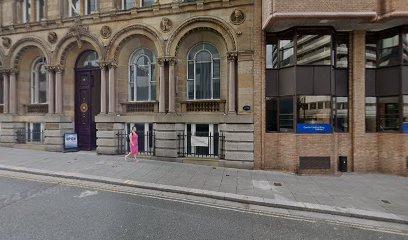
Oriel Chambers
0.1 km
Oriel Chambers: Liverpool’s revolutionary 1864 office building that pioneered the metal-framed glass curtain wall and modern skyscraper design.
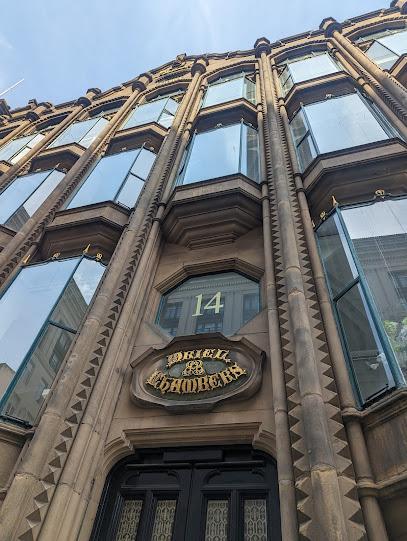
1 Exchange Flags
0.2 km
Historic Liverpool landmark featuring WWII command bunker, elegant architecture, and a courtyard rich with maritime and mercantile heritage.
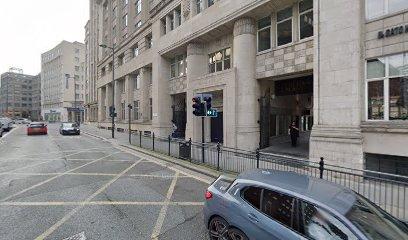
Liverpool Town Hall
0.2 km
Georgian grandeur meets civic ceremony in Liverpool's most magnificent 18th-century building.
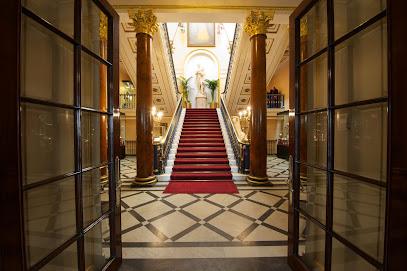
Royal Liver Suite
0.2 km
Celebrate your special moments with panoramic Mersey views in Liverpool’s iconic Royal Liver Suite, blending heritage and elegance.
Cotton Exchange Bldg Old Hall Street
0.2 km
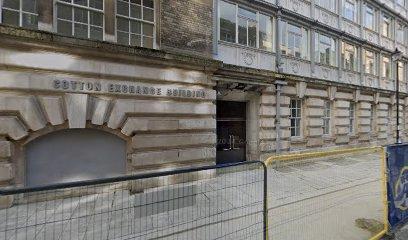
Historic heart of Liverpool’s cotton trade, blending Edwardian grandeur with modern business life on Old Hall Street.
Cunard Building
0.2 km
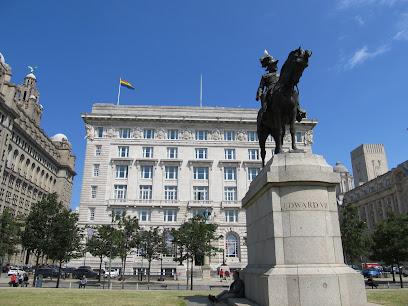
A majestic waterfront landmark embodying Liverpool’s rich maritime history and Cunard’s legacy of luxury ocean travel.
Sir Alfred Lewis Monument
0.3 km
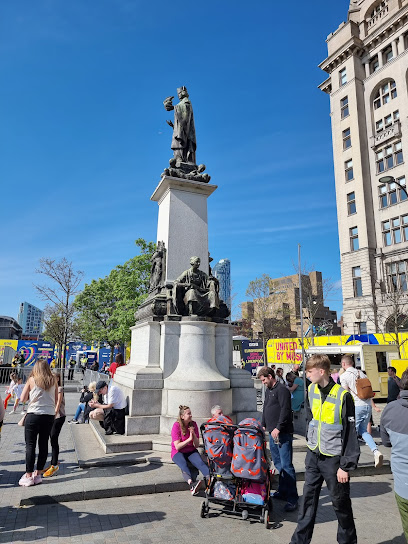
A striking bronze memorial at Liverpool’s Pier Head honoring Sir Alfred Lewis Jones, maritime pioneer and founder of tropical medicine research.
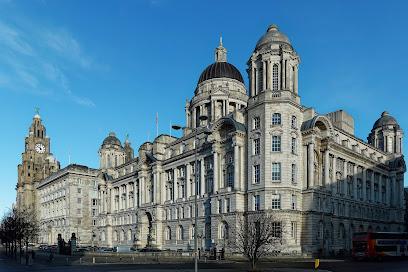
The Port Of Liverpool Building
0.3 km
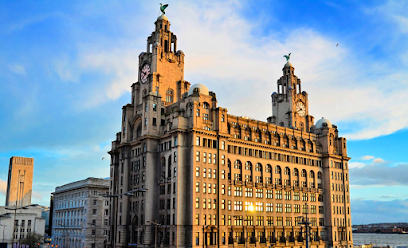
The oldest of Liverpool’s Three Graces, this Edwardian Baroque masterpiece at Pier Head is a powerful symbol of the city’s golden age as a global port and a defining feature of its historic skyline.
Cilla Black
0.5 km
Celebrate Liverpool’s beloved entertainer with the life-size bronze statue of Cilla Black on iconic Mathew Street, near the legendary Cavern Club.
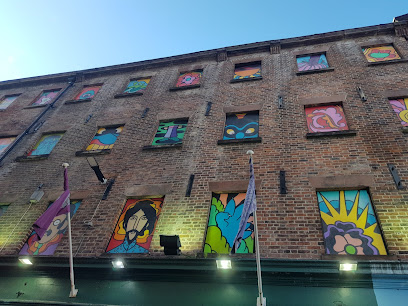
Liverpool Beatles Museum
0.5 km
Explore the largest authentic Beatles collection in Liverpool’s historic Mathew Street, celebrating the band’s legendary journey and legacy.
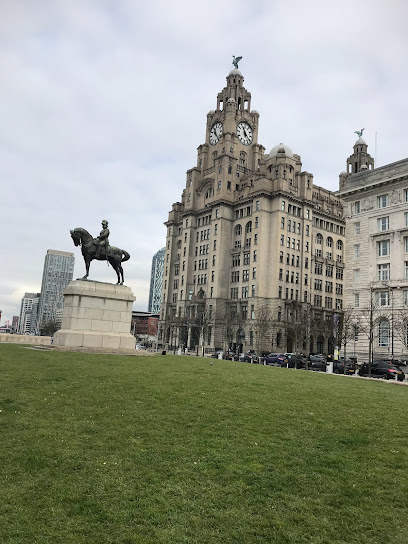
Mann Island
0.5 km
Contemporary waterfront landmark reflecting Liverpool's maritime heritage through striking architecture and cultural innovation.
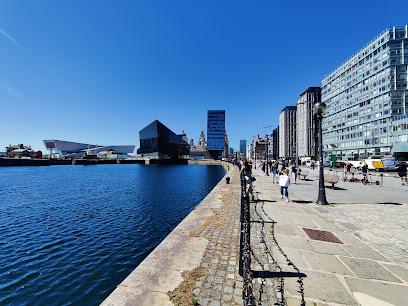
Tithebarn Building
0.6 km
A modern office landmark on Liverpool’s historic Tithebarn Street, bridging medieval heritage and today’s Knowledge Quarter.
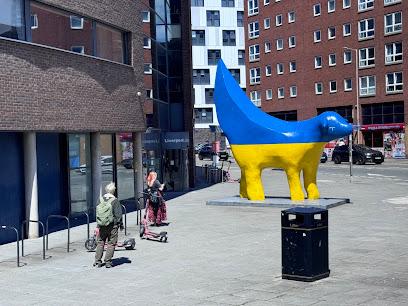
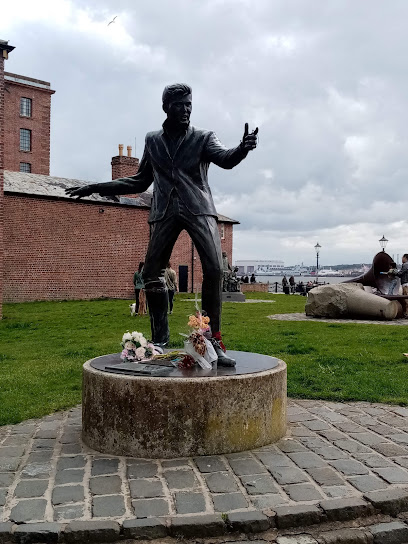
Billy Fury
0.6 km
Celebrate the legacy of Liverpool’s rock and roll pioneer with the iconic Billy Fury statue at the historic Royal Albert Dock.
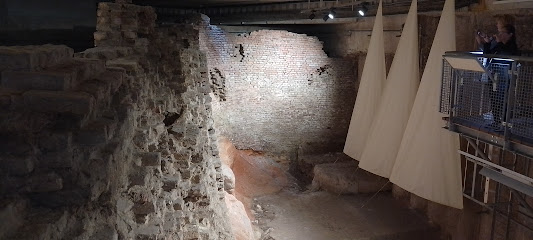
Viewing window to the Old Dock
0.7 km
Step through a glass window into the world’s first commercial wet dock, the birthplace of Liverpool’s global maritime legacy.
Unmissable attractions to see

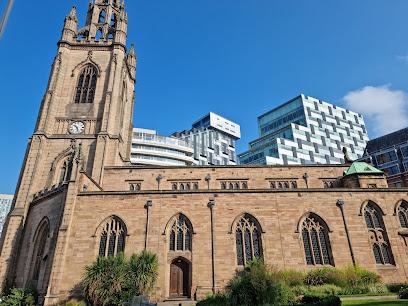
Liverpool Parish Church (Our Lady and Saint Nicholas)
0.0 km
Historic Liverpool Parish Church, a maritime landmark with centuries of heritage, resilience, and iconic symbols by the Mersey waterfront.
Western Approaches
0.1 km
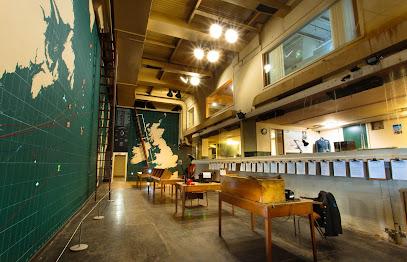
Explore Liverpool’s secret WWII bunker that directed the Battle of the Atlantic and safeguarded vital convoys beneath the city’s streets.
Blitz Memorial
0.1 km
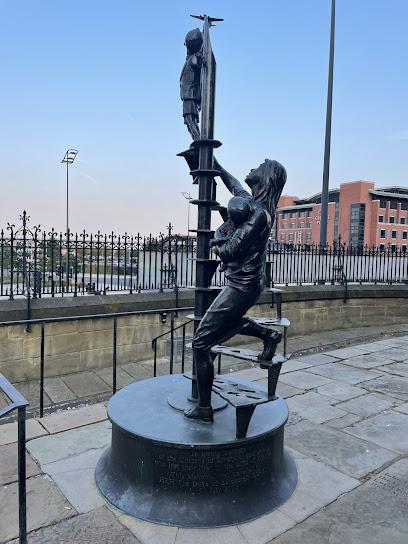
Explore the Blitz Memorial in Liverpool: A poignant tribute to resilience and history during World War II, reflecting the strength of a city under siege.
Exchange Flags
0.1 km
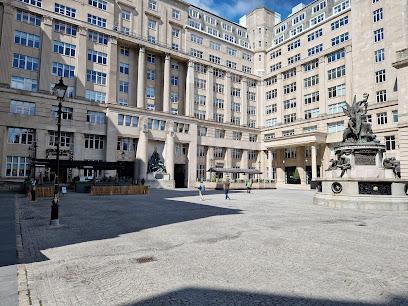
Historic Liverpool complex blending WWII heritage, mercantile legacy, and vibrant social spaces in a grand U-shaped architectural landmark.
Nelson Monument
0.2 km
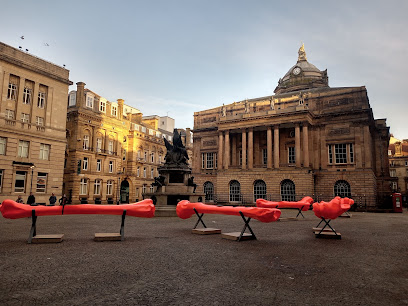
Liverpool’s Nelson Monument: A neo-classical tribute capturing Admiral Nelson’s naval victories and legacy in the heart of the city’s maritime heritage.
Liverbird Monument
0.2 km
Discover Liverpool’s iconic Liverbird Monument, a mythical symbol of maritime heritage and city pride perched at St Nicholas Place.
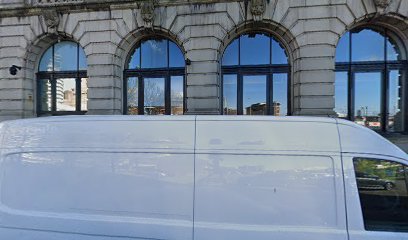
Royal Liver Building
0.2 km
Discover Liverpool’s iconic waterfront marvel, the Royal Liver Building, with its legendary Liver Birds, panoramic views, and rich maritime heritage.
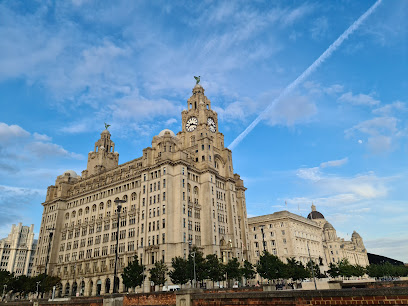
Royal Liver Building 360 Tour
0.2 km
Discover Liverpool’s iconic Royal Liver Building with immersive tours, panoramic skyline views, and rich historical insights from its 15th-floor vantage point.
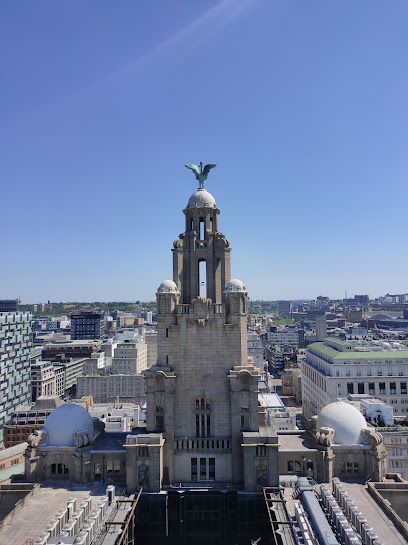
The Three Graces
0.2 km
Explore the breathtaking Three Graces in Liverpool: a stunning trio of architectural landmarks showcasing the city's rich maritime heritage.
The British Music Experience
0.2 km
Step into the story of British rock and pop at Liverpool’s national museum of popular music, where iconic costumes, instruments and interactive studios bring decades of music to life.
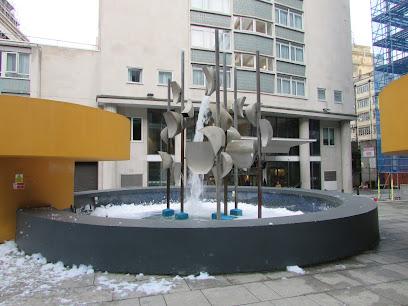
Piazza Fountain
0.2 km
A dynamic 1960s kinetic water sculpture in Liverpool’s historic Goree Piazza, blending art, history, and community spirit.
Quaker Alley Murals
0.3 km
Discover Liverpool’s Quaker Alley Murals, where vibrant street art celebrates the city’s rich history and dynamic cultural spirit in a colorful urban gallery.
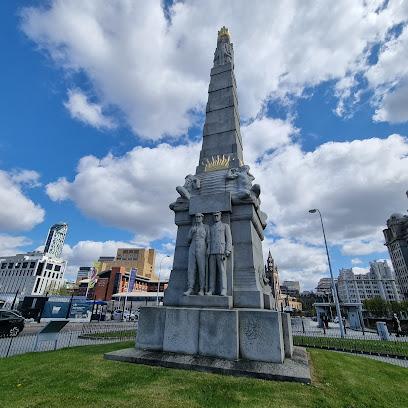
Memorial to the Marine Engine Room Heroes
0.3 km
Explore the Memorial to the Marine Engine Room Heroes in Liverpool, a historical landmark honoring the bravery of maritime engineers and crew members.
Mersey Tunnel Tours
0.3 km
Explore Liverpool’s iconic Queensway Tunnel on a fascinating guided tour revealing engineering, history, and underground adventure.
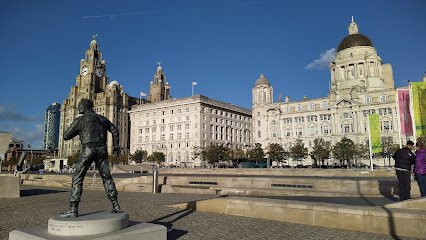
The Liverpool Waterfront
0.3 km
Explore Liverpool’s iconic waterfront, where historic landmarks, vibrant culture, and maritime heritage meet along the scenic River Mersey.
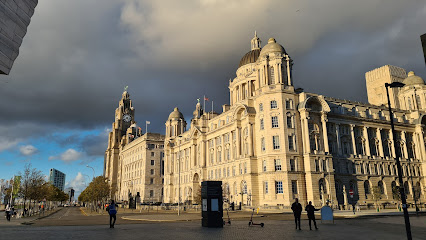
Essential places to dine

OH ME OH MY
0.1 km
Historic waterfront tea house with rooftop views, afternoon tea, and elegant events space.
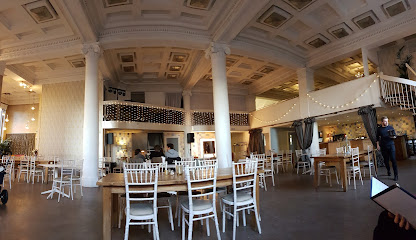
Mowgli Street Food Water Street
0.2 km
Contemporary Indian street food in a vibrant, casual setting with bold flavors and communal sharing plates.
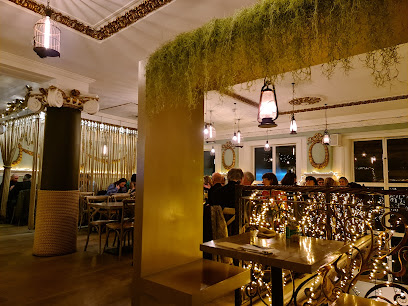
Meet Argentinian Restaurant
0.2 km
Premium Argentine beef grilled over open flames in Liverpool's most authentic steakhouse since 2006.
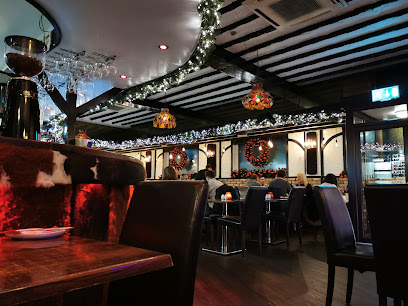
Hawksmoor Liverpool
0.2 km
Experience premium British steaks and seafood in a stylish, lively Liverpool setting with exceptional service and classic flavors.
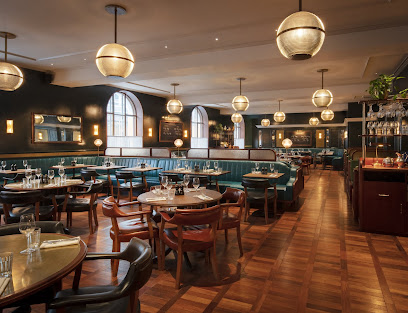
Riva Blu Italian Restaurant & Bar, Liverpool
0.2 km
Modern Italian dining and cocktails in the heart of Liverpool, with a stylish terrace and a unique vaulted private dining room for special occasions.
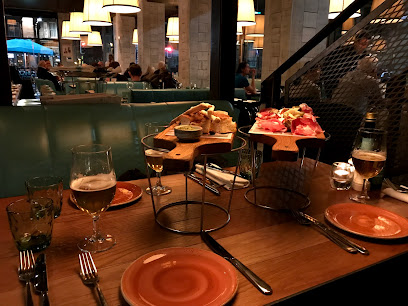
Etsu
0.2 km
Authentic Japanese flavors and warm hospitality await at Etsu, Liverpool’s premier destination for refined dining on The Strand.
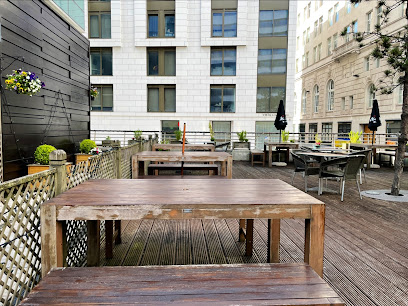
Malmaison Bar & Grill Liverpool
0.2 km
Modern British brasserie with dockside views, prime steaks, and bold cocktails in Liverpool's waterfront.
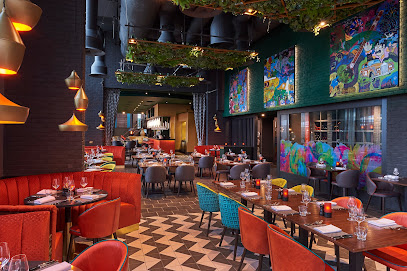
Castle St Townhouse
0.3 km
A stylish all-day dining venue in Liverpool’s historic heart, blending heritage charm with vibrant food, drinks, and social atmosphere.
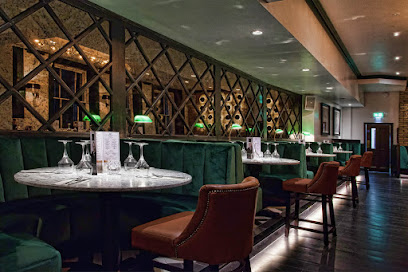
San Carlo - Liverpool
0.3 km
Experience authentic Italian elegance and vibrant city dining at San Carlo Liverpool, where classic flavors meet stylish ambiance.
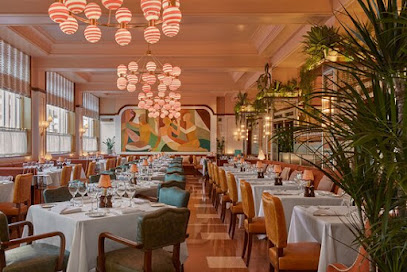
Bacaro
0.3 km
Experience vibrant Venetian small plates and authentic Italian flavors in the stylish heart of Liverpool’s Castle Street.
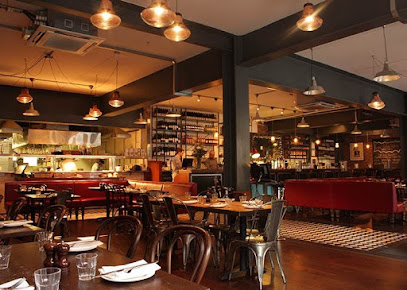
NYL Restaurant and Bar
0.3 km
Stylish American dining and cocktails in Liverpool's commercial heart, where upmarket meets approachable.
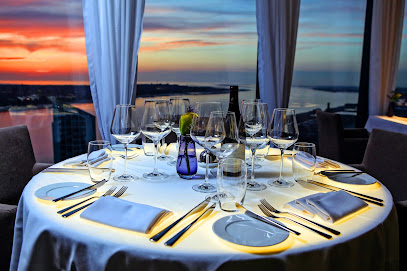
Panoramic 34
0.3 km
Experience Liverpool’s skyline from Britain’s tallest restaurant with modern European cuisine and stunning 360-degree views.
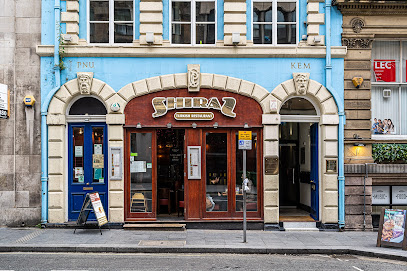
Shiraz BBQ
0.4 km
Charcoal-grilled Mediterranean excellence with generous portions and unbeatable value in central Liverpool.
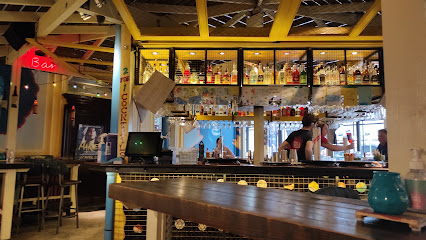
Turtle Bay Liverpool Victoria St
0.4 km
Lively Caribbean dining and cocktails in Liverpool’s historic Produce Exchange, blending authentic flavors with vibrant island vibes.
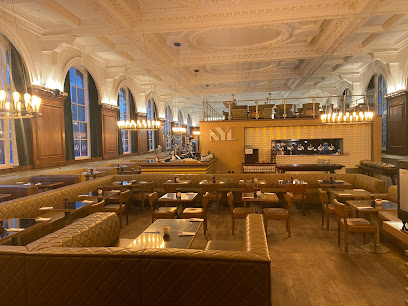
Blakes Restaurant
0.4 km
Experience British classics with a Beatles twist in Liverpool’s iconic Hard Days Night Hotel restaurant.
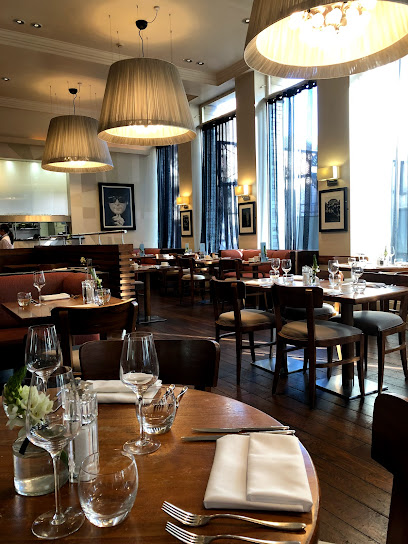
Markets, malls and hidden boutiques

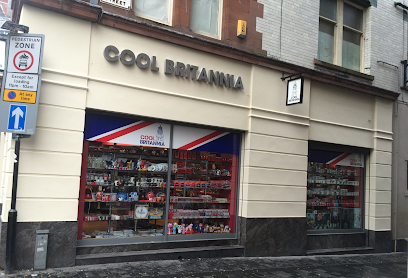
Cool Britannia
0.4 km
Liverpool's vibrant gift shop packed with Britpop t-shirts, Beatles nods, and Cool Britannia souvenirs—your one-stop for cheeky, affordable UK mementos in the city center.
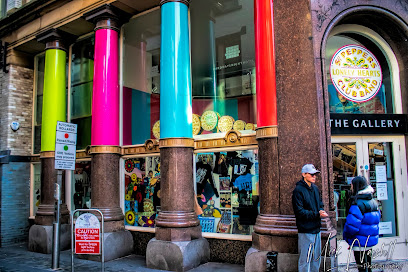
The Gallery
0.4 km
Discover Liverpool’s musical heritage and unique local crafts at The Gallery, your destination for Beatles memorabilia and authentic souvenirs.
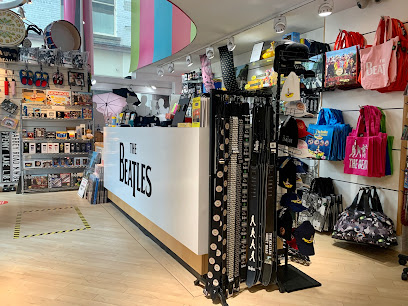
Hard Days Night Shop
0.4 km
Explore the heart of Beatles heritage with exclusive memorabilia and authentic merchandise at Liverpool’s iconic Hard Days Night Shop.
As Above So Below Emporium Ltd
0.4 km
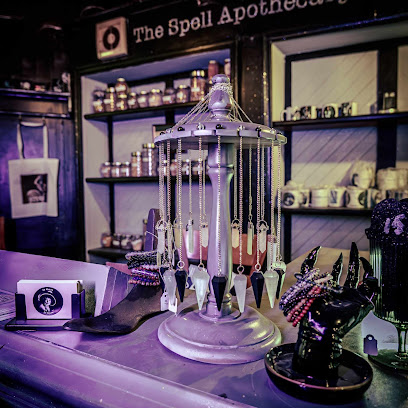
A darkly elegant witchy emporium in Liverpool’s historic Cavern Walks, blending mysticism, tarot, and alternative culture.
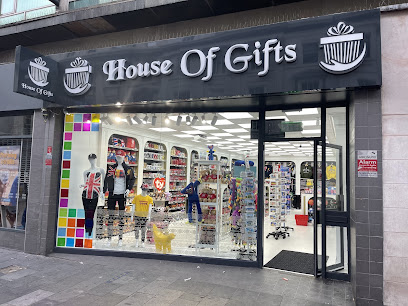
House Of Gifts
0.4 km
A fun-filled Liverpool novelty shop packed with souvenirs, local memorabilia, and quirky gifts for visitors and locals alike.
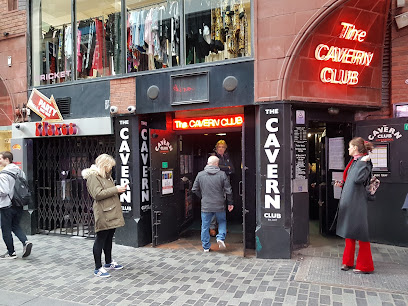
Cavern Walks - Shopping Centre
0.5 km
Boutique shopping arcade in Liverpool's Beatles epicentre, linking stylish retail to Cavern Club legacy on vibrant Mathew Street.
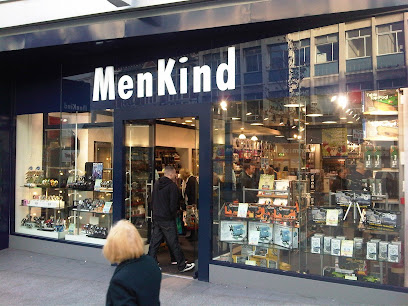
Menkind
0.5 km
Discover quirky gadgets and imaginative gifts for men and boys at Menkind Liverpool, your go-to spot for unique presents in the city centre.
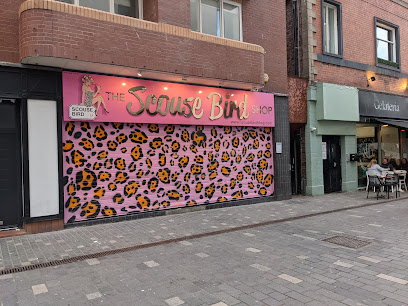
Scouse Bird Shop (inside Boutique 56 & online)
0.6 km
Discover cheeky Liverpool gifts and local charm at Scouse Bird Shop, nestled inside the stylish Boutique 56 hotel on Stanley Street.
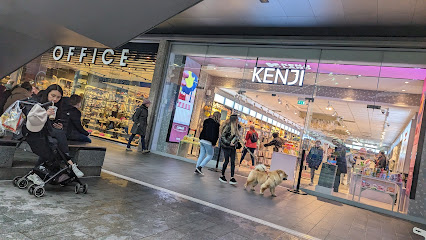
KENJI Liverpool ONE
0.6 km
Discover cute plushies, quirky gifts, and local makers in Liverpool ONE's playful arcade-gift haven—perfect for unique souvenirs and fun finds.
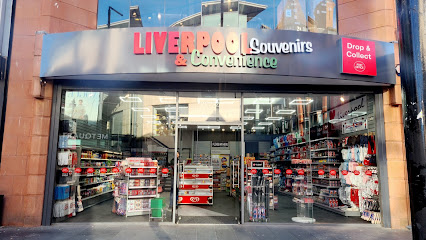
Liverpool Souvenirs and Gifts
0.6 km
Discover unique Liverpool keepsakes and exceptional service at this friendly souvenir shop in the heart of the city.
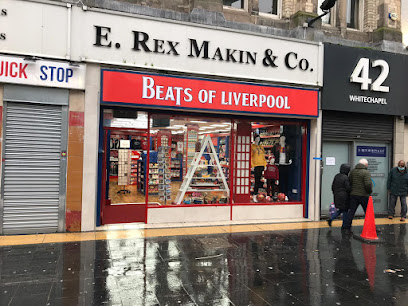
Beats of Liverpool
0.6 km
Discover authentic Liverpool memorabilia and Beatles-inspired souvenirs in the heart of the city’s historic Whitechapel district.
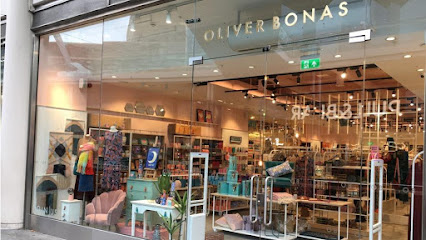
Oliver Bonas
0.6 km
Colourful, design-led fashion and homeware in Liverpool ONE — a boutique atmosphere for stylish gifts and everyday statement pieces.
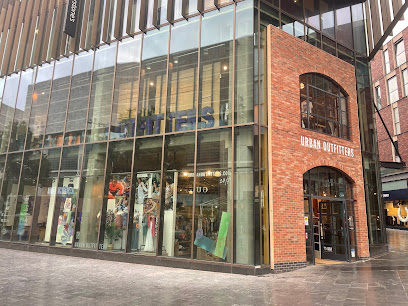
Urban Outfitters
0.7 km
Discover unique vintage-inspired fashion and eclectic homewares at Urban Outfitters Liverpool, a vibrant hub for style and culture in the city centre.
Off The List Luxury
0.7 km
Discreet luxury watch boutique in Liverpool's business heart, offering Rolex Datejust and elite timepieces with expert, professional service.
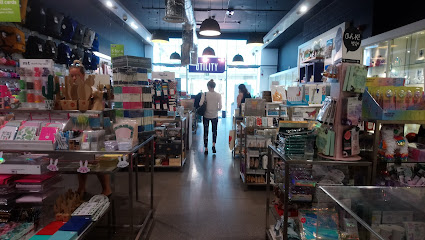
Utility
0.7 km
Independent Liverpool gift shop specialising in quirky, design-led presents, cards and small homewares with a friendly, well-curated atmosphere.
Essential bars & hidden hideouts

The Alchemist Liverpool
0.2 km
Experience Liverpool’s premier cocktail bar where molecular mixology meets bold flavors and vibrant city vibes.
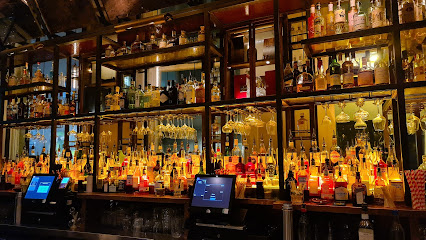
The Slaughter House
0.3 km
Historic Liverpool pub blending hearty gastropub fare with lively live music and comedy in a warm, rustic setting.
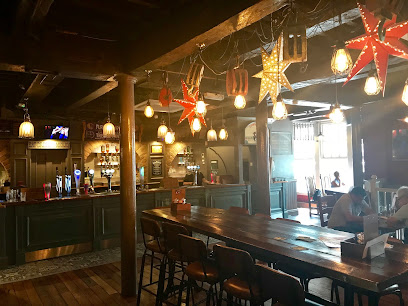
Slug & Lettuce - Liverpool
0.4 km
Liverpool's ultimate cocktail spot in a historic building—2-for-1 drinks, bottomless brunches, and three floors of festive vibes for groups and celebrations.
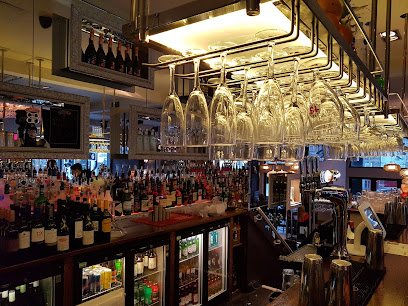
Rubber Soul
0.5 km
Experience Liverpool’s vibrant nightlife and Beatles heritage at Rubber Soul, a lively bar with three unique atmospheres and nightly live music.
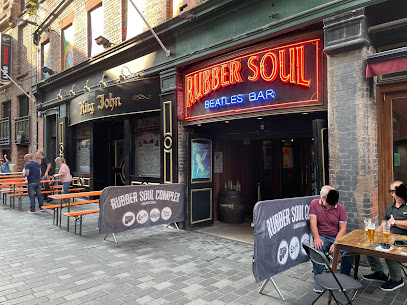
Ex-Directory
0.5 km
Discover Liverpool’s hidden speakeasy with quirky charm, expertly crafted cocktails, and a vibrant atmosphere on Vernon Street.
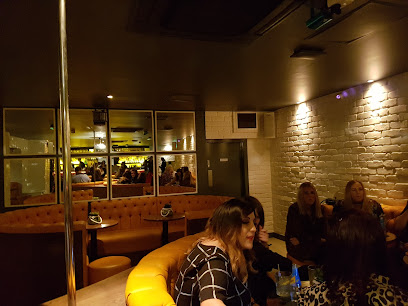
The Bierkeller Liverpool
0.6 km
Experience the ultimate Bavarian beer hall vibe in Liverpool with giant steins, live Oompah bands, and a lively party atmosphere.
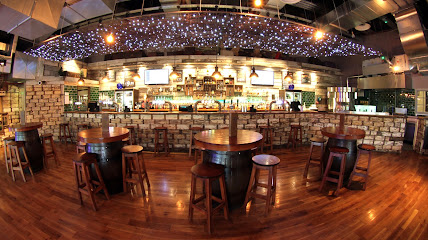
Revolution Liverpool - Albert Dock
0.8 km
Vibrant cocktails, riverside vibes, and non-stop nightlife in Liverpool's legendary Albert Dock—where dockside history meets modern revelry.
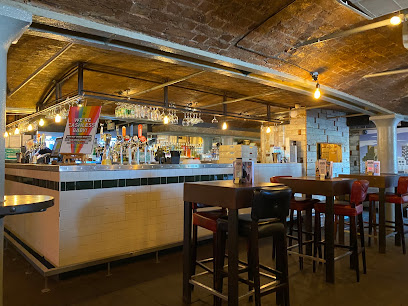
Brass Monkey
0.8 km
Liverpool's quirky cocktail haven on School Lane, blending inventive drinks, British bites, and lively vibes from midday to late-night revelry.
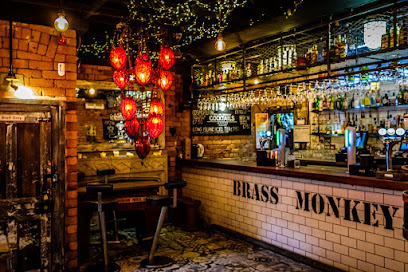
Present Company
0.8 km
Intimate Liverpool cocktail bar blending expert drinks, music culture, and warm hospitality in a stylish, relaxed setting.
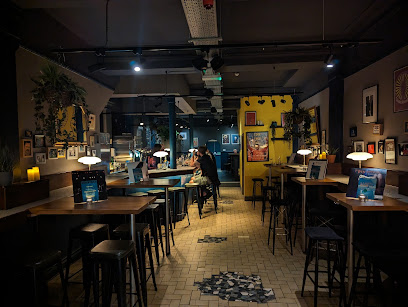
The One O'Clock Gun
0.9 km
Raise a glass to Liverpool's maritime heartbeat at this dockside pub, where historic time signals meet modern merriment and Mersey views.
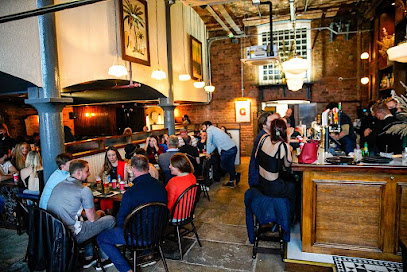
Motel Bar
0.9 km
A moody, music-first Fleet Street dive bar famous for band-backed karaoke and late-night crowds in Liverpool city centre.
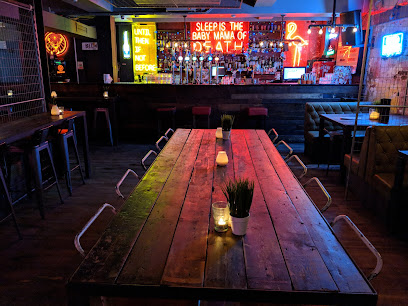
The Long Shot Bar
0.9 km
Liverpool's premier dockside sports bar: epic screens, killer cocktails, and stacked sandwiches amid Albert Dock's historic charm.
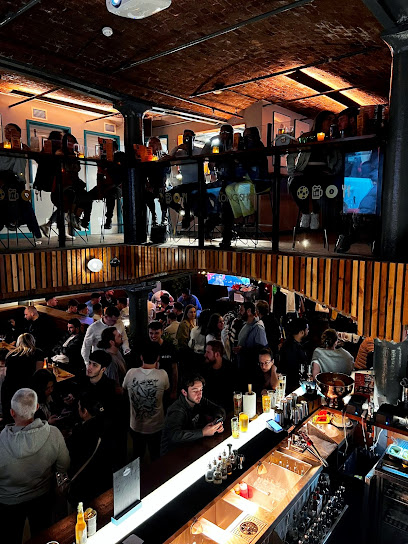
Be At One - Liverpool
0.9 km
Liverpool's cocktail epicenter: 100+ mixes, 2-for-1 happy hours, and masterclass shakes in a chic Seel Street hotspot.
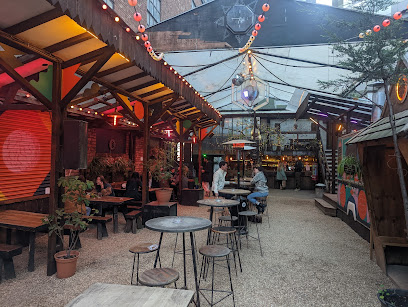
Kazimier Garden
1.0 km
Liverpool's original garden bar: quirky outdoor oasis with craft brews, live gigs, and fairy-lit magic in the heart of Ropewalks.
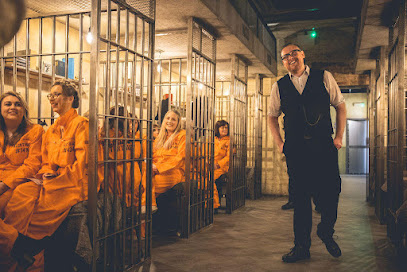
Alcotraz Liverpool: Cell Block Three-Six
1.0 km
Experience immersive cocktails and themed nights at Alcotraz Liverpool: Cell Block Three-Six, a unique cocktail bar that offers an unforgettable night out.
Nightclubs & after hour spots

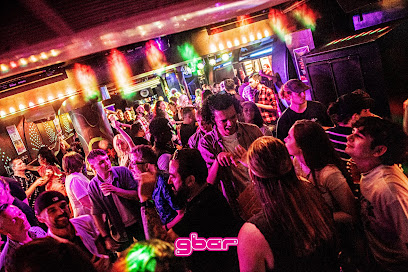
GBar Liverpool
0.3 km
Liverpool's legendary late-night gay club: pop upstairs, bass downstairs, dancing till dawn on Eberle Street's vibrant strip.
Elysium Nightclub
0.3 km
Experience Liverpool’s vibrant nightlife with dynamic DJ events and an energetic atmosphere at Elysium Nightclub, open late on weekends.
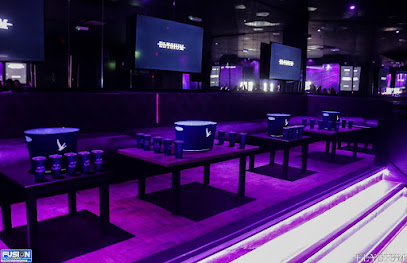
Mambo Club Liverpool
0.4 km
Experience Liverpool’s vibrant nightlife at Mambo Club, where electrifying music and lively crowds create unforgettable Saturday nights.
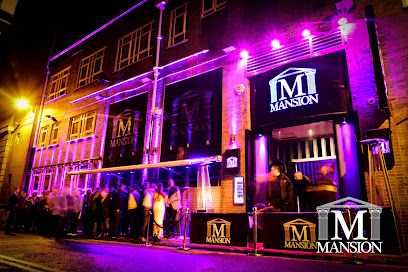
Mansion Nightclub
0.4 km
Liverpool’s vibrant nightclub with the UK’s largest LED ceiling, laser shows, and a dynamic party atmosphere in the city centre.
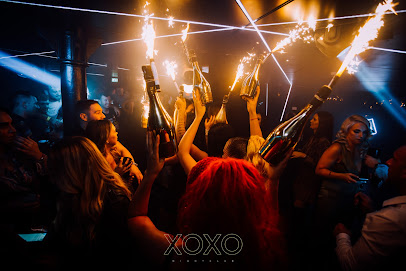
XOXO Nightclub Liverpool
0.4 km
Dive into Liverpool's electric basement beats at XOXO Nightclub, where diverse DJs and immersive vibes craft unforgettable weekends from 10pm till dawn.
Flares - Liverpool
0.4 km
Experience Liverpool’s vibrant nightlife at Flares on Mathew Street, where great cocktails and unbeatable party vibes meet iconic music heritage.
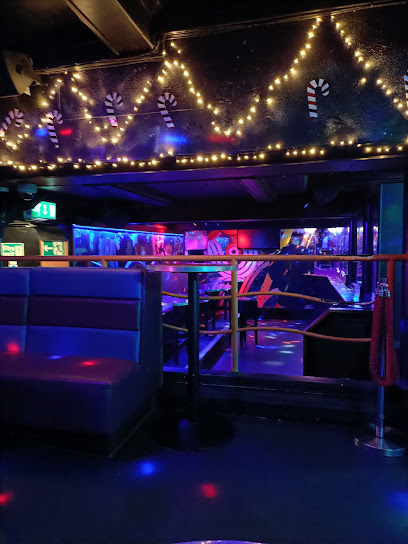
Playground Liverpool
0.7 km
Liverpool's luxury nightclub haven in the Hilton, pulsing with upscale beats by the Mersey waterfront – exclusive nights await in the heart of the city.
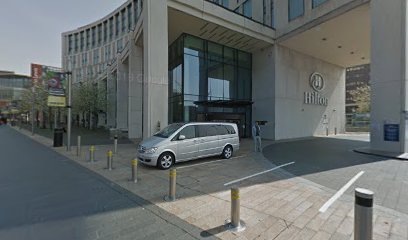
Popworld - Liverpool
0.9 km
Liverpool's ultimate cheesy pop haven: 90s bangers, cheap drinks, and dance-'til-dawn vibes in the heart of Ropewalks.
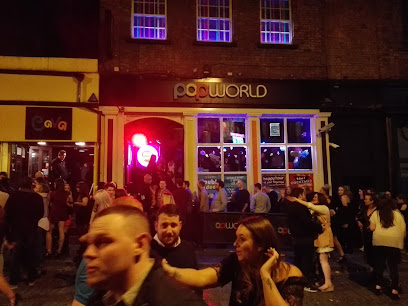
ELECTRIK WAREHOUSE
0.9 km
Liverpool's multi-floor warehouse nightclub: three dance floors of dance, RnB, indie, and chart hits in quirky industrial surrounds, open Thu-Sat till 4am.
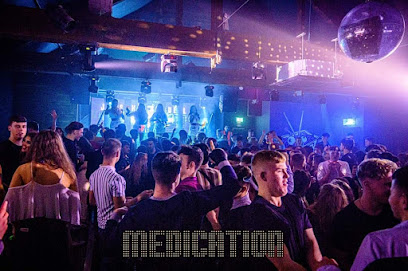
LEVEL Nightclub Liverpool
1.0 km
Liverpool’s expansive multi-floor nightclub offering diverse music, VIP areas, and a buzzing party atmosphere in the heart of Ropewalks.
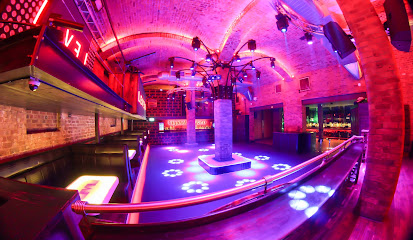
Modo, Liverpool
1.0 km
Liverpool's Concert Square legend: multi-room nightclub with cocktails, sports screens, heated terrace, and epic party spaces for every vibe.
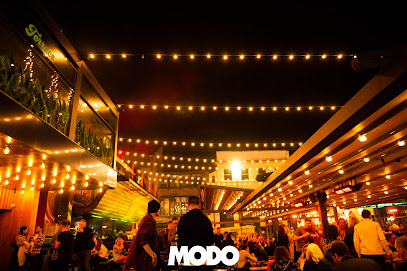
Concert Square Bars And Clubs Liverpool
1.0 km
Discover the energetic nightlife of Liverpool at Concert Square Bars and Clubs, where diverse bars and clubs create an unforgettable experience.
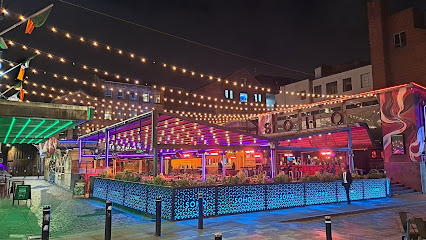
Baa Bar Liverpool
1.1 km
Two floors of house and R&B beats, £2 shooters, and courtyard vibes in Liverpool's nightlife epicenter—perfect for students and party-hoppers alike.
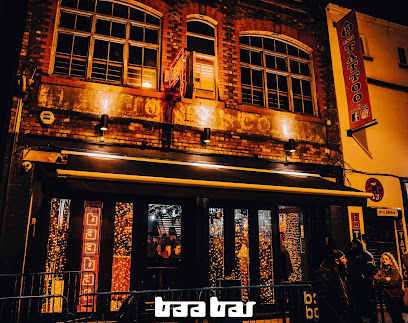
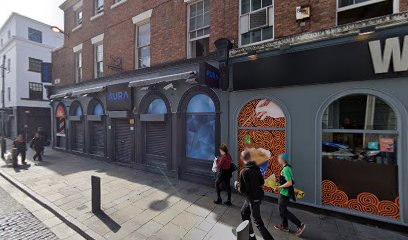
Aura
1.1 km
Dive into Liverpool's pulsating beats at Aura Nightclub, where Afrobeats and R&B fuel intimate, high-energy nights in Ropewalks' vibrant core.
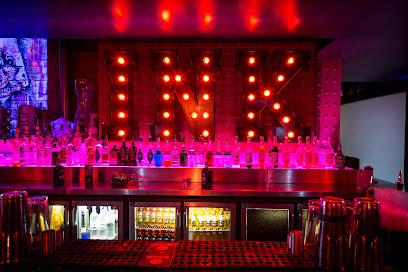
Ink Bar Liverpool
1.2 km
Liverpool's premier R&B and house nightclub, where stylish cocktails, thumping beats, and luxury vibes fuel unforgettable nights on Wood Street.
For the vibe & atmosphere seeker
- Scenic
- Unique
- Casual
For the design and aesthetic lover
- Vintage Styles
- Industrial Designs
For the architecture buff
- Historic
- Landmarks
- Heritage Neighborhoods
For the view chaser and sunset hunter
- Iconic Views
- Architectural Shots
For the social media creator & influencer
- Instagrammable
- Photo Spots
- Architectural Shots
For the eco-conscious traveler
- Protected Area
For the kind of experience you’re after
- Cultural Heritage
- Photowalk
- Day Trip
For how adventurous you want the journey to be
- Easy Access
Location Audience
- Family Friendly
- Solo Friendly
- Couple Friendly
- Senior Friendly
- Wheelchair Access


