Oriel Chambers, Liverpool Travel Guide
Free Guide: Discover Oriel Chambers, Liverpool’s pioneering 1864 office building that introduced the world’s first metal-framed glass curtain wall.


A brief summary of Oriel Chambers
Discover Oriel Chambers, Liverpool’s pioneering 1864 office building that introduced the world’s first metal-framed glass curtain wall.
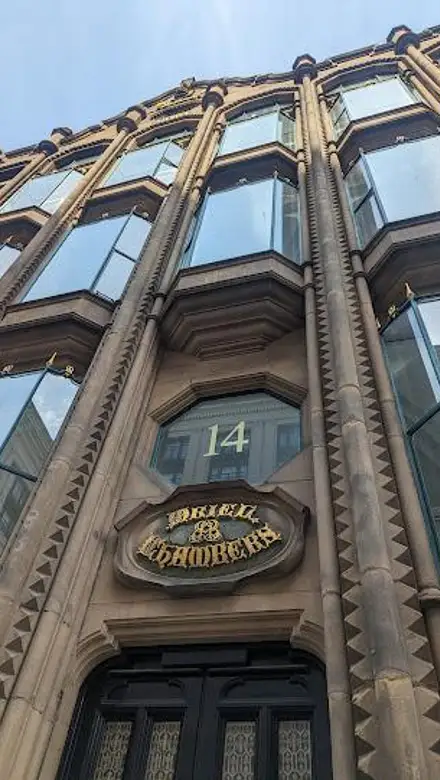
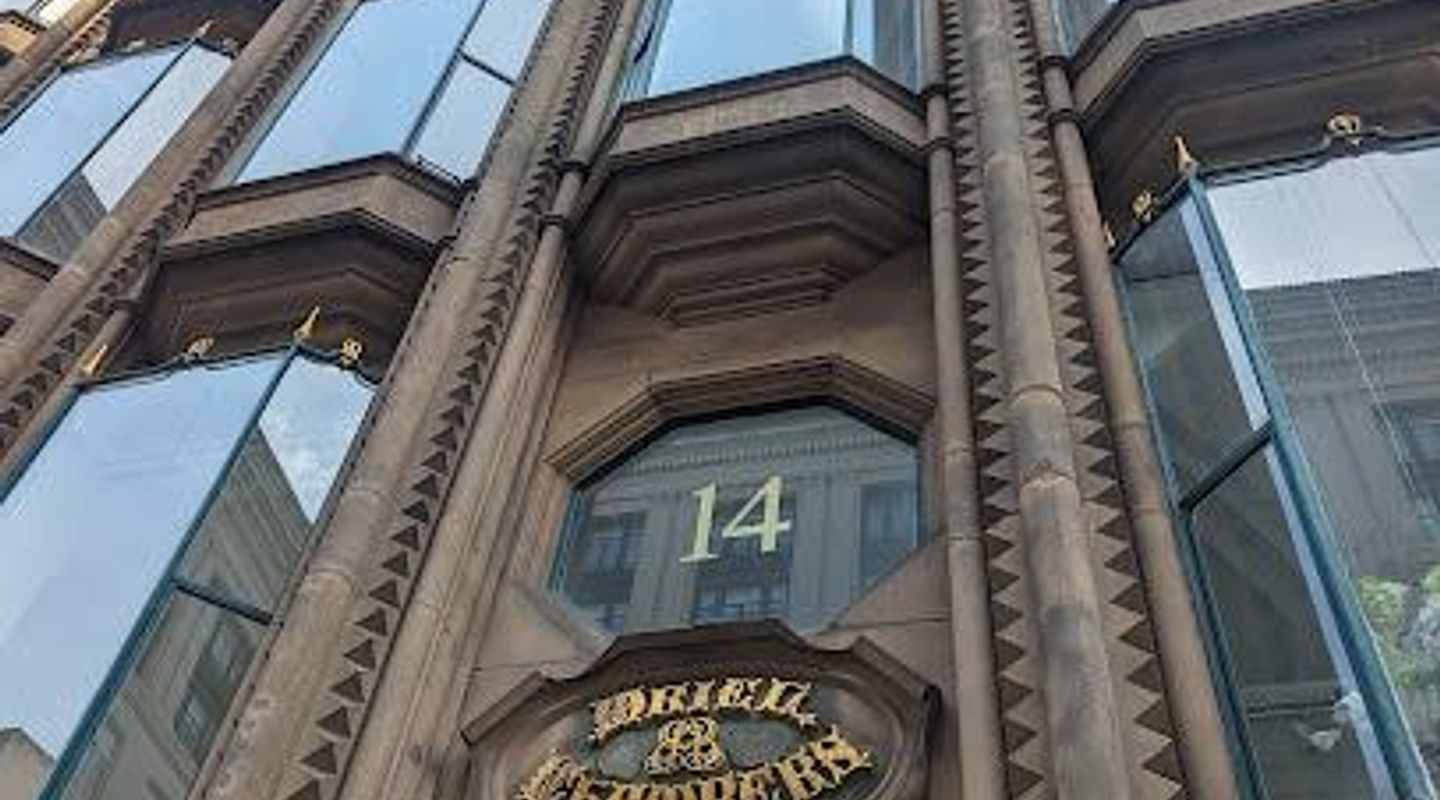
Oriel Chambers, located at 14 Water Street in Liverpool, is a pioneering office building completed in 1864 by architect Peter Ellis. It is renowned as the world’s first building to feature a metal-framed glass curtain wall, a revolutionary design that maximized natural light through its distinctive grid of oriel windows. This Grade I listed landmark profoundly influenced modern skyscraper architecture, combining Victorian innovation with a strikingly modern aesthetic.
On-site amenities
 Restrooms
 Drink options
 Food options
 Seating areas
 Information boards
- Address
- 14 Water St, Liverpool L2 8TD
Getting there
Bus
Train
Walking
Discover more about Oriel Chambers
Architectural Innovation Ahead of Its Time
Oriel Chambers stands as a testament to visionary architectural design, completed in 1864 by Peter Ellis. It was the first building globally to incorporate a metal-framed glass curtain wall, a construction method that allowed for expansive glass façades supported by a cast iron frame. This innovation not only enhanced the building’s structural integrity but also flooded the interior with natural light, a stark contrast to the typically dim Victorian offices of the era. The building’s five storeys span approximately 43,000 square feet, with its defining feature being the protruding oriel windows arranged in a precise grid, creating a light and airy façade that challenged contemporary architectural norms.
Historical Context and Reception
When first unveiled, Oriel Chambers faced harsh criticism from Victorian architectural critics who favored traditional masonry and Gothic styles. The Builder magazine infamously derided it as a "vast abortion" due to its unconventional glass-heavy design. Despite this early negativity, the building’s innovative approach caught the attention of future architectural pioneers, notably John Wellborn Root, who studied in Liverpool during the American Civil War and later integrated Ellis’s ideas into the Chicago School of Architecture. Over time, Oriel Chambers gained recognition as a precursor to modernist architecture and the skyscraper, with architectural historians like Nikolaus Pevsner praising its remarkable design and influence.
Design Features and Construction Details
The building’s structure relies on H-section iron columns at its perimeter, supporting both floors and cladding, a technique that allowed for the extensive use of glass. The oriel windows not only maximized daylight penetration but also gave the façade a distinctive cellular appearance, setting it apart from the heavier, more solid buildings nearby. The motto "Stand Sure" inscribed atop the building reflects its resilience and enduring architectural significance. Though the cladding method used by Ellis was not widely adopted, the overall concept of the metal-framed curtain wall became a defining feature of later skyscrapers worldwide.
Legacy and Preservation
Oriel Chambers is a Grade I listed building, recognized for its outstanding architectural importance since 1966. It has survived significant challenges, including damage during the Liverpool Blitz of World War II, after which a 1950s extension was added. The building has undergone refurbishment in the 21st century to preserve its historic fabric while accommodating modern office use. Today, it houses a barristers' chamber, continuing its original function as an office space. Its pioneering design and historical significance make it a celebrated landmark in Liverpool’s architectural heritage.
Surrounding Context and Related Works
Situated near Liverpool Town Hall and the iconic Liver Building, Oriel Chambers contrasts sharply with its grander neighbors through its lightness and modernity. Nearby, 16 Cook Street, also designed by Peter Ellis and completed in 1866, further explores the glass curtain wall concept with floor-to-ceiling windows and an elegant glass-encased staircase. Together, these buildings mark Liverpool as a birthplace of architectural innovation that influenced developments across the Atlantic.
Architectural Influence and Cultural Significance
Oriel Chambers is widely regarded as a forerunner of the modern skyscraper, inspiring architects beyond the UK, particularly in the United States. Its metal-framed glass façade prefigured the curtain wall systems that define contemporary high-rise buildings. The building’s delicate ironwork and transparent design express a new architectural language of openness and light, challenging the heavy masonry traditions of its time. This legacy cements Oriel Chambers not only as a Liverpool treasure but as a milestone in global architectural history.
Evendo Review Centre
 Google
Guest reviews
Best time to go
Quietest: Jan, Feb & Dec · before 6am
Busy times are Evendo estimates for a typical year, to help you plan. Actual crowds vary with events, school holidays and the weather.
Explore Oriel Chambers on the map
A handpicked selection of must-see spots near Oriel Chambers, mapped for you.
Get your free copy of our complete guide to Oriel Chambers, delivered straight to you.
Everything on this page, from opening hours and how to get there to Eve’s tips and the best time to go, in one PDF you can read offline, print or share.
Already have an account? Sign in
Your Oriel Chambers guide is ready.
We'll send it to · Not you? Sign out

Getting your guide ready…
We are putting together a fresh copy of the Oriel Chambers guide. This can take up to a minute.
This can take a few moments. If your browser asks, choose Allow so the download can start. You'll find the guide in your Downloads folder.
Nothing happened? Download it again
Sorry, the guide is taking longer than usual. Please try again in a minute, or get it by email instead.
Unlock the best of Oriel Chambers
Skip-the-line tickets, guided tours with entry, and walking tours of the area, booked in a few clicks.


Other nearby places you may find interesting
The closest places of the same kind, if this one is not quite what you had in mind.
-
-
-
-
-


Swipe for more places
More to explore near Oriel Chambers

 Best experiences near Oriel Chambers
 Best hotels near Oriel Chambers
 Best landmarks near Oriel Chambers
 Best attractions near Oriel Chambers
 Best shops near Oriel Chambers
 Best restaurants near Oriel Chambers
 Best bars near Oriel Chambers
Do you manage this location?
Take control to get all the benefits, like improved information, better appearance, and stronger visibility across AI-powered discovery.
Explore more

Explore more of Liverpool
Discover Liverpool: A city where maritime heritage meets modern culture, music legends, and sporting glory. An unforgettable destination in the heart of northwest England.
Explore Liverpool
Explore more of United Kingdom
Discover the United Kingdom: A blend of rich history, stunning landscapes, and vibrant cities, offering a unique travel experience for every visitor.
Explore United Kingdom