

Sandbach Crosses Travel Guide
Free Guide: Discover the majestic 9th-century Anglo-Saxon Sandbach Crosses, carved with biblical scenes and standing proudly in Sandbach’s historic Market Square.


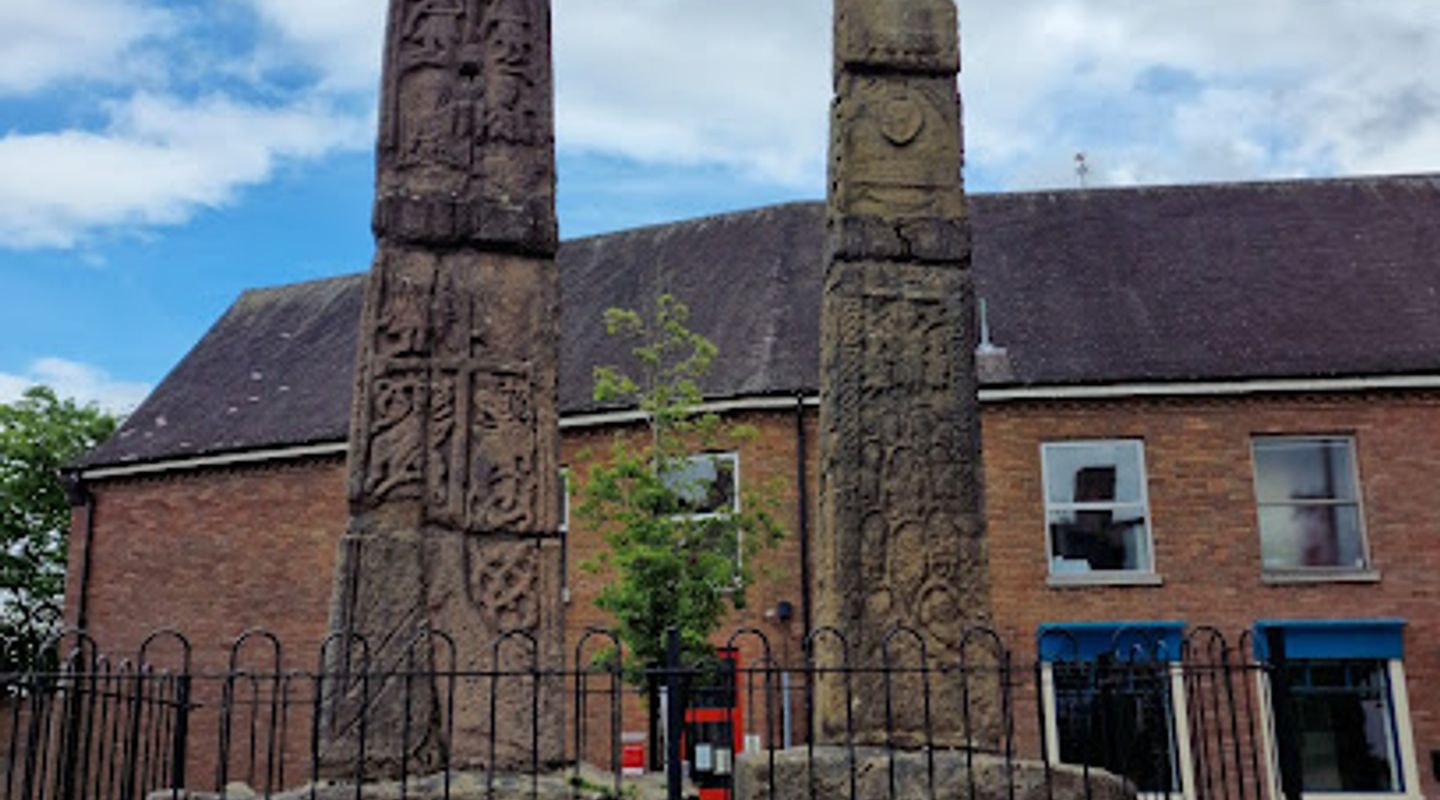
A brief summary of Sandbach Crosses
Discover the majestic 9th-century Anglo-Saxon Sandbach Crosses, carved with biblical scenes and standing proudly in Sandbach’s historic Market Square.
The Sandbach Crosses are two elaborately carved 9th-century Anglo-Saxon sandstone crosses located in Sandbach’s Market Square, Cheshire. Recognized as some of the finest surviving Saxon monuments in Britain, these crosses feature biblical scenes such as the Nativity and Crucifixion, intricate vine-scrolls, and symbolic carvings. Originally brightly painted and adorned with jewels, they reflect the religious and cultural significance of early medieval Mercia. The crosses were reassembled in 1816 after being broken up in the 17th century.
On-site amenities
 Restrooms
 Drink options
 Food options
 Seating areas
 Information boards
- Address
- Market Square, Sandbach CW11 1AT
- Phone
- Website
Getting there
Train and Walk
Bus Service
Car Travel
Discover more about Sandbach Crosses
Historic Origins and Significance
The Sandbach Crosses date back to the early 9th century and are among the most important surviving Anglo-Saxon high crosses in Britain. Their intricate carvings suggest they were created at a time when Sandbach was a significant ecclesiastical center, possibly hosting a minster or monastery linked to the powerful Bishops of Lichfield. The crosses likely symbolized church authority and conveyed Christian messages through their biblical scenes and ornamental motifs. Though their original location is unknown, they were moved to Sandbach’s Market Square by the late Middle Ages.
Artistry and Iconography
The crosses are carved from sandstone and originally would have been brightly painted and decorated with jewels and metalwork, emphasizing their prestige. The larger cross features detailed biblical narratives including the Nativity, Crucifixion, Annunciation, and Adoration of the Magi, alongside luxuriant vine scrolls symbolizing the tree of life. The smaller cross bears more abstract figures and animals, likely representing various aspects of the Christian community. The carvings reflect influences from Scottish, continental, and metalworking art traditions.
Trials and Restoration
During the 17th century, the crosses were violently broken up, probably by Puritan iconoclasts opposed to religious imagery, and their fragments were scattered across the region, including as far as Oulton and Tarporley. In 1816, under the direction of historian Dr. George Ormerod and architect John Palmer, the crosses were carefully reassembled and re-erected on a stone base in the Market Square. Some missing sections were replaced with similar sandstone, preserving their monumental presence.
Present-Day Context and Surroundings
Today, the Sandbach Crosses stand prominently on a three-stepped stone base in the cobbled Market Square, surrounded by the historic charm of Sandbach town. Nearby, fragments of other Anglo-Saxon stone monuments can be seen by St Mary’s Church, enriching the area's heritage. The crosses are maintained by English Heritage and are freely accessible during daylight hours, serving as a powerful visual link to England’s early medieval Christian past.
Cultural Legacy and Symbolism
The crosses not only mark religious devotion but also the artistic and political significance of early Mercia. Their detailed carvings and imposing size suggest they were expressions of ecclesiastical power and community identity. Over centuries, they have inspired scholarship, art, and music, including a brass band composition dedicated to their enduring presence in Sandbach.
Visitor Experience and Interpretation
Visitors can appreciate the crosses’ craftsmanship and symbolic richness up close, imagining their original vibrant colors and jewel adornments. The Market Square setting offers a glimpse into the Saxon era’s spiritual life and the turbulent history that saw the crosses broken and restored. The site invites reflection on the continuity of faith, art, and community through more than a millennium.
Evendo Review Centre
 Google
Guest reviews
Best time to go
Quietest: Jan, Feb & Dec · before 7am or at 9pm
Busy times are Evendo estimates for a typical year, to help you plan. Actual crowds vary with events, school holidays and the weather.
Explore Sandbach Crosses on the map
A handpicked selection of must-see spots near Sandbach Crosses, mapped for you.
Get your free copy of our complete guide to Sandbach Crosses, delivered straight to you.
Everything on this page, from opening hours and how to get there to Eve’s tips and the best time to go, in one PDF you can read offline, print or share.
Already have an account? Sign in
Your Sandbach Crosses guide is ready.
We'll send it to · Not you? Sign out

Getting your guide ready…
We are putting together a fresh copy of the Sandbach Crosses guide. This can take up to a minute.
This can take a few moments. If your browser asks, choose Allow so the download can start. You'll find the guide in your Downloads folder.
Nothing happened? Download it again
Sorry, the guide is taking longer than usual. Please try again in a minute, or get it by email instead.
Other nearby places you may find interesting
The closest places of the same kind, if this one is not quite what you had in mind.
-
-
-
-
-


Swipe for more places
More to explore near Sandbach Crosses

 Best experiences near Sandbach Crosses
 Best hotels near Sandbach Crosses
 Best landmarks near Sandbach Crosses
 Best attractions near Sandbach Crosses
 Best shops near Sandbach Crosses
 Best restaurants near Sandbach Crosses
 Best bars near Sandbach Crosses
Do you manage this location?
Take control to get all the benefits, like improved information, better appearance, and stronger visibility across AI-powered discovery.
Explore more
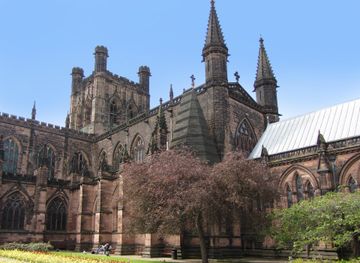
Explore more of Cheshire
Discover Cheshire, where history meets natural beauty. Explore charming villages, historic Chester, and scenic countryside for a quintessential English experience.
Explore Cheshire
Explore more of United Kingdom
Discover the United Kingdom: A blend of rich history, stunning landscapes, and vibrant cities, offering a unique travel experience for every visitor.
Explore United Kingdom
