
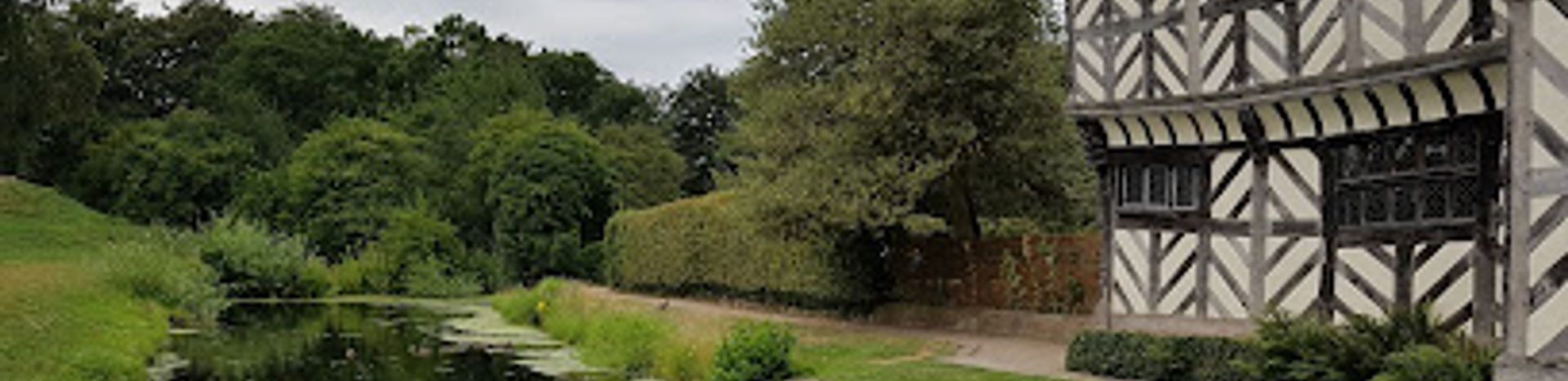
Little Moreton Hall: Cheshire’s Iconic Tudor Moated Manor
Discover the crooked charm and Tudor heritage of Little Moreton Hall, Cheshire’s iconic moated manor with captivating history and gardens.
Little Moreton Hall is a striking Tudor manor house near Congleton, Cheshire, renowned for its crooked timber-framed architecture and picturesque moat. Built between 1504 and 1610 by the prosperous Moreton family, it showcases distinctive higgledy-piggledy design, historic interiors, and beautifully restored Elizabethan gardens. Now a National Trust property, it offers immersive Tudor history with costumed guides, family activities, and charming tea rooms all year round.
A brief summary to National Trust - Little Moreton Hall
- Newcastle Rd, Congleton, CW12 4SD, GB
- +441260272018
- Visit website
- Duration: 2 to 3 hours
- Mid ranged
-
 Outdoor
- Mobile reception: 4 out of 5
- Monday 10:30 am-5 pm
- Tuesday 10:30 am-5 pm
- Wednesday 10:30 am-5 pm
- Thursday 10:30 am-5 pm
- Friday 10:30 am-5 pm
- Saturday 10:30 am-5 pm
- Sunday 10:30 am-5 pm
Local tips
- Visit between April and December when the house and gardens are open, and enjoy seasonal events like the Christmas 'Deck the Hall' weekends.
- Take advantage of National Trust membership for free entry and discounts at the tea rooms and shop.
- Join guided talks and meet costumed interpreters to deepen your understanding of Tudor life and the hall’s unique features.
- Explore the knot garden and look for wildlife around the moat, especially in spring when ducklings and moorhens are present.
- Be prepared for uneven floors and narrow staircases; powered mobility vehicles under 0.5m wide are allowed inside.

For the on-the-go comforts that matter to you
- Restrooms
- Drink Options
- Food Options
- Seating Areas
- Picnic Areas
- Trash Bins
- Information Boards
- Visitor Center
Getting There
-
Car
Driving from Congleton town center takes about 15-20 minutes via A34. There is a free car park for visitors, but it is reserved for hall visitors only. Parking is limited during peak times and weekends.
-
Bus
Local bus services run from Congleton to nearby stops within 2-3 km of Little Moreton Hall. From the bus stop, a 30-40 minute walk on rural roads with some uneven terrain is required. Services run hourly with limited weekend frequency. No direct public transport to the site.
-
Taxi
Taxis from Congleton or nearby towns offer a flexible option, typically taking 10-15 minutes. Prices range from £10-£20 depending on distance and time of day.
-
Walking
Walking from Congleton town center is possible but involves a 7 km route on country lanes and footpaths, taking approximately 1.5 to 2 hours. Terrain includes some uneven and narrow sections, not suitable for all visitors.
National Trust - Little Moreton Hall location weather suitability
-
 Any Weather
-
 Rain / Wet Weather
-
 Clear Skies
-
 Mild Temperatures
Discover more about National Trust - Little Moreton Hall
A Remarkable Tudor Legacy in Cheshire
Little Moreton Hall stands as a captivating example of Tudor domestic architecture, built initially between 1504 and 1508 for William Moreton, a wealthy Cheshire landowner. Over the next century, the house grew in complexity with additions including the south wing and distinctive bay windows. Its timber-framed construction, with white infill panels and jettied upper floors, creates a whimsical, almost leaning appearance that has earned it the nickname “the crooked wonder.” Surrounded by a 10-metre wide moat, the hall’s setting enhances its fairy-tale charm. The Moreton family, who amassed wealth through land acquisitions after the Black Death and the Dissolution of the Monasteries, used the house as a statement of their status and prosperity.Architectural Quirks and Historic Interiors
The hall’s irregular angles and warped timbers are not structural flaws but a result of centuries of timber settling and the original construction style. Inside, visitors find a Great Hall with a gallery floor added in 1559, large bay windows, and a collection of Tudor-era painted murals, heraldic glass, and pewter objects that reflect the family’s heritage. The house also contains a rare domestic chapel that survived the Reformation largely intact, and rooms with fascinating features such as sliding floors and askew fireplaces. The Moreton family’s Royalist allegiance during the English Civil War led to financial decline, and by the late 17th century, the hall was rented to tenant farmers, which inadvertently helped preserve its historic fabric.Restoration and National Trust Stewardship
By the 19th century, the hall had fallen into disrepair, with boarded windows and a rotten roof. Elizabeth Moreton began restoration efforts in the late 1800s, and in 1938 the property was transferred to the National Trust by Bishop C. W. R. Abraham and his son. Since then, extensive repairs have preserved the hall’s unique character, including re-roofing and careful restoration of original features. The National Trust continues to maintain the property, offering visitors a glimpse into Tudor life through guided tours, costumed interpreters, and educational talks.Enchanting Gardens and Wildlife
The grounds feature a recreated Elizabethan knot garden, planted according to 17th-century designs, with herbs and vegetables that Tudors would have used for cooking and medicine. The moat is home to wildlife such as tufted ducks and moorhens, adding to the tranquil atmosphere. Seasonal trails and family activities like the “Wandering Wolves” spotter challenge engage younger visitors. The gardens, open daily until the end of October, complement the historic experience with natural beauty and peaceful walks.Visitor Experience and Amenities
Little Moreton Hall offers a rich visitor experience with two tea rooms: the quaint Little Tea Room for casual refreshments and Mrs Dale’s Tea Room featuring table service and a cozy log-burning stove. A secondhand bookshop and a welcoming visitor center enhance the visit. The knowledgeable staff and volunteers provide lively talks and are happy to share insights about the hall’s history, architecture, and the protective marks carved into the wood to ward off evil spirits. The hall’s uneven floors and steep spiral staircases present accessibility challenges, but powered mobility vehicles with a maximum width of 0.5 meters can access the building.Timeless Charm and Cultural Heritage
This Grade I listed building and Scheduled Monument remains a treasured symbol of Tudor heritage in England. Its preservation by the National Trust ensures that Little Moreton Hall continues to enchant visitors with its quirky architecture, rich history, and scenic setting. Whether exploring the crooked rooms, strolling the moat, or enjoying a slice of cake in the tea rooms, visitors step back in time to experience the life and legacy of a remarkable English family and their extraordinary home.Iconic landmarks you can’t miss

Burma Star Island
14.8 km
A serene memorial island in Crewe honoring the courage and sacrifice of World War II’s Burma Campaign heroes.
Knutsford Obelisk
20.0 km
An 18th-century memorial obelisk honoring the Legh family, standing as a historic symbol amidst Knutsford’s rich heritage.
White Nancy
21.1 km
Historic hilltop folly offering sweeping Cheshire Plain views and a symbol of Bollington’s heritage and community spirit.
Cotebrook Shire Horse Centre
26.8 km
Discover the enchanting Cotebrook Shire Horse Centre in Tarporley, where majestic Shire horses and serene countryside create unforgettable family memories.

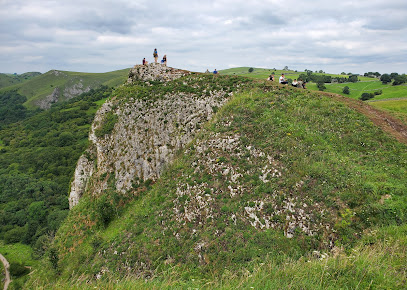
Thor's Cave
26.8 km
Explore the stunning Thor's Cave in the Peak District National Park, a natural marvel perfect for hiking and adventure amidst breathtaking scenery.
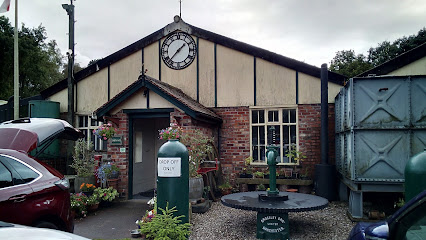
Anson Engine Museum
26.9 km
Discover the Anson Engine Museum in Poynton, where engineering history comes to life through fascinating exhibits and live demonstrations of remarkable machines.
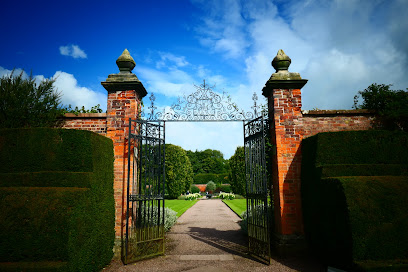
Arley Hall & Gardens
27.1 km
Explore the exquisite beauty of Arley Hall & Gardens, where history meets nature in the heart of Cheshire, England.
Abbeywood Gardens
28.5 km
Discover the enchanting beauty of Abbeywood Gardens in Delamere, a serene sanctuary filled with unique flora and stunning landscapes for every nature lover.

Alton Towers
29.1 km
Experience the thrill of a lifetime at Alton Towers, the UK's top theme park, where adventure awaits for thrill-seekers and families in a stunning setting.
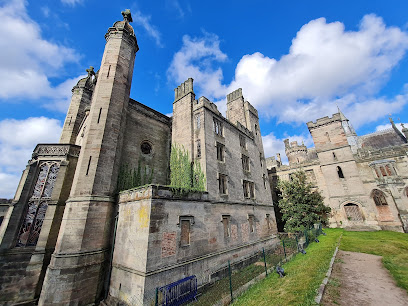
Beeston Castle
29.5 km
Explore Beeston Castle, a stunning historical landmark in Cheshire offering breathtaking views, rich heritage, and beautiful woodland trails.
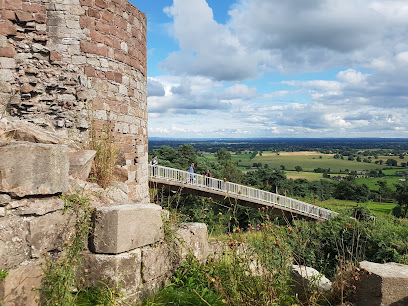
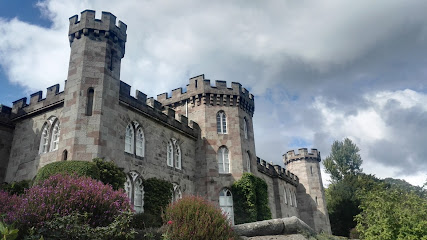
Cholmondeley Castle Gardens
29.5 km
Explore the breathtaking landscapes of Cholmondeley Castle Gardens, a serene escape in Cheshire blending nature, history, and enchanting beauty.
Land Rover Experience Cheshire
29.8 km
Discover the thrill of off-road driving at Land Rover Experience Cheshire, where adventure meets stunning countryside vistas near Peckforton Castle.

BeWILDerwood Cheshire
30.1 km
Discover the magic of BeWILDerwood Cheshire, an enchanting amusement park where adventure, nature, and imagination collide for an unforgettable family experience.
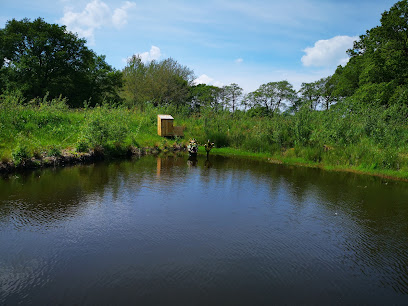
Eccles Pike
30.1 km
Discover the breathtaking beauty of Eccles Pike in the High Peak; a perfect blend of hiking adventures and stunning panoramic views.
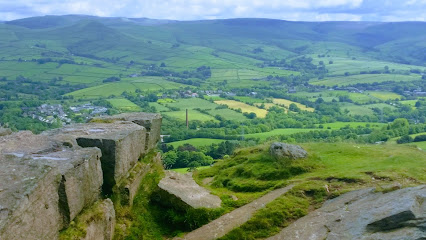
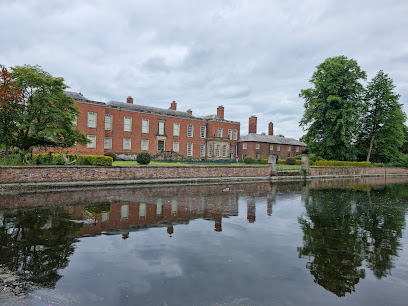
National Trust - Dunham Massey
30.1 km
Experience the beauty of Dunham Massey, a historic estate with stunning gardens and rich heritage, perfect for a tranquil escape in Altrincham.
Unmissable attractions to see

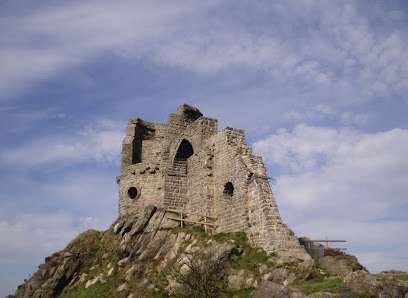
National Trust - Mow Cop Castle
2.9 km
An enchanting 18th-century folly atop a hill offering sweeping views and rich history in Staffordshire’s countryside.
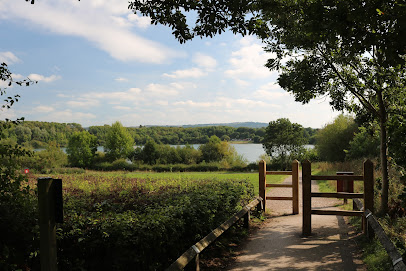
Astbury Mere Country Park
4.1 km
A tranquil lakeside country park on the edge of the Peak District, perfect for gentle walks, wildlife watching, and family outings near Congleton.
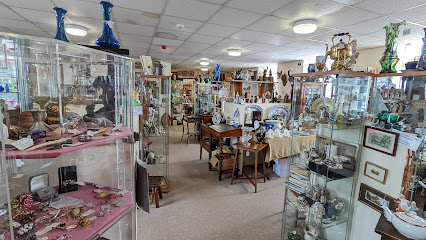
Victoria Mill Antique & Collectors Centre
5.1 km
Explore three floors of antiques and collectibles in a charming historic mill setting at Victoria Mill Antique & Collectors Centre, Congleton.
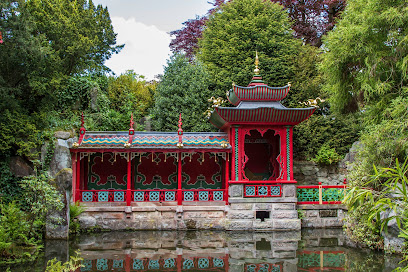
National Trust - Biddulph Grange Garden
6.0 km
Explore a Victorian horticultural masterpiece with themed gardens from around the world, set in Staffordshire’s scenic Biddulph Valley.
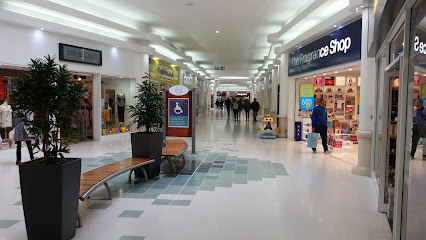
Affinity Staffordshire
6.4 km
Discover unbeatable deals and top brands at Affinity Staffordshire, Talke Pits’ premier outlet shopping destination with free parking and Wi-Fi.
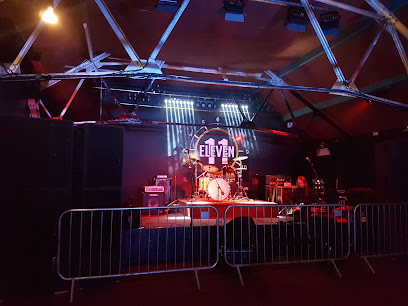
Eleven
7.0 km
Intimate live music venue in Stoke-on-Trent with top-tier sound, friendly atmosphere, and a strong focus on rock and tribute bands.
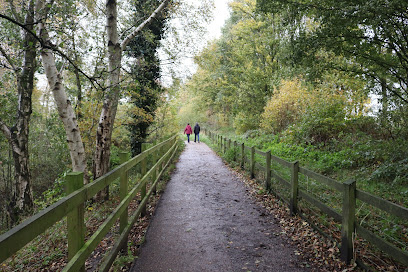
Brereton Heath Local Nature Reserve
7.4 km
A tranquil lakeside nature reserve in Cheshire offering diverse wildlife, scenic trails, and family-friendly outdoor experiences.
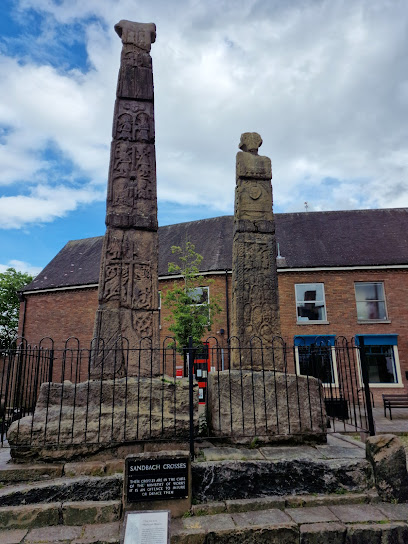
Sandbach Crosses
7.6 km
Discover the historical significance and stunning artistry of Sandbach Crosses, a must-visit landmark nestled in the heart of Sandbach, England.
Sprinks Farm
8.9 km
Discover Sprinks Farm: a sustainable deer park and countryside retreat blending heritage, wildlife, and family-friendly experiences near Leek.
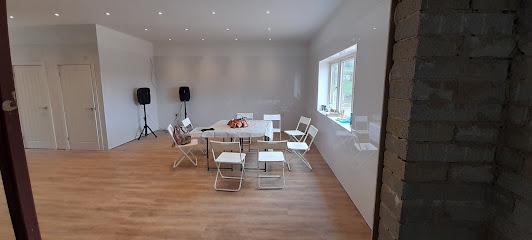
Westport Lake Visitor Centre
9.1 km
Discover Stoke-on-Trent’s largest lake with rich wildlife, scenic walks, and family-friendly facilities at Westport Lake Visitor Centre.
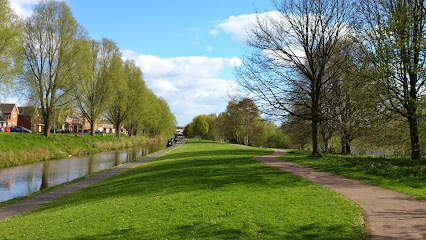
Ford Green Hall
9.7 km
A 17th-century timber-framed farmhouse revealing authentic domestic life through world-class collections of textiles, ceramics, and period furnishings.
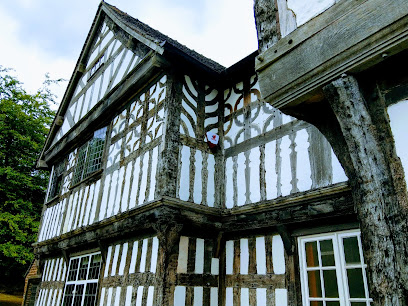
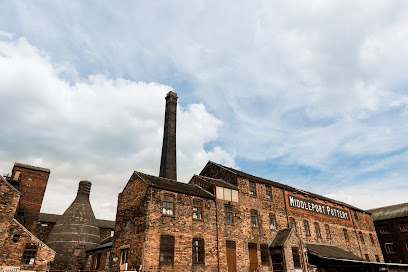
Middleport Pottery
10.0 km
Discover the last working Victorian pottery in the UK, where heritage ceramics come alive alongside historic canals and timeless craftsmanship.
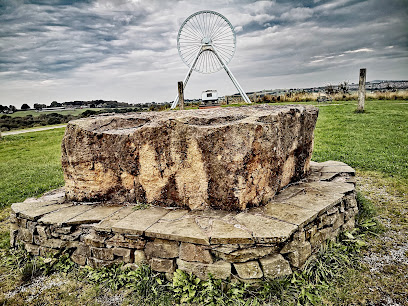
Apedale Community Country Park
10.2 km
Explore Staffordshire’s rich mining heritage and scenic landscapes at Apedale Community Country Park and Heritage Centre.
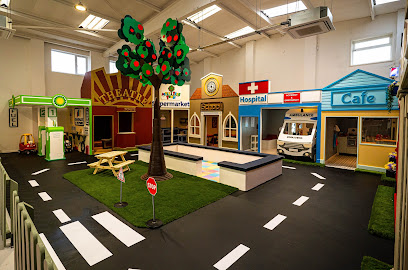
Apple Tree Town
10.5 km
Explore, learn, and play in a vibrant children's role play town designed to spark imagination and social skills in a safe, family-friendly setting.
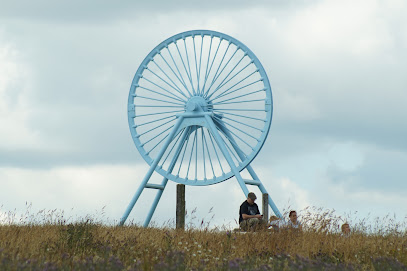
Apedale Heritage Centre
10.6 km
Explore Staffordshire’s coal mining heritage with authentic underground tours, a rich museum, and heritage railway at Apedale Heritage Centre.
Essential places to dine

Pecks Restaurant
1.5 km
A refined British dining experience in Cheshire, blending seasonal flavors with a theatrical tasting menu and a welcoming countryside atmosphere.
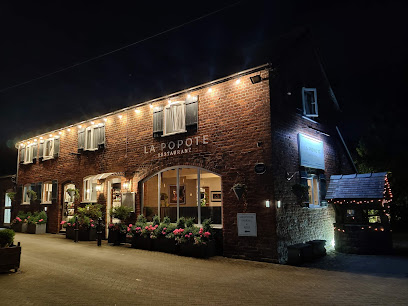
La Popote Restaurant
9.3 km
Michelin Guide-listed French restaurant offering casual fine dining in a charming converted barn with a secret garden in Cheshire’s countryside.
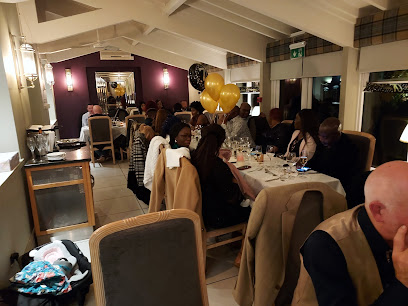
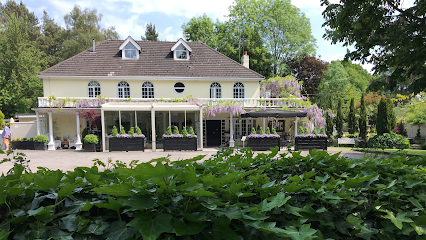
The Yellow Broom Restaurant
10.9 km
Elegant countryside dining in Cheshire with superb cuisine, warm service, and a versatile venue for lunches, afternoon teas, and weddings.
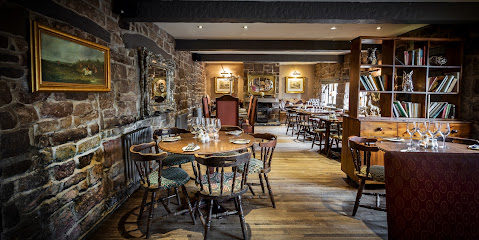
The Stafford Arms
12.4 km
Historic 16th-century gastropub in Bagnall blending rustic charm with modern dining excellence and warm hospitality.
Ostler Restaurant
12.8 km
A charming British dining experience blending historic ambiance with quality cuisine in the heart of Newcastle-under-Lyme.
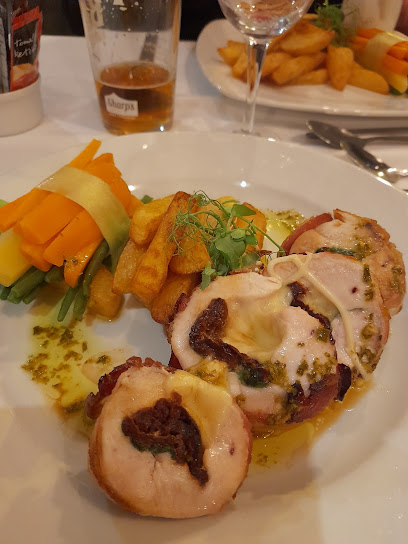
Marloes Restaurant
13.3 km
An intimate British bistro in Newcastle-under-Lyme, where seasonal European cuisine and a legendary beef Wellington make every meal feel like a celebration.
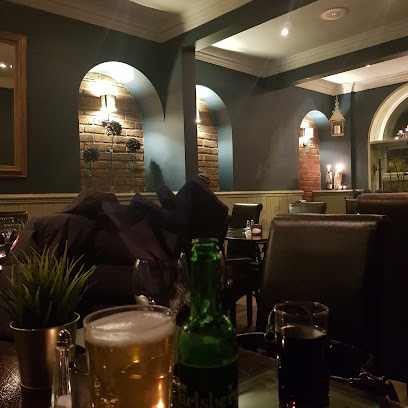
The Potters Club
14.0 km
Historic elegance meets refined British cuisine in Stoke-on-Trent’s distinguished Potters Club.
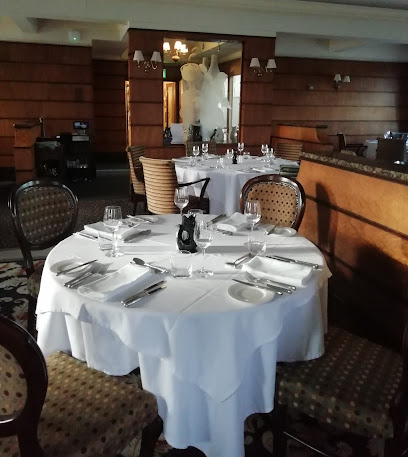
Academy Restaurant
14.2 km
Experience fine dining crafted by rising hospitality stars in a stylish, award-winning training restaurant in Crewe.
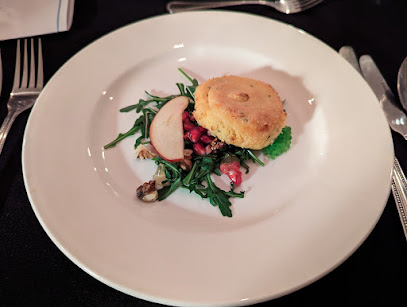
the QUARTER at Potbank
14.2 km
A dynamic restaurant and event venue blending Stoke-on-Trent’s heritage with vibrant dining and unique indoor-outdoor spaces.
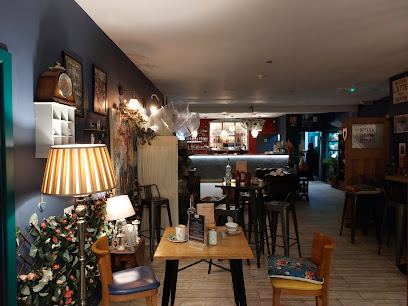
85 Secret Garden
14.3 km
Discover the enchanting blend of fine dining, creative cocktails, and soulful ambiance at 85 Secret Garden in Newcastle-under-Lyme.
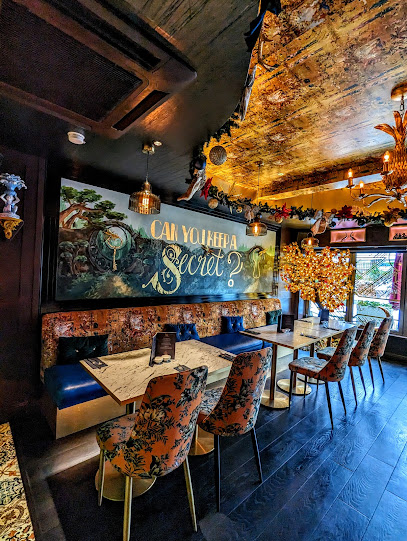
Orange Tree Bar and Grill
14.8 km
Stylish bar and grill in Stoke-on-Trent offering creative grill dishes, excellent steaks, and a lively, welcoming atmosphere for all occasions.
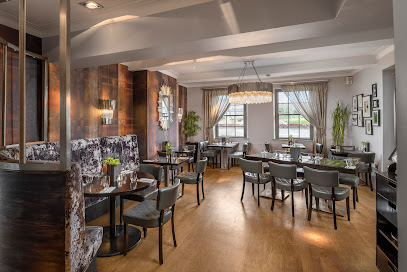
Bells of Peover
17.7 km
Historic Cheshire gastropub blending rustic charm with fresh, seasonal dining in a picturesque countryside setting near Knutsford.
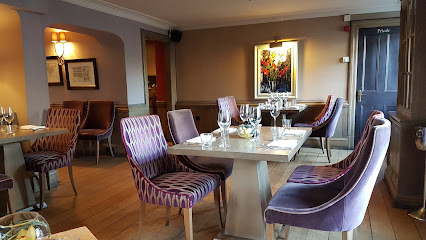
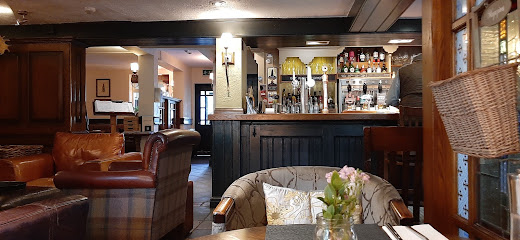
Dun Cow
18.9 km
A charming family-run gastropub near Knutsford offering hearty British classics and quality ales in a warm, welcoming atmosphere.
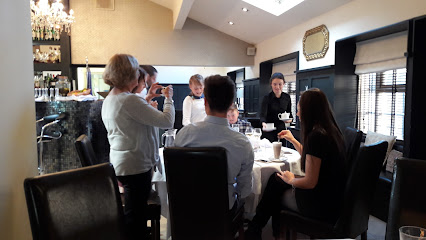
Bacchus Restaurant & Champagne Bar
19.2 km
Prestbury’s refined modern British dining with French flair, known for quality Sunday lunches and attentive service in a chic village setting.
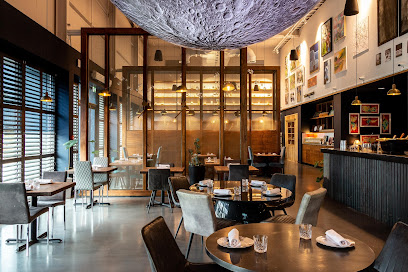
Lunar
19.9 km
Modern British dining inspired by the Lunar Society, set within the iconic World of Wedgwood estate in Staffordshire.
Markets, malls and hidden boutiques

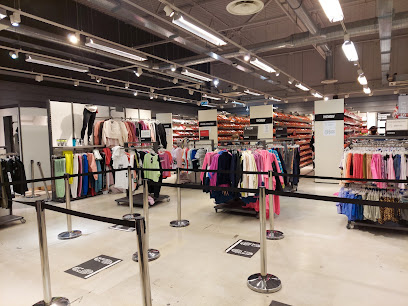
Nike Clearance Store
6.3 km
Discover discounted Nike gear and footwear at Talke Retail Park’s dedicated clearance store in Stoke-on-Trent.
Sign of the Times Antiques ltd
10.3 km
Discover quirky antiques and vintage treasures at Sign of the Times Antiques Ltd, a unique shop in Stoke-on-Trent’s historic Burslem district.
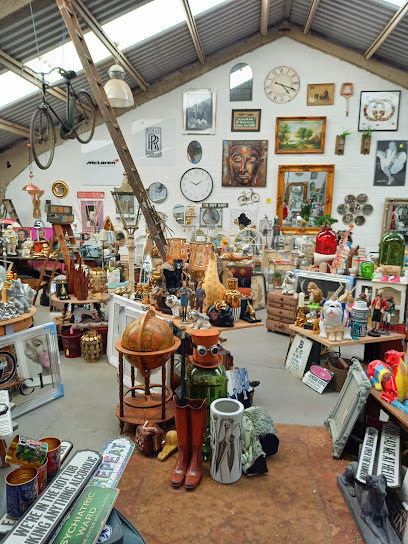
Festival Heights Retail Park
11.3 km
A modern, accessible retail park in Stoke-on-Trent offering diverse shopping options and convenient amenities for a seamless shopping experience.

The Potteries Centre
12.2 km
Staffordshire’s largest shopping and leisure destination with over 50 stores, dining, cinema, and community events all under one roof.
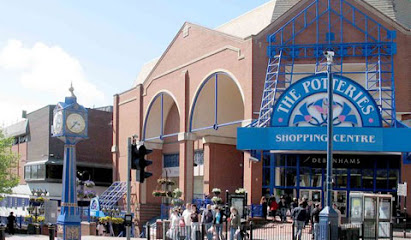
Roebuck Shopping Centre
13.0 km
A historic-rooted shopping centre blending national brands and local charm in the heart of Newcastle-under-Lyme’s vibrant High Street.
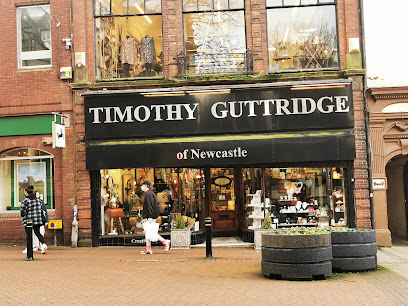
The Market Shopping Centre
13.0 km
Conveniently located in Crewe town centre, The Market Shopping Centre offers a practical and accessible retail experience for everyday shopping needs.
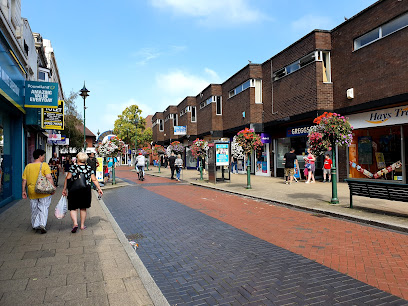
Crafts of Cheshire (Ltd)
14.0 km
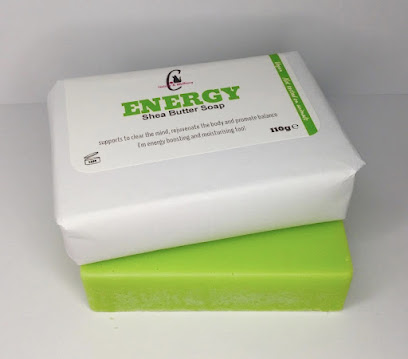
Discover handmade gifts and holistic wellbeing products that inspire positivity through scent and colour in the heart of Crewe.
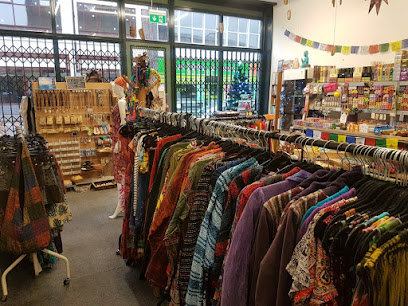
Hippie at Heart
14.4 km
Discover vibrant fair trade fashion and unique bohemian styles at Hippie at Heart, Stoke-on-Trent’s ethical clothing boutique.
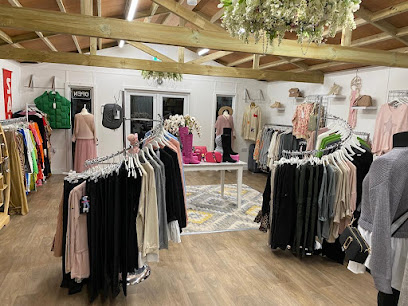
Cabin Boutique
14.7 km
Discover stylish women's fashion in a charming log cabin boutique nestled within Middlewich’s Hopley House Shopping Village.
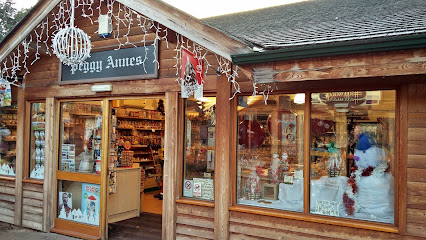
Trentham Shopping Village
18.7 km
Explore over 77 charming timber lodges filled with unique shops, cafés, and restaurants in a friendly village atmosphere near Trentham Gardens.
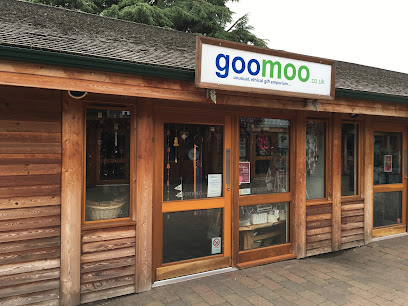
Goomoo
18.7 km
Discover unique, fair-trade gifts and curiosities at Goomoo, nestled in the scenic Trentham Shopping Village in Stoke-on-Trent.
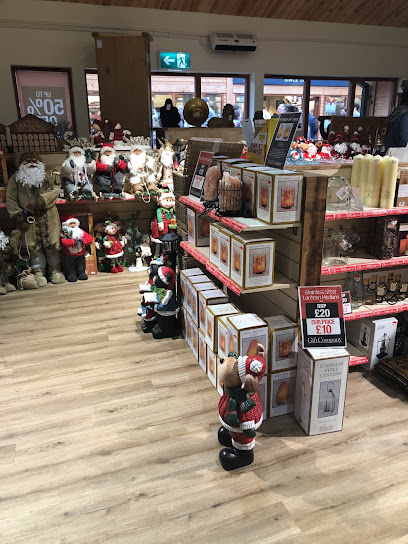
Gift Company
18.8 km
Discover unique gifts and homeware at Gift Company, a welcoming shop nestled in the scenic Trentham Estate, Stoke-on-Trent.
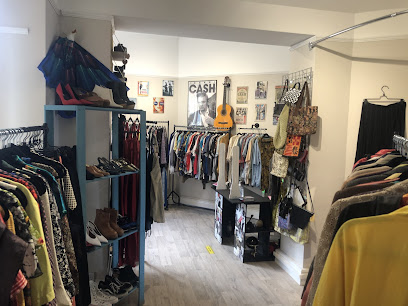
Walk The Line Vintage
19.2 km
Discover timeless style and unique vintage fashion treasures in the heart of Nantwich at Walk The Line Vintage.
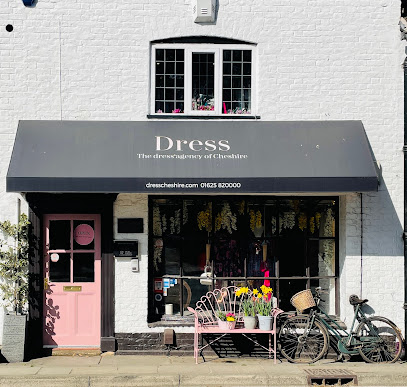
Dress Cheshire
19.4 km
Prestbury’s trusted boutique for authenticated pre-loved designer fashion, blending luxury, sustainability, and community charm.
Cocaranti I Premium Womenswear Cheshire
21.3 km
Discover unique, premium womenswear in Knutsford’s charming independent boutique blending style, sustainability, and personalized service.

Essential bars & hidden hideouts

DV8 Bar & Lounge
4.7 km
A vibrant bar and lounge in Congleton offering excellent cocktails, hearty food, and a warm, lively atmosphere in a charming historic setting.
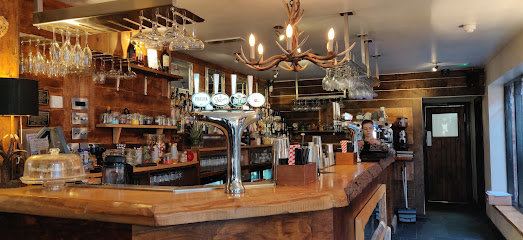
The Beer Emporium
7.7 km
Discover Sandbach’s craft beer gem with a vast selection of ales, a cozy atmosphere, and a welcoming community spirit.
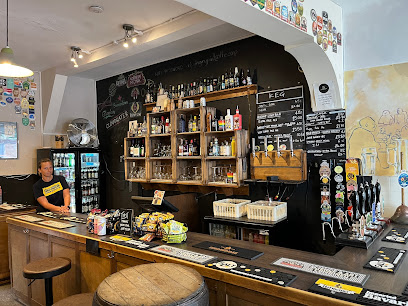
The Swettenham Arms
8.9 km
Traditional Cheshire country pub with scenic gardens, classic British fare, and a charming wedding venue in the heart of Swettenham village.
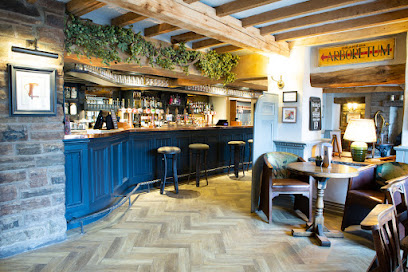
No.41
11.4 km
A stylish pub in Milton, Stoke-on-Trent, known for its eclectic decor, craft ales, cocktails, and extensive gin selection.
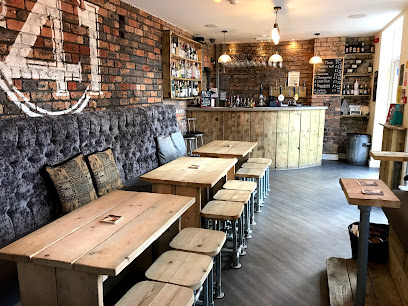
Basement
12.5 km
Experience Stoke-on-Trent’s vibrant nightlife in the Basement, a cool underground bar and events venue in the heart of Hanley.
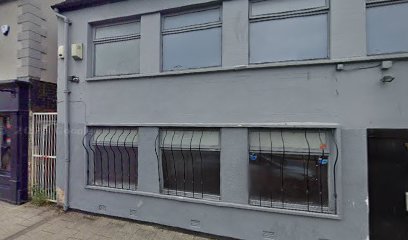
Sutherland Arms
14.8 km
A welcoming pub and cozy B&B in Stoke-on-Trent offering quality ales, lively events, and comfortable rooms with self-catering facilities.
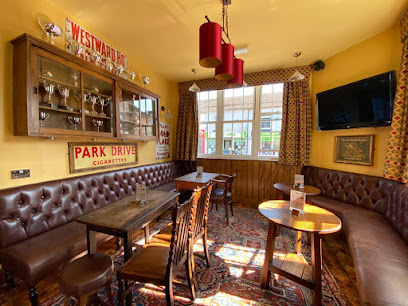
The Lazy Trout
15.8 km
Experience authentic English countryside charm with hearty meals and fine ales at The Lazy Trout in Meerbrook.
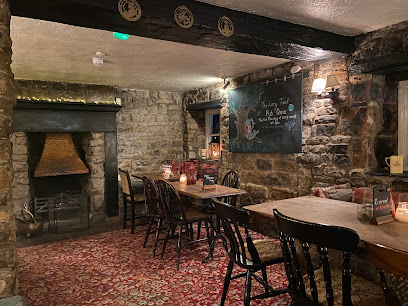
The Boars Head
16.7 km
A charming gastropub near Nantwich serving refined British cuisine in a cozy countryside setting with welcoming service and a lively beer garden.
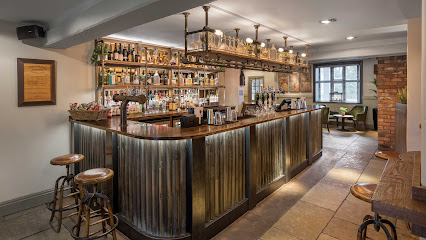
The Botanist Alderley Edge
19.5 km
A lush botanical bar and grill in Alderley Edge blending seasonal cuisine, craft cocktails, and live music in a vibrant garden-inspired setting.
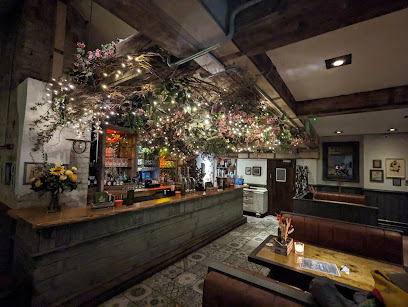
The Swan With Two Necks
21.0 km
A stylish gastropub in Blackbrook blending classic British flavours with modern comfort and scenic countryside charm.
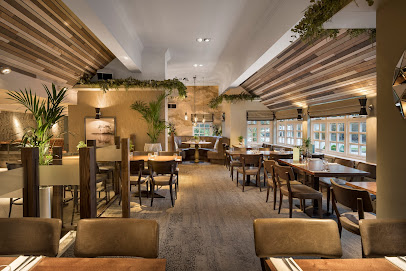
Lost & Found Knutsford
21.2 km
A stylish bar and pub in historic Knutsford blending vibrant atmosphere with contemporary dining and drinks.
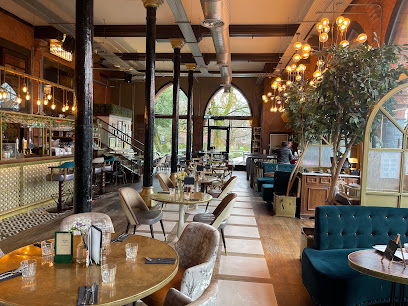
The Plume of Feathers- With Neil Morrissey
21.3 km
A friendly canalside pub in Barlaston offering fresh local food, Neil Morrissey’s ales, and a welcoming atmosphere for all ages and pets.
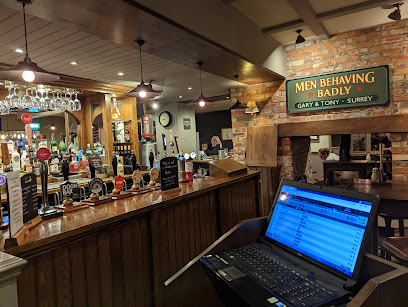
The Salty Dog
23.0 km
A lively, dog-friendly pub in Northwich offering great beer, live music, and a welcoming community atmosphere.
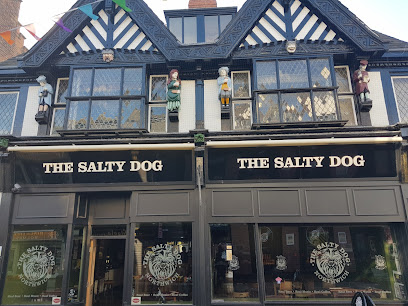
Fitzherbert Arms
23.4 km
Historic Staffordshire pub blending award-winning cuisine, rustic charm, and warm hospitality in the heart of Swynnerton village.
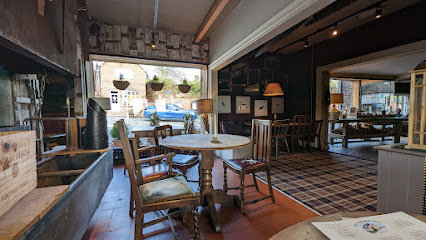
The Borehole
25.0 km
A cozy, quirky micro pub in Stone offering local craft beers, a warm log burner, and a famously dog-friendly welcome.
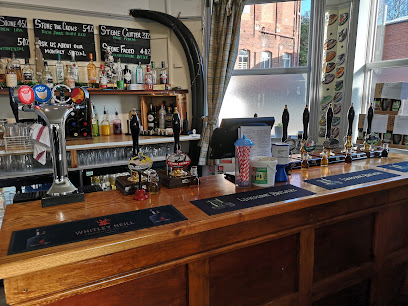
Nightclubs & after hour spots

3D Congleton
4.8 km
A vibrant and affordable nightclub in Congleton’s town centre, perfect for late-night dancing and fun weekends.
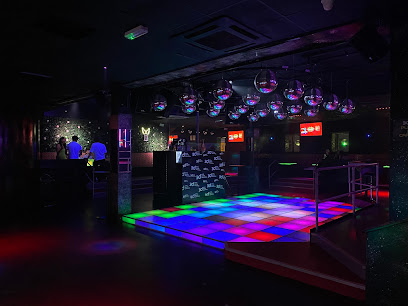
The Club
4.8 km
A lively nightclub and sports bar at Congleton’s heart, blending live music, casual vibes, and affordable fun.
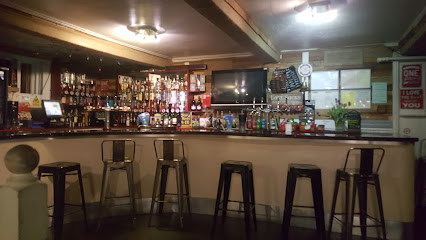
Gossip!
12.1 km
Stoke-on-Trent’s premier gay nightclub with vibrant bars, dance floor, and beer garden offering lively, inclusive nightlife in Hanley.
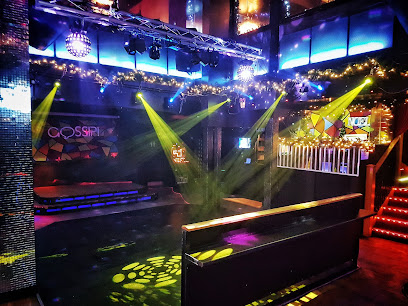
Pink Nightclub - Stoke on Trent
12.2 km
Experience the vibrant and friendly nightlife of Pink Nightclub, Hanley’s lively late-night venue with great drinks and a welcoming atmosphere.
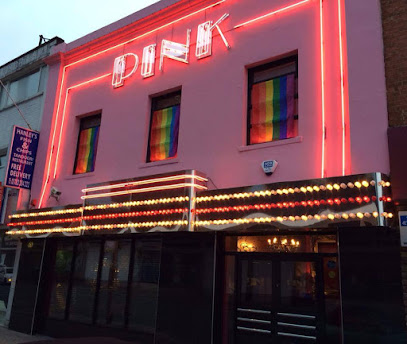
Reflex - Hanley
12.3 km
Energetic and inclusive nightclub in Hanley, offering classic 80s/90s tunes, affordable drinks, and a welcoming atmosphere for memorable nights out.
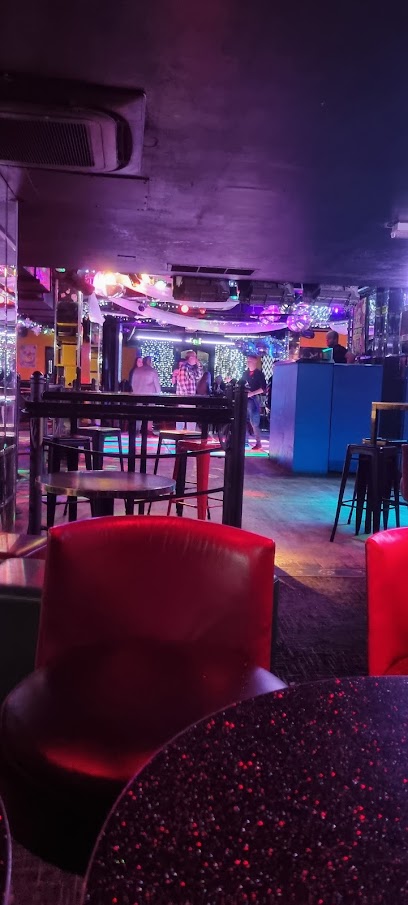
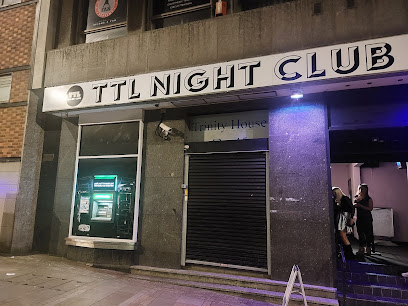
TTL Nightclub
12.3 km
Experience Stoke-on-Trent’s vibrant nightlife at TTL Nightclub, Hanley’s energetic hub for dance, music, and social nights.
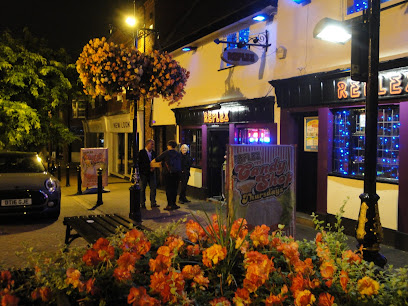
Reflex - Newcastle Under Lyme
12.9 km
Experience vibrant nightlife at Reflex, Newcastle Under Lyme’s central nightclub and lounge with lively music and social vibes.
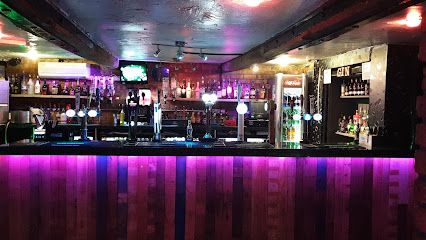
Base 95
15.3 km
Leek’s vibrant nightclub and bar at Market Place, Base 95 offers lively late-night entertainment for a diverse crowd every weekend.
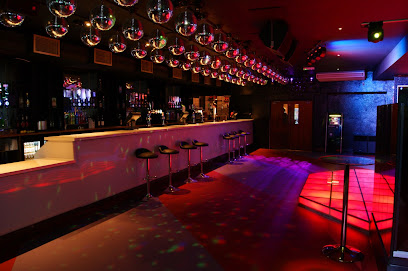
3D Leek - Bar & Nightclub Experiences
15.3 km
Experience Leek’s vibrant nightlife at 3D Leek, where lively music, great drinks, and dynamic events create unforgettable evenings.
The Studio
19.3 km
Experience Nantwich’s energetic nightlife at The Studio, a vibrant club known for live DJs, dance music, and late-night fun in the town center.
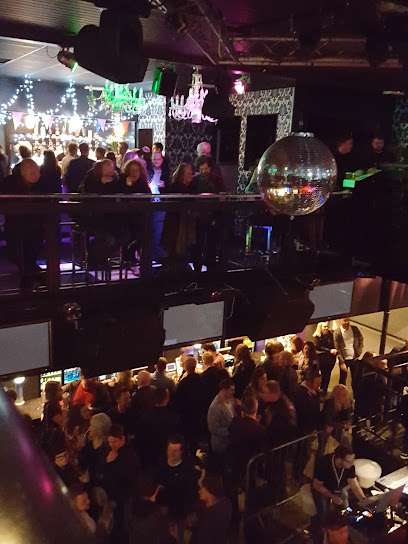
Level 2
26.6 km
Buxton’s vibrant two-floor nightclub with diverse music, lively bars, and themed nights, perfect for an energetic night out.
Great Rocks Social Club
30.9 km
Discover the vibrant nightlife at Great Rocks Social Club, a welcoming hub in Peak Dale perfect for socializing and entertainment.
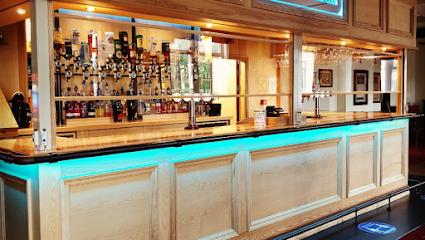
Reflex & Babylon
36.8 km
Experience Warrington’s vibrant nightlife at Reflex & Babylon, a lively nightclub and bar blending energetic music with a welcoming atmosphere.

Babylon Retro Bar
36.8 km
Dive into Warrington’s vibrant retro nightlife with classic 80s and 90s tunes at Babylon Retro Bar, your weekend hotspot for music and fun.
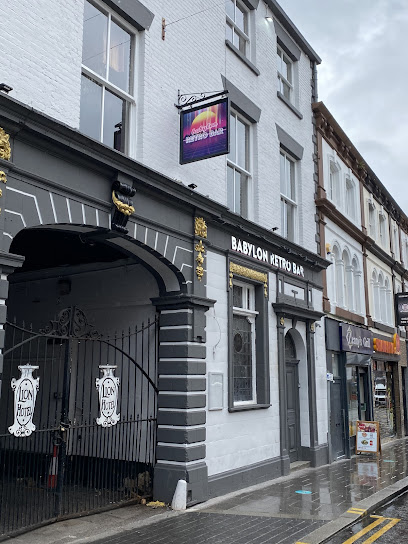
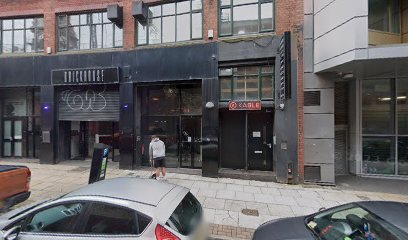
Kable
38.5 km
A compact, late‑night basement club on New Wakefield Street, favoured for punchy electronic nights and close‑up DJ sessions.
For the vibe & atmosphere seeker
- Scenic
- Relaxing
- Tranquil
- Unique
- Fun-filled
For the design and aesthetic lover
- Vintage Styles
- Rustic Designs
For the architecture buff
- Historic
- Landmarks
- Heritage Neighborhoods
- Parks & Gardens
For the view chaser and sunset hunter
- Iconic Views
- Panoramas
- Waterfront
- Sunset Spots
For the social media creator & influencer
- Instagrammable
- Photo Spots
- Selfie Spots
- Architectural Shots
For the eco-conscious traveler
- Sustainable
- Eco-Friendly
- Public-Transport Accessible
- Locally Managed
For the kind of experience you’re after
- Cultural Heritage
- Photowalk
- Nature Escape
- Day Trip
- Weekend Getaway
- Festival / Event Nearby
For how adventurous you want the journey to be
- Easy Access
Location Audience
- Family Friendly
- Senior Friendly
- Child Friendly
- Teen Friendly
- Wheelchair Access
- Pet Friendly
- Couple Friendly
- Solo Friendly
- Solo Female Friendly
- Vegetarian Friendly
- Vegan Friendly


