

Eleanor Rigby Statue, Lancashire Travel Guide
A solitary bronze figure capturing the Beatles' meditation on loneliness, unveiled in 1982 as a timeless tribute.
A poignant bronze sculpture on Stanley Street depicting a solitary woman seated on a bench, gazing at a sparrow. Created by entertainer Tommy Steele in 1982 as a tribute to the Beatles' iconic 1966 song, this intimate artwork captures themes of loneliness and isolation. The figure holds hidden symbolic objects inside—a four-leaf clover, Bible page, football boots, comic book, and sonnet—representing different facets of human experience. A must-see landmark for Beatles fans and those moved by the song's melancholic narrative.
A brief summary to Eleanor Rigby Statue
- Stanley St, Mathew St, Liverpool, L1 6AA, GB
- Click to display
- Duration: 0.25 to 1.5 hours
- Free
-
 Outdoor
- Mobile reception: 5 out of 5

Know before you go
Hi, I'm Eve. Here are a few practical things to know before exploring Eleanor Rigby Statue.
- Visit early morning or late afternoon for the best light to photograph the statue's details and the sparrow on the newspaper without crowds.
- Listen to the Beatles' 'Eleanor Rigby' while standing before the statue to fully appreciate the connection between song and sculpture.
- Examine the hidden symbolic objects Steele mentioned—the four-leaf clover, Bible page, football boots, comic book, and sonnet—by studying the bronze figure's composition.
- Combine your visit with nearby attractions including the Cavern Club and other Beatles heritage sites within walking distance on Stanley Street.
- Visit St Peter's Church in Woolton to see the actual grave of Eleanor Rigby, who died in 1939, adding historical depth to your understanding of the song's origins.
Do you manage this location?
Take control to get all the benefits, like improved information, better appearance, and stronger visibility across AI-powered discovery. Learn more about listing your business on Evendo
Activate your presenceOther nearby places you may find interesting
The closest places of the same kind, if this one is not quite what you had in mind.



Explore Eleanor Rigby Statue on the Map
A handpicked selection of must-see spots near Eleanor Rigby Statue, mapped for you.
Unlock the Best of Eleanor Rigby Statue
Buy tickets
-
No tickets available
Book tours with entry


Getting There
-
Walking from Liverpool City Centre
From Liverpool Lime Street Station, walk northwest through the city centre towards Stanley Street, approximately 15–20 minutes on foot. The statue is located on Stanley Street near Mathew Street, close to the Cavern Club. The route passes through pedestrianised shopping areas and is accessible year-round with good pavement conditions.
-
Local Bus Service
Multiple bus routes serve the city centre with stops near Stanley Street. Journey times from major stations range from 5–15 minutes depending on route and traffic. Buses operate throughout the day with frequent service during peak hours. Fares are approximately £1.50–£2.50 per journey. Check local transport apps for current routes and timetables.
-
Taxi or Ride-Share
Taxis and ride-share services are readily available throughout Liverpool. Journey time from Lime Street Station to Stanley Street is typically 5–10 minutes depending on traffic. Estimated fare ranges from £6–£12. This option is convenient for visitors with luggage or those preferring direct transport.
-
Parking and Car Access
Street parking on Stanley Street is limited and subject to time restrictions. Several paid car parks operate nearby, including those on Whitechapel and Hanover Street, typically charging £1–£3 per hour with daily rates around £8–£15. The statue is accessible via car, though walking from a car park is often more practical than searching for street parking in the busy city centre.
For the on-the-go comforts that matter to you
-
 Seating Areas
-
 Information Boards
-
 Nearby Food Options
-
 Nearby Restrooms
Discover more about Eleanor Rigby Statue
A Sculpture Born from Song and Serendipity
Standing quietly on Stanley Street in Liverpool's city centre, the Eleanor Rigby statue represents one of the most touching artistic tributes to the Beatles ever created. Unveiled on 3 December 1982, this bronze figure emerged from an extraordinary gesture of artistic generosity. Entertainer and sculptor Tommy Steele, while performing in Liverpool in 1981, offered to donate a work of art to the city as a tribute to the Fab Four. The Liverpool City Council enthusiastically accepted, recognizing the statue's potential to enhance the city's cultural appeal and tourist draw. Steele famously charged only three pence for his commission—half a sixpence—though the council contributed £4,000 towards the sculpture's creation, with additional funding from the Liverpool Echo newspaper. The project consumed nine months of meticulous craftsmanship, resulting in a work that has become inseparable from the Beatles' legacy and the song that inspired it.The Figure and Its Symbolic Details
The statue depicts a middle-aged woman seated alone on a stone bench, her posture and expression conveying quiet resignation and weariness. The bronze figure stands 128 centimetres high, 120 centimetres wide, and 96 centimetres deep—intimate in scale, inviting close observation. She wears a coat and headscarf, her small handbag resting on her lap. To her right sits a shopping bag with a milk bottle protruding from it. On the bench beside her lies a crumpled newspaper—a copy of the Liverpool Echo—where a sparrow pecks at a piece of bread. Eleanor gazes downward at the bird with an expression that suggests both melancholy and a fleeting moment of connection. The woman's face is rendered with minimal detail, almost featureless, allowing viewers to project their own understanding of loneliness onto her visage.Steele incorporated what he described as "magical properties" throughout the bronze figure, each object representing a different dimension of human existence. Hidden within the sculpture are a four-leaf clover symbolizing good luck, a page from the Bible for spiritual guidance, football boots representing sport and fun, a comic book embodying comedy and adventure, and a sonnet expressing love. These concealed treasures transform the statue into a vessel of hope and meaning, suggesting that even in isolation, life contains hidden depths and possibilities.The Song's Influence and Cultural Context
Paul McCartney composed "Eleanor Rigby" in 1966 as a departure from conventional pop songwriting. The song tells the story of two isolated figures—Eleanor, who picks up rice after weddings and waits alone at her window, and Father McKenzie, a priest whose sermons reach no congregation. The narrative culminates in tragic irony: the two lonely souls finally meet when McKenzie conducts Eleanor's funeral, their connection arriving too late. McCartney drew the name Eleanor from actress Eleanor Bron, who appeared in the 1965 Beatles film Help!, while "Rigby" came from a wine merchant's shop sign he spotted in Bristol. The song's intricate string arrangement, arranged by George Martin, and its unflinching examination of loneliness marked a significant evolution in the Beatles' artistic ambitions.Interestingly, a real Eleanor Rigby is buried in the churchyard of St Peter's Church in Woolton, Liverpool—the very location where John Lennon and Paul McCartney first met in 1957. She died on 10 October 1939 at the age of forty-four. McCartney has suggested that he may have subconsciously absorbed the name from the gravestone, though he was not consciously aware of it when writing the song. This serendipitous connection deepens the statue's resonance, blurring the line between fictional character and historical reality.A Monument to Universal Loneliness
The plaque originally inscribed on the wall behind the statue has since been replaced, but it now dedicates the sculpture to "All the Lonely People"—a direct reference to the song's haunting chorus. This dedication transforms the work from a mere Beatles tribute into a broader meditation on isolation and disconnection in modern life. The statue speaks to anyone who has felt unseen, unheard, or excluded from the social connections that define human experience. Its location near the Cavern Club, where the young Beatles performed, anchors it within Liverpool's musical heritage while simultaneously elevating it to a universal symbol.The statue's modest size and understated presentation invite intimate engagement. Unlike grand monuments that command attention from a distance, Eleanor Rigby sits at eye level, accessible and vulnerable. Visitors often pause to examine the details—the sparrow, the shopping bag, the newspaper—discovering layers of meaning in Steele's careful composition. The work has become a pilgrimage site for Beatles enthusiasts and a quiet refuge for those contemplating themes of solitude and human connection.Artistic Legacy and Visitor Experience
Tommy Steele's decision to create this sculpture demonstrated remarkable artistic vision and generosity. Though primarily known as a 1950s youth idol and entertainer, Steele proved himself a sculptor of considerable sensitivity and skill. The statue's enduring appeal lies in its emotional authenticity—it neither sentimentalizes nor trivializes loneliness, but instead presents it as a fundamental human condition worthy of artistic attention and compassionate recognition. The work has inspired countless visitors to reflect on the song's meaning and their own experiences of isolation and connection, making it one of Liverpool's most emotionally resonant public artworks.












Your all‑in‑one travel companion app
Explore expert travel guides, compare and book tours, experiences, hotels, and more—all from the palm of your hand. Download now for seamless trip planning wherever your wanderlust takes you.


Explore More of Lancashire
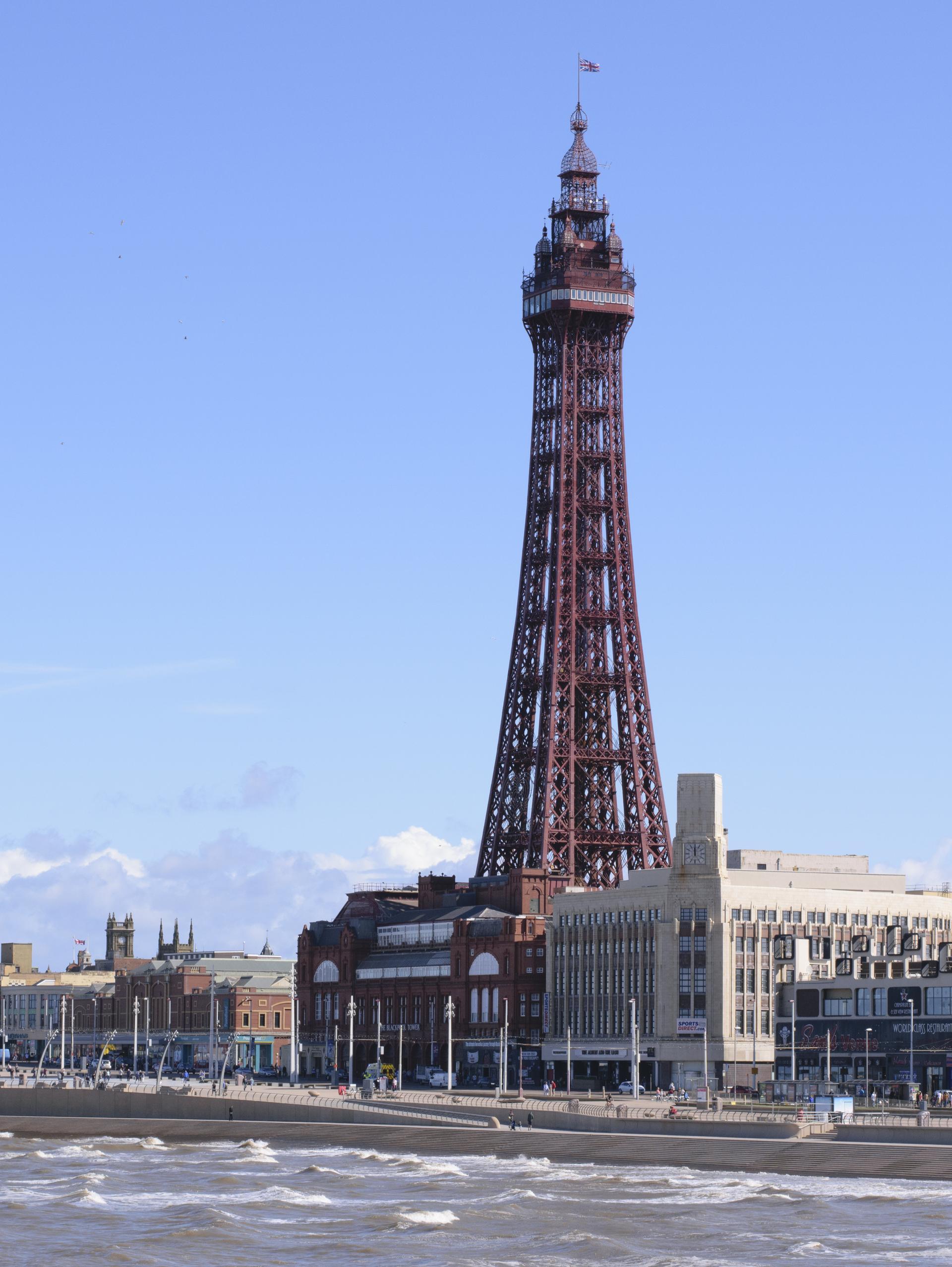
Looking beyond Eleanor Rigby Statue? Discover Lancashire for broader travel guides, local hot-spots, and regional highlights.
Explore Lancashire
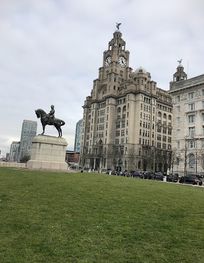
Celebrate your special moments with panoramic Mersey views in Liverpool’s iconic Royal Liver Suite, blending heritage and elegance.
Explore the largest authentic Beatles collection in Liverpool’s historic Mathew Street, celebrating the band’s legendary journey and legacy.
