
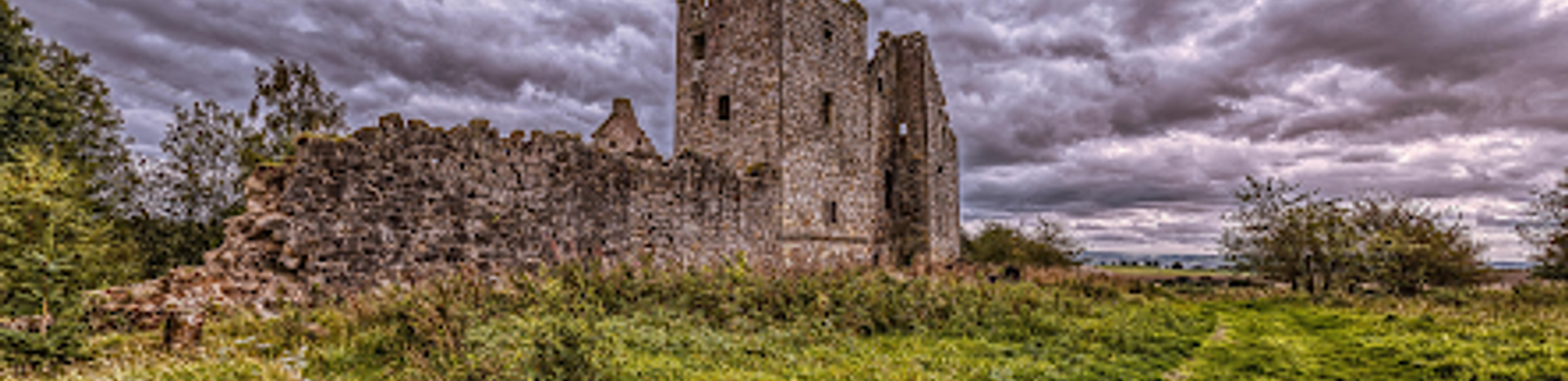
Torwood Castle: Scotland’s Historic 16th-Century Ruined L-Plan Fortress
Explore the evocative ruins of Torwood Castle, a 16th-century Scots baronial fortress steeped in royal forest heritage and clan history near Larbert.
Torwood Castle is a striking 16th-century ruined L-plan castle near Larbert, Scotland, built around 1566 by Sir Alexander Forrester. Once the seat of the Forrester family, hereditary royal foresters of the nearby Tor Wood, the castle features Scots baronial architecture with crow-stepped gables and vaulted ground floors. Though roofless and partially ruined, it retains evocative remnants of its past, surrounded by woodland and walking trails, offering a glimpse into Scotland’s medieval heritage.
A brief summary to Torwood Castle
- Larbert, Torwood, FK5 4SW, GB
- Visit website
- Duration: 0.5 to 2 hours
- Free
-
 Outdoor
- Mobile reception: 4 out of 5
- Saturday 1 pm-5 pm
- Sunday 1 pm-5 pm
Local tips
- Wear sturdy footwear as the castle is a ruin with uneven ground and no formal visitor facilities.
- Visit on a clear day to fully appreciate the castle’s architectural details and surrounding woodland scenery.
- Respect the fragile state of the ruins; avoid climbing on unstable walls to ensure safety.
- Combine your visit with a walk through the nearby Tor Wood forest for a fuller experience of the area’s natural and historical heritage.

For the on-the-go comforts that matter to you
- Seating Areas
- Information Boards
- Trash Bins
Getting There
-
Car
Driving from Larbert town center, the castle is approximately a 10-minute drive (around 6 km) via the Falkirk-Stirling highway and local roads. Parking is limited near the site, so use designated roadside spots with care. No formal parking lot is available.
-
Bus and Walk
Take a regional bus from Falkirk or Stirling to Larbert, then walk approximately 3 km along marked public footpaths through woodland to reach the castle. The walk is moderate in difficulty with some uneven terrain.
-
Walking
For active visitors, a 5 km walk from Larbert town along countryside trails offers a scenic approach to the castle. Terrain includes woodland paths and gentle hills; suitable footwear recommended.
Torwood Castle location weather suitability
-
 Any Weather
-
 Clear Skies
-
 Rain / Wet Weather
-
 Mild Temperatures
Discover more about Torwood Castle
Origins and Historical Significance of Torwood Castle
Torwood Castle was constructed circa 1566 by Sir Alexander Forrester of Garden, whose family held the hereditary office of royal foresters responsible for managing the nearby Royal Forest of Tor Wood. This role, dating back to the mid-15th century, linked the Forresters closely to the Scottish crown, supplying timber for artillery and overseeing the forest lands. The castle later passed to the Clan Baillie and then to George, 1st Lord Forrester, in the early 17th century. It gained historical prominence in 1585 when it was captured by the Earls of Angus and Mar during their campaign to seize Stirling Castle, marking its role in Scotland’s turbulent noble conflicts.Architectural Features and Layout
The castle is a classic example of a Scots baronial L-plan tower house, built mainly from yellow sandstone. It stands three storeys tall with a vaulted ground floor, a first floor, and an attic level. The short wing contains the main staircase and is capped with crow-stepped gables, a distinctive feature of Scottish baronial style. Inside, two spiral staircases survive: a narrower one likely used by servants and a wider one for the castle’s residents. The castle once enclosed a cobbled courtyard with ranges of ancillary buildings, including a kitchen and well room excavated in 1999, though these outbuildings now survive only as ruins.Decline, Restoration Efforts, and Current Condition
After falling into financial ruin in the 17th century, the castle was inhabited until the mid-18th century before becoming a ruin by the early 19th century. In 1946, Gordon MacLachlan Millar acquired the castle ruins and devoted nearly 50 years to stabilizing the structure, founding the Torwood Castle Charitable Trust to ensure its preservation. Despite these efforts, the castle remains roofless and vulnerable to weather and vandalism. Recent years have seen renewed attempts to secure and restore the site, including a local resident moving in to protect it from damage. The castle is listed as a Category A historic building and appears on Scotland’s Buildings at Risk Register, underscoring its cultural importance and fragile state.The Castle’s Setting and Visitor Experience
Nestled in the peaceful countryside near the village of Torwood and the town of Larbert, the castle is surrounded by woodland trails and open green spaces, inviting visitors to explore its evocative ruins. Though not officially open to the public due to safety concerns, the site can be approached for walks around the remains, offering atmospheric views of the crumbling stonework and the surrounding landscape. The castle’s remote, tranquil setting enhances its aura of mystery and historical depth, making it a compelling destination for those interested in Scottish heritage and medieval architecture.Legacy and Future Prospects
Torwood Castle stands as the only surviving castle within the Falkirk district council area, symbolizing centuries of Scottish history tied to the Forest of Tor Wood and the noble Forresters. While currently in a fragile state, plans to stabilize and potentially restore the castle continue, aiming to preserve this rare example of 16th-century Scots baronial architecture for future generations. Its story is intertwined with Scotland’s royal forests, clan histories, and noble conflicts, making it a significant cultural landmark despite its ruinous condition.Architectural and Archaeological Insights
Archaeological excavations have revealed details of the castle’s ancillary buildings and courtyard layout, shedding light on the daily life within its walls. The presence of two distinct spiral staircases suggests a social hierarchy and functional division within the household. The castle’s yellow sandstone construction and crow-stepped gables highlight the stylistic influences of the period, blending defensive features with residential comfort. These architectural elements contribute to its classification as a Category A listed building, reflecting its national importance and architectural interest.Iconic landmarks you can’t miss

Sir John de Graeme Memorial Fountain
7.0 km
A tranquil memorial fountain in Falkirk honoring Sir John de Graeme, a valiant knight who fell at the Battle of Falkirk in 1298.
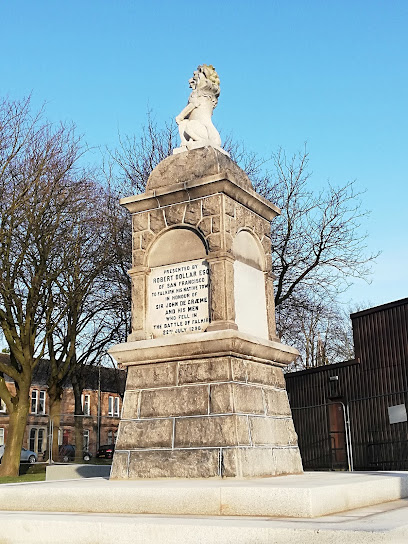
Historic Scotland
8.9 km
Discover the artistry of stone-cutting at Historic Scotland, a captivating experience in Stirling that showcases Scotland's rich architectural heritage.

St Ninians Well
9.5 km
Discover Stirling’s historic St Ninians Well, a tranquil stone spring steeped in healing lore and centuries of local tradition.
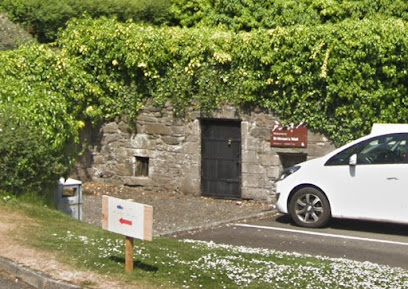
Alloa War Memorial
9.6 km
A poignant tribute in Alloa featuring St Margaret and soldiers, honoring local heroes from both World Wars with powerful symbolism.
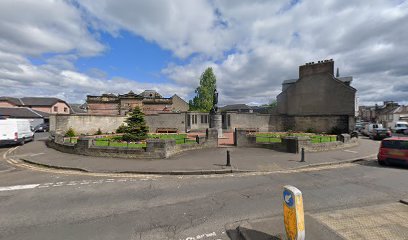
Stirling City Heritage Trust
9.7 km
Explore the Stirling City Heritage Trust and uncover the stories of Scotland's past through its dedicated preservation efforts.

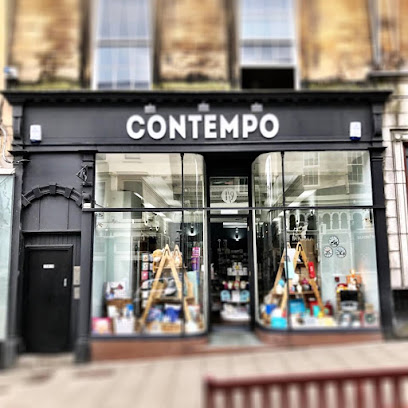
Contempo
9.8 km
Explore Contempo, Stirling's charming gift shop offering unique souvenirs, jewelry, and handcrafted treasures that capture the essence of Scotland.
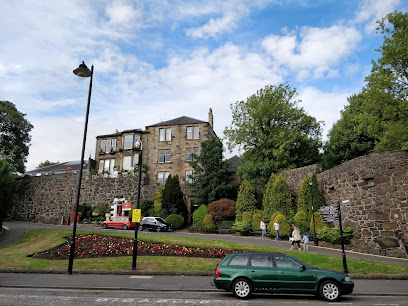
Castle Walk Bed & Breakfast
9.8 km
Discover comfort and Scottish hospitality at Castle Walk Bed & Breakfast, a charming retreat in the heart of Stirling with stunning views and easy access to local attractions.
City Walls
9.8 km
Discover the historic City Walls Pub in Stirling, where ancient charm meets modern Scottish hospitality, offering local dishes and brews.
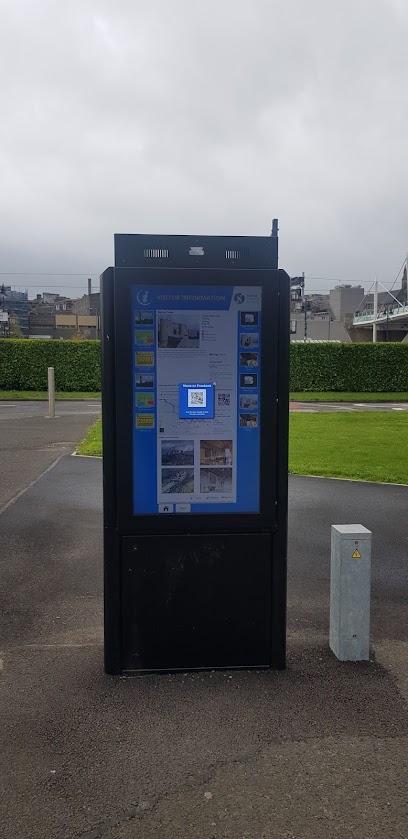
Tourist Information Point
9.8 km
Explore Stirling like a local with insights and resources from the Tourist Information Point, your guide to unforgettable adventures in Scotland.
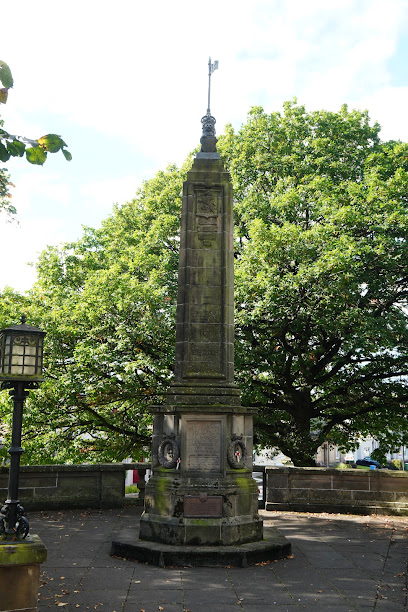
Stirling War Memorial
9.9 km
A dignified sandstone obelisk honoring Stirling’s fallen heroes from World War I and beyond, standing as a lasting symbol of sacrifice and remembrance.
Monterey Jack's Stirling
9.9 km
Experience the authentic taste of American cuisine at Monterey Jack's Stirling, where delicious burgers and creative cocktails await you in a vibrant atmosphere.
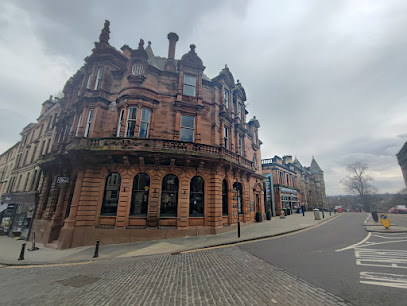
Rob Roy McGregor Statue
9.9 km
Discover the stirring legacy of Rob Roy MacGregor, Scotland’s legendary outlaw and folk hero, immortalized in bronze in the heart of Stirling.
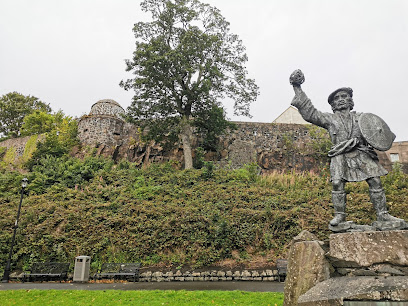
Tinkerbells Emporium
9.9 km
Discover the enchanting Tinkerbells Emporium in Stirling, a magical gift shop filled with unique treasures and delightful souvenirs for every traveler.
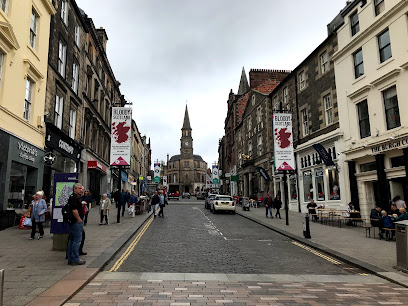
The Crossed Peels
9.9 km
Historic Stirling pub offering real ales, hearty fare, and a welcoming atmosphere in the heart of the Old Town.
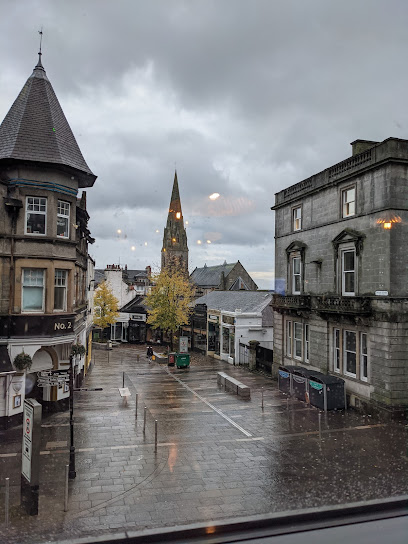
Cowane's Hospital
10.3 km
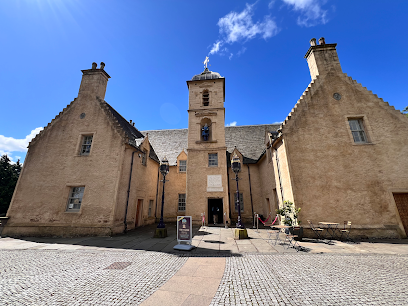
Discover the captivating history of Stirling at Cowane's Hospital, a local history museum showcasing the region's rich cultural heritage.
Unmissable attractions to see

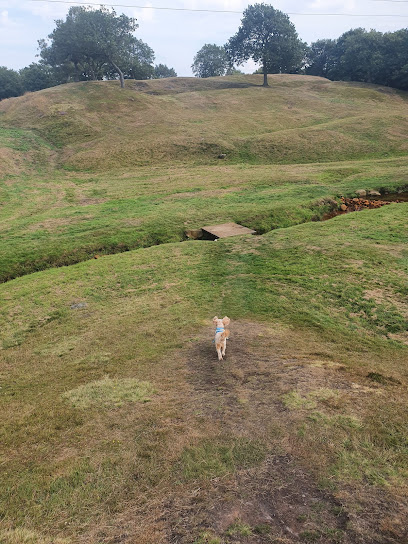
Plean Country Park
2.7 km
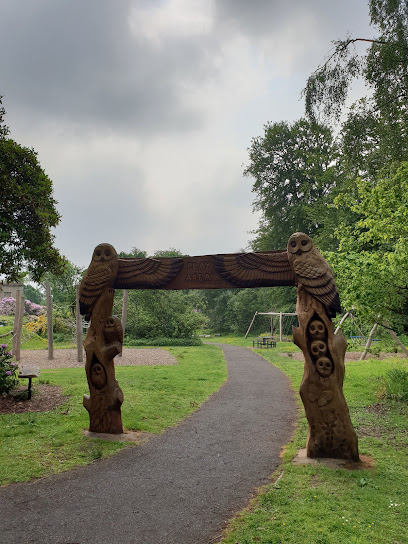
Discover 200 acres of peaceful woodland, wildlife, and family-friendly trails just outside Stirling in scenic Plean Country Park.
Herbertshire Castle Park
3.2 km
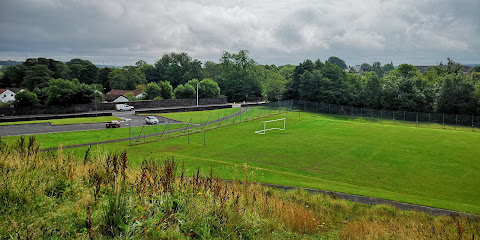
Historic riverside park in Denny offering scenic walks, heritage charm, and tranquil green spaces on the grounds of the former Herbertshire Castle.
The Falkirk Wheel
4.5 km
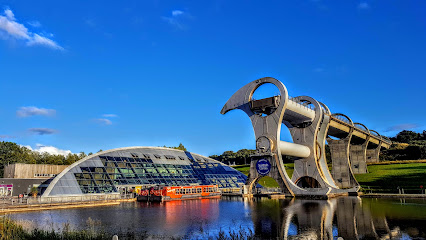
Experience the world’s only rotating boat lift, a stunning engineering marvel connecting Scotland’s historic canals with breathtaking views and family fun.
Rough Castle Experiences
4.9 km
Explore ancient Roman history and thrilling outdoor adventures in scenic woodland near the iconic Falkirk Wheel.
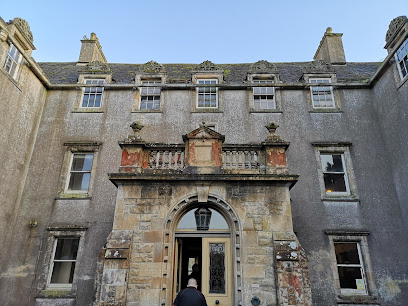
Bannockburn house
5.3 km
Explore Bannockburn House, a majestic 17th-century mansion rich in Jacobite history and Scottish industrial heritage near Stirling.
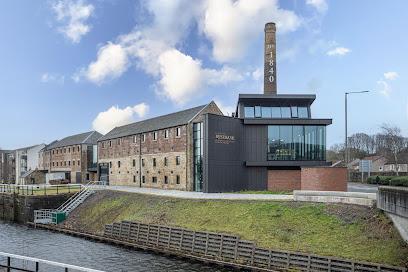
Rosebank Distillery
5.8 km
Historic Rosebank Distillery in Falkirk blends tradition and modernity to craft Scotland’s revered Lowland single malt whisky.
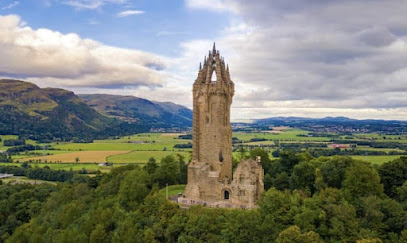
Scotland private tours
5.9 km
Experience Scotland’s epic history with private tours to Bannockburn battlefield and Stirling Castle, blending heritage, storytelling, and scenic beauty.
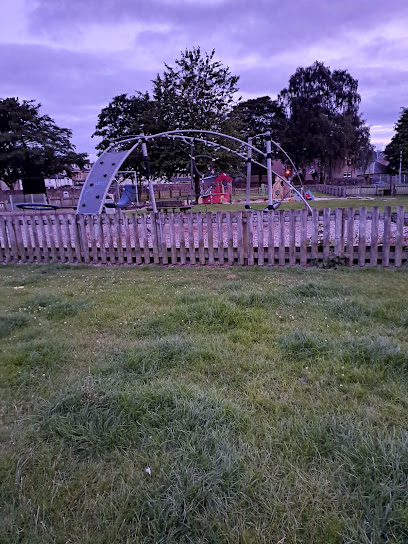
Ladywell Park
6.4 km
Explore the tranquility and natural beauty of Ladywell Park in Bannockburn, Stirling, a perfect escape for relaxation and recreation.
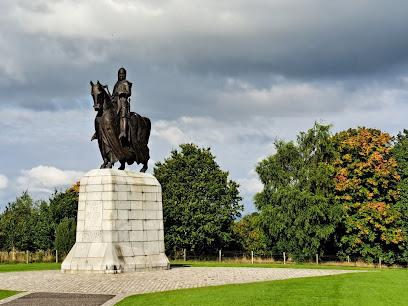
Bannockburn
6.4 km
Explore Bannockburn, the iconic Scottish battlefield where Robert the Bruce secured independence with a legendary victory in 1314.
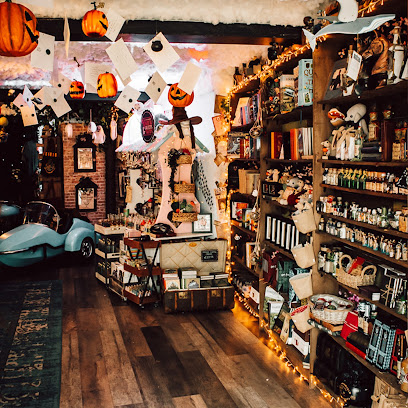
The Lonely Broomstick
6.7 km
Discover Falkirk’s enchanting gift shop where magic, potions, and wizardry come to life for all ages.
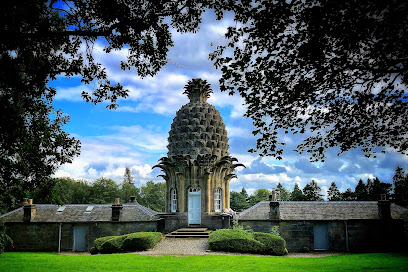
The Pineapple
6.7 km
Discover the whimsical 18th-century Pineapple folly near Falkirk—an architectural gem and unique self-catering retreat set in stunning walled gardens.
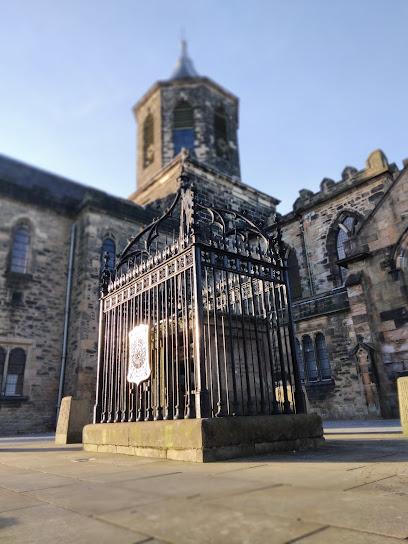
Tomb Of Sir John De Graeme
6.7 km
Discover the Tomb of Sir John De Graeme in Falkirk, a captivating historical landmark steeped in the rich heritage of Scotland's fight for freedom.
Fallin Bing
6.8 km
Explore the tranquil peat bog and rich mining heritage of Fallin Bing, a unique nature reserve near Stirling, Scotland.
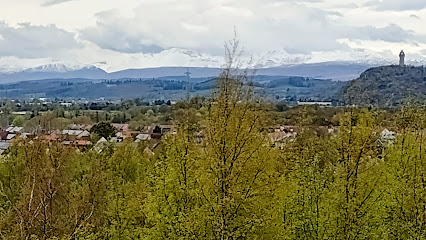
Falkirk Canal Tunnel
7.0 km
Explore the historic underground Falkirk Canal Tunnel, a unique 19th-century passage beneath Falkirk’s streets on the Union Canal.
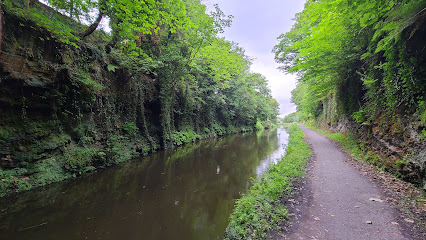
The Battle of Bannockburn Visitor Centre
7.3 km
Experience Scotland's greatest medieval victory through immersive 3D technology and expert storytelling.
Essential places to dine

The Tartan Arms & McQ's
6.5 km
Historic family-run pub and restaurant in Bannockburn offering hearty British fare, lively nightlife, and a warm community atmosphere.
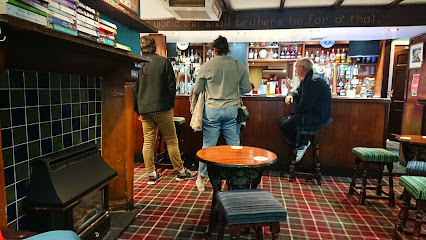
The Hollybank
7.7 km
Classic British dining in a charming old Stirling building, offering hearty meals and warm hospitality in a relaxed bar & grill setting.
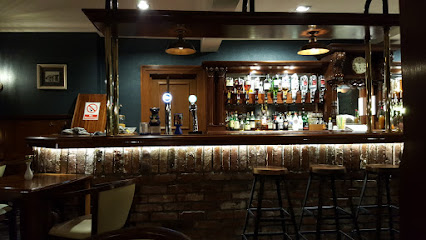
The Linden Inn Bar & Steakhouse
8.7 km
A cozy Stirling steakhouse blending traditional flavors, attentive service, and a welcoming atmosphere for all diners.
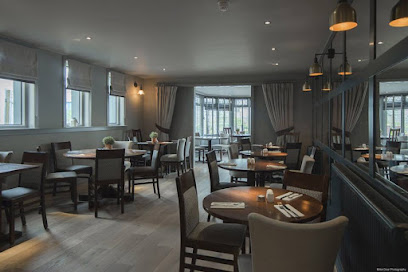
The Inn at Torbrex
8.9 km
Experience authentic Scottish hospitality and hearty country fare at The Inn at Torbrex, a welcoming traditional pub near Stirling.
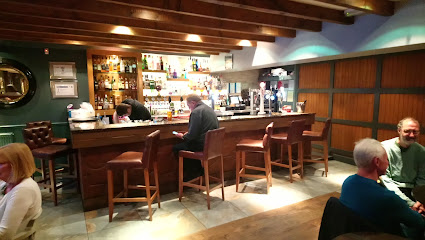
Springkerse View - Pub & Grill
9.1 km
A welcoming pub and grill in Stirling offering expertly flame-grilled dishes, family-friendly vibes, and a relaxed modern atmosphere.
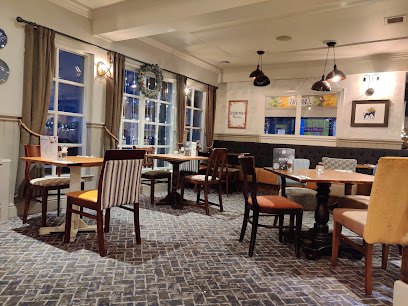
Fletcher’s - Restaurant, Bar & Rooms
9.5 km
A cozy family-run Scottish restaurant and boutique rooms offering fresh local cuisine and warm hospitality in central Stirling.
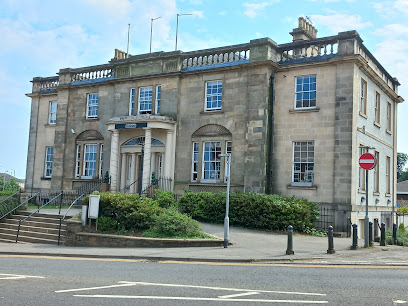
Kahani, Stirling
9.5 km
A vibrant Indian restaurant in Stirling reimagining street food with modern flair, bold flavours, and stylish presentation in a warm, floral-decorated space.
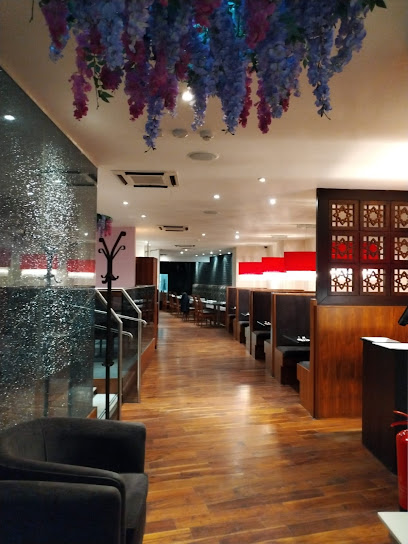
Nooch Bar and Kitchen
9.6 km
A vibrant vegan bar and kitchen in Stirling offering creative plant-based dishes in a warm, lively atmosphere with community events.
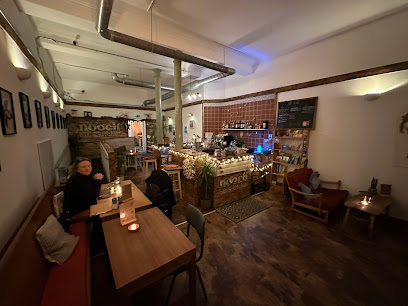
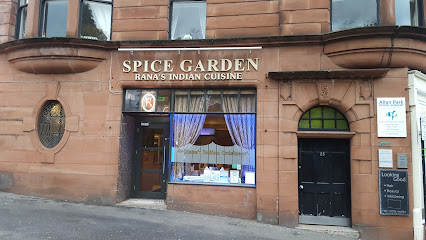
Spice Garden Stirling
9.6 km
Authentic Indian cuisine with rich flavors and warm hospitality in Stirling’s vibrant town centre.
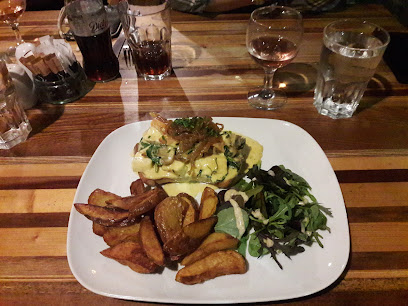
Gabe's Diner Bistro
9.6 km
Stirling's unpretentious bistro serving creative comfort food with locally sourced ingredients and genuine hospitality.
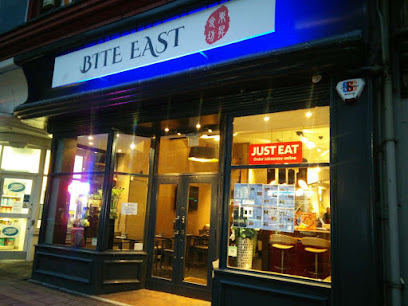
Bite East
9.7 km
Experience authentic Asian fusion flavors with fresh sushi, Szechuan classics, and bubble tea in Stirling’s vibrant Bite East.
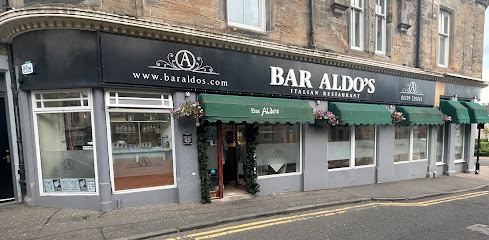
Bar Aldos
9.7 km
Experience authentic Italian flavors and warm hospitality at Bar Aldos, Alloa’s cozy spot for classic homemade dishes and inclusive dining.
Stirling Beefeater
9.7 km
A welcoming British steakhouse in Stirling offering hearty meals, family deals, and a relaxed bar and grill atmosphere.
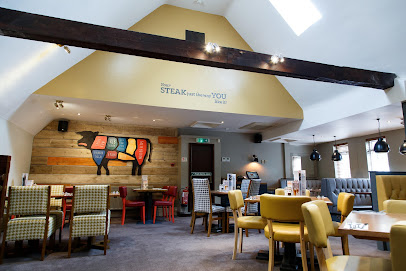
Stacks
9.7 km
Contemporary dining in the heart of Stirling’s vibrant city centre, blending casual comfort with urban energy.
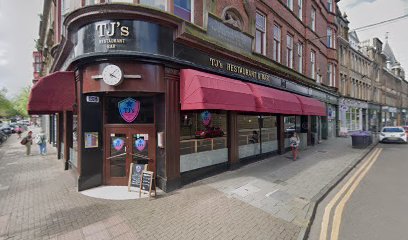
TJ's Restaurant and Bar
9.7 km
Family-run American diner in Stirling serving hand-crafted burgers, pancakes, and milkshakes in a friendly, casual atmosphere.
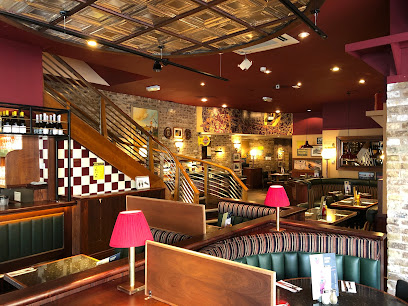
Markets, malls and hidden boutiques

Whimsic Alley
6.7 km
A whimsical gift shop in Falkirk filled with magical treasures, fantasy novelties, and storybook charm for fans of all things enchanted.
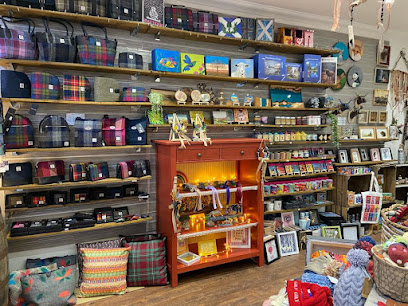
Only Scotland
8.5 km
Discover authentic Scottish gifts and craftsmanship at Only Scotland, a charming boutique in Stirling celebrating heritage and tradition.
Springkerse Retail Park
8.8 km
A vibrant shopping and dining destination in Stirling offering diverse stores, eateries, and convenient amenities for all visitors.
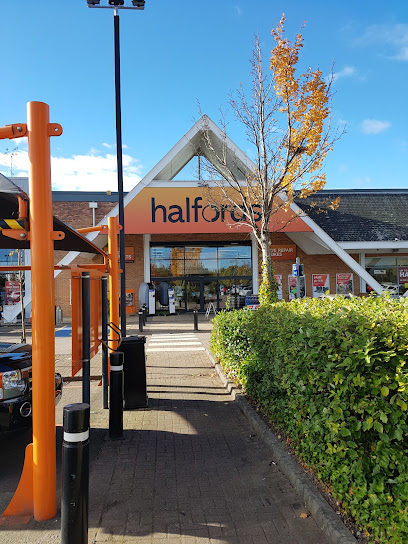
Rivivo Furniture Shop
9.1 km
Discover unique vintage and antique furniture treasures at Rivivo Furniture Shop, nestled in Stirling’s vibrant Springkerse Industrial Estate.
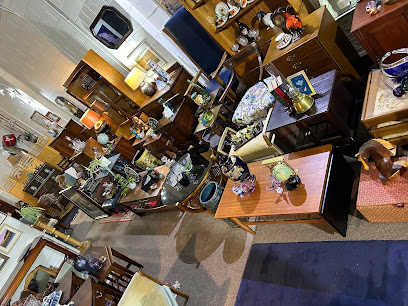
Stirling Reuse Hub
9.3 km
Discover sustainable treasures and community spirit at Stirling Reuse Hub, your go-to for quality pre-loved goods and creative workshops in Stirling.
Burghmuir Retail Park
9.4 km
Modern retail destination with free parking, diverse shops, and convenient access in Stirling.

Witches Emporium
9.5 km
Discover enchantment and unique magical gifts in the heart of Stirling Enterprise Park’s vibrant business community.

Primark
9.6 km
Affordable fashion and homeware at Primark Stirling, nestled in the lively Thistle Marches shopping centre.

Born In Scotland - Stirling Thistle Centre
9.6 km
Discover authentic and playful Scottish gifts at Born In Scotland, a vibrant shop in Stirling’s Thistle Marches Shopping Centre.
USC
9.6 km
Your go-to Stirling store for stylish menswear, womenswear, kids’ clothes, shoes, and accessories in a vibrant shopping setting.

Stons
9.6 km
Discover unique, stylish menswear and womenswear at Stons, Stirling’s independent boutique for casual and evening fashion.

The Works
9.6 km
Discover creativity and value with a vast selection of books, arts, crafts, toys, and stationery at The Works in Stirling’s Thistles Shopping Centre.

Buick's (Alloa) Ltd
9.6 km
A trusted family-run hardware store in Alloa offering quality tools, DIY supplies, and personalized service for over three generations.

Next
9.7 km
Discover stylish fashion and family essentials at Next, nestled in Stirling’s vibrant Thistles Shopping Centre.

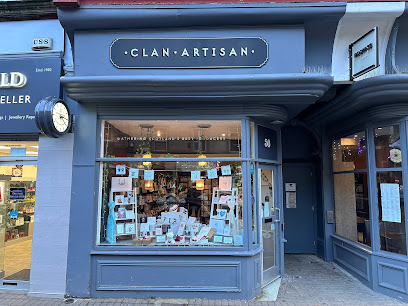
Clan Artisan Ltd
9.7 km
A charming Scottish gift shop in Stirling, where every hamper and handmade item celebrates local makers and the spirit of Scotland.
Essential bars & hidden hideouts

1314 Inn
7.1 km
A friendly Stirling pub offering hearty Scottish fare, generous portions, and a warm community atmosphere at great value.
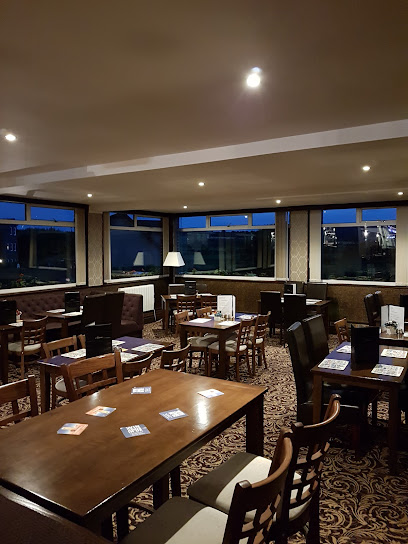
Anchor Bar
7.9 km
A friendly and affordable community pub in Stirling with pool, darts, live sports, and a spacious function room for vibrant local gatherings.
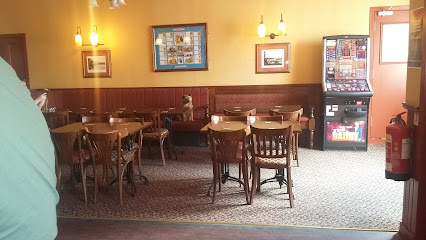
The Borestone Bar
8.1 km
A friendly and affordable Stirling pub with a spacious lounge, welcoming locals, and a lively atmosphere near Bannockburn Road.
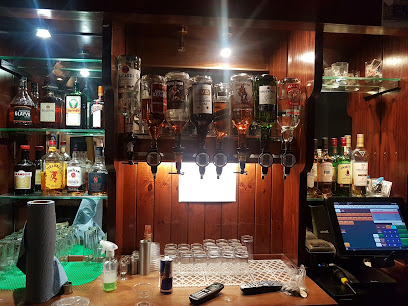
Royal Oak Alloa
9.6 km
A welcoming Scottish pub and hotel in Alloa, blending traditional charm with hearty cuisine and comfortable stays.
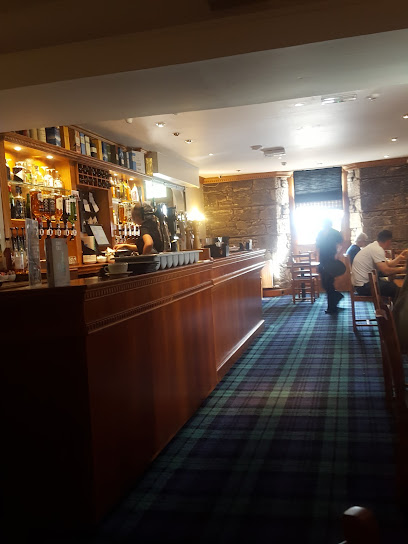
Port Customs Bar
9.7 km
A classic Stirling pub offering well-kept beers, fine whiskies, and a friendly, inviting atmosphere for locals and visitors alike.
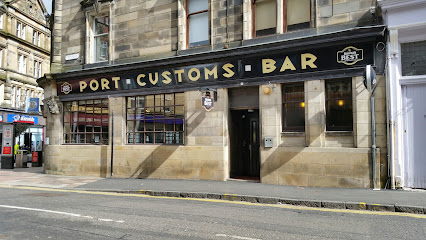
The Railway Tavern
9.7 km
A cozy, friendly pub in Kincardine offering authentic Scottish hospitality and a relaxed atmosphere for casual drinks and socializing.
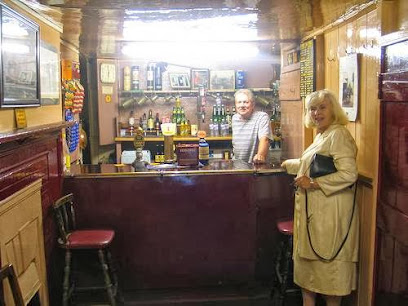
Auld Hoose
9.7 km
A lively, dog-friendly pub in Kincardine known for hearty food, extensive whisky, craft beers, and a welcoming atmosphere with rock music and karaoke.
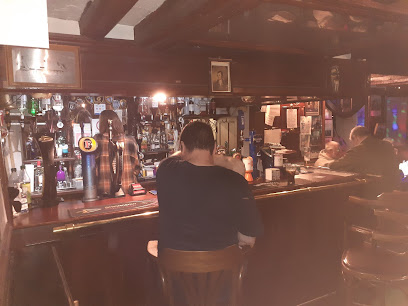
Crams Bar
9.8 km
Historic Alloa bar offering lively entertainment, community spirit, and affordable drinks in a welcoming atmosphere since 1784.
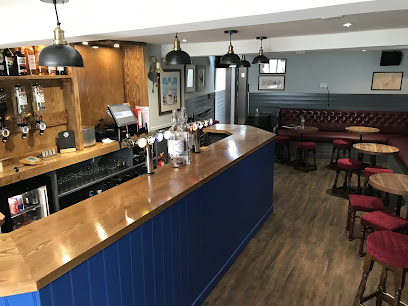
King Cons
9.9 km
Experience Stirling’s vibrant nightlife at King Cons, a lively bar offering great drinks, live music, and a welcoming atmosphere in the city centre.
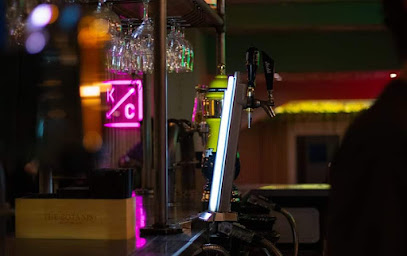
Thistle Bar
9.9 km
A classic Alloa pub blending sports, karaoke, and community spirit in a friendly, lively setting.
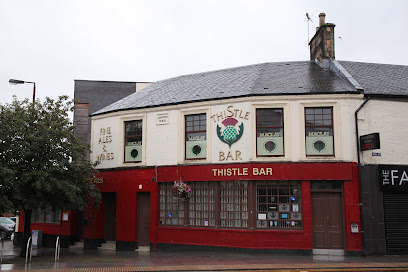
meraki
9.9 km
A vibrant and quirky cocktail bar in Stirling city centre, known for expertly crafted classics and innovative creations in a relaxed, friendly setting.
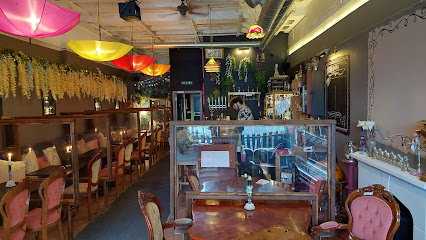
The Bobbing John
9.9 km
Historic sandstone pub in Alloa offering real ales, a large beer garden, and a lively family-friendly atmosphere named after local figure John Erskine.
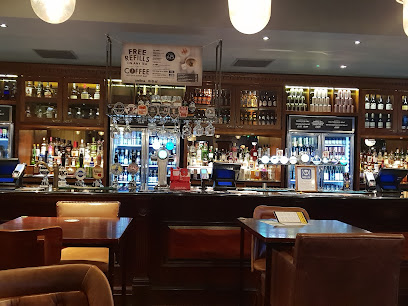
Bridge Bar
10.0 km
Discover the charm of Bridge Bar in Kincardine, a cozy pub offering a wide selection of drinks and a welcoming atmosphere for all travelers.
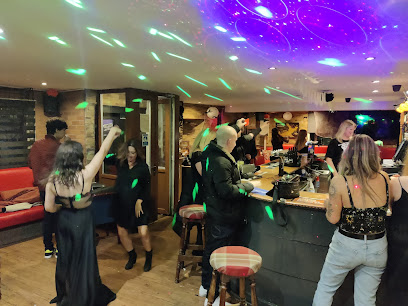
BrewDog Stirling
10.0 km
A lively craft beer bar and restaurant in Stirling offering 15 taps, classic bar food, and a vibrant atmosphere near the castle and station.
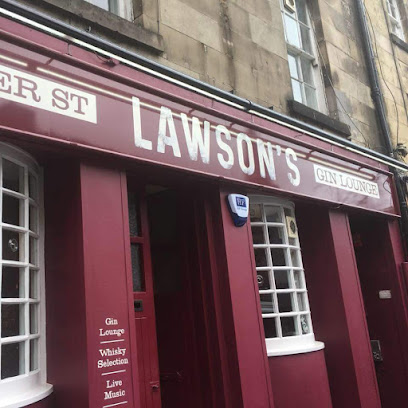
Lawsons
10.0 km
Discover Lawsons, Stirling’s cozy gin lounge with over 95 gins, craft cocktails, and warm Scottish hospitality in a lively, welcoming setting.
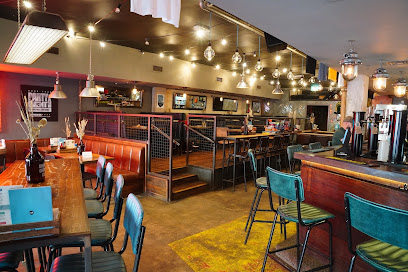
Nightclubs & after hour spots

City Nightclub
6.8 km
Experience Falkirk’s vibrant nightlife at City Nightclub, the town’s energetic weekend hotspot for music, dancing, and late-night fun.
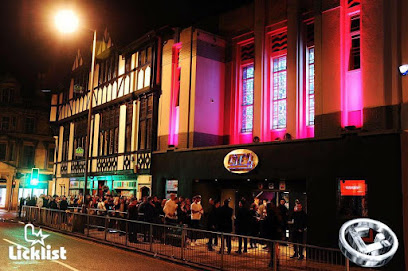
XOXO
6.8 km
Central Scotland’s largest nightclub offering vibrant nightlife, pool hall fun, and private event spaces in the heart of Falkirk.
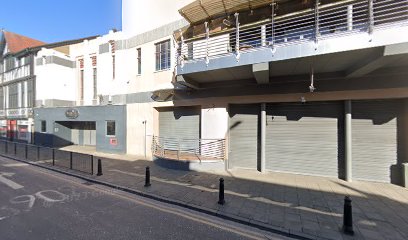
Castle Leisure Group
9.9 km
Discover the lively atmosphere of Castle Leisure Group in Stirling – a perfect blend of dining, nightlife, and entertainment for tourists.

Fubar Nightclub
10.0 km
Experience Stirling’s energetic student nightlife at Fubar Nightclub, where music, lights, and lively crowds come alive late into the night.

I-Kandy Nightclub
20.1 km
Discover the electrifying nightlife at I-Kandy Nightclub in Airdrie, where vibrant music and a lively atmosphere await!

Pulse
20.3 km
Experience Airdrie’s vibrant nightlife at Pulse Nightclub, where music, dancing, and unforgettable moments come alive.
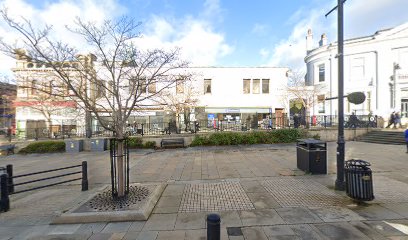
The Twig Nightclub
20.5 km
Bathgate’s oldest nightclub offering lively, affordable, and historic nightlife experiences every Saturday night.
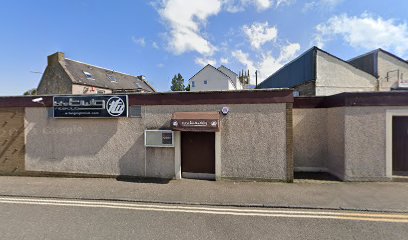
Eden Night Club
21.8 km
Vibrant late-night hotspot in Coatbridge offering house, R&B, and chart music with a lively atmosphere and smart dress code.

Avenue Nightclub Coatbridge
21.8 km
Coatbridge’s premier late-night nightclub for over-21s, offering vibrant music, modern vibes, and a lively weekend party scene.
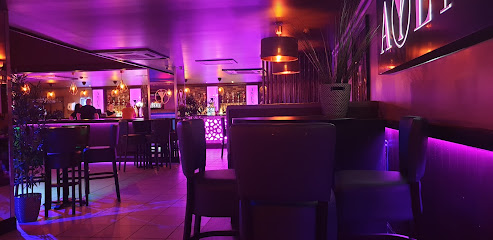
Grand Central
25.3 km
Experience the vibrant nightlife and diverse events at Grand Central, Livingston's premier events venue for unforgettable nights out.

The Club, Motherwell
25.3 km
Discover the vibrant atmosphere of The Club in Motherwell, a perfect blend of traditional pub charm and modern dining experiences.
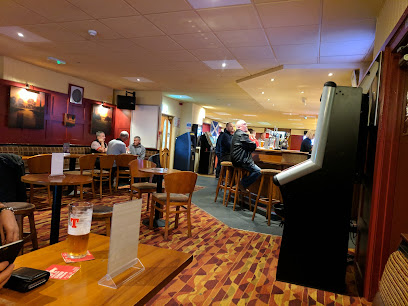
LIFE
25.5 km
Experience vibrant nightlife and late-night fun at LIFE, Dunfermline’s energetic nightclub with a welcoming atmosphere and great music.
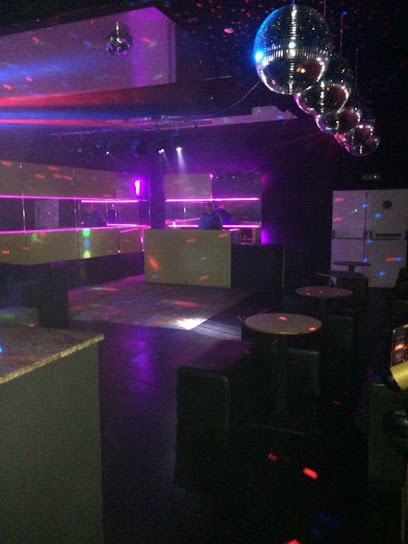
Lourenzos
25.6 km
Experience Dunfermline's nightlife at Lourenzos, a lively bar and nightclub known for its exceptional cocktails and welcoming atmosphere.
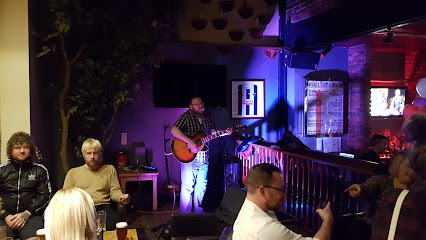
Volunteer Arms Lounge Bistro
25.9 km
A friendly, moderately priced lounge bistro in Uphall offering home-cooked meals, live music, and a welcoming atmosphere for all occasions.
West Lothian Casting Agency
27.4 km
Discover the vibrant adult entertainment scene at West Lothian Casting Agency, where immersive performances and themed events await every visitor.
For the vibe & atmosphere seeker
- Tranquil
- Scenic
- Unique
- Quirky
For the design and aesthetic lover
- Vintage Styles
- Rustic Designs
For the architecture buff
- Historic
- Landmarks
- Heritage Neighborhoods
For the view chaser and sunset hunter
- Iconic Views
- Panoramas
For the social media creator & influencer
- Instagrammable
- Photo Spots
- Selfie Spots
For the eco-conscious traveler
- Public-Transport Accessible
- Leave-No-Trace Critical
For the kind of experience you’re after
- Cultural Heritage
- Photowalk
- Nature Escape
- Day Trip
- Weekend Getaway
For how adventurous you want the journey to be
- Easy Access
Location Audience
- Family Friendly
- Senior Friendly
- Child Friendly
- Teen Friendly
- Couple Friendly
- Solo Friendly


