
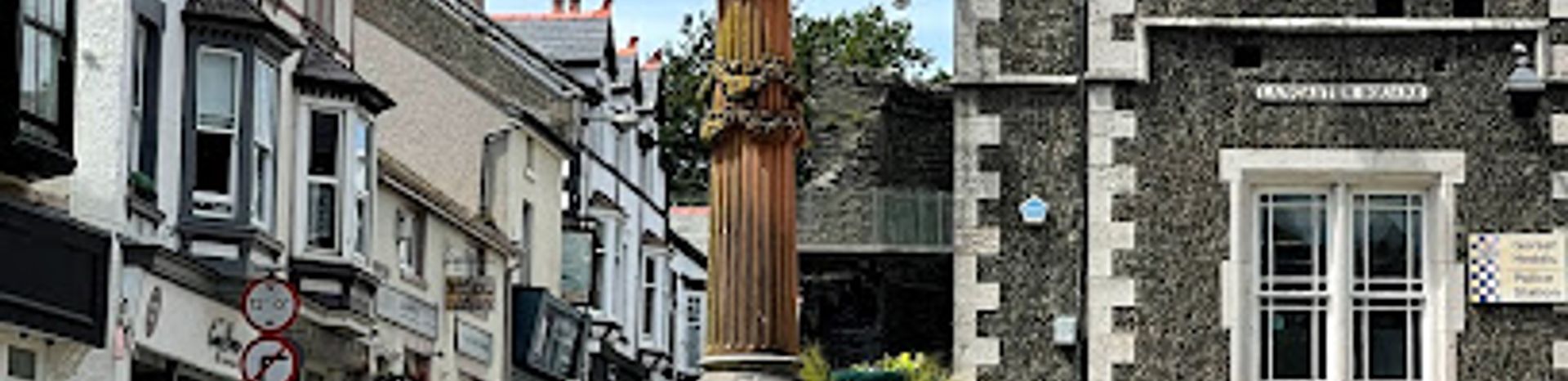
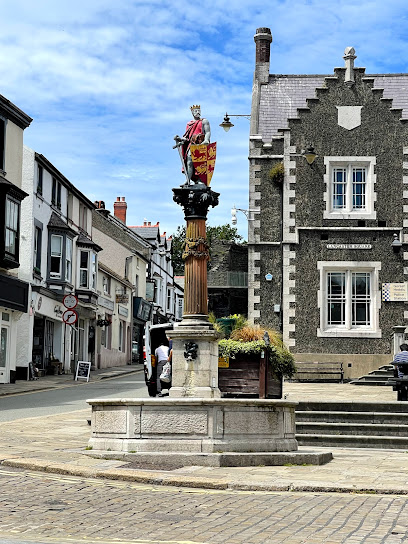
Statue of Llywelyn the Great in Conwy
A bronze tribute in Conwy honoring Llywelyn the Great, the 13th-century Welsh prince who shaped a nation and united Wales.
The Statue of Llywelyn the Great stands proudly in Conwy’s Lancaster Square, commemorating the influential 13th-century Welsh prince who united much of Wales. Created by E.O. Griffith in 1898, this bronze statue marks the completion of Conwy’s water supply scheme and honors Llywelyn’s legacy as Prince of Wales. Situated on a fountain by architects Grayson & Ould, the statue is a focal point in the town’s historic center.
A brief summary to Statue of Llywelyn the Great
- Conwy, GB
- Duration: 0.5 to 1.5 hours
- Free
-
 Outdoor
- Mobile reception: 4 out of 5
Local tips
- Visit during daylight for the best views and to appreciate the statue’s details and surrounding plaza.
- Combine your visit with a walk around Conwy’s medieval town center and Conwy Castle nearby.
- Bring a guidebook or read about Llywelyn the Great beforehand to fully understand the statue’s historical context.
- Use the benches around the statue’s plaza for a restful break while soaking in the historic atmosphere.

For the on-the-go comforts that matter to you
- Seating Areas
- Trash Bins
- Information Boards
Getting There
-
Train
From major cities like Liverpool or Manchester, take a train to Conwy station, approximately 2 to 3 hours travel time. The station is about 1.5 km from the statue, requiring a 20-minute walk through the town center. Trains run regularly but check schedules for frequency. Tickets typically cost £15-£30 one way.
-
Bus
Local bus services connect Conwy with nearby towns such as Llandudno and Bangor, with journey times around 30 to 60 minutes. The bus stop nearest Lancaster Square is within a 5-minute walk of the statue. Tickets are affordable, usually under £5 for local routes. Service frequency varies, so consult local timetables.
-
Car
Driving to Conwy is straightforward via the A55 expressway. Allow 1 to 2 hours from regional hubs like Chester or Bangor depending on traffic. Parking is available in public car parks near the town center but can be limited during peak tourist seasons. Parking fees range from £2 to £5 per hour.
Statue of Llywelyn the Great location weather suitability
-
 Any Weather
-
 Rain / Wet Weather
-
 Mild Temperatures
Discover more about Statue of Llywelyn the Great
A Tribute to a Welsh Legend
The Statue of Llywelyn the Great, also known as Llywelyn Fawr, is a bronze monument crafted by E.O. Griffith of Liverpool in 1898. It commemorates Llywelyn ab Iorwerth, a dominant Welsh prince who ruled Gwynedd from 1199 to 1240 and earned the title Prince of Wales through his efforts to unite much of Wales. The statue is mounted on an ornate fountain designed by architects Grayson & Ould, which was gifted by former Conwy mayor Albert Wood to mark the completion of the town's water supply sourced from Llyn Cowlyd reservoir.Historical Significance and Legacy
Llywelyn the Great was born around 1174 in Dolwyddelan, near Betws-y-Coed. His reign was marked by military success and political alliances, including marriage to Joan, daughter of King John of England. Llywelyn expanded his territory and influence, at times clashing with English forces but also negotiating treaties such as the Treaty of Worcester. He died in 1240 and was originally buried at Aberconwy Abbey, later moved due to Edward I’s castle-building. His stone coffin now rests in Llanrwst church, though his remains have been lost to history.The Statue’s Artistic and Cultural Context
The statue, unpainted until the 1950s, depicts Llywelyn in period-accurate attire, symbolizing his strength and leadership. Though modest in size compared to the stature of its subject, it occupies a prominent place in Conwy’s town square, near the police station and at the end of High Street. The monument is a reminder of Welsh heritage and Llywelyn’s enduring impact on national identity.Setting and Visitor Experience
Located in Lancaster Square, the statue is surrounded by benches and a pleasant plaza, inviting visitors to pause and reflect on Welsh history. The fountain base adds an element of charm and historical utility, linking the monument to the town’s development. While the statue is well maintained, some note the absence of detailed signage explaining Llywelyn’s significance, making prior knowledge or a guide helpful for full appreciation.Connections to Conwy’s Broader Heritage
The statue complements Conwy’s rich medieval heritage, including Conwy Castle and the remnants of Aberconwy Abbey. The site connects visitors to the era when Llywelyn shaped Welsh history, offering a tangible link to the past amid the town’s historic architecture and streetscapes.Commemorating Welsh Identity Through Public Art
This statue stands as a cultural landmark celebrating Welsh resilience and unity. It reflects the Victorian era’s interest in national heroes and the use of public monuments to foster local pride. The gift from Albert Wood underscores the community’s recognition of Llywelyn’s importance and the blending of civic progress with historical remembrance.Iconic landmarks you can’t miss

Statue of Llywelyn the Great
0.0 km
A bronze tribute in Conwy honoring Llywelyn the Great, the 13th-century Welsh prince who shaped a nation and united Wales.
Conwy Town Walls
0.2 km
Walk the majestic medieval Conwy Town Walls for stunning views and a journey through Welsh history within a UNESCO World Heritage Site.

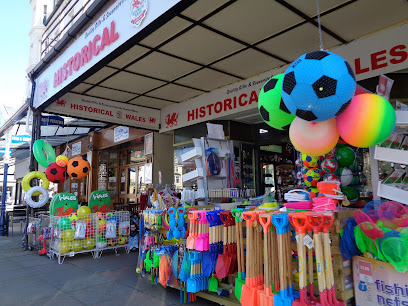
Historical Wales
4.7 km
Discover the essence of Welsh culture through unique gifts and handcrafted treasures at Historical Wales in Llandudno.
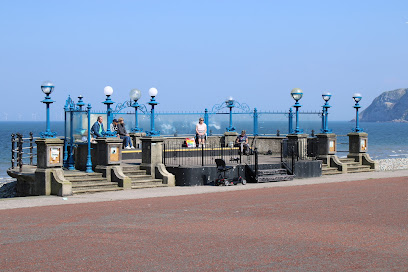
Llandudno Bandstand
4.8 km
Historic open-air bandstand on Llandudno’s Promenade, blending seaside charm with a century of musical heritage.
Hafod
5.0 km
Explore Hafod in Llandudno, a historic Welsh estate blending picturesque landscapes with rich 18th-century heritage and tranquil coastal charm.
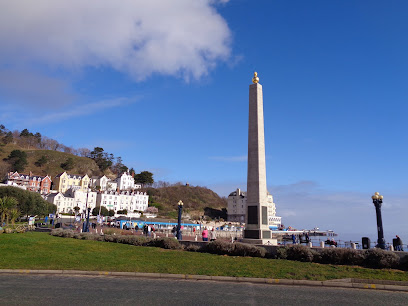
Llandudno Cenotaph
5.1 km
A dignified obelisk on Llandudno’s Promenade honoring local heroes from world conflicts with serene sea views.
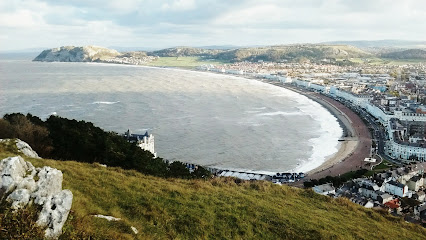
Pen-y-Dinas Hillfort
5.5 km
Explore Pen-y-Dinas Hillfort, an ancient Iron Age fortress on the Great Orme offering rich history and breathtaking coastal panoramas.
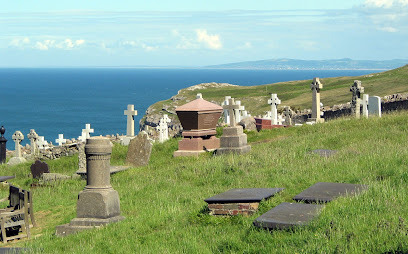
St. Tudno's Church
6.4 km
Explore the serene St. Tudno's Church in Llandudno, a historic gem offering breathtaking views, captivating gravestones, and a tranquil atmosphere.
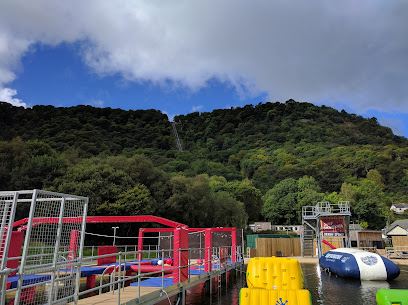
Zip World Conwy
10.2 km
Experience the thrill of zip-lining and adventure sports at Zip World Conwy, where stunning scenery meets exhilarating fun in the heart of Wales.
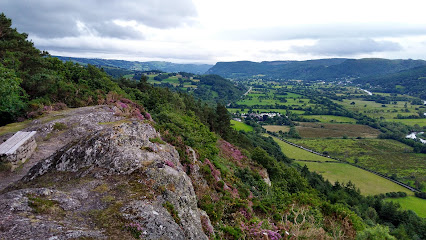
Cadair Ifan Goch
10.7 km
Experience the breathtaking beauty and rich history of Cadair Ifan Goch, a stunning landmark in Wales, perfect for nature lovers and adventure seekers.
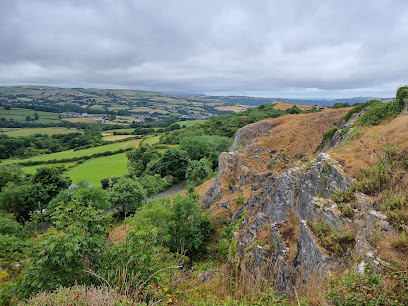
Mynydd Marian Local Nature Reserve
10.9 km
Immerse yourself in the stunning landscapes and diverse wildlife of Mynydd Marian Local Nature Reserve, a true gem in North Wales.
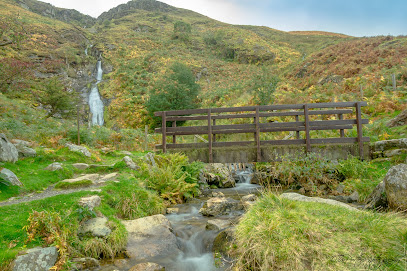
Aber Falls
13.5 km
Experience the breathtaking beauty of Aber Falls, a stunning natural wonder in Snowdonia National Park, perfect for hiking and exploring.
Trwyn Du Lighthouse
14.4 km
Explore the stunning Trwyn Du Lighthouse, a historic landmark offering breathtaking coastal views and a glimpse into Wales' maritime heritage.
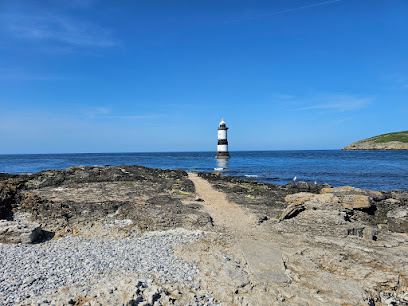
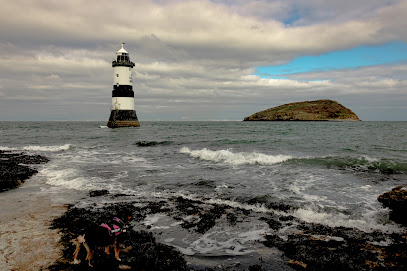
Trwyn Penmon Point
14.4 km
Discover the breathtaking coastal views and historical charm of Trwyn Penmon Point, a must-visit scenic destination on Anglesey's stunning coastline.
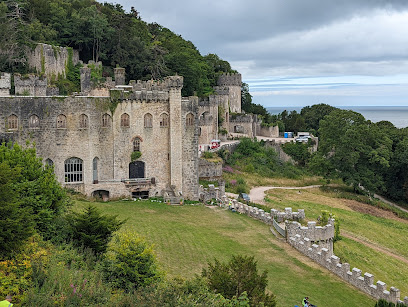
Gwrych Castle
14.9 km
Explore the enchanting Gwrych Castle in Abergele, a historical gem surrounded by lush gardens and breathtaking landscapes, perfect for history buffs and nature lovers alike.
Unmissable attractions to see

The Smallest House In Great Britain
0.2 km
Discover the charm of Britain’s tiniest home, a 16th-century red cottage on Conwy’s quay that tells a big story in a very small space.
Conwy Castle
0.3 km
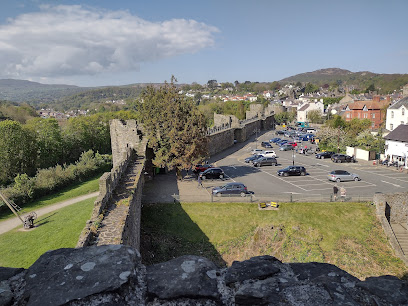
Explore Conwy Castle, a majestic 13th-century fortress with breathtaking views of Snowdonia and the Welsh coast, steeped in history and heritage.
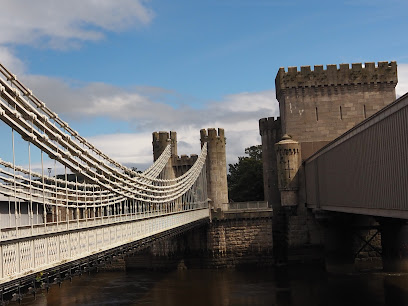
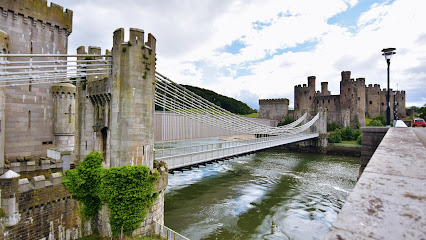
National Trust - Conwy Suspension Bridge
0.5 km
Step onto Thomas Telford’s iconic 19th-century suspension bridge for breathtaking views of Conwy Castle and the River Conwy estuary.
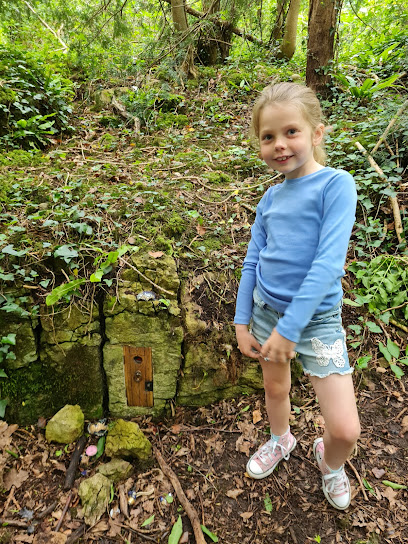
Marl woods fairy door
2.2 km
Experience the magic of Marl Woods Fairy Door in Llandudno Junction, a whimsical attraction perfect for families and nature lovers alike.
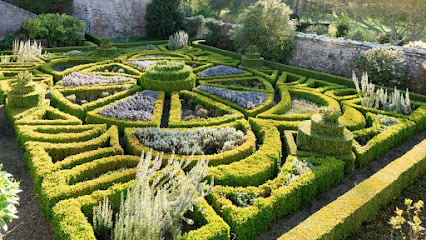
The Smithy
2.6 km
Historic 17th-century country house hotel with exquisite gardens, spa luxury, and stunning views of Snowdonia and Conwy Castle near Llandudno.
Box Cottage
2.6 km
Historic charm meets luxury spa retreat amidst 200 acres of scenic Welsh parkland near Llandudno.
Bank Prospect
2.6 km
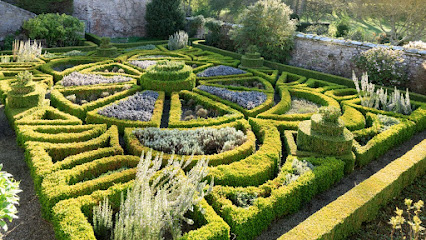
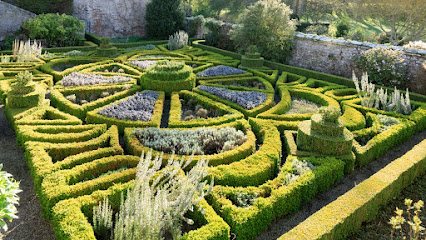
A secluded self‑catering cottage on the Bodysgallen Hall estate, perfect for a peaceful countryside escape with easy access to Llandudno and Snowdonia.
St Mary's Well
2.9 km
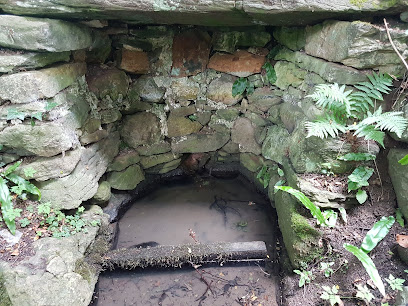
Discover the tranquil and historic St Mary's Well in Llanrhos, a sacred spring steeped in Welsh spiritual heritage and poetic tradition.
Glan Gloddaeth Woodland Park
3.3 km
A peaceful woodland retreat in the heart of Llandudno, offering serene walks and seasonal natural beauty year-round.
Wales Coastal Path (West Shore Sand Dunes)
3.5 km
Tranquil sandy beach with stunning views, dunes, and family-friendly charm on Llandudno’s peaceful west shore.
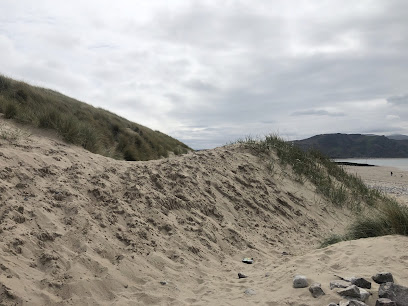
Llandudno Footpath 28 (Public Right of Way)
3.5 km
A quiet public footpath on the edge of Llandudno, linking town and countryside with peaceful views of the Great Orme and Conwy Bay.
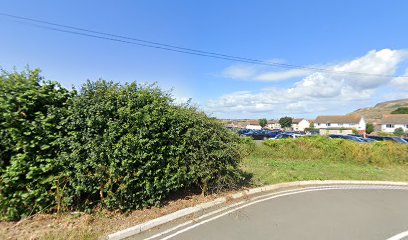
Nant-y-Gamar
3.9 km
Discover tranquil woodland trails and breathtaking panoramic views at Nant-y-Gamar, Llandudno’s serene hiking haven.
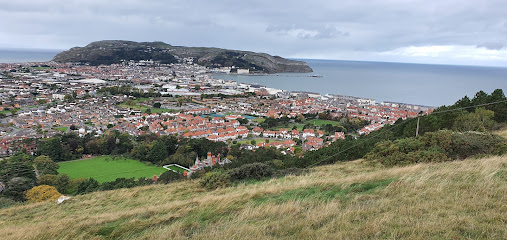
TheBoyandTheShed
4.2 km
Discover tranquility at The Boy and The Shed, a hidden garden gem in Llandudno perfect for nature lovers and those seeking a peaceful escape.
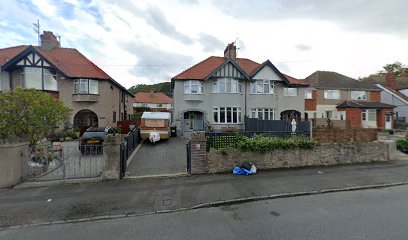
Trinity Park
4.2 km
Explore the picturesque landscapes and serene atmosphere of Trinity Park in Llandudno – a perfect retreat for nature lovers and families alike.
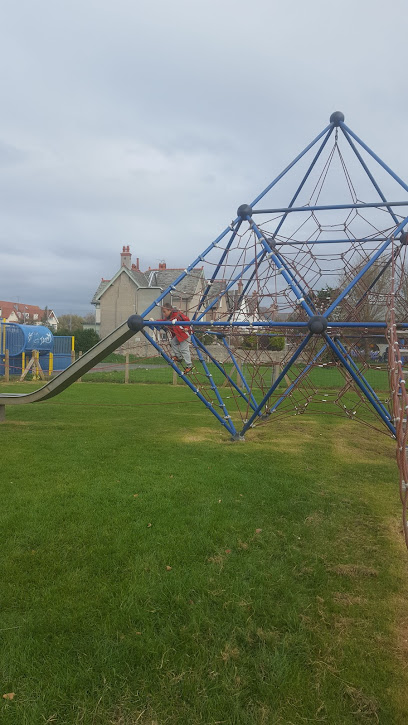
Queen's Park
4.4 km
A serene and family-friendly green haven in Llandudno, perfect for leisurely walks, play, and community gatherings.
Essential places to dine

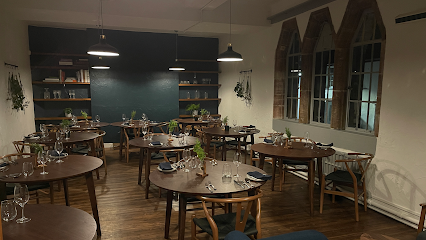
The Jackdaw
0.1 km
An intimate Michelin-recommended restaurant in Conwy serving innovative, seasonal Welsh cuisine with a cool Scandinavian aesthetic.
Paysanne
1.6 km
Experience authentic French cuisine in a warm, family-run bistro nestled in the heart of Deganwy, where tradition meets seasonal freshness.
Signatures Restaurant
2.0 km
Award-winning modern British cuisine with Welsh flair, served in an elegant theatre-style kitchen at Aberconwy Resort & Spa.
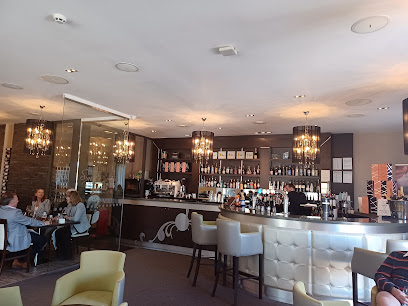
The Lilly
4.4 km
Charming seaside hotel and British restaurant offering cozy rooms with sea views and hearty homemade dishes in peaceful Llandudno.
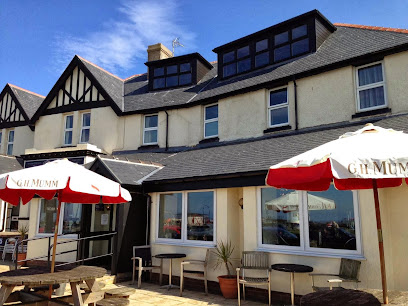
Mamma Rosa
4.6 km
Authentic family-run Italian dining in the heart of Llandudno, offering homemade pastas, seafood, and steaks in a cozy, welcoming setting.
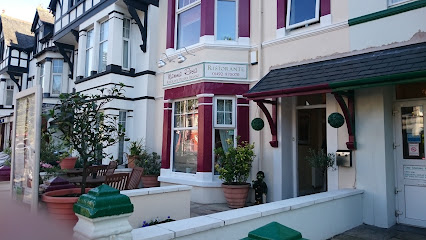
Indulge restaurant
4.7 km
Experience modern British cuisine with seasonal flair and crafted cocktails in a stylish, family-run setting in the heart of Llandudno.
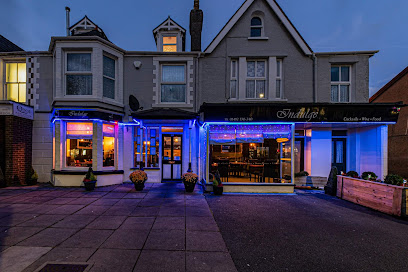
Y Review Restaurant
4.7 km
Dine on exquisite Welsh cuisine with panoramic sea views at Llandudno’s acclaimed Y Review Restaurant within Venue Cymru.
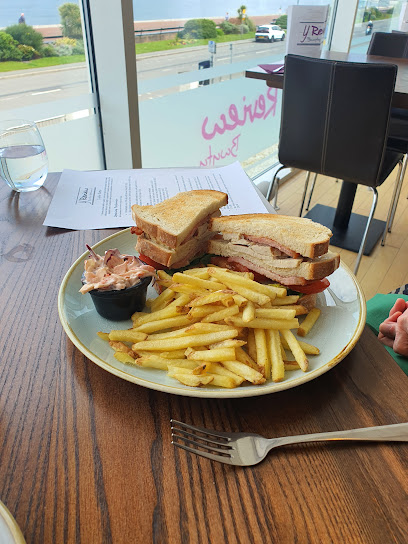
Carlo's Restaurant
4.7 km
Experience hearty Italian and steakhouse flavors in a welcoming Llandudno setting with generous portions and exceptional service.
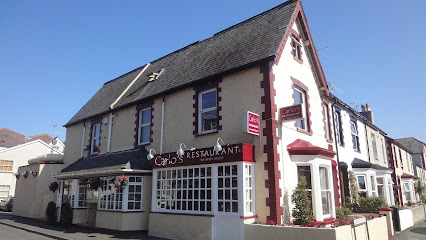
Candles
4.7 km
Cozy British dining in Llandudno with classic tunes, attentive service, and a varied menu featuring a great-value three-course option.
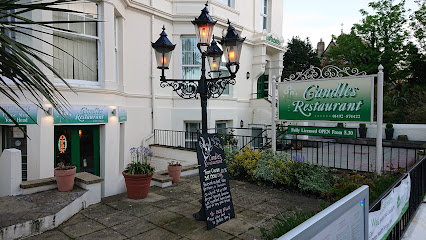
Dylan's
4.7 km
Iconic seafront seafood dining in a beautifully restored historic hotel with stunning views and a vibrant atmosphere in Llandudno.
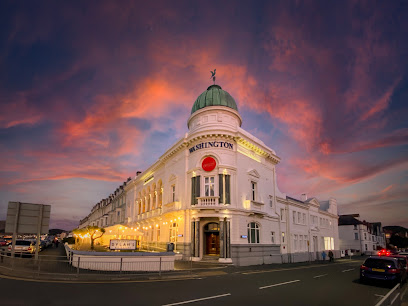
White Tower
4.8 km
Experience authentic Greek flavors and warm hospitality at White Tower, Llandudno’s beloved spot for hand-tossed pizzas and traditional dishes.
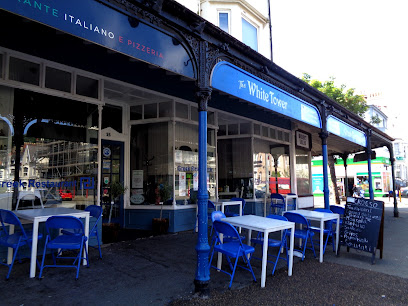
Romeo Ristorante Italiano
4.8 km
Experience authentic Italian and Sicilian flavors with generous portions and a cozy Tuscan ambiance in the heart of Llandudno.
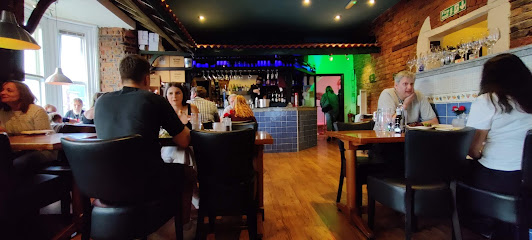
Taylor's Cafe Bar
4.8 km
Cozy family-owned cafe in Llandudno serving homemade meals and delightful treats in a friendly, relaxed setting with outdoor seating.
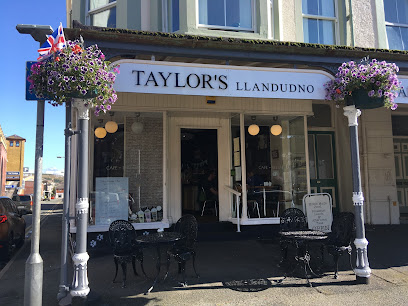
Forte's Restaurant
4.8 km
Experience hearty British classics and warm hospitality in the heart of Llandudno at Forte's Restaurant, a family-friendly dining gem.
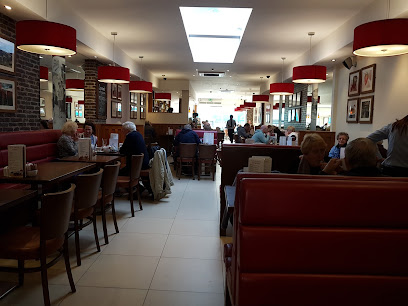
Wildwood Restaurants Llandudno
4.9 km
Experience vibrant Italian flavors with stone-baked pizzas and fresh pasta in a bright, family-friendly setting near Llandudno’s pier.
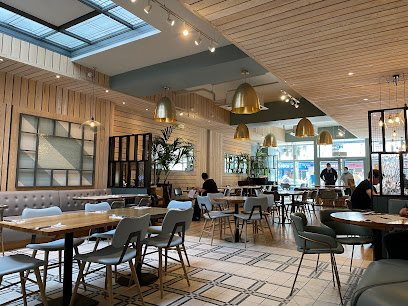
Markets, malls and hidden boutiques

The Knight Shop
0.3 km
Step into history at The Knight Shop, Conwy’s premier destination for medieval armor, swords, and authentic historical collectibles.
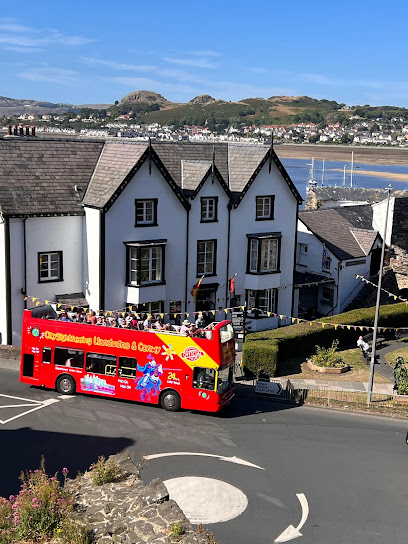
The Collectors' Corner
4.5 km
Discover rare coins, comics, and vintage treasures at The Collectors' Corner, Llandudno’s beloved collectibles shop with a welcoming atmosphere.
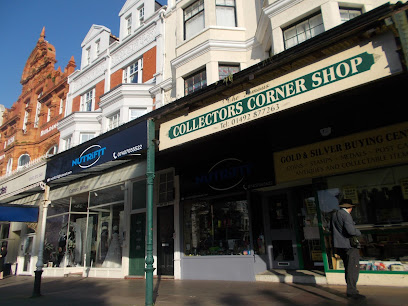
Parc Llandudno Retail Park
4.5 km
A vibrant retail hub in Llandudno offering diverse shops, ample parking, and a welcoming shopping experience for all visitors.
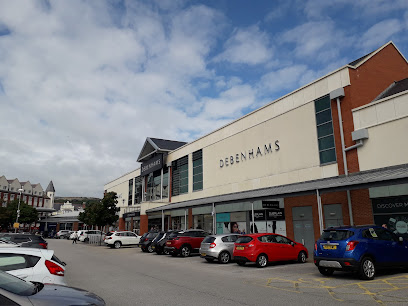
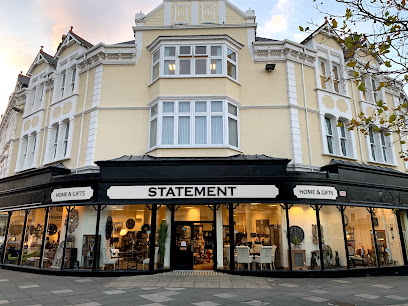
Statement Home & Gifts
4.6 km
Discover unique, artistically curated home décor and furniture in the heart of Llandudno at Statement Home & Gifts.
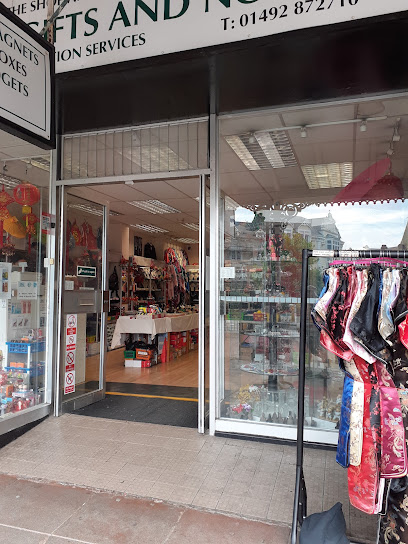
Mandarin Gifts Co Ltd
4.7 km
Discover authentic Chinese-themed gifts and novelties with personalized service in the heart of Llandudno’s vibrant shopping district.
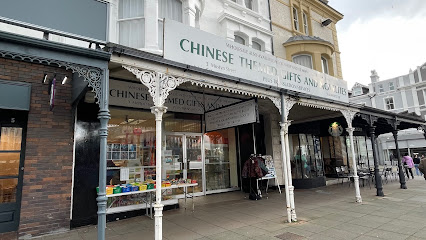
Chinese Themed Gifts & Novelties
4.7 km
Discover unique Chinese-inspired gifts and novelties in a welcoming Llandudno shop filled with charm and cultural treasures.
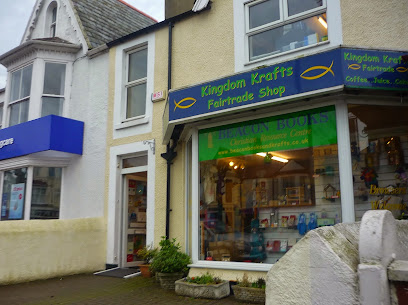
Kingdom Krafts
4.7 km
Discover ethical gifts, fairtrade treats, and community warmth at Kingdom Krafts, Llandudno’s cherished fairtrade and Christian shop.
Parker's Welsh Rock & Gifts
4.7 km
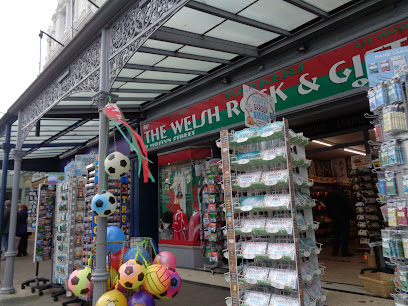
Explore the beauty of nature with unique geological specimens and local gifts at Parker's Welsh Rock & Gifts, Llandudno's hidden gem.
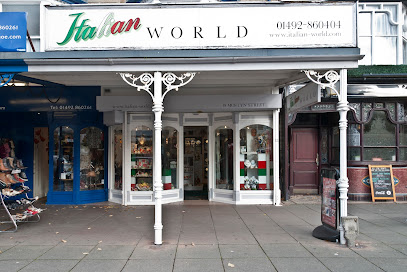
Italian World
4.7 km
Discover authentic Italian handcrafted gifts and Venetian artistry in the heart of Llandudno’s Mostyn Street.
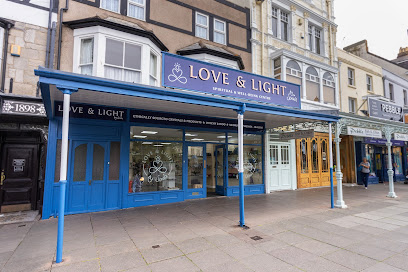
Love & Light by Sonia
4.7 km
Discover unique healing crystals, spiritual gifts, and holistic wellness in the heart of Llandudno’s charming town centre.
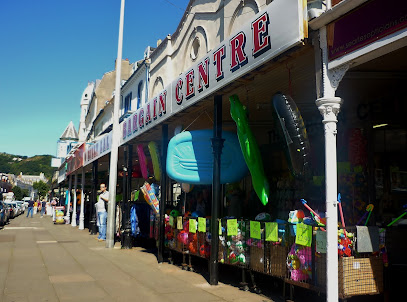
Billy Lal Bargain Centre
4.7 km
Affordable gifts, toys, and homewares in the heart of Llandudno’s bustling Mostyn Street.
The Gift Company
4.7 km
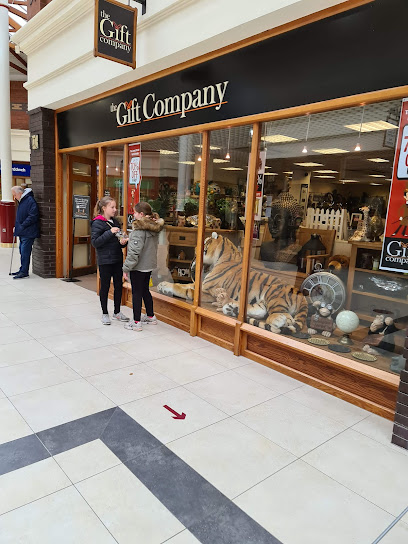
Llandudno's premier destination for distinctive gifts, home décor, and quality furnishings in a welcoming, centrally located shop.
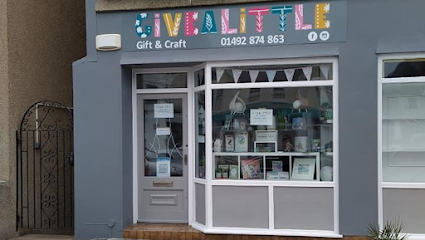
Givealittle
4.7 km
Discover unique artisan gifts and Welsh craftsmanship in a warm, inviting boutique nestled in the heart of Llandudno.
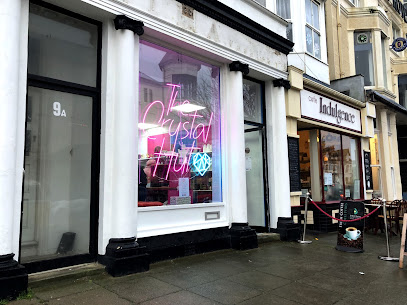
The Crystal Hut Clonmel Street Llandudno
4.7 km
Discover the magic and energy of healing crystals at The Crystal Hut, Llandudno’s premier spiritual gift boutique.
The X Factory Outlet
4.8 km
Explore the best of fashion at The X Factory Outlet in Llandudno, where style meets affordability in a charming seaside town.

Essential bars & hidden hideouts

The Nevill
4.5 km
A lively, community-focused sports pub in Llandudno offering great drinks, multiple screens, and a welcoming atmosphere for locals and visitors alike.
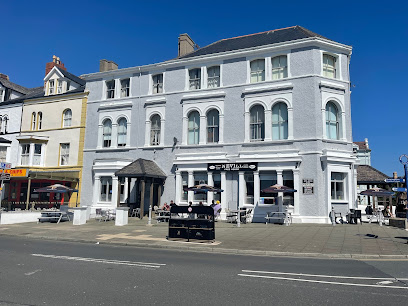
Cask and Apple
4.6 km
A cozy Llandudno pub celebrated for its quality cask ales, ciders, and welcoming, accessible atmosphere on Mostyn Avenue.
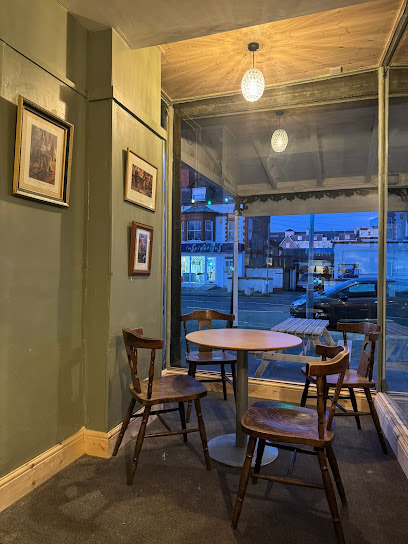
The Ascot Tapproom
4.6 km
A cosy micropub in Llandudno offering expertly curated craft ales and real beers in a friendly, intimate setting.
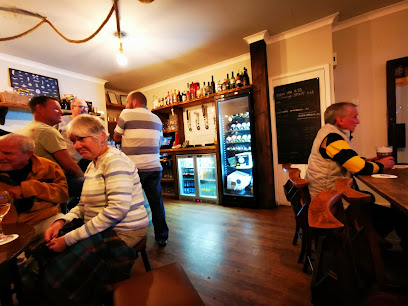
The Queen's Head
4.7 km
A charming village pub in Glanwydden offering hearty British fare, cozy ambiance, and a welcoming community spirit near Llandudno Junction.
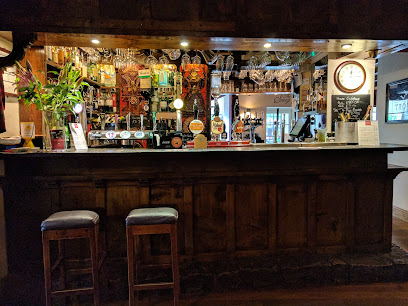
Someplace Else
4.7 km
A cozy, community-loved bar in Llandudno serving quality food and drinks with a relaxed, dog-friendly atmosphere.
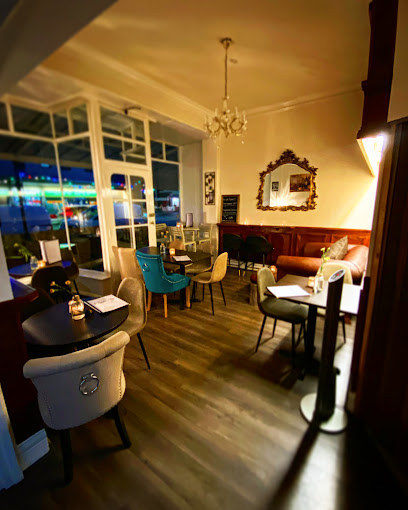
Cross Keys
4.7 km
A lively, traditional pub in Llandudno offering great drinks, sports on HD screens, live music, and a welcoming dog-friendly atmosphere.
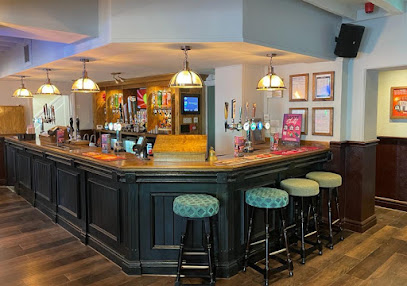
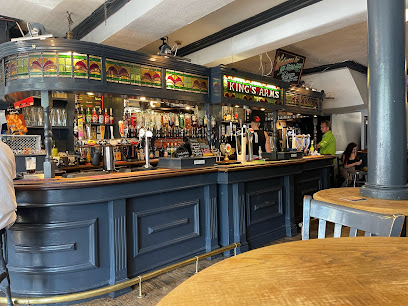
The King's Arms
4.7 km
Experience authentic Welsh pub culture with real ales, lively events, and a welcoming atmosphere at The King's Arms in Llandudno.
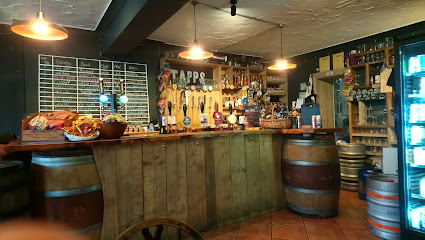
TAPPS Micropub
4.7 km
A cozy micro pub in Llandudno offering an excellent range of real ales, craft beers, and friendly service in a quirky, welcoming setting.
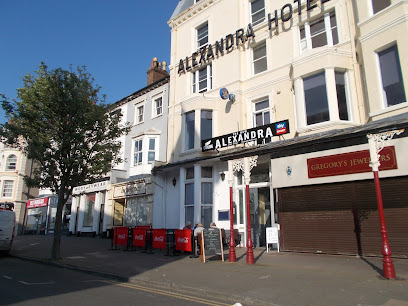
The Alex Bar & Grill - Llandudno
4.7 km
A lively grill and bar in Llandudno offering signature burgers, pizzas, local craft beers, and a warm, family-friendly atmosphere all day long.
The County Bar
4.7 km
A welcoming Llandudno pub offering real ales, live football, and a relaxed atmosphere perfect for locals and visitors alike.
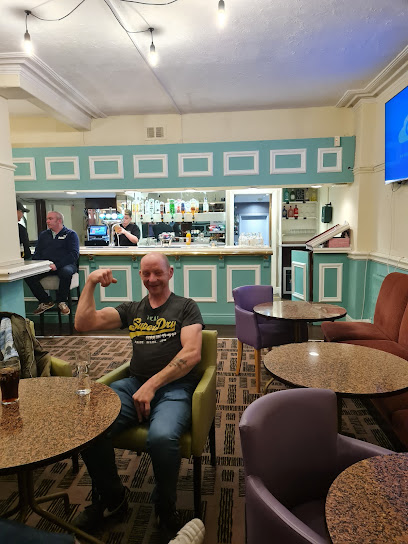
The Magic Bar Live
4.8 km
Experience enchanting magic, delicious dining, and vibrant entertainment at Llandudno’s unique family-run Magic Bar Live.
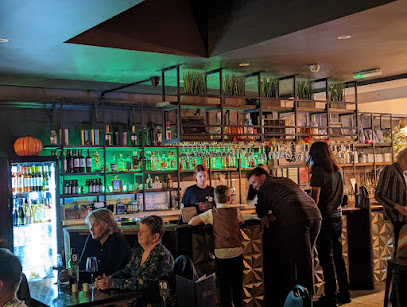
3D Management Pubs
4.9 km
Affordable, lively pub in Llandudno’s historic Cocoa House, perfect for a classic British social experience near the town center.
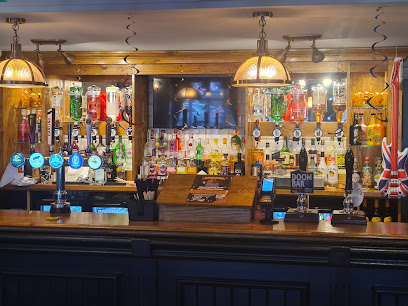
Town House Cafe Bar
4.9 km
A classic, welcoming pub in Llandudno offering hearty meals, local drinks, and a friendly atmosphere in a casual setting.
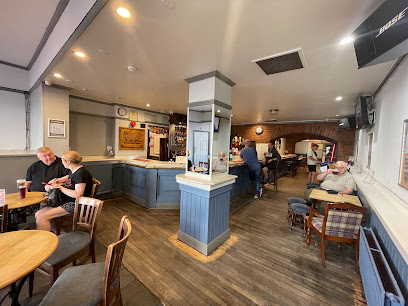
The Palladium - JD Wetherspoon
4.9 km
Historic 1920s theatre turned lively Wetherspoon pub offering affordable food and drinks in the heart of Llandudno.
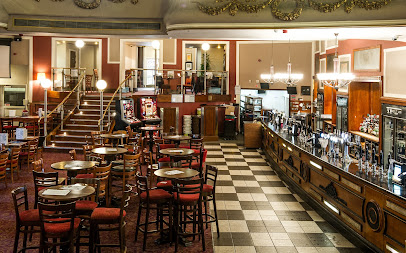
Carlton
5.0 km
A lively traditional British pub in Llandudno’s heart, offering classic fare, vibrant events, and warm local hospitality.
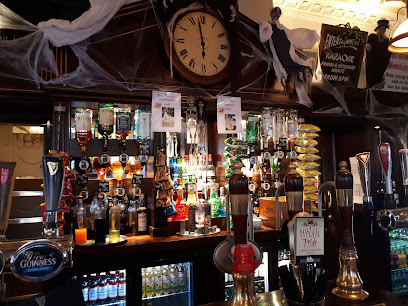
Nightclubs & after hour spots

Broadway Boulevard
4.6 km
Llandudno’s largest nightclub, Broadway Boulevard pulses with vibrant music, themed events, and a lively party atmosphere in the heart of town.

Club 147
5.1 km
Llandudno’s energetic nightclub and sports bar offering electronic beats, pool, and a lively social scene in the town centre.

Bentley’s Sports Bar & NightClub
19.7 km
Experience Towyn’s vibrant nightlife at Bentley’s Sports Bar & NightClub, where music, dancing, and great vibes come alive every weekend.

Trilogy Nightclub
20.3 km
Experience Bangor’s vibrant nightlife at Trilogy Nightclub, where diverse music rooms and lively weekend parties create unforgettable nights.
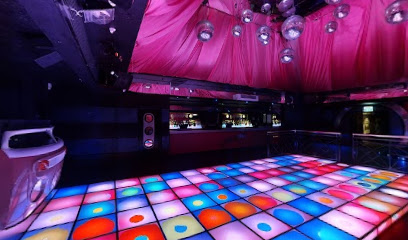
Academi
20.9 km
Bangor’s beloved student nightclub, offering vibrant music, a welcoming atmosphere, and a central role in university social life.
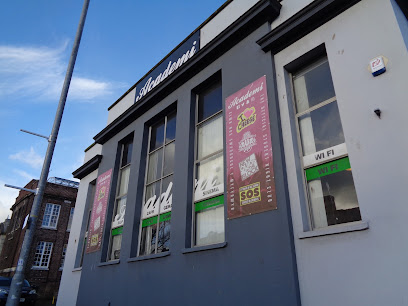
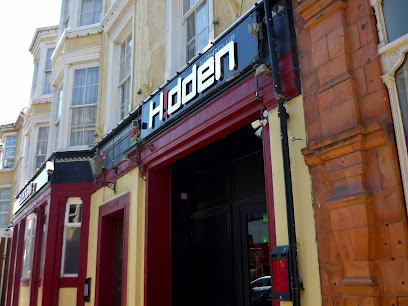
Hidden Nightclub
22.8 km
Discover the vibrant nightlife at Hidden Nightclub in Rhyl, where electrifying music and an energetic atmosphere create unforgettable nights out.
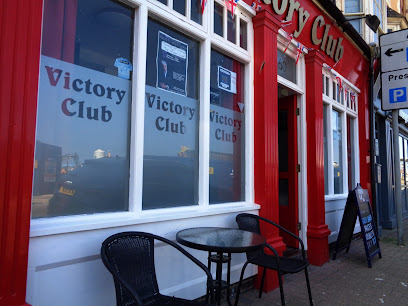
Victory Club
22.9 km
Rhyl’s last members-only club, offering traditional real ale, live music, and a welcoming community atmosphere steeped in 70 years of history.
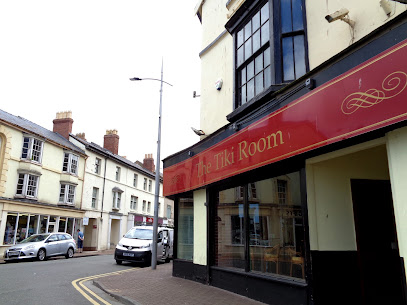
The Tiki Room
22.9 km
Rhyl’s vibrant tropical-themed nightclub with dual music floors offering modern beats and 80s classics for lively weekend nights.
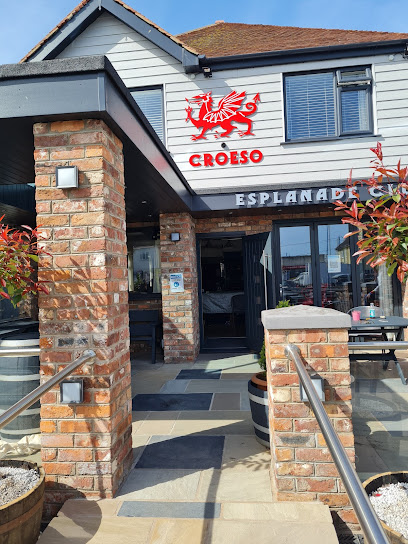
Esplanade Social Club
24.5 km
A lively coastal social club in Rhyl offering themed nights, local ales, and a welcoming community atmosphere near the beach.
Pendyffryn Club
28.1 km
A cosy and tranquil social club in Prestatyn offering a friendly atmosphere to enjoy a pint and good company without distractions.
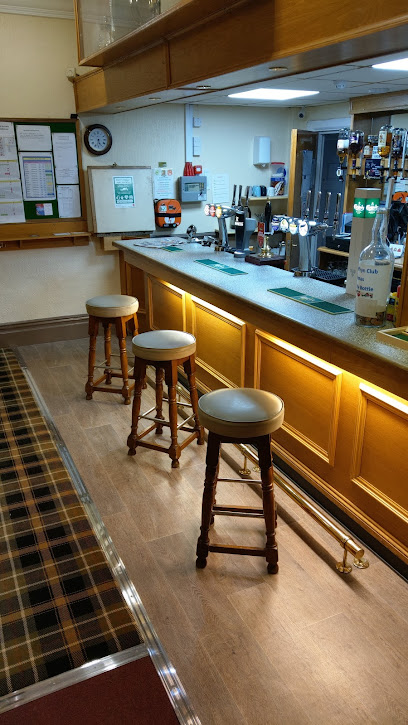
Central Beach Club
28.7 km
Discover Central Beach Club in Prestatyn, where local charm meets coastal views, offering delicious food, refreshing drinks, and a vibrant atmosphere.
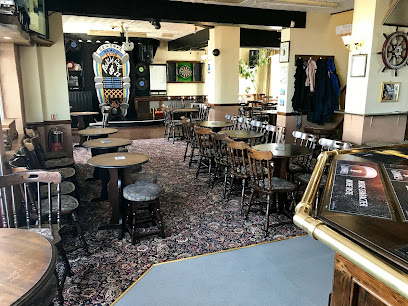
The Wings Club
29.3 km
Discover the charm of Denbigh at The Wings Club, a vibrant social hub offering a taste of local culture and community spirit.
Wellman's Sports & Social Club
31.7 km
Llangefni’s vibrant social hub with lively entertainment, spacious dance floor, and a welcoming community atmosphere.
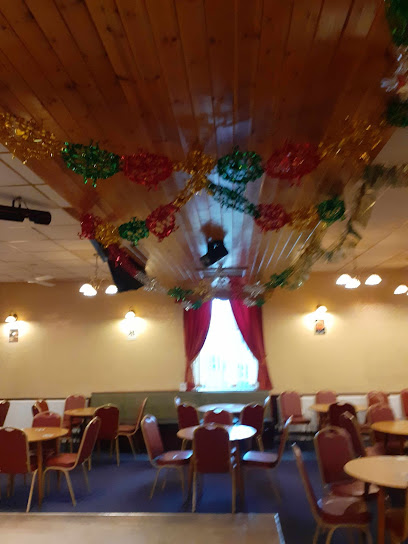
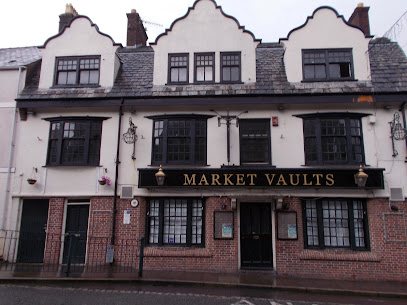
The Market Vaults
32.1 km
Experience the warm ambiance and local flavors at The Market Vaults, a beloved pub in the heart of Llangefni.
The Foundry Vaults
32.1 km
Discover the vibrant atmosphere and exciting entertainment at The Foundry Vaults, Llangefni's premier pub for drinks, karaoke, and sports.
For the vibe & atmosphere seeker
- Historic
- Scenic
- Relaxing
- Casual
For the design and aesthetic lover
- Vintage Styles
For the architecture buff
- Historic
- Landmarks
- Parks & Gardens
For the view chaser and sunset hunter
- Iconic Views
For the social media creator & influencer
- Instagrammable
- Photo Spots
For the eco-conscious traveler
- Public-Transport Accessible
For the kind of experience you’re after
- Cultural Heritage
- Photowalk
- Day Trip
- Weekend Getaway
For how adventurous you want the journey to be
- Easy Access
Location Audience
- Family Friendly
- Senior Friendly
- Child Friendly
- Solo Friendly
- Couple Friendly


