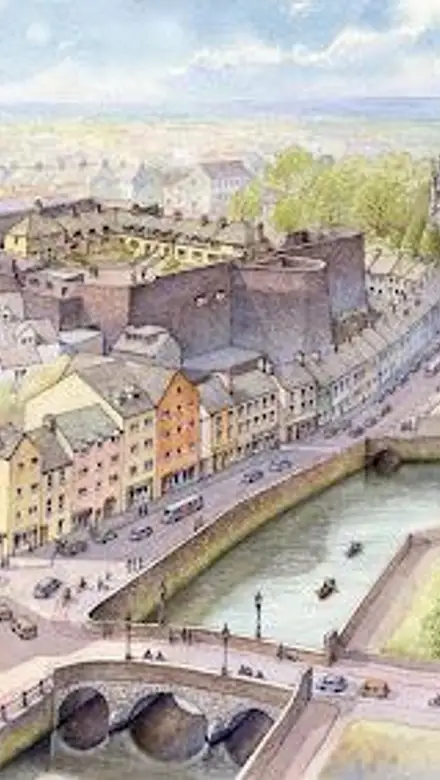
Elizabeth Fort, Cork Travel Guide
Free Guide: Explore Cork’s 17th-century star-shaped fort offering panoramic city views and four centuries of rich Irish history.


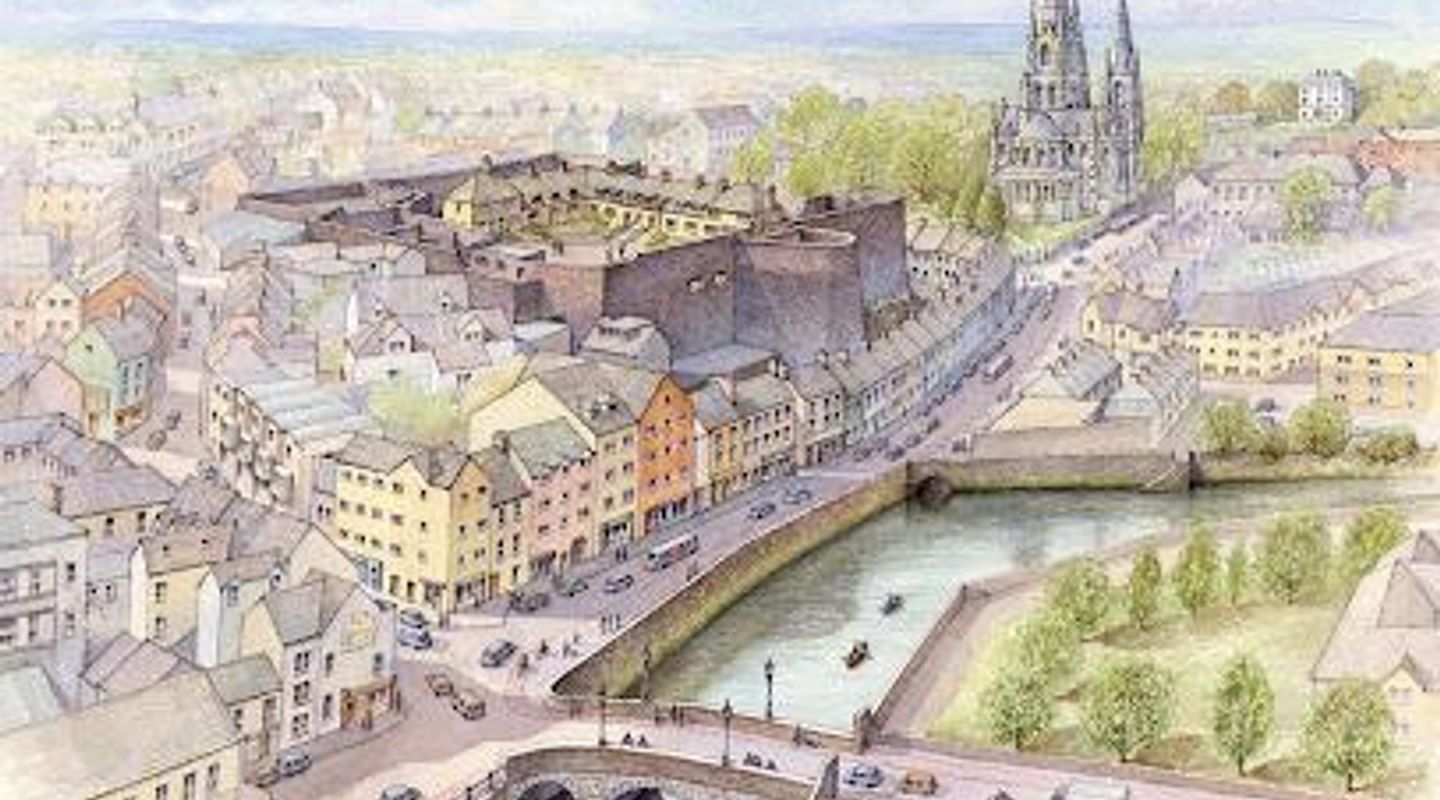
A brief summary of Elizabeth Fort
Explore Cork’s 17th-century star-shaped fort offering panoramic city views and four centuries of rich Irish history.
Elizabeth Fort is a 17th-century star-shaped fortification located on Barrack Street in Cork, Ireland. Originally built in 1601 and named after Queen Elizabeth I, it has served as a defensive bastion, military barracks, prison, and police station. Today, it is a free-to-visit heritage site offering panoramic views of Cork city, guided tours, and rich historical exhibitions that reveal over 400 years of local and national history.
On-site amenities
 Restrooms
 Seating areas
 Information boards
Opening hours
- MonClosed
- Tue10 am–5 pm
- Wed10 am–5 pm
- Thu10 am–5 pm
- Fri10 am–5 pm
- Sat10 am–5 pm
- Sun12 pm–5 pm
Opening hours as listed on the venue’s Google Business Profile. Hours can change for services and special events, so check with the venue before you go.
- Address
- Barrack St, The Lough, Cork, T12 C8A0
- Phone
- Website
Getting there
Bus
Walking
Taxi
Discover more about Elizabeth Fort
Origins and Early History of Elizabeth Fort
Elizabeth Fort was originally constructed in 1601 under the commission of Queen Elizabeth I as a response to security concerns in Cork, particularly threats from pirates and foreign invaders. Positioned strategically on high ground outside the medieval city walls, it was designed as a timber and earth fortification to bolster Cork’s defenses. However, in 1603, local citizens dismantled the original fort fearing it could be used against them during the Tudor conquest of Ireland. The fort was soon rebuilt in stone by 1626, forming the star-shaped structure visible today, reflecting evolving military architectural styles suited to artillery warfare.
Military Significance and Conflicts
Elizabeth Fort played a pivotal role in the 1690 Siege of Cork during the Williamite War, when Cork was a Jacobite stronghold loyal to King James II. The fort withstood a prolonged siege but eventually fell to Williamite forces, marking a critical moment in Cork’s military history. Over the centuries, the fort’s defenses were enhanced, including modifications ordered by Oliver Cromwell in the mid-17th century. It ceased to operate primarily as a defensive structure by the early 18th century and transitioned to other military uses.
Transformation Through the Centuries
Following its military role, Elizabeth Fort was repurposed as a barracks and later as a prison, notably holding female convicts awaiting transportation to penal colonies during the 19th century. During the Great Famine, it served as a food depot, and in the 20th century, it functioned as a police station and Garda barracks until 2013. The fort was damaged during the Irish Civil War when anti-treaty forces burned its buildings, but much of the current architecture dates from reconstruction in 1929.
Modern-Day Heritage Site and Visitor Experience
Since opening to the public permanently in 2014, Elizabeth Fort offers visitors an immersive historical experience. The site features well-preserved ramparts providing panoramic views over Cork city, interpretive panels, exhibitions on its layered history, and life-sized models illustrating its military past. Guided tours and audio guides are available, enriching understanding of the fort’s role in Ireland’s turbulent history. Entry is free, making it an accessible cultural landmark in the heart of Cork.
Architectural and Cultural Importance
Elizabeth Fort stands as one of Ireland’s best-preserved urban artillery forts and a symbol of Cork’s resilience through centuries of conflict and change. Its star-shaped design exemplifies early modern military architecture adapted to gunpowder warfare. The fort’s location offers stunning vistas of notable Cork landmarks such as Saint Fin Barre’s Cathedral and Shandon Steeple, linking the site visually and historically to the city it once defended.
Engagement and Educational Opportunities
Visitors can engage deeply with Cork’s history through guided tours that narrate stories of rebellion, sieges, famine, and policing. The exhibitions include poignant accounts of women prisoners transported to Australia and the fort’s role during the Great Famine. The site’s educational programs and displays make it a valuable resource for understanding Ireland’s social and military heritage, appealing to history enthusiasts and families alike.
Evendo Review Centre
 Google
Guest reviews
Best time to go
Quietest: Jan, Feb & Dec · before 7am or at 8pm
Busy times are Evendo estimates for a typical year, to help you plan. Actual crowds vary with events, school holidays and the weather.
Explore Elizabeth Fort on the map
A handpicked selection of must-see spots near Elizabeth Fort, mapped for you.
Get your free copy of our complete guide to Elizabeth Fort, delivered straight to you.
Everything on this page, from opening hours and how to get there to Eve’s tips and the best time to go, in one PDF you can read offline, print or share.
Already have an account? Sign in
Your Elizabeth Fort guide is ready.
We'll send it to · Not you? Sign out

Getting your guide ready…
We are putting together a fresh copy of the Elizabeth Fort guide. This can take up to a minute.
This can take a few moments. If your browser asks, choose Allow so the download can start. You'll find the guide in your Downloads folder.
Nothing happened? Download it again
Sorry, the guide is taking longer than usual. Please try again in a minute, or get it by email instead.
Unlock the best of Elizabeth Fort
Skip-the-line tickets, guided tours with entry, and walking tours of the area, booked in a few clicks.
 Tour with entry
Cork City Guided Tour: Stories, Sites, and Secrets
from $17.09 Tour with entry
Hysterical Histories Cork Pick your own Path Walking tours
from $21.36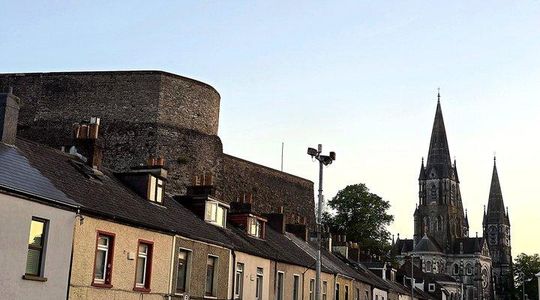 Tour with entry
Cork City Small-Group Walking Tour: Meet the Real Capital
from $21.36 Tour with entry
Cork Private Walking Tour with a Local
from $63.26


Other nearby places you may find interesting
The closest places of the same kind, if this one is not quite what you had in mind.
-
-
-
-
-


Swipe for more places
More to explore near Elizabeth Fort

 Best experiences near Elizabeth Fort
 Best hotels near Elizabeth Fort
 Best landmarks near Elizabeth Fort
 Best attractions near Elizabeth Fort
 Best shops near Elizabeth Fort
 Best restaurants near Elizabeth Fort
 Best bars near Elizabeth Fort
Do you manage this location?
Take control to get all the benefits, like improved information, better appearance, and stronger visibility across AI-powered discovery.
Explore more

Explore more of Cork
Discover Cork, Ireland's vibrant southern city, where history, culture, and natural beauty converge in a lively and welcoming atmosphere.
Explore Cork
Explore more of Ireland
Discover Ireland: A land of enchanting landscapes, rich history, and vibrant culture, where every corner tells a story and every visit feels like coming home.
Explore Ireland