
Elizabeth Fort, Cork Travel Guide
Seventeenth-century star-shaped fortress with panoramic city views and four centuries of layered history.
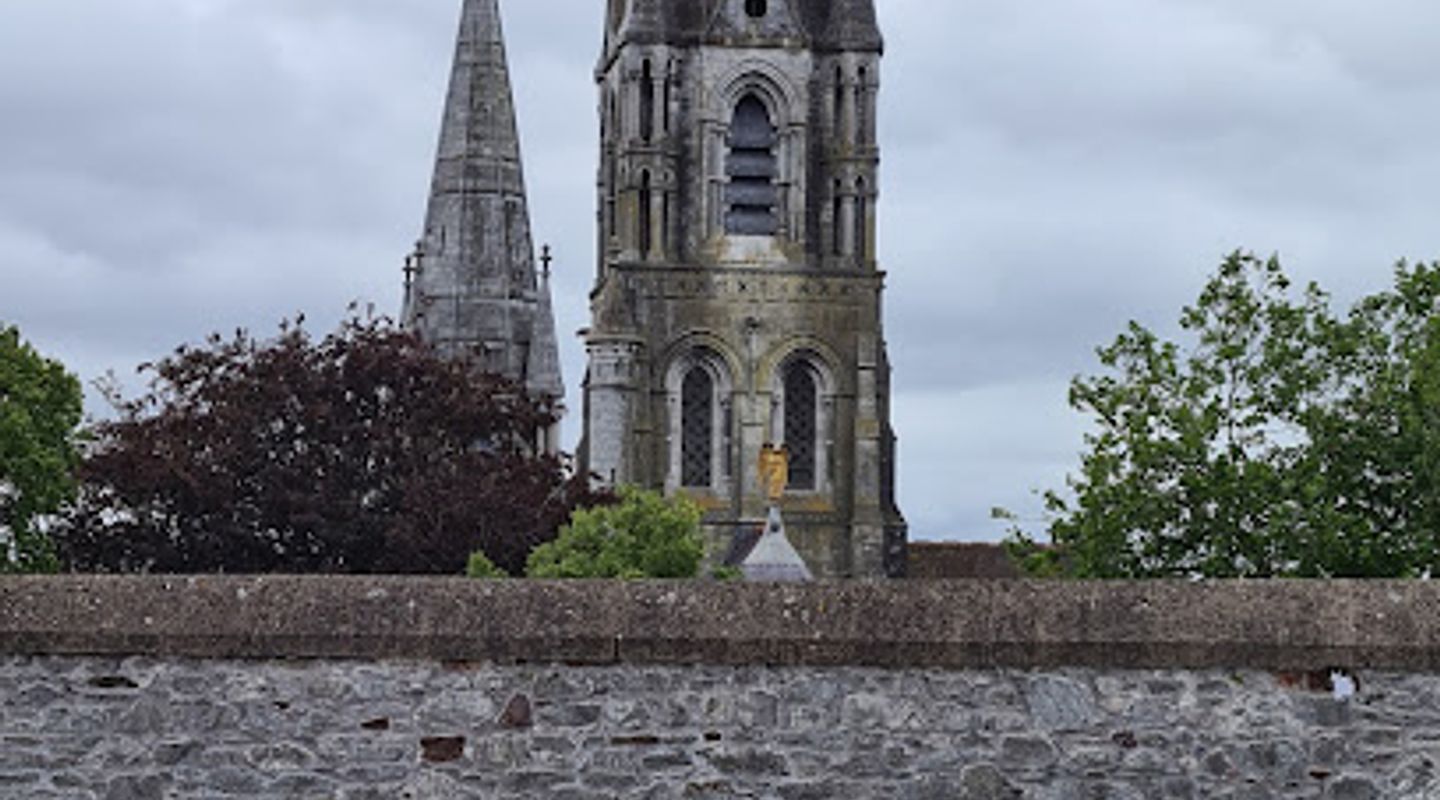
Elizabeth Fort is Ireland's best-preserved urban artillery fortification, a 17th-century star-shaped fortress commanding the heart of Cork City. Built in 1601 and rebuilt in the 1620s, this historic landmark has served as a military barracks, convict depot, and police station over four centuries. Today, visitors explore the atmospheric ramparts, enjoy panoramic views across Cork's rooftops and spires, and discover exhibits on the fort's complex past—including the stories of women prisoners transported to Australia. Free admission and guided tours make it an essential stop for history enthusiasts.
A brief summary to Elizabeth Fort
- Barrack St, Cork, The Lough, T12 C8A0, IE
- Click to display
- Click to display
- Duration: 0.5 to 1.5 hours
- Free
-
 Outdoor
- Mobile reception: 4 out of 5
- Tuesday 10 am-5 pm
- Wednesday 10 am-5 pm
- Thursday 10 am-5 pm
- Friday 10 am-5 pm
- Saturday 10 am-5 pm
- Sunday 12 pm-5 pm

Know before you go
Hi, I'm Eve. Here are a few practical things to know before exploring Elizabeth Fort.
- Wear comfortable shoes with good grip; the rampart walls feature uneven historic stonework and steep sections that require steady footing.
- Visit early morning or late afternoon for the best light on the ramparts and fewer crowds; the fort is particularly photogenic during golden hour.
- Combine your visit with Saint Fin Barr's Cathedral, located immediately adjacent; both sites together provide a comprehensive understanding of Cork's religious and military heritage.
- Book a guided tour in advance for groups; the €5 per person fee provides expert historical context and stories not available through self-guided exploration.
- The entrance is tucked between a plumbing shop and a bar on Barrack Street; look carefully or ask locals if you have difficulty locating it.
Do you manage this location?
Take control to get all the benefits, like improved information, better appearance, and stronger visibility across AI-powered discovery. Learn more about listing your business on Evendo
Activate your presenceOther nearby places you may find interesting
The closest places of the same kind, if this one is not quite what you had in mind.

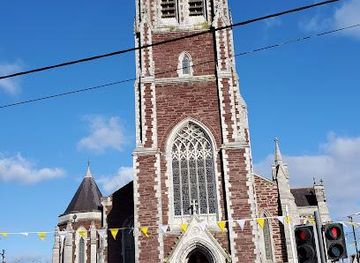
Explore Elizabeth Fort on the Map
A handpicked selection of must-see spots near Elizabeth Fort, mapped for you.
Unlock the Best of Elizabeth Fort
Buy tickets
-
No tickets available
Book tours with entry


Getting There
-
Walking from Cork City Centre
From Cork's English Market, cross the Nano Nagle Footbridge and continue uphill along Barrack Street for approximately 5 minutes on foot. The entrance is located between a plumbing shop and a bar; look for signage or ask locals if uncertain. This is the most direct and accessible route for pedestrians arriving from the city centre.
-
Bus from Cork City Centre
Multiple bus routes serve the Cork city centre and stop within walking distance of Elizabeth Fort. Journey times from the city centre typically range from 5–15 minutes depending on traffic and your starting point. Consult local bus timetables or use journey planning apps for current routes and frequencies. The fort is a 5–10 minute walk from the nearest bus stops.
-
Driving and Parking
Parking directly in front of Elizabeth Fort is extremely limited. If driving, use nearby public car parks in Cork City Centre, typically located 2–5 minutes' walk away. Parking fees apply at most public facilities; expect to pay €1–3 per hour depending on the car park. From the car park, follow signs toward Barrack Street and Saint Fin Barr's Cathedral as landmarks.
-
Taxi or Ride-Share
Taxis and ride-share services are readily available throughout Cork City. Journey times from Cork Airport to Elizabeth Fort typically range from 15–25 minutes depending on traffic. Estimated fare from the airport is approximately €25–35. From Cork City Centre, expect a 5–10 minute journey and a fare of €5–10.
For the on-the-go comforts that matter to you
-
 Restrooms
-
 Drink Options
-
 Food Options
-
 Seating Areas
-
 Information Boards
-
 Visitor Center
Discover more about Elizabeth Fort
A Fortress Shaped by Four Centuries of History
Elizabeth Fort stands as a commanding testament to Cork's turbulent past. Constructed in 1601 as a defensive stronghold just outside the medieval city walls, the fort was rebuilt in the 1620s into the distinctive star-shaped structure visible today. Its elevated position on a hill provided strategic advantage over the surrounding landscape, and the fort quickly became a focal point of power and conflict. Within two years of its completion, the people of Cork attacked the fort in rebellion. During the Siege of Cork in 1690, it served as a crucial military position. A cannonball fired from Elizabeth Fort's walls struck the old tower of St. Fin Barr's Cathedral; this projectile was later discovered during the cathedral's 19th-century reconstruction and now hangs as a tangible reminder of that violent encounter.From Military Barracks to Convict Depot
The fort's role evolved dramatically across the centuries. Following its military phase, Elizabeth Fort became a convict depot where prisoners—particularly women—awaited transportation to the Australian colonies. These individuals represent a poignant chapter in Cork's social history, their stories preserved through exhibits within the fort's walls. During the Great Famine of the 1840s, the fort transformed into a food distribution depot, serving the desperate needs of a starving population. By the 20th century, it functioned as a Royal Irish Constabulary station and later as a Garda (Irish police) station, maintaining its role as a seat of authority until 2013. This extraordinary succession of purposes reflects the fort's enduring strategic and symbolic importance to Cork City.Exploring the Ramparts and Views
Today's visitors can walk the historic walls and experience the panoramic vistas that made Elizabeth Fort so valuable. From the ramparts, the eye sweeps across Cork's distinctive landscape: the elegant spire of Shandon Church rises in the distance, while the Gothic Revival splendour of Saint Fin Barr's Cathedral dominates the immediate vicinity. The walls themselves have been enhanced with life-size model soldiers and carefully placed interpretive elements that bring the fort's military heritage to life. These installations transform a simple walk into an immersive historical experience, offering numerous opportunities for photography and contemplation.The Fort's Contemporary Role
Elizabeth Fort opened to the public on a permanent basis in 2013, following its closure as a police station. The transition from active government use to heritage attraction represents a significant shift in how Cork values and shares its past. The fort now operates as a free-admission cultural site, welcoming visitors of all ages and backgrounds. Guided tours, available at scheduled times, provide deeper context for those seeking to understand the fort's complex narrative. Audio guides in multiple languages—English, French, German, Irish, Italian, Portuguese, and Spanish—ensure accessibility for international visitors. The courtyard area accommodates wheelchair users, though access to the walls themselves is limited by a steep stone staircase, reflecting the challenges of preserving historic structures while meeting modern accessibility standards.












Your all‑in‑one travel companion app
Explore expert travel guides, compare and book tours, experiences, hotels, and more—all from the palm of your hand. Download now for seamless trip planning wherever your wanderlust takes you.


Explore More of Cork
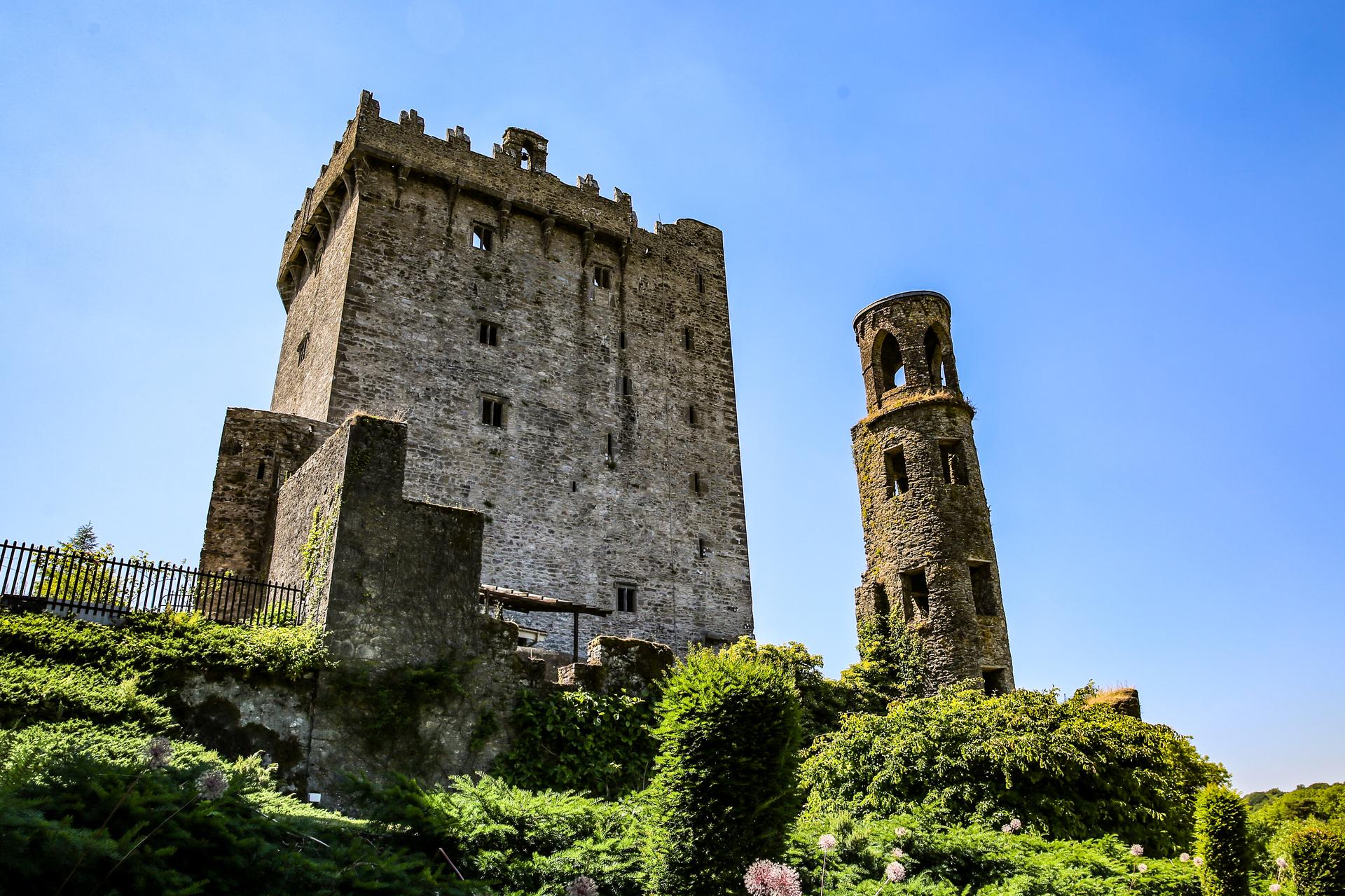
Looking beyond Elizabeth Fort? Discover Cork for broader travel guides, local hot-spots, and regional highlights.
Explore Cork
Discover Cobh, a vibrant seaside town in County Cork, rich in maritime history and stunning coastal views, perfect for a memorable Irish getaway.
Discover the historic Original Walls of Saint Mary of the Isle in Cork's scenic The Lough area, open daily for a reflective journey into the past.
