Blitz Memorial, Cornwall Travel Guide
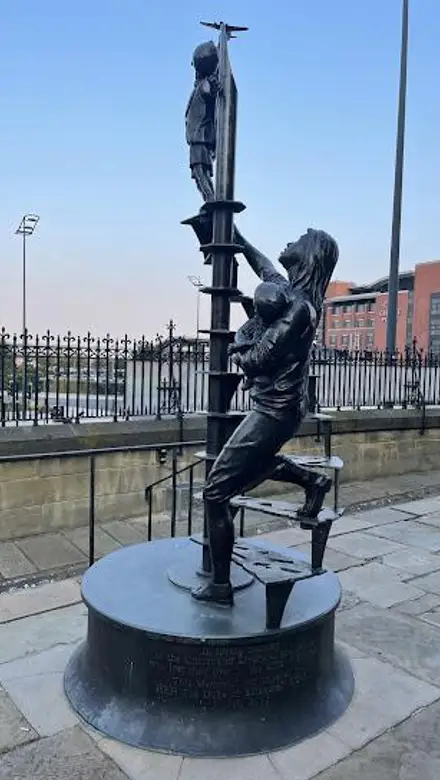
A solemn tribute in Liverpool honoring the resilience and sacrifice of civilians during the devastating World War II air raids.
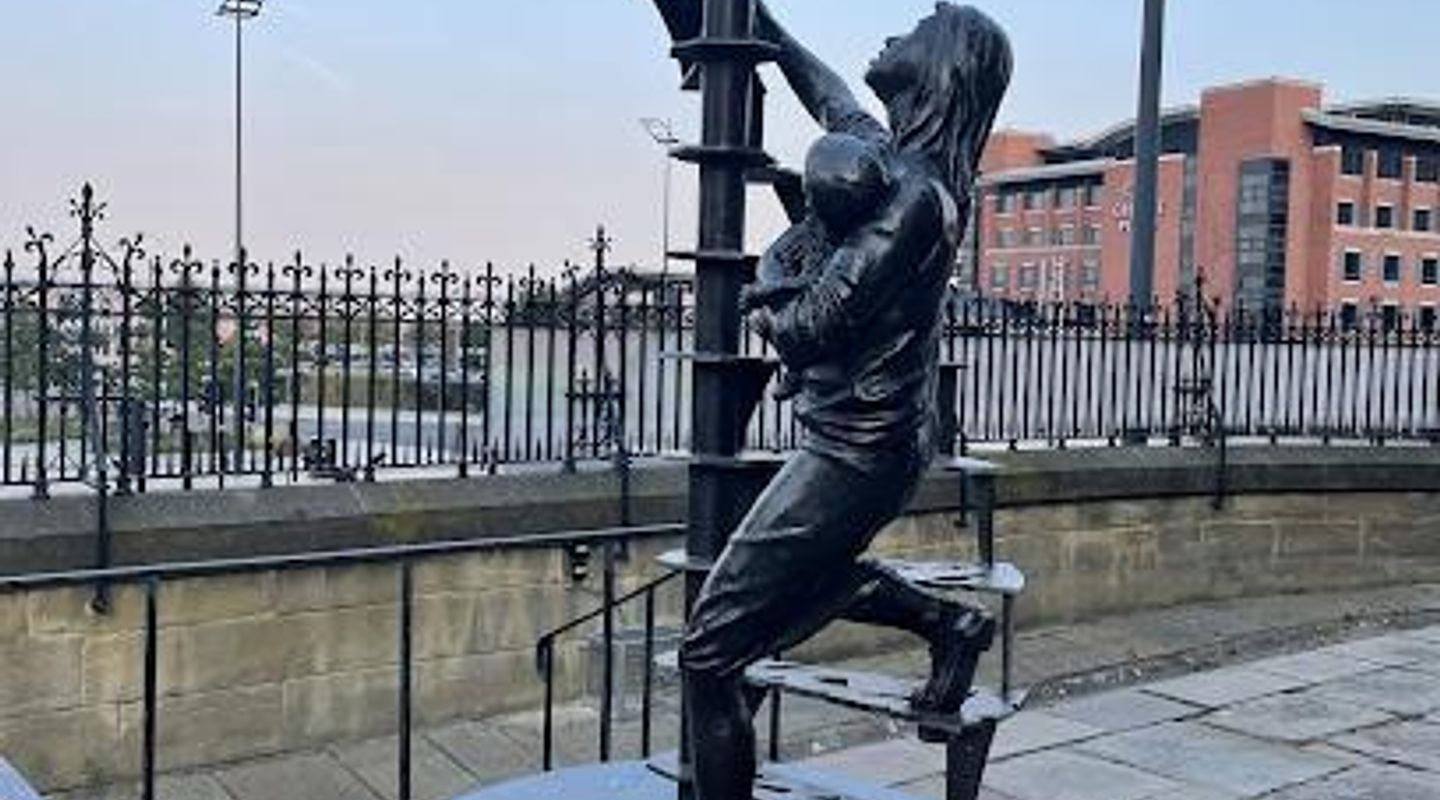
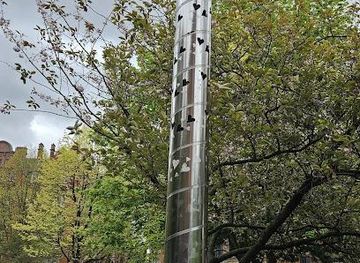
The Liverpool Blitz Memorial stands on A5036 in Liverpool as a solemn tribute to the thousands of civilians who lost their lives during the devastating German air raids of World War II. It commemorates the resilience and sacrifice of the local community amid repeated bombings that targeted the city's vital port. This historical landmark offers visitors a poignant reflection on Liverpool’s wartime endurance and the human cost of the conflict.
A brief summary to Blitz Memorial
- A5036, Liverpool, Liverpool, L2 8TZ, GB
- Duration: 0.5 to 1.5 hours
- Free
-
 Outdoor
- Mobile reception: 4 out of 5

Know before you go
Hi, I'm Eve. Here are a few practical things to know before exploring Blitz Memorial.
- Visit early morning or late afternoon for a quieter, more reflective experience.
- Consider joining a guided tour to gain deeper historical insights about the memorial and Liverpool’s wartime role.
- Bring a camera to capture the memorial’s poignant details and nearby scenic views of the River Mersey.
- Check local schedules for commemorative events or remembrance ceremonies that may be held at the site.
Do you manage this location?
Take control to get all the benefits, like improved information, better appearance, and stronger visibility across AI-powered discovery. Learn more about listing your business on Evendo
Activate your presenceOther nearby places you may find interesting
The closest places of the same kind, if this one is not quite what you had in mind.


Explore Blitz Memorial on the Map
A handpicked selection of must-see spots near Blitz Memorial, mapped for you.
Unlock the Best of Blitz Memorial
Buy tickets
-
No tickets available
Book tours with entry

Book tours without entry
-
No tours available
Getting There
-
Bus
Several bus routes serve the city center with stops near A5036, including numbers 10, 17, and 26. Travel times from Liverpool Lime Street station range from 10 to 20 minutes. Buses run frequently but check schedules for evening services. A single fare typically costs around £2.50.
-
Walking
From Liverpool’s Albert Dock, the memorial is approximately a 15-minute walk along flat, paved paths. The route passes through scenic areas near the waterfront and is accessible for most visitors, including those with limited mobility.
-
Taxi
Taxis from Liverpool Lime Street station to the memorial take about 5 to 10 minutes depending on traffic. Fares generally range from £6 to £10. Taxis offer direct and convenient access, especially outside public transport hours.
For the on-the-go comforts that matter to you
-
 Information Boards
-
 Seating Areas
-
 Trash Bins
Discover more about Blitz Memorial
A Testament to Liverpool's Wartime Endurance
The Liverpool Blitz Memorial is a powerful historical landmark dedicated to commemorating the civilians who perished during the intense German bombing campaigns of World War II. Liverpool was the most heavily bombed city in the UK outside London, due to its strategic importance as the largest port on the west coast, critical for the British war effort. The memorial stands along the A5036 road, near the heart of the city, marking the sacrifice of thousands who lived through the relentless air raids that devastated homes, infrastructure, and lives.The Impact of the Blitz on Liverpool
Between 1940 and 1941, Liverpool endured sustained aerial bombardment, known as the Liverpool Blitz, which caused extensive destruction and loss of life. Over 4,000 people were killed in the Merseyside area, with entire neighborhoods reduced to rubble and tens of thousands left homeless. The May Blitz of 1941 was particularly severe, with eight consecutive nights of bombing that targeted the docks and city center, vital to the Allied war supply chain. The memorial honors those who suffered and died during these harrowing times, including many buried in communal graves nearby.Design and Symbolism of the Memorial
Designed by Tom Murphy, the memorial is a solemn sculpture that embodies the spirit of resilience and remembrance. It serves not only as a tribute to the dead but also as a symbol of Liverpool’s indomitable spirit in the face of adversity. The memorial has been maintained and restored over the years to preserve its significance, including recent efforts to improve accessibility and enhance its commemorative features such as poppy linings.Surrounding Historical Context and Related Sites
The memorial is situated close to other key Liverpool landmarks tied to wartime memory, including the shell of St Luke’s Church, left as a garden of remembrance after being gutted by incendiary bombs. Nearby, the bustling waterfront and historic docks recall the city’s crucial role in the Battle of the Atlantic. The area around the memorial offers a contemplative atmosphere where visitors can reflect on Liverpool’s wartime history and its recovery.Visitor Experience and Atmosphere
Visiting the Liverpool Blitz Memorial provides a deeply moving experience. The site invites quiet reflection on the human cost of war and the resilience of a community that endured immense hardship. Early mornings or late afternoons are recommended for a more peaceful visit. The memorial’s location near St. Nicholas Place offers scenic views of the River Mersey, enhancing the contemplative mood.Preservation and Community Significance
The memorial has been a focal point for remembrance ceremonies and community gatherings, especially on occasions such as Armistice Day. Restoration efforts have ensured the site remains safe and accessible, honoring those who sacrificed their lives. It stands as a lasting reminder of the courage and spirit of Liverpool’s people during one of the darkest chapters in the city’s history.












Your all‑in‑one travel companion app
Explore expert travel guides, compare and book tours, experiences, hotels, and more—all from the palm of your hand. Download now for seamless trip planning wherever your wanderlust takes you.


Explore More of Cornwall
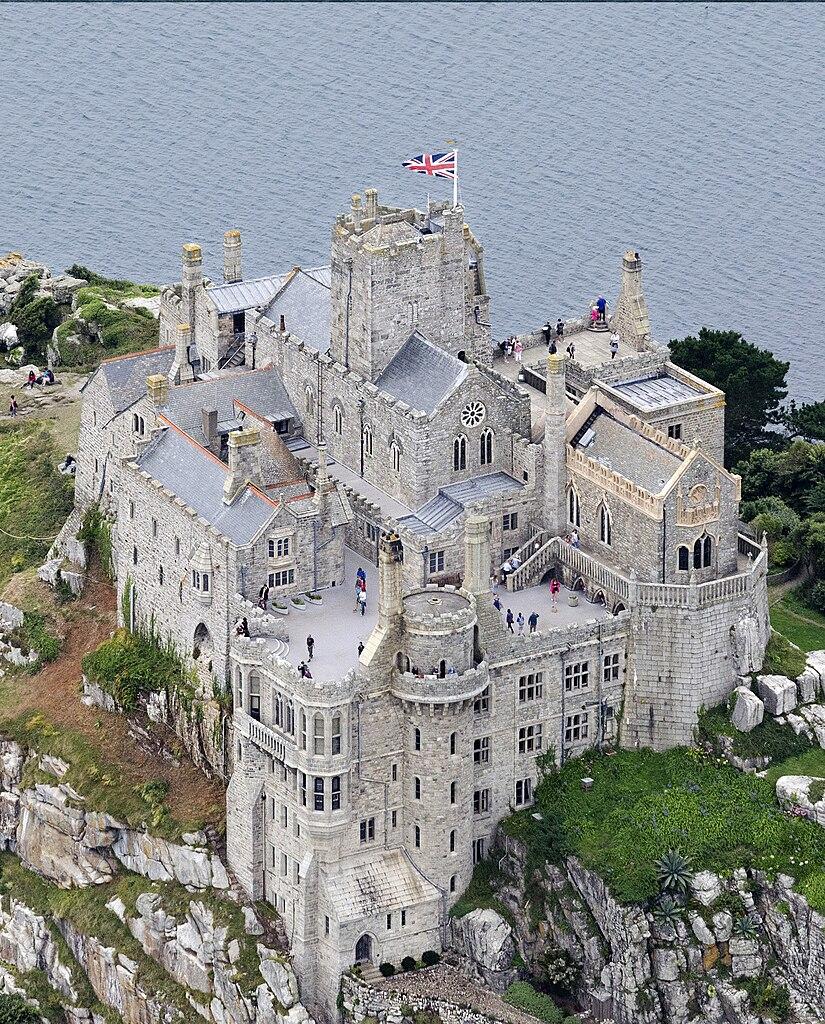
Looking beyond Blitz Memorial? Discover Cornwall for broader travel guides, local hot-spots, and regional highlights.
Explore Cornwall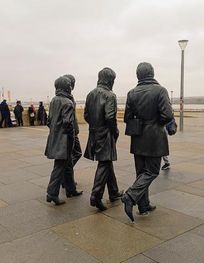
A bronze tribute to John, Paul, George, and Ringo on Liverpool’s iconic waterfront – a must-see for every Beatles fan.
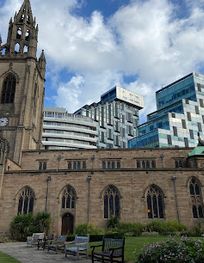
Historic Anglican parish church in Liverpool, symbolizing centuries of maritime heritage and resilience through tragedy and renewal.