

Cotswolds AONB, Cotswolds Travel Guide
Discover the rolling hills, honey-colored villages, and timeless charm of England’s largest Area of Outstanding Natural Beauty.
The Cotswolds AONB spans nearly 800 square miles of rolling hills, honey-colored stone villages, and historic market towns across southern England. Renowned for its quintessential English charm, this protected landscape offers scenic trails, ancient woodlands, and cultural heritage sites, making it a top destination for nature lovers and history enthusiasts alike.
A brief summary to Cotswolds AONB
- GB
- Click to display
- Duration: 2 to 8 hours
- Mid ranged
-
 Outdoor
- Mobile reception: 4 out of 5

Know before you go
Hi, I'm Eve. Here are a few practical things to know before exploring Cotswolds AONB.
- Embrace the slow pace of life here—take time to enjoy afternoon tea in a village café and explore on foot to fully appreciate the landscape.
- Visit in late spring to early summer to see wild orchids and butterflies in bloom, especially around Painswick Beacon.
- Use the Cotswolds Discovery Pass to save on entry fees for historic houses, gardens, and museums.
- Consider guided walks led by local voluntary wardens for insights into the landscape’s natural and cultural heritage.
- Plan visits to iconic viewpoints like Broadway Tower for panoramic views across multiple counties.
Do you manage this location?
Take control to get all the benefits, like improved information, better appearance, and stronger visibility across AI-powered discovery. Learn more about listing your business on Evendo
Activate your presenceOther nearby places you may find interesting
The closest places of the same kind, if this one is not quite what you had in mind.
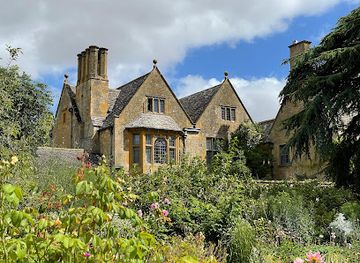
Explore Cotswolds AONB on the Map
A handpicked selection of must-see spots near Cotswolds AONB, mapped for you.
Getting There
-
Train and Bus Combination
Travel by train from London Paddington to Moreton-in-Marsh (approximately 1.5 to 2 hours), then take local bus services to nearby villages. Train tickets range from £15 to £35 depending on advance booking.
-
Coach Service
National Express coaches run from London Victoria Coach Station to Cheltenham or Gloucester in about 2.5 to 3 hours. From there, local buses or taxis provide access to Cotswold villages. Coach fares start around £10.
-
Car Rental
Renting a car offers the most flexibility to explore the dispersed villages and countryside. Driving times from London average 2 hours. Parking is available in most towns but can be limited in popular villages; some narrow roads require cautious driving. Rental prices start at £30 per day.
For the on-the-go comforts that matter to you
-
 Restrooms
-
 Drink Options
-
 Food Options
-
 Seating Areas
-
 Information Boards
-
 Visitor Center
-
 Trash Bins
Discover more about Cotswolds AONB
A Landscape Steeped in History and Natural Beauty
The Cotswolds Area of Outstanding Natural Beauty (AONB) is England’s largest AONB, covering almost 800 square miles across Gloucestershire, Oxfordshire, Warwickshire, Wiltshire, Worcestershire, and Somerset. Designated in 1966 and extended in 1990, it preserves a rural landscape shaped by 6,000 years of human history. Visitors encounter Neolithic long barrows, Iron Age hill forts, and centuries-old market towns nestled among gently rolling hills and river valleys. The area’s characteristic honey-colored limestone cottages and dry stone walls evoke a timeless charm that has captivated generations.Ecology and Scenic Diversity
The Cotswolds’ environment includes ancient semi-natural woodlands, covering about 10% of the area, with beech, chestnut, poplar, rowan, and whitebeam trees providing vital habitat for rare birds and invertebrates. Wildflower meadows burst with orchids and herbs like thyme and wild marjoram, attracting butterflies such as the rare Large Blue. Elevated viewpoints like Broadway Tower offer panoramic vistas across 16 counties, revealing the patchwork of fields, woods, and villages that define the landscape.Villages, Towns, and Cultural Heritage
Quintessential English villages such as Bourton-on-the-Water, Bibury, and Castle Combe feature charming stone cottages, historic inns, and bustling market squares. Larger towns like Cheltenham and Cirencester add vibrant cultural layers with festivals, theaters, and artisan shops. The Arts and Crafts movement left a lasting influence here, with notable sites like Broadway Tower once serving as creative retreats. Historic houses, Roman villas, and castles dot the region, enriching the visitor experience with stories of England’s past.Outdoor Activities and Visitor Experience
The Cotswolds is a walker’s paradise, boasting over 5,000 km of footpaths including the famed Cotswold Way National Trail. Cycling routes, nature reserves, and arboretums offer varied ways to explore. The landscape’s gentle hills and accessible trails suit all levels of outdoor enthusiasts. Seasonal events, from wildflower blooms in spring to harvest festivals in autumn, animate the region year-round. Visitors are encouraged to embrace the slower pace of life, savor local food and drink, and immerse themselves in the tranquil countryside.Conservation and Community Stewardship
As a designated National Landscape, the Cotswolds benefits from dedicated conservation efforts led by a small core team supported by over 400 voluntary wardens. Their work maintains trails, protects habitats, and promotes sustainable tourism. This stewardship ensures that the natural beauty, wildlife habitats, and cultural heritage remain intact for future generations to enjoy.Distinctive Character and Timeless Appeal
The Cotswolds offers a uniquely English blend of scenic beauty, historic depth, and rural charm. Whether witnessing sheep grazing at sunset, spotting rare butterflies, or wandering through centuries-old villages, visitors find a place that invites reflection and connection with nature and history. Its enduring appeal lies in this harmonious balance, making the Cotswolds a treasured destination for both relaxation and discovery.












Your all‑in‑one travel companion app
Explore expert travel guides, compare and book tours, experiences, hotels, and more—all from the palm of your hand. Download now for seamless trip planning wherever your wanderlust takes you.


Explore More of Cotswolds
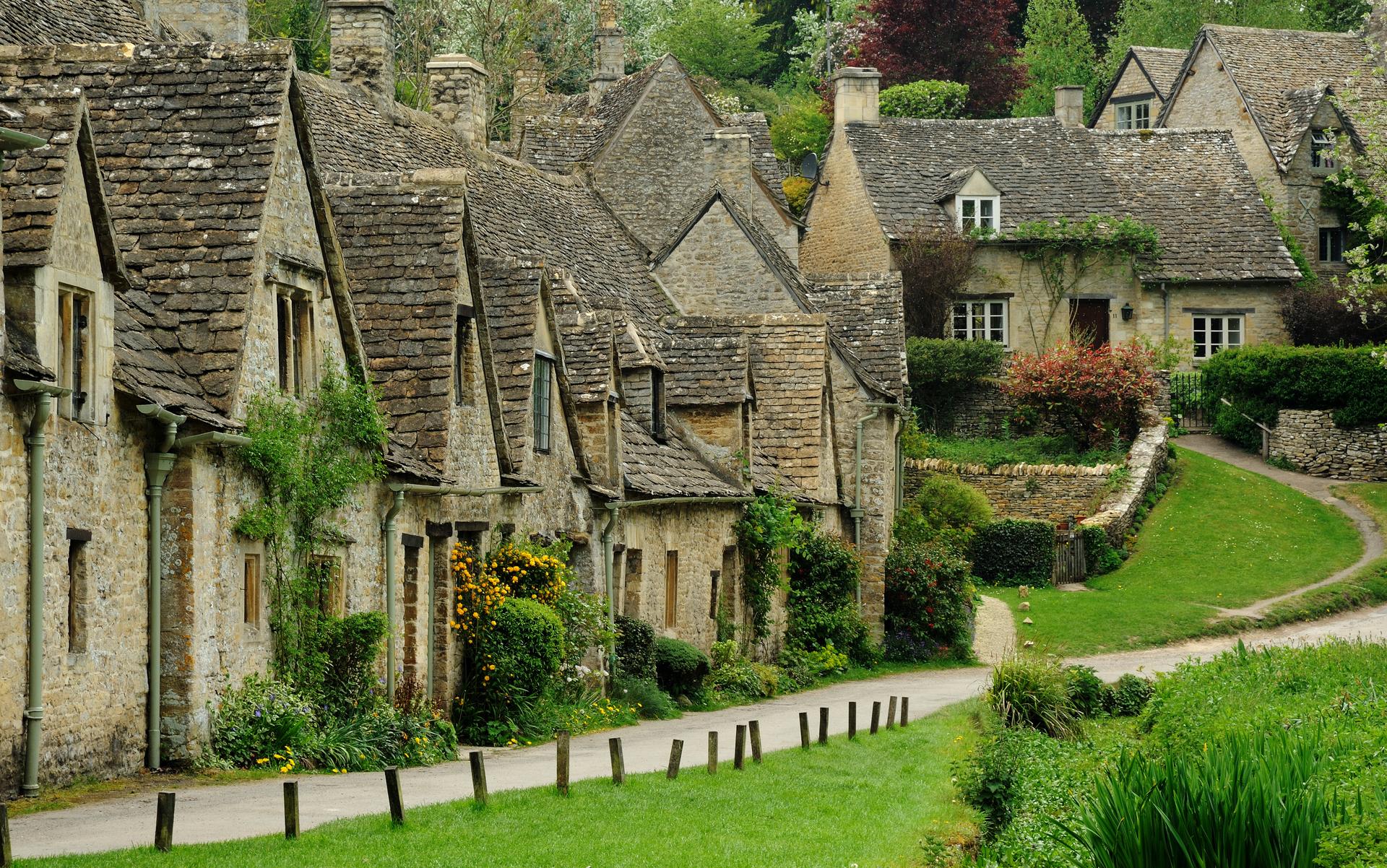
Looking beyond Cotswolds AONB? Discover Cotswolds for broader travel guides, local hot-spots, and regional highlights.
Explore Cotswolds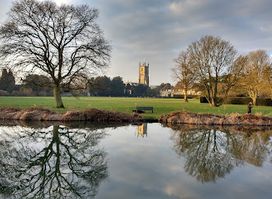
A peaceful historic park in Cirencester offering scenic walks, a lake with wildlife, and family-friendly amenities in a tranquil urban setting.
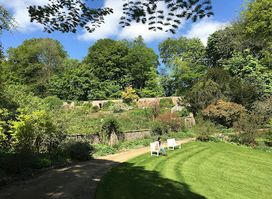
Discover the romantic charm and organic beauty of Cerney House Gardens, a Victorian walled garden sanctuary in the heart of the Cotswolds.
