St Columb's Cathedral, Derry Travel Guide
Free Guide: Derry’s oldest building and first post-Reformation cathedral, where history, silver, and song echo through centuries within the city walls.


A brief summary of St Columb's Cathedral
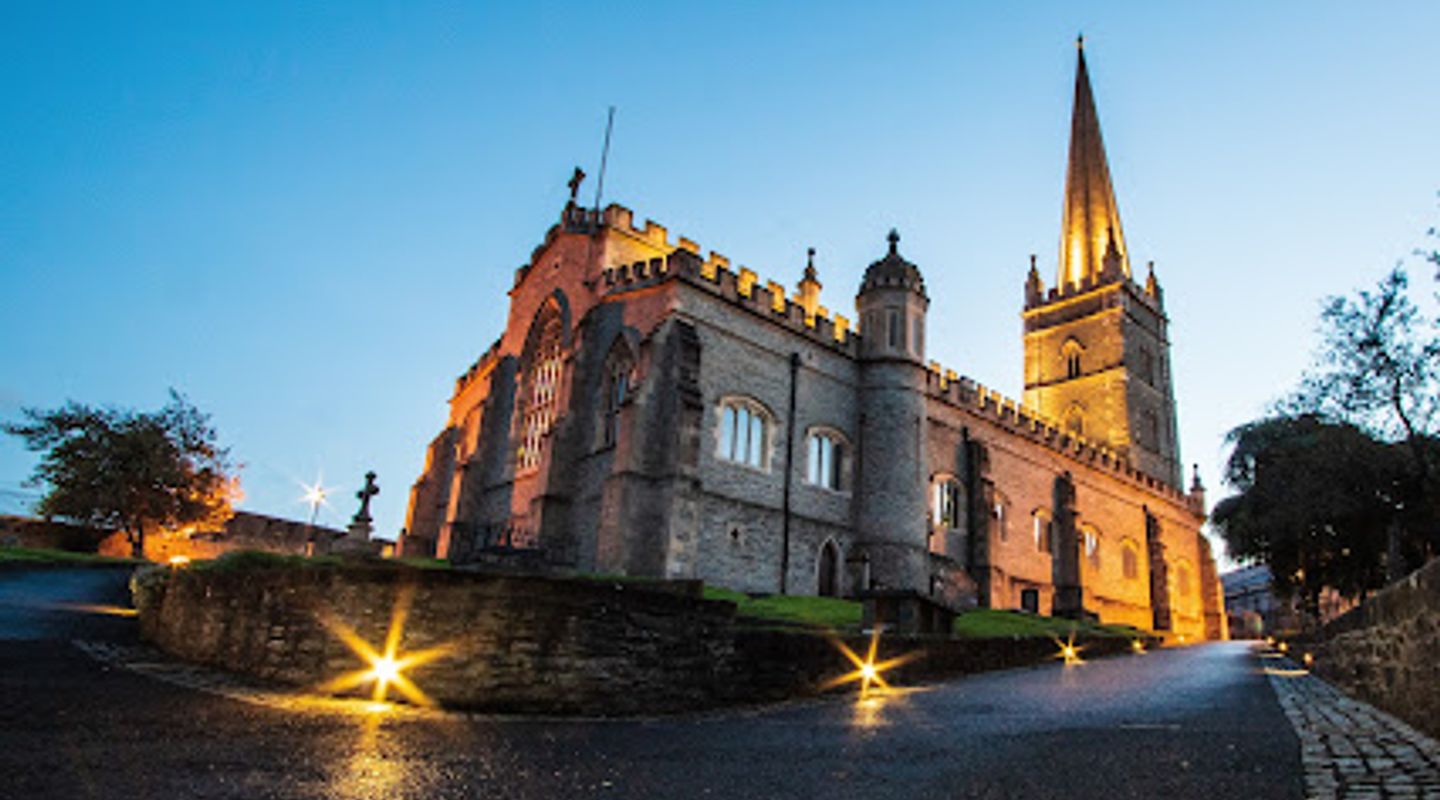
Derry’s oldest building and first post-Reformation cathedral, where history, silver, and song echo through centuries within the city walls.
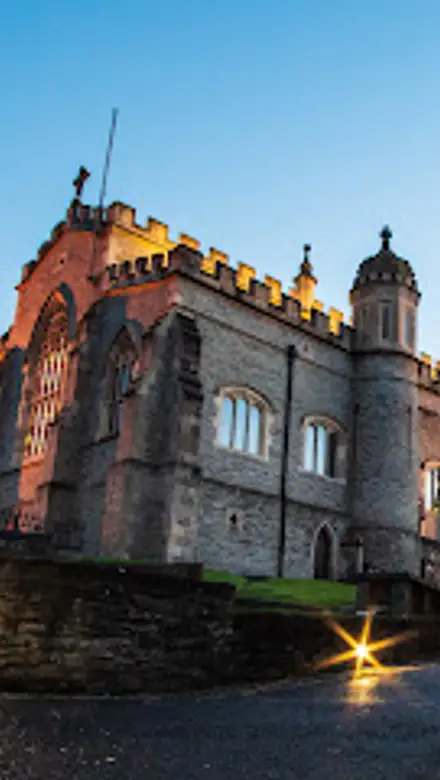
Standing proudly within Derry’s historic walls, St Columb’s Cathedral is the city’s oldest and most historic building, dating from 1633. Built in the distinctive Planter Gothic style, this Church of Ireland cathedral is dedicated to St Columba, the 6th-century monk who founded a Christian settlement here. Inside, visitors encounter fine stained glass, regimental flags, siege relics, and one of Ireland’s most remarkable collections of ecclesiastical silver. The cathedral also houses a museum and an exhibition of facsimiles from the Book of Kells, making it a compelling stop for history, architecture, and spirituality.
On-site amenities
 Restrooms
 Drink options
 Drinking water
 Seating areas
 Information boards
Opening hours
- MonClosed
- TueClosed
- Wed10 am–3 pm
- Thu10 am–3 pm
- Fri10 am–3 pm
- Sat10 am–3 pm
- SunClosed
Opening hours as listed on the venue’s Google Business Profile. Hours can change for services and special events, so check with the venue before you go.
- Address
- 17 London St, Londonderry BT48 6RQ
- Phone
- Website
Getting there
On foot from the city centre
From the city walls
By local bus
From nearby car parks
Discover more about St Columb's Cathedral
A Cathedral Born of Plantation
St Columb’s Cathedral is the first Anglican cathedral built in Britain and Ireland after the Reformation, a powerful symbol of the Plantation of Ulster in the early 17th century. Constructed between 1628 and 1633 by William Parrot for the Honourable The Irish Society, it was part of a grand plan to build a new city on the site of the old monastic settlement of Templemore. Built from local stone, the cathedral’s original nave and tower form the core of today’s structure, reflecting the ‘Planter Gothic’ style that blends traditional Gothic forms with the practicality of post-Reformation Protestant worship. Its very existence speaks to the complex religious and political history of Derry, a city shaped by waves of settlement, conflict, and resilience.
Witness to Siege and Survival
The cathedral has stood at the heart of Derry’s turbulent history, most notably during the Siege of Derry (1688–1689). Perched on a commanding hill within the city walls, its spire made it a prominent landmark and a target; the lead from its roof was melted down for musket balls, and the building suffered significant damage. Today, the cathedral proudly displays relics from that siege, including regimental flags, a large mortar shell, and other historic items that tell the story of the city’s endurance. The peal of eight bells, presented by Charles I in 1638, is the oldest complete set in Ireland and still rings out across the walled city, a living link to centuries of worship and community.
Inside the Mother Church of Derry
Inside, the cathedral is both a place of worship and a museum of local and ecclesiastical history. The nave, remodelled in the 19th century with fine oak woodwork, leads to a chancel added in 1887 that completed the building’s original intended form. Visitors can admire encaustic pavements, a narthex by Welland & Gillespie, and a series of striking stained-glass windows. The Chapter House Museum houses a rich collection of artefacts, including siege memorabilia, historical documents, and information on notable figures such as hymn writer Cecil Frances Alexander and philosopher George Berkeley, both connected to Derry. An exhibition of facsimiles from the Book of Kells adds a further layer of cultural and artistic interest.
A Treasure of Ecclesiastical Silver
One of the cathedral’s most remarkable features is its outstanding collection of ecclesiastical silver, considered one of the most interesting on the island of Ireland. At its heart is the ‘Promised Chalice’, a silver-gilt chalice and paten sent by the City of London in 1613, inscribed with the city’s coat of arms and dedicated to the Church of God in Derry. Other pieces include a 17th-century Dublin-made flagon, crosses, a baptismal shell, and a ciborium inspired by the Shrine of St Patrick’s Bell. These objects, many still used in worship, reflect centuries of devotion, craftsmanship, and the deep connection between the cathedral and the city’s civic and religious life.
Living Heritage and Modern Role
St Columb’s remains an active place of worship and a vital part of Derry’s community life. Regular services, choral music, and special events, including concerts and heritage open days, keep the cathedral vibrant. A complete restoration completed in 2011 has preserved its historic fabric while ensuring it remains accessible and welcoming. The cathedral is also known for its ecumenical and bridge-building activities, reflecting its role not just as a monument to the past, but as a living space for dialogue, reconciliation, and shared heritage in a city with a complex history. For visitors, it offers a chance to reflect on faith, history, and the enduring power of place.
Evendo Review Centre
 Google
Guest reviews
Best time to go
Quietest: Jan, Feb & Mar · before 9am or from 8pm
Busy times are Evendo estimates for a typical year, to help you plan. Actual crowds vary with events, school holidays and the weather.
Explore St Columb's Cathedral on the map
A handpicked selection of must-see spots near St Columb's Cathedral, mapped for you.
Get your free copy of our complete guide to St Columb's Cathedral, delivered straight to you.
Everything on this page, from opening hours and how to get there to Eve’s tips and the best time to go, in one PDF you can read offline, print or share.
Already have an account? Sign in
Your St Columb's Cathedral guide is ready.
We'll send it to · Not you? Sign out

Getting your guide ready…
We are putting together a fresh copy of the St Columb's Cathedral guide. This can take up to a minute.
This can take a few moments. If your browser asks, choose Allow so the download can start. You'll find the guide in your Downloads folder.
Nothing happened? Download it again
Sorry, the guide is taking longer than usual. Please try again in a minute, or get it by email instead.
Unlock the best of St Columb's Cathedral
Skip-the-line tickets, guided tours with entry, and walking tours of the area, booked in a few clicks.


 Tour
TourDerry Self Guide Walking Tour Experience
from $5.33 Tour
TourDerrie Danders: A Self-Guided Audio Tour of the Riverside and South City
from $5.69 Tour
TourDerrie Danders: Highlights of the Walled City a Self-Guided Audio Tour
from $9.11 Tour
TourDerry Bloody Sunday The Troubles Self Guided Audio Walking Tour
from $9.26
Other nearby places you may find interesting
The closest places of the same kind, if this one is not quite what you had in mind.
-
-
-
-
-


Swipe for more places
More to explore near St Columb's Cathedral

 Best experiences near St Columb's Cathedral
 Best hotels near St Columb's Cathedral
 Best landmarks near St Columb's Cathedral
 Best attractions near St Columb's Cathedral
 Best shops near St Columb's Cathedral
 Best restaurants near St Columb's Cathedral
 Best bars near St Columb's Cathedral
Do you manage this location?
Take control to get all the benefits, like improved information, better appearance, and stronger visibility across AI-powered discovery.
Explore more
Explore more of Derry
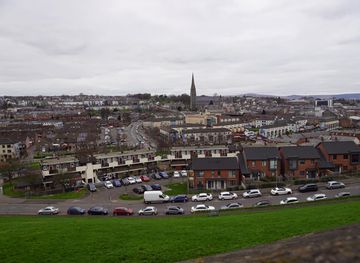
Explore Derry: Where history meets vibrant culture in a city bridging Irish and British heritage, offering breathtaking views and captivating festivals.
Explore Derry
Explore more of United Kingdom
Discover the United Kingdom: A blend of rich history, stunning landscapes, and vibrant cities, offering a unique travel experience for every visitor.
Explore United Kingdom