Double Bastion, Derry Travel Guide
Free Guide: Historic fortress bastion on Derry’s city walls, home to the legendary Roaring Meg cannon and panoramic views over the Bogside.


A brief summary of Double Bastion
Historic fortress bastion on Derry’s city walls, home to the legendary Roaring Meg cannon and panoramic views over the Bogside.
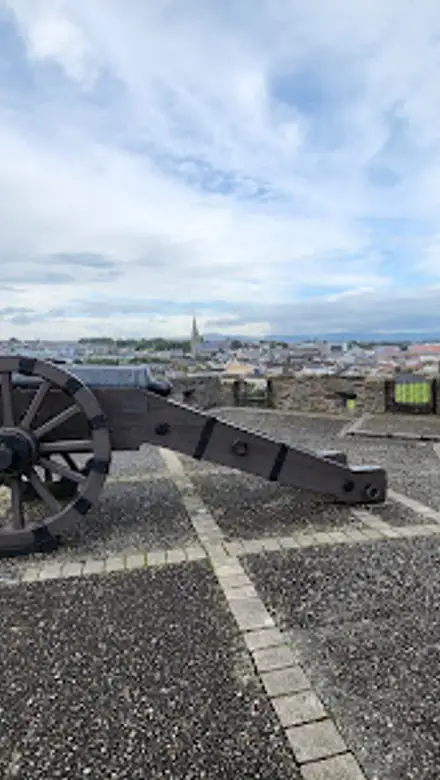
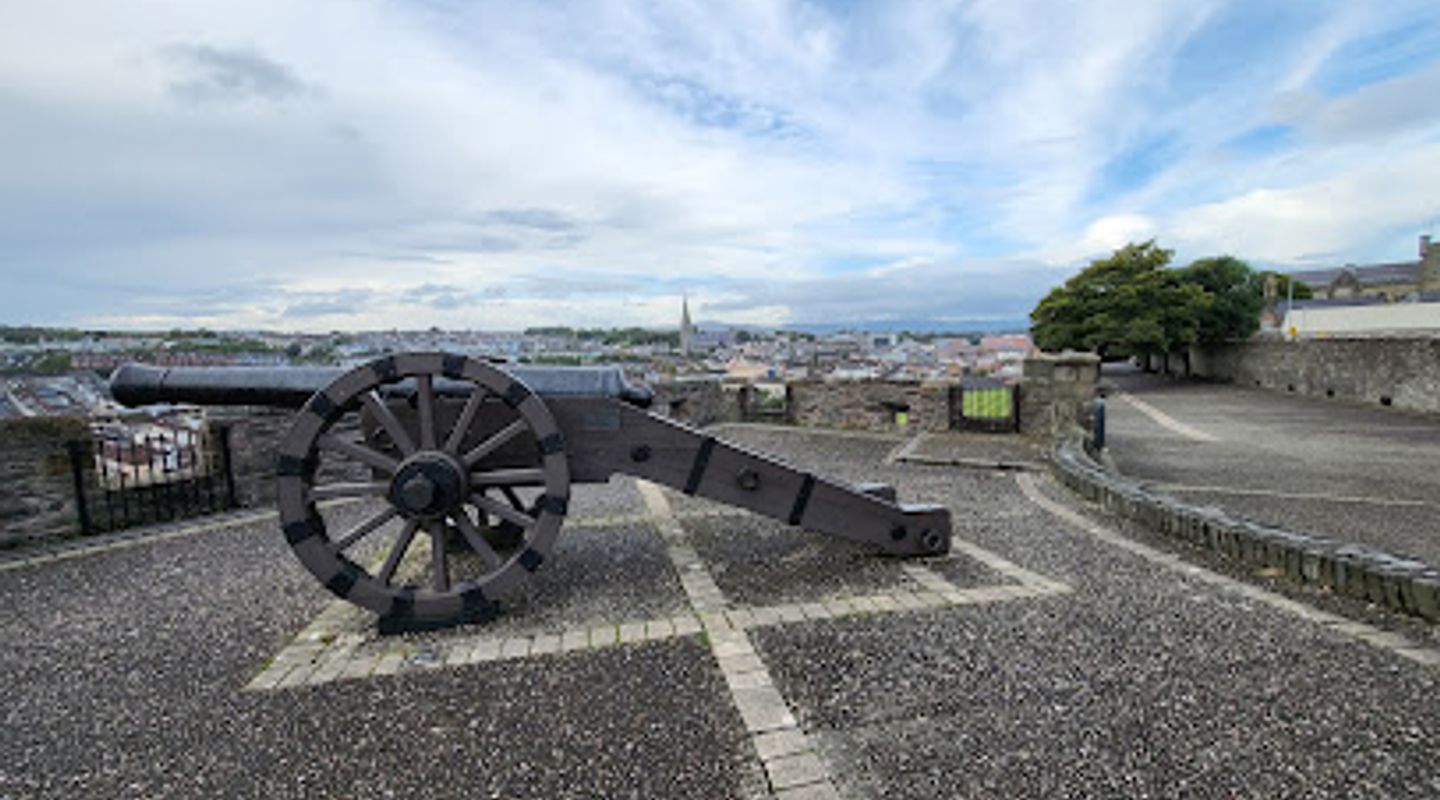
The Double Bastion is a prominent fortified platform on the 17th-century city walls of Derry-Londonderry, Northern Ireland. Famous for housing the legendary 'Roaring Meg' cannon, it played a key role during the 1689 Siege of Derry. Today, it offers panoramic views over the historic Bogside neighborhood and stands as a testament to the city’s turbulent past and enduring spirit.
On-site amenities
 Information boards
 Seating areas
 Trash bins
Opening hours
- Every dayOpen 24 hours
Opening hours as listed on the venue’s Google Business Profile. Hours can change for services and special events, so check with the venue before you go.
- Address
- Londonderry BT48 6PS
Getting there
Bus
Walking
Taxi
Discover more about Double Bastion
Origins and Military Significance of the Double Bastion
The Double Bastion is part of the extensive 17th-century defensive walls encircling Derry-Londonderry, built between 1613 and 1618 by the Irish Society to protect Protestant settlers during the Plantation of Ulster. This bastion was a crucial defensive platform during the 1689 Siege of Derry, where the city withstood a prolonged attack by forces loyal to King James II. The bastion's strategic location allowed defenders to mount artillery, including the famed 'Roaring Meg' cannon, which was instrumental in repelling the besiegers.
Roaring Meg: The Cannon That Roared Through History
'Roaring Meg' is the most renowned cannon in Derry, weighing nearly 1,800 kilograms and gifted to the city in 1642 by the Fishmongers' Company of London. It required a team of six men to operate, with coordinated efforts to load, aim, and fire. The cannon was pivotal during the 1689 siege, symbolizing the city's resilience. Restored to its former glory, Roaring Meg remains prominently displayed on the Double Bastion, drawing visitors fascinated by its historical and mechanical significance.
Architectural and Environmental Features of the Bastion
The Double Bastion juts out from the city walls, offering a fortified vantage point with thick stone construction typical of early 17th-century military architecture. The walls themselves vary in width from 12 to 35 feet and stand nearly 20 feet high, constructed from local stone and sandstone. From this elevated platform, visitors can enjoy sweeping views over the Bogside, a neighborhood that was once a focal point of conflict during the Troubles but now reflects a peaceful urban landscape.
The Bastion’s Role in Derry’s Complex History
Beyond its 17th-century military role, the Double Bastion witnessed events during the Troubles, including the tragic Bloody Sunday in 1972, when a civil rights march turned deadly nearby. The bastion and the city walls embody the layered history of Derry, from its origins as a monastic settlement through colonial struggles, sieges, and modern political conflict. Today, the site stands as a symbol of endurance and reconciliation in a city that has transformed from division to shared community.
Visitor Experience and Surrounding Attractions
Visitors to the Double Bastion can explore the city walls walkway, which is one of the best-preserved examples of walled cities in Europe. Alongside the bastion, the walls feature 24 restored cannons and several other bastions, gates, and historical markers. Nearby attractions include the Guildhall, the Peace Bridge, and cultural sites that narrate Derry’s rich heritage. The bastion’s peaceful garden areas provide a tranquil setting for reflection amid the city’s vibrant cultural scene.
Preservation and Cultural Importance Today
The Double Bastion and the city walls are protected heritage landmarks managed to preserve their historical integrity. Restoration efforts, particularly the 2005 cannon refurbishment, have maintained the site’s authenticity. The bastion continues to serve as a powerful educational resource and a poignant reminder of Derry’s resilience, attracting history enthusiasts, cultural tourists, and locals alike who value its unique place in Northern Ireland’s story.
Evendo Review Centre
 Google
Guest reviews
Best time to go
Quietest: Jan, Feb & Dec · before 6am or at 10pm
Busy times are Evendo estimates for a typical year, to help you plan. Actual crowds vary with events, school holidays and the weather.
Explore Double Bastion on the map
A handpicked selection of must-see spots near Double Bastion, mapped for you.
Get your free copy of our complete guide to Double Bastion, delivered straight to you.
Everything on this page, from opening hours and how to get there to Eve’s tips and the best time to go, in one PDF you can read offline, print or share.
Already have an account? Sign in
Your Double Bastion guide is ready.
We'll send it to · Not you? Sign out

Getting your guide ready…
We are putting together a fresh copy of the Double Bastion guide. This can take up to a minute.
This can take a few moments. If your browser asks, choose Allow so the download can start. You'll find the guide in your Downloads folder.
Nothing happened? Download it again
Sorry, the guide is taking longer than usual. Please try again in a minute, or get it by email instead.
Unlock the best of Double Bastion
Skip-the-line tickets, guided tours with entry, and walking tours of the area, booked in a few clicks.


Other nearby places you may find interesting
The closest places of the same kind, if this one is not quite what you had in mind.
-
-
-
-
-


Swipe for more places
More to explore near Double Bastion

 Best experiences near Double Bastion
 Best hotels near Double Bastion
 Best landmarks near Double Bastion
 Best attractions near Double Bastion
 Best shops near Double Bastion
 Best restaurants near Double Bastion
 Best bars near Double Bastion
Do you manage this location?
Take control to get all the benefits, like improved information, better appearance, and stronger visibility across AI-powered discovery.
Explore more
Explore more of Derry
Explore Derry: Where history meets vibrant culture in a city bridging Irish and British heritage, offering breathtaking views and captivating festivals.
Explore Derry
Explore more of United Kingdom
Discover the United Kingdom: A blend of rich history, stunning landscapes, and vibrant cities, offering a unique travel experience for every visitor.
Explore United Kingdom