
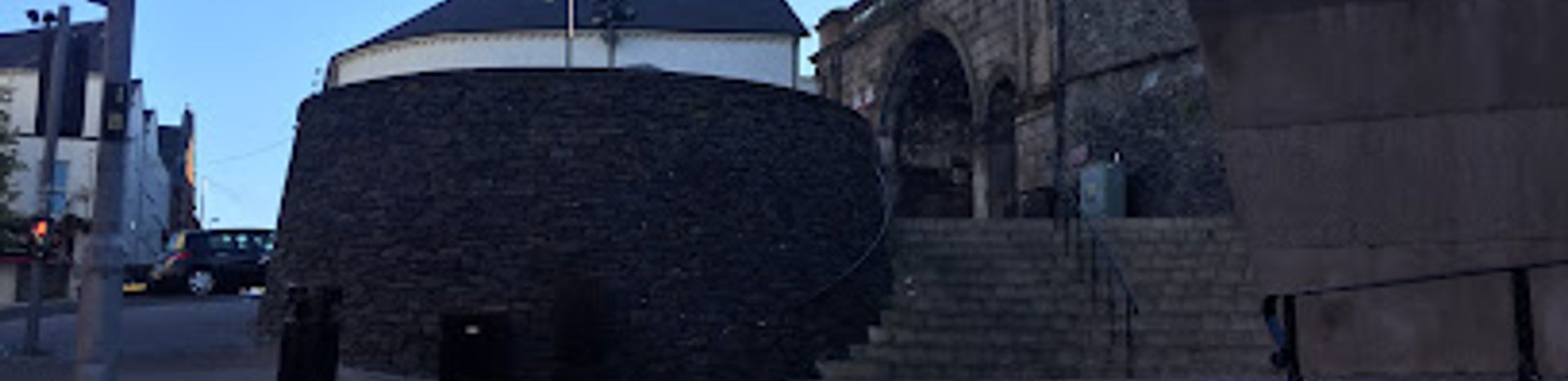
Ferryquay Gate, Derry City Walls
Step through the gate that started the Siege of Derry and walk the ramparts of one of Europe’s finest walled cities.
Ferryquay Gate is one of the four original 17th-century gates in Derry’s historic city walls, famously closed by the Apprentice Boys in 1688 against James II’s forces. This stone gateway, overlooking the River Foyle, marks the start of the Siege of Derry and offers a powerful entry point to the walled city’s layered history. Today, it stands as a key landmark on the walkable ramparts, where visitors can step onto the walls and trace the Renaissance street plan of one of Europe’s finest surviving walled cities.
A brief summary to Ferryquay Gate Derry City Walls
- 38 Ferryquay St, Londonderry, BT48 6JB, GB
- Duration: 0.5 to 2 hours
- Free
-
 Outdoor
- Mobile reception: 5 out of 5
Local tips
- Start your walk along the city walls at Ferryquay Gate for the most historically resonant entry point into the walled city.
- Visit in daylight to fully appreciate the gate’s stonework, inscriptions, and the views over the River Foyle and surrounding cityscape.
- Combine your visit with a guided walking tour of the walls to gain deeper insight into the Siege of Derry and the city’s layered history.

For the on-the-go comforts that matter to you
- Seating Areas
- Trash Bins
- Information Boards
Getting There
-
On foot from the city centre
From the Diamond in the heart of Derry, follow Ferryquay Street west for about 10 minutes. The gate is clearly visible where the street meets the city walls and the River Foyle, with rampart access steps nearby.
-
From the Guildhall
From the Guildhall on the Foyle’s west bank, cross Craigavon Bridge and walk along the riverfront for roughly 15 minutes. Ferryquay Gate is at the end of Ferryquay Street, just inside the walled city’s perimeter.
-
From the Peace Bridge
Cross the Peace Bridge from the Waterside and follow the riverside path into the city centre. Ferryquay Gate is about a 10-minute walk from the bridge’s city-side landing, signposted along the way.
Ferryquay Gate Derry City Walls location weather suitability
-
 Any Weather
-
 Mild Temperatures
-
 Clear Skies
Discover more about Ferryquay Gate Derry City Walls
Gateway to a Siege
Ferryquay Gate is one of the four original 17th-century entrances to Derry’s fortified city, built between 1613 and 1619 as part of the Plantation of Ulster. Positioned to control access from the River Foyle’s ferry quay, this gate was the first to be shut in December 1688 by thirteen apprentice boys who locked the city against the advancing Jacobite army of James II. Their defiant act sparked the Siege of Derry, a pivotal moment in Irish and British history that lasted 105 days and cemented the city’s reputation as the ‘Maiden City’ – a walled town whose defences were never breached.Architecture and Symbolism
The current stone archway dates from 1865, replacing an earlier structure that once featured a drawbridge and tower. The gate’s exterior bears a headstone of Reverend George Walker, the city’s governor during the siege, while the interior side commemorates Reverend James Gordon. These inscriptions anchor the gate in the city’s Protestant heritage and the enduring memory of the siege. The gate’s form is functional yet symbolic, a triumphal arch of sorts that frames the entrance to the walled city and invites reflection on centuries of conflict, resilience, and identity.Walking the Walls
Ferryquay Gate is a natural starting point for a walk along Derry’s 1.5 km circuit of city walls, the only complete walled city in Ireland and one of Europe’s best-preserved examples. From here, the ramparts rise to offer panoramic views over the inner city’s Renaissance-style street grid, the River Foyle, and landmarks such as St Columb’s Cathedral, the Guildhall, and the Peace Bridge. The walls are dotted with restored cannons, including the famous ‘Roaring Meg’, and interpretive panels that trace the city’s military, religious, and political history from the 17th century to the Troubles.Layers of Memory
Standing at Ferryquay Gate, it is impossible to ignore the weight of history. The gate is not just a medieval-style arch; it is a living monument to the Siege of Derry, the Apprentice Boys’ tradition, and the city’s complex identity. Nearby, Free Derry Corner and Bogside murals speak to more recent struggles, while the Peace Bridge and revitalised waterfront reflect a city in reconciliation. The gate thus serves as a threshold between past and present, where the physical fabric of the city tells stories of division, endurance, and, increasingly, shared space and understanding.Iconic landmarks you can’t miss

Ferryquay Gate Derry City Walls
0.0 km
Step through the gate that started the Siege of Derry and walk the ramparts of one of Europe’s finest walled cities.
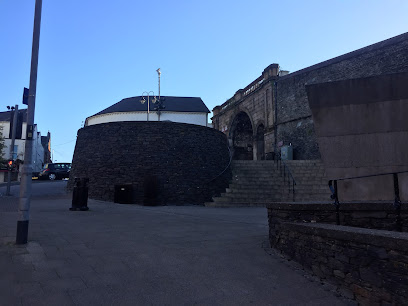
City Walking Tours
0.1 km
Discover the captivating history and vibrant culture of Londonderry with engaging guided walking tours exploring iconic landmarks and hidden gems.
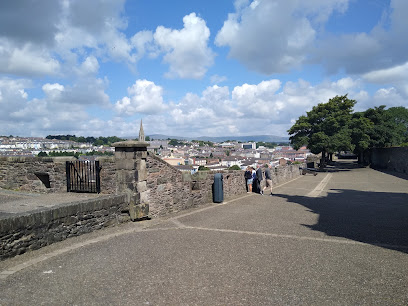
War Memorial
0.1 km
A solemn tribute to the fallen, standing at the heart of Derry's historic walled city since 1927.
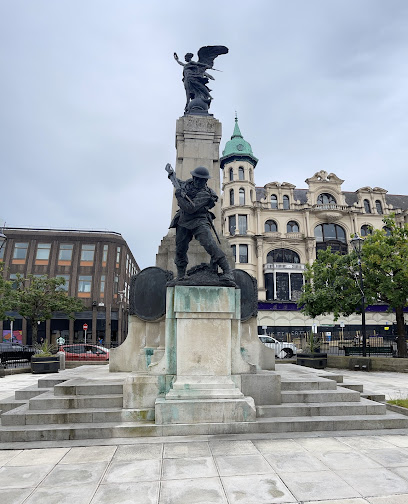
BRICKWORK BAR
0.2 km
Discover the vibrant charm of Brickwork Bar in Londonderry, where local culture and friendly faces create an unforgettable atmosphere.
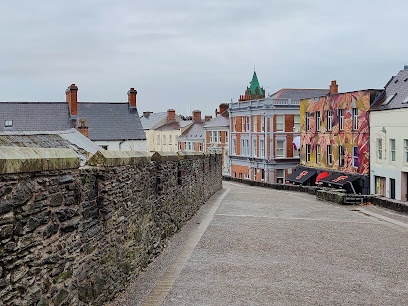
Bogside History Tours
0.3 km
Discover Londonderry's captivating history with Bogside History Tours, where every street tells a story and every mural speaks volumes.
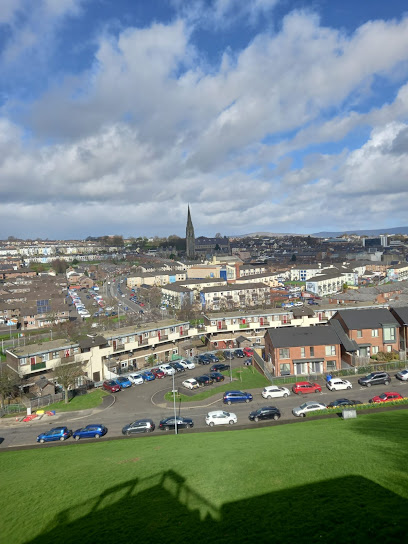
Magazine Gate Derry City Walls
0.3 km
Explore Magazine Gate, the newest historic entrance to Derry’s iconic walled city, offering riverfront access and rich 19th-century heritage.
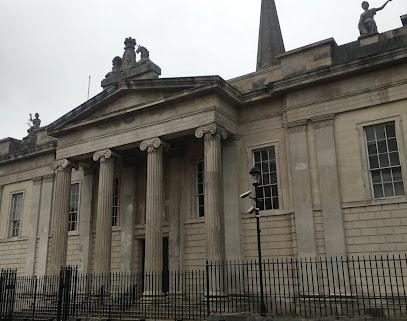
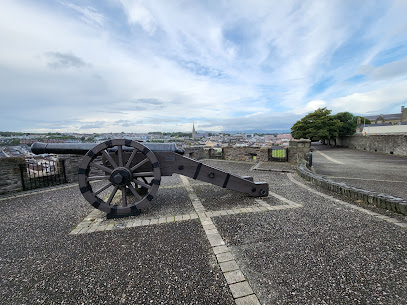
Double Bastion
0.4 km
Historic fortress bastion on Derry’s city walls, home to the legendary Roaring Meg cannon and panoramic views over the Bogside.
Cornerstone City Church
0.6 km
A vibrant community in Londonderry offering worship, outreach, and hope through faith and compassionate service.
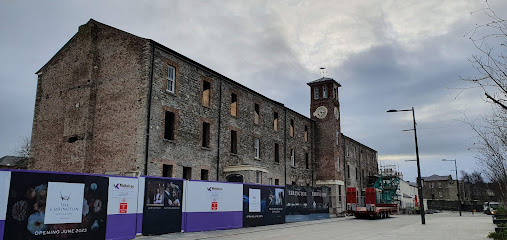
The Clock Tower
0.7 km
Historic Clock Tower at Ebrington Square, a timeless symbol of Londonderry’s military heritage and vibrant city life.
Haslett Monumental Sculptors
0.7 km
Explore the artistry and heritage of memorial craftsmanship at Haslett Monumental Sculptors in Londonderry, where memories are beautifully carved in stone.
Lapwing Way Gospel Hall
1.1 km
A welcoming evangelical chapel offering spiritual reflection and community fellowship in Londonderry.
Things To Do
2.7 km
Explore the vibrant history and stunning landscapes of Londonderry with unforgettable tours that bring the city's rich culture to life.
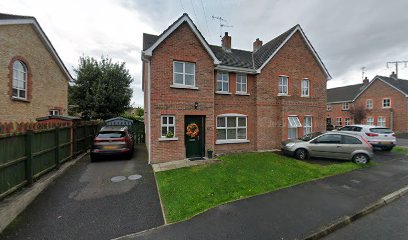
Wild Ireland
6.5 km
Explore Wild Ireland, where you can encounter native wildlife in stunning natural surroundings, perfect for families and nature lovers alike.

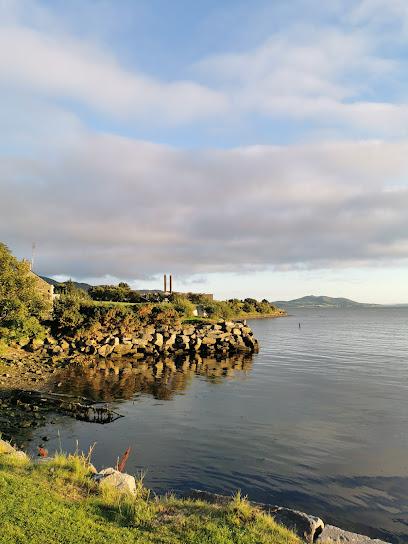
Amazing Grace Viewing Point
18.2 km
Where a storm‑tossed sailor found grace and penned one of the world’s most beloved hymns, overlooking the waters of Lough Swilly in Buncrana.
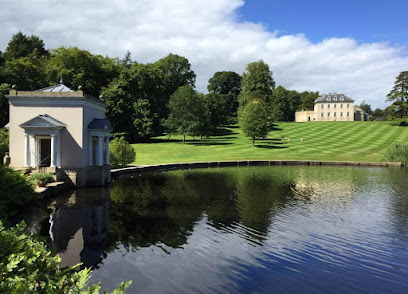
Oakfield Park
20.9 km
Experience the serene beauty of Oakfield Park in Donegal, a stunning garden retreat perfect for nature lovers and families seeking tranquility.
Unmissable attractions to see

Foyleside Shopping Centre
0.1 km
Derry’s premier shopping destination with over 50 stores, family amenities, and stunning riverside dining in the heart of the walled city.
Derry Girls Mural
0.1 km
Celebrate the spirit of Derry with the vibrant, award-winning Derry Girls Mural—an iconic tribute to laughter, history, and local pride.
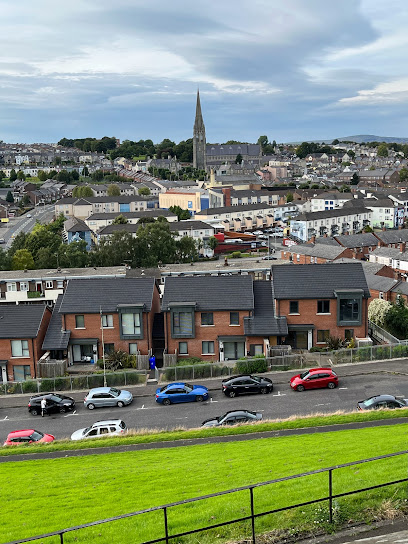
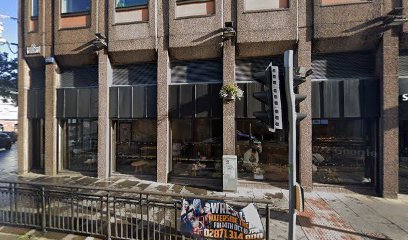
Belong Londonderry / Derry
0.1 km
Next-generation gaming arena where competitive play meets community connection in Derry's premier shopping destination.
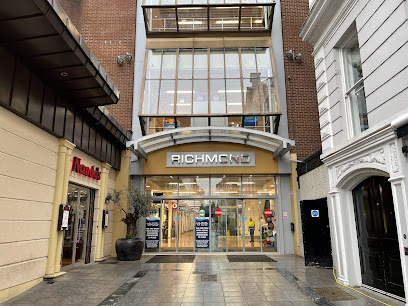
Richmond Shopping Centre
0.1 km
Derry’s main indoor shopping hub, with big brands, cafés, and family events in the heart of the city.
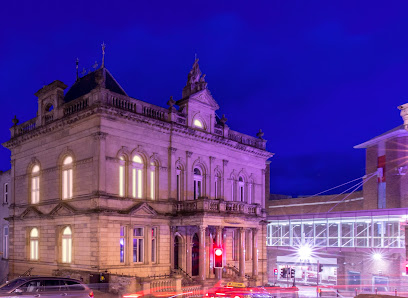
St Columb's Hall
0.1 km
Historic Londonderry concert hall blending rich cultural heritage with vibrant contemporary arts in a stunning Baroque-inspired setting.
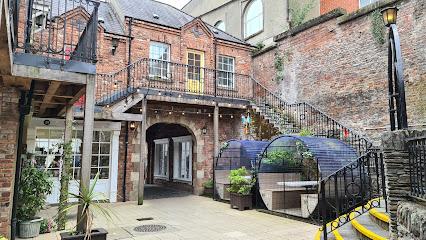
Craft Village
0.2 km
Discover Derry’s historic Craft Village, a vibrant hub of artisan shops, cafes, and cultural events set in a charming 18th-century inspired streetscape.
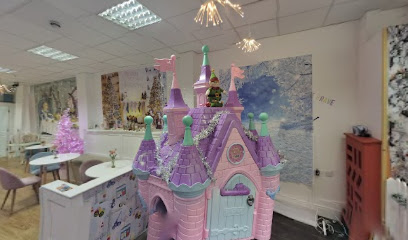
Le Petit Village
0.2 km
A charming, imaginative children’s play café in Londonderry’s city centre, perfect for infants and toddlers to explore and create.
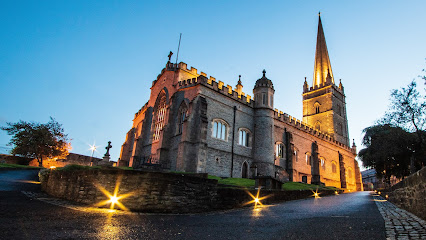
St Columb's Cathedral
0.2 km
Derry’s oldest building and first post-Reformation cathedral, where history, silver, and song echo through centuries within the city walls.
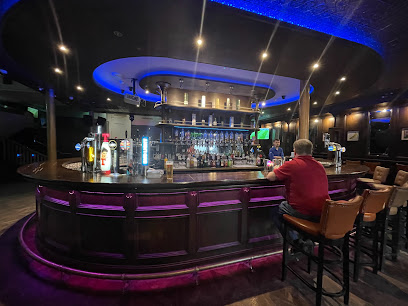
Metro Bar
0.2 km
Londonderry’s welcoming pub with lively music, friendly vibes, and a great selection of drinks and food in the city center.
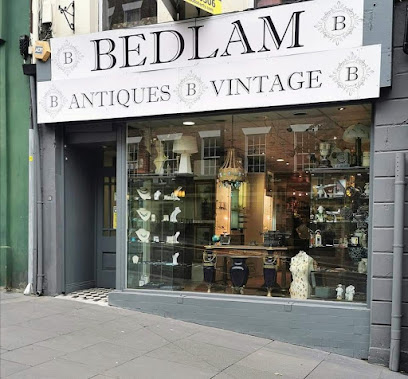
Bedlam
0.2 km
Discover Londonderry’s Bedlam: antiques, art, and a captivating mini museum all in one unique cultural destination.
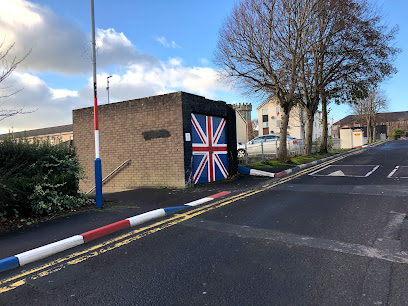
Fountain Murals
0.2 km
Loyalist street art narrating unionist identity and perspective on Northern Ireland's complex history
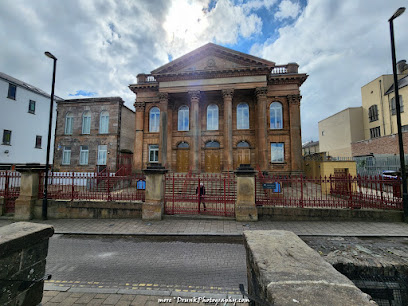
First Derry Presbyterian Church
0.2 km
A historic Presbyterian church in Derry~Londonderry, rooted in the city’s 1690 siege and offering quiet reflection in a central urban setting.
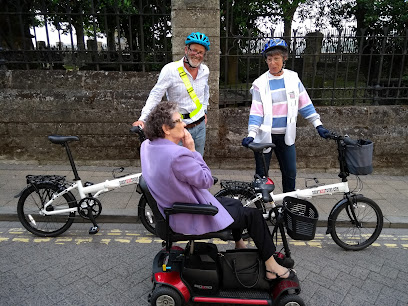
Derry Bike Tours
0.2 km
Guided bike tours revealing Derry's historic walls, vibrant neighborhoods, and scenic landscapes through local expertise.
The Yellow Yard
0.2 km
Discover Londonderry’s vibrant vintage market blending unique finds, local art, and a lively atmosphere on Palace Street.
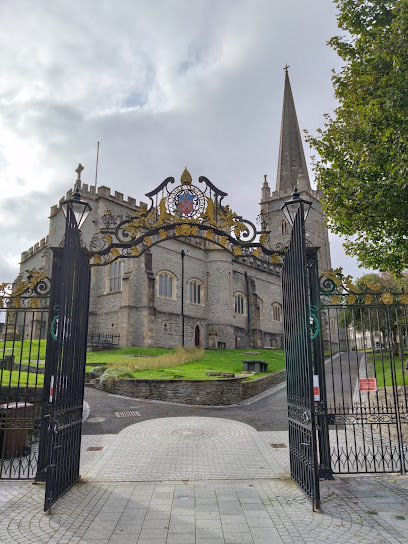
The Siege Museum
0.3 km
Explore the dramatic 1689 Siege of Derry through immersive exhibits and heritage rooms honoring the city’s enduring legacy.
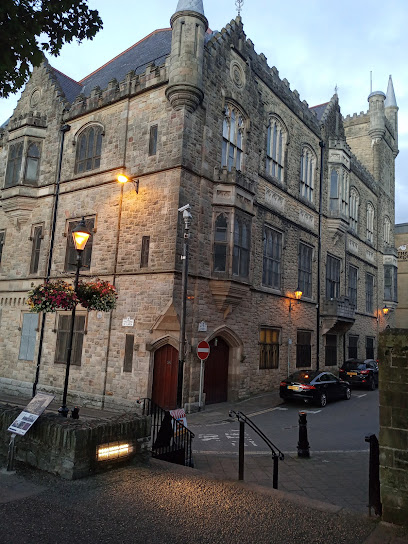
Essential places to dine

The Bentley Bar
0.0 km
Savor delicious grilled dishes at The Bentley Bar - where flavor meets atmosphere in Londonderry.
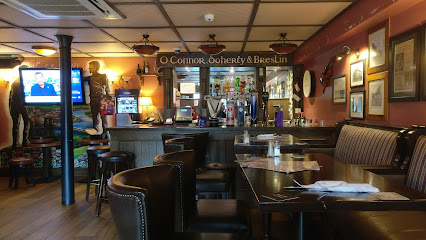
Fitzroy's
0.0 km
Theatrical bistro in Londonderry's city centre with inclusive cuisine and thoughtful service.
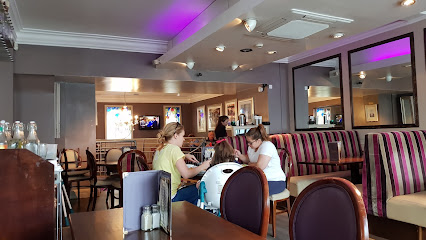
Badgers Bar and Restaurant
0.1 km
Lively and welcoming pub-restaurant in the heart of Londonderry, famed for local flavors and the iconic Derry Girls mural.
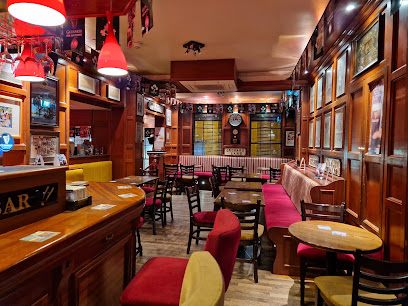
Jamm
0.1 km
Cozy café offering fresh wraps, vegan delights, and great tea in the historic heart of Londonderry.
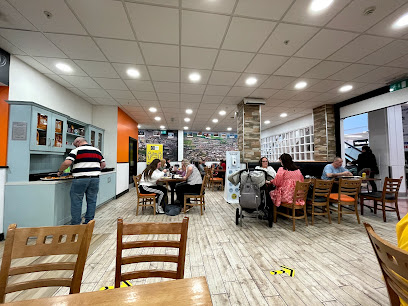
Shipquay Restaurant
0.2 km
Refined Irish dining in a historic boutique hotel overlooking Derry’s iconic City Walls and Guildhall.
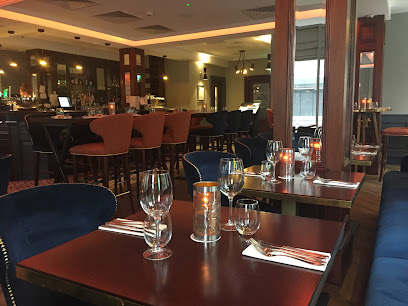
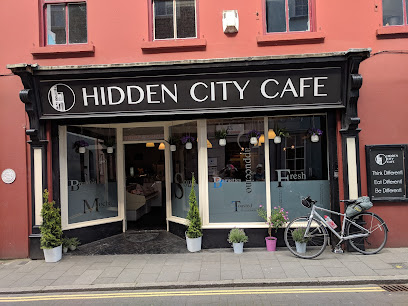
Hidden City Cafe
0.2 km
Ethical family café in Londonderry offering creative, plant-based cuisine with local ingredients and a vibrant, relaxed atmosphere.
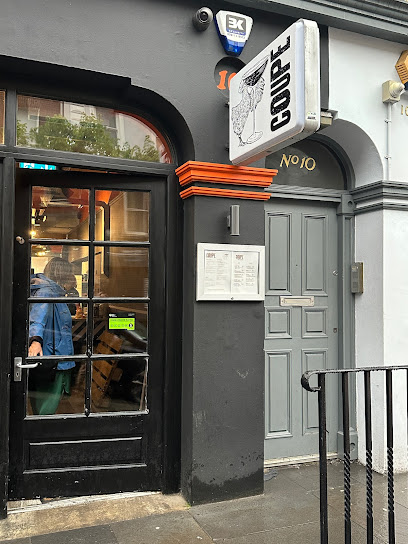
COUPE by The Dirty Souls - Smokehouse/BBQ
0.2 km
Authentic Texas-style BBQ in the heart of Londonderry, serving smoked meats, bold sauces, and craft drinks in a vibrant smokehouse setting.
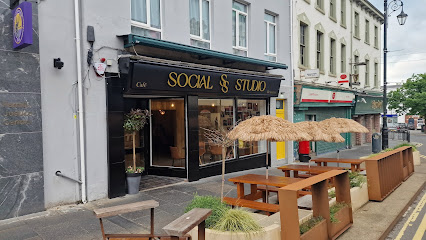
Social Studio Restaurant
0.2 km
Experience innovative cuisine and crafted cocktails in a stylish, welcoming setting at Social Studio Restaurant, Londonderry’s culinary gem.
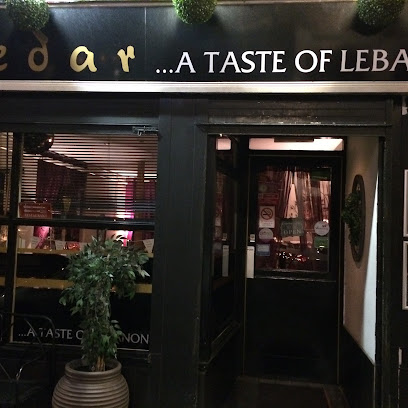
Cedar Restaurant
0.2 km
Experience authentic Lebanese cuisine in a warm, intimate setting with friendly service at Cedar Restaurant in Londonderry.
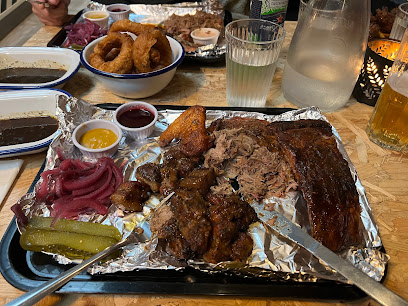
The Dirty Souls
0.2 km
Savor authentic Southern BBQ and soulful flavors with expertly smoked meats and creative cocktails in the heart of Londonderry.
The Gown Restaurant
0.2 km
Experience refined Irish cuisine in a historic setting with seasonally inspired dishes crafted from the freshest local ingredients in Derry’s Cathedral Quarter.
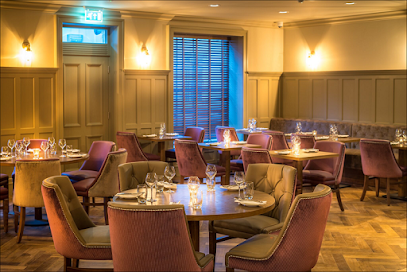
La Sosta Restaurant
0.2 km
Elegant modern Italian dining in Londonderry with authentic flavors, warm hospitality, and an extensive wine selection.
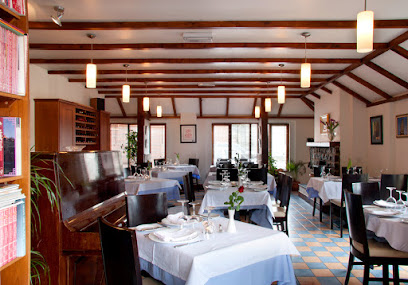
Mekong
0.2 km
Experience vibrant Vietnamese fusion cuisine with fresh flavors and friendly service in the heart of Londonderry’s cultural district.
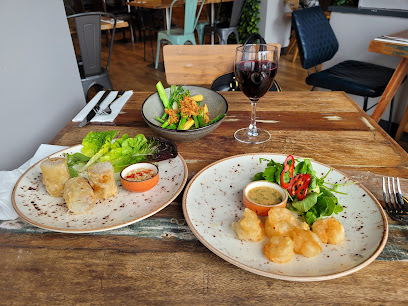
River Inn
0.2 km
Derry’s oldest bar since 1684, The River Inn blends historic charm with lively entertainment and warm hospitality on Shipquay Street.
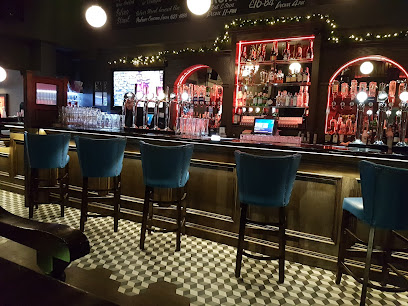
Castle Street Social
0.2 km
A lively social restaurant in Derry serving innovative local dishes, vegan and gluten-free options, with a vibrant bar and welcoming atmosphere.
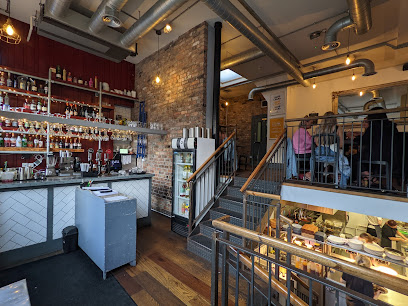
Markets, malls and hidden boutiques

Just Feckin Gifts
0.0 km
Discover quirky gifts and local charm at Just Feckin Gifts, Londonderry’s vibrant boutique for unique treasures and souvenirs.
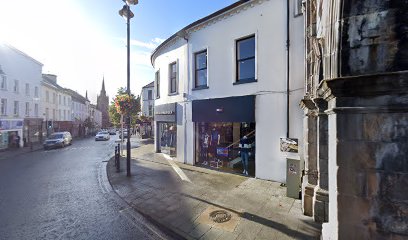
Kular Fashion
0.0 km
Derry’s trusted family-run boutique for premium men’s designerwear, footwear, and accessories since 1977.
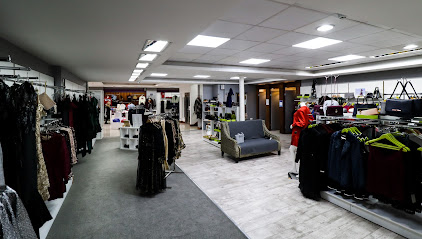
Primark
0.1 km
Affordable fashion meets historic charm at Primark in Londonderry’s Former Rialto Theatre on Newmarket Street.
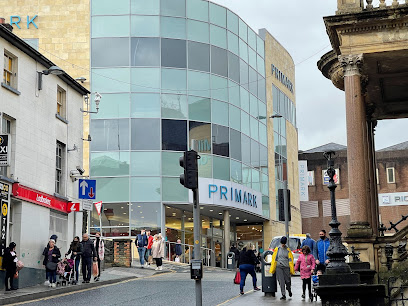
Bonmarché
0.1 km
Affordable, stylish ladies' clothing in the heart of Londonderry’s Richmond Centre, blending comfort with fashion for every occasion.

Vintage Star
0.1 km
Discover timeless style and authentic vintage fashion at Vintage Star, Londonderry’s beloved retro clothing boutique on Pump Street.
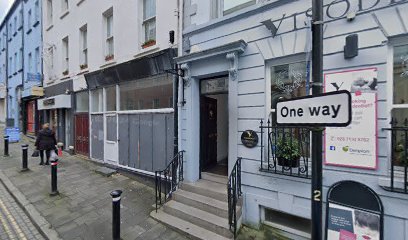
Gimme Goodies
0.1 km
Discover delightful chocolates and gifts at Gimme Goodies, a sweet shop gem in Londonderry’s Richmond Shopping Centre.
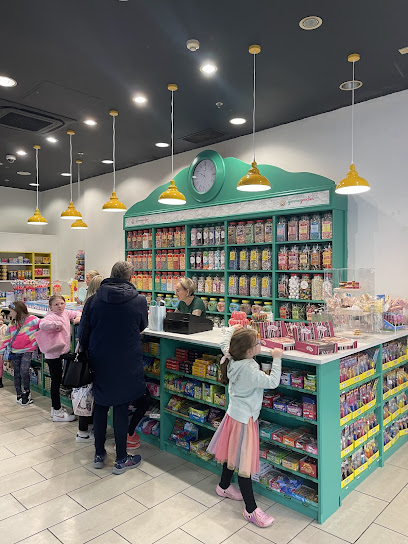
Walled City Gifts & Coffee
0.1 km
Discover unique souvenirs and enjoy delightful coffee at Walled City Gifts & Coffee in Londonderry, a perfect stop for tourists.
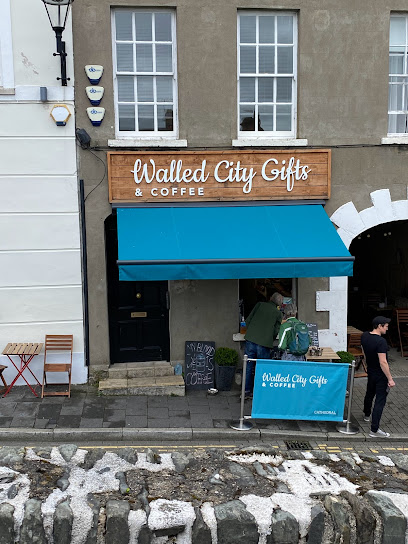
River Island
0.1 km
Trendy, accessible fashion for all ages in the heart of Londonderry’s bustling Foyleside Shopping Centre.
Mermaid Cove
0.1 km
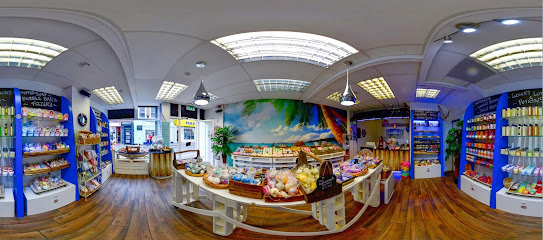
Discover handcrafted bath bombs, natural cosmetics, and exclusive home fragrances at Mermaid Cove in historic Derry’s Richmond Centre.
Monsoon & Accessorize
0.1 km
Discover stylish ladies' fashion and unique accessories at Monsoon & Accessorize, nestled in Londonderry’s vibrant Foyleside Shopping Centre.
Next
0.1 km
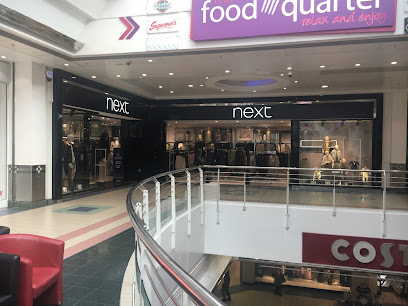
Next at Foyleside offers stylish fashion and homeware in Londonderry’s premier shopping centre with excellent amenities and a lively atmosphere.
City Souvenirs
0.1 km
Discover unique gifts and local crafts at City Souvenirs, the heart of Londonderry's vibrant shopping scene.
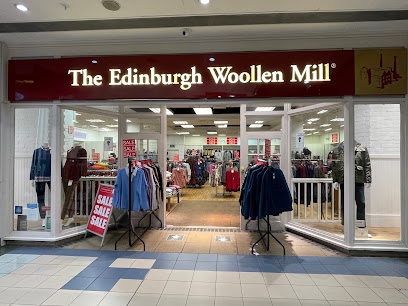
Edinburgh Woollen Mill
0.1 km
Classic British knitwear and woollens with a rich heritage, offering timeless style and quality in Londonderry’s Orchard Street.
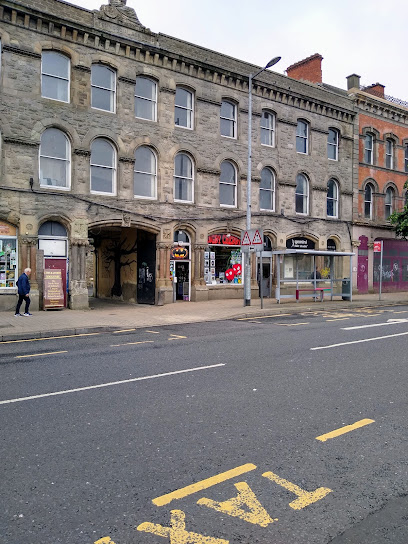
Angry Cherry
0.1 km
Londonderry's premier pop culture destination for comics, gaming, anime, and entertainment collectibles since 2013.
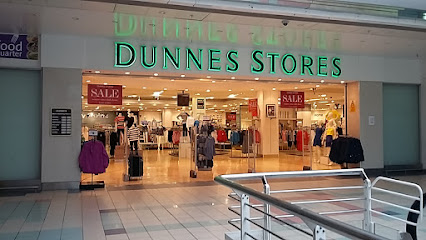
Dunnes Stores
0.1 km
Discover quality fashion and stylish homeware at Dunnes Stores, a trusted Irish retail icon in Londonderry’s vibrant Foyleside Shopping Centre.
Essential bars & hidden hideouts

The Thirsty Goat Derry
0.2 km
A lively bar and beer garden in Londonderry offering traditional Irish fare, craft beers, and live music seven nights a week.
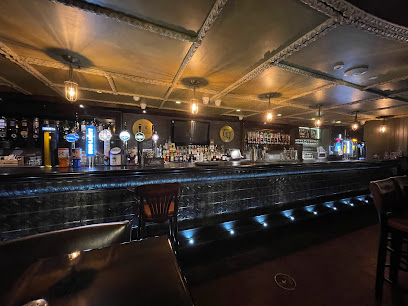
Porter's Bar
0.2 km
Experience authentic Irish hospitality and local craft beers in the cozy, lively heart of Londonderry at Porter's Bar.
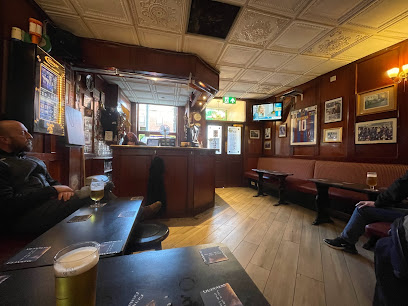
Masons Bar
0.2 km
Experience authentic local charm and warm hospitality at Masons Bar, a cozy and affordable retreat in the heart of Londonderry.
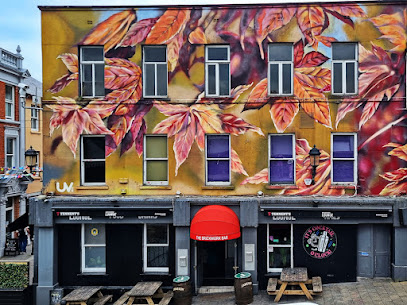
Blackbird
0.2 km
Blackbird is a lively Londonderry pub offering fine brews, a welcoming atmosphere, and a growing kitchen menu from midday to late night.
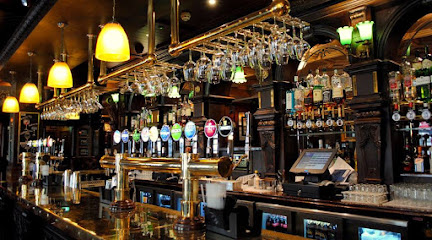
Sandinos
0.2 km
Experience Londonderry’s dynamic live music and vibrant social scene at Sandinos, a beloved bar and café on historic Water Street.
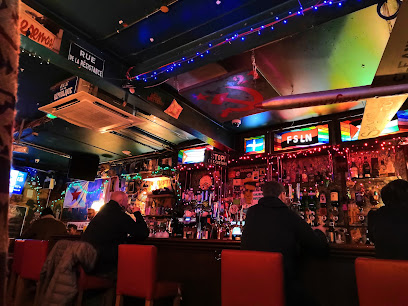
Silver Street Derry
0.2 km
Historic charm and lively modern lounge vibes converge at Silver Street Derry, part of the iconic River Inn since 1684.
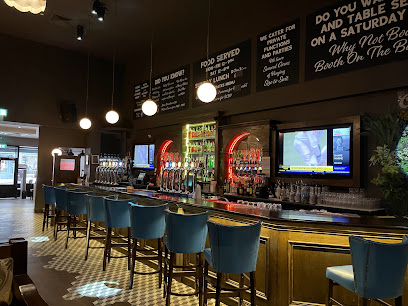
Lizzie O'Farrell's
0.3 km
Experience the lively spirit of Londonderry at Lizzie O'Farrell's, a warm pub blending traditional Irish charm with vibrant live music and local brews.
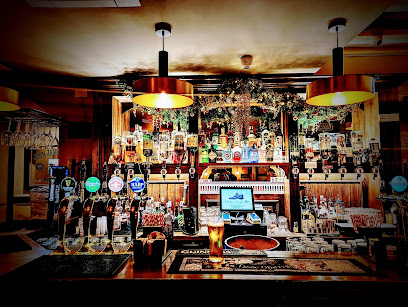
Dungloe Bar
0.3 km
Historic Irish pub since 1892, offering live music, hearty food, and a warm atmosphere in the heart of Londonderry’s Waterloo Street.
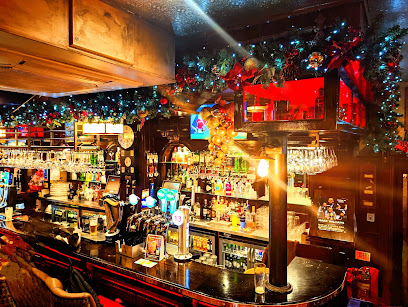
Nacional de Cuba
0.4 km
A vibrant and welcoming cocktail bar in Londonderry, famed for its lively karaoke nights, eclectic music, and expertly crafted drinks.
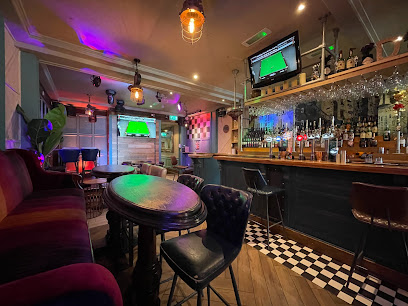
Abercorn Bar & Off Sales
0.5 km
Cozy and affordable local pub in Londonderry with a friendly vibe, live sports, and off-sales convenience.
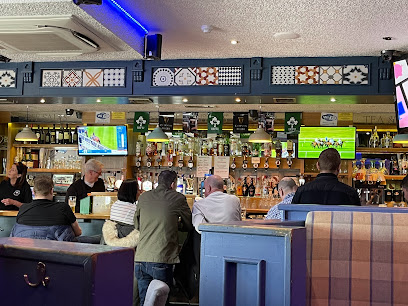
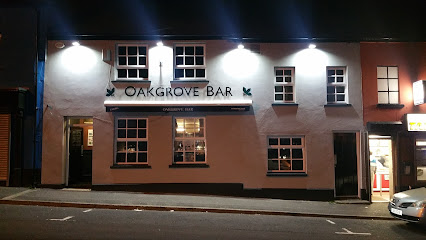
Oakgrove Bar
0.5 km
Experience authentic Irish hospitality, lively entertainment, and a cozy atmosphere at Oakgrove Bar in the heart of Londonderry.
Grand Central Bar
0.5 km
A lively and affordable local pub on Strand Road, Grand Central Bar offers a warm atmosphere and friendly service in the heart of Londonderry.
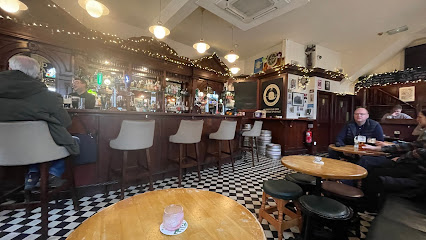
Jack's Bar
0.5 km
Experience authentic Northern Irish hospitality and hearty pub fare in the cozy and lively Jack's Bar at Londonderry's Little James Street.
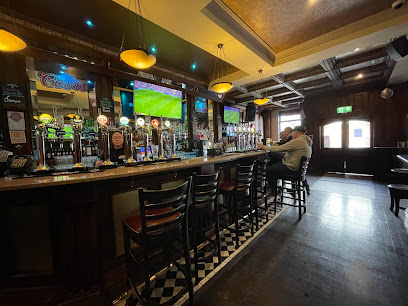
The Trinity Bar
0.5 km
A lively Londonderry bar blending traditional Irish charm with unique decor, great drinks, and hearty local fare in a welcoming atmosphere.
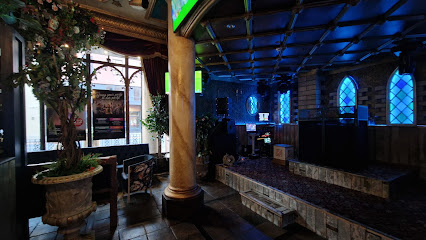
Tinney's Bar & The Shirt Factory
0.6 km
Historic family-owned Irish pub in Londonderry famed for legendary Guinness, lively local atmosphere, and shirt factory heritage.
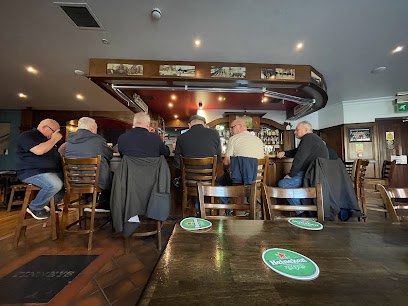
Nightclubs & after hour spots

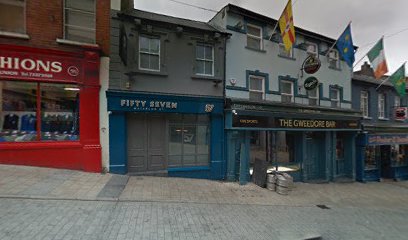
FIFTY SEVEN Waterloo St
0.3 km
Experience Londonderry’s vibrant nightlife at Fifty Seven Waterloo St, a chic nightclub pulsing with classic DJ beats and lively energy.
Ibiza Orchestra Live
0.7 km
Experience the electrifying fusion of live orchestral music and iconic Ibiza dance beats in Londonderry’s vibrant nightlife hotspot.

izudoo Derry Pub & Night Club Guide
1.3 km
Experience Londonderry’s vibrant nightlife at izudoo — a lively pub and nightclub with great music, drinks, and unforgettable nights out.
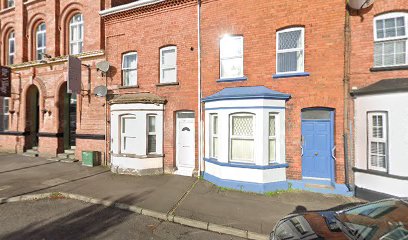
Carrolls
19.2 km
Discover the vibrant nightlife at Carrolls in Buncrana, Co. Donegal, where exceptional drinks and music create unforgettable memories.

XOX Strabane
20.8 km
Experience the vibrant nightlife of Strabane at XOX, the town’s premier nightclub for late-night music, dancing, and social energy.
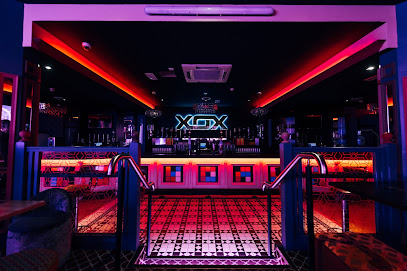
Bailey Redcastle Nite Club
22.2 km
Discover the heart of Co. Donegal's nightlife at Bailey Redcastle Nite Club, where great music and vibrant energy await your arrival.
PULSE VENUE
26.6 km
Experience the vibrant nightlife at PULSE VENUE, Letterkenny's premier night club offering live music and unforgettable dance parties.
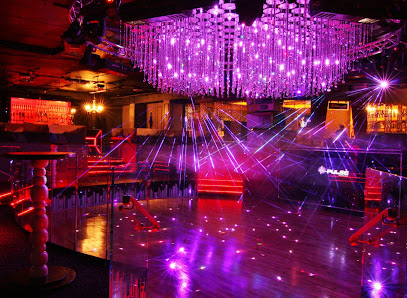
Fifth Avenue Letterkenny
26.8 km
Dive into the heart of Letterkenny's nightlife at Fifth Avenue, where vibrant music and lively dance floors create unforgettable moments.
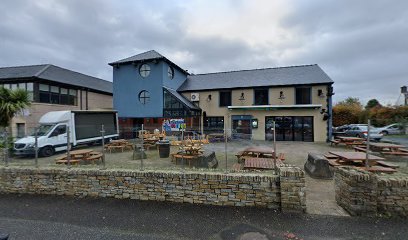
Voodoo Venue
27.2 km
Experience the electric nightlife of Letterkenny at Voodoo Venue, where cocktails, live music, and vibrant energy await every visitor.
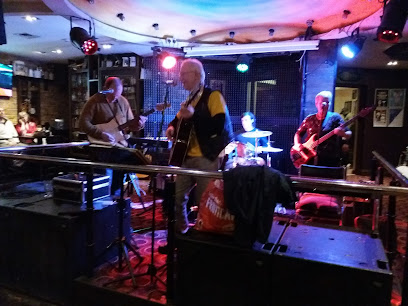
Halyon Club
28.0 km
Discover the vibrant nightlife of Halyon Club in Ballynally, Co. Donegal, where music, dance, and fun come together for an unforgettable experience.
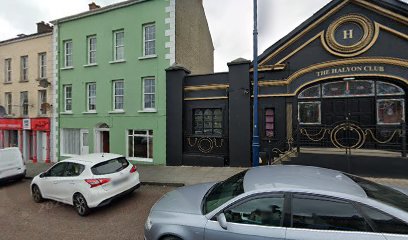
Tul Na Ri
28.7 km
Experience the vibrant nightlife of Co. Donegal at Tul Na Ri, where great music, dancing, and a friendly atmosphere await.
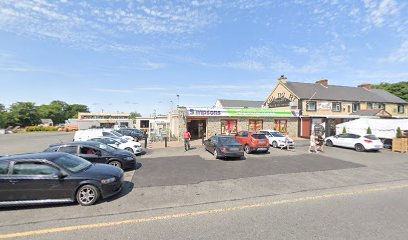
Empire Club
39.6 km
Discover the vibrant nightlife of Donegal at Empire Club, where great music and unforgettable experiences await you in a lively atmosphere.
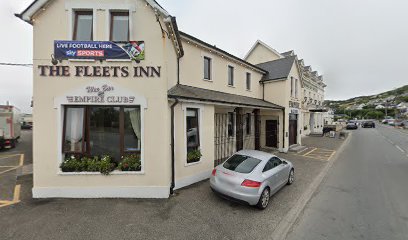
The Vault Nightclub
43.9 km
Discover the vibrant nightlife at The Vault Nightclub in Omagh, where music, dancing, and fun come together for an unforgettable experience.

Tiger Lillys
44.0 km
Omagh’s vibrant jungle-themed nightclub offering fresh cocktails and lively nights exclusively for the 18+ crowd.
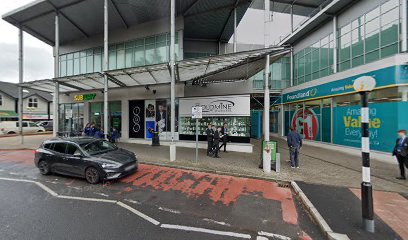
The Legends Lounge
47.9 km
Experience the vibrant atmosphere of The Legends Lounge in Portrush, a perfect bar for enjoying drinks and local culture.
For the vibe & atmosphere seeker
- Historic
- Scenic
- Unique
- Relaxing
For the design and aesthetic lover
- Rustic Designs
- Vintage Styles
For the architecture buff
- Historic
- Landmarks
- Heritage Neighborhoods
For the view chaser and sunset hunter
- Iconic Views
- Waterfront
For the social media creator & influencer
- Photo Spots
- Architectural Shots
For the eco-conscious traveler
- Public-Transport Accessible
For the kind of experience you’re after
- Cultural Heritage
- Photowalk
- Mindfulness
For how adventurous you want the journey to be
- Easy Access
Location Audience
- Family Friendly
- Senior Friendly
- Child Friendly
- Teen Friendly
- Solo Friendly
- Couple Friendly
- Solo Female Friendly
- Business Friendly


