

Magazine Gate on Derry City Walls
Explore Magazine Gate, the newest historic entrance to Derry’s iconic walled city, offering riverfront access and rich 19th-century heritage.
Magazine Gate, built in 1865, is the newest of the historic gates on Derry's iconic city walls. It provides direct access to the riverfront and features restored 17th-century cannons mounted on replica carriages. Part of the only completely walled city in Ireland, Magazine Gate is a key element of Derry’s rich defensive heritage, offering visitors a glimpse into the city’s strategic past and its architectural evolution during the 19th century.
A brief summary to Magazine Gate Derry City Walls
- 6AF, Guildhall St, Londonderry, GB
- Duration: 0.5 to 1.5 hours
- Free
-
 Outdoor
- Mobile reception: 4 out of 5
Local tips
- Visit the gate early in the day to enjoy peaceful views from the city walls without crowds.
- Combine your visit with a walk along the entire Derry city walls to fully appreciate the fortifications.
- Look closely at the restored cannons near the gate for fascinating details like the Tudor rose emblem.
- Nearby Guildhall offers additional historical context and architectural beauty worth exploring.

For the on-the-go comforts that matter to you
- Information Boards
- Seating Areas
- Trash Bins
Getting There
-
Bus
Take the Ulsterbus services to the city centre from nearby towns; from the main bus station, Magazine Gate is a 10-15 minute walk. Bus fares typically range from £2 to £5 depending on departure point. Service frequency is regular during daytime hours but less frequent in evenings and Sundays.
-
Train
Arrive at Londonderry railway station, approximately 3 km from Magazine Gate. From the station, a taxi ride takes about 10 minutes with fares around £6-£10. Limited direct public transport links from the station to the city walls mean taxi or walking are preferred.
-
Taxi
Local taxis provide direct access to Magazine Gate from anywhere in the city, with typical fares under £10. Taxi services operate 24/7, offering convenient transport especially for visitors with limited mobility.
-
Walking
If staying in central Londonderry, walking to Magazine Gate is straightforward on paved paths and takes approximately 10-20 minutes depending on your starting point. The terrain is mostly flat and accessible.
Magazine Gate Derry City Walls location weather suitability
-
 Any Weather
-
 Rain / Wet Weather
-
 Clear Skies
-
 Mild Temperatures
-
 Windy Conditions
Discover more about Magazine Gate Derry City Walls
Historical Context and Construction
Magazine Gate was constructed in 1865 as the most recent addition to the historic walls of Derry, which date back to the early 17th century. Unlike the four original gates—Ferryquay, Shipquay, Butcher, and Bishop’s Gates—Magazine Gate was built to provide additional access to the riverfront, reflecting the evolving needs of the city during the Victorian era. The gate was part of a broader effort to enhance the city’s defenses and improve connectivity to the River Foyle, a vital trade and transport route.The walls themselves were originally built between 1613 and 1619 by the Honourable The Irish Society to protect the settlers from England and Scotland during the Plantation of Ulster. Magazine Gate complements this historic fortification, which remains one of the finest examples of walled cities in Europe and is the only completely intact city wall in Ireland.
Architectural Features and Design
Magazine Gate is constructed from rubble stone with ashlar sandstone dressings, giving it a robust yet refined appearance. The gate features a single segmental-arched opening, characteristic of mid-19th century design. On either side of the gate, steps lead up to the city walls, inviting visitors to explore the ramparts.Mounted near the gate are restored cannons on replica mid-17th-century block carriages, some bearing the Tudor rose-and-crown emblem and dating back to 1590. These cannons symbolize the city’s military history and its resilience, particularly during the Siege of Derry in 1689.
Role in Derry’s Defensive Network
Magazine Gate played a strategic role by providing additional riverfront access, supplementing the original gates that controlled entry to the city. Its construction came at a time when the city was expanding and required improved infrastructure to support commerce and defense.The gate is part of the extensive city walls, which have never been breached in their history, earning Derry the nickname “The Maiden City.” The walls enclose a Renaissance-style street plan and several key landmarks, making them a vital cultural and historical asset.
Visitor Experience and Surroundings
Today, Magazine Gate offers visitors a tangible connection to Derry’s rich past. The steps beside the gate allow access to the city walls, where panoramic views of the River Foyle and the historic cityscape can be enjoyed.The gate’s location near Guildhall Street situates it close to other prominent attractions such as the Guildhall itself, enhancing its appeal as part of a broader historical exploration of the city. The presence of the restored cannons adds a dramatic visual element that brings the city’s military heritage to life.
Significance Within Derry’s Heritage
Magazine Gate embodies the evolution of Derry’s fortifications from the early 17th century through to the Victorian period. It highlights the city’s ongoing strategic importance and its adaptation through centuries of political and social change.As part of the city walls, Magazine Gate contributes to Derry’s status as one of Europe’s best-preserved walled cities, offering insight into the defensive architecture and urban planning of the Plantation era and beyond.
Preservation and Cultural Importance
The gate and the adjoining sections of the walls have been carefully preserved and restored, including the cannons and stonework, to maintain their historical integrity. This preservation effort supports Derry’s cultural tourism and educates visitors about the city’s unique story of resilience and identity.Magazine Gate stands as a testament to Derry’s layered history, from its Plantation origins through to its modern heritage status, making it an essential stop for those seeking to understand the city’s past and its enduring legacy.
Iconic landmarks you can’t miss

Magazine Gate Derry City Walls
0.0 km
Explore Magazine Gate, the newest historic entrance to Derry’s iconic walled city, offering riverfront access and rich 19th-century heritage.
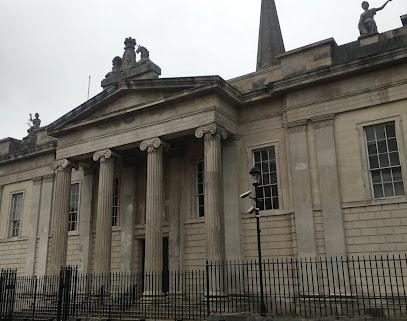
Bogside History Tours
0.1 km
Discover Londonderry's captivating history with Bogside History Tours, where every street tells a story and every mural speaks volumes.
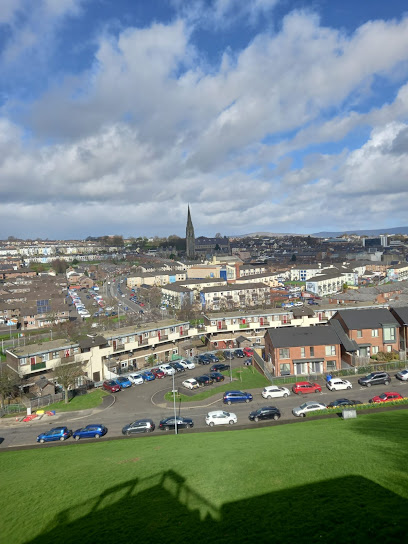
BRICKWORK BAR
0.1 km
Discover the vibrant charm of Brickwork Bar in Londonderry, where local culture and friendly faces create an unforgettable atmosphere.
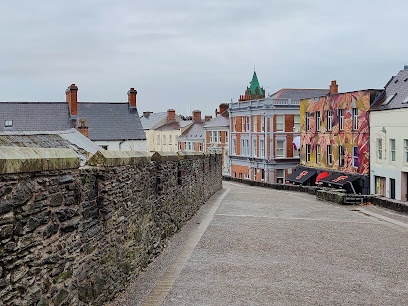
War Memorial
0.2 km
A solemn tribute to the fallen, standing at the heart of Derry's historic walled city since 1927.
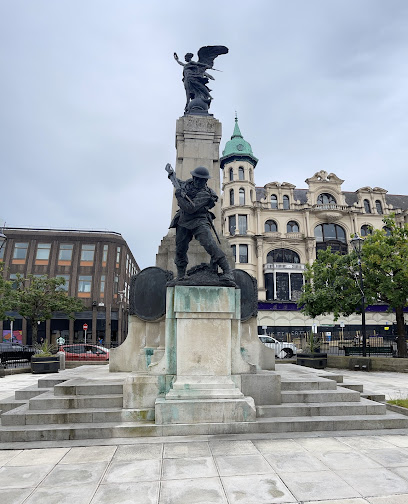
Ferryquay Gate Derry City Walls
0.3 km
Step through the gate that started the Siege of Derry and walk the ramparts of one of Europe’s finest walled cities.
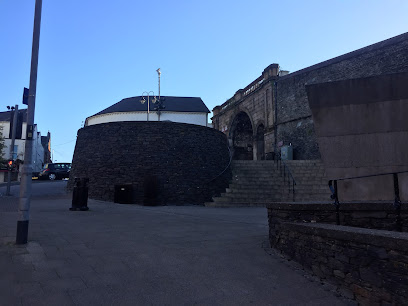
City Walking Tours
0.4 km
Discover the captivating history and vibrant culture of Londonderry with engaging guided walking tours exploring iconic landmarks and hidden gems.
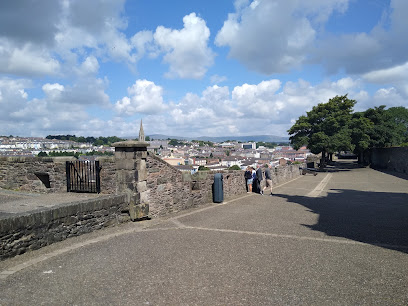
Double Bastion
0.5 km
Historic fortress bastion on Derry’s city walls, home to the legendary Roaring Meg cannon and panoramic views over the Bogside.
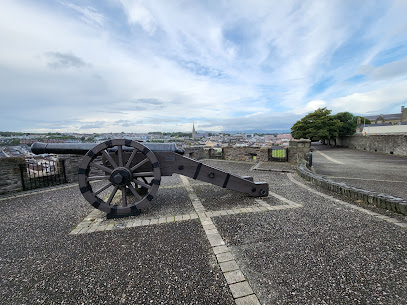
The Clock Tower
0.6 km
Historic Clock Tower at Ebrington Square, a timeless symbol of Londonderry’s military heritage and vibrant city life.
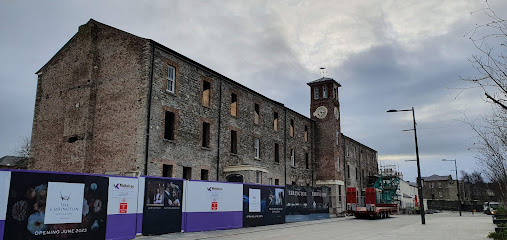
Haslett Monumental Sculptors
0.7 km
Explore the artistry and heritage of memorial craftsmanship at Haslett Monumental Sculptors in Londonderry, where memories are beautifully carved in stone.
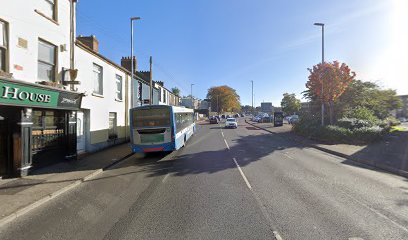
Cornerstone City Church
0.8 km
A vibrant community in Londonderry offering worship, outreach, and hope through faith and compassionate service.

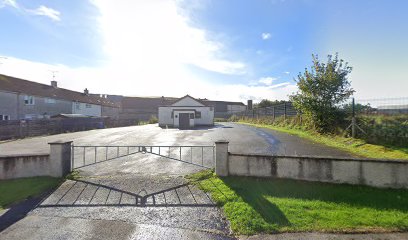
Lapwing Way Gospel Hall
1.1 km
A welcoming evangelical chapel offering spiritual reflection and community fellowship in Londonderry.
Things To Do
3.0 km
Explore the vibrant history and stunning landscapes of Londonderry with unforgettable tours that bring the city's rich culture to life.
Wild Ireland
6.1 km
Explore Wild Ireland, where you can encounter native wildlife in stunning natural surroundings, perfect for families and nature lovers alike.

Amazing Grace Viewing Point
17.9 km
Where a storm‑tossed sailor found grace and penned one of the world’s most beloved hymns, overlooking the waters of Lough Swilly in Buncrana.
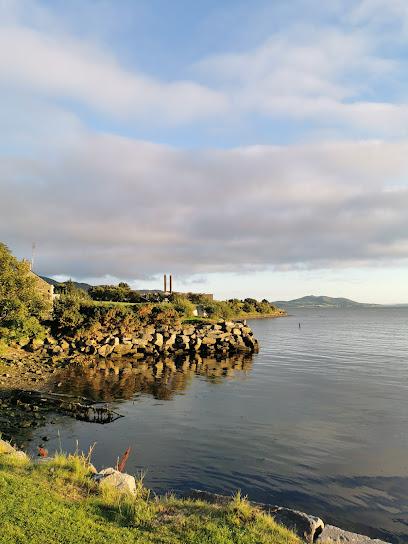
Oakfield Park
21.1 km
Experience the serene beauty of Oakfield Park in Donegal, a stunning garden retreat perfect for nature lovers and families seeking tranquility.
Unmissable attractions to see

Visit Derry
0.0 km
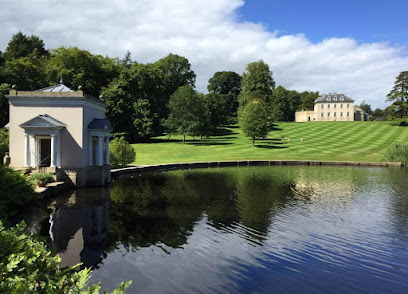
Your welcoming gateway to Derry’s history, culture, and tours, offering expert advice and interactive experiences in the heart of the Walled City.
Derrie Danders Walking and Audio Tours
0.0 km
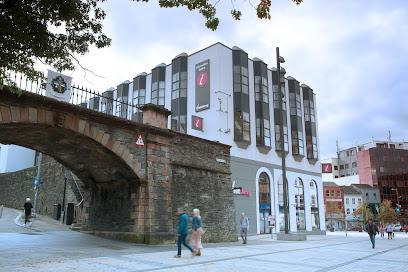
Discover Londonderry’s rich history and culture through engaging, historically accurate walking and audio tours led by passionate local guide David Douglas.
Derry Guided Tours
0.0 km
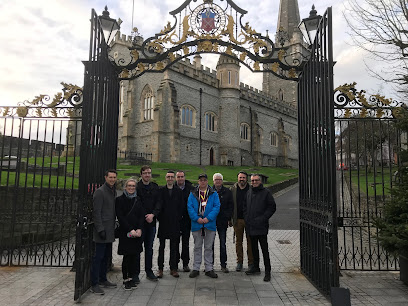
Uncover the captivating history and vibrant culture of Derry with guided tours that bring the city's past to life.
The Bogside Artists
0.0 km
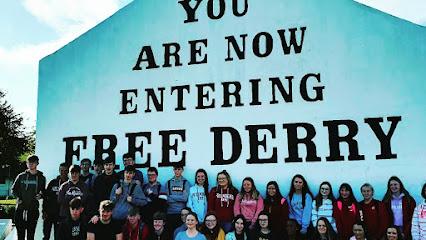
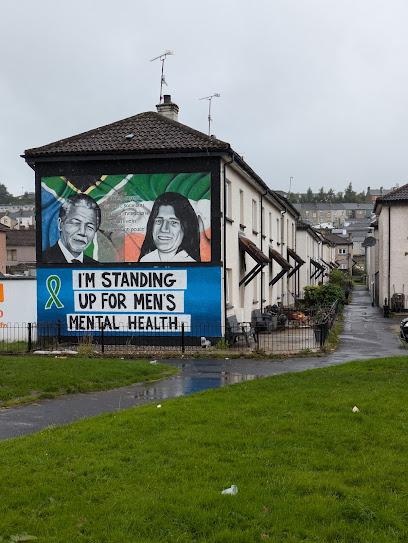
Explore The People's Gallery in Derry, where powerful murals by The Bogside Artists chronicle the heart of Northern Ireland’s Troubles and community resilience.
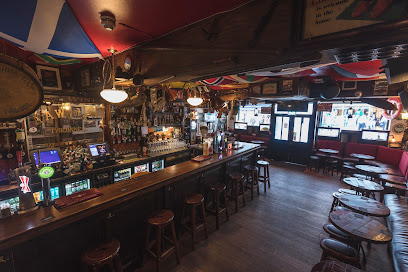
Peadar O'Donnell's
0.1 km
Experience authentic Irish music and warm hospitality in Londonderry’s iconic Peadar O'Donnell's pub, where tradition meets lively nightlife.
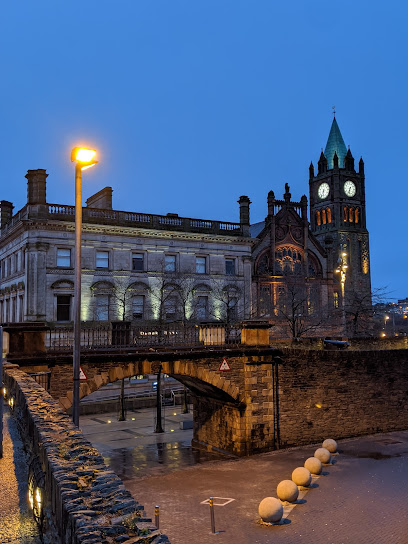
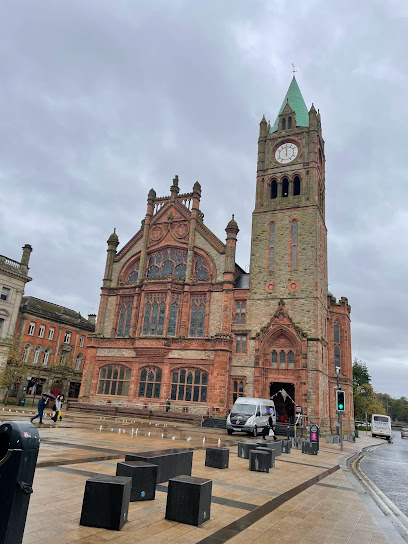
Guildhall
0.1 km
Discover Derry’s iconic neo-Gothic Guildhall, a historic civic and cultural landmark renowned for its stunning stained glass, grand organ, and vibrant events.
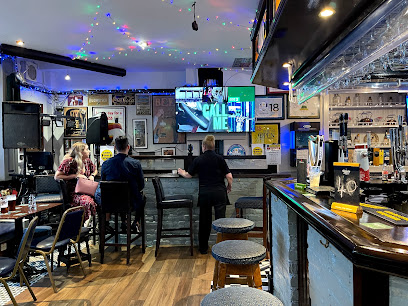
Gainsborough Bar
0.1 km
A friendly, lively pub in Londonderry’s heart, famed for great craic, cold pints, and welcoming local spirit.
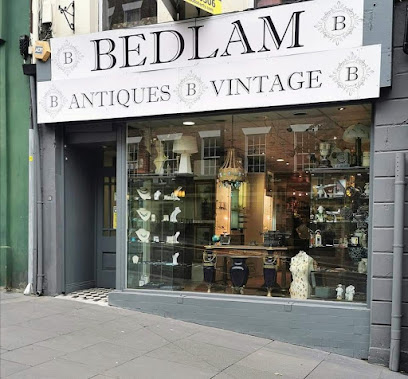
Bedlam
0.1 km
Discover Londonderry’s Bedlam: antiques, art, and a captivating mini museum all in one unique cultural destination.
North West Silent Disco Tours
0.1 km
Dance and discover Londonderry’s vibrant streets with North West Silent Disco Tours, a unique blend of music, culture, and fun.
Metro Bar
0.1 km
Londonderry’s welcoming pub with lively music, friendly vibes, and a great selection of drinks and food in the city center.
Peace Flame
0.1 km
An enduring symbol of peace and unity in Londonderry, ignited by hope and remembrance.
Craft Village
0.2 km
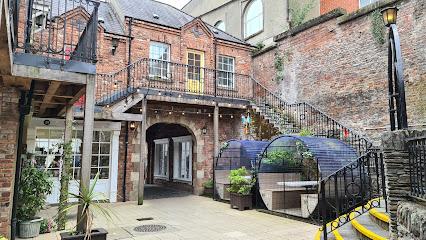
Discover Derry’s historic Craft Village, a vibrant hub of artisan shops, cafes, and cultural events set in a charming 18th-century inspired streetscape.
Richmond Shopping Centre
0.2 km
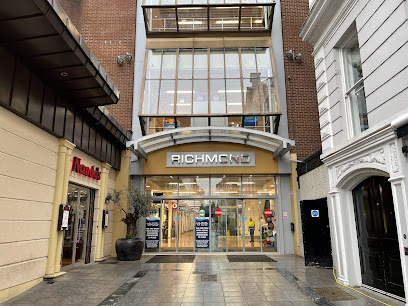
Derry’s main indoor shopping hub, with big brands, cafés, and family events in the heart of the city.
Peoples Gallery
0.2 km
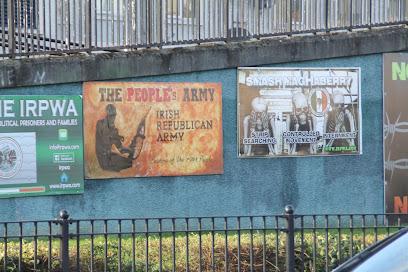
A striking open-air mural gallery in Londonderry commemorating the Northern Ireland Troubles through powerful art by the Bogside Artists.
Belong Londonderry / Derry
0.2 km
Next-generation gaming arena where competitive play meets community connection in Derry's premier shopping destination.
Essential places to dine

The Scullery Cafe
0.1 km
Charming artisan café in Londonderry serving fresh Irish breakfasts, lunches, and homemade treats in a cozy, welcoming atmosphere.
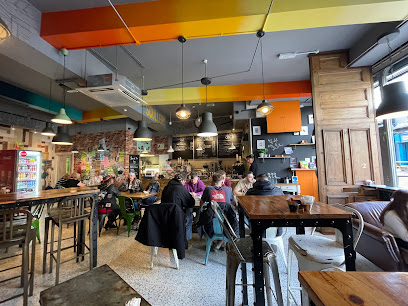
Guildhall Taphouse
0.1 km
Experience the heart of Londonderry's culinary scene at Guildhall Taphouse, where tradition meets innovation in every dish.
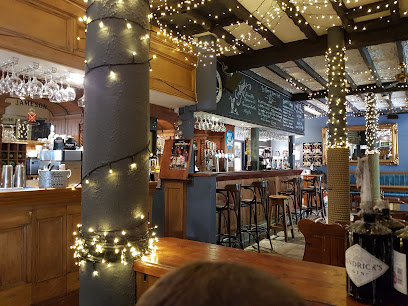
Tracy's Bar
0.1 km
Discover Tracy's Bar in Londonderry – a lively restaurant and bar perfect for enjoying delicious food and drinks in a welcoming atmosphere.
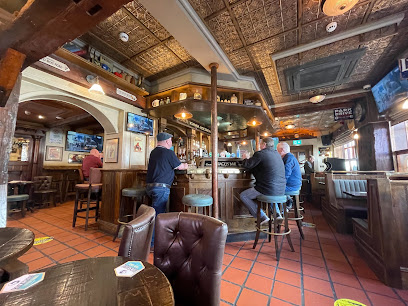
Artis Restaurant By Phelim O' Hagan
0.1 km
Discover exquisite Irish cuisine at Artis Restaurant in Londonderry's Craft Village—where fresh ingredients meet culinary artistry.
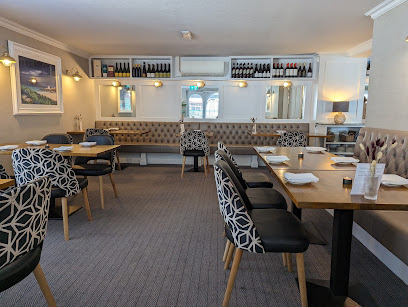
River Inn
0.1 km
Derry’s oldest bar since 1684, The River Inn blends historic charm with lively entertainment and warm hospitality on Shipquay Street.
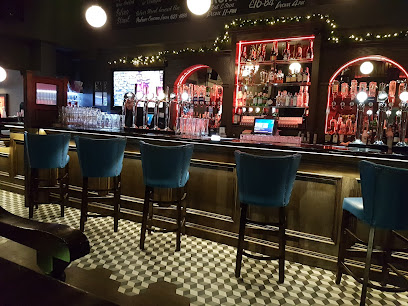
The Exchange
0.1 km
Modern European dining with a welcoming atmosphere on Londonderry’s historic Queens Quay waterfront.
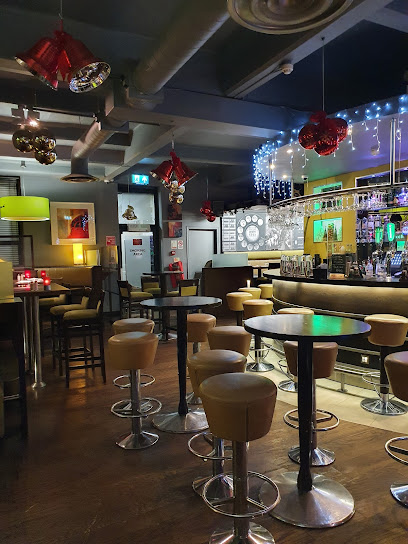
El Tapas Grá
0.1 km
Experience vibrant Catalan-inspired tapas crafted with fresh Irish ingredients in a warm, rustic setting in the heart of Derry.
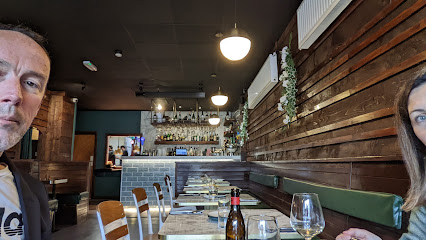
Castle Street Social
0.1 km
A lively social restaurant in Derry serving innovative local dishes, vegan and gluten-free options, with a vibrant bar and welcoming atmosphere.
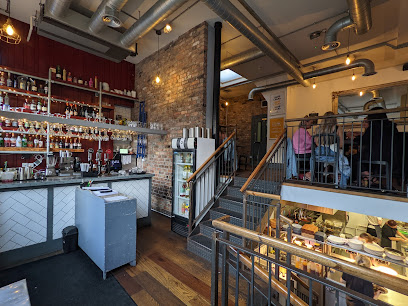
The Dirty Souls
0.1 km
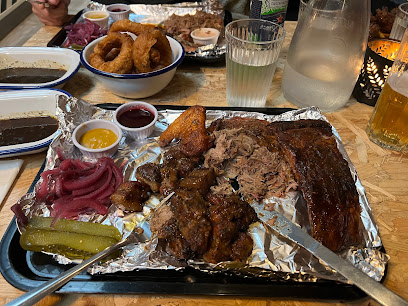
Savor authentic Southern BBQ and soulful flavors with expertly smoked meats and creative cocktails in the heart of Londonderry.
Mekong
0.2 km
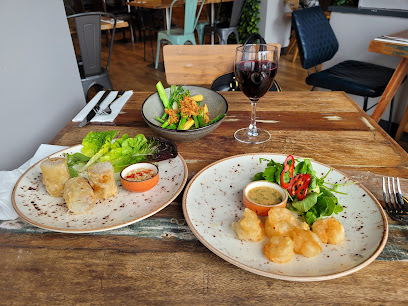
Experience vibrant Vietnamese fusion cuisine with fresh flavors and friendly service in the heart of Londonderry’s cultural district.
Shipquay Restaurant
0.2 km
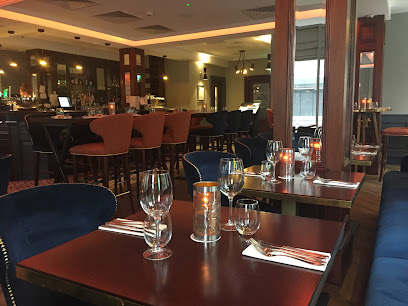
Refined Irish dining in a historic boutique hotel overlooking Derry’s iconic City Walls and Guildhall.
COUPE by The Dirty Souls - Smokehouse/BBQ
0.2 km
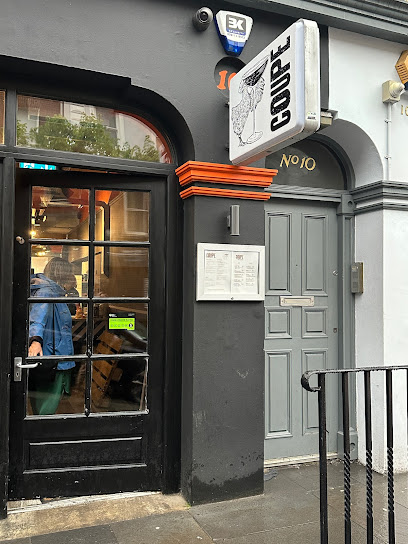
Authentic Texas-style BBQ in the heart of Londonderry, serving smoked meats, bold sauces, and craft drinks in a vibrant smokehouse setting.
Jamm
0.2 km
Cozy café offering fresh wraps, vegan delights, and great tea in the historic heart of Londonderry.
Browns In Town
0.2 km
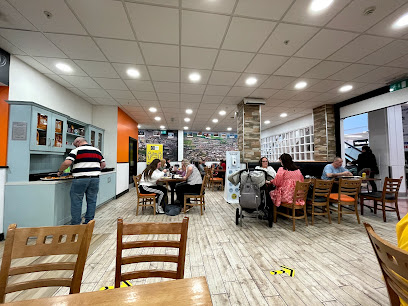
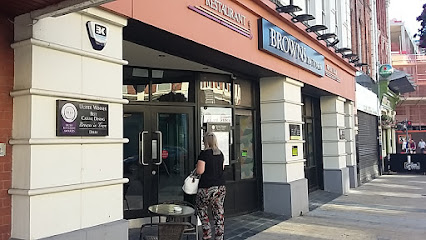
Modern Irish cuisine with a creative twist in a warm, casual setting on Londonderry’s Strand Road.
The Rocking Chair
0.2 km
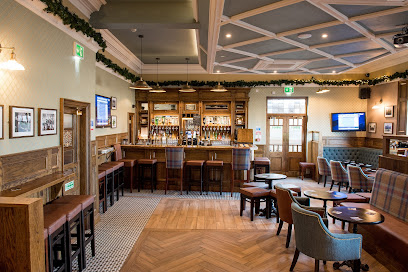
Experience the vibrant atmosphere of The Rocking Chair in Londonderry - where great food meets live music in a charming pub setting.
Markets, malls and hidden boutiques

The Holy Shop
0.1 km
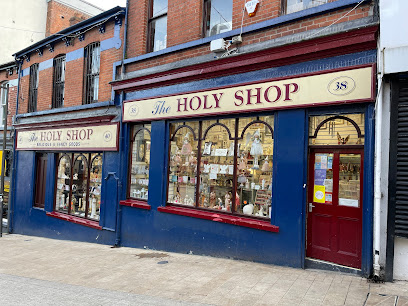
A welcoming sanctuary in Londonderry offering a rich selection of religious goods and spiritual gifts for all faith milestones.
The Gift Box
0.1 km
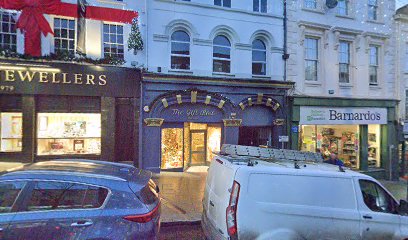
Discover unique, thoughtful gifts in a charming shop with 30 years of history on Derry’s historic Shipquay Street.
The Irish Shop
0.1 km
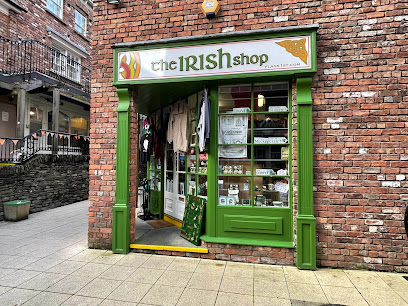
Discover authentic Irish crafts and heritage treasures in the heart of Derry’s charming Craft Village.
Storefront
0.1 km
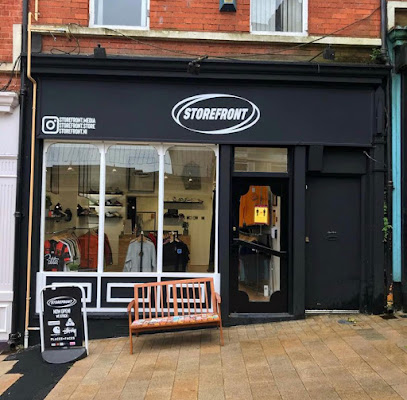
Discover premium Irish-designed clothing and unique styles at Storefront, Londonderry’s independent fashion boutique on Waterloo Street.
The Irish Gift Centre
0.1 km
Authentic Irish crafts and Celtic treasures in the heart of Londonderry’s vibrant cultural scene.
The Sacred Tree
0.1 km
Discover unique artisan gifts and local craftsmanship at The Sacred Tree, nestled in Derry’s historic Craft Village.
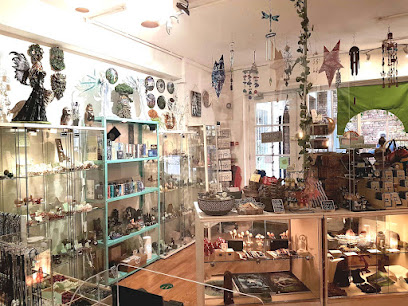
Vine Living Home and Gift Shop
0.1 km
Discover unique gifts and artisan homewares blending Irish tradition and modern style in the heart of Londonderry.

Walled City Crafters
0.1 km
Discover authentic local crafts and handmade treasures in Derry’s charming 18th-century Craft Village.
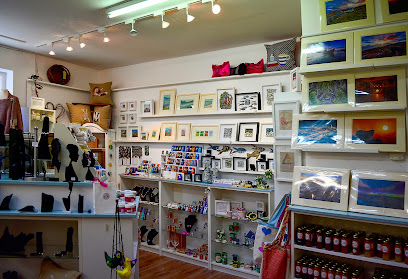
Moments Gift Shop
0.1 km
Explore Moments Gift Shop in Londonderry for unique gifts and local wedding essentials, blending culture with creativity in every purchase.
Number 19 Craft & Design
0.1 km
Discover exquisite handmade crafts by local artisans in the charming historic setting of Derry’s Craft Village.
Pippa
0.1 km
Discover unique women's fashion at Pippa, Londonderry's chic boutique, your go-to for stylish clothing and local fashion finds.
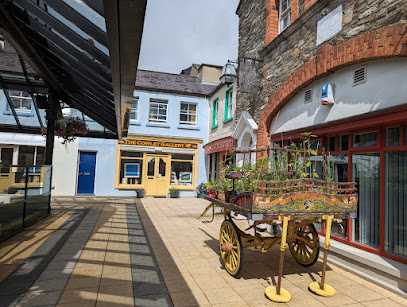
The Bus Stop Stores
0.1 km
Discover convenience in Londonderry at The Bus Stop Stores, your go-to spot for snacks, drinks, and travel essentials.
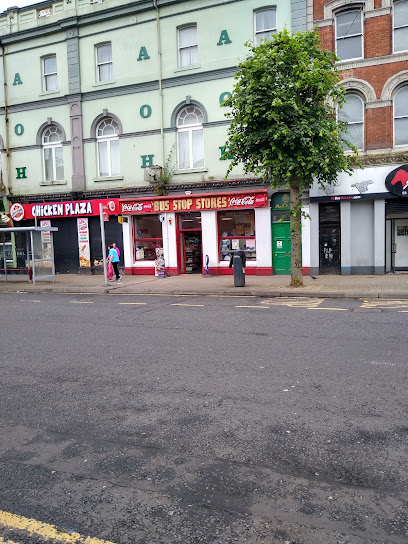
Derry Designer Makers
0.1 km
A vibrant craft collective in Derry’s charming Craft Village, showcasing handmade jewellery, ceramics, textiles, art and more from local North West makers.
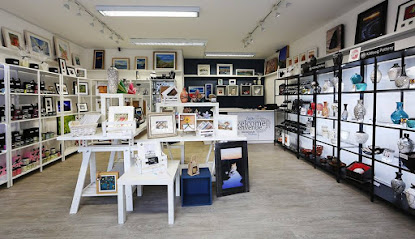
Yellowmoon Clothing
0.2 km
Discover unique designer fashion for men and women at Yellowmoon Clothing, Londonderry’s stylish boutique on Shipquay Street.
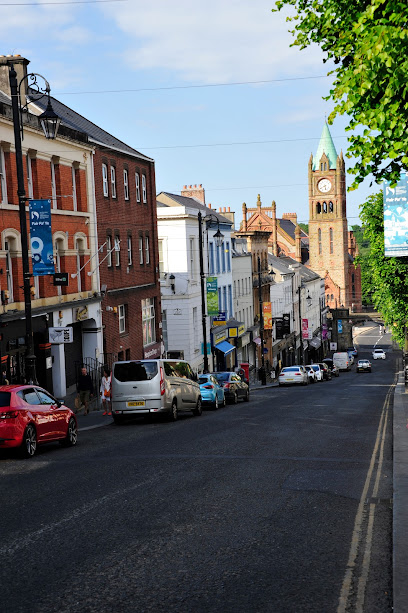
The Donegal Shop
0.2 km
Discover authentic Irish crafts and timeless knitwear in Derry’s family-run Donegal Shop, a heritage hub for Celtic artistry since 1963.
Essential bars & hidden hideouts

Silver Street Derry
0.1 km
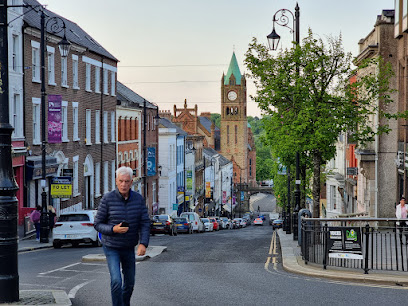
Historic charm and lively modern lounge vibes converge at Silver Street Derry, part of the iconic River Inn since 1684.
Nacional de Cuba
0.1 km
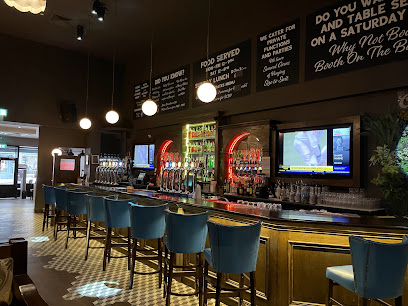
A vibrant and welcoming cocktail bar in Londonderry, famed for its lively karaoke nights, eclectic music, and expertly crafted drinks.
Dungloe Bar
0.1 km
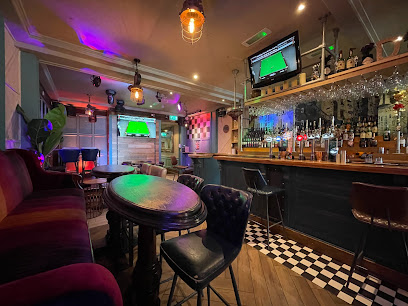
Historic Irish pub since 1892, offering live music, hearty food, and a warm atmosphere in the heart of Londonderry’s Waterloo Street.
The Thirsty Goat Derry
0.1 km
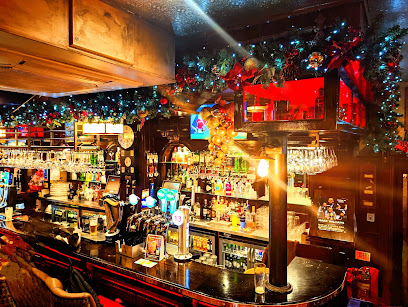
A lively bar and beer garden in Londonderry offering traditional Irish fare, craft beers, and live music seven nights a week.
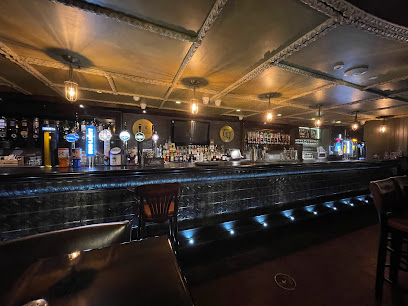
Lizzie O'Farrell's
0.1 km
Experience the lively spirit of Londonderry at Lizzie O'Farrell's, a warm pub blending traditional Irish charm with vibrant live music and local brews.
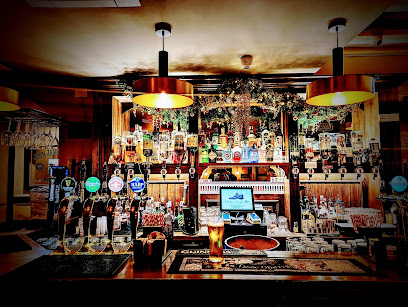
Masons Bar
0.1 km
Experience authentic local charm and warm hospitality at Masons Bar, a cozy and affordable retreat in the heart of Londonderry.
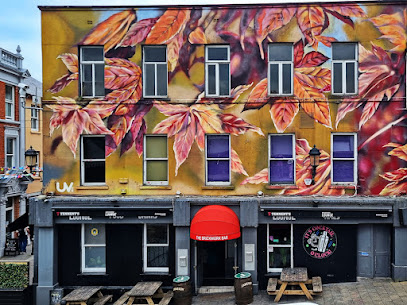
Porter's Bar
0.2 km
Experience authentic Irish hospitality and local craft beers in the cozy, lively heart of Londonderry at Porter's Bar.
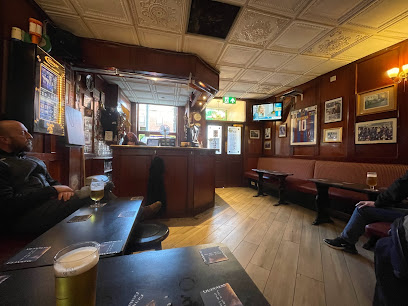
Blackbird
0.2 km
Blackbird is a lively Londonderry pub offering fine brews, a welcoming atmosphere, and a growing kitchen menu from midday to late night.
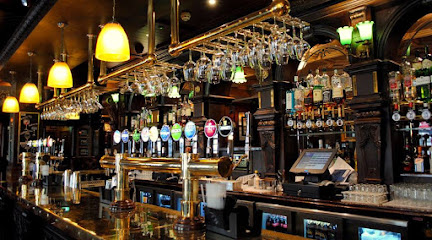
Grand Central Bar
0.2 km
A lively and affordable local pub on Strand Road, Grand Central Bar offers a warm atmosphere and friendly service in the heart of Londonderry.
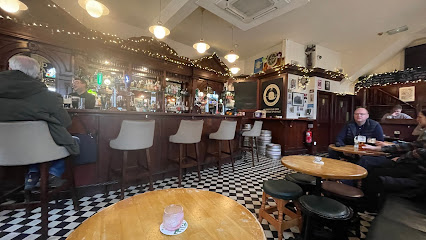
Jack's Bar
0.2 km
Experience authentic Northern Irish hospitality and hearty pub fare in the cozy and lively Jack's Bar at Londonderry's Little James Street.
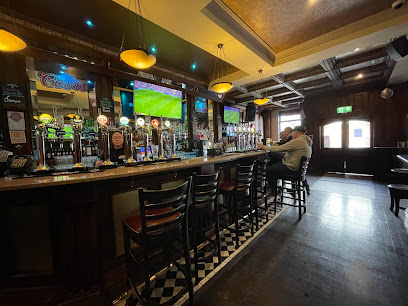
The Trinity Bar
0.2 km
A lively Londonderry bar blending traditional Irish charm with unique decor, great drinks, and hearty local fare in a welcoming atmosphere.
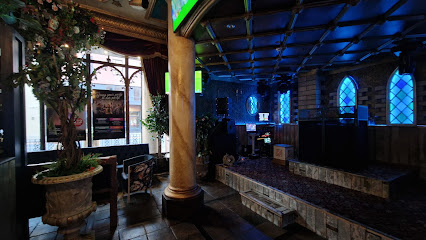
Sandinos
0.3 km
Experience Londonderry’s dynamic live music and vibrant social scene at Sandinos, a beloved bar and café on historic Water Street.
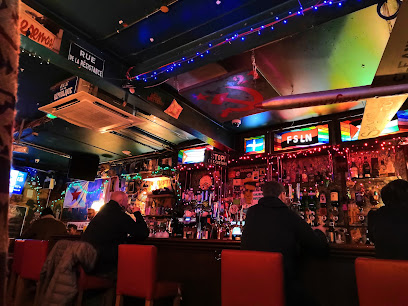
Tinney's Bar & The Shirt Factory
0.3 km
Historic family-owned Irish pub in Londonderry famed for legendary Guinness, lively local atmosphere, and shirt factory heritage.
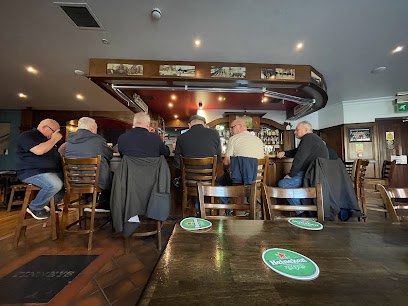
The Derby Bar
0.5 km
A warm, inviting pub in Londonderry offering cozy snugs, excellent Guinness, and a lively yet relaxed atmosphere daily until midnight.
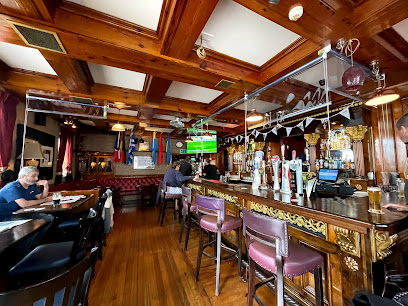
The Park Bar
0.5 km
A historic family-run pub in Londonderry renowned for its warm hospitality, excellent Guinness, and vibrant Irish cultural nights.
Nightclubs & after hour spots

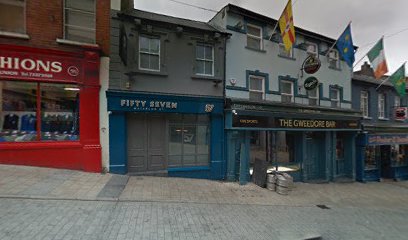
FIFTY SEVEN Waterloo St
0.1 km
Experience Londonderry’s vibrant nightlife at Fifty Seven Waterloo St, a chic nightclub pulsing with classic DJ beats and lively energy.
Ibiza Orchestra Live
0.6 km
Experience the electrifying fusion of live orchestral music and iconic Ibiza dance beats in Londonderry’s vibrant nightlife hotspot.
izudoo Derry Pub & Night Club Guide
1.1 km
Experience Londonderry’s vibrant nightlife at izudoo — a lively pub and nightclub with great music, drinks, and unforgettable nights out.
Carrolls
18.9 km
Discover the vibrant nightlife at Carrolls in Buncrana, Co. Donegal, where exceptional drinks and music create unforgettable memories.

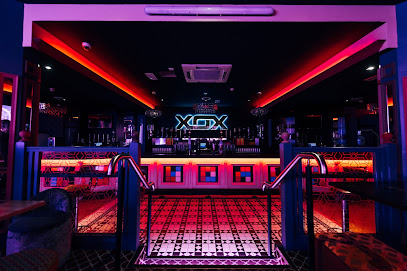
XOX Strabane
21.0 km
Experience the vibrant nightlife of Strabane at XOX, the town’s premier nightclub for late-night music, dancing, and social energy.
Bailey Redcastle Nite Club
22.0 km
Discover the heart of Co. Donegal's nightlife at Bailey Redcastle Nite Club, where great music and vibrant energy await your arrival.
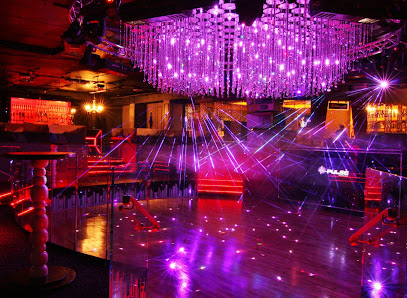
PULSE VENUE
26.6 km
Experience the vibrant nightlife at PULSE VENUE, Letterkenny's premier night club offering live music and unforgettable dance parties.
Fifth Avenue Letterkenny
26.8 km
Dive into the heart of Letterkenny's nightlife at Fifth Avenue, where vibrant music and lively dance floors create unforgettable moments.
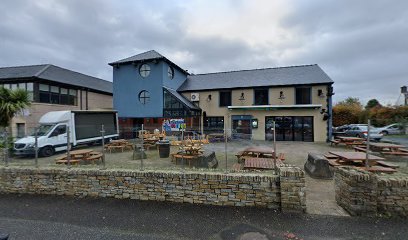
Voodoo Venue
27.2 km
Experience the electric nightlife of Letterkenny at Voodoo Venue, where cocktails, live music, and vibrant energy await every visitor.
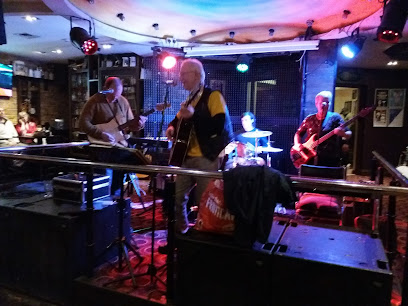
Halyon Club
27.8 km
Discover the vibrant nightlife of Halyon Club in Ballynally, Co. Donegal, where music, dance, and fun come together for an unforgettable experience.
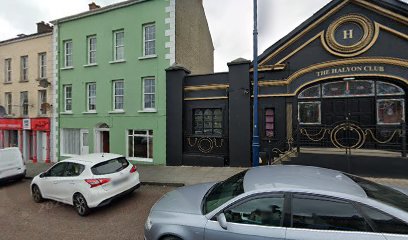
Tul Na Ri
28.4 km
Experience the vibrant nightlife of Co. Donegal at Tul Na Ri, where great music, dancing, and a friendly atmosphere await.
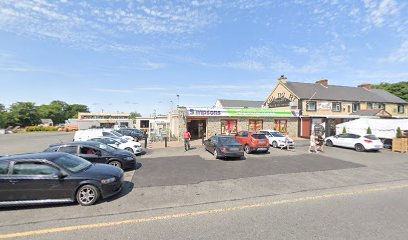
Empire Club
39.4 km
Discover the vibrant nightlife of Donegal at Empire Club, where great music and unforgettable experiences await you in a lively atmosphere.
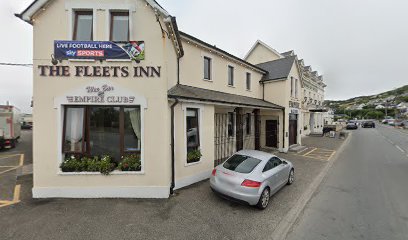
The Vault Nightclub
44.2 km
Discover the vibrant nightlife at The Vault Nightclub in Omagh, where music, dancing, and fun come together for an unforgettable experience.

Tiger Lillys
44.3 km
Omagh’s vibrant jungle-themed nightclub offering fresh cocktails and lively nights exclusively for the 18+ crowd.
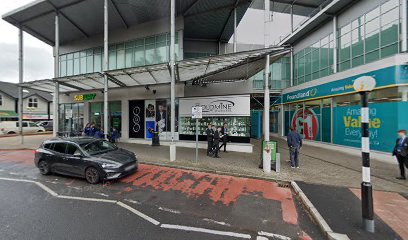
The Legends Lounge
47.7 km
Experience the vibrant atmosphere of The Legends Lounge in Portrush, a perfect bar for enjoying drinks and local culture.

For the vibe & atmosphere seeker
- Historic
- Scenic
- Tranquil
- Unique
For the design and aesthetic lover
- Rustic Designs
For the architecture buff
- Historic
- Landmarks
- Viewpoints
- Parks & Gardens
For the view chaser and sunset hunter
- Iconic Views
- Waterfront
- Panoramas
For the social media creator & influencer
- Instagrammable
- Photo Spots
- Architectural Shots
For the eco-conscious traveler
- Protected Area
- Public-Transport Accessible
- Locally Managed
- Leave-No-Trace Critical
For the kind of experience you’re after
- Cultural Heritage
- Photowalk
- Nature Escape
- Day Trip
- Weekend Getaway
For how adventurous you want the journey to be
- Easy Access
Location Audience
- Family Friendly
- Senior Friendly
- Child Friendly
- Teen Friendly
- Wheelchair Access
- Pet Friendly
- Solo Friendly
- Couple Friendly
- Solo Female Friendly


