

The Criterion Theatre, Devon Travel Guide
Underground Victorian theatre at Piccadilly Circus, where 150 years of West End magic unfolds beneath the streets.
A Victorian gem nestled beneath Piccadilly Circus, the Criterion Theatre has enchanted audiences since 1874 with its ornate underground auditorium and intimate 588-seat capacity. Designed by Thomas Verity, this Grade II* listed building pioneered underground theatre design and retains its original Louis XVI-inspired décor. Home to contemporary West End productions, it remains one of Britain's most important surviving mid-Victorian theatres.
A brief summary to The Criterion Theatre
- 218-223 Piccadilly, London, W1J 9HR, GB
- Click to display
- Click to display
- Duration: 2 to 3.5 hours
- Mid ranged
-
 Indoor
- Mobile reception: 5 out of 5

Know before you go
Hi, I'm Eve. Here are a few practical things to know before exploring The Criterion Theatre.
- Book central Stalls seats or Dress Circle rows A–C for the best sightlines; avoid corner seats in the Upper Circle due to restricted views from support pillars.
- Arrive early to explore the ornate Louis XVI-inspired foyer and appreciate the theatre's Victorian architectural details before the performance begins.
- The theatre is entirely underground; wear comfortable shoes as accessing all seating levels requires navigating stairs and corridors.
- Visit the nearby Shaftesbury Memorial Fountain with its iconic Eros statue directly outside the theatre entrance for iconic photography.
- Check the theatre's website for current productions and book in advance, as the intimate 588-seat capacity means performances often sell out.
Do you manage this location?
Take control to get all the benefits, like improved information, better appearance, and stronger visibility across AI-powered discovery. Learn more about listing your business on Evendo
Activate your presenceOther nearby places you may find interesting
The closest places of the same kind, if this one is not quite what you had in mind.
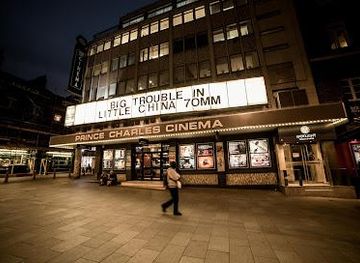
Explore The Criterion Theatre on the Map
A handpicked selection of must-see spots near The Criterion Theatre, mapped for you.
Unlock the Best of The Criterion Theatre
Book tours with entry


Getting There
-
Underground Train
Piccadilly Circus station on the Piccadilly, Bakerloo, and Northern lines is directly adjacent to the theatre. Journey times from central London stations: 5–10 minutes from Leicester Square or Covent Garden; 8–12 minutes from King's Cross St Pancras; 10–15 minutes from Victoria. Single fares range from £1.75–£2.80 depending on zones. Trains run every 2–5 minutes during peak hours.
-
Bus
Multiple bus routes serve Piccadilly Circus, including routes 3, 6, 9, 14, 19, 38, and 159. Journey times vary: 15–25 minutes from major areas like South Kensington or King's Cross. Single fares are £1.75 (contactless) or £2.80 (cash). Buses run frequently throughout the day, with reduced frequency late evening.
-
Taxi or Ride-Hailing
Black cabs and ride-hailing services (Uber, Bolt) are readily available throughout central London. Journey times from nearby areas: 5–10 minutes from Soho or Covent Garden; 10–15 minutes from Oxford Street or the British Museum. Costs typically range from £8–£20 depending on origin and traffic conditions. Evening surcharges may apply after 22:00.
-
Walking
The theatre is centrally located and easily reached on foot from surrounding attractions. Walking times: 10–12 minutes from Leicester Square or Covent Garden; 12–15 minutes from Oxford Street; 15–18 minutes from the British Museum. The area is well-lit and pedestrian-friendly, though Piccadilly Circus itself is busy and crowded, especially during evenings and weekends.
For the on-the-go comforts that matter to you
-
 Restrooms
-
 Drink Options
-
 Food Options
-
 Seating Areas
-
 Information Boards
Discover more about The Criterion Theatre
A Theatre Born Beneath the Streets
The Criterion Theatre stands as a remarkable architectural achievement, almost entirely underground on a site that once housed the White Bear Inn, a posting inn that had operated since at least 1685. When caterers Spiers and Pond acquired the property in 1870, they commissioned architect Thomas Verity to design an ambitious complex featuring a grand restaurant, dining rooms, ballroom, and concert hall. During construction, the concert hall was reimagined as a theatre—a bold decision that would create one of London's most distinctive performance spaces. The building was completed in 1873, with interior decoration by W. B. Simpson & Sons executed in the refined Louis XVI style, a design choice that still defines the auditorium's elegant character today.Innovation and Technical Pioneering
When the Criterion opened on 21 March 1874 with Henry J. Byron's comedy An American Lady and W. S. Gilbert's musical piece Topsyturveydom, it represented a daring experiment in theatre design. The underground location presented unprecedented challenges: authorities feared toxic fumes from gas lighting would asphyxiate audiences, and the Metropolitan Board of Works required fresh air to be mechanically pumped into the auditorium—a revolutionary safety measure for its time. The theatre's innovative approach to ventilation and its intimate scale made it a marvel of Victorian engineering. By 1883, recognising the inadequacy of the original air-pumping system, the theatre underwent major reconstruction overseen by Verity himself. The 1884 reopening brought transformative improvements: electric lighting replaced dangerous gas, a direct ventilation shaft was installed, new corridors and exits enhanced safety, and modern dressing rooms were built. The transformation was so complete that contemporary reviews hailed it as a "convenient, handsome, and well-ventilated house."The Golden Age of Comedy and Literary Significance
Under the management of Charles Wyndham, who arrived in 1875, the Criterion became one of London's leading light comedy houses. Wyndham's quarter-century tenure established the theatre's reputation for sophisticated entertainment, and his 1888 performance as David Garrick drew audiences for 152 consecutive performances. The theatre's stage launched the careers of major playwrights: John Gielgud starred in Musical Chairs in 1932, and Terence Rattigan's West End debut, French Without Tears, ran for an extraordinary 1,039 performances beginning in 1936, establishing both the theatre and the playwright as forces in British theatre. During the Second World War, the Criterion's underground location made it ideal for the BBC, which requisitioned it as a studio safe from the Blitz, recording and broadcasting light entertainment programmes from its stage.Architectural Distinction and Preservation
The Criterion's most striking feature is its complete underground auditorium, with even the Upper Circle accessible only by descending stairs. This subterranean setting creates an intimate, atmospheric experience that transports visitors back to the Victorian era. The theatre retains an almost perfectly preserved Victorian interior, with ornate Louis XVI-inspired decoration, slender iron columns supporting the balconies, and original architectural details that have survived over 150 years. The exterior, facing the Shaftesbury Memorial Fountain with its iconic bronze Eros statue, remains in such original condition that the Survey of London identified it as the finest surviving example of Thomas Verity's architectural work. The Theatres Trust recognises the Criterion as one of the most important surviving mid-Victorian theatres in Britain, rivalled only by the Old Vic, Royal Opera House, Theatre Royal Margate, and the Tyne Theatre & Opera House.Modern Stewardship and Contemporary Life
In the late 1980s, property developer Robert Bourne and theatre impresario Sally Greene purchased the building and established the Criterion Theatre Trust, a registered charity dedicated to its preservation. Between 1989 and 1992, Greene led a comprehensive restoration of the auditorium and front-of-house areas, raising funds to restore this 150-year-old historical landmark while maintaining its authentic character. Today, the theatre operates as a vibrant West End venue with a seating capacity of 588 across three levels—the Stalls (361 seats), Dress Circle (159 seats), and Upper Circle (65 seats)—each offering distinct viewing experiences. The intimate scale ensures that audiences enjoy a personal connection to performances, while the theatre's Grade II* listed status protects its architectural heritage for future generations.












Your all‑in‑one travel companion app
Explore expert travel guides, compare and book tours, experiences, hotels, and more—all from the palm of your hand. Download now for seamless trip planning wherever your wanderlust takes you.


Explore More of Devon

Looking beyond The Criterion Theatre? Discover Devon for broader travel guides, local hot-spots, and regional highlights.
Explore Devon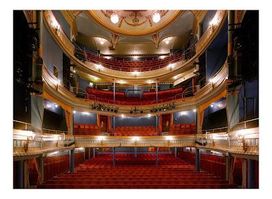
A compact West End theatre on Panton Street, known for scheduled drama, pre-show drinks, and the tightly paced rhythm of a London theatre night.
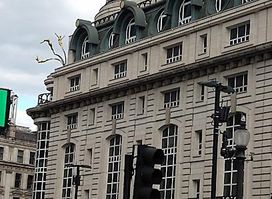
Historic underground West End theatre on Piccadilly Circus, where compact foyers, steep stairs and live performance define the evening.
