

Cambusnethan House/Priory Travel Guide
Free Guide: Explore Cambusnethan Priory, a hauntingly beautiful neo-Gothic mansion steeped in history and architectural grandeur near Wishaw, Scotland.


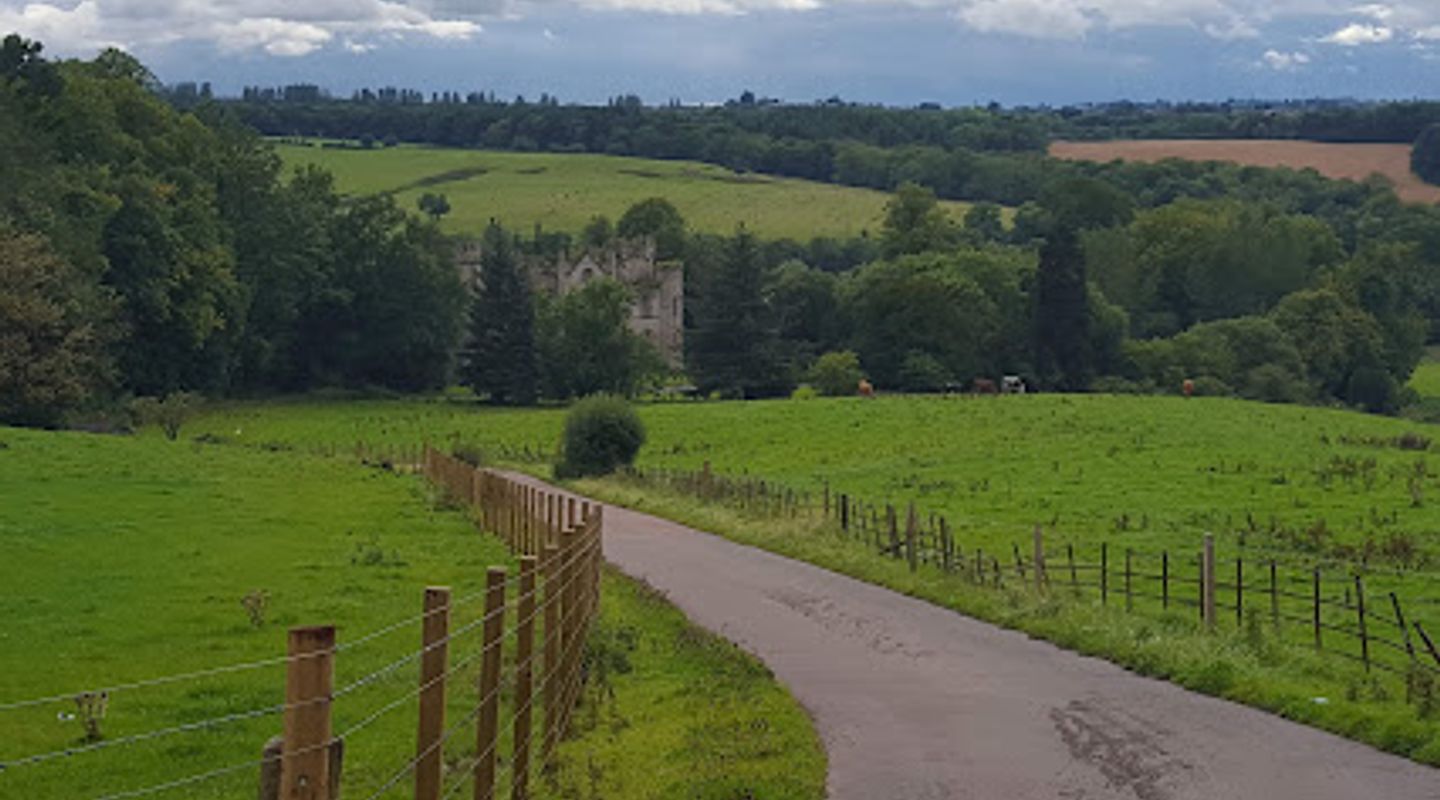
A brief summary of Cambusnethan House/Priory
Explore Cambusnethan Priory, a hauntingly beautiful neo-Gothic mansion steeped in history and architectural grandeur near Wishaw, Scotland.
Cambusnethan Priory, located in Wishaw, Scotland, is a striking early 19th-century neo-Gothic mansion designed by James Gillespie Graham. Built in 1820 on the site of a 17th-century manor, it features Tudor revival priory-style architecture with turrets, pinnacles, and pointed arch windows. Once a hotel and medieval banquet hall, the Priory now stands derelict but remains a significant historic landmark reflecting Scotland’s Gothic revival heritage.
On-site amenities
 Information boards
Opening hours
- Every dayOpen 24 hours
Opening hours as listed on the venue’s Google Business Profile. Hours can change for services and special events, so check with the venue before you go.
- Address
- Castlehill Rd, Overtown, Wishaw ML2 0RW
- Website
Getting there
Bus
Car
Taxi
Discover more about Cambusnethan House/Priory
Architectural Grandeur of the Gothic Revival
Cambusnethan Priory is a two-storey mansion with a sunk basement, exemplifying the Tudor revival priory style popularized in early 19th-century Scotland. Designed by the renowned architect James Gillespie Graham and completed in 1820, the building features a symmetrical rectangular plan with nine bays, buttressed crocketed pinnacles, and a gabled central block crowned by a porte cochere. The flanking wings are distinguished by octagonal corner towers, and the structure is built of yellow ashlar sandstone. Its pointed arch windows on the ground floor and rectangular upper windows, along with corbelled cornices and stugged hoodmoulds, contribute to its ecclesiastical aesthetic. This style evokes a medieval priory, blending romantic historicism with grand domestic architecture.
Historical Roots and Family Legacy
The Priory was constructed on the site of the earlier 17th-century Cambusnethan House, itself replacing a Norman tower house nearby. It was commissioned for the Lockhart of Castlehill family, whose coat of arms—depicting a casket, heart, and lock—adorns the main entrance and interior balustrades. This emblem reflects a family tradition linked to Robert the Bruce’s heart, carried back from the Holy Land. The estate once boasted extensive and beautiful grounds, noted in historical records for their splendor, although these gardens no longer survive. The nearby Cambusnethan Manse was the birthplace of John Gibson Lockhart, biographer and son-in-law of Sir Walter Scott, further anchoring the site’s cultural heritage.
Changing Uses and Decline
Throughout the 20th century, Cambusnethan Priory served various roles, including as an architect’s office in the 1960s, a hotel and restaurant, and a venue for medieval-themed banquets during the 1970s. Despite these vibrant uses, the building fell into disrepair after ceasing regular use in 1984. It suffered severe fire damage in 1985 and has since been vulnerable to vandalism and neglect. Attempts to convert the property into flats or leisure complexes were ultimately unsuccessful. Today, it is recognized as a building at risk, with ongoing efforts by local groups to preserve and restore this architectural treasure.
Atmosphere and Visitor Experience
Visitors to Cambusnethan Priory encounter a hauntingly beautiful ruin that evokes Scotland’s romantic Gothic past. The imposing turrets and pinnacles, many removed for safety, still silhouette against the sky, while the intricate stonework hints at the craftsmanship of its era. Although the original gardens have vanished, the site’s rural setting near Wishaw provides a tranquil backdrop. The Priory’s evocative presence invites reflection on Scotland’s architectural evolution and the stories embedded in its walls, from medieval legends to modern restoration hopes.
Preservation Efforts and Community Engagement
Since 2014, the "Friends of Cambusnethan Priory" group has championed the building’s rescue, raising awareness and seeking to halt further deterioration. Their work highlights the importance of safeguarding Scotland’s heritage buildings, especially rare neo-Gothic mansions like this one. The Priory’s inclusion on the Scottish Civic Trust’s Buildings at Risk register underscores the urgency of conservation. While access remains limited due to safety concerns, the site continues to attract interest from historians, architects, and heritage enthusiasts eager to see its revival.
Legacy and Cultural Significance
Cambusnethan Priory stands as one of the finest surviving examples of James Gillespie Graham’s Gothic revival country houses in Scotland. Its architectural style, historical associations, and dramatic decline encapsulate broader themes in Scottish heritage preservation. The building’s story intertwines with local history, family legends, and the changing fortunes of country estates, making it a poignant symbol of cultural memory and architectural ambition in the region.
Evendo Review Centre
 Google
Guest reviews
Best time to go
Quietest: Jan, Feb & Dec · before 6am or at 8pm
Busy times are Evendo estimates for a typical year, to help you plan. Actual crowds vary with events, school holidays and the weather.
Explore Cambusnethan House/Priory on the map
A handpicked selection of must-see spots near Cambusnethan House/Priory, mapped for you.
Get your free copy of our complete guide to Cambusnethan House/Priory, delivered straight to you.
Everything on this page, from opening hours and how to get there to Eve’s tips and the best time to go, in one PDF you can read offline, print or share.
Already have an account? Sign in
Your Cambusnethan House/Priory guide is ready.
We'll send it to · Not you? Sign out

Getting your guide ready…
We are putting together a fresh copy of the Cambusnethan House/Priory guide. This can take up to a minute.
This can take a few moments. If your browser asks, choose Allow so the download can start. You'll find the guide in your Downloads folder.
Nothing happened? Download it again
Sorry, the guide is taking longer than usual. Please try again in a minute, or get it by email instead.
Other nearby places you may find interesting
The closest places of the same kind, if this one is not quite what you had in mind.
-
Big Ben Discover the iconic Elizabeth Tower and its legendary Great Bell, Big Ben, a timeless symbol of London's history and architectural splendor.
-
King Edward Monument A solitary sandstone pillar on windswept Burgh Marsh marking the final resting place of King Edward I, the Hammer of the Scots.
-
Hadrian's Wall Explore the ancient Roman frontier of Hadrian’s Wall, a breathtaking 73-mile World Heritage Site rich with history, forts, and stunning landscapes.
-
Flodden Wall Discover Edinburgh’s 16th-century Flodden Wall, a historic sandstone fortification that shaped the city’s medieval heart and echoes tales of resilience.
-
Brow Well Discover the historic iron-rich spring where Robert Burns sought healing waters beside the tranquil Solway Firth in scenic Dumfries.
Swipe for more places
More to explore near Cambusnethan House/Priory
-
 Best experiences near Cambusnethan House/Priory
-
 Best hotels near Cambusnethan House/Priory
-
 Best landmarks near Cambusnethan House/Priory
-
 Best attractions near Cambusnethan House/Priory
-
 Best shops near Cambusnethan House/Priory
-
 Best restaurants near Cambusnethan House/Priory
-
 Best bars near Cambusnethan House/Priory







Do you manage this location?
Take control to get all the benefits, like improved information, better appearance, and stronger visibility across AI-powered discovery.
Explore more
Explore more of Down
Discover the tranquil beauty, historical treasures, and warm hospitality of Down in Northern Ireland, where serene landscapes and rich heritage await.
Explore Down
Explore more of United Kingdom
Discover the United Kingdom: A blend of rich history, stunning landscapes, and vibrant cities, offering a unique travel experience for every visitor.
Explore United Kingdom
