

Hadrian's Wall Travel Guide
Free Guide: Explore the ancient Roman frontier of Hadrian’s Wall, a breathtaking 73-mile World Heritage Site rich with history, forts, and stunning landscapes.


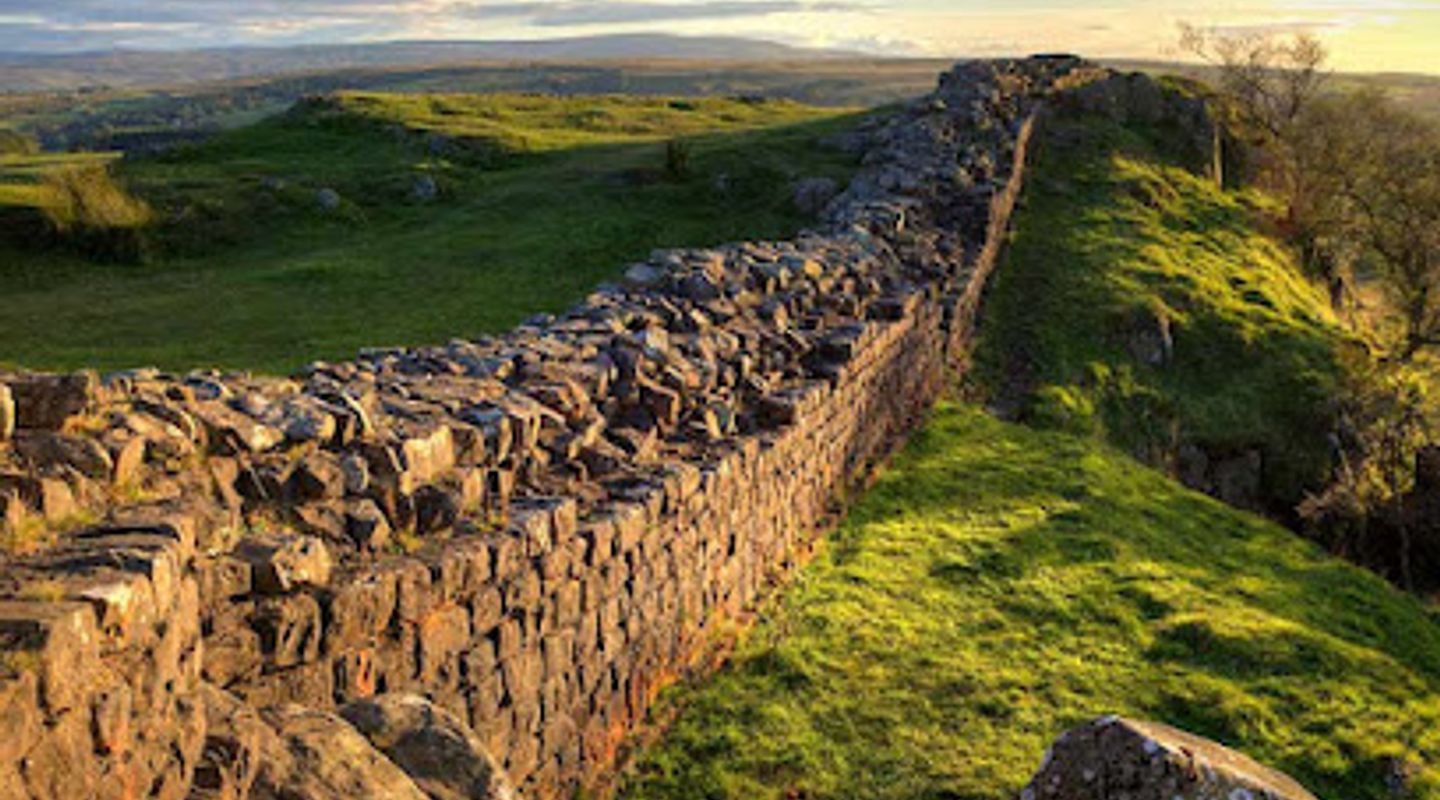
A brief summary of Hadrian's Wall
Explore the ancient Roman frontier of Hadrian’s Wall, a breathtaking 73-mile World Heritage Site rich with history, forts, and stunning landscapes.
Hadrian's Wall, a UNESCO World Heritage Site, stretches 73 miles across northern England, marking the Roman Empire's northwestern frontier. Built in AD 122 on Emperor Hadrian's orders, this ancient stone and turf barrier features forts, milecastles, turrets, and ditches. Visitors can explore remarkably preserved Roman forts like Housesteads and Birdoswald, museums housing rare artefacts, and enjoy breathtaking views over rugged landscapes. The Wall offers rich history, scenic walks, and immersive experiences of Roman Britain.
On-site amenities
 Restrooms
 Drink options
 Food options
 Seating areas
 Picnic areas
 Trash bins
 Information boards
 Visitor centre
- Address
- Brampton CA8 7DD
- Phone
- Website
Getting there
Bus
Car
Walking
Train and Taxi
Discover more about Hadrian's Wall
Ancient Origins and Strategic Purpose
Hadrian's Wall was commissioned by Emperor Hadrian in AD 122 as a defensive frontier marking the northern limit of Roman Britain. Stretching approximately 73 miles (80 Roman miles) from Wallsend on the River Tyne in the east to Bowness-on-Solway in the west, it was designed to control movement and protect the Roman Empire from northern tribes. Construction took at least six years and included a stone wall about 15 feet high and 10 Roman feet wide, fronted by a deep ditch and supplemented by milecastles and turrets placed at regular intervals for surveillance and control.
Remarkable Forts and Settlements Along the Wall
The Wall is punctuated by several well-preserved Roman forts such as Housesteads, Birdoswald, Chesters, and Vindolanda. Housesteads Roman Fort, perched on a dramatic escarpment, is Britain's most complete Roman fort, offering visitors a glimpse into military life with barracks, hospitals, and the oldest known Roman toilets in Britain. Birdoswald features the longest continuous surviving stretch of the Wall and interactive exhibits. Vindolanda, just south of the Wall, is renowned for ongoing archaeological excavations revealing everyday Roman artefacts like writing tablets and jewellery, displayed in its museum.
Engaging Museums and Visitor Centres
Several visitor centres and museums along the Wall enrich the experience with interactive displays, artefacts, and educational films. The Roman Army Museum near Greenhead immerses visitors in the life of Roman soldiers with 3D films and reconstructed barracks. Chesters Roman Fort includes a museum with an extensive collection of Roman inscriptions and artefacts, alongside well-preserved baths and officers’ quarters. Corbridge Roman Town offers a unique insight into civilian life supporting the military presence, with streets and buildings still visible today.
Scenic Landscapes and Outdoor Exploration
Set amidst some of England’s most dramatic countryside, Hadrian's Wall offers spectacular panoramic views across rolling hills, river valleys, and rugged moorland. The Wall’s path is a National Trail stretching 84 miles, popular for hiking and cycling, with varied terrain from gentle countryside to challenging escarpments. Notable scenic spots include Walltown Crags and Cawfields. The landscape changes with the seasons, providing tranquil and inspiring settings for outdoor enthusiasts and history lovers alike.
Cultural Significance and Events
Hadrian's Wall is a symbol of Roman engineering and military strategy and has been a UNESCO World Heritage Site since 1987. It forms part of the Frontiers of the Roman Empire World Heritage Site, alongside other Roman frontiers across Europe. Throughout the year, the Wall hosts archaeological festivals, reenactments, guided walks, and special events such as the Festival of Archaeology and the Illuminating Hadrian’s Wall night-time light display, offering visitors unique ways to engage with its history.
Visitor Experience and Practical Information
Visitors can explore the Wall’s forts, museums, and walking trails at their own pace. Facilities include tearooms, interactive exhibitions, and picnic areas. The AD122 bus service connects key sites, offering discounted entry tickets and convenient transport. The Wall’s remote sections provide peaceful solitude, while central sites offer family-friendly activities and educational opportunities. Mobile reception varies, so preparation is advised for navigation and information access.
Evendo Review Centre
 Google
Guest reviews
Best time to go
Quietest: Jan, Feb & Dec · before 6am or at 9pm
Busy times are Evendo estimates for a typical year, to help you plan. Actual crowds vary with events, school holidays and the weather.
Explore Hadrian's Wall on the map
A handpicked selection of must-see spots near Hadrian's Wall, mapped for you.
Get your free copy of our complete guide to Hadrian's Wall, delivered straight to you.
Everything on this page, from opening hours and how to get there to Eve’s tips and the best time to go, in one PDF you can read offline, print or share.
Already have an account? Sign in
Your Hadrian's Wall guide is ready.
We'll send it to · Not you? Sign out

Getting your guide ready…
We are putting together a fresh copy of the Hadrian's Wall guide. This can take up to a minute.
This can take a few moments. If your browser asks, choose Allow so the download can start. You'll find the guide in your Downloads folder.
Nothing happened? Download it again
Sorry, the guide is taking longer than usual. Please try again in a minute, or get it by email instead.
Unlock the best of Hadrian's Wall
Skip-the-line tickets, guided tours with entry, and walking tours of the area, booked in a few clicks.
 Tour with entry
Cumbrian Coast - Online Self Guided Road Trip Plan
from $13.96 Tour with entry
Roman Fort and Short Guided Walk along Hadrian's Wall
from $57.15 Tour with entry
Hadrian's Wall, Roman Britain and the Borders small group day tour
from $113.67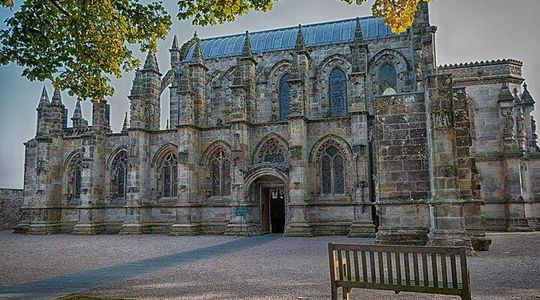 Tour with entry
Private Tour to Rosslyn Chapel and Hadrian Wall
from $1,872.96


Other nearby places you may find interesting
The closest places of the same kind, if this one is not quite what you had in mind.
-
-
-
-
-


Swipe for more places
More to explore near Hadrian's Wall

 Best experiences near Hadrian's Wall
 Best hotels near Hadrian's Wall
 Best landmarks near Hadrian's Wall
 Best attractions near Hadrian's Wall
 Best shops near Hadrian's Wall
 Best restaurants near Hadrian's Wall
 Best bars near Hadrian's Wall
Do you manage this location?
Take control to get all the benefits, like improved information, better appearance, and stronger visibility across AI-powered discovery.
Explore more
Explore more of Down
Discover the tranquil beauty, historical treasures, and warm hospitality of Down in Northern Ireland, where serene landscapes and rich heritage await.
Explore Down
Explore more of United Kingdom
Discover the United Kingdom: A blend of rich history, stunning landscapes, and vibrant cities, offering a unique travel experience for every visitor.
Explore United Kingdom
