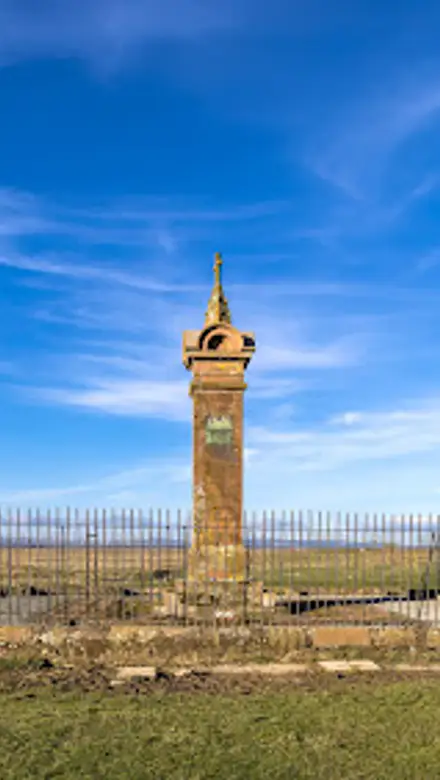
King Edward Monument Travel Guide
Free Guide: A solitary sandstone pillar on windswept Burgh Marsh marking the final resting place of King Edward I, the Hammer of the Scots.


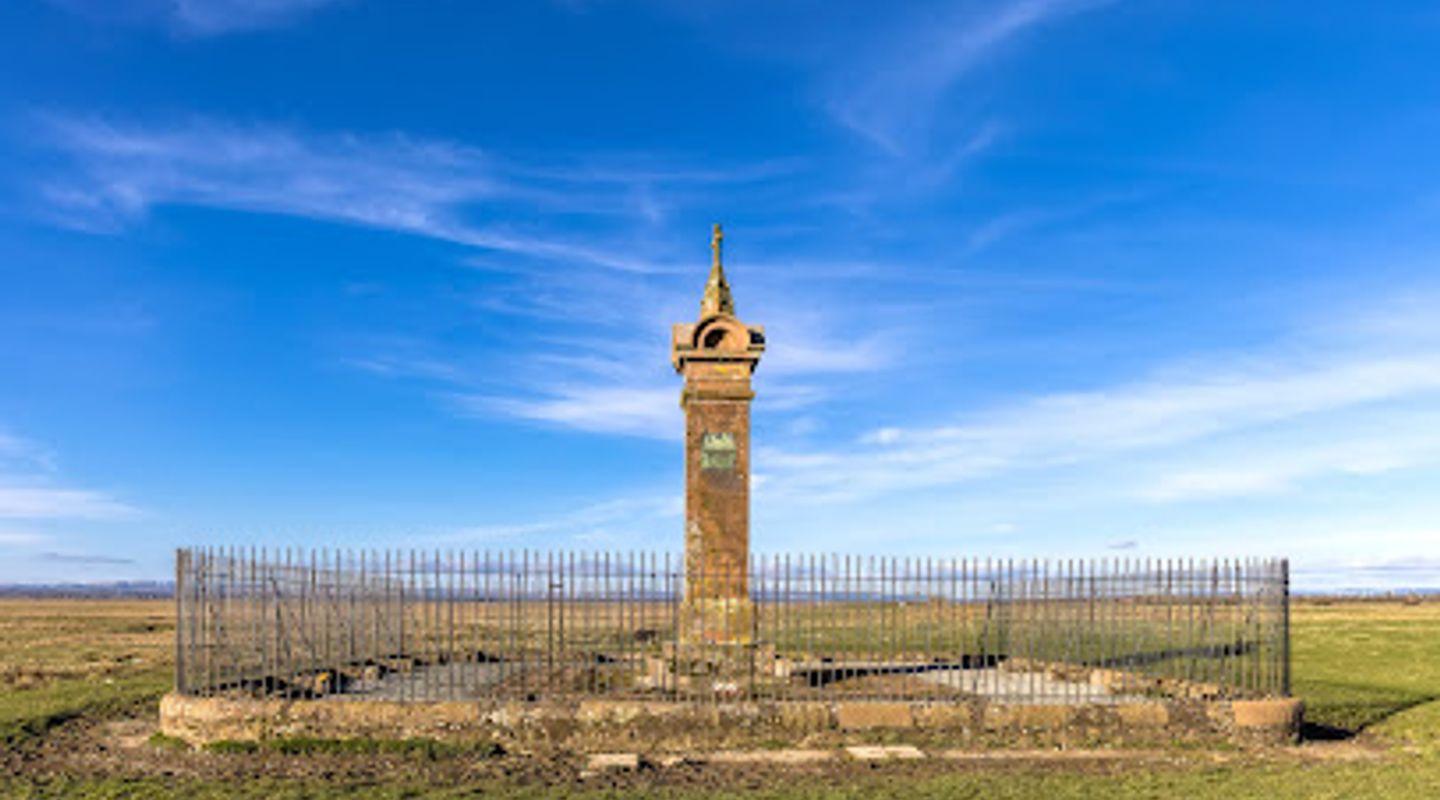
A brief summary of King Edward Monument
A solitary sandstone pillar on windswept Burgh Marsh marking the final resting place of King Edward I, the Hammer of the Scots.
The King Edward Monument is a solitary sandstone pillar on Burgh Marsh near Carlisle, marking the spot where King Edward I of England died in 1307 during his campaign against Scotland. Erected originally in 1685 and renewed in the early 19th century, it commemorates Edward’s ambition to unify England and Scotland. Its remote, windswept setting on the Solway Firth border lends it a haunting and historic atmosphere.
On-site amenities
 Restrooms
 Food options
 Drink options
 Seating areas
 Information boards
Opening hours
- Every dayOpen 24 hours
Opening hours as listed on the venue’s Google Business Profile. Hours can change for services and special events, so check with the venue before you go.
- Address
- Burgh by Sands, Carlisle CA5 6EH
- Website
Getting there
Car
Bus
Walking
Discover more about King Edward Monument
A Monument Rooted in Medieval History
The King Edward Monument stands on Burgh Marsh, near the village of Burgh by Sands, Cumbria, marking the place where King Edward I, known as the 'Hammer of the Scots,' died on 7 July 1307. Edward was leading a military campaign against Robert the Bruce, aiming to assert English dominance over Scotland. His death here ended a pivotal chapter in the Anglo-Scottish conflicts of the Middle Ages. The monument commemorates Edward’s legacy and his vision of uniting the two kingdoms under English rule.
The Monument’s Evolution Through Centuries
The first memorial was erected in 1685, more than 350 years after Edward’s death, reflecting a later period’s interest in commemorating medieval history. The current sandstone pillar dates from around 1803, replacing the earlier structure. Positioned on the English side of the Solway Firth, the monument stands near the supposed site of Edward’s death tent. Despite some uncertainty about the exact spot, the pillar symbolizes the historical significance of the location, set against the vast, open marshland that stretches to the Scottish border.
The Landscape and Atmosphere of Burgh Marsh
Burgh Marsh is a wide, flat expanse of tidal land beside the Solway Firth, historically a strategic border zone between England and Scotland. The monument’s isolated setting amid the marsh’s windswept grasses and tidal waters creates a stark, contemplative atmosphere. This solitude has earned it the nickname of England’s loneliest monument. The surrounding landscape evokes the hardships of medieval campaigning and the enduring tension of the Anglo-Scottish frontier.
The Village of Burgh by Sands and Local Heritage
Nearby Burgh by Sands is a small village with deep historical roots, built along the line of Hadrian’s Wall. It features landmarks such as the church of St Michael’s, where Edward’s body was temporarily laid before burial in Westminster Abbey. The village also hosts a modern statue of Edward I, unveiled in 2007 to mark the 700th anniversary of his death. This statue, a gift from local organizations, complements the older monument and connects the community to its medieval past.
Commemorative Significance and Local Lore
The King Edward Monument not only marks a historical event but also embodies local memory and legend. Stories persist that Edward wished his embalmed body to be carried into Scotland until his campaign succeeded, though historically he was buried in London. The monument’s remote location invites reflection on the passage of time and the layers of history embedded in this borderland. It stands as a testament to Edward’s enduring impact on British history and the complex relations between England and Scotland.
Visitor Experience and Preservation
Visitors to the monument encounter a quiet, open landscape that contrasts with the rich historical narrative it represents. The site is accessible year-round, though its exposed nature means weather conditions can be challenging. Nearby amenities in Burgh by Sands provide a glimpse into rural Cumbrian life. The monument is maintained as a protected historical landmark, preserving the memory of a king whose ambitions shaped the course of British history.
Evendo Review Centre
 Google
Guest reviews
Best time to go
Quietest: Jan, Feb & Dec · before 6am or at 8pm
Busy times are Evendo estimates for a typical year, to help you plan. Actual crowds vary with events, school holidays and the weather.
Explore King Edward Monument on the map
A handpicked selection of must-see spots near King Edward Monument, mapped for you.
Get your free copy of our complete guide to King Edward Monument, delivered straight to you.
Everything on this page, from opening hours and how to get there to Eve’s tips and the best time to go, in one PDF you can read offline, print or share.
Already have an account? Sign in
Your King Edward Monument guide is ready.
We'll send it to · Not you? Sign out

Getting your guide ready…
We are putting together a fresh copy of the King Edward Monument guide. This can take up to a minute.
This can take a few moments. If your browser asks, choose Allow so the download can start. You'll find the guide in your Downloads folder.
Nothing happened? Download it again
Sorry, the guide is taking longer than usual. Please try again in a minute, or get it by email instead.
Other nearby places you may find interesting
The closest places of the same kind, if this one is not quite what you had in mind.
-
-
-
-
-


Swipe for more places
More to explore near King Edward Monument

 Best experiences near King Edward Monument
 Best hotels near King Edward Monument
 Best landmarks near King Edward Monument
 Best attractions near King Edward Monument
 Best shops near King Edward Monument
 Best restaurants near King Edward Monument
 Best bars near King Edward Monument
Do you manage this location?
Take control to get all the benefits, like improved information, better appearance, and stronger visibility across AI-powered discovery.
Explore more
Explore more of Down
Discover the tranquil beauty, historical treasures, and warm hospitality of Down in Northern Ireland, where serene landscapes and rich heritage await.
Explore Down
Explore more of United Kingdom
Discover the United Kingdom: A blend of rich history, stunning landscapes, and vibrant cities, offering a unique travel experience for every visitor.
Explore United Kingdom