What Lies Beneath Us, Durham Travel Guide
Free Guide: Explore the hidden layers beneath Durham’s streets and uncover the city’s rich subterranean history and culture.


A brief summary of What Lies Beneath Us
Explore the hidden layers beneath Durham’s streets and uncover the city’s rich subterranean history and culture.
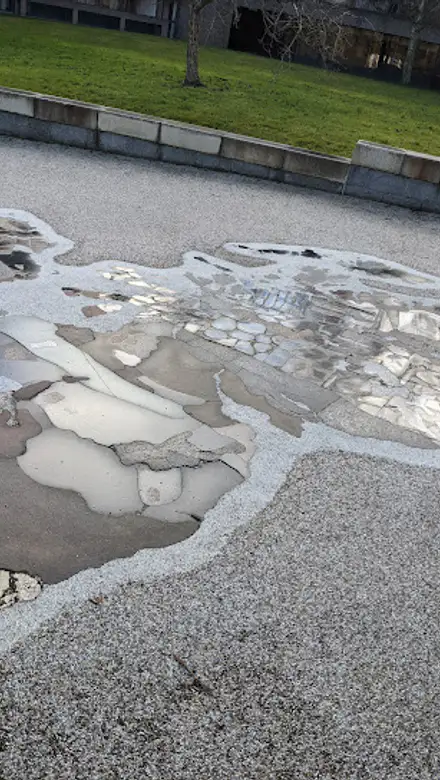
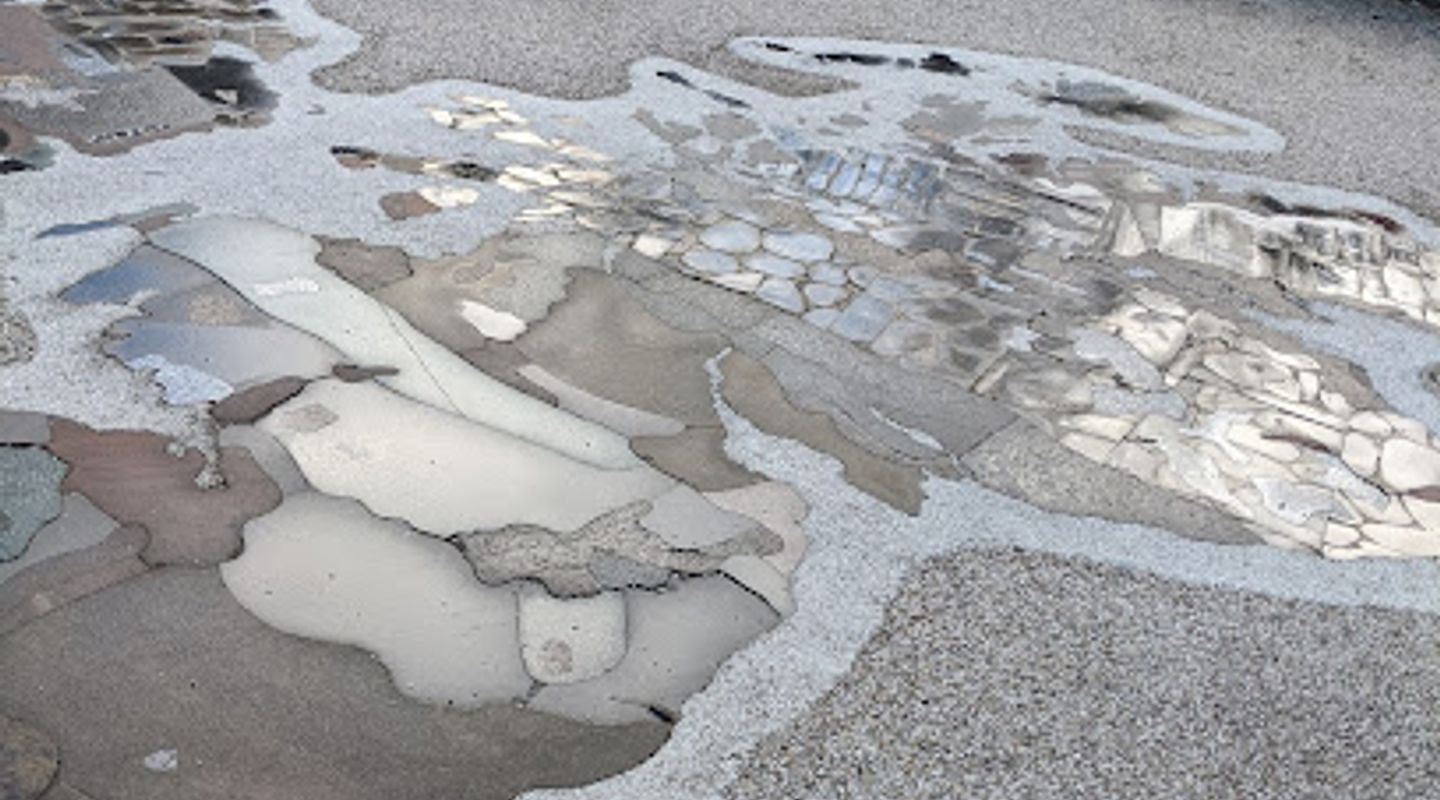
What Lies Beneath Us is a captivating tourist attraction located in Durham, DH1 3TA. This site invites visitors to explore the hidden layers of history and culture beneath the city’s surface, offering a unique perspective on Durham’s rich heritage. Situated in an urban setting, it combines intriguing narratives with immersive experiences, making it a must-visit for those interested in uncovering the unseen stories of this historic city.
On-site amenities
 Restrooms
 Information boards
 Seating areas
Opening hours
- Every dayOpen 24 hours
Opening hours as listed on the venue’s Google Business Profile. Hours can change for services and special events, so check with the venue before you go.
- Address
- Durham DH1 3TA
Getting there
Bus
Train and Walk
Taxi
Discover more about What Lies Beneath Us
Unveiling Durham’s Hidden Depths
What Lies Beneath Us offers a fascinating exploration into the subterranean history of Durham, a city renowned for its medieval architecture and UNESCO World Heritage sites. This attraction delves into the layers beneath the city streets, revealing archaeological finds, historical artifacts, and stories that illuminate the lives of past inhabitants. Visitors gain insight into how Durham’s landscape and culture have evolved over centuries, connecting the present with the ancient past.
Immersive Experiences in an Urban Setting
Located within the bustling urban environment of Durham, What Lies Beneath Us provides an engaging experience that contrasts the visible cityscape with the hidden underground world. The site is designed to immerse visitors in the atmosphere of discovery, using exhibits and interactive displays to bring to life the stories embedded in the earth below. This blend of education and exploration makes it accessible and intriguing for a wide range of visitors.
A Cultural and Historical Nexus
Durham’s significance as a cultural and academic hub is enhanced by this attraction, which complements the city’s famous landmarks like Durham Cathedral and Castle. What Lies Beneath Us enriches the visitor’s understanding of the region’s heritage by focusing on less visible but equally important aspects of its history. It highlights the continuity of human presence and the layers of civilization that have shaped the city.
Engaging for Diverse Audiences
This attraction appeals to history enthusiasts, students, families, and curious travelers alike. It offers educational value through its detailed presentations and encourages mindfulness about the passage of time and human impact on the environment. The site’s urban location makes it easily accessible, while its content provides a tranquil yet thought-provoking experience amidst the city’s lively backdrop.
Preservation and Sustainability
What Lies Beneath Us emphasizes the importance of preserving historical sites and promoting sustainable tourism. By focusing on underground heritage, it raises awareness about protecting archaeological resources and respecting the natural and built environment. The attraction supports local cultural heritage initiatives and encourages visitors to engage responsibly with Durham’s historical landscape.
Complementary to Durham’s Attractions
Visitors to What Lies Beneath Us often combine their visit with other nearby landmarks and cultural sites, enriching their overall experience of Durham. The attraction fits seamlessly into the city’s rich tapestry of history, education, and community life, offering a unique angle that deepens appreciation for this iconic English city.
Evendo Review Centre
 Google
Guest reviews
Best time to go
Quietest: Jan, Feb & Dec · before 6am or at 10pm
Busy times are Evendo estimates for a typical year, to help you plan. Actual crowds vary with events, school holidays and the weather.
Explore What Lies Beneath Us on the map
A handpicked selection of must-see spots near What Lies Beneath Us, mapped for you.
Get your free copy of our complete guide to What Lies Beneath Us, delivered straight to you.
Everything on this page, from opening hours and how to get there to Eve’s tips and the best time to go, in one PDF you can read offline, print or share.
Already have an account? Sign in
Your What Lies Beneath Us guide is ready.
We'll send it to · Not you? Sign out

Getting your guide ready…
We are putting together a fresh copy of the What Lies Beneath Us guide. This can take up to a minute.
This can take a few moments. If your browser asks, choose Allow so the download can start. You'll find the guide in your Downloads folder.
Nothing happened? Download it again
Sorry, the guide is taking longer than usual. Please try again in a minute, or get it by email instead.
Other nearby places you may find interesting
The closest places of the same kind, if this one is not quite what you had in mind.
-
-
-
-
-


Swipe for more places
More to explore near What Lies Beneath Us

 Best experiences near What Lies Beneath Us
 Best hotels near What Lies Beneath Us
 Best landmarks near What Lies Beneath Us
 Best attractions near What Lies Beneath Us
 Best shops near What Lies Beneath Us
 Best restaurants near What Lies Beneath Us
 Best bars near What Lies Beneath Us
Do you manage this location?
Take control to get all the benefits, like improved information, better appearance, and stronger visibility across AI-powered discovery.
Explore more

Explore more of Durham
Discover the unique blend of history and modernity in Durham. From the iconic Cathedral in England to the vibrant innovation hub in North Carolina.
Explore Durham
Explore more of United Kingdom
Discover the United Kingdom: A blend of rich history, stunning landscapes, and vibrant cities, offering a unique travel experience for every visitor.
Explore United Kingdom