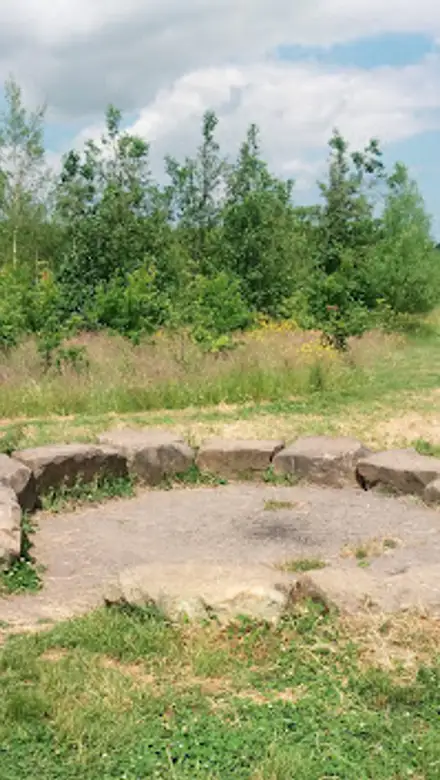
Stone Circle, Durham Travel Guide
Free Guide: A quiet Bronze Age stone circle just south of Durham city, perfect for history lovers, photographers, and those seeking a peaceful moment in the countryside.


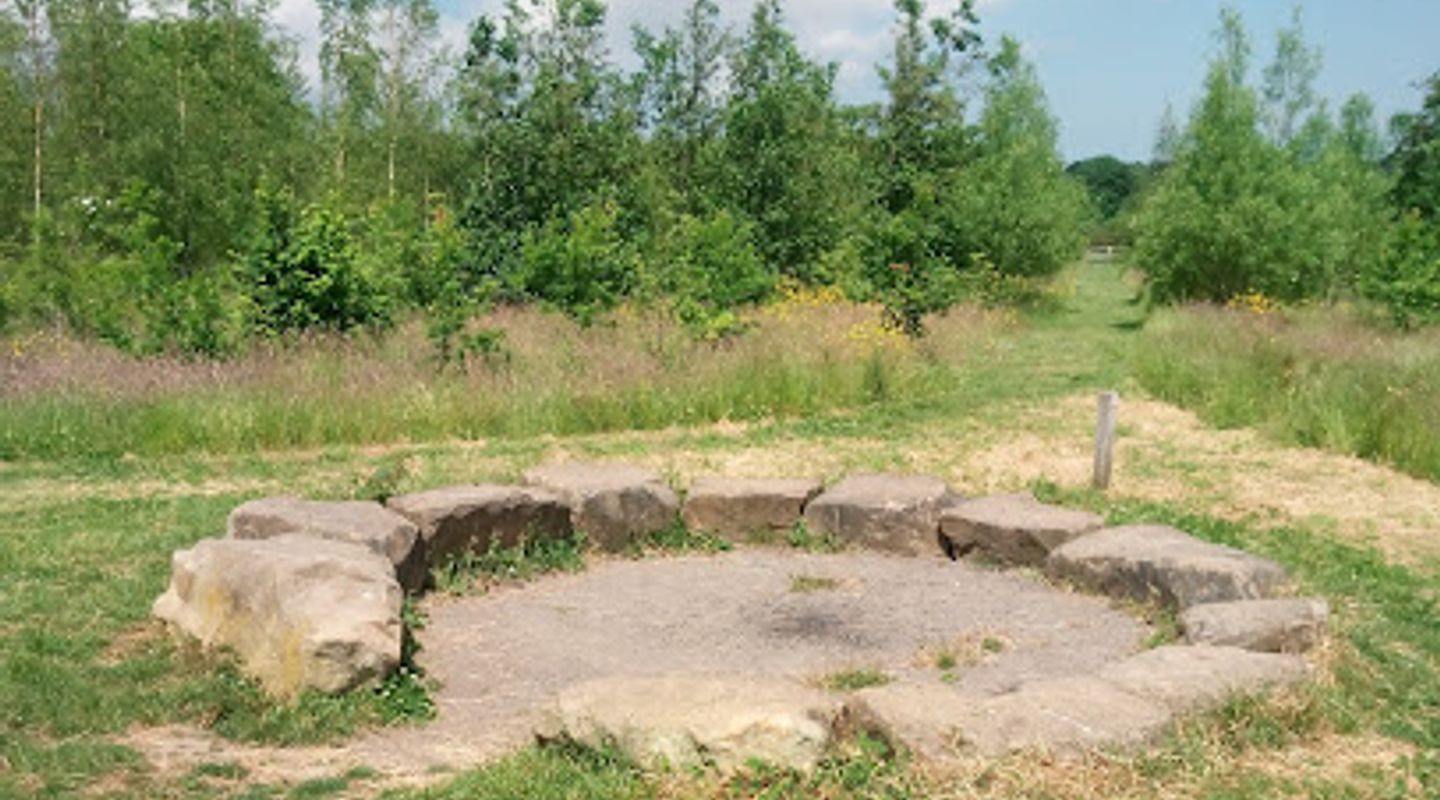
A brief summary of Stone Circle
A quiet Bronze Age stone circle just south of Durham city, perfect for history lovers, photographers, and those seeking a peaceful moment in the countryside.
Just off the A177 south of Durham city, this small prehistoric stone circle sits quietly in open grassland, a subtle but evocative remnant of ancient ritual. The circle of weathered sandstone blocks, some half-buried, stands in a peaceful, windswept setting with views across the surrounding countryside. It’s a place for quiet reflection, photography at golden hour, and a tangible connection to Durham’s deep past, easily combined with a walk from the city or a stop on a wider exploration of the region’s historic landscape.
On-site amenities
 Seating areas
 Trash bins
 Information boards
- Address
- A177, Durham DH1
Getting there
Walking
Public Transport
By Car
Discover more about Stone Circle
A Quiet Circle in the Durham Landscape
Just off the A177, a short distance south of Durham city, a small prehistoric stone circle rests in open grassland, largely unnoticed by passing traffic. This modest circle of eroded sandstone blocks is a rare surviving example of a Bronze Age ritual site in County Durham, offering a quiet, uncommercialised encounter with the distant past. Unlike grander monuments, it has no visitor centre or ticket gate; instead, it invites a more personal, contemplative visit, where the focus is on the stones themselves and the atmosphere of the surrounding fields and distant hills.
History and Setting
The circle dates from the Bronze Age, when communities across northern England erected stone circles as ceremonial or communal gathering places. The stones here are local sandstone, some standing about half a metre high while others are partially buried, their exact original form now softened by centuries of weather and subsidence. The site’s position, just off a modern road but still in open countryside, reflects how ancient monuments often lie embedded in today’s working landscape. It is not a reconstructed showpiece but a genuine, if fragmentary, survival, giving a sense of how such circles would have appeared in their original rural context.
What to Expect on a Visit
Visitors find a simple, grassy enclosure with the stone circle clearly visible, often with a small information panel nearby explaining its history and significance. The ground can be uneven and muddy after rain, so sturdy footwear is advisable. There are no formal facilities at the site itself, but the nearby road provides easy access for those arriving by car or bus. The circle is best appreciated in quiet moments – early morning or late afternoon – when the light is soft and the surrounding fields are still, allowing space to imagine the rituals and gatherings that once took place here.
Photography and Atmosphere
The circle’s understated character makes it particularly appealing for photography and quiet reflection. At sunrise and sunset, the low light casts long shadows across the stones and grass, highlighting their textures and creating a dramatic, almost mystical mood. On clear days, the backdrop of rolling Durham countryside adds depth to images, while on overcast or misty days the site takes on a more mysterious, timeless quality. Because it is not a major tourist hub, it often feels peaceful and undisturbed, ideal for those seeking a more intimate connection with ancient history.
Exploring the Wider Area
The stone circle is well placed for combining with other historic sites in the Durham region. It lies within easy reach of Durham city, with its cathedral and castle, and is close to other prehistoric and medieval remains in the surrounding countryside. Walkers and cyclists can approach it from the city along quiet country lanes or footpaths, turning a visit into a longer countryside excursion. Local walking guides and heritage trails often include this circle as a quiet highlight, linking it with nearby earthworks, old trackways, and views across the Wear Valley.
Evendo Review Centre
 Google
Guest reviews
Best time to go
Quietest: Jan, Feb & Dec · before 3am
Busy times are Evendo estimates for a typical year, to help you plan. Actual crowds vary with events, school holidays and the weather.
Explore Stone Circle on the map
A handpicked selection of must-see spots near Stone Circle, mapped for you.
Get your free copy of our complete guide to Stone Circle, delivered straight to you.
Everything on this page, from opening hours and how to get there to Eve’s tips and the best time to go, in one PDF you can read offline, print or share.
Already have an account? Sign in
Your Stone Circle guide is ready.
We'll send it to · Not you? Sign out

Getting your guide ready…
We are putting together a fresh copy of the Stone Circle guide. This can take up to a minute.
This can take a few moments. If your browser asks, choose Allow so the download can start. You'll find the guide in your Downloads folder.
Nothing happened? Download it again
Sorry, the guide is taking longer than usual. Please try again in a minute, or get it by email instead.
Other nearby places you may find interesting
The closest places of the same kind, if this one is not quite what you had in mind.
-
-
-
-
-


Swipe for more places
More to explore near Stone Circle

 Best experiences near Stone Circle
 Best hotels near Stone Circle
 Best landmarks near Stone Circle
 Best attractions near Stone Circle
 Best shops near Stone Circle
 Best restaurants near Stone Circle
 Best bars near Stone Circle
Do you manage this location?
Take control to get all the benefits, like improved information, better appearance, and stronger visibility across AI-powered discovery.
Explore more

Explore more of Durham
Discover the unique blend of history and modernity in Durham. From the iconic Cathedral in England to the vibrant innovation hub in North Carolina.
Explore Durham
Explore more of United Kingdom
Discover the United Kingdom: A blend of rich history, stunning landscapes, and vibrant cities, offering a unique travel experience for every visitor.
Explore United Kingdom