

Oriental Museum, Durham Travel Guide
Free Guide: Britain's premier North East museum of Asian and North African art and archaeology, offering free admission and world-class collections.


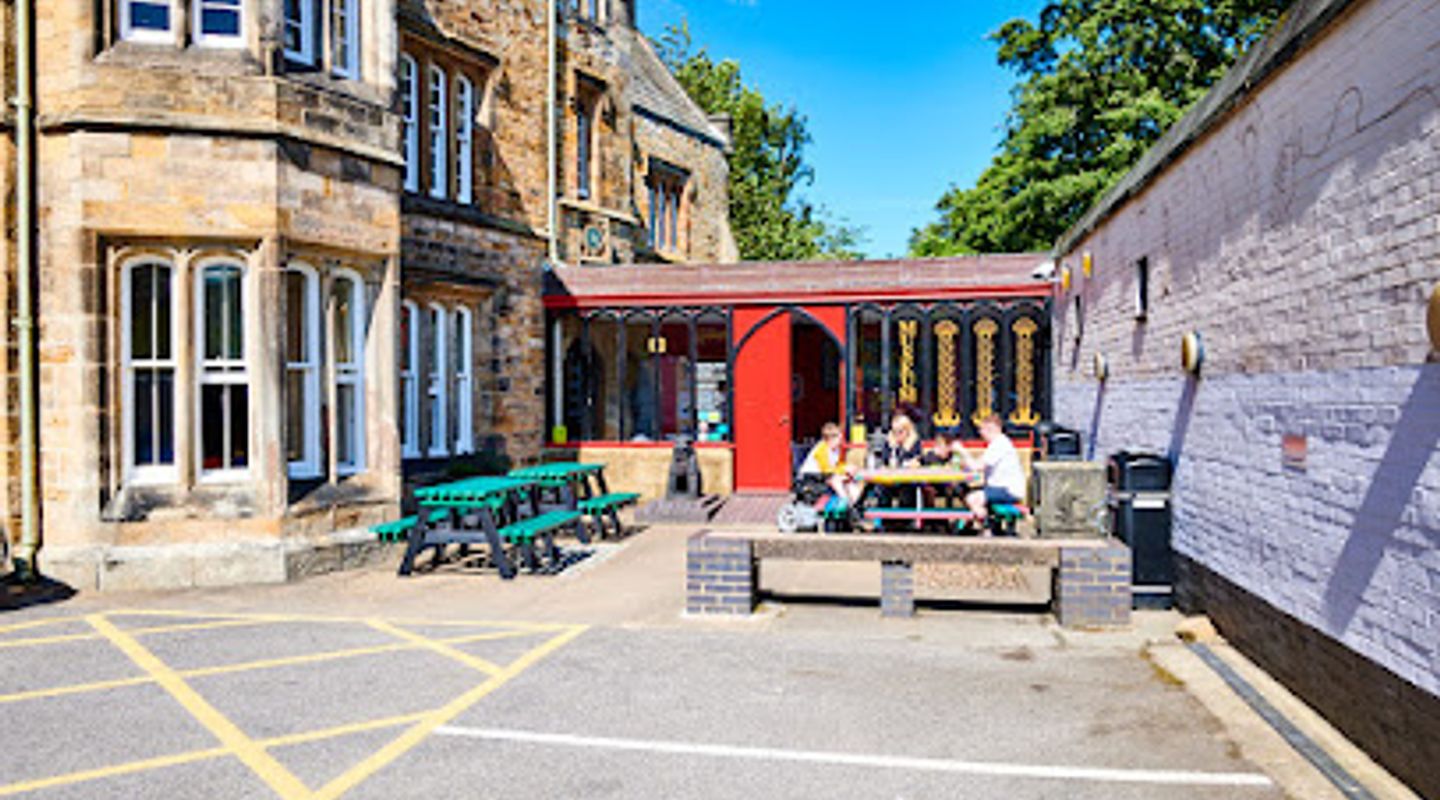
A brief summary of Oriental Museum
Britain's premier North East museum of Asian and North African art and archaeology, offering free admission and world-class collections.
The Oriental Museum at Durham University is the only museum in the North East dedicated exclusively to art and archaeology from Asia and North Africa. Housing one of Britain's most important Chinese collections outside London alongside exceptional Egyptian, Japanese, Korean, and Middle Eastern artifacts, this free-admission museum offers an immersive journey through thousands of years of cultural heritage. Located on Elvet Hill, the museum features interactive exhibits, detailed signage, and thoughtfully curated displays that appeal to both serious scholars and casual visitors.
On-site amenities
 Restrooms
 Drink options
 Food options
 Seating areas
 Information boards
 Visitor centre
Opening hours
- MonClosed
- Tue10 am–5 pm
- Wed10 am–5 pm
- Thu10 am–7 pm
- Fri10 am–5 pm
- Sat12 pm–5 pm
- Sun12 pm–5 pm
Opening hours as listed on the venue’s Google Business Profile. Hours can change for services and special events, so check with the venue before you go.
- Address
- Elvet Hill Rd, South Rd, Durham DH1 3TH
- Phone
- Website
Getting there
Walking from Durham City Centre
Local Bus from Durham Train Station
Taxi or Ride-Share from Durham Train Station
University Campus Parking
Discover more about Oriental Museum
A Gateway to Eastern Cultures
The Oriental Museum stands as a distinctive cultural institution within Durham University, founded in 1960 with a mission to preserve and present the art and archaeology of Asia and North Africa. Housed within the university's campus on Elvet Hill, it remains the only museum in the North East dedicated solely to these regions, making it an essential destination for anyone seeking to understand the rich tapestry of Eastern civilizations. The museum's collections have grown substantially since its inception, enriched by donations from prominent benefactors and carefully selected acquisitions that reflect the breadth and depth of these cultures.
Treasures Across Four Continents
The museum's permanent collections are organized into four major sections, each representing distinct cultural spheres. The China Collection ranks among Britain's most significant Chinese assemblies outside London, spanning over 5,000 years of artistic and cultural expression. Visitors encounter ancient jade carvings, exquisite ceramics, Buddhist figurines that illuminate spiritual practices, Ming dynasty tomb figures that reveal death rituals, and Qing dynasty costumes that illuminate daily life. The Japan and Korea section showcases the refined aesthetics and craftsmanship of East Asian traditions, while the Ancient Egypt and Sudan galleries present an exceptional array of artifacts that illuminate one of history's most enduring civilizations. The Southwest Asia section completes the geographical scope, presenting material culture from the Middle East that demonstrates the region's historical significance and artistic achievements.
Interactive Learning and Accessibility
Beyond passive observation, the Oriental Museum actively engages visitors through interactive exhibits and comprehensive interpretive signage. The museum is fully accessible, with lifts and facilities designed to accommodate visitors of all mobility levels. Educational programs cater to diverse audiences, from children participating in hands-on workshops on Chinese calligraphy and Japanese origami to adults attending expert lectures on Asian cultural topics. The museum regularly hosts special exhibitions that explore specific themes or highlight particular aspects of its extensive collections, ensuring that repeat visits reveal new perspectives and discoveries.
A Rewarding Exploration
While the museum may appear modest in scale, its depth rewards unhurried exploration. Visitors consistently report that what initially seems like a brief visit expands into several hours of engagement, particularly when taking time to read the detailed descriptions accompanying each artifact. The thoughtful curation ensures that even casual visitors gain meaningful insights into the cultures represented, while scholars find substantial material for serious study. The staff are known for their knowledge and approachability, enhancing the visitor experience through informed conversation and assistance.
Practical Considerations for Your Visit
Admission to the Oriental Museum is entirely free, removing financial barriers to cultural exploration. The museum operates from Tuesday through Friday from 10:00 to 17:00, with extended hours on Thursday until 19:00, and weekend hours from 12:00 to 17:00 on Saturday and Sunday. Monday remains closed. The location on Elvet Hill places it within reasonable walking distance of Durham's city center, approximately 20 to 30 minutes on foot depending on your pace, with the route generally well-signposted. Limited parking is available on the university campus, though it is advisable to verify availability and regulations in advance. Most visitors allocate two to three hours for their visit, though those with particular interests may spend considerably longer.
Evendo Review Centre
 Google
Guest reviews
Best time to go
Quietest: Jan, Feb & Dec · before 9am or from 6pm
Busy times are Evendo estimates for a typical year, to help you plan. Actual crowds vary with events, school holidays and the weather.
Explore Oriental Museum on the map
A handpicked selection of must-see spots near Oriental Museum, mapped for you.
Get your free copy of our complete guide to Oriental Museum, delivered straight to you.
Everything on this page, from opening hours and how to get there to Eve’s tips and the best time to go, in one PDF you can read offline, print or share.
Already have an account? Sign in
Your Oriental Museum guide is ready.
We'll send it to · Not you? Sign out

Getting your guide ready…
We are putting together a fresh copy of the Oriental Museum guide. This can take up to a minute.
This can take a few moments. If your browser asks, choose Allow so the download can start. You'll find the guide in your Downloads folder.
Nothing happened? Download it again
Sorry, the guide is taking longer than usual. Please try again in a minute, or get it by email instead.
Other nearby places you may find interesting
The closest places of the same kind, if this one is not quite what you had in mind.
-
-
-
-
-


Swipe for more places
More to explore near Oriental Museum

 Best experiences near Oriental Museum
 Best hotels near Oriental Museum
 Best landmarks near Oriental Museum
 Best attractions near Oriental Museum
 Best shops near Oriental Museum
 Best restaurants near Oriental Museum
 Best bars near Oriental Museum
Do you manage this location?
Take control to get all the benefits, like improved information, better appearance, and stronger visibility across AI-powered discovery.
Explore more

Explore more of Durham
Discover the unique blend of history and modernity in Durham. From the iconic Cathedral in England to the vibrant innovation hub in North Carolina.
Explore Durham
Explore more of United Kingdom
Discover the United Kingdom: A blend of rich history, stunning landscapes, and vibrant cities, offering a unique travel experience for every visitor.
Explore United Kingdom
