

Tattershall Castle, Lincolnshire
A magnificent 15th-century red-brick tower rising from the Lincolnshire fens, built to showcase the power of a medieval lord and saved for the nation by Lord Curzon.
Rising from the flat Lincolnshire fens, Tattershall Castle is a magnificent 15th-century red-brick fortress built by Ralph Cromwell, Lord Treasurer of England. Its imposing Great Tower, one of the earliest and finest examples of English medieval brickwork, dominates the landscape with six storeys of Gothic fireplaces, church-like windows and battlements. Saved from demolition and export by Lord Curzon in the early 20th century, the castle is now a National Trust property set within moated grounds, offering panoramic views, evocative interiors and a vivid glimpse into late medieval power and architecture.
A brief summary to National Trust - Tattershall Castle
- Sleaford Rd, Lincoln, Tattershall, LN4 4LR, GB
- +441526342543
- Visit website
- Duration: 1.5 to 3 hours
- Mid ranged
-
 Mixed
Mixed
- Mobile reception: 4 out of 5
- Tuesday 10:30 am-3:30 pm
- Wednesday 10:30 am-4:30 pm
- Thursday 10:30 am-4:30 pm
- Friday 10:30 am-4:30 pm
- Saturday 10:30 am-4:30 pm
- Sunday 10:30 am-4:30 pm
Local tips
- Visit on a clear day to enjoy the best views from the Great Tower battlements across the flat Lincolnshire countryside.
- Wear sturdy shoes as the grounds include gravel paths and uneven grassy areas, and be prepared for narrow spiral staircases inside the tower.
- Check the National Trust website before visiting, as the castle building is closed in winter and only the grounds may be accessible.
- Look out for the historic graffiti carved into the Great Tower’s walls – a fascinating glimpse of past visitors and garrison life.
- Combine your visit with a walk to the nearby Holy Trinity Church to get a fuller sense of the historic village setting.

For the on-the-go comforts that matter to you
- Restrooms
- Drink Options
- Food Options
- Seating Areas
- Sheltered Areas
- Picnic Areas
- Trash Bins
- Information Boards
- Visitor Center
Getting There
-
Car
From Sleaford, follow the A153 towards Tattershall; the castle is clearly signposted from the village. There is a dedicated National Trust car park on Sleaford Road, a short walk from the entrance. Parking is free for National Trust members; non-members pay a small fee.
-
Bus
Regular local buses run between Sleaford and Tattershall, with a stop near the village centre. From there, it’s about a 15-minute walk along Sleaford Road to the castle entrance, mostly on pavements and quiet roads.
-
Train
The nearest railway station is Sleaford, about 10 km away. From there, take a local bus to Tattershall or a taxi; the journey takes around 15–20 minutes. Direct walking is not practical due to distance and road conditions.
-
Bicycle
Tattershall is accessible by bike from nearby towns via quiet country roads and lanes. There are cycle racks near the entrance, and the flat fenland terrain makes for an easy ride, though exposed to wind and weather.
National Trust - Tattershall Castle location weather suitability
-
 Any Weather
-
 Clear Skies
-
 Mild Temperatures
Discover more about National Trust - Tattershall Castle
A Tower of Power and Prestige
Tattershall Castle’s story begins in the early 13th century when Robert de Tateshale received a royal licence to build a stone fortified manor on this fenland site. But the castle as visitors see it today is largely the creation of Ralph Cromwell, 3rd Baron Cromwell and Lord Treasurer of England, who transformed it between about 1434 and 1450. Determined to reflect his immense wealth and status, Cromwell rebuilt in lavish red brick – a costly, fashionable material at the time – creating a residence that was as much a political statement as a home. The Great Tower, soaring over 33 metres, was designed not as a purely military stronghold but as a grand, multi-storey residence with large windows, ornate fireplaces and spacious chambers, symbolising the power of a man at the heart of Henry VI’s government.Architecture and Archaeology of a Fenland Stronghold
The castle’s layout follows a roughly rectangular plan, originally defended by a double moat and curtain walls, with the Great Tower standing as the dominant feature in the inner ward. This tower, with its six storeys, battlements and turrets, is one of the earliest and most impressive surviving examples of late medieval brick construction in England. Its large windows and decorative machicolations suggest a focus on comfort and display rather than defence, placing it at the forefront of the Lancastrian Court Style in architecture. The surrounding grounds preserve the footprint of the wider castle complex, including the ruins of later Tudor additions and the original moat system, offering a layered archaeological landscape that reveals centuries of changing use and status.Survival, Decline and Rescue
After Cromwell’s death, Tattershall passed through royal hands and later noble families before falling into decline in the 17th century, eventually being used as a farm. By the early 20th century, the castle was in danger of being dismantled and shipped to North America. Its salvation came in 1911 when Lord Curzon of Kedleston purchased the site and commissioned a sensitive restoration. Under architect William Weir, the castle was excavated, conserved and opened to the public on the eve of the First World War. Curzon’s intervention not only saved Tattershall but also helped inspire the 1913 Ancient Monuments Consolidation and Amendment Act, the first major piece of buildings conservation legislation in the world.Visiting the Castle Today
Today, Tattershall Castle is cared for by the National Trust and offers visitors a chance to climb the Great Tower’s winding staircase, explore its vast chambers with huge Gothic fireplaces and church-like windows, and walk the battlements for sweeping views across the Lincolnshire fens. The interiors are largely unfurnished but retain their powerful sense of scale and atmosphere, with some 17th-century furniture and tapestries collected by Lord Curzon on display. Outside, the moated grounds provide pleasant walks, picnic spots and a wildflower meadow, while the adjacent Holy Trinity Church adds to the historic ambiance. The site is particularly appealing to those interested in medieval architecture, the history of the English nobility and the early conservation movement.Iconic landmarks you can’t miss

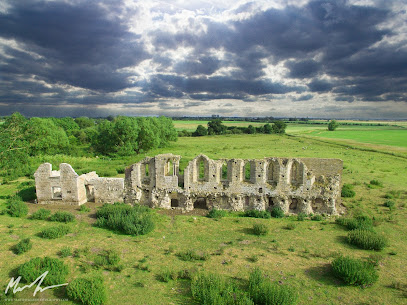
Tupholme Abbey
12.5 km
Medieval monastery transformed: where Premonstratensian canons once prayed, Tudor mansions rose and farmland endured.
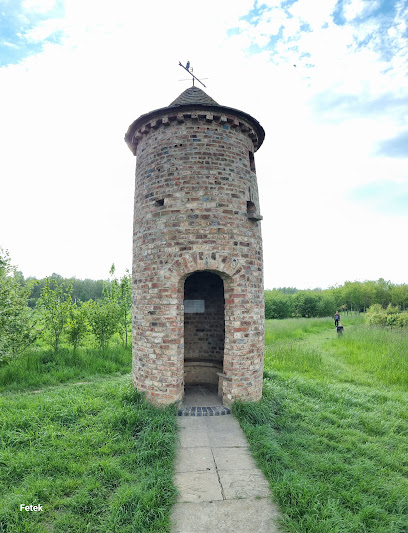
Lincolnshire Road Victims Memorial
18.0 km
A solemn memorial in Wyberton honoring lives lost on Lincolnshire’s roads, set within peaceful Sir Joseph Banks Country Park.
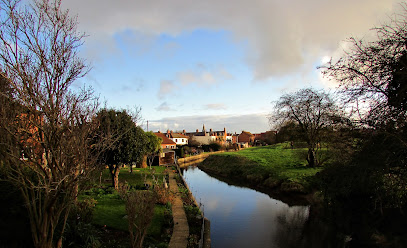
Sleaford Castle
18.9 km
Explore the evocative ruins of Sleaford Castle, a medieval fortress steeped in centuries of ecclesiastical history and local heritage.
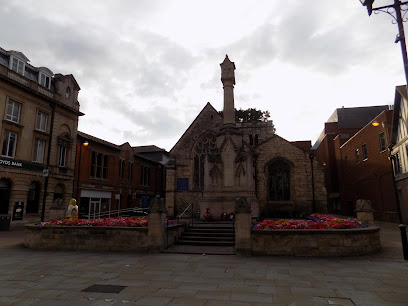
Lincoln War Memorial
27.1 km
A timeless symbol of unity and freedom, the Lincoln Memorial stands proudly at the heart of Washington, D.C.'s National Mall.
Priory Arch
27.2 km
A majestic Victorian Gothic arch marking the historic entrance to Lincoln’s cathedral quarter and the ancient Bailgate street.
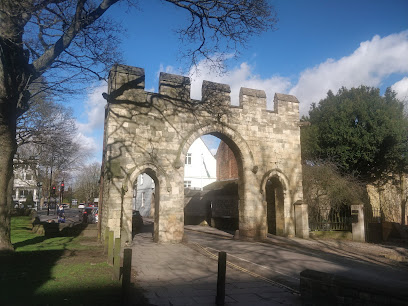
North Tower of the East Gate of the Wall of Roman Lindum Colonia (Lincoln)
27.2 km
Explore the impressive Roman North Tower of the East Gate, a gateway to Lincoln’s ancient Lindum Colonia and a testament to Roman urban grandeur.
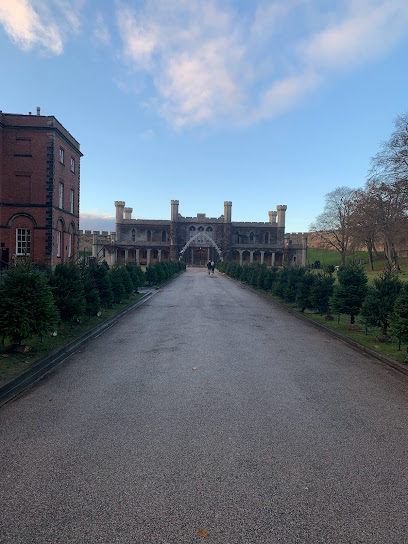
Exchequer Gate
27.3 km
Step through Exchequer Gate, a majestic 14th-century medieval archway guarding Lincoln’s historic heart between Castle and Cathedral.
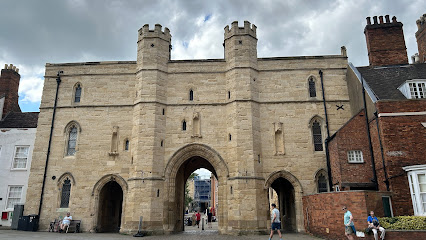
Gibraltar Point National Nature Reserve
35.2 km
Experience the tranquility and natural beauty of Gibraltar Point National Nature Reserve, a haven for wildlife and a perfect escape for nature lovers.
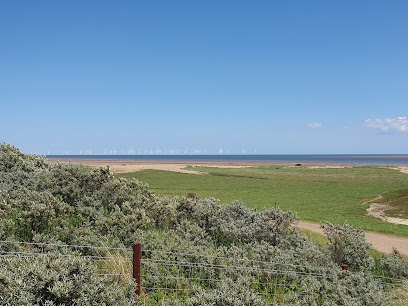
Ayscoughfee Hall Museum and Gardens
35.4 km
Explore the historical treasures and serene gardens of Ayscoughfee Hall Museum and Gardens in Spalding, a perfect escape for nature lovers and history enthusiasts.
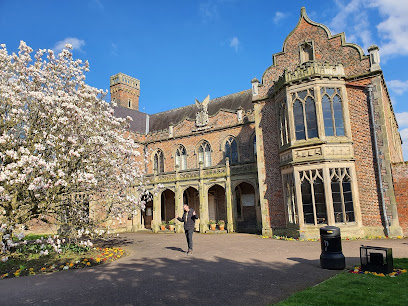
Jolly Fisherman Statue
35.6 km
Explore the charm of Skegness at the Jolly Fisherman Statue, a beloved landmark celebrating the town's fishing heritage and coastal beauty.
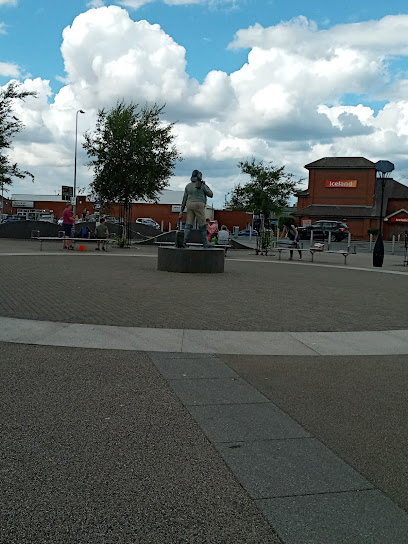
Tower Gardens
36.1 km
Discover the beauty of Tower Gardens in Skegness, a peaceful park ideal for families, nature lovers, and anyone seeking a relaxing retreat.
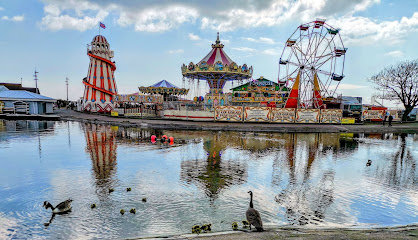
The Jubilee Clock Tower
36.1 km
A striking Victorian landmark in Skegness, the Jubilee Clock Tower commemorates Queen Victoria’s Diamond Jubilee and anchors the town’s historic seaside charm.
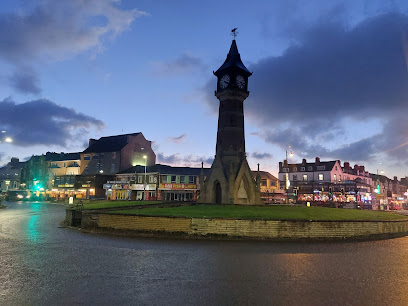
Skegness Pier
36.3 km
Experience endless fun, delicious food, and stunning views at Skegness Pier, the ultimate seaside amusement destination in the UK.
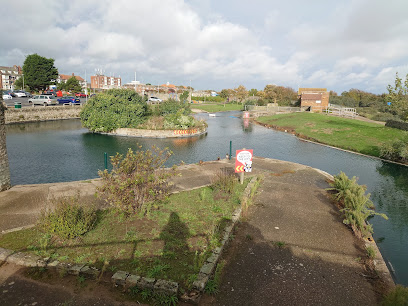
Castle Ruins Skegness
36.5 km
Discover the tranquil medieval castle ruins in Skegness, a free and timeless glimpse into Lincolnshire’s rich history.
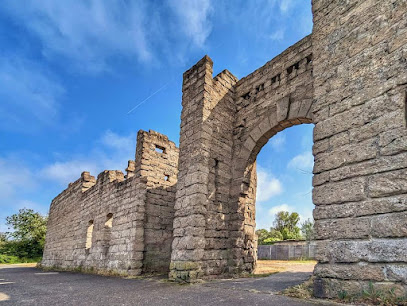
Grimsthorpe Castle Park & Gardens
38.5 km
Immerse yourself in the rich history and stunning landscapes of Grimsthorpe Castle Park & Gardens, a perfect family-friendly retreat in the English countryside.
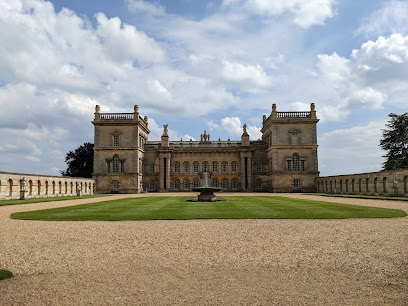
Unmissable attractions to see

Battle Of Britain Memorial Flight Visitors Centre
1.0 km
Explore iconic WWII aircraft and honor RAF heroes at the living memorial of the Battle of Britain Memorial Flight in Lincolnshire.
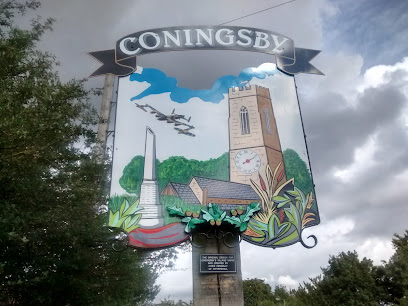
Tattershall Farm Park
1.9 km
A delightful family farm park in Lincolnshire offering animal encounters, soft play, and seasonal events for children under 10.
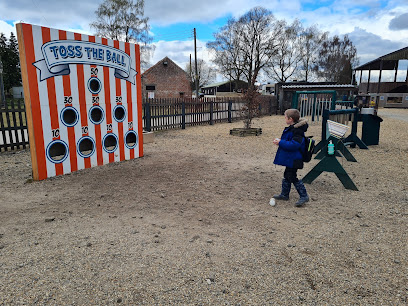
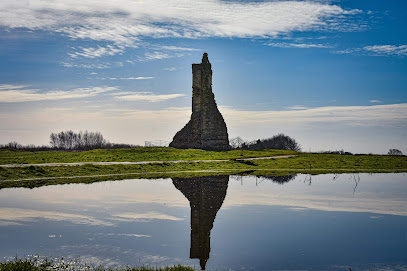
Kirkstead Abbey
4.6 km
Explore the evocative ruins of Kirkstead Abbey, a 12th-century Cistercian monastery steeped in medieval history and tranquil Lincolnshire countryside.
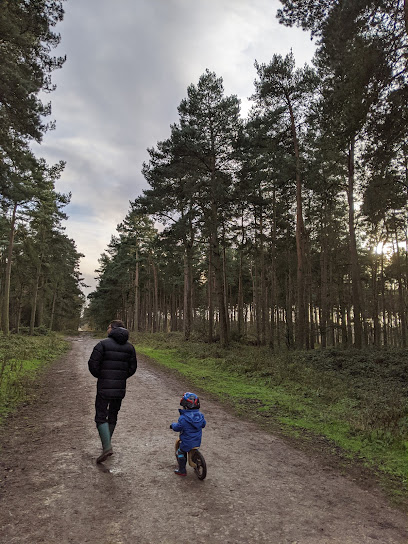
Ostler's Plantation
5.2 km
Discover Ostler's Plantation: a serene woodland rich with towering trees, wildlife, and echoes of WWII history near Woodhall Spa.
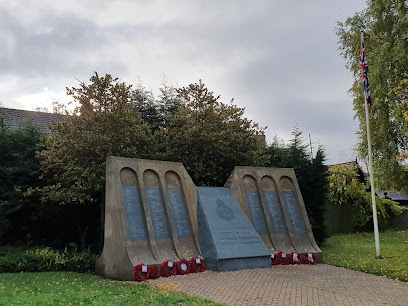
Dambusters Memorial
5.8 km
A solemn and striking memorial in Woodhall Spa honoring the bravery and sacrifice of the legendary Dambusters of No. 617 Squadron.
Woodhall Spa Cottage Museum
5.9 km
Discover the charming history and heritage of Woodhall Spa in this intimate cottage museum filled with local stories and artifacts.
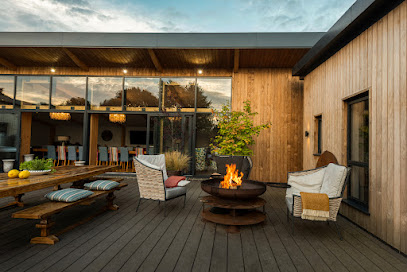
Bainland Lodge Retreats
6.5 km
Luxury lakeside lodges in tranquil Woodhall Spa with private hot tubs, family-friendly amenities, and dog-friendly escapes in 45 acres of natural beauty.
ARK Wildlife & Dinosaur Park Stickney
12.8 km
Discover rescued exotic animals and Lincolnshire’s largest dinosaur park in a family-friendly sanctuary blending wildlife care with prehistoric adventure.

Lincolnshire Aviation Heritage Centre
13.5 km
Step back in time at Lincolnshire Aviation Heritage Centre, a living memorial to WWII Bomber Command with rare aircraft and immersive wartime exhibits.

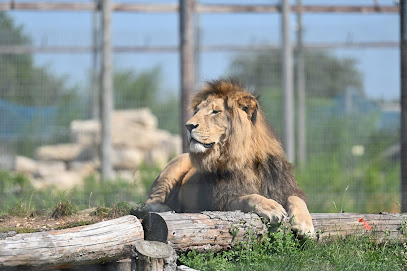
Wolds Wildlife Park
14.1 km
Discover Lincolnshire’s intimate wildlife sanctuary with lions, tigers, and more in a family-friendly, scenic park setting.
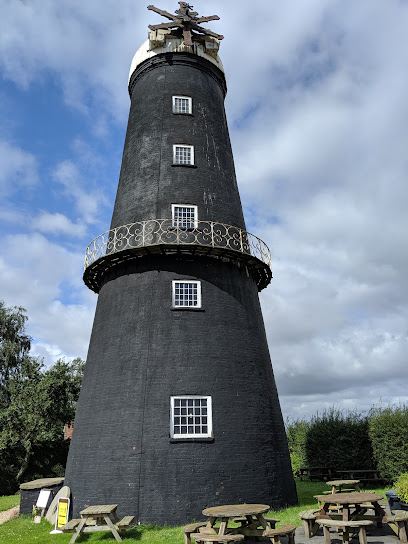
English Heritage - Sibsey Trader Windmill
14.9 km
Experience the timeless charm of Sibsey Trader Windmill, a beautifully preserved 19th-century tower mill set in the heart of Lincolnshire’s fenlands.
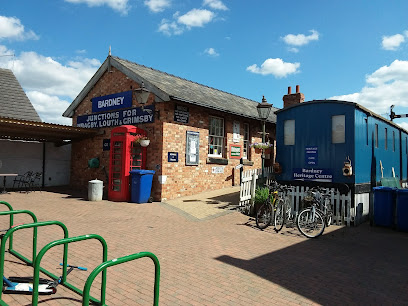
Bardney Heritage Centre
15.1 km
Explore Bardney’s rich history and community spirit at this charming heritage centre with engaging exhibits and a cozy café.
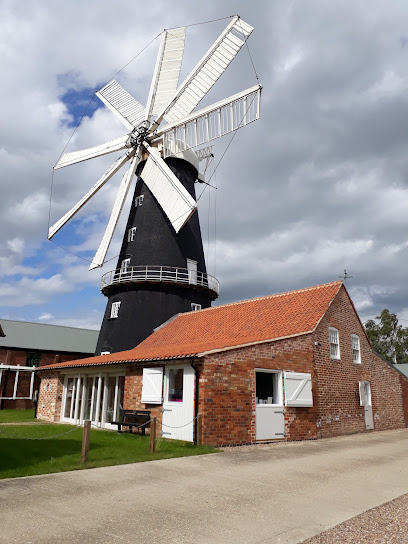
Heckington Windmill
15.4 km
Explore the world’s only eight-sailed windmill, a living heritage site blending history, milling, craft brewing, and community spirit in Lincolnshire.
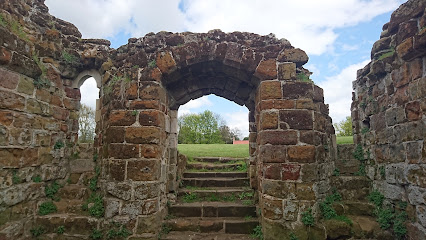
English Heritage - Bolingbroke Castle
15.7 km
Explore the evocative ruins and royal heritage of Bolingbroke Castle, birthplace of King Henry IV, nestled in tranquil Lincolnshire countryside.
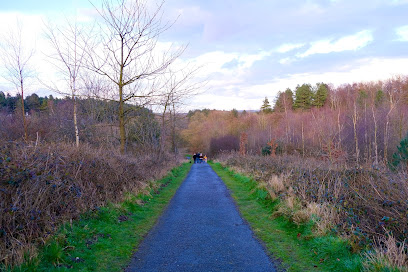
Snipe Dales
16.1 km
Explore the tranquil wet valleys and woodlands of Snipe Dales, a serene nature reserve with scenic trails and abundant wildlife in Lincolnshire.
Essential places to dine

The Leagate Inn
3.2 km
A cozy Lincolnshire pub with inviting rooms, excellent food, and a relaxing beer garden in the heart of Coningsby village.
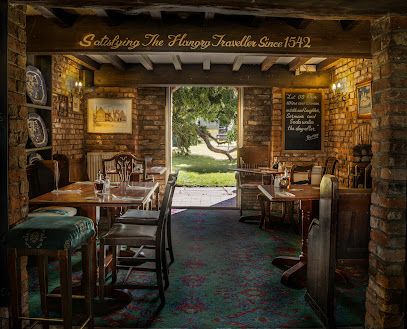
The Petwood Hotel
6.5 km
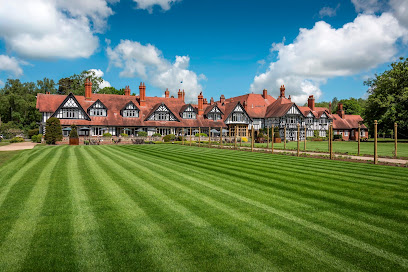
Historic charm meets tranquil gardens and refined comfort at The Petwood Hotel, Woodhall Spa’s iconic country retreat.
The Red Lion Inn
22.7 km
Experience authentic English countryside charm and comfort at The Red Lion Inn in Partney, where tradition meets warm hospitality.
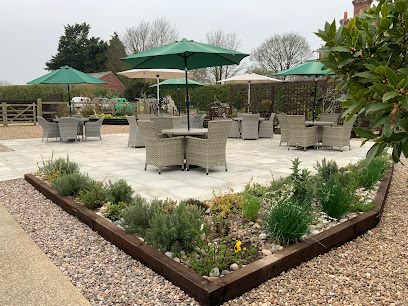
Homestead
24.8 km
A historic Grade II listed countryside pub in Bracebridge Heath offering hearty British classics and a warm, inviting atmosphere near Lincoln.
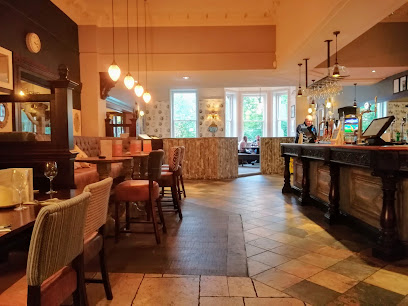
Premier Inn Lincoln (Canwick) hotel
25.2 km
Discover comfort and convenience at Premier Inn Lincoln (Canwick), your gateway to exploring historic Lincoln's treasures.
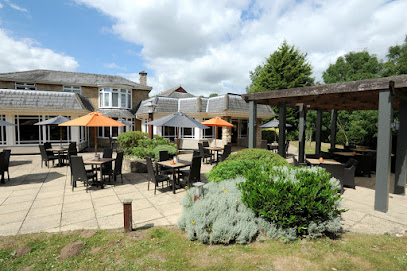
Mill Lodge Beefeater
25.2 km
Family-friendly steakhouse in Lincoln offering aged grills, classic British roasts, and hearty breakfasts in a cozy farmhouse setting.
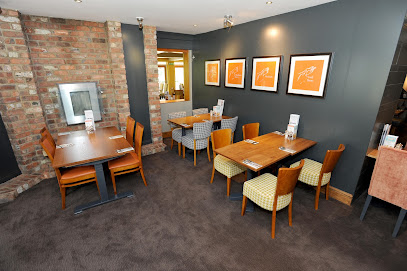
Premier Inn Lincoln City Centre
26.9 km
Modern comfort and friendly service in Lincoln’s historic heart, steps from the Cathedral and Castle.

The Botanist Lincoln
27.0 km
A secret garden of botanical cocktails, seasonal cuisine, and live music in historic Lincoln.
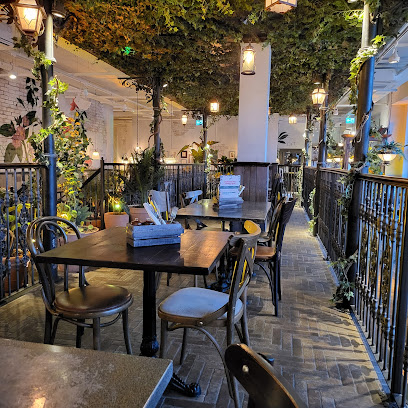
Turtle Bay Lincoln
27.0 km
Experience vibrant Caribbean flavors, tropical cocktails, and reggae vibes at Turtle Bay Lincoln’s lively Central Market venue.
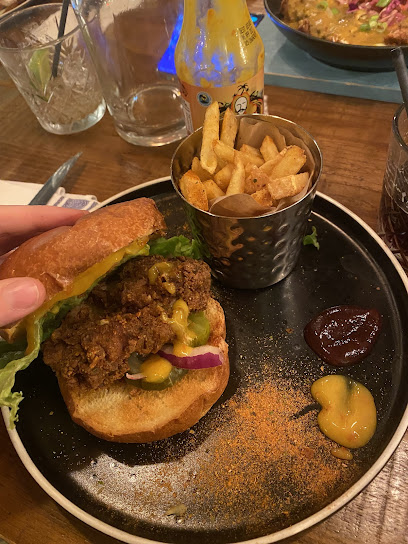
Cosy Club
27.0 km
Eclectic dining and vibrant drinks in Lincoln’s historic Corn Exchange with a quirky, vintage-inspired atmosphere.
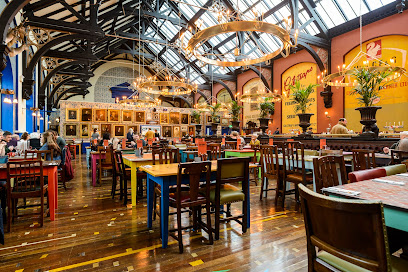
The Rest Hotel
27.2 km
Boutique 5-star comfort on Lincoln’s historic Steep Hill, blending modern luxury with medieval charm and a renowned coffee shop.
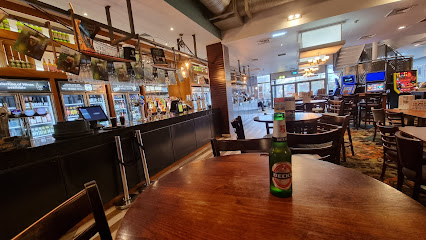
The Square Sail - JD Wetherspoon
27.3 km
Affordable waterfront pub in Lincoln offering classic British fare, quick service, and a relaxed atmosphere with scenic marina views.
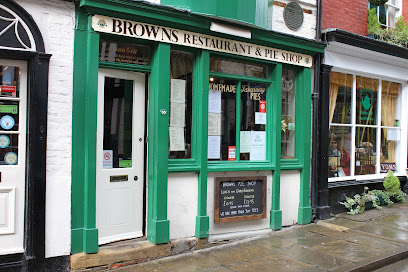
Hobbsons Restaurant and Pie Shop
27.4 km
Savor traditional British gourmet pies in a cozy, historic setting on Lincoln’s iconic Steep Hill.
White Hart Hotel
27.4 km
Historic charm and modern luxury converge in Lincoln’s vibrant Bailgate at The White Hart Hotel, steps from cathedral and castle.
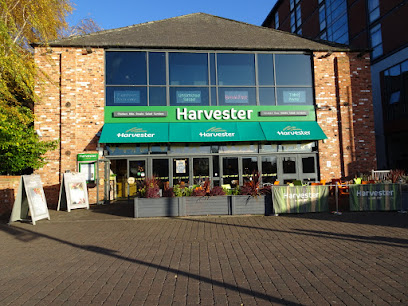
Harvester Brayford Wharf Lincoln
27.5 km
Casual British dining with a family-friendly vibe and scenic riverside views at Lincoln’s Brayford Wharf.
Markets, malls and hidden boutiques

Grace's Boutique
13.0 km
A charming boutique in Horncastle offering unique fashion, accessories, and gifts with warm, personalized service in a historic market town setting.

Navenby Antiques Centre
22.2 km
Discover timeless treasures and local heritage in the heart of Navenby’s charming antiques centre.
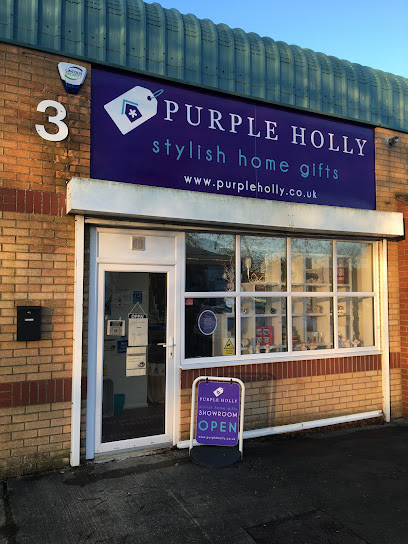
Purple Holly
26.0 km
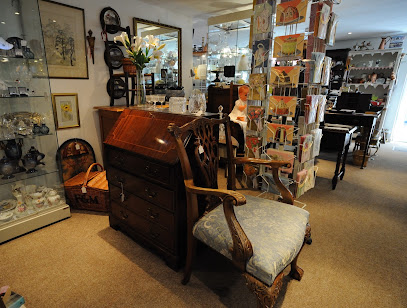
Discover stylish gifts and charming homewares inspired by Lincolnshire’s countryside at Purple Holly, your boutique destination in Lincoln’s Newporte Business Park.
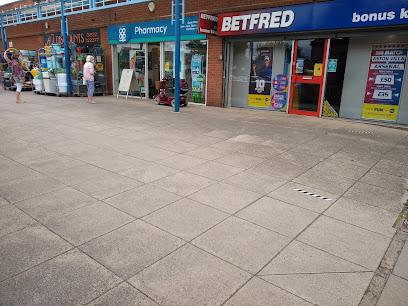
Brant Road Shopping Centre
26.2 km
A compact and community-focused shopping centre in Lincoln with diverse shops and eateries open daily from early morning to late evening.
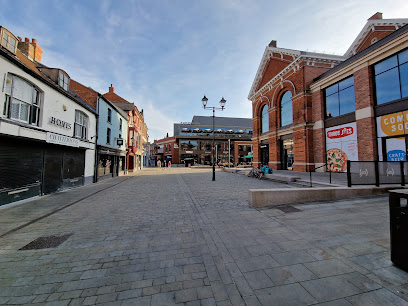
Cornhill Quarter
27.0 km
Discover Lincoln’s Cornhill Quarter, a vibrant blend of shopping, dining, culture, and entertainment at the city’s lively heart.
Waterside Shopping Centre
27.1 km
Compact and vibrant shopping hub in Lincoln’s city centre with popular brands, eateries, and family-friendly amenities.
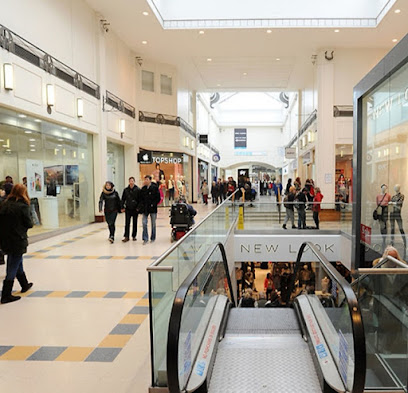
Primark
27.2 km
Discover affordable fashion and homeware for all ages in the heart of Lincoln’s vibrant High Street.
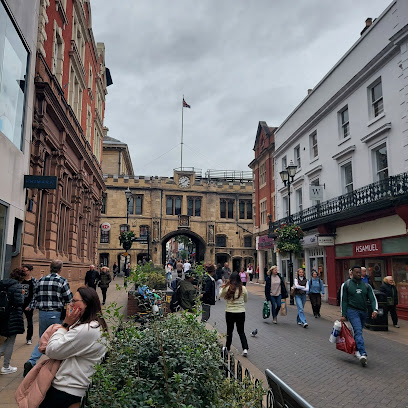
Lincoln Antiques & Collectables
27.2 km
Discover timeless treasures and vintage charm at Lincoln Antiques & Collectables, nestled on historic Steep Hill in the heart of Lincoln.
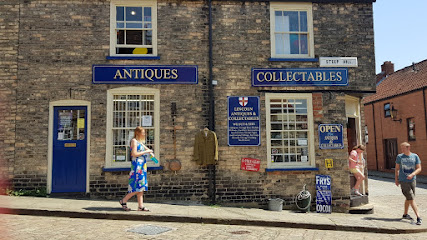
Debutante Boutique
27.3 km
Affordable, stylish ladies' clothing and accessories with French and Italian flair on Lincoln’s historic Steep Hill.
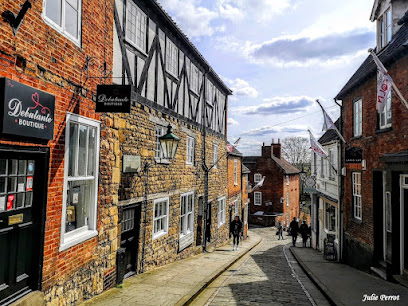
Pretty Little / Noa Noa
27.4 km
Discover unique ladies' fashion in the charming historic Bailgate district of Lincoln, blending style with personalized service.
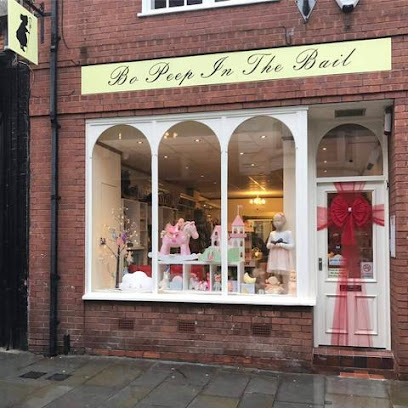
Bo Peep Boutique
27.4 km
Family-run children's clothing and toy boutique in Lincoln offering quality brands and charming gifts in a warm, historic setting.
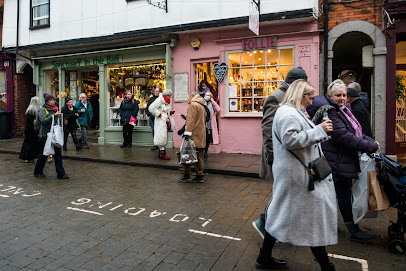
Follie
27.4 km
A charming independent gift shop in Lincoln’s historic Cathedral Quarter, offering unique home accessories, jewellery, cards and vintage-inspired finds.
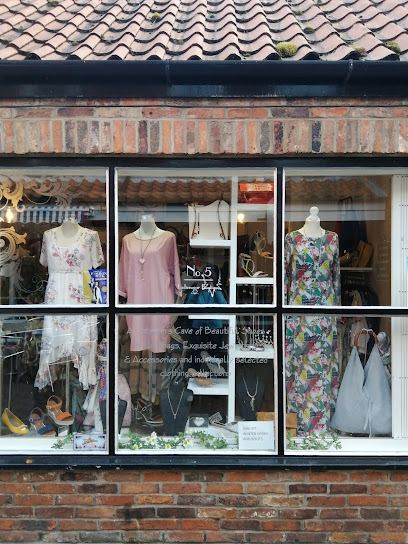
No.5 ladieswear boutique
27.4 km
Discover stylish designer ladieswear, handbags, and accessories at No.5 Ladieswear Boutique, Lincoln’s charming fashion destination.
Object & line
27.4 km
Discover unique gifts and charming treats at Object & Line, Lincoln’s boutique of curated creativity and personal service.
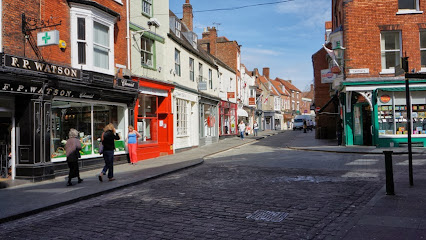
Pre-Loved From Lincolnshire
28.1 km
Discover unique handmade gifts and quality preloved treasures crafted and curated by local Lincolnshire artisans.
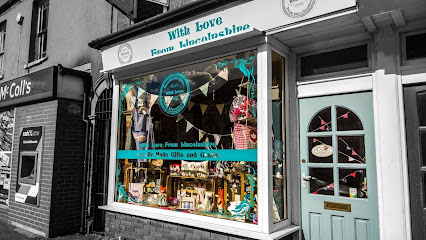
Essential bars & hidden hideouts

The Tattershall Park Country Pub and Kitchen
0.9 km
A contemporary country pub with unique themed interiors, fresh pub classics, and a welcoming garden terrace in historic Tattershall.
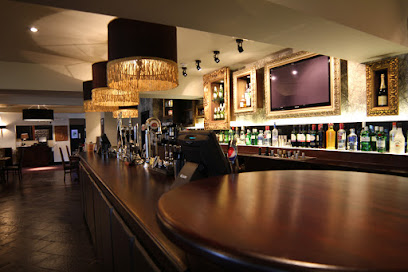
Unique Lounge Bar
17.8 km
Experience refined Japanese-inspired luxury and vibrant nightlife in Lincolnshire’s largest and most opulent lounge bar.
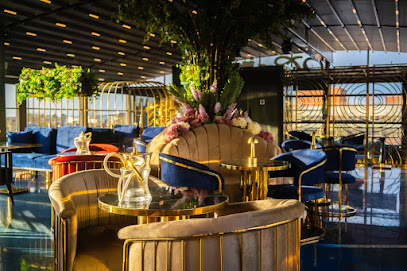
Lincolnshire Poacher
26.1 km
A warm, traditional pub in Lincoln offering classic ales, hearty meals, and a lively, family-friendly atmosphere year-round.
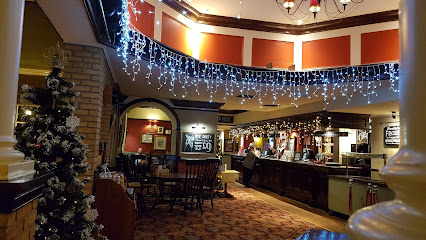
The Birdcage Pub Lincoln
26.6 km
A lively Lincoln pub with quirky charm, diverse ales, creative events, and a welcoming community atmosphere.
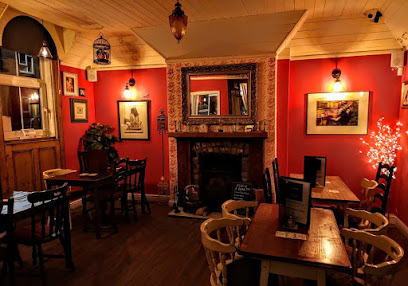
The Dog and Bone
26.6 km
A welcoming Lincoln pub with great ales, folk music gigs, and a charming beer garden in a cozy community setting.
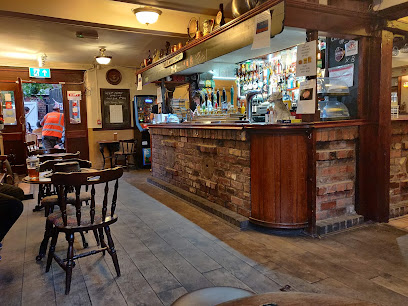
The Adam & Eve Tavern
26.9 km
Lincoln’s oldest tavern since the 1700s, blending historic charm with lively pub culture near the Cathedral.
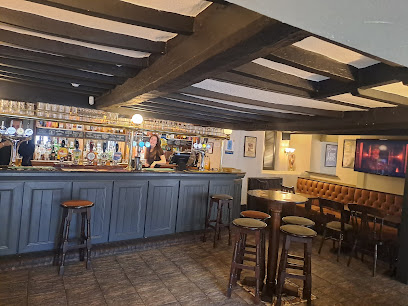
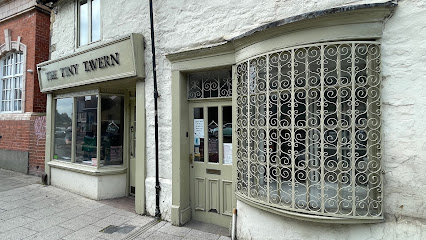
The Tiny Tavern
27.0 km
A cozy, historic Lincoln bar offering expertly curated real ales and a hidden garden oasis in charming 17th-century cottages.
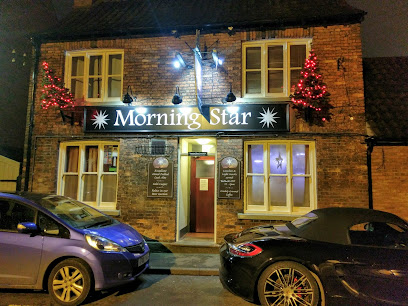
The Morning Star
27.0 km
A cozy traditional pub in Lincoln offering expertly kept ales, warm ambiance, and a prime spot near the cathedral.
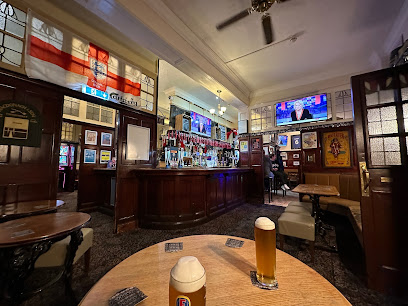
Still
27.1 km
A cosy, traditional pub in Lincoln offering great ales, live entertainment, and a welcoming atmosphere for all.
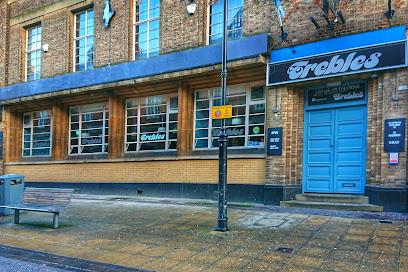
Trebles
27.1 km
Lincoln’s lively and affordable evening bar with fresh decor, great drinks, and a welcoming vibe in the heart of Saltergate.
Carousel Bar Lincoln
27.2 km
A lively Lincoln hotspot blending inventive cocktails, street food, and arcade games for an unforgettable social experience.
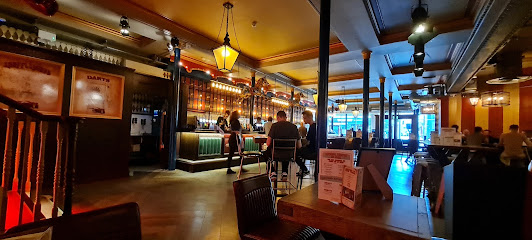
Slug & Lettuce - Lincoln
27.2 km
Lively cocktail bar and restaurant on Lincoln’s historic High Street, perfect for drinks, dining, and social nights out.
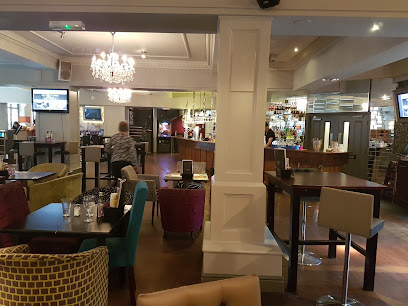
The Strait and Narrow
27.2 km
Lincoln’s quirky cocktail bar with inventive drinks, cozy nooks, and a unique social vibe featuring table phones for calling strangers.
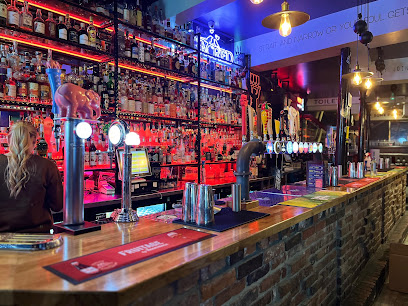
The Cardinal's Hat
27.2 km
Historic charm meets lively atmosphere at The Cardinal's Hat, Lincoln’s beloved pub with rich drinks and cozy vibes.
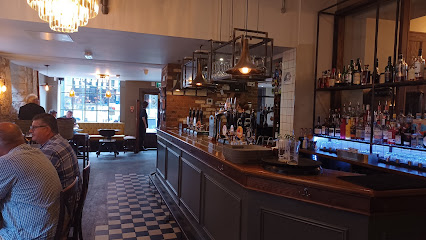
Be at One - Lincoln
27.2 km
Lively Lincoln cocktail bar with 100+ drinks, 2-for-1 happy hours, and a vibrant atmosphere on High Street.
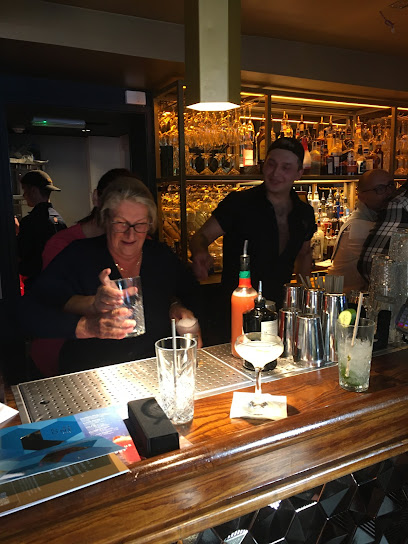
Nightclubs & after hour spots

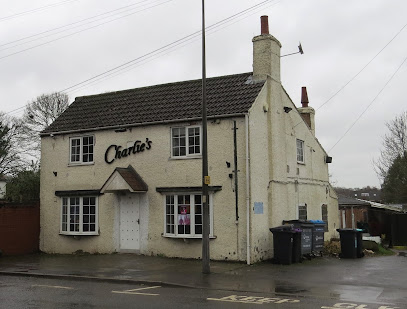
Charlie's Nightclub
1.3 km
Experience Coningsby's vibrant nightlife at Charlie's Nightclub, where lively music and a welcoming atmosphere create unforgettable evenings.
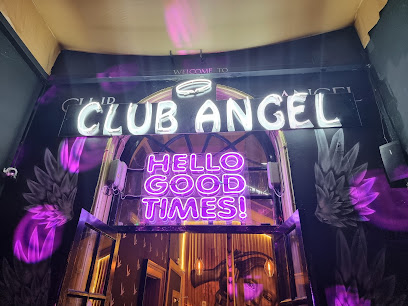
Club Angel
17.8 km
Experience stylish nightlife and vibrant weekend parties at Club Angel, Boston’s elegant hotspot for late-night entertainment.
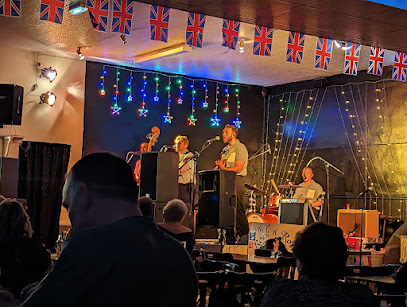
Lincoln Rock N Roll Club
26.2 km
A vibrant rock and roll nightspot in Waddington offering affordable drinks, energetic dancing, and a welcoming community atmosphere.
Void Nightclub
27.1 km
Lincoln’s stylish hotspot for electronic dance music, vibrant nights, and unforgettable clubbing experiences.
Popworld - Lincoln
27.2 km
Popworld Lincoln: Where cheesy pop hits and vibrant nightlife create unforgettable party nights on High Street.
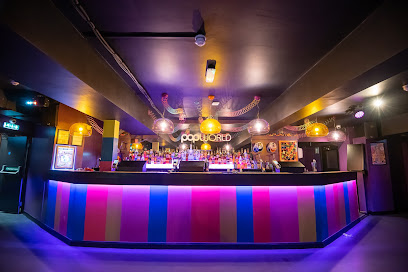
Club Desire
27.2 km
Experience Lincoln’s vibrant nightlife at Club Desire, where luxury meets affordability in a lively, welcoming gentlemen’s club setting.
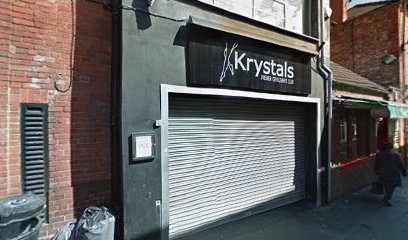
Sugarcubes Nightclub
27.3 km
Energetic and affordable nightlife in Lincoln with a unique cube-themed vibe and friendly atmosphere.
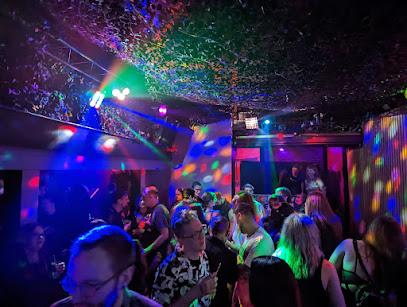
The Scene
27.4 km
Lincoln’s vibrant two-floor nightclub and LGBTQ+ venue, open nightly with diverse events and a welcoming atmosphere.
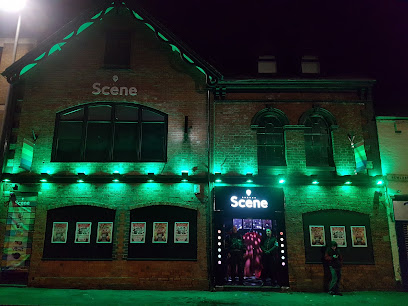
Kush Nightclub
36.1 km
Experience Skegness’ premier nightclub with luxury vibes, cutting-edge sound, and a vibrant dance floor at Kush within The Hive complex.
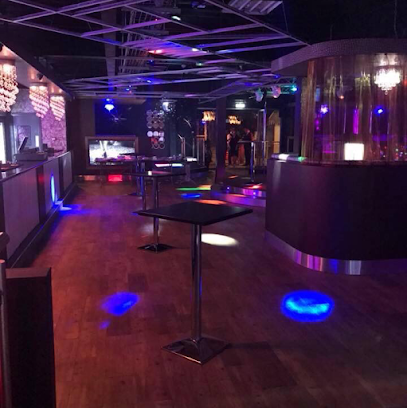
Angels Peterborough
58.6 km
Experience lively nightlife and captivating stage performances at Angels Peterborough, the city’s vibrant nightclub and bar on Brook Street.
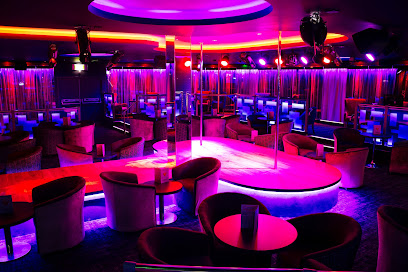
The Met Lounge
59.1 km
Peterborough’s vibrant live music venue and nightclub blending nostalgic charm with lively club nights and diverse musical acts.
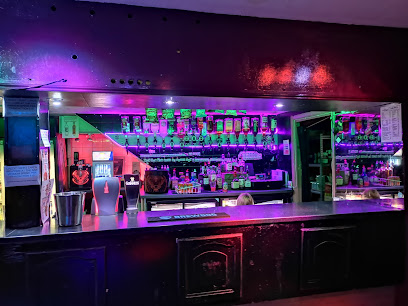
Tubes
59.6 km
Energetic nightlife and affordable drinks come alive at Tubes, Melton Mowbray’s go-to nightclub and bar for fun and dancing.
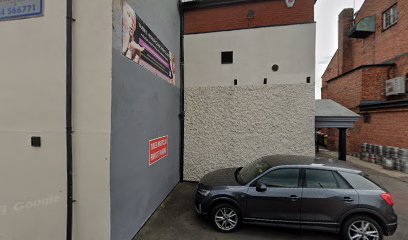
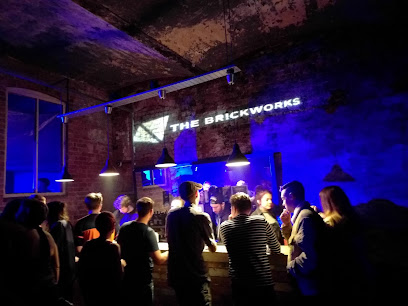
The Brickworks
65.1 km
Nottingham's raw warehouse heartbeat: intimate DJ nights, killer cocktails, and pure underground energy in a brick-clad haven.
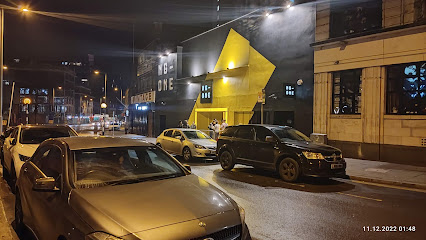
NG-One
65.5 km
A large, late‑night Nottingham club with multiple dancefloors, strong sound and long weekend hours — built for night owls and student crowds.
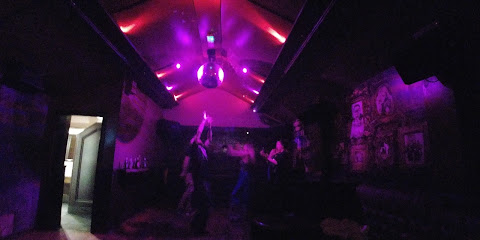
Eleven
65.6 km
A lively, multi-bar nightclub in Nottingham’s Hockley district, famed for great cocktails, student nights, and an intimate yet energetic party vibe.
For the vibe & atmosphere seeker
- Scenic
- Historic
- Unique
- Relaxing
- Tranquil
For the design and aesthetic lover
- Rustic Designs
- Vintage Styles
For the architecture buff
- Historic
- Landmarks
- Heritage Neighborhoods
For the view chaser and sunset hunter
- Iconic Views
- Panoramas
- Sunrise Spots
- Sunset Spots
For the social media creator & influencer
- Instagrammable
- Photo Spots
- Selfie Spots
- Architectural Shots
For the eco-conscious traveler
- Sustainable
- Eco-Friendly
- Public-Transport Accessible
- Protected Area
For the kind of experience you’re after
- Cultural Heritage
- Photowalk
- Day Trip
- Weekend Getaway
For how adventurous you want the journey to be
- Easy Access
Location Audience
- Family Friendly
- Senior Friendly
- Child Friendly
- Teen Friendly
- Wheelchair Access
- Solo Friendly
- Couple Friendly
- Solo Female Friendly
- Business Friendly


