
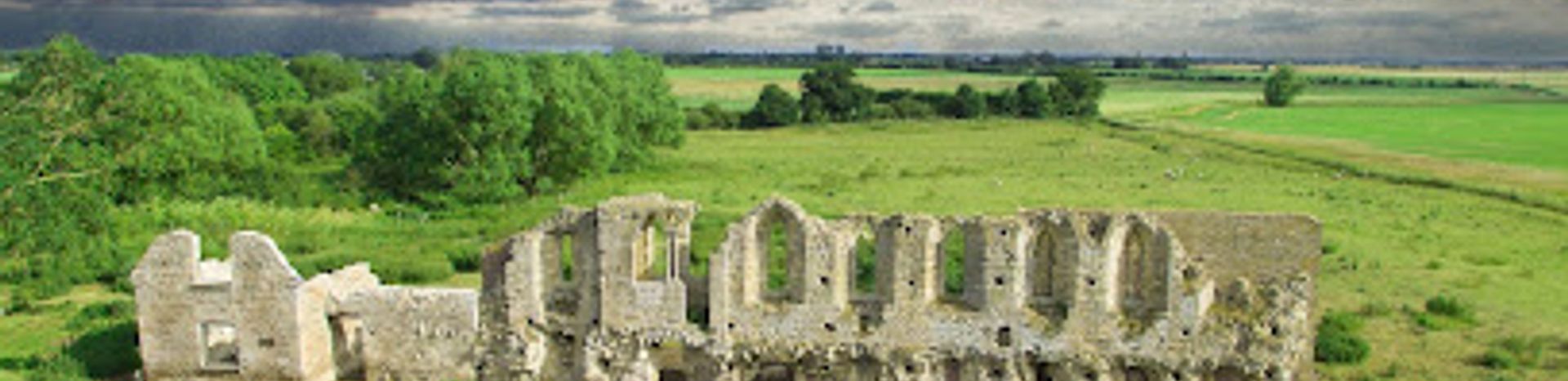
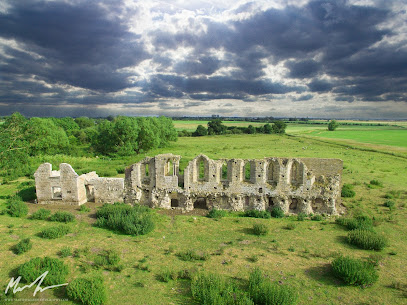
Tupholme Abbey
Medieval monastery transformed: where Premonstratensian canons once prayed, Tudor mansions rose and farmland endured.
Tupholme Abbey is a haunting ruin nestled in the Lincolnshire countryside, representing one of England's finest examples of a dissolved monastic estate. Founded around 1160 by Gilbert de Neville and his brother Alan, this Premonstratensian abbey thrived for nearly four centuries before its closure during Henry VIII's Dissolution of the Monasteries in 1536. Today, visitors encounter atmospheric remains of the medieval complex, including fragments of the refectory wall and traces of the elaborate Tudor gardens that once graced the precinct. The site offers a poignant window into monastic life and the dramatic transformation of religious architecture during the English Reformation.
A brief summary to Tupholme Abbey
- Lincoln, Tupholme, LN3 5TH, GB
- +441529461499
- Duration: 1 to 3 hours
- Free
-
 Outdoor
- Mobile reception: 3 out of 5
Local tips
- The site is largely unexcavated and open to the landscape; wear sturdy footwear suitable for uneven ground and muddy conditions, especially after rain.
- Visit in spring or early summer when wildflowers bloom across the precinct, enhancing the atmospheric quality of the ruins and providing excellent photography opportunities.
- Bring binoculars to examine architectural details of the surviving refectory wall and to observe the landscape features that reveal the abbey's former layout and gardens.
- Allow time to walk the perimeter and identify earthworks and undulations that mark the positions of demolished buildings—the topography tells much of the story.
- Check local weather forecasts; the exposed rural setting offers little shelter, and visibility can be poor during fog or heavy rain.

For the on-the-go comforts that matter to you
- Information Boards
Getting There
-
Car
From Lincoln city centre, travel northeast on the A57 toward Louth for approximately 12 kilometres, then turn onto local roads toward Tupholme village. Journey time is roughly 20–25 minutes. Limited roadside parking is available near the abbey site; the location is accessible via narrow country lanes with passing places. In winter, these roads can become muddy and challenging.
-
Bus
Local bus services operate from Lincoln to villages in the surrounding area, but services to Tupholme itself are infrequent and limited. Journey times from Lincoln typically range from 45–90 minutes depending on connections. Services operate primarily on weekdays; weekend and evening services are minimal. Check local Lincolnshire transport schedules for current timetables.
-
Bicycle
Tupholme is accessible by bicycle from Lincoln via country lanes and minor roads, a journey of approximately 12–15 kilometres taking 45–60 minutes depending on fitness and route. The terrain is gently rolling with some hills. Roads are narrow and rural with limited traffic; however, surfaces can be poor in places and muddy after rain. This option suits experienced cyclists comfortable with rural navigation.
-
Walking
Walking from Lincoln is feasible but demanding, covering approximately 12–15 kilometres and requiring 3–4 hours of continuous walking. The route follows country lanes and footpaths through agricultural land. This option is best suited to experienced walkers with good navigation skills and appropriate footwear. Terrain is generally flat to gently rolling, but paths can be muddy and poorly marked in places.
Tupholme Abbey location weather suitability
-
 Any Weather
-
 Clear Skies
-
 Mild Temperatures
Discover more about Tupholme Abbey
A Premonstratensian Community in Medieval Lincolnshire
Tupholme Abbey was founded between 1160 and 1165 by Gilbert de Neville and his brother Alan, who established a community of Premonstratensian canons—known as the White Canons—in this remote corner of Lincolnshire. The Premonstratensian Order, which originated at Prémontré in France, represented a reformed branch of the Augustinian tradition, combining monastic discipline with pastoral care. The abbey's initial monks were brought from Newhouse Abbey in North Lincolnshire, establishing a spiritual and administrative link that would endure for centuries. By the late medieval period, Tupholme had become one of nine Premonstratensian houses in Lincolnshire, a testament to the region's importance as a centre of religious life.The Architectural Splendour of the Medieval Complex
At its height, Tupholme Abbey was a substantial establishment with carefully planned claustral buildings arranged around a central cloister. The complex featured a refectory of considerable architectural refinement, which later observers noted was among Lincolnshire's finest late medieval buildings. The abbey's precinct included workshops, storage facilities, and agricultural buildings that supported the community's self-sufficient economy. The canons also developed an elaborate system of fishponds and gardens, ingeniously reusing water management systems that would later be incorporated into the Tudor mansion's landscaping. These physical remains, though fragmentary today, reveal the sophistication and permanence that the medieval builders invested in their spiritual home.Transformation and Dissolution
The Dissolution of the Monasteries in 1536 brought Tupholme Abbey's religious mission to an abrupt end. Following the closure, the site was granted to Sir Thomas Heneage, who recognized the potential of the existing structures. Rather than demolishing the entire complex, Heneage razed the abbey church—the spiritual heart of the community—but converted the three remaining cloister ranges into a grand Tudor mansion for his daughter and her new husband, William Willoughby. This pragmatic repurposing preserved much of the medieval fabric while transforming the sacred space into a secular residence. The elaborate Tudor gardens that Heneage created cleverly reused the former monastic fishponds, creating a landscape that honoured the site's aquatic heritage while serving new aesthetic purposes.From Grand House to Farmland
By 1700, architectural fashions had shifted decisively toward neoclassical design. The Vyner family, who had acquired the estate, abandoned the Tudor mansion and constructed Tupholme Hall, a new neoclassical residence half a mile to the north. The original Tudor house fell into decline, and most of its structure was demolished, leaving only the south wall of the refectory standing as a picturesque garden feature. Samuel Buck's drawings from 1726 captured this romantic ruin at a moment when it still commanded attention in the landscape. As the eighteenth century progressed, the Vyner family moved elsewhere, and the precinct became a tenanted farm. The surviving refectory wall was incorporated into agricultural enclosures, its monastic origins gradually fading from living memory as the land returned to pastoral use.Archaeology and Ongoing Discovery
Despite centuries of occupation and agricultural use, Tupholme Abbey remains largely unexcavated. Approximately seventy percent of the precinct awaits systematic archaeological investigation, holding untold secrets beneath the fields that surround the visible ruins. The fragmentary remains visible today—particularly the refectory wall—offer tantalizing glimpses of the abbey's former grandeur, but the full extent of the complex, including the locations of the dormitory, kitchen, and other essential buildings, remains hidden. Modern heritage conservation efforts have sought to document and protect these remains, recognizing their significance as a window into both monastic life and the dramatic social upheaval of the Reformation era.A Monument to Religious and Social Change
Tupholme Abbey stands as a powerful symbol of the religious and social transformations that reshaped England during the sixteenth century. The site's evolution from a thriving monastic community to a Tudor mansion to a working farm encapsulates the broader story of how the Dissolution fundamentally altered the English landscape. The ruins speak not only to the piety and industry of the medieval canons but also to the opportunism and pragmatism of those who inherited their buildings. For visitors today, Tupholme offers a contemplative encounter with history—a place where the spiritual aspirations of medieval monks, the ambitions of Tudor gentry, and the practical needs of rural farmers have all left their marks on the same sacred ground.Iconic landmarks you can’t miss

Tupholme Abbey
0.0 km
Medieval monastery transformed: where Premonstratensian canons once prayed, Tudor mansions rose and farmland endured.
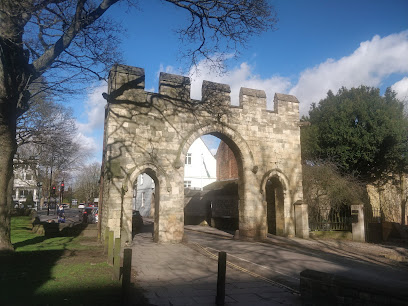
Priory Arch
16.9 km
A majestic Victorian Gothic arch marking the historic entrance to Lincoln’s cathedral quarter and the ancient Bailgate street.
North Tower of the East Gate of the Wall of Roman Lindum Colonia (Lincoln)
16.9 km
Explore the impressive Roman North Tower of the East Gate, a gateway to Lincoln’s ancient Lindum Colonia and a testament to Roman urban grandeur.
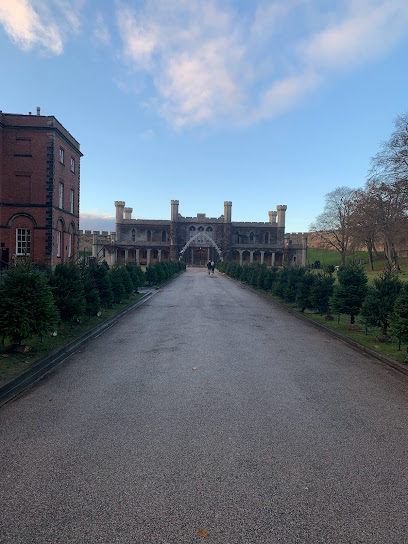
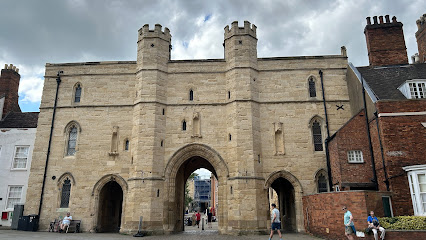
Exchequer Gate
17.1 km
Step through Exchequer Gate, a majestic 14th-century medieval archway guarding Lincoln’s historic heart between Castle and Cathedral.
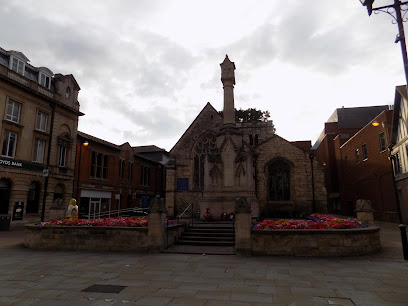
Lincoln War Memorial
17.1 km
A timeless symbol of unity and freedom, the Lincoln Memorial stands proudly at the heart of Washington, D.C.'s National Mall.
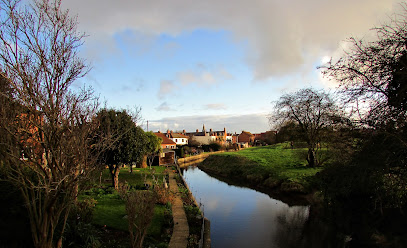
Sleaford Castle
24.0 km
Explore the evocative ruins of Sleaford Castle, a medieval fortress steeped in centuries of ecclesiastical history and local heritage.
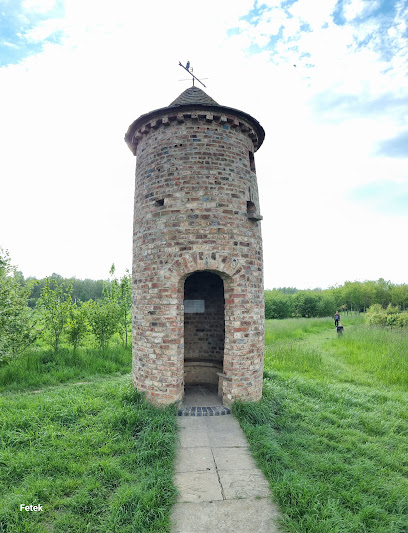
Lincolnshire Road Victims Memorial
30.5 km
A solemn memorial in Wyberton honoring lives lost on Lincolnshire’s roads, set within peaceful Sir Joseph Banks Country Park.
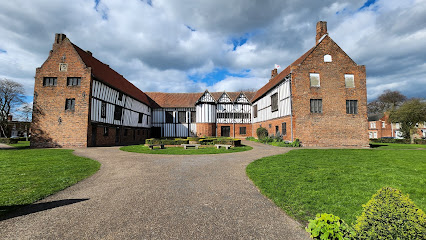
Gainsborough Old Hall
39.6 km
Discover the enchanting Gainsborough Old Hall, a medieval manor house steeped in history and architectural splendor, perfect for history buffs and curious travelers.
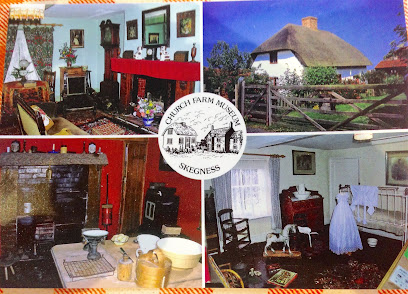
The Village Church Farm Skegness
41.3 km
Explore local history and agriculture at The Village Church Farm Skegness, a charming destination perfect for families and history enthusiasts alike.
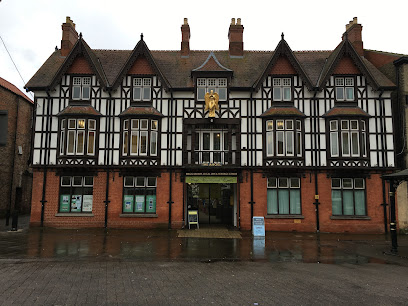
Brigg Heritage Centre
41.5 km
Explore Brigg's vibrant history at the Brigg Heritage Centre, where local stories and artifacts bring the past to life in an engaging setting.
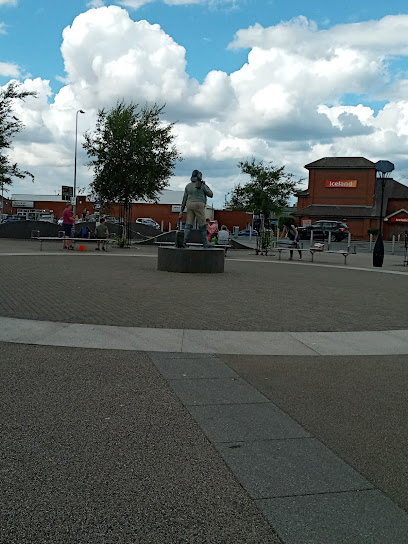
Jolly Fisherman Statue
42.0 km
Explore the charm of Skegness at the Jolly Fisherman Statue, a beloved landmark celebrating the town's fishing heritage and coastal beauty.
Tower Gardens
42.5 km
Discover the beauty of Tower Gardens in Skegness, a peaceful park ideal for families, nature lovers, and anyone seeking a relaxing retreat.
The Jubilee Clock Tower
42.6 km
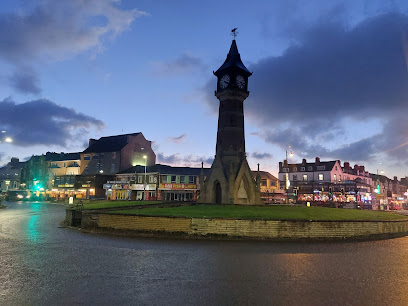
A striking Victorian landmark in Skegness, the Jubilee Clock Tower commemorates Queen Victoria’s Diamond Jubilee and anchors the town’s historic seaside charm.
Skegness Pier
42.7 km
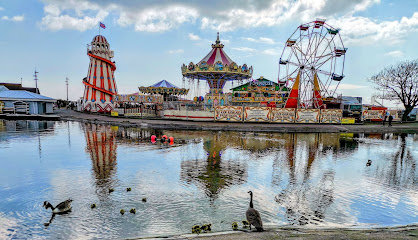
Experience endless fun, delicious food, and stunning views at Skegness Pier, the ultimate seaside amusement destination in the UK.
Castle Ruins Skegness
42.7 km
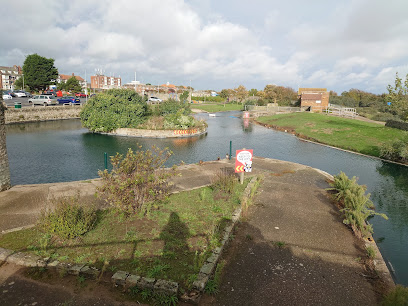
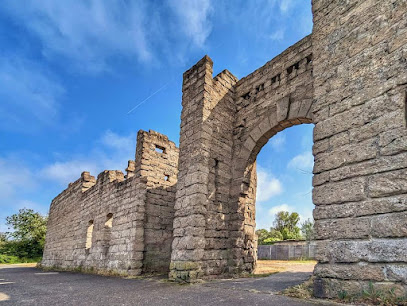
Discover the tranquil medieval castle ruins in Skegness, a free and timeless glimpse into Lincolnshire’s rich history.
Unmissable attractions to see

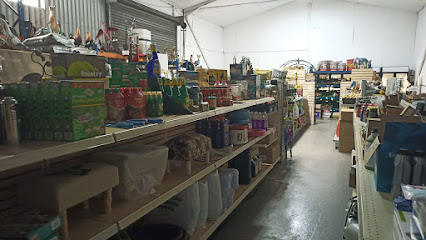
Willow Farm Shop
6.7 km
Discover fresh local produce and rustic charm at Willow Farm Shop, a welcoming countryside gem in Lincoln offering seasonal delights and community spirit.
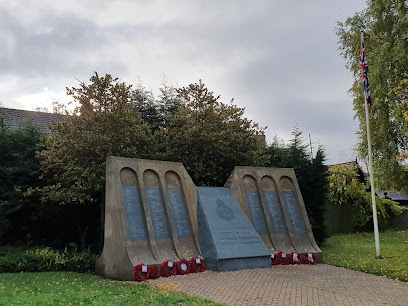
Dambusters Memorial
7.1 km
A solemn and striking memorial in Woodhall Spa honoring the bravery and sacrifice of the legendary Dambusters of No. 617 Squadron.
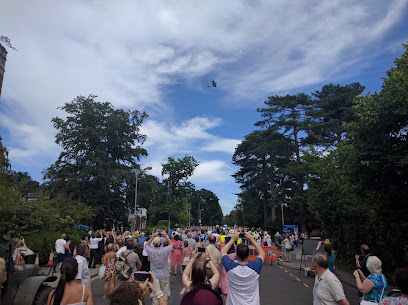
Woodhall Spa Cottage Museum
7.2 km
Discover the charming history and heritage of Woodhall Spa in this intimate cottage museum filled with local stories and artifacts.
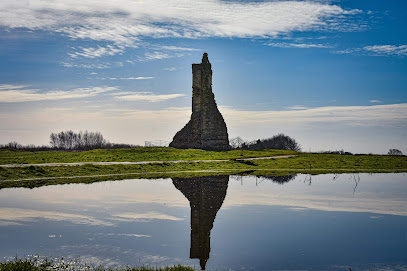
Kirkstead Abbey
7.9 km
Explore the evocative ruins of Kirkstead Abbey, a 12th-century Cistercian monastery steeped in medieval history and tranquil Lincolnshire countryside.
Bainland Lodge Retreats
8.1 km
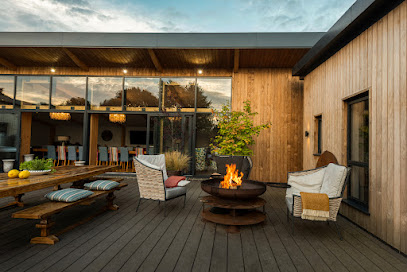
Luxury lakeside lodges in tranquil Woodhall Spa with private hot tubs, family-friendly amenities, and dog-friendly escapes in 45 acres of natural beauty.
Ostler's Plantation
9.0 km
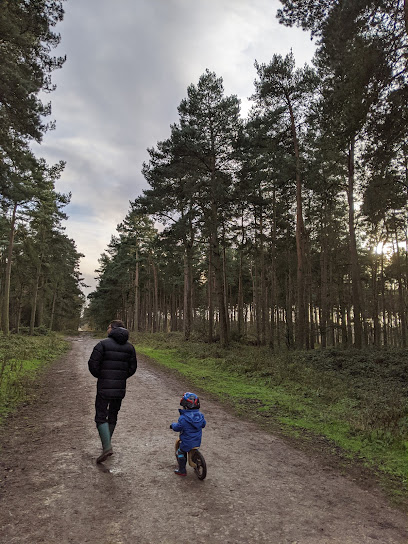
Discover Ostler's Plantation: a serene woodland rich with towering trees, wildlife, and echoes of WWII history near Woodhall Spa.
Woodside Wildlife Park | Lincoln's Zoo
9.8 km
Discover Lincoln’s family-friendly wildlife park with diverse animals, interactive experiences, and engaging conservation programs.

Rand Farm Park
10.7 km
Engage with farm life, thrilling play areas, and seasonal festivities at Rand Farm Park – a lively family destination in Lincolnshire.
Tattershall Farm Park
11.2 km
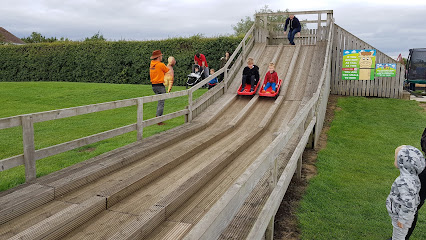
A delightful family farm park in Lincolnshire offering animal encounters, soft play, and seasonal events for children under 10.
Wolds Wildlife Park
12.1 km
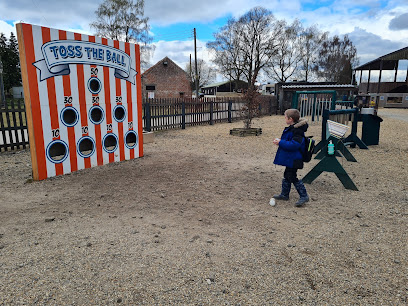
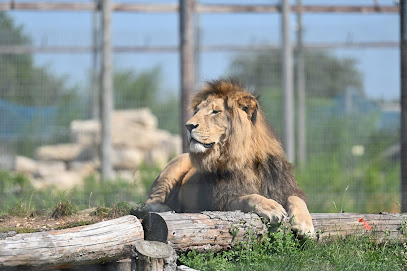
Discover Lincolnshire’s intimate wildlife sanctuary with lions, tigers, and more in a family-friendly, scenic park setting.
National Trust - Tattershall Castle
12.5 km
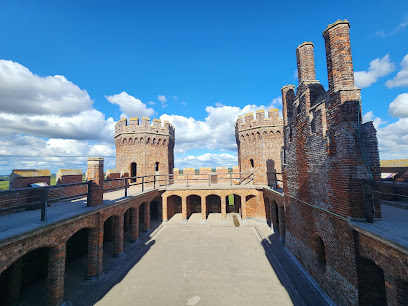
Explore Tattershall Castle’s towering medieval brick Great Tower and tranquil moated grounds, a stunning symbol of power and heritage in Lincolnshire.
Battle Of Britain Memorial Flight Visitors Centre
13.4 km
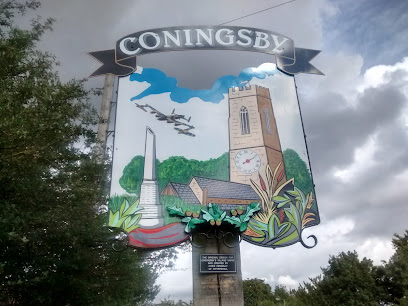
Explore iconic WWII aircraft and honor RAF heroes at the living memorial of the Battle of Britain Memorial Flight in Lincolnshire.
Carlton Centre
15.4 km
A vibrant retail and community hub offering diverse shops, dining, and services just north of Lincoln city centre.
International Bomber Command Centre
16.1 km
A poignant memorial and museum in Lincoln honoring Bomber Command’s heroic legacy through immersive exhibits and a soaring 31m Spire.
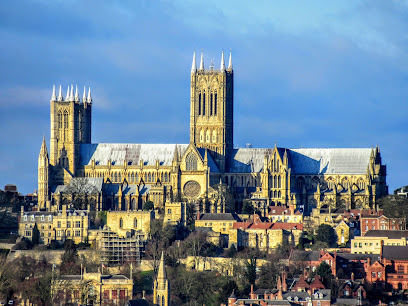
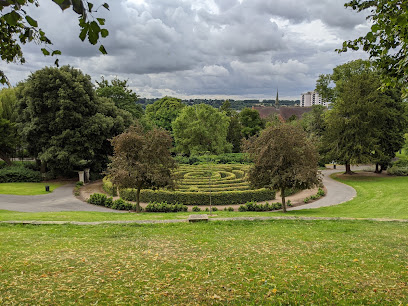
Arboretum
16.2 km
Discover Lincoln Arboretum, a beautifully restored Victorian park offering tranquil gardens, historic charm, and a peaceful urban retreat open daily until 10pm.
Essential places to dine

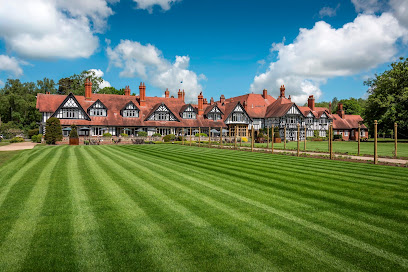
The Petwood Hotel
6.5 km
Historic charm meets tranquil gardens and refined comfort at The Petwood Hotel, Woodhall Spa’s iconic country retreat.
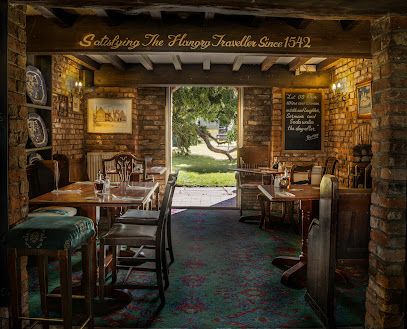
The Leagate Inn
13.5 km
A cozy Lincolnshire pub with inviting rooms, excellent food, and a relaxing beer garden in the heart of Coningsby village.
Mill Lodge Beefeater
15.7 km
Family-friendly steakhouse in Lincoln offering aged grills, classic British roasts, and hearty breakfasts in a cozy farmhouse setting.
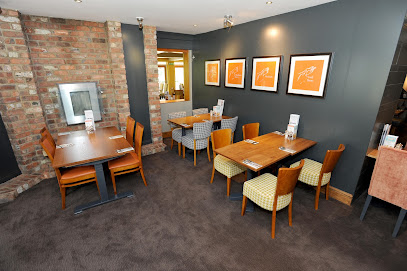
Premier Inn Lincoln (Canwick) hotel
15.7 km
Discover comfort and convenience at Premier Inn Lincoln (Canwick), your gateway to exploring historic Lincoln's treasures.
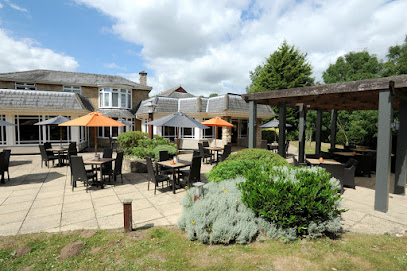
Homestead
15.9 km
A historic Grade II listed countryside pub in Bracebridge Heath offering hearty British classics and a warm, inviting atmosphere near Lincoln.
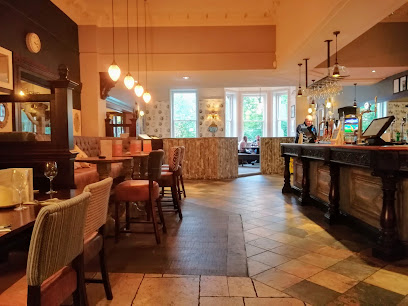
Premier Inn Lincoln City Centre
16.8 km
Modern comfort and friendly service in Lincoln’s historic heart, steps from the Cathedral and Castle.

Turtle Bay Lincoln
17.0 km
Experience vibrant Caribbean flavors, tropical cocktails, and reggae vibes at Turtle Bay Lincoln’s lively Central Market venue.
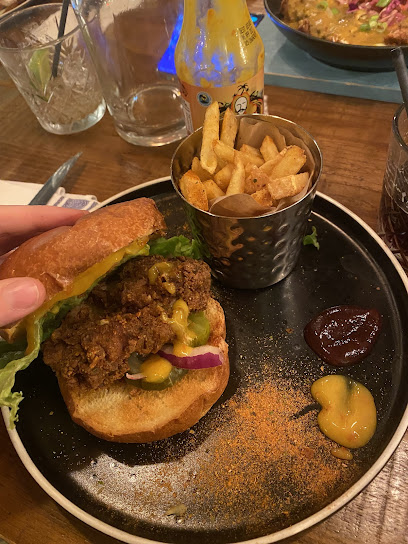
The Botanist Lincoln
17.0 km
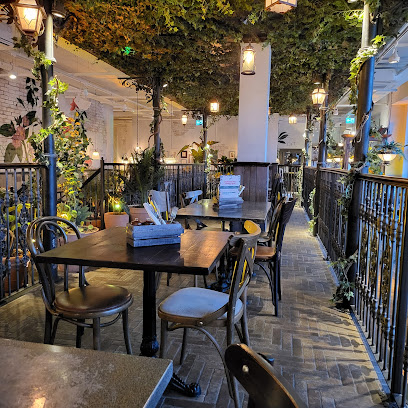
A secret garden of botanical cocktails, seasonal cuisine, and live music in historic Lincoln.
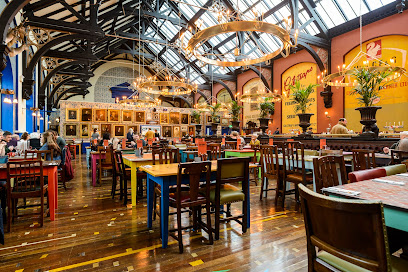
Cosy Club
17.0 km
Eclectic dining and vibrant drinks in Lincoln’s historic Corn Exchange with a quirky, vintage-inspired atmosphere.
The Rest Hotel
17.1 km
Boutique 5-star comfort on Lincoln’s historic Steep Hill, blending modern luxury with medieval charm and a renowned coffee shop.
White Hart Hotel
17.1 km
Historic charm and modern luxury converge in Lincoln’s vibrant Bailgate at The White Hart Hotel, steps from cathedral and castle.
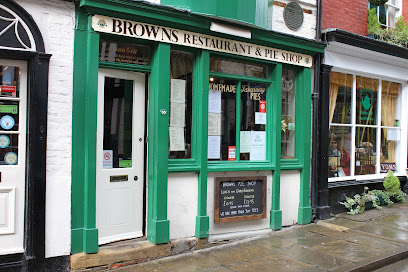
Hobbsons Restaurant and Pie Shop
17.1 km
Savor traditional British gourmet pies in a cozy, historic setting on Lincoln’s iconic Steep Hill.
Duke William Hotel
17.2 km
Experience historic Lincoln hospitality with modern comforts, excellent British cuisine, and a welcoming atmosphere in the heart of the Cathedral Quarter.
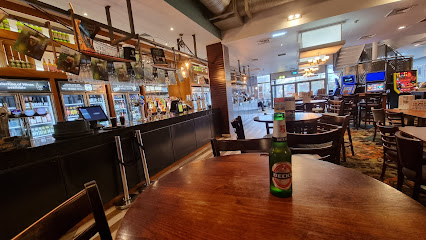
The Square Sail - JD Wetherspoon
17.3 km
Affordable waterfront pub in Lincoln offering classic British fare, quick service, and a relaxed atmosphere with scenic marina views.
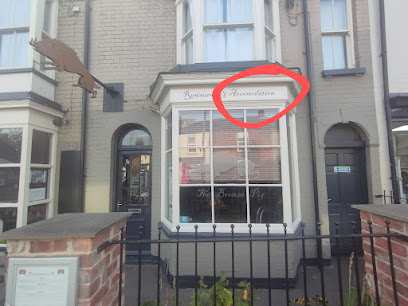
The Bronze Pig
17.5 km
Michelin-guided fine dining in Lincoln's historic quarter, celebrating local ingredients and Mediterranean-inspired creativity.
Markets, malls and hidden boutiques

Grace's Boutique
11.5 km
A charming boutique in Horncastle offering unique fashion, accessories, and gifts with warm, personalized service in a historic market town setting.

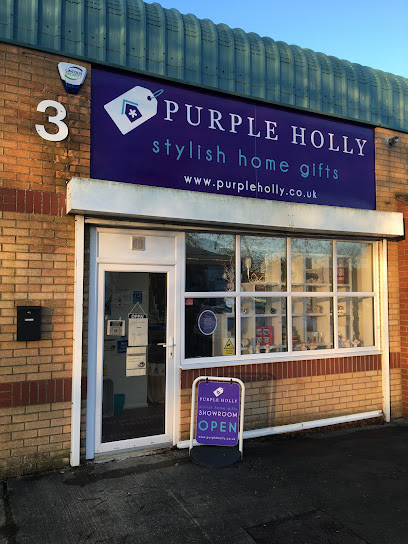
Purple Holly
15.4 km
Discover stylish gifts and charming homewares inspired by Lincolnshire’s countryside at Purple Holly, your boutique destination in Lincoln’s Newporte Business Park.
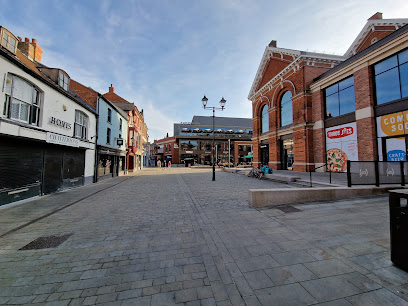
Cornhill Quarter
17.0 km
Discover Lincoln’s Cornhill Quarter, a vibrant blend of shopping, dining, culture, and entertainment at the city’s lively heart.
Waterside Shopping Centre
17.0 km
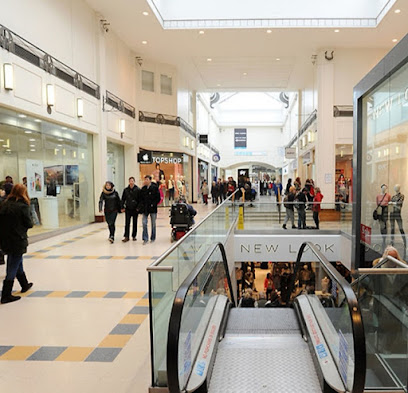
Compact and vibrant shopping hub in Lincoln’s city centre with popular brands, eateries, and family-friendly amenities.
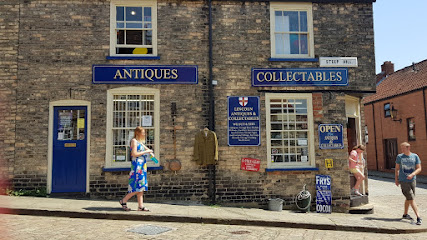
Lincoln Antiques & Collectables
17.1 km
Discover timeless treasures and vintage charm at Lincoln Antiques & Collectables, nestled on historic Steep Hill in the heart of Lincoln.
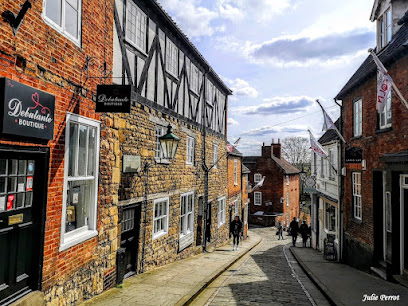
Debutante Boutique
17.1 km
Affordable, stylish ladies' clothing and accessories with French and Italian flair on Lincoln’s historic Steep Hill.
Pretty Little / Noa Noa
17.1 km
Discover unique ladies' fashion in the charming historic Bailgate district of Lincoln, blending style with personalized service.
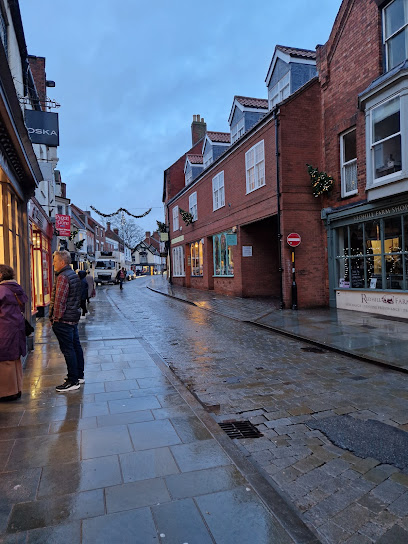
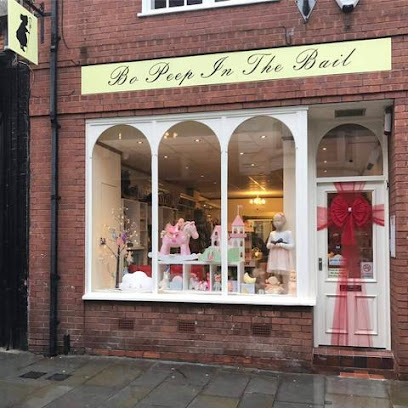
Bo Peep Boutique
17.1 km
Family-run children's clothing and toy boutique in Lincoln offering quality brands and charming gifts in a warm, historic setting.
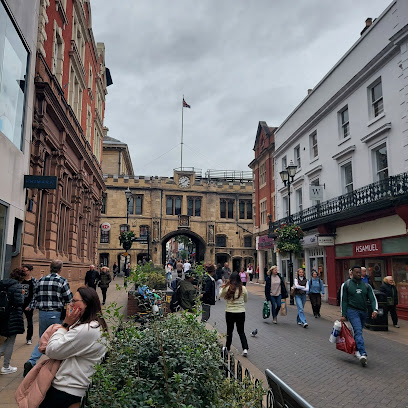
Primark
17.1 km
Discover affordable fashion and homeware for all ages in the heart of Lincoln’s vibrant High Street.
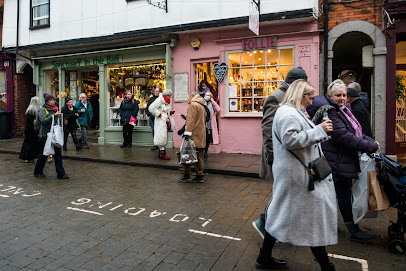
Follie
17.1 km
A charming independent gift shop in Lincoln’s historic Cathedral Quarter, offering unique home accessories, jewellery, cards and vintage-inspired finds.
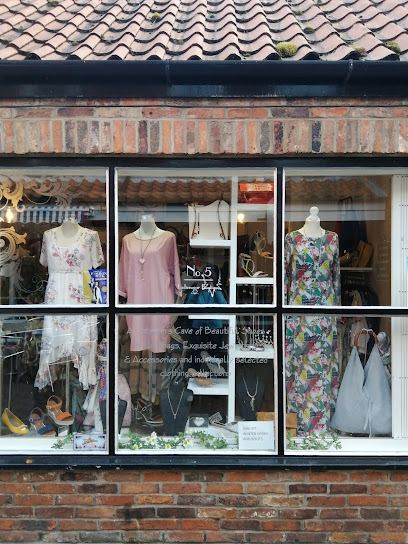
No.5 ladieswear boutique
17.2 km
Discover stylish designer ladieswear, handbags, and accessories at No.5 Ladieswear Boutique, Lincoln’s charming fashion destination.
Object & line
17.2 km
Discover unique gifts and charming treats at Object & Line, Lincoln’s boutique of curated creativity and personal service.
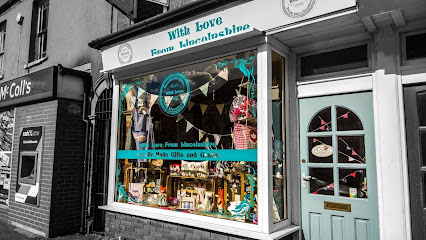
Pre-Loved From Lincolnshire
17.8 km
Discover unique handmade gifts and quality preloved treasures crafted and curated by local Lincolnshire artisans.
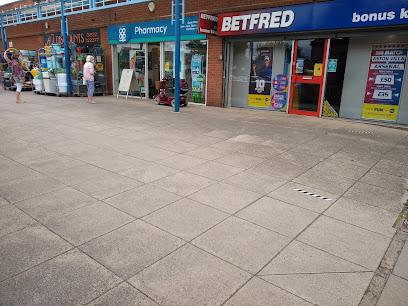
Brant Road Shopping Centre
17.9 km
A compact and community-focused shopping centre in Lincoln with diverse shops and eateries open daily from early morning to late evening.
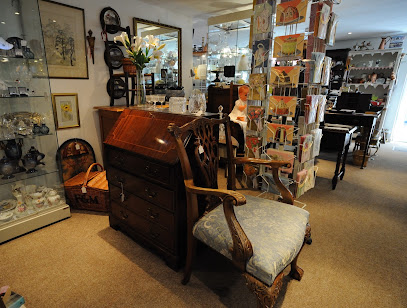
Navenby Antiques Centre
18.8 km
Discover timeless treasures and local heritage in the heart of Navenby’s charming antiques centre.
Essential bars & hidden hideouts

The Tattershall Park Country Pub and Kitchen
12.7 km
A contemporary country pub with unique themed interiors, fresh pub classics, and a welcoming garden terrace in historic Tattershall.
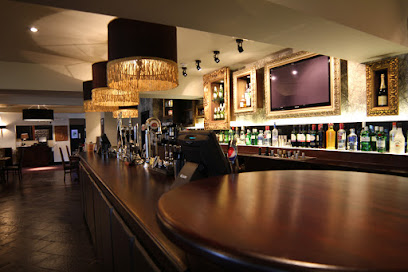
Lincolnshire Poacher
15.2 km
A warm, traditional pub in Lincoln offering classic ales, hearty meals, and a lively, family-friendly atmosphere year-round.
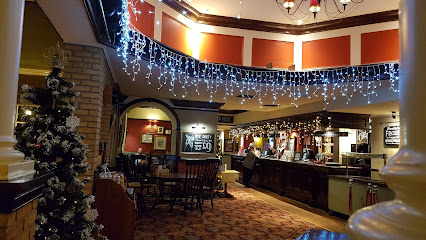
The Dog and Bone
16.4 km
A welcoming Lincoln pub with great ales, folk music gigs, and a charming beer garden in a cozy community setting.
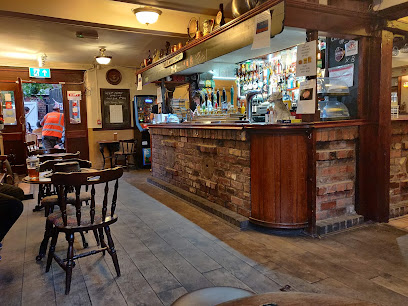
The Birdcage Pub Lincoln
16.5 km
A lively Lincoln pub with quirky charm, diverse ales, creative events, and a welcoming community atmosphere.
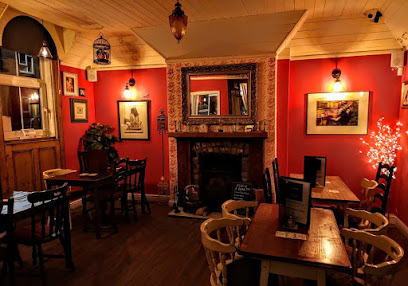
The Adam & Eve Tavern
16.7 km
Lincoln’s oldest tavern since the 1700s, blending historic charm with lively pub culture near the Cathedral.
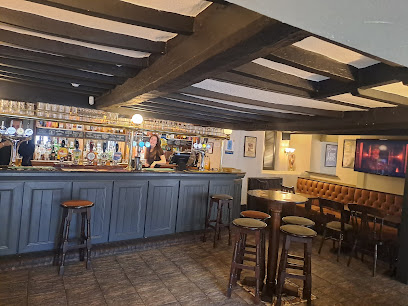
The Morning Star
16.7 km
A cozy traditional pub in Lincoln offering expertly kept ales, warm ambiance, and a prime spot near the cathedral.
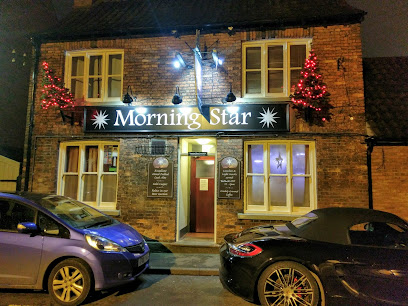
Trebles
17.1 km
Lincoln’s lively and affordable evening bar with fresh decor, great drinks, and a welcoming vibe in the heart of Saltergate.
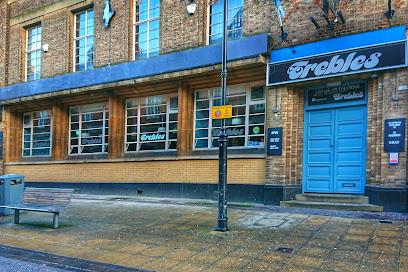
Still
17.1 km
A cosy, traditional pub in Lincoln offering great ales, live entertainment, and a welcoming atmosphere for all.
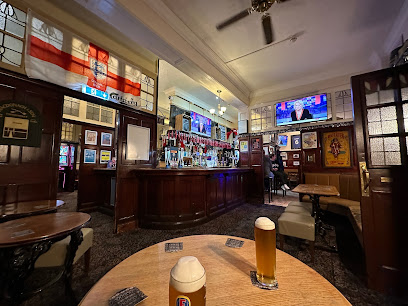
The Strait and Narrow
17.1 km
Lincoln’s quirky cocktail bar with inventive drinks, cozy nooks, and a unique social vibe featuring table phones for calling strangers.
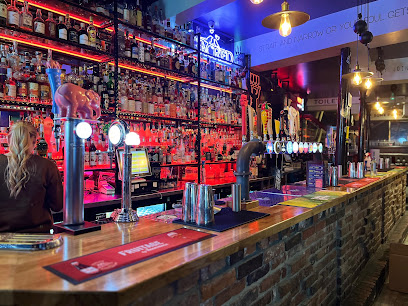
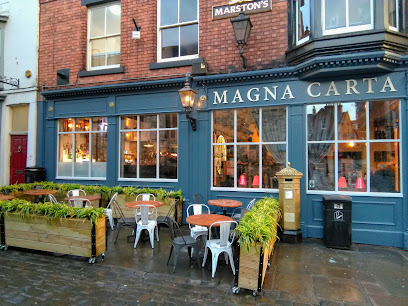
Magna Carta
17.1 km
Historic charm meets lively pub culture in Lincoln’s Magna Carta, a multi-level venue with great food, drinks, and views of the castle and cathedral.
The Cardinal's Hat
17.1 km
Historic charm meets lively atmosphere at The Cardinal's Hat, Lincoln’s beloved pub with rich drinks and cozy vibes.
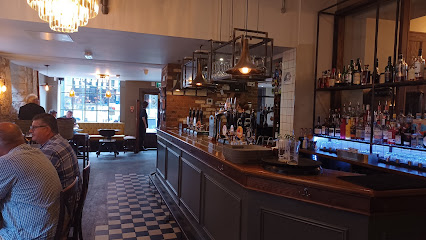
Carousel Bar Lincoln
17.1 km
A lively Lincoln hotspot blending inventive cocktails, street food, and arcade games for an unforgettable social experience.
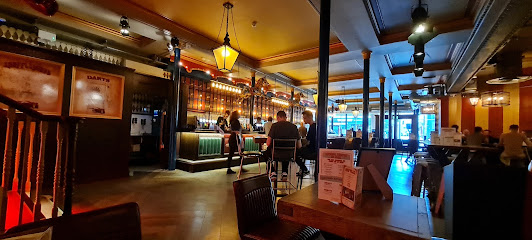
Slug & Lettuce - Lincoln
17.1 km
Lively cocktail bar and restaurant on Lincoln’s historic High Street, perfect for drinks, dining, and social nights out.
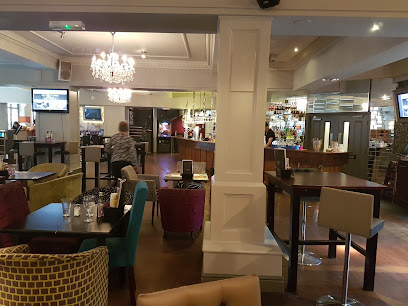
Be at One - Lincoln
17.1 km
Lively Lincoln cocktail bar with 100+ drinks, 2-for-1 happy hours, and a vibrant atmosphere on High Street.
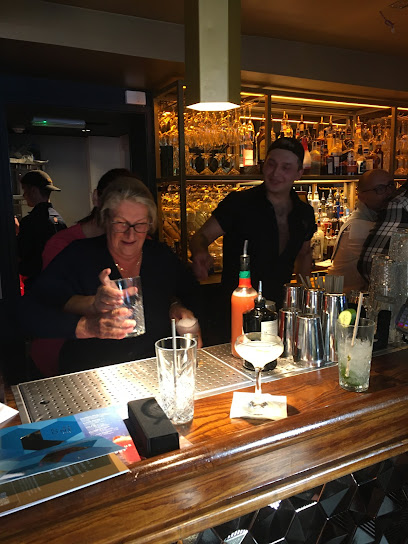
Lion & Snake
17.1 km
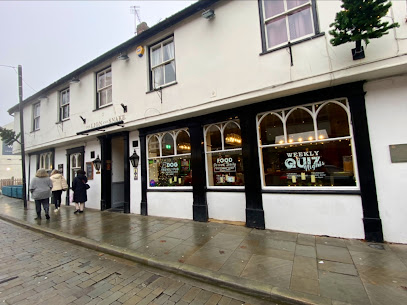
Experience historic charm and lively hospitality at Lincoln’s beloved Lion & Snake pub on Bailgate.
Nightclubs & after hour spots

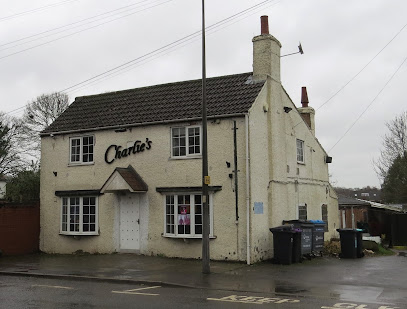
Charlie's Nightclub
12.7 km
Experience Coningsby's vibrant nightlife at Charlie's Nightclub, where lively music and a welcoming atmosphere create unforgettable evenings.
Void Nightclub
17.0 km
Lincoln’s stylish hotspot for electronic dance music, vibrant nights, and unforgettable clubbing experiences.
Popworld - Lincoln
17.1 km
Popworld Lincoln: Where cheesy pop hits and vibrant nightlife create unforgettable party nights on High Street.
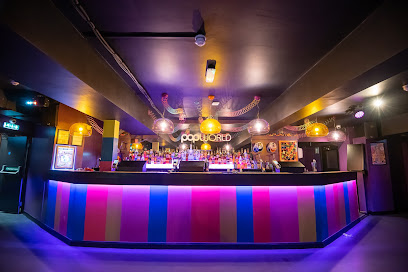
Club Desire
17.2 km
Experience Lincoln’s vibrant nightlife at Club Desire, where luxury meets affordability in a lively, welcoming gentlemen’s club setting.
Sugarcubes Nightclub
17.2 km
Energetic and affordable nightlife in Lincoln with a unique cube-themed vibe and friendly atmosphere.
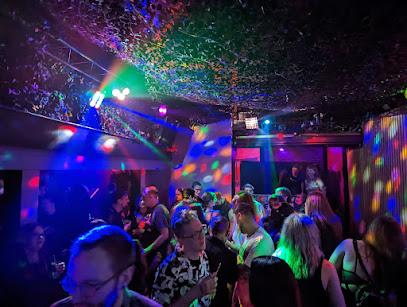
The Scene
17.4 km
Lincoln’s vibrant two-floor nightclub and LGBTQ+ venue, open nightly with diverse events and a welcoming atmosphere.
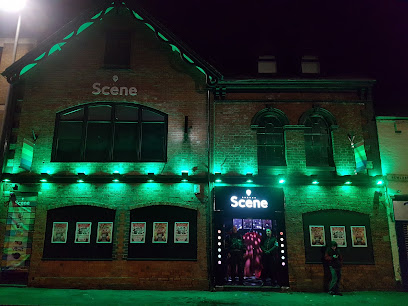
Lincoln Rock N Roll Club
18.3 km
A vibrant rock and roll nightspot in Waddington offering affordable drinks, energetic dancing, and a welcoming community atmosphere.
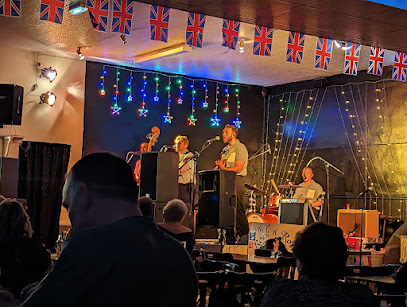
Club Angel
30.3 km
Experience stylish nightlife and vibrant weekend parties at Club Angel, Boston’s elegant hotspot for late-night entertainment.
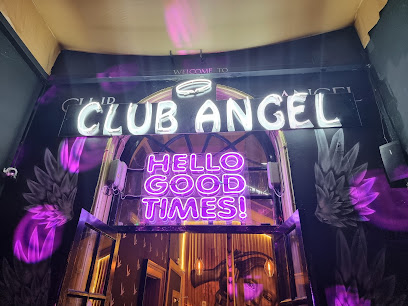
Kush Nightclub
42.6 km
Experience Skegness’ premier nightclub with luxury vibes, cutting-edge sound, and a vibrant dance floor at Kush within The Hive complex.
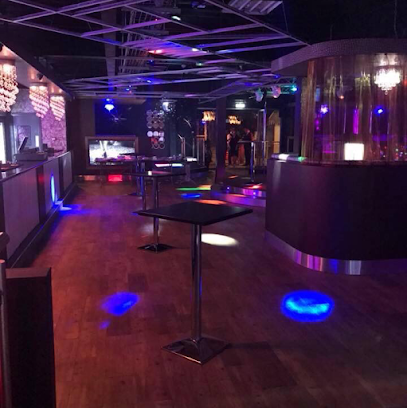
Spiders
61.6 km
Hull’s legendary alternative nightclub with decades of goth, punk, and rock heritage, vibrant atmosphere, and welcoming community spirit.
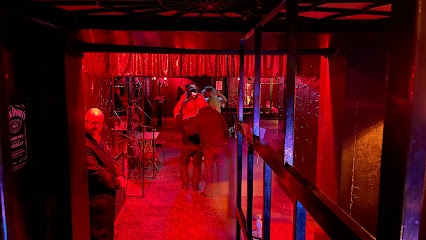
The Welly
61.8 km
Hull’s iconic alternative nightclub with over a century of live music, club nights, and a legendary atmosphere on Beverley Road.
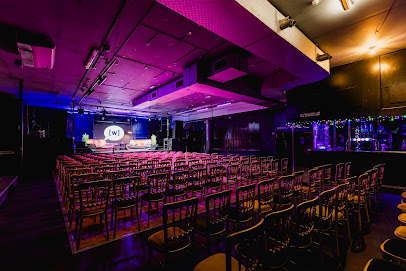
Tubes
62.6 km
Energetic nightlife and affordable drinks come alive at Tubes, Melton Mowbray’s go-to nightclub and bar for fun and dancing.
The Brickworks
62.9 km
Nottingham's raw warehouse heartbeat: intimate DJ nights, killer cocktails, and pure underground energy in a brick-clad haven.
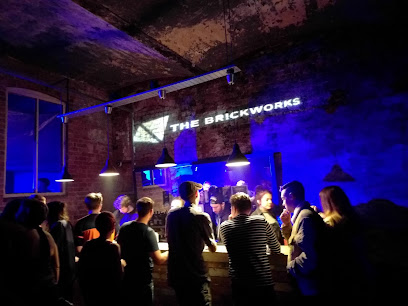
NG-One
63.1 km
A large, late‑night Nottingham club with multiple dancefloors, strong sound and long weekend hours — built for night owls and student crowds.
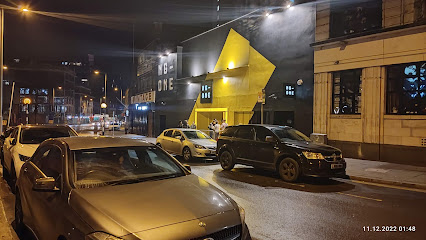
Eleven
63.2 km
A lively, multi-bar nightclub in Nottingham’s Hockley district, famed for great cocktails, student nights, and an intimate yet energetic party vibe.
For the vibe & atmosphere seeker
- Romantic
- Scenic
- Unique
- Tranquil
For the design and aesthetic lover
- Rustic Designs
- Vintage Styles
For the architecture buff
- Historic
- Landmarks
- Parks & Gardens
- Heritage Neighborhoods
For the view chaser and sunset hunter
- Panoramas
- Iconic Views
For the social media creator & influencer
- Instagrammable
- Photo Spots
- Architectural Shots
For the eco-conscious traveler
- Protected Area
- Leave-No-Trace Critical
- Locally Managed
For the kind of experience you’re after
- Myth & Legends
- Cultural Heritage
- Photowalk
- Nature Escape
- Day Trip
For how adventurous you want the journey to be
- Easy Access
- Remote
Location Audience
- Family Friendly
- Solo Friendly
- Couple Friendly
- Senior Friendly


