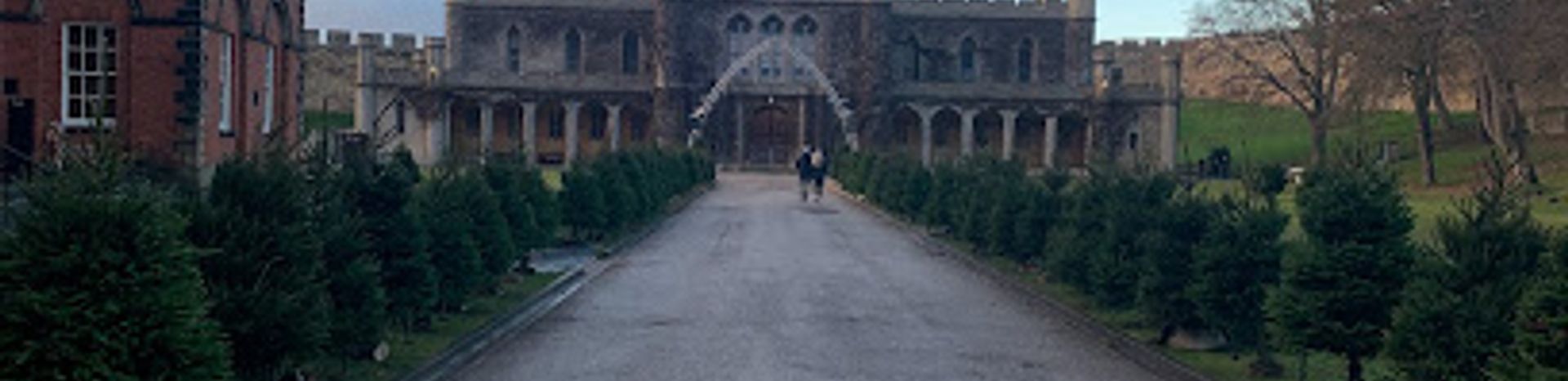
The Historic North Tower of the East Gate: A Gateway to Lincoln’s Roman Heritage
Explore the North Tower of the East Gate, a historic landmark in Lincoln that reveals the city's rich Roman heritage and architectural grandeur.
The North Tower of the East Gate of the Roman Lindum Colonia is a remarkable historical landmark that offers visitors a glimpse into Lincoln's rich Roman past. This ancient structure stands as a testament to the city's storied history and architectural prowess, making it a must-see for tourists exploring Lincoln.
A brief summary to North Tower of the East Gate of the Wall of Roman Lindum Colonia (Lincoln)
- 28 Eastgate, Lincoln, LN2 4AA, GB
- Visit website
Local tips
- Visit early in the morning or late afternoon to avoid crowds and enjoy a quieter experience.
- Bring a camera to capture the stunning views and intricate details of the tower.
- Consider combining your visit with a stroll along the nearby Roman Heritage Trail for a deeper understanding of the area.

Getting There
-
Car
If you're driving, head towards Lincoln city centre. From the A46, take the exit for the A57 towards Lincoln. Once in Lincoln, follow signs for the city centre and then for the historical attractions. You should look for parking options near the cathedral or the city centre. The closest parking to the North Tower of the East Gate is at the Castle Square car park, which is around a 10-minute walk away. After parking, walk towards the High Street, then turn onto Eastgate. The North Tower is located at 28 Eastgate, Lincoln LN2 4AA.
-
Public Transportation
To reach the North Tower of the East Gate using public transport, start by taking a train to Lincoln Station. From the station, you can catch the number 1 bus towards Lincoln City Centre. Get off at the stop for the High Street. From there, it's about a 15-minute walk to the North Tower. Walk down the High Street, turn onto Eastgate, and you will find the North Tower at 28 Eastgate, Lincoln LN2 4AA. Alternatively, taxis are available outside the station if you prefer a quicker route.
-
Walking
If you're already in Lincoln city centre and looking to walk to the North Tower, start at the Lincoln Cathedral. From the Cathedral, head south on Minster Yard, then turn onto the High Street. Walk along the High Street until you reach the junction with Eastgate. Turn left onto Eastgate, and the North Tower will be located at 28 Eastgate, Lincoln LN2 4AA, approximately a 20-minute walk from the Cathedral.
Discover more about North Tower of the East Gate of the Wall of Roman Lindum Colonia (Lincoln)
Iconic landmarks you can’t miss

North Tower of the East Gate of the Wall of Roman Lindum Colonia (Lincoln)
0.0 km
Explore the North Tower of the East Gate, a historic landmark in Lincoln that reveals the city's rich Roman heritage and architectural grandeur.
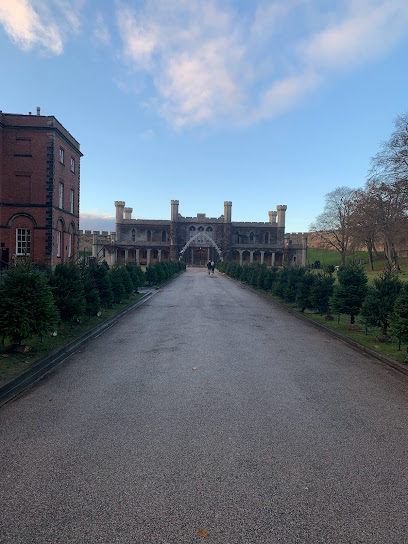
Priory Arch
0.1 km
Experience the rich history and stunning architecture of Priory Arch, a must-visit landmark in Lincoln, England, steeped in medieval significance.
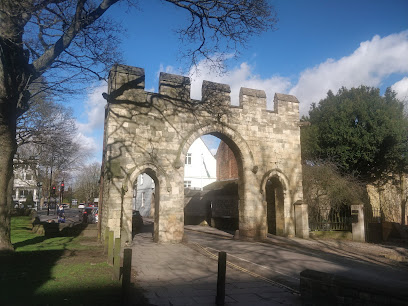
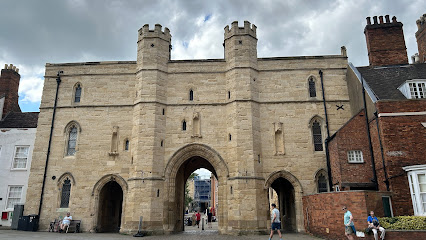
Exchequer Gate
0.2 km
Explore the stunning Exchequer Gate, a historical landmark in Lincoln that connects the past with the present through its architectural beauty and rich stories.
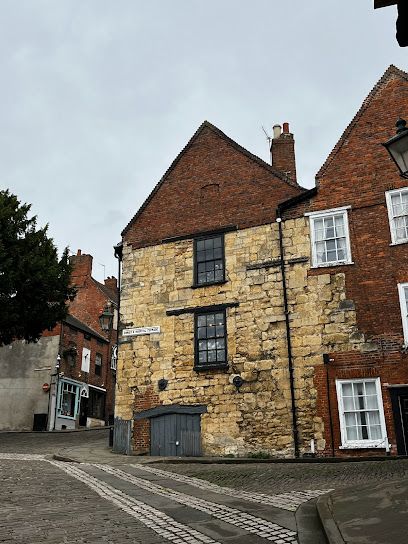
Medieval Norman House
0.3 km
Discover the Medieval Norman House in Lincoln, a historical landmark that showcases the city's rich heritage and stunning Norman architecture.
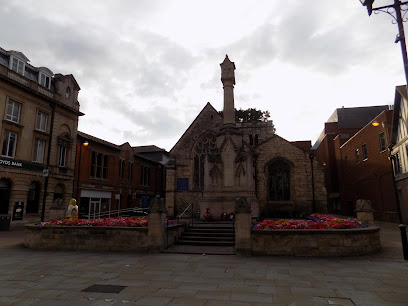
Lincoln War Memorial
0.9 km
Discover the Lincoln War Memorial, a historical landmark honoring bravery and sacrifice at the heart of Lincoln, UK.
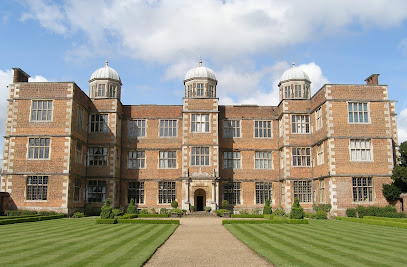
Doddington Hall & Gardens
8.0 km
Experience the historical beauty and vibrant gardens of Doddington Hall, a picturesque country house perfect for all seasons and occasions.
Tupholme Abbey
16.9 km
Discover the historical charm of Tupholme Abbey, a captivating ruin that invites you to explore its rich heritage and serene surroundings in Lincolnshire.
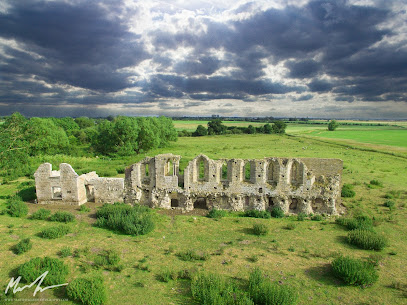
Sleaford Castle
27.7 km
Explore the rich history and stunning architecture of Sleaford Castle, a medieval treasure nestled in the heart of England's charming countryside.
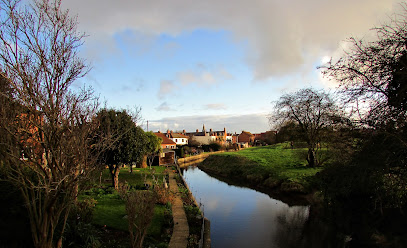
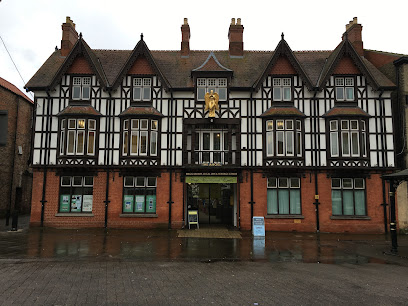
Brigg Heritage Centre
35.3 km
Explore Brigg's vibrant history at the Brigg Heritage Centre, where local stories and artifacts bring the past to life in an engaging setting.
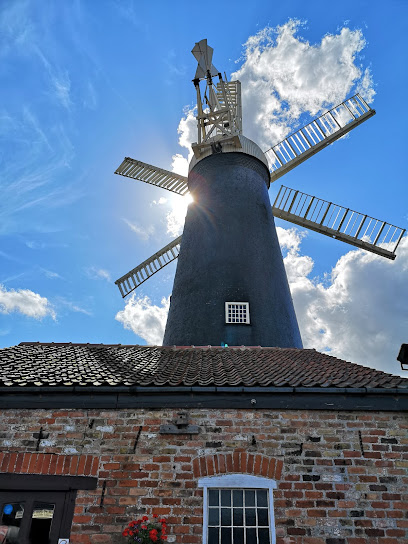
Waltham Windmill
42.0 km
Discover the beauty and history of Waltham Windmill, a stunning tourist attraction surrounded by serene gardens in the heart of Lincolnshire.
English Heritage - Sibsey Trader Windmill
42.1 km
Explore the enchanting Sibsey Trader Windmill, a historical landmark in Lincolnshire that showcases the region's milling heritage and stunning countryside views.
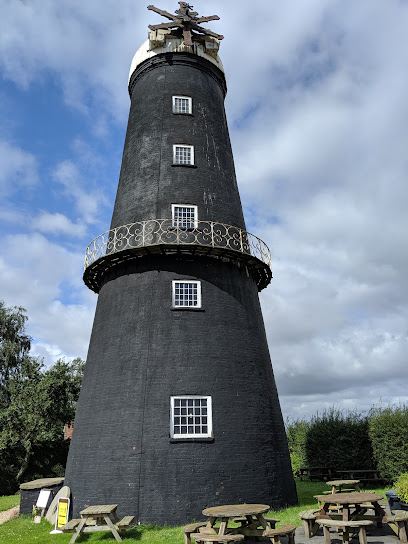
Lincolnshire Road Victims Memorial
44.1 km
Explore the Lincolnshire Road Victims Memorial, a serene tribute honoring lives lost in traffic accidents, fostering reflection and awareness on road safety.
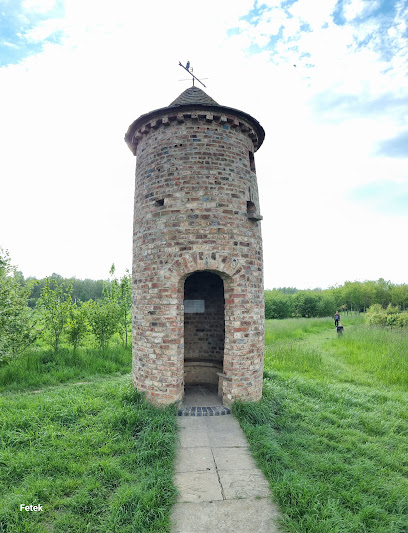
The Big Yellow Y - Gateway to Yorkshire Feature
44.1 km
Explore the wonders of Yorkshire at The Big Yellow Y, a vibrant gateway to stunning landscapes and rich cultural heritage.

Boston Guildhall
44.8 km
Discover the captivating history and culture of Boston at the Boston Guildhall, a must-visit museum for all history enthusiasts.
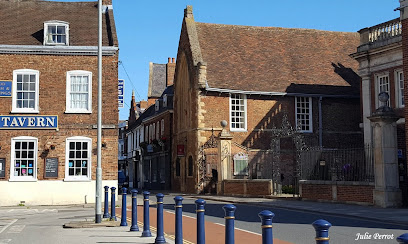
Newstead Abbey
47.2 km
Explore the captivating beauty and rich history of Newstead Abbey, a perfect blend of culture, art, and nature in the heart of Newstead Village.
Unmissable attractions to see

Lincoln Medieval Bishops' Palace
0.2 km
Discover the rich history of Lincoln Medieval Bishops' Palace, a stunning heritage site revealing the grandeur of England's ecclesiastical past.
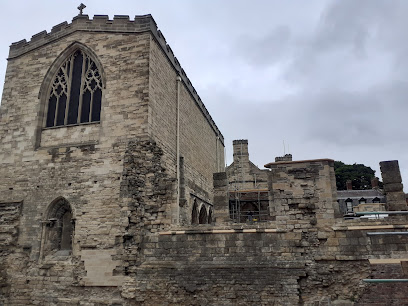
Pottergate Arch
0.3 km
Explore the majestic Pottergate Arch, a symbol of Lincoln's rich history and architectural beauty, perfect for every traveler seeking cultural insights.
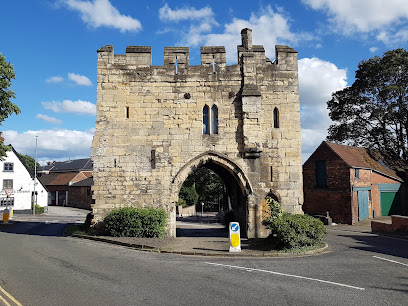
Observatory Tower
0.3 km
Experience breathtaking views and rich history at Lincoln's Observatory Tower, a must-visit tourist attraction for every traveler.
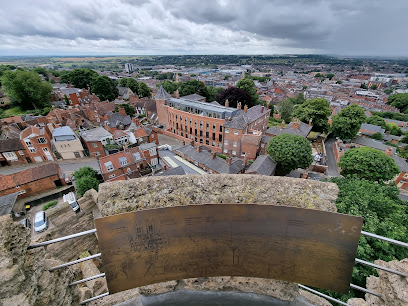
David P J Ross Magna Carta Vault, Lincoln Castle
0.3 km
Explore the David P J Ross Magna Carta Vault in Lincoln Castle, a must-visit museum showcasing the legacy of the 1215 Magna Carta and its impact on democracy.
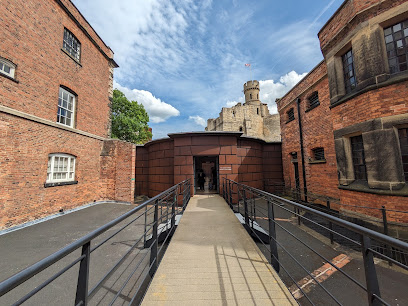
Lincoln Castle
0.4 km
Explore Lincoln Castle, a historic fortress showcasing the rich heritage of England with stunning views and fascinating exhibits.
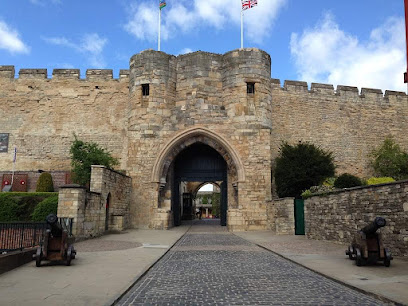
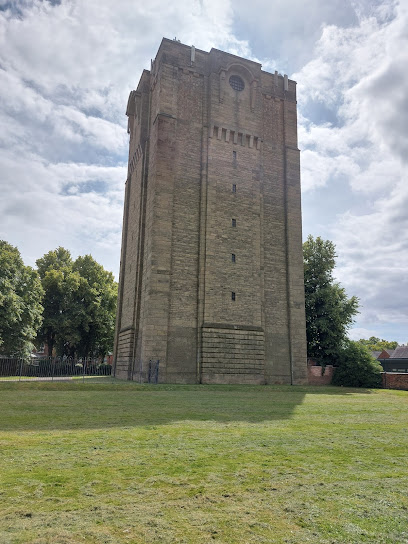
Westgate Water Tower
0.4 km
Explore the iconic Westgate Water Tower, a historical landmark in Lincoln showcasing stunning architecture and offering picturesque views.
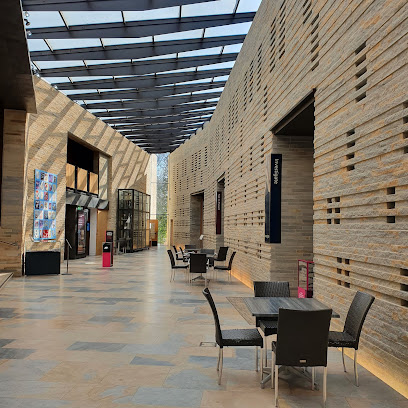
Lincoln Museum
0.4 km
Explore the captivating history and art of Lincoln at the Lincoln Museum, where every exhibit tells a story of the city's rich heritage.
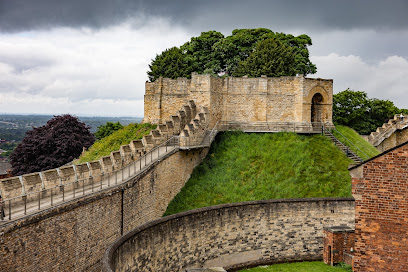
Lucy Tower
0.4 km
Explore Lucy Tower in Lincoln, a stunning medieval landmark offering breathtaking views and rich historical insights.
Museum of Lincolnshire Life
0.7 km
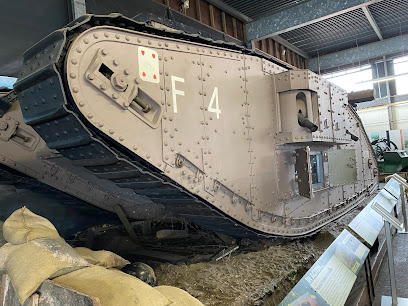
Explore Lincolnshire's rich history and cultural heritage at the Museum of Lincolnshire Life, a must-visit tourist attraction for all ages.
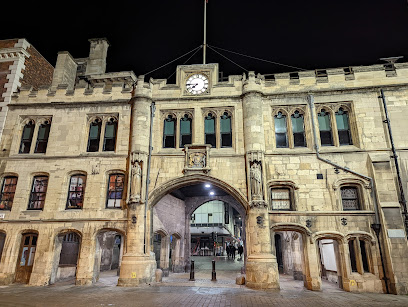
Lincoln Guildhall
0.8 km
Explore the historic Lincoln Guildhall, a stunning tourist attraction showcasing the city's rich heritage and remarkable architecture.
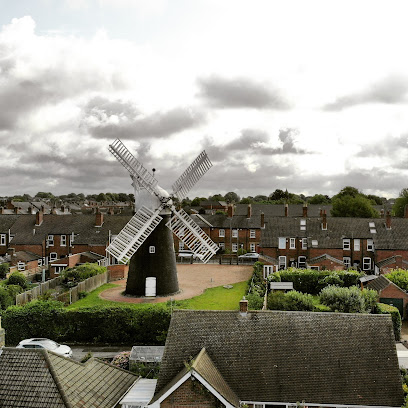
Ellis' Mill
0.8 km
Explore the historic Ellis' Mill in Lincoln, a delightful tourist attraction showcasing the beauty of traditional milling and stunning countryside views.
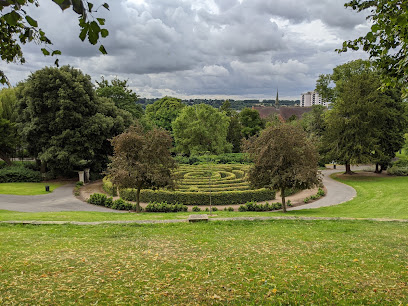
Arboretum
0.8 km
Experience the tranquil beauty and historical charm of Lincoln Arboretum, a perfect park for relaxation and discovery in the heart of Lincoln.
High Bridge
0.8 km
Explore the historic High Bridge in Lincoln, a stunning medieval structure offering breathtaking views and a vibrant atmosphere.
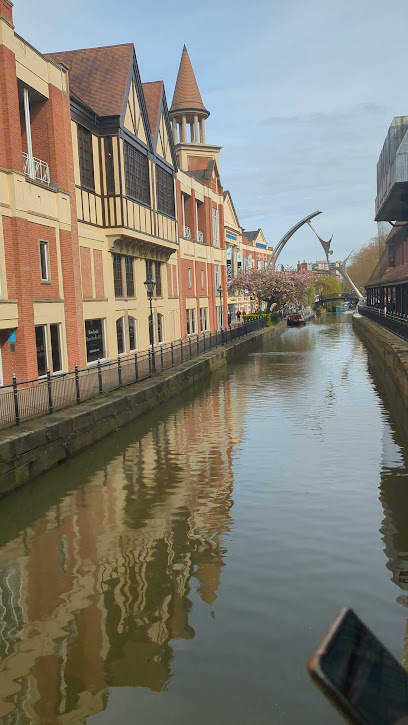
St Mary's Guildhall - Display remains Roman road
1.6 km
Experience the historical allure of St Mary's Guildhall in Lincoln, where ancient Roman roads meet captivating architecture and rich heritage.
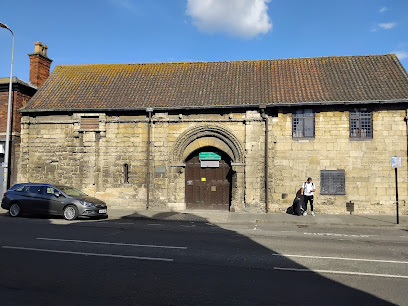
West Common
1.8 km
Explore the lush landscapes and historical charm of West Common, Lincoln's serene park and garden perfect for relaxation and leisure activities.
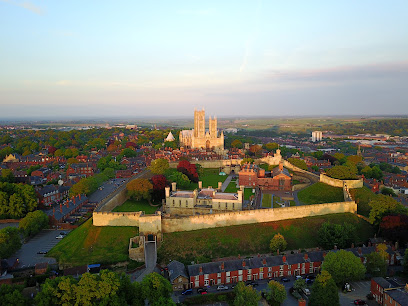
Essential places to dine

White Hart Hotel
0.2 km
Discover unparalleled comfort and exquisite dining at Lincoln's historic White Hart Hotel—your perfect getaway destination.

Duke William Hotel
0.2 km
Discover historic charm at Duke William Hotel – your gateway to exploring Lincoln’s rich heritage with comfortable accommodations and exceptional dining.
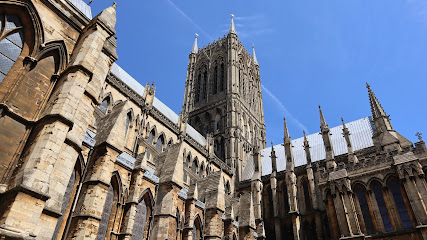
Hobbsons Restaurant and Pie Shop
0.3 km
Discover the heart of Lincoln's culinary scene at Hobbsons Restaurant and Pie Shop - renowned for its exquisite pies and traditional British fare.
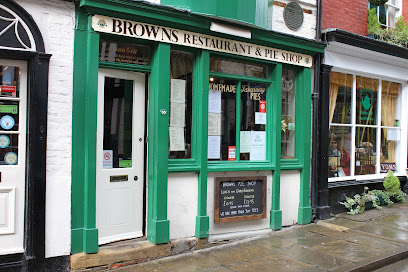
The Rest Hotel
0.3 km
Experience comfort and charm at The Rest Hotel in historic Lincoln – your perfect base for exploring this captivating city.
The Bronze Pig
0.5 km
Experience the charm of Lincoln at The Bronze Pig Inn - your cozy home away from home with local flavors and warm hospitality.
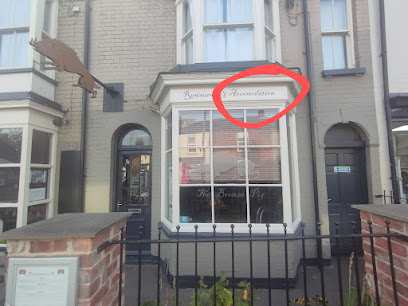
Premier Inn Lincoln City Centre
0.7 km
Experience comfort and convenience at Premier Inn Lincoln City Centre—your perfect base for exploring Lincoln's rich history and vibrant culture.
Turtle Bay Lincoln
0.9 km
Savor the vibrant flavors of the Caribbean at Turtle Bay Lincoln—where every meal is a tropical escape filled with authentic dishes and refreshing cocktails.
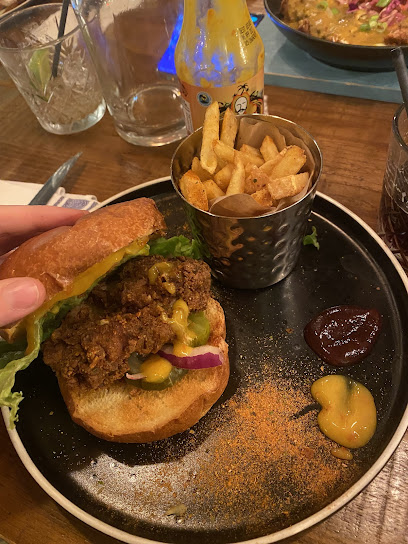
Cosy Club
0.9 km
Discover the vibrant culinary scene at Cosy Club in Lincoln – where delicious food meets inviting ambiance.
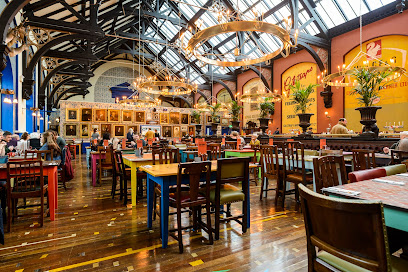
The Square Sail - JD Wetherspoon
0.9 km
Experience the warmth of The Square Sail pub in Lincoln – where great food meets stunning waterfront views.
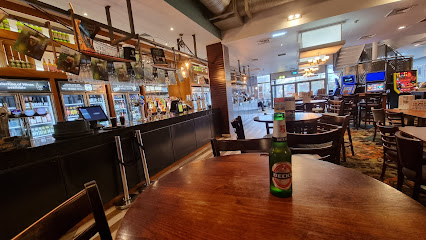
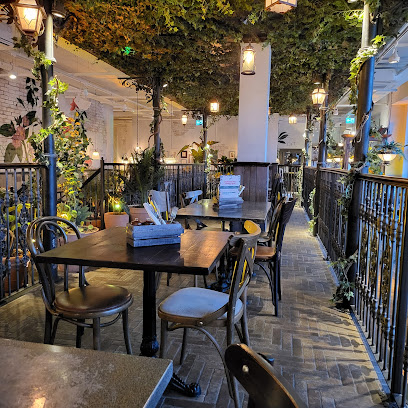
The Botanist Lincoln
0.9 km
Experience the perfect blend of live music and exquisite British cuisine at The Botanist Lincoln – where every meal is an occasion.
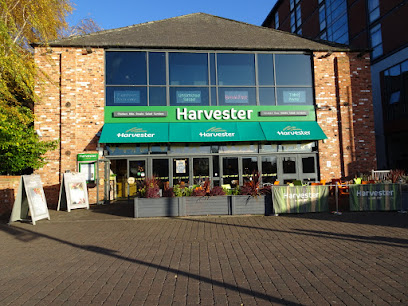
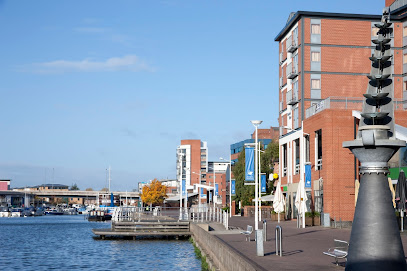
Harvester Brayford Wharf Lincoln
1.0 km
Experience family-friendly dining at Harvester Brayford Wharf in Lincoln - where great British cuisine meets stunning waterfront views.
Holiday Inn Lincoln, an IHG Hotel
1.0 km
Discover modern comfort at Holiday Inn Lincoln by Brayford Wharf - your gateway to exploring historic attractions and vibrant local culture.
Mill Lodge Beefeater
2.8 km
Discover the warmth of family dining at Mill Lodge Beefeater, where traditional British dishes meet modern comfort in Lincoln.
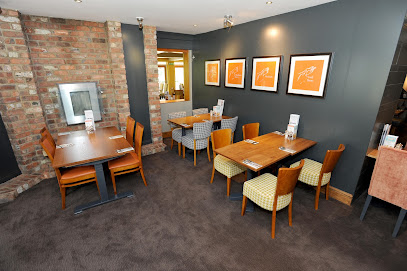
Premier Inn Lincoln (Canwick) hotel
2.8 km
Discover comfort and convenience at Premier Inn Lincoln (Canwick), your gateway to exploring historic Lincoln's treasures.
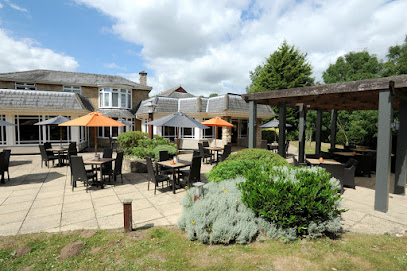
Homestead
4.0 km
Experience delightful cuisine at The Homestead, Bracebridge Heath's charming pub offering a perfect blend of tradition and modern dining.
Markets, malls and hidden boutiques

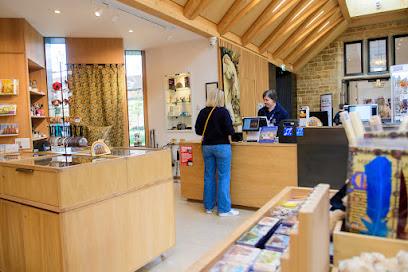
Lincoln Cathedral Shop
0.1 km
Explore the Lincoln Cathedral Shop for unique gifts and souvenirs that capture the essence of Lincoln's rich heritage.
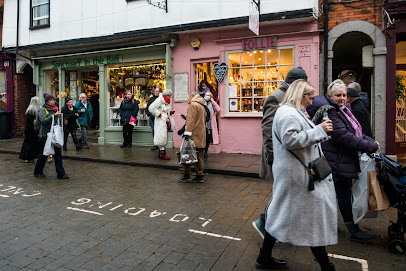
Follie
0.2 km
Discover Follie in Lincoln: Your go-to destination for unique gifts, fashion accessories, and handmade jewelry that capture the essence of local craftsmanship.
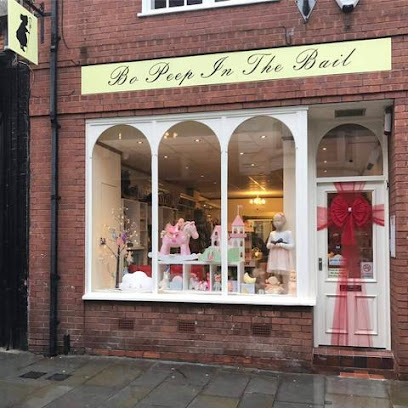
Bo Peep Boutique
0.2 km
Explore Bo Peep Boutique in Lincoln for unique children's clothing and toys, perfect for gifts and special occasions.
Pretty Little / Noa Noa
0.2 km
Explore the charming Pretty Little / Noa Noa ladies' clothing shop in Lincoln, where unique fashion meets personalized service.
Object & line
0.2 km
Discover unique local crafts and gifts at Object & Line, a charming gift shop in Lincoln that celebrates creativity and craftsmanship.
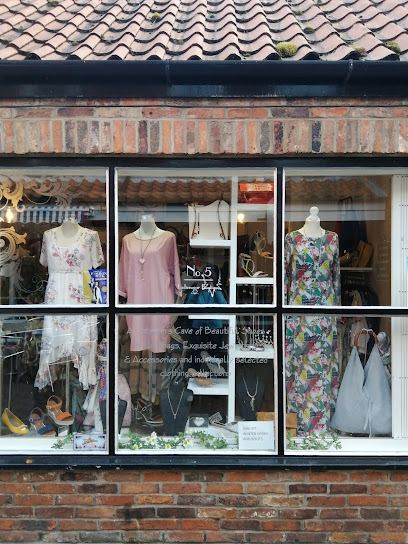
No.5 ladieswear boutique
0.2 km
Explore No.5 Ladieswear Boutique in Lincoln for a unique shopping experience, featuring designer clothing and personalized service in a warm atmosphere.
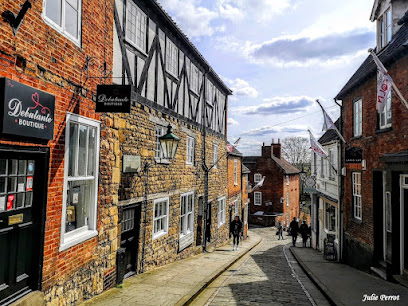
Debutante Boutique
0.3 km
Discover unique women's fashion at Debutante Boutique in Lincoln, a stylish haven for chic clothing and accessories.
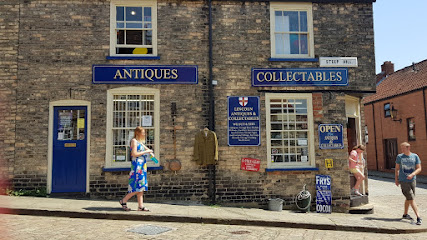
Lincoln Antiques & Collectables
0.4 km
Explore unique antiques and collectibles in the heart of Lincoln at Lincoln Antiques & Collectables, a treasure trove for vintage enthusiasts.
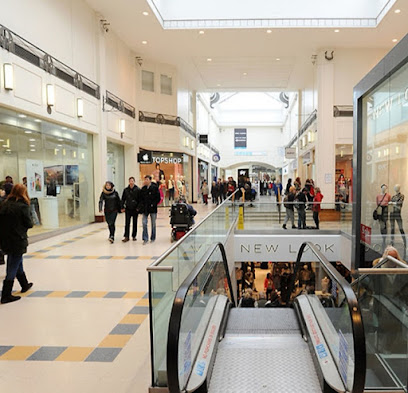
Waterside Shopping Centre
0.8 km
Explore the dynamic Waterside Shopping Centre, where shopping meets delightful dining and eco-friendly practices in the heart of Lincoln.
Primark
0.8 km
Shop trendy and affordable fashion at Primark in Lincoln—where style meets value for all ages.
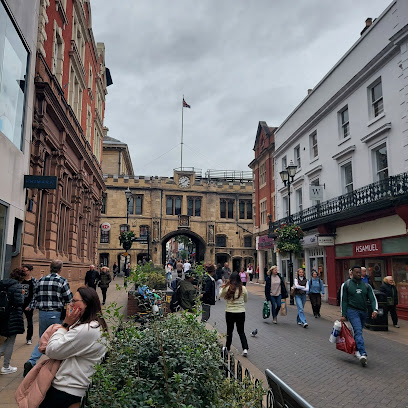
Pre-Loved From Lincolnshire
0.9 km
Explore Pre-Loved From Lincolnshire for unique handmade gifts and quality pre-loved items, celebrating local craftsmanship in a charming atmosphere.
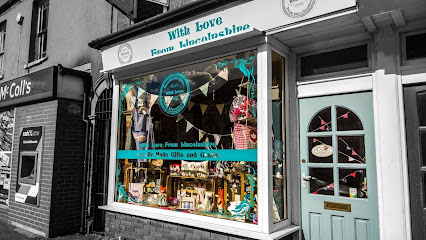
Cornhill Quarter
0.9 km
Explore Cornhill Quarter - Lincoln's lively shopping center with diverse stores, delightful eateries, and a vibrant community atmosphere.
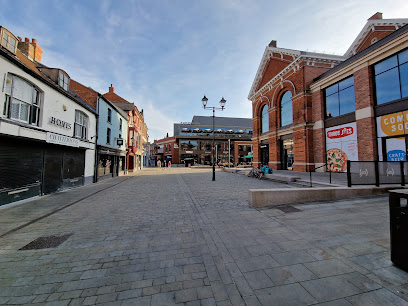
St Mark's Shopping Centre
1.3 km
Explore St Mark's Shopping Centre in Lincoln for a unique shopping experience with a blend of local charm and modern retail options.
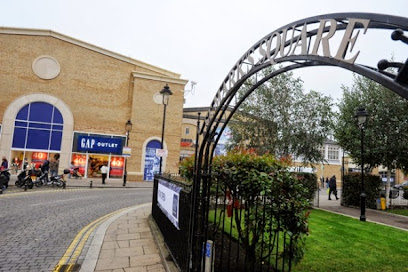
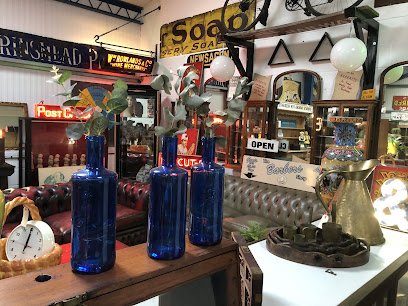
My Secret Antiques, Home and Collectables
1.3 km
Discover unique antiques and collectibles at My Secret Antiques in Lincoln—where history meets charm in every item.
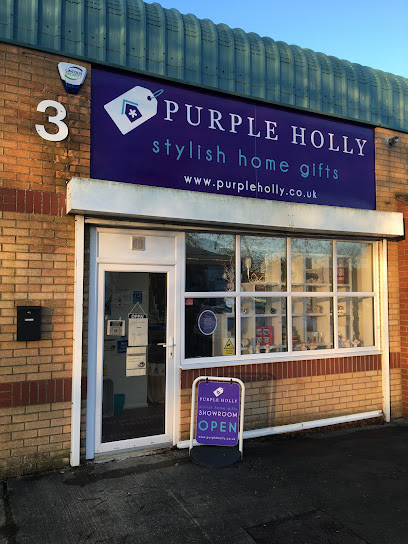
Purple Holly
1.7 km
Explore Purple Holly, Lincoln's charming gift shop offering unique homewares and festive decorations for every occasion.
Essential bars & hidden hideouts

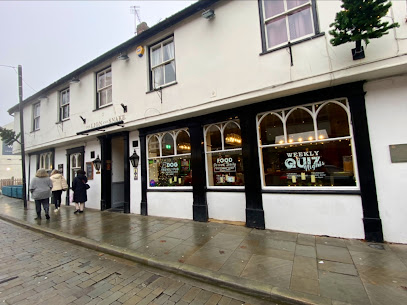
Lion & Snake
0.2 km
Experience the vibrant atmosphere and delightful flavors at Lion & Snake, Lincoln's beloved pub for locals and tourists alike.
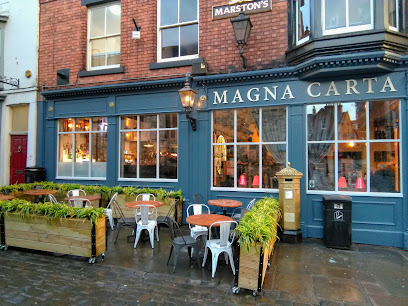
Magna Carta
0.2 km
Discover the historic Magna Carta Pub in Lincoln, where local brews and traditional dishes await in a charming atmosphere steeped in history.
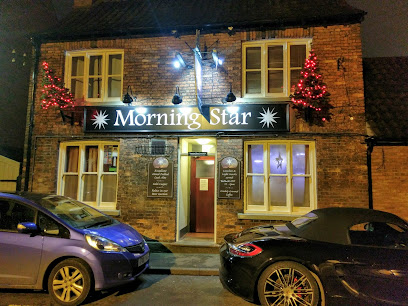
The Morning Star
0.2 km
Discover the charm of The Morning Star, a top pub in Lincoln, offering delightful food and drinks in a warm, inviting atmosphere.
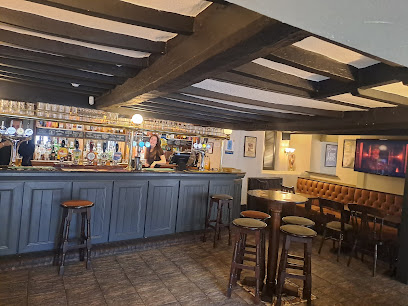
The Adam & Eve Tavern
0.3 km
Discover the historic Adam & Eve Tavern in Lincoln, where traditional charm meets a vibrant atmosphere, perfect for food and drink lovers.
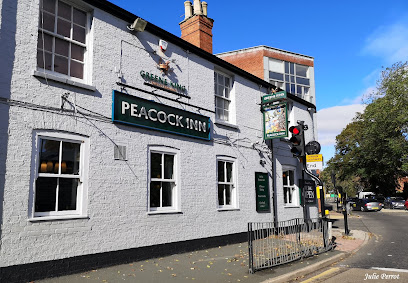
Peacock Inn
0.4 km
Discover the Peacock Inn in Lincoln for a delightful pub experience, featuring scrumptious food, local ales, and a lively sports bar atmosphere.
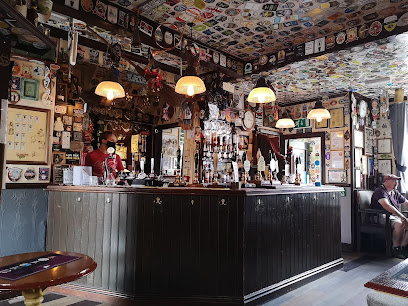
The Strugglers inn
0.5 km
Discover the charm of The Strugglers Inn in Lincoln, where unique decor meets an extensive drink menu for an unforgettable pub experience.
The Strait and Narrow
0.5 km
Discover The Strait and Narrow, Lincoln's premier cocktail bar offering innovative drinks and a lively atmosphere for an unforgettable night out.
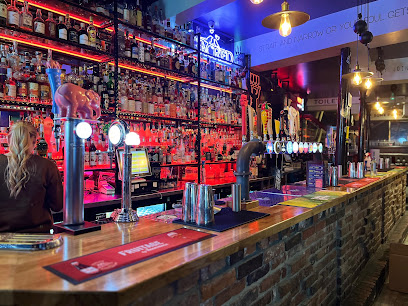
Be at One - Lincoln
0.5 km
Experience the best cocktails in Lincoln at Be at One, a lively bar where every drink is a celebration and every night is unforgettable.
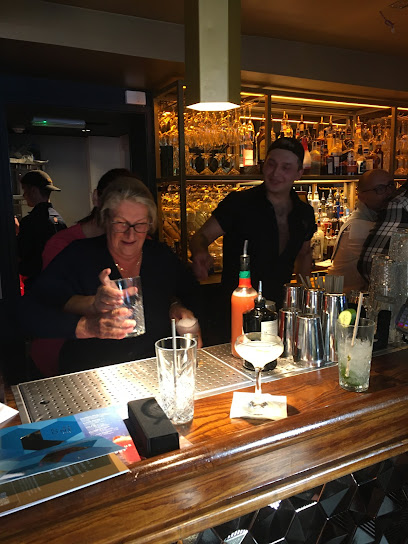
The Cardinal's Hat
0.5 km
Discover the warmth of The Cardinal's Hat, a beloved pub in Lincoln offering local ales, hearty meals, and a vibrant atmosphere for travelers.
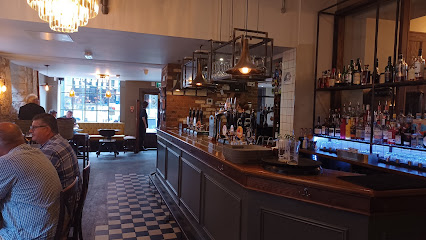
Slug & Lettuce - Lincoln
0.6 km
Discover Slug & Lettuce in Lincoln – a stylish cocktail bar and restaurant offering delicious food and vibrant drinks in a lively atmosphere.
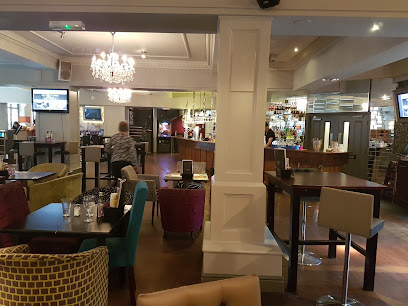
Vice & Co
0.6 km
Discover the best cocktails and vibrant nightlife at Vice & Co, Lincoln's premier cocktail bar featuring a stylish ambiance and skilled mixologists.
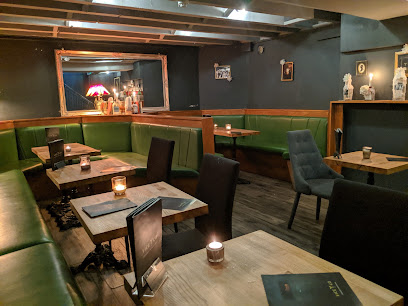
Carousel Bar Lincoln
0.7 km
Dive into the vibrant world of Carousel Bar Lincoln, where unique cocktails and nostalgic arcade games create unforgettable moments.
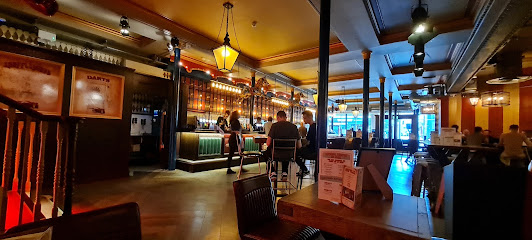
The Dog and Bone
0.7 km
Discover the warm hospitality and delicious cuisine at The Dog and Bone, a beloved pub in Lincoln, perfect for tourists seeking relaxation.
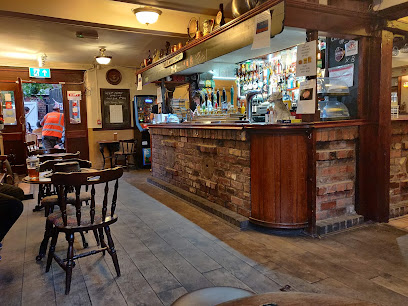
Trebles
0.7 km
Experience the vibrant nightlife of Lincoln at Trebles, a lively bar known for its friendly atmosphere and affordable drinks.
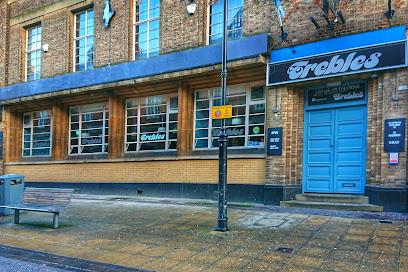
The Pessimist Gin and Wine Bar
0.7 km
Discover the cozy atmosphere of The Pessimist Gin and Wine Bar, where expertly crafted drinks and a warm ambiance make for an unforgettable experience.