Exchequer Gate, Lincolnshire Travel Guide
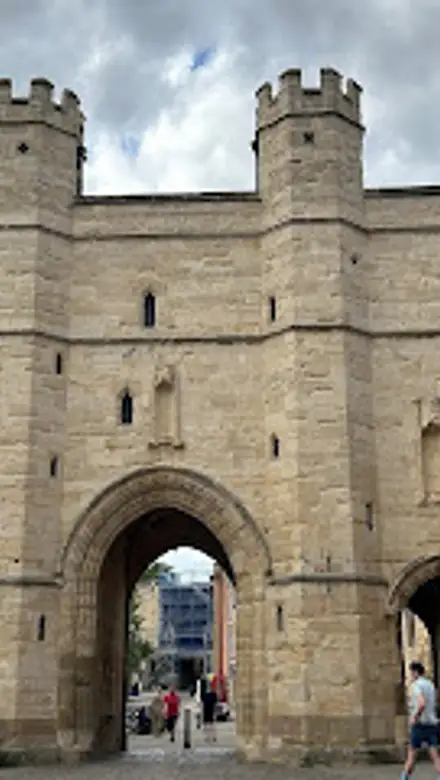
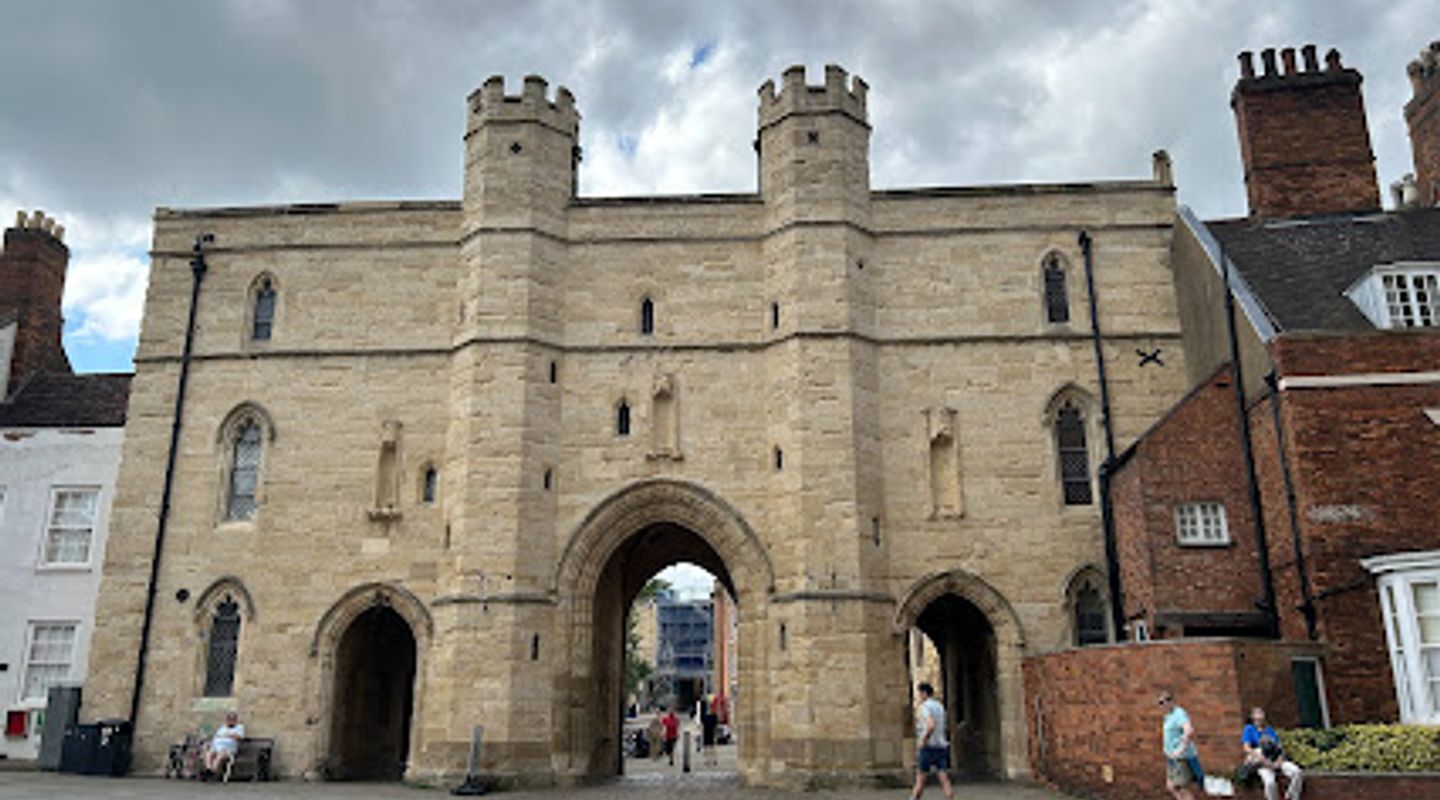
Step through Exchequer Gate, a majestic 14th-century medieval archway guarding Lincoln’s historic heart between Castle and Cathedral.
Exchequer Gate is a striking 14th-century medieval gatehouse perched at the top of Steep Hill in Lincoln, England. Known for its distinctive triple-arched design and battlemented top, it historically served as the rent collection point for tenants of the Church. Nestled between Lincoln Castle and the Cathedral, it offers visitors a tangible link to the city's medieval past and stunning views of surrounding historic landmarks.
A brief summary to Exchequer Gate
- 2 Exchequer Gate, Lincoln, LN2 1PZ, GB
- Duration: 0.5 to 1.5 hours
- Free
-
 Outdoor
- Mobile reception: 4 out of 5

Know before you go
Hi, I'm Eve. Here are a few practical things to know before exploring Exchequer Gate.
- Visit early morning for stunning sunrise views of Lincoln Cathedral framed by the gate.
- Wear comfortable shoes—the gate sits atop Steep Hill, a steep but rewarding walk.
- Explore nearby historic sites such as Leigh-Pemberton House and St Mary Magdalene Church.
- Bring a camera for excellent photo opportunities of the gate’s intricate stonework and city panoramas.
Do you manage this location?
Take control to get all the benefits, like improved information, better appearance, and stronger visibility across AI-powered discovery. Learn more about listing your business on Evendo
Activate your presenceOther nearby places you may find interesting
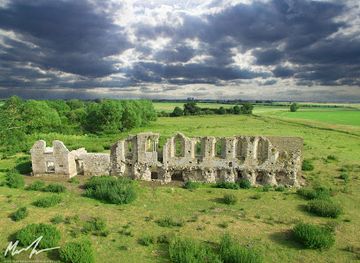
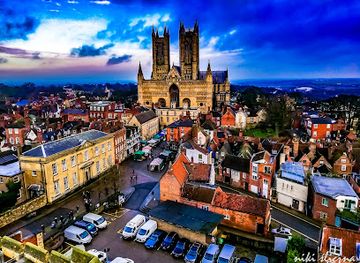
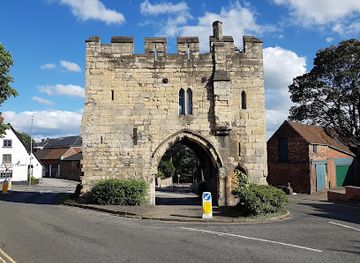
The closest places of the same kind, if this one is not quite what you had in mind.
Explore Exchequer Gate on the Map
A handpicked selection of must-see spots near Exchequer Gate, mapped for you.
Getting There
-
Bus
Take the local bus service to Lincoln city center; from there, it is a 10-15 minute uphill walk up Steep Hill to reach Exchequer Gate. Bus fares typically range from £2 to £4 one-way.
-
Train and Walk
Arrive at Lincoln train station and enjoy a scenic 20-minute walk to Exchequer Gate via uphill Steep Hill. The walk involves cobbled streets and moderate incline, so wear suitable footwear.
-
Car
Drive to Lincoln city center and use nearby public car parks such as Castle Square car park. Parking fees vary but average around £3-£5 per hour. From the car park, it is a 5-10 minute walk uphill to the gate.
For the on-the-go comforts that matter to you
-
 Restrooms
-
 Drink Options
-
 Food Options
-
 Seating Areas
-
 Information Boards
Discover more about Exchequer Gate
Architectural Heritage of Exchequer Gate
Exchequer Gate stands as a remarkable example of medieval architecture dating back to the 14th century. Its defining feature is the triple-arched gateway crowned with battlements, which historically served both defensive and administrative functions. The gate's name derives from the term 'exchequer,' related to the chequered cloth once used to count payments, reflecting its role as the place where tenants paid rent to the Church. The stonework and detailed moldings, including carved head stops, showcase craftsmanship from the reign of King Edward I, emphasizing the gate’s significance in Lincoln’s urban fabric.Strategic Location and Historical Context
Positioned at the summit of Steep Hill, Exchequer Gate commands a pivotal place in Lincoln’s medieval cityscape. It was originally built to protect the precinct surrounding the Church of St Mary Magdalene, which lies nearby. This location also marks a key transition point between Lincoln Castle and the Cathedral, two of the city’s most iconic historic sites. The gate’s proximity to these landmarks situates it within a rich ensemble of heritage buildings, including the 16th-century Leigh-Pemberton House and the 13th-century St Mary Magdalene Church, creating a layered historical narrative for visitors.The Role of Exchequer Gate in Medieval Lincoln
More than a defensive structure, Exchequer Gate was central to the economic life of medieval Lincoln. It functioned as the official rent collection point for tenants leasing Church property, underscoring the Church’s significant influence in the city’s governance and economy. The gate’s name and function connect to the medieval English financial system, where a black-and-white chequered cloth was used for counting payments, a practice that gave rise to the term 'exchequer.' This historical role offers insight into the administrative workings of the period and the intertwining of ecclesiastical and civic authority.Visitor Experience and Surrounding Ambience
Today, Exchequer Gate invites visitors to step back into Lincoln’s medieval past while enjoying panoramic views of the city’s historic streetscape. Its position atop Steep Hill provides a vantage point that is especially captivating at sunrise or during special events when the gate and nearby landmarks are beautifully illuminated. The surrounding area is a photographer’s delight, with picturesque streets, historic pubs like the Magna Carta, and the imposing silhouette of Lincoln Cathedral forming a dramatic backdrop.Preservation and Cultural Significance
Exchequer Gate is a protected historic landmark, recognized for its architectural and cultural importance. It stands as a testament to Lincoln’s medieval heritage and the city’s evolution over centuries. Preservation efforts ensure that the gate remains a visible and accessible symbol of the past, allowing contemporary audiences to connect with the stories embedded in its stone arches. Its continued prominence in the cityscape highlights Lincoln’s commitment to celebrating and maintaining its rich historical identity.Integration with Lincoln’s Historic Core
Exchequer Gate is integrally linked to the broader historic core of Lincoln, forming a key waypoint on the route between the Castle and the Cathedral. This integration enhances the visitor’s understanding of the city’s medieval layout and social structure. The gate’s presence enriches walking tours and cultural explorations, providing context to Lincoln’s architectural evolution and the interplay between religious, military, and civic domains. Its enduring presence makes it an essential highlight for anyone seeking to experience the depth of Lincoln’s history.












Your all‑in‑one travel companion app
Explore expert travel guides, compare and book tours, experiences, hotels, and more—all from the palm of your hand. Download now for seamless trip planning wherever your wanderlust takes you.


Explore More of Lincolnshire
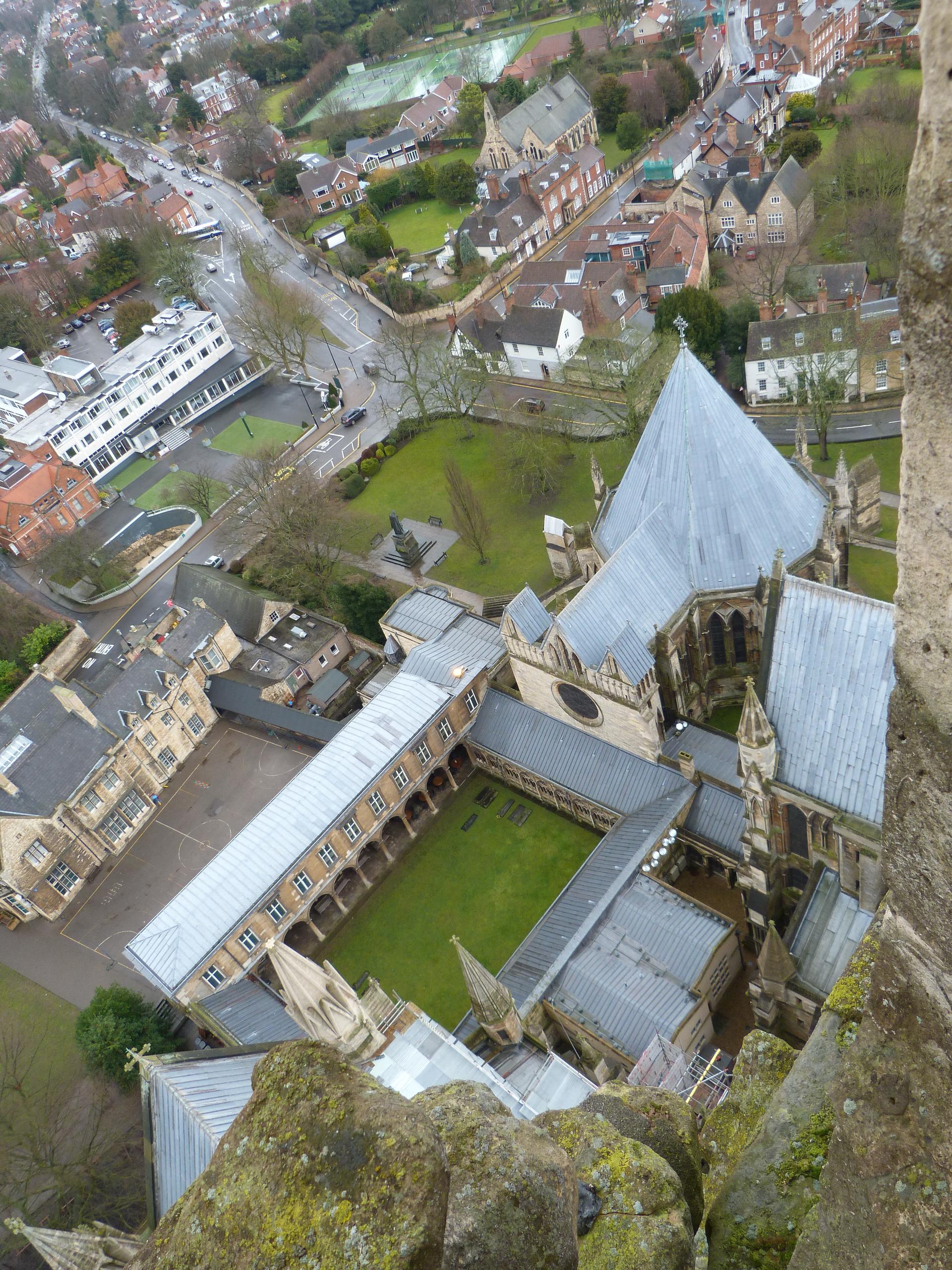
Looking beyond Exchequer Gate? Discover Lincolnshire for broader travel guides, local hot-spots, and regional highlights.
Explore Lincolnshire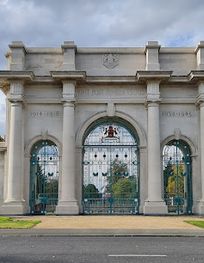
Nottingham's largest memorial to the World Wars, where history and nature converge along the River Trent.
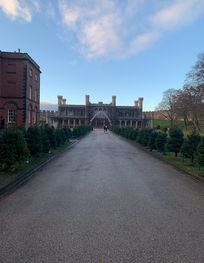
Explore the impressive Roman North Tower of the East Gate, a gateway to Lincoln’s ancient Lindum Colonia and a testament to Roman urban grandeur.