Background

Culross Abbey and Historic Burgh: A Timeless Scottish Heritage

Discover Culross Abbey’s medieval ruins and charming historic village, where Scotland’s spiritual heritage and 17th-century charm come alive.

Culross Abbey, founded in the early 13th century, is a captivating ruin and active parish church nestled on a steep slope above the picturesque village of Culross near Dunfermline. This former Cistercian monastery, built over an earlier Christian site linked to Saint Serf and Saint Mungo, offers visitors a glimpse into medieval monastic life and Scottish Reformation history, surrounded by charming cobbled streets and historic 17th-century architecture.

Plan your visit

A brief summary to Culross

Opening times, essentials, and a few local tips gathered into one calmer, easier-to-scan planning section.

Plan your visit

📍
Dunfermline, Culross, GB
🕒
Duration: 1 to 3 hours
💷
Mid ranged
🏛
Outdoor
📶
Mobile reception: 4 out of 5

Explore places near Culross

    See all →

    Unlock the Best of Culross

    Find tickets, tours with entry, and experiences available for this location.

    Buy tickets

    No tickets available

    Book tours with entry

    No tours with entry available

    Book tours without entry

    No tours without entry available

    Getting There

    Train and Bus

    From Dunfermline, take a train to Inverkeithing (approx. 10 minutes), then catch the local bus service 34 or 35 to Culross village (approx. 15 minutes). Bus services run hourly; tickets cost around £5-£8 GBP.

    Car

    Driving from Dunfermline takes about 20 minutes via A985. Parking is available near the village center but can be limited during peak tourist seasons. No parking fees typically apply.

    Walking

    For the adventurous, a scenic 1.5-hour walk from Dunfermline follows country lanes and footpaths to Culross. Terrain is mixed with some hills, suitable for moderately fit walkers.

    For the on-the-go comforts that matter to you

    Restrooms
    Seating Areas
    Information Boards

    Local tips

    Visit the active parish church within the abbey to experience a living piece of history.
    Explore the cobbled streets of Culross village to admire well-preserved 17th-century architecture.
    Look out for the Mercat Cross topped with a unicorn, symbolizing Culross’s royal burgh status.
    Enjoy panoramic views from the abbey’s hillside location over the Fife countryside.
    Learn about local legends, including the mysterious piper and secret tunnels beneath the abbey.

    Culross location weather suitability

    Catch the right light and the right mood, whether you want a bright city moment or a more cinematic evening visit.

    Weather icon
    Any Weather
    Weather icon
    Rain / Wet Weather
    Weather icon
    Clear Skies
    Weather icon
    Mild Temperatures

    Discover more about Culross

    Medieval Foundations and Spiritual Legacy

    Culross Abbey was established in 1217 by Malcolm I, Earl of Fife, as a daughter house of Kinloss Abbey. It was built on a site with deep Christian roots, believed to be the location of a 6th-century Pictish church founded by Saint Serf, with Saint Mungo (Kentigern) among its early Christian community. The abbey was originally a cruciform Cistercian monastery, housing monks and lay brothers who contributed to its religious and economic life. Over the centuries, the abbey evolved architecturally and socially, reflecting changes in monastic practices and Scottish ecclesiastical history.

    Transformation Through Turbulent Times

    By the late 15th century, the monastic community had diminished, leading to partial abandonment and demolition of sections such as the nave. The Scottish Reformation in 1560 marked a turning point, ending monastic life and repurposing the abbey’s choir and presbytery into a parish church, which remains in use today. The surrounding domestic buildings fell into ruin, but the site retained its spiritual and communal significance. Notable historical figures, such as Sir George Bruce of Carnock, left their mark with tombs and effigies, adding layers to the abbey’s story.

    The Village of Culross: A Step Back in Time

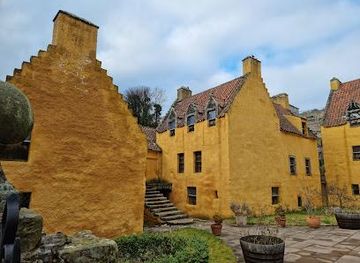
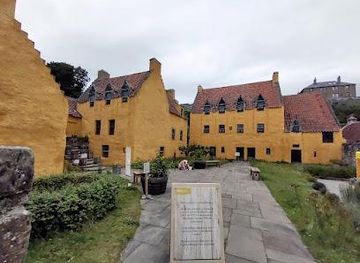
    Nestled below the abbey, Culross village is one of Scotland’s most complete 17th- and 18th-century burghs. Its steep, cobbled streets are lined with white-harled houses topped with red-tiled roofs, evoking a bygone era of mercantile prosperity. The ochre-hued Culross Palace, with its restored period interiors and gardens, offers a vivid sense of life during the town’s heyday. The Mercat Cross, crowned by a unicorn symbolizing royal burgh status, stands as a focal point of historical civic life.

    Legends, Stories, and Cultural Impressions

    Culross Abbey and the village are steeped in folklore, including tales of secret tunnels beneath the abbey and a mysterious piper who vanished while playing his bagpipes. These stories enrich the visitor experience, blending history with myth. The abbey’s ruins offer evocative views and a tangible connection to Scotland’s medieval past, while the village’s preserved architecture has made it a favored location for film and television productions, notably the series Outlander.

    Visitor Experience and Atmosphere

    Visitors to Culross Abbey can explore atmospheric ruins of pillars and doorways, alongside the still-active parish church. The steep hillside setting provides scenic panoramas of the surrounding Fife countryside. The village’s tranquil streets invite leisurely strolls, with opportunities to discover historic wells, markets, and artisan shops. The combination of spiritual heritage, architectural charm, and evocative legends creates a rich, immersive experience for history enthusiasts and casual visitors alike.

    Preservation and Cultural Significance

    Managed by Historic Environment Scotland and the National Trust for Scotland, Culross and its abbey are protected as key heritage sites. Conservation efforts ensure the survival of painted ceilings, carved effigies, and historic buildings, allowing future generations to connect with Scotland’s religious and social history. The site’s blend of ruins and living parish functions exemplifies the continuity and adaptation of sacred spaces through centuries.

    A brief summary to Culross

    Use Tower Bridge as your starting point for nearby food, family ideas, nightlife, and more local discoveries.

    Plan around the quieter times

    A quick look at seasonal patterns and peak visiting hours.

    Busiest months of the year

    Seasonality

    Busiest hours of the day

    Footfall
    Mobile App
    Get the app

    Your all‑in‑one travel companion app

    Explore expert travel guides, compare and book tours, experiences, hotels, and more—all from the palm of your hand. Download now for seamless trip planning wherever your wanderlust takes you.
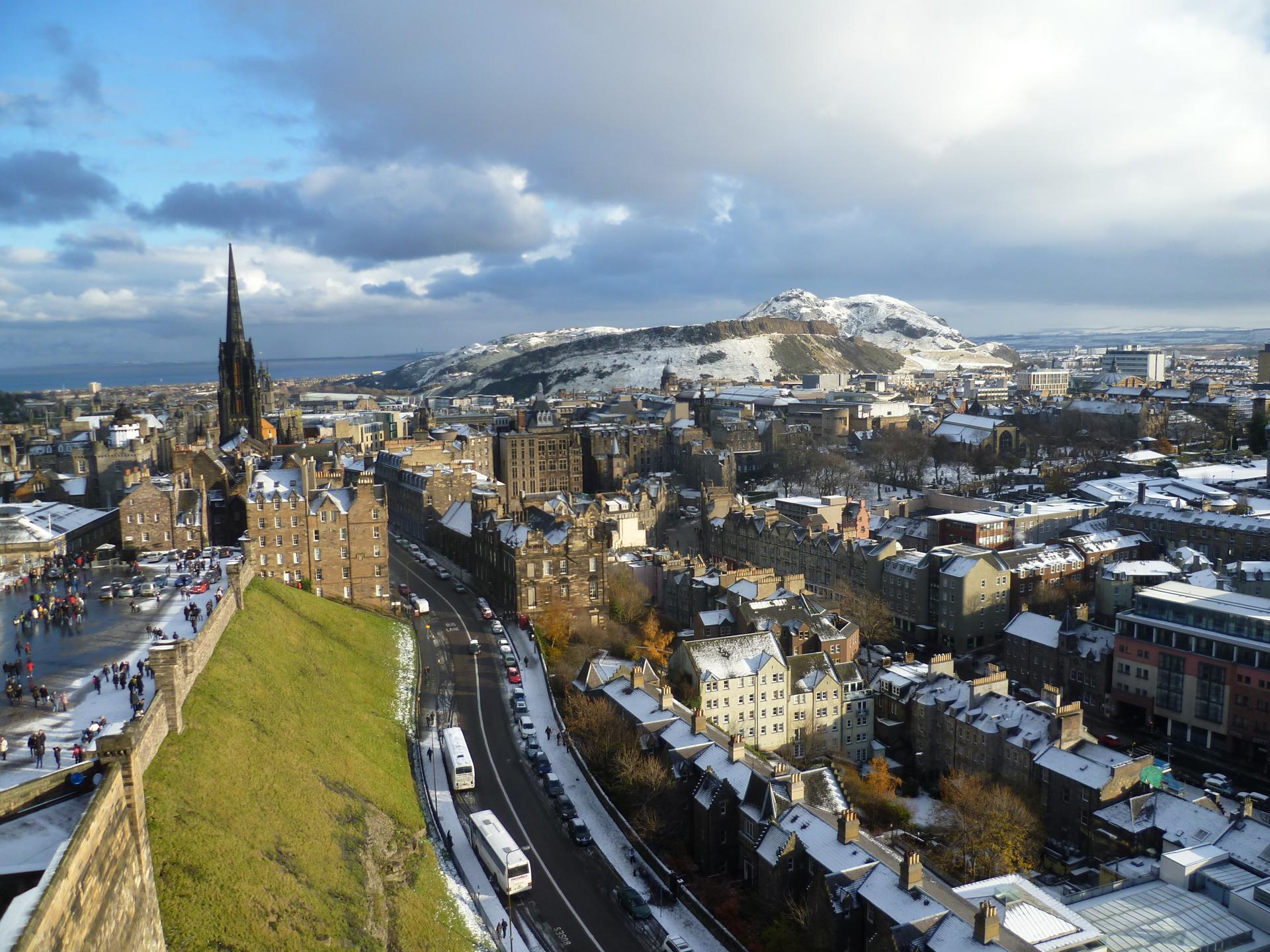
    File:View of Edinburgh from the Palace block of Edinburgh Castle.jpg -  Wikimedia Commons

    More about Edinburgh

    Discover the enchanting blend of history, culture, and natural beauty in Edinburgh, Scotland's captivating capital city.

    Tell me more about Edinburgh
    Select Currency

    Choose the currency you want prices to display in.